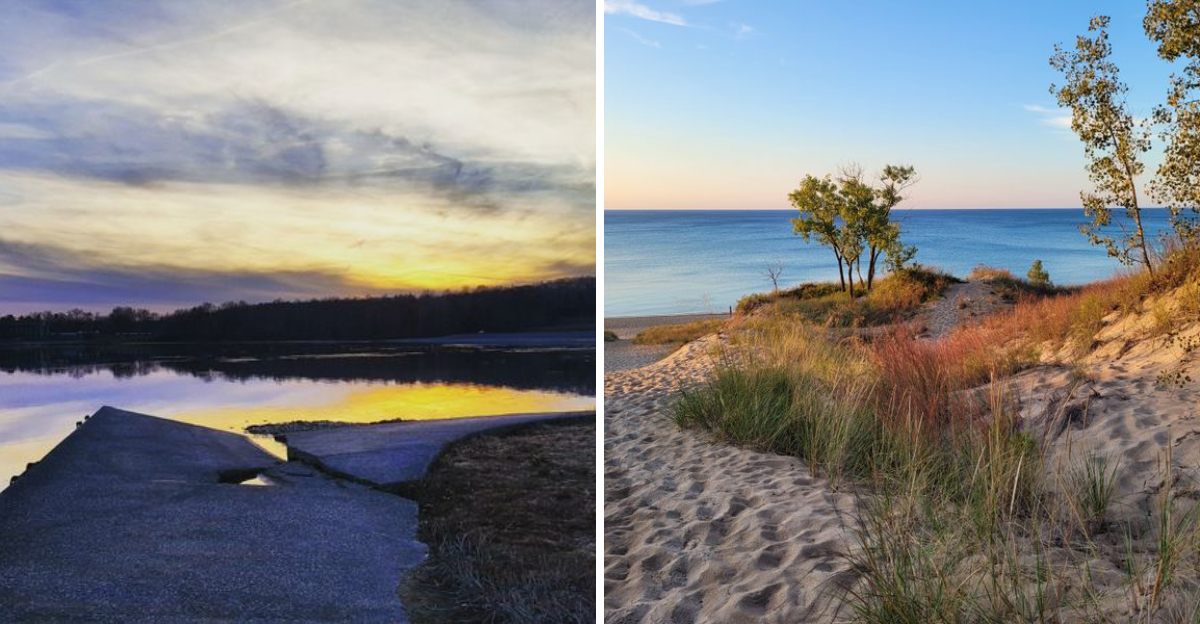
Winter in Indiana transforms ordinary country roads into magical pathways lined with frosted trees and snow-dusted fields that seem to stretch forever.
Locals know that the best way to experience this seasonal beauty is through a carefully planned two-day road trip that takes you far from the highway hustle.
These adventures offer chances to see historic covered bridges, charming small towns, and landscapes that look like they belong on a postcard.
Whether you’re seeking cozy cafes, scenic overlooks, or peaceful drives through untouched countryside, Indiana’s backroads deliver unforgettable winter memories.
The secret to making the most of these journeys lies in knowing which routes to take, where to stop, and how to embrace the slower pace that snowy roads demand.
This guide shares proven ways locals approach their winter road trips, ensuring you experience the very best of Indiana’s snow-covered backroads without missing a single hidden gem.
Plan Your Route Around Covered Bridges and Historic Landmarks
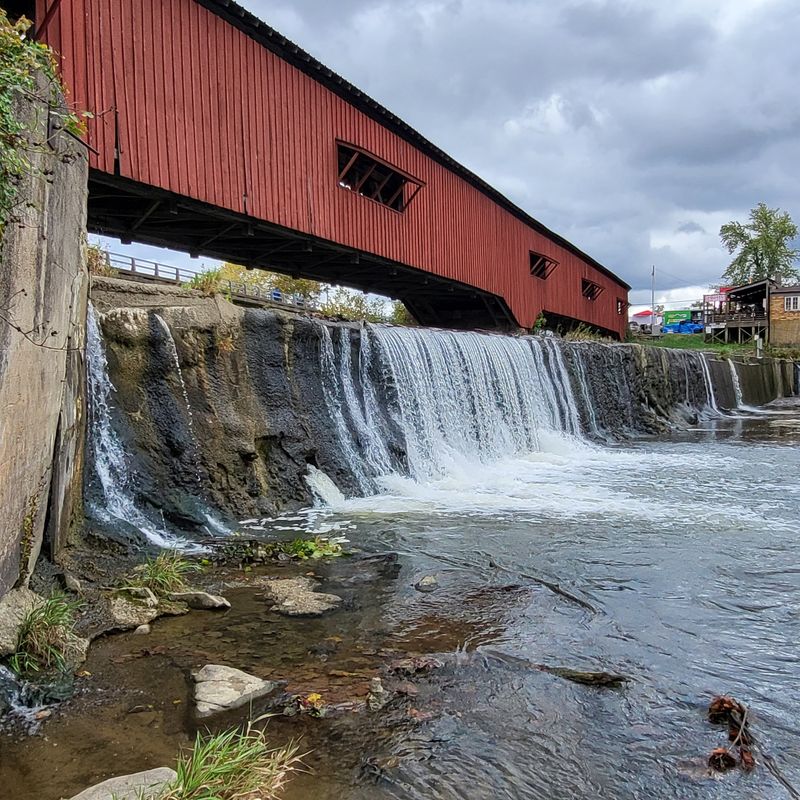
Parke County holds the title of Covered Bridge Capital of the World, making it an essential destination for any winter road trip through Indiana’s countryside.
The snow creates a stunning contrast against the rustic red and brown wooden structures that date back more than a century.
Mapping your journey to include at least five or six of these bridges ensures you’ll have plenty of photo opportunities and reasons to step out into the crisp winter air.
Start your trip at the Bridgeton Covered Bridge, located at 200 Bridgeton Road in Bridgeton, which spans Big Raccoon Creek and features a charming mill nearby.
The area around this bridge often has less traffic in winter, giving you peaceful moments to appreciate the architecture and natural surroundings.
From there, head to Mansfield Covered Bridge on County Road 200 South, which offers beautiful views of the surrounding farmland blanketed in white.
Beyond bridges, incorporate stops at historic courthouses and old general stores that dot the backroads.
These landmarks provide context for the region’s past while offering warm places to rest and chat with locals who share stories about winter traditions.
Many of these buildings have been standing for over 150 years and look especially photogenic when framed by snow-laden branches.
Timing your route to reach each landmark during different lighting conditions adds variety to your photographs and experiences.
Morning light makes the snow sparkle like diamonds, while afternoon sun casts long shadows that emphasize the bridges’ architectural details.
Evening visits, though brief due to early sunsets, can capture the magical blue hour when snow seems to glow.
Local tip: download offline maps before you leave since cell service can be spotty on remote backroads.
Keep a physical map in your car as backup, and don’t hesitate to ask for directions at small-town gas stations where friendly attendants know every shortcut and scenic detour worth taking.
Pack Emergency Supplies and Winter Driving Essentials
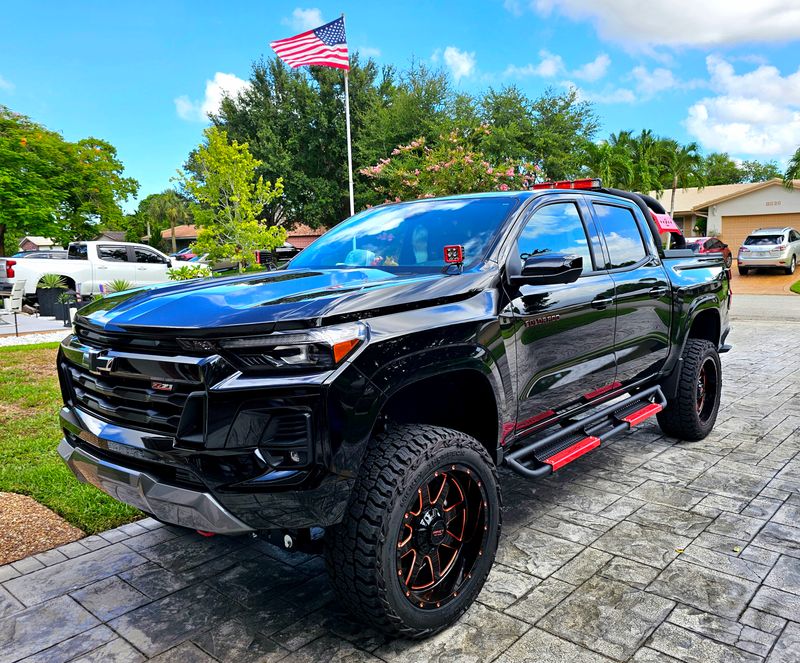
Backroads don’t get plowed as quickly as main highways, which means you need to prepare for unexpected situations that could leave you stranded for hours.
A proper emergency kit includes blankets, flashlights with extra batteries, non-perishable snacks, bottled water, and a first-aid kit that’s checked for expired items.
These supplies might seem excessive until you’re stuck waiting for a tow truck on a road where only three cars pass per hour.
Your vehicle should be winter-ready with good tire tread, functional windshield wipers, and a full tank of gas before leaving each morning.
Keep an ice scraper, small shovel, and bag of sand or kitty litter in your trunk for traction if your tires start spinning on ice.
Jumper cables are essential since cold weather drains batteries faster than most people realize, and you might encounter another traveler who needs assistance.
Dress in layers even if your car has excellent heating, because temperatures inside can drop quickly if your engine stalls.
Wool socks, insulated boots, and waterproof gloves should be within easy reach, not buried in luggage.
A thermos filled with hot coffee or tea provides comfort during unexpected delays and tastes especially good when you’re parked at a scenic overlook watching snowflakes fall.
Charge your phone fully each night and consider bringing a portable power bank that holds at least two full charges.
Download weather apps that provide hour-by-hour forecasts and road condition updates specific to rural counties.
Share your planned route with a friend or family member who isn’t traveling with you, including estimated arrival times at major stops.
Experienced road trippers also pack a small toolkit with basic items like duct tape, zip ties, and a multi-tool that can handle minor repairs.
These items have saved countless trips when a loose part starts rattling or a windshield wiper needs quick adjustment in a town with no auto parts store for twenty miles.
Schedule Stops at Small-Town Cafes and Local Diners
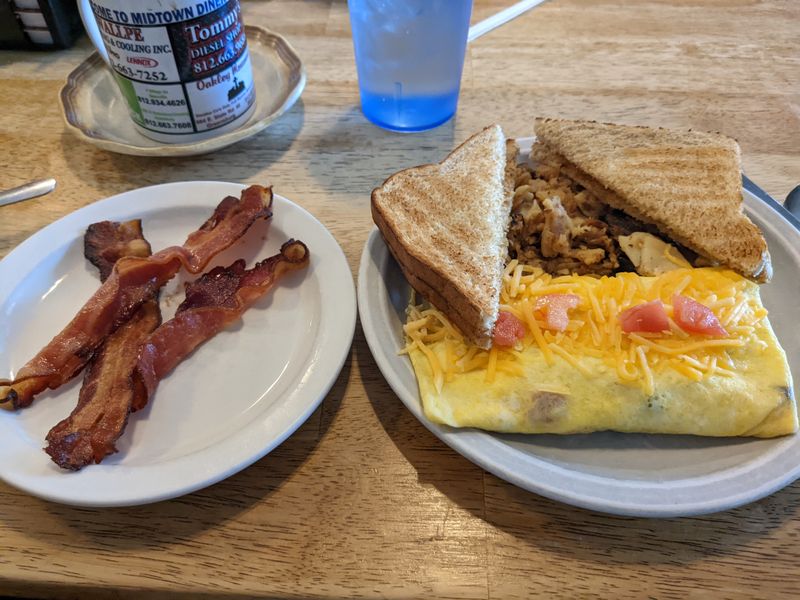
Nothing beats warming up at a family-owned diner where the coffee is always fresh and the pie comes with a generous slice of local hospitality.
These establishments serve as community gathering spots where you’ll overhear conversations about weather patterns, upcoming events, and the best backroads to explore next.
Skipping chain restaurants in favor of these authentic eateries gives you a genuine taste of Indiana culture that tourists rarely experience.
The Story Inn, located at 6404 South State Road 135 in Story, offers hearty meals in a restored 1800s general store that feels like stepping back in time.
Their homemade soups and sandwiches hit the spot after hours of driving through cold countryside, and the rustic atmosphere encourages lingering over a second cup of coffee.
The staff knows the surrounding roads intimately and can suggest scenic routes you won’t find in any guidebook.
Another favorite is the Nashville House Restaurant at 15 Van Buren Street in Nashville, famous for fried biscuits and apple butter that locals have been enjoying for generations.
Arriving during off-peak hours means shorter waits and more opportunities to chat with servers who share insider knowledge about hidden viewpoints and seasonal road conditions.
The cozy interior, complete with wood-burning stove, makes it hard to leave when snow is falling outside.
Small-town cafes often display bulletin boards covered with flyers about local events, craft fairs, and community news that reveal the area’s character.
Taking a few minutes to read these notices gives you conversation starters when talking with residents and might lead to discovering a winter festival or market you didn’t know existed.
Budget extra time for these meal stops because service can be slower than fast-food restaurants, but that’s part of the charm.
The relaxed pace encourages you to slow down, enjoy your food, and appreciate the break from driving before heading back out to explore more snow-covered backroads.
Explore State Parks and Nature Preserves in Winter Solitude
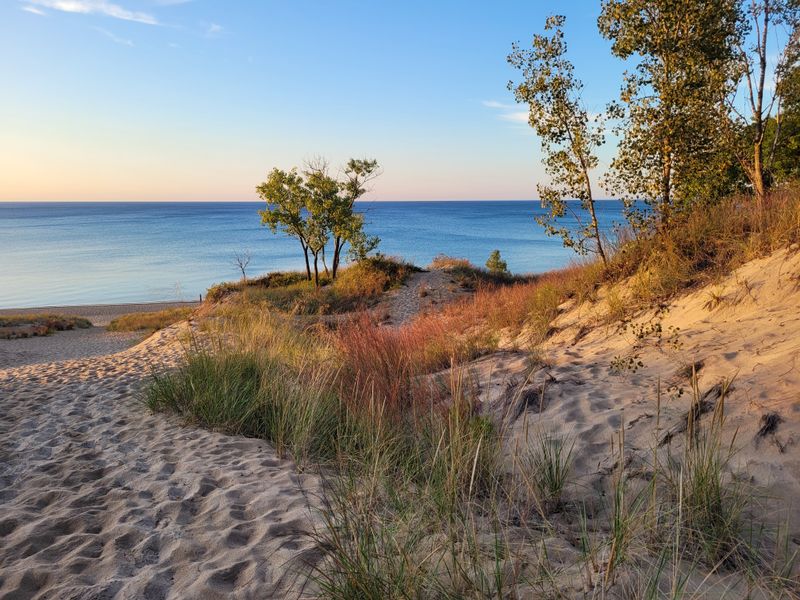
Summer crowds disappear when temperatures drop, leaving Indiana’s state parks and nature preserves peacefully empty for those willing to brave the cold.
Winter hiking offers unique perspectives on familiar landscapes, with frozen waterfalls, animal tracks in fresh snow, and bare trees that reveal rock formations hidden during leafy months.
Many parks maintain at least some trails throughout winter, though you should call ahead to confirm conditions and closures.
Turkey Run State Park, located at 8121 East Park Road in Marshall, features dramatic sandstone gorges that look especially striking when ice clings to the rock faces.
The park’s suspension bridge and rugged trails provide adventure without requiring technical climbing skills, though ice cleats are recommended for better traction.
Winter visitors often spot deer, wild turkeys, and other wildlife more easily since animals stand out against the white landscape and vegetation doesn’t obscure sightlines.
McCormick’s Creek State Park at 250 McCormick Creek Park Road in Spencer offers gentler trails perfect for casual walkers who want scenery without strenuous effort.
The creek itself becomes a work of art when ice forms along its edges and waterfalls freeze into sculptural cascades.
The park’s historic stone structures, built by the Civilian Conservation Corps in the 1930s, photograph beautifully against snowy backgrounds.
Bring binoculars for birdwatching since many species are easier to observe in winter when trees are bare and birds gather around feeders near park offices.
Pack hand warmers, insulated water bottles, and high-energy snacks that won’t freeze solid in your backpack.
Layer your clothing so you can adjust as your body temperature rises during hiking and drops during rest breaks.
Remember that winter daylight is limited, so start your hikes early enough to return before darkness falls.
Trails that seem simple in summer become challenging when snow obscures the path and temperatures drop after sunset, making preparation and timing crucial for safe enjoyment.
Document Your Journey with Photography and a Travel Journal
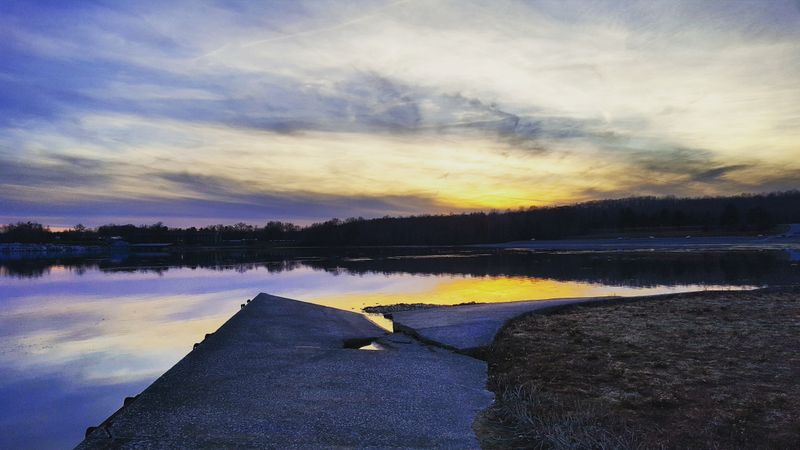
Snow-covered backroads provide endless opportunities for capturing stunning photographs that showcase Indiana’s rural beauty in its most serene season.
Bringing a good camera or using your smartphone’s best settings helps preserve memories that fade too quickly once you return to everyday life.
Focusing on details like frost patterns on fence posts, steam rising from a farmhouse chimney, or the way sunlight filters through ice-covered branches creates a diverse collection of images.
Early morning and late afternoon offer the best natural lighting for photography, with long shadows and warm tones that make ordinary scenes look extraordinary.
Overcast days, while less dramatic, provide even lighting that works well for capturing the subtle textures of snow and the muted colors of winter landscapes.
Don’t forget to photograph the small moments: your steaming coffee cup on a diner table, your snow-covered boots by a covered bridge, or the hand-painted sign welcoming visitors to a tiny town.
Keeping a travel journal alongside your photos adds context and emotion that images alone can’t capture.
Jot down the names of people you meet, funny conversations overheard at gas stations, and your own reactions to unexpected discoveries along the route.
These written memories become more valuable over time, helping you recall specific feelings and experiences that even the best photograph can’t fully convey.
Consider creating a simple rating system for roads, restaurants, and viewpoints so you can share recommendations with friends or plan return trips.
Note specific mile markers or intersections where you found the best views, since these locations often lack official names or signage.
Record weather conditions and how they affected your experience, which helps future planning and adds interesting details when sharing stories later.
Protect your camera equipment from moisture and extreme cold by keeping it in an insulated bag when not in use.
Batteries drain faster in cold weather, so carry extras in an inside pocket where your body heat keeps them warm and functional throughout the day.
Stay Overnight in Charming Bed-and-Breakfasts or Historic Inns
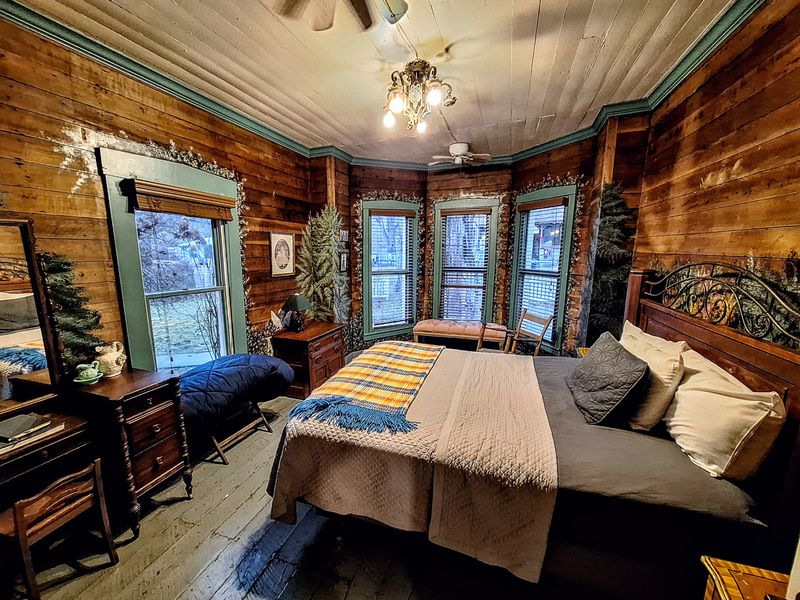
Choosing accommodation that matches the character of your backroads adventure enhances the entire experience beyond what any chain hotel can offer.
Bed-and-breakfasts in small Indiana towns provide comfortable rooms, homemade breakfasts, and hosts who share local knowledge that helps you discover places you’d otherwise miss.
These establishments often occupy historic buildings with their own fascinating stories, adding another layer of interest to your trip.
The Artists Colony Inn at 105 South Van Buren Street in Nashville sits in the heart of Brown County’s art district and offers rooms decorated with works by local artists.
Staying here puts you within walking distance of galleries, shops, and restaurants, while the innkeepers provide detailed maps marking the best scenic drives for the following day.
The building’s history as a former hospital and school gives it unique architectural features you won’t find in modern hotels.
Another excellent choice is the Cliff House Inn at 122 North Jefferson Street in Jeffersonville, though it’s farther south than typical backroads routes.
For those exploring southern Indiana’s snow-covered landscapes, finding similar historic inns in smaller towns like Madison or Aurora provides authentic experiences with river views and Victorian charm.
Booking ahead is essential during winter weekends when locals also seek cozy getaways from city life.
Many bed-and-breakfasts require two-night minimum stays during peak times, so plan your itinerary accordingly to avoid disappointment.
Ask about package deals that might include dinner reservations or guided tours of nearby attractions.
Evening hours at these inns often feature common areas with fireplaces where guests gather to share travel stories and compare notes about the day’s adventures.
This social aspect connects you with other travelers who appreciate backroads exploration and might suggest routes or stops you hadn’t considered.
The homemade breakfast the next morning provides fuel for another full day of driving and discovery, often featuring local ingredients and family recipes passed down through generations.
Embrace Flexibility and Allow Time for Unplanned Discoveries
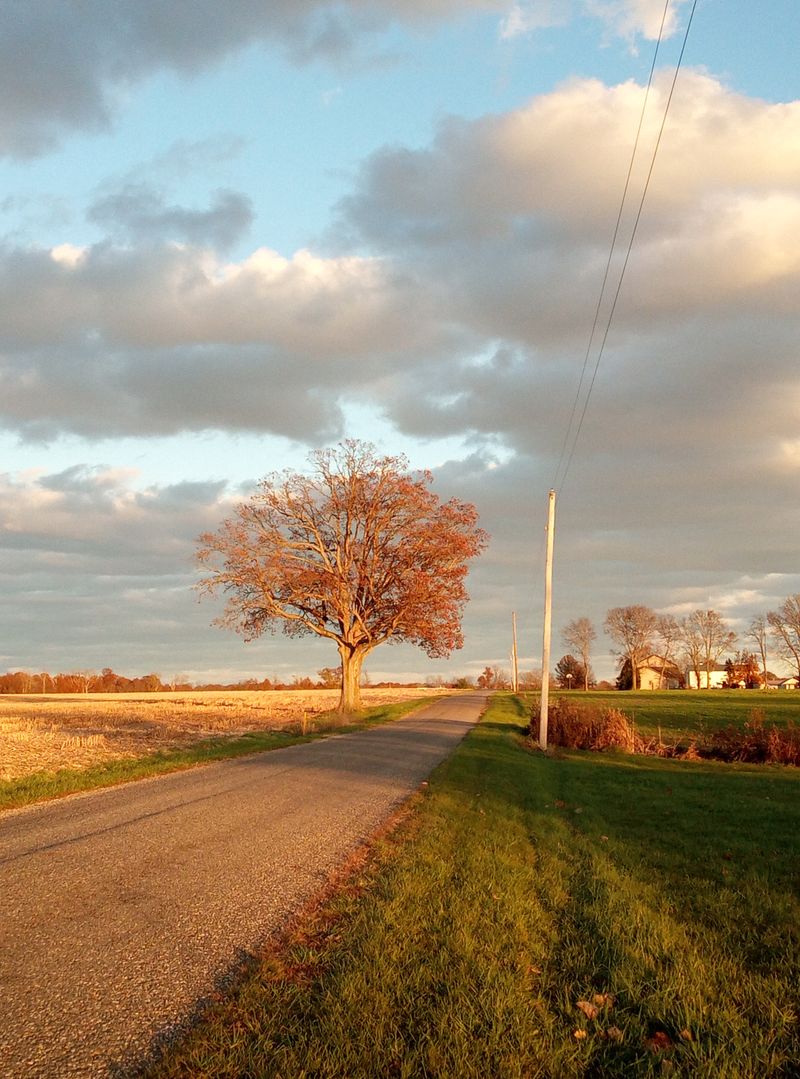
The most memorable moments on backroads trips often happen when you abandon your schedule and follow curiosity down an unmarked road or into an unexpected shop.
Rigid itineraries leave no room for the serendipitous encounters that transform a good trip into an unforgettable adventure.
Building extra time into each day’s plan gives you freedom to explore without the stress of falling behind schedule.
When you spot an interesting barn, a particularly beautiful stretch of fence line, or a hand-painted sign advertising fresh honey or maple syrup, pull over and investigate.
These spontaneous stops often lead to conversations with farmers, artisans, or longtime residents who share perspectives on rural life that guidebooks never capture.
Purchasing something small from these roadside stands supports local economy and gives you a tangible souvenir with a story attached.
Taking wrong turns sometimes reveals the most spectacular scenery, so don’t panic when your GPS loses signal or you realize you’ve been heading the wrong direction for several miles.
Backroads rarely have heavy traffic, making it easy to turn around, and the extra mileage might lead you past a frozen pond, a historic cemetery, or a scenic overlook that wasn’t on any map.
Allowing yourself to get slightly lost is part of the adventure, though you should maintain awareness of fuel levels and daylight remaining.
Keep your emergency supplies accessible and inform someone of your general location if you venture far from your planned route.
The goal is relaxed exploration, not reckless wandering that puts safety at risk.
Some travelers set a loose goal like covering a certain number of counties or visiting a specific region without dictating exact roads or timing.
This approach provides direction while preserving flexibility, letting weather conditions, energy levels, and interesting discoveries shape your actual path.
The best Indiana backroads stories always include phrases like “we stumbled upon” and “we had no idea it was there,” proving that the unplanned moments often become the highlights you talk about for years.
Dear Reader: This page may contain affiliate links which may earn a commission if you click through and make a purchase. Our independent journalism is not influenced by any advertiser or commercial initiative unless it is clearly marked as sponsored content. As travel products change, please be sure to reconfirm all details and stay up to date with current events to ensure a safe and successful trip.
