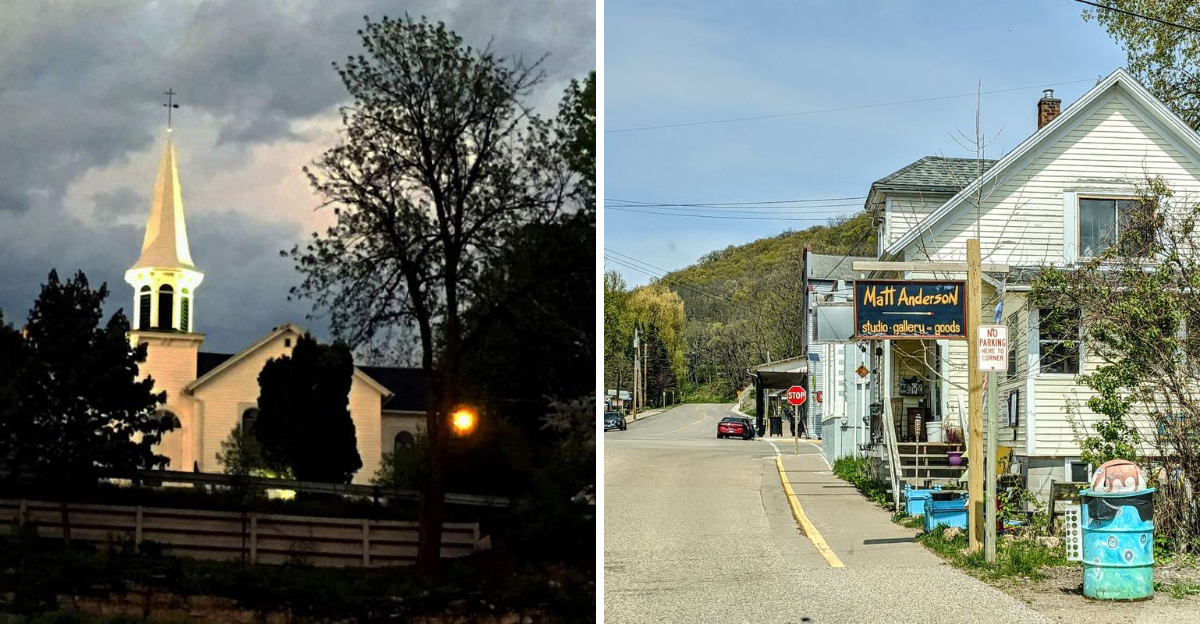
Wisconsin transforms into a storybook wonderland when winter arrives, with snow-draped villages that seem frozen in time.
A two-day road trip through the state’s most charming small towns offers a chance to experience old-fashioned hospitality, historic Main Streets, and cozy traditions that warm the coldest days.
Pack your warmest coat and get ready to discover the magic that makes Wisconsin’s winter villages unforgettable.
1. Cedarburg: Victorian Charm Meets Winter Festivals
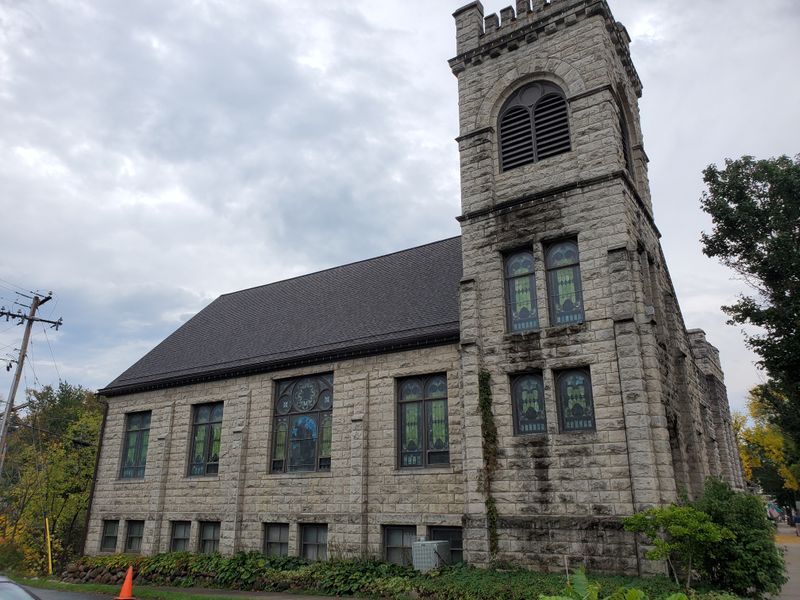
Cedarburg stands as one of Wisconsin’s most beautifully preserved nineteenth-century villages, where limestone buildings and brick storefronts create an atmosphere that feels lifted from another era.
Winter amplifies the town’s charm, especially when fresh snow blankets the historic downtown district along Washington Avenue.
The Cedar Creek Settlement, housed in a former woolen mill, offers a unique shopping experience with artisan boutiques and galleries spread across multiple levels.
Visitors can warm up with hot chocolate at local cafes while admiring handcrafted goods ranging from pottery to jewelry.
The town’s commitment to preserving its heritage shows in every carefully maintained building and old-fashioned streetlamp.
Winter weekends bring special events that celebrate the season with horse-drawn wagon rides through snowy streets.
The covered bridge near the settlement becomes a picturesque photo spot when surrounded by winter scenery.
Local bakeries fill the air with aromas of fresh bread and pastries, inviting travelers to step inside and experience small-town hospitality.
Antique shops line the streets, offering treasures from bygone decades that fit perfectly with the village’s timeless atmosphere.
Walking through Cedarburg feels like stepping into a living postcard where history and community pride blend seamlessly.
The unhurried pace encourages visitors to slow down and savor each moment.
Address: Washington Avenue, Cedarburg, WI 53012
2. Bayfield: Lakeside Elegance on the Frozen Shore
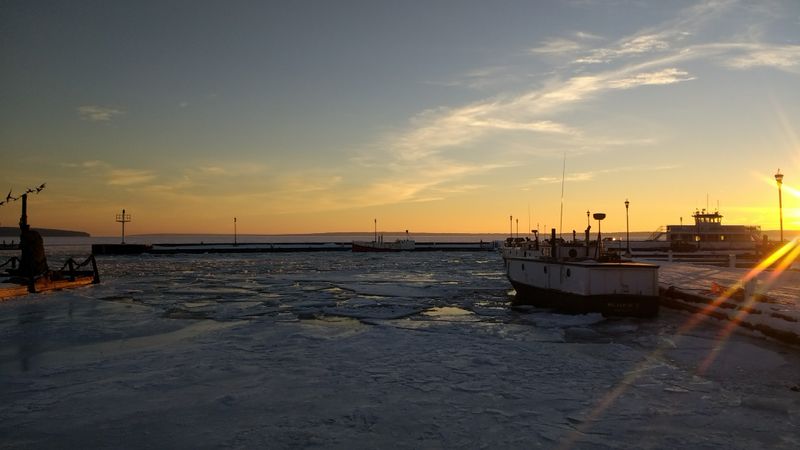
Perched on the shores of Lake Superior, Bayfield offers a winter experience unlike any other small town in the region.
The village earned its reputation as a gateway to the Apostle Islands, but winter transforms it into a quiet retreat where ice formations become natural sculptures.
Historic homes and buildings from the late eighteen hundreds line streets that slope gently toward the frozen lake.
Local shops stay open through the cold months, offering wool blankets, handmade mittens, and other goods perfect for staying warm.
The waterfront becomes a winter wonderland when ice shelves form along the shore, creating dramatic landscapes that change with each storm.
Cozy restaurants serve hearty meals featuring locally caught fish and regional specialties that satisfy hungry travelers.
The town’s Victorian architecture gains extra elegance when outlined in snow and icicles.
Art galleries showcase works inspired by the dramatic winter scenery surrounding this lakeside community.
Many visitors use Bayfield as a base for exploring ice caves when conditions allow, though the village itself offers plenty to enjoy.
The quiet main street invites leisurely strolls past bookshops, gift stores, and cafes where locals gather to share stories.
Evening brings a peaceful stillness broken only by the occasional creak of ice on the vast frozen lake.
This combination of natural beauty and small-town warmth makes Bayfield a memorable stop on any winter journey through Wisconsin.
3. New Glarus: Swiss Heritage in the Heart of Wisconsin
New Glarus wears its Swiss heritage proudly, with chalet-style architecture and alpine details that transport visitors straight to the European mountains.
Founded by Swiss immigrants in the mid-eighteen hundreds, the village maintains traditions that feel authentic rather than touristy.
Snow-covered rooftops and window boxes create scenes that could grace any Swiss postcard during winter months.
The Swiss Historical Village Museum offers insight into the settlers who built this community, though winter hours may vary so checking ahead proves wise.
Downtown shops sell imported Swiss goods alongside locally made crafts, creating a unique shopping experience.
Bakeries produce traditional pastries and breads using recipes passed down through generations of Swiss families.
The village square becomes especially charming when decorated for winter, with lights twinkling against the snowy backdrop.
Restaurants serve fondue and other alpine specialties that warm both body and spirit after a cold day of exploring.
The attention to architectural detail extends beyond the main street, with residential neighborhoods featuring the same Swiss-inspired design.
Walking through New Glarus feels like discovering a piece of Europe tucked into the rolling hills of southern Wisconsin.
Local artisans keep traditional crafts alive, offering visitors a chance to purchase truly unique handmade items.
The village’s commitment to preserving its cultural heritage creates an atmosphere that educates while it entertains.
Address: 612 7th Avenue, New Glarus, WI 53574
4. Stockholm: Artistic Enclave Along the Mississippi
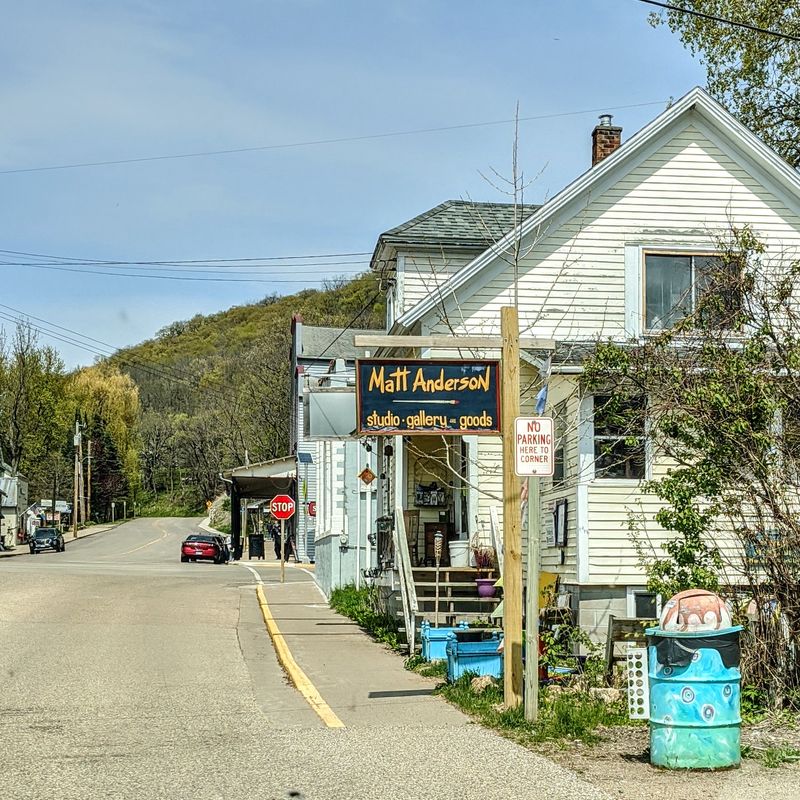
Stockholm ranks as one of the smallest villages in the state, yet its artistic spirit and riverside location make it a worthwhile winter destination.
Nestled against towering bluffs where the Mississippi River flows, this tiny community punches above its weight in charm and character.
Art galleries and studios occupy historic buildings, showcasing works by local and regional artists who draw inspiration from the surrounding landscape.
The village’s compact size means everything sits within easy walking distance, perfect for a leisurely winter afternoon.
Snow transforms the bluffs into dramatic natural sculptures that frame the village like a postcard.
A handful of shops offer antiques, handcrafted items, and curiosities that reward browsing.
The peaceful atmosphere invites contemplation and relaxation, far from the rush of larger tourist destinations.
Local cafes serve simple, satisfying meals in cozy settings where conversation flows easily among visitors and residents alike.
The Mississippi River, partially frozen in winter, creates a stunning backdrop for photographs and quiet reflection.
Stockholm’s artistic community hosts occasional winter events that bring warmth and creativity to the cold season.
The village’s location along the Great River Road makes it an ideal stop for travelers exploring the scenic byway.
Historic buildings tell stories of riverboat days and early settlers who recognized the beauty of this riverside location.
Despite its tiny population, Stockholm offers a surprisingly rich experience for those who appreciate art, nature, and authentic small-town character.
5. Mineral Point: Cornish Heritage and Historic Architecture
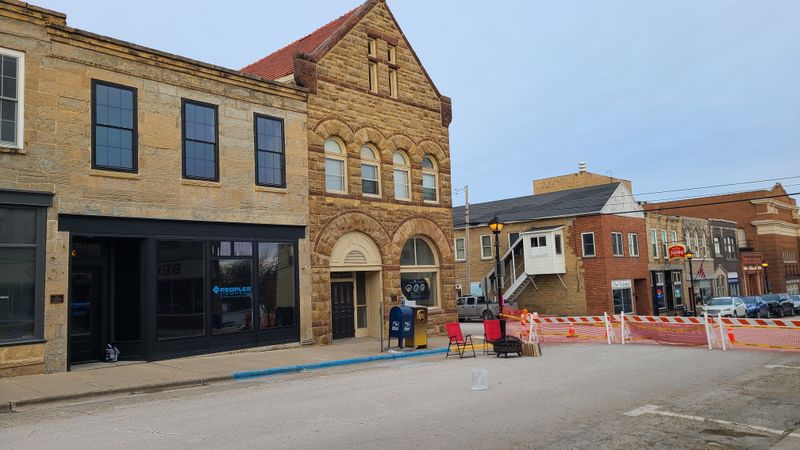
Mineral Point’s history as a mining town shaped its unique architectural landscape, where Cornish stone cottages stand as reminders of the immigrants who sought fortune underground.
The downtown district earned recognition as a historic site, with buildings constructed from locally quarried limestone giving the village a distinctive appearance.
Winter highlights the solid, enduring quality of these structures, which have weathered more than a century of Wisconsin seasons.
Pendarvis, a collection of restored Cornish cottages, offers tours that transport visitors back to the eighteen hundreds mining era.
The village attracted artists and craftspeople in recent decades, breathing new life into historic buildings while respecting their heritage.
Galleries and studios occupy former shops and homes, creating an artistic community within the historic framework.
The hilly terrain adds visual interest to winter walks, with streets climbing and descending past stone walls and vintage storefronts.
Local restaurants serve meals in buildings that once housed miners and their families, connecting present to past through architecture and atmosphere.
Antique stores offer treasures from the mining era alongside more recent collectibles, appealing to history enthusiasts and casual browsers alike.
The combination of Cornish heritage and artistic revival creates a cultural richness unexpected in such a small community.
Snow-dusted stone buildings and quiet winter streets invite exploration at a contemplative pace.
This southwestern Wisconsin gem rewards visitors who appreciate authentic history and artistic expression in equal measure.
Address: 114 Shake Rag Street, Mineral Point, WI 53565
6. Eagle: Rural Charm Along the Kettle Moraine
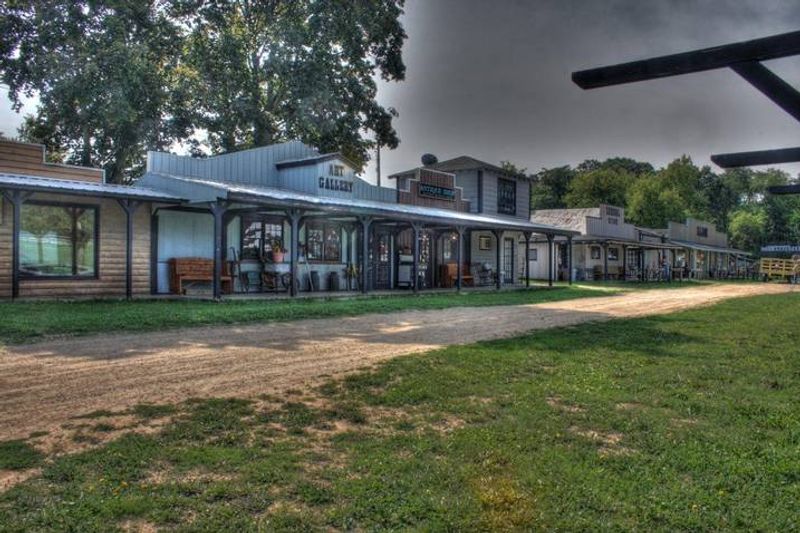
Eagle sits at the edge of the Kettle Moraine State Forest, offering a perfect blend of village amenities and access to winter outdoor recreation.
The small downtown retains an authentic rural character, with buildings that reflect the agricultural heritage of this southeastern Wisconsin community.
Old World Wisconsin, an outdoor museum showcasing immigrant life, operates seasonally but the village itself offers year-round appeal.
Winter brings a peaceful quality to the surrounding countryside, where snow-covered fields stretch toward forested hills.
Local shops cater to both residents and visitors, offering practical goods alongside gifts and seasonal items.
The village’s proximity to state forest trails makes it an ideal base for winter hiking or snowshoeing adventures.
Historic buildings downtown tell stories of the German and Norwegian settlers who built farms and businesses in the area.
Cafes and small restaurants provide warm refuges where travelers can refuel and plan their next stop.
The unhurried pace reflects the agricultural roots that still influence life in this part of the state.
Eagle lacks the polished tourist appeal of some villages, but that authenticity forms part of its charm.
The landscape around town showcases the unique glacial formations that give the Kettle Moraine its name and character.
Winter sunlight on snow-covered hills creates scenes of simple beauty that remind visitors why rural Wisconsin holds such appeal.
This stop offers a genuine glimpse into small-town life beyond the carefully preserved historic districts found elsewhere.
7. Fish Creek: Door County’s Winter Gathering Place
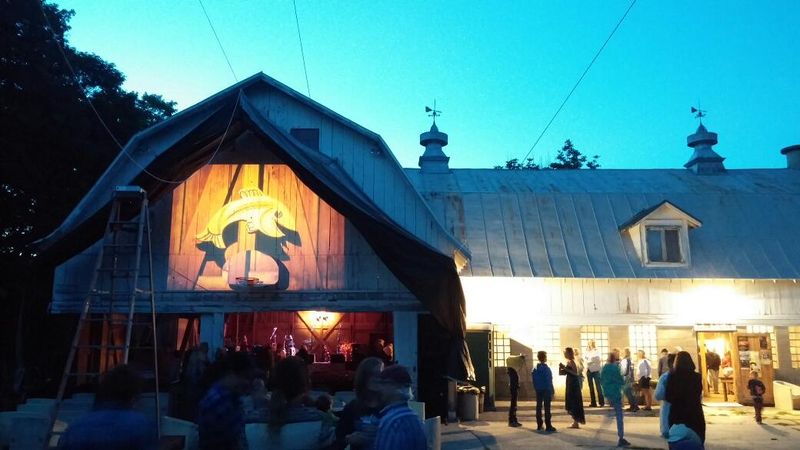
Fish Creek serves as one of Door County’s most beloved villages, maintaining its appeal even when summer crowds disappear and snow blankets the peninsula.
The compact downtown clusters around the harbor, where frozen waters create a stark contrast to the bustling boating season.
Historic buildings house shops and galleries that remain open through winter, offering everything from local art to warm woolens.
The village’s theatrical tradition continues year-round, with performances that draw audiences from across the region.
Winter transforms the surrounding orchards and farmland into a serene landscape of white fields and bare branches.
Local restaurants adapt their menus to the season, featuring comfort foods that satisfy after a day of exploring the frozen countryside.
The Peninsula State Park borders the village, providing trails and scenic overlooks that become winter wonderlands after fresh snowfall.
Fish Creek’s buildings reflect various architectural styles from different eras, creating visual interest along the main street.
The community maintains a welcoming atmosphere even in the quiet season, with locals who appreciate visitors willing to experience Door County beyond summer.
Art galleries showcase works inspired by the peninsula’s dramatic seasonal changes and natural beauty.
The village green becomes a peaceful snow-covered space perfect for a quiet moment between shops.
Fish Creek balances tourist amenities with authentic small-town character, never feeling overly commercialized despite its popularity.
This northern destination proves that Door County’s charm extends well beyond warm weather months.
8. Mount Horeb: Trollway and Scandinavian Spirit
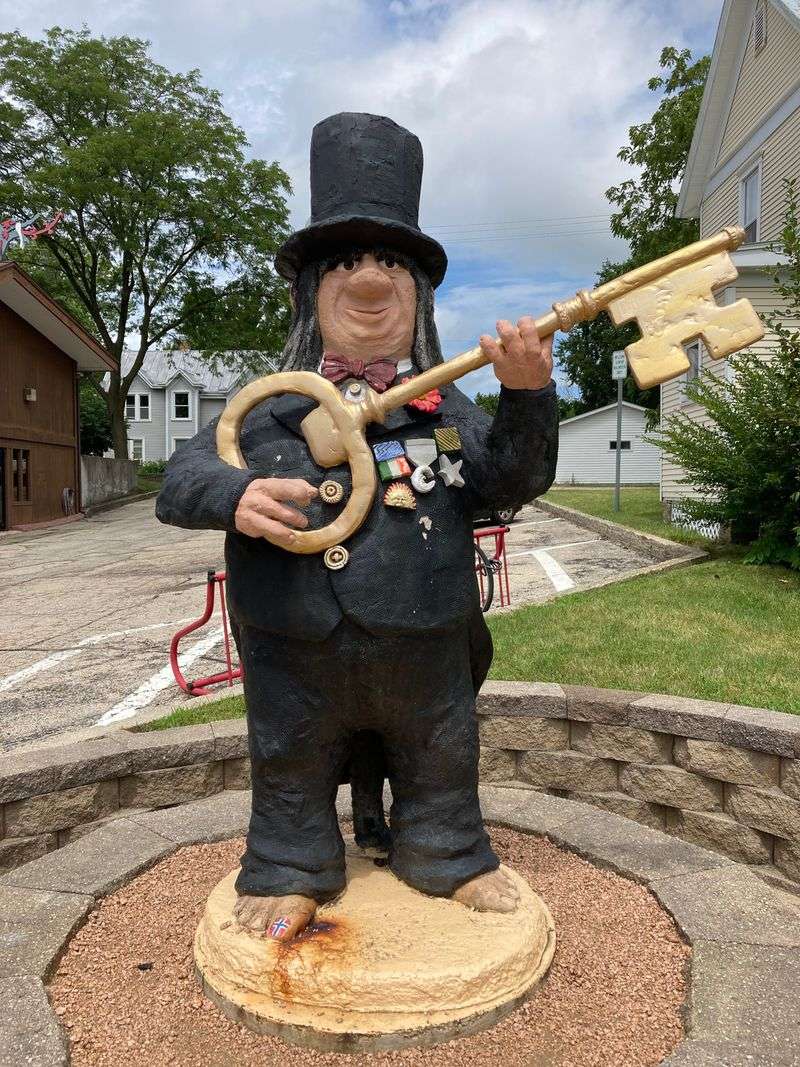
Mount Horeb embraces its Scandinavian heritage with whimsy and pride, most notably through the carved wooden trolls that line the main street.
These fantastical figures, each unique in design and character, create a playful atmosphere that appeals to visitors of all ages.
Snow adds extra magic to the Trollway, with the wooden sculptures gaining winter caps and becoming part of the seasonal landscape.
The village’s downtown stretches along a historic main street where independent shops offer everything from antiques to contemporary crafts.
Norwegian and Scandinavian influences appear in architectural details, shop names, and the goods available for purchase.
Local bakeries produce traditional Scandinavian treats alongside American favorites, creating tempting aromas that drift onto the sidewalk.
The community’s commitment to preserving small-town character shows in the careful maintenance of historic buildings and support for local businesses.
Winter events occasionally bring special activities to the village, though simply strolling past the trolls and browsing shops provides entertainment enough.
The surrounding countryside offers scenic drives through rolling hills and farmland that exemplify southern Wisconsin’s agricultural landscape.
Mount Horeb’s location makes it an easy addition to a winter road trip, sitting conveniently between other notable destinations.
The village manages to feel both quirky and authentic, never letting the troll theme overshadow genuine community character.
Restaurants serve hearty meals perfect for cold weather, with some incorporating Scandinavian influences into their menus.
This stop offers lighthearted fun alongside the more serious historic preservation found in other Wisconsin villages.
9. Ephraim: White Church and Harbor Views
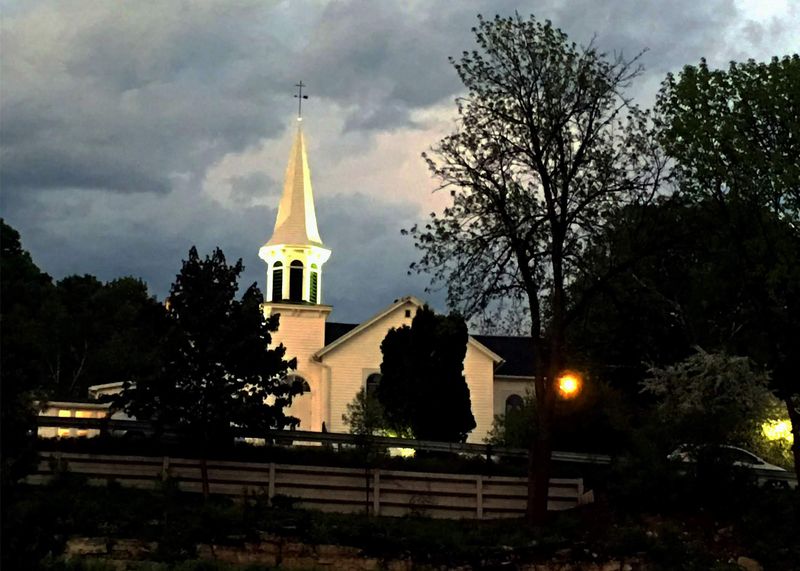
Ephraim’s collection of white buildings creates a visual unity that sets this Door County village apart from its neighbors.
The historic Anderson Store, a white clapboard structure overlooking the harbor, serves as an iconic symbol of the village’s heritage.
Moravian settlers established the community in the mid-eighteen hundreds, bringing architectural traditions that still define the village character.
Winter emphasizes the stark beauty of white buildings against snow and the frozen expanse of Eagle Harbor.
The village maintains a particularly quiet atmosphere during cold months, offering solitude for visitors seeking escape from busier destinations.
Historic churches stand as reminders of the religious community that founded Ephraim and shaped its development.
The harbor, so active with boats in summer, becomes a study in stillness when ice forms across the water.
Small shops and galleries keep limited winter hours, but those that open offer carefully curated selections worth browsing.
The village’s elevated location provides views across the frozen bay toward the opposite shore and distant islands.
Walking the quiet streets past historic homes and buildings feels like traveling back to a simpler time.
Local establishments that remain open through winter create gathering spots where residents and visitors share warmth and conversation.
The surrounding natural areas offer winter hiking opportunities with views of ice formations and snow-covered forests.
Ephraim’s commitment to preserving its historic character and architectural heritage creates an experience that feels genuine rather than manufactured for tourists.
10. Port Washington: Lakefront History and Maritime Heritage
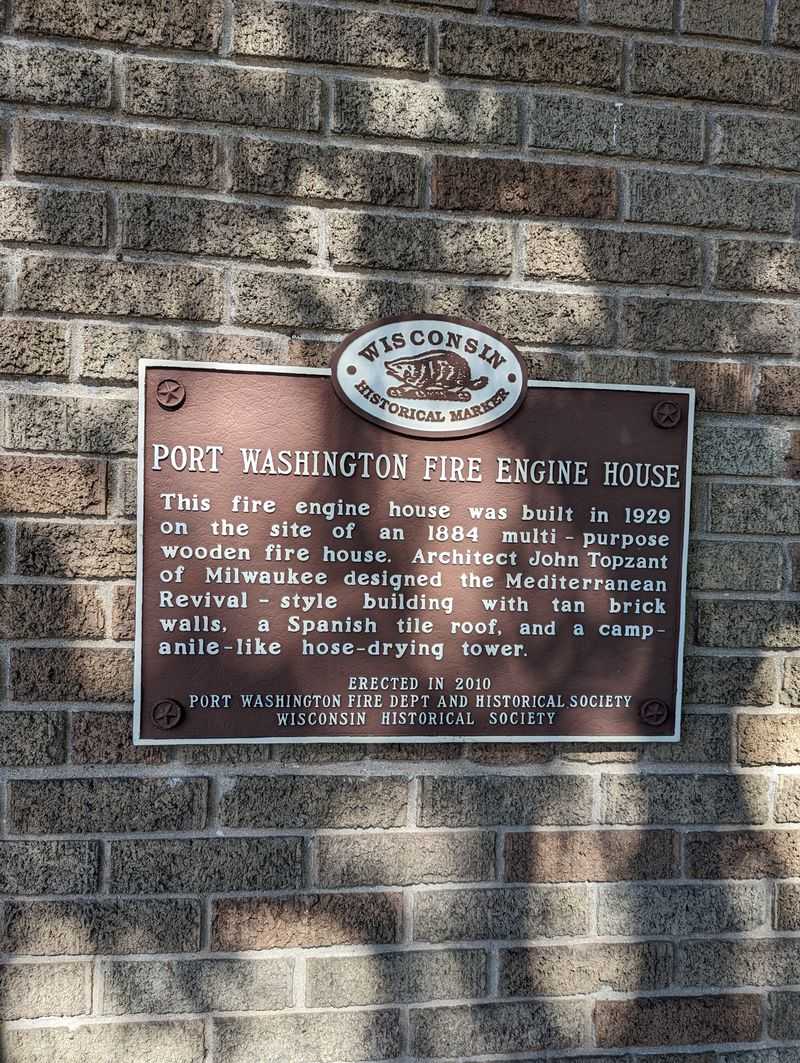
Port Washington’s deep connection to Lake Michigan defines this village’s character and winter appeal.
The harbor, protected by a long breakwater, becomes a dramatic landscape when ice and waves create natural sculptures along the shore.
Historic downtown buildings climb the hill rising from the waterfront, creating layers of architecture that span more than a century.
The lighthouse stands as a beacon of the village’s maritime past, photogenic in any season but especially striking against winter ice.
Commercial fishing heritage lives on through businesses and museums that preserve stories of the industry that built the community.
Downtown shops occupy buildings that once served shipping companies and sailors, their brick facades weathered by lake winds.
Winter brings fierce beauty to the lakefront, where waves freeze mid-splash and ice coats everything near the water.
Local restaurants serve fresh fish alongside other regional favorites, often with views of the frozen harbor.
The village balances its working waterfront character with tourist amenities, never losing sight of the maritime traditions that matter to residents.
Walking along the harbor in winter requires bundling against the wind, but rewards brave visitors with unforgettable views.
Historic preservation efforts maintain the character of buildings while allowing businesses to thrive and evolve.
Port Washington offers a different flavor than inland villages, with its entire identity shaped by proximity to one of the Great Lakes.
This final stop completes a journey through Wisconsin’s diverse winter villages with a reminder of the natural forces that shaped the entire region.
Dear Reader: This page may contain affiliate links which may earn a commission if you click through and make a purchase. Our independent journalism is not influenced by any advertiser or commercial initiative unless it is clearly marked as sponsored content. As travel products change, please be sure to reconfirm all details and stay up to date with current events to ensure a safe and successful trip.
