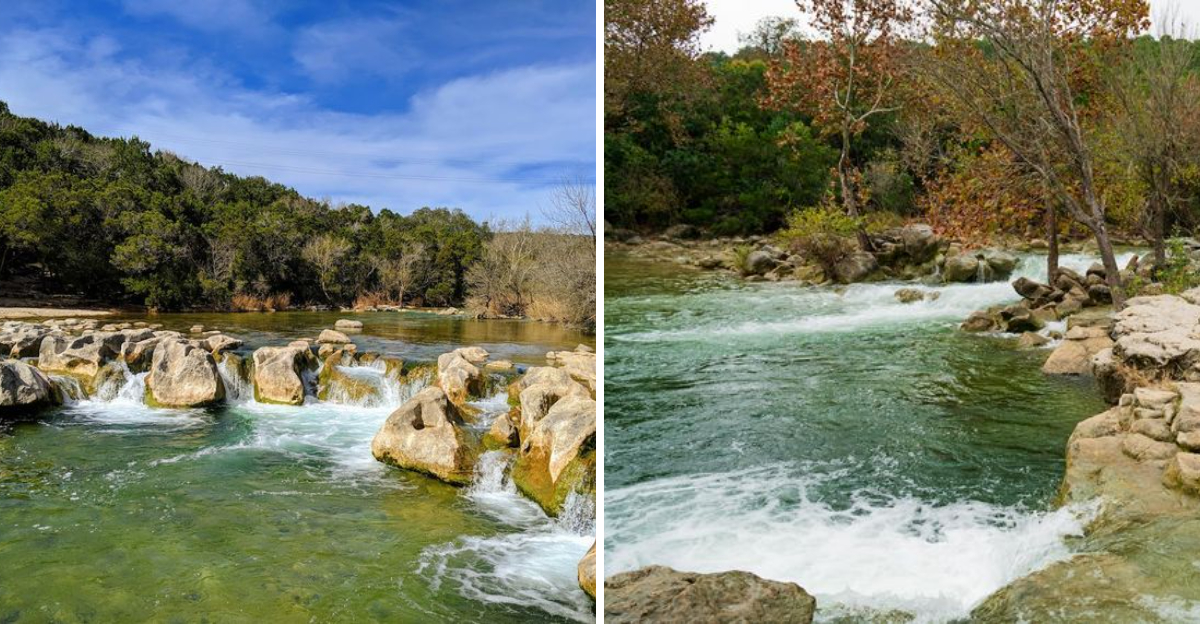
Right off a busy highway, nobody would guess this place exists. Traffic hums in the distance, but down below, two waterfalls crash into the same pool, creating a swimming hole that feels like a secret.
The water is cool, the limestone ledges are perfect for lounging, and the sound of falling water drowns out the outside world. Locals keep this spot quiet for a reason, crowds would ruin the vibe.
A person can wade in, find a rocky perch, and pretend they are miles from the nearest city. No lifeguards, no snack bars, just nature and a few people who know exactly where to park.
Texas has plenty of crowded swimming spots, but this one stays under the radar. The waterfalls are not huge, but they do not need to be.
The magic is in the combination, two streams meeting in one pool, hidden in plain sight. Bring water shoes and a sense of adventure.
The trail down is part of the fun.
The Trailhead and What to Expect Before You Even Step Foot on the Trail
Most people speed past this stretch without a second glance, and that is exactly why Twin Falls has stayed under the radar for as long as it has. The trailhead is not glamorous, but it works, and it gets you where you want to go.
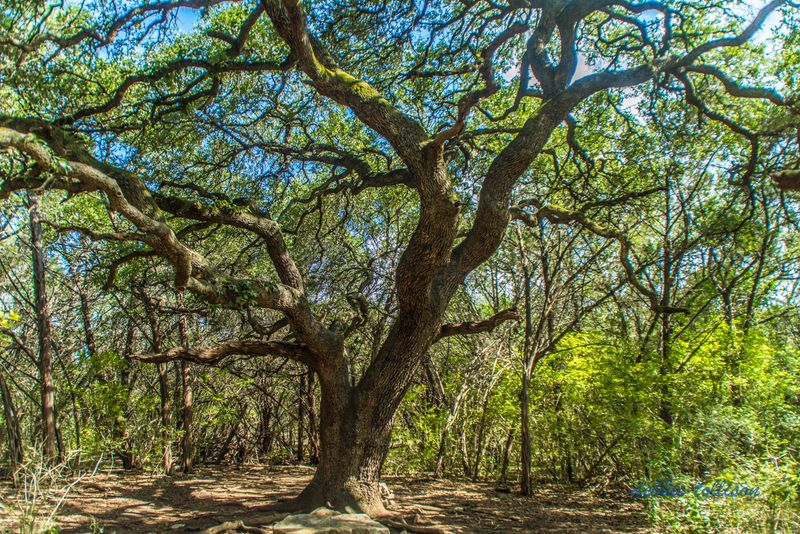
The first thing you notice is the tree cover. Cedar and oak close in almost immediately once you step onto the path, and the temperature drops a few degrees right away.
That natural shade makes a real difference on a hot Austin afternoon. The trail itself runs downhill toward Barton Creek and stays fairly flat once you reach the creek bed.
The walk to Twin Falls is about half a mile, which is genuinely manageable for most people. Families with kids make it out here regularly, and dogs on leashes are welcome too.
The terrain is rocky in spots, so flip flops are not your best choice. Closed-toe shoes or water shoes with grip will make the hike feel much more comfortable and safe.
One practical note before you go: there are no water fountains or restrooms along the trail. Bring your own water, more than you think you need, especially in summer.
Also, car break-ins have been reported at this trailhead, so leave valuables at home or lock them completely out of sight before heading down.
The Barton Creek Greenbelt, the Living, Breathing Green Corridor Behind the Swimming Hole
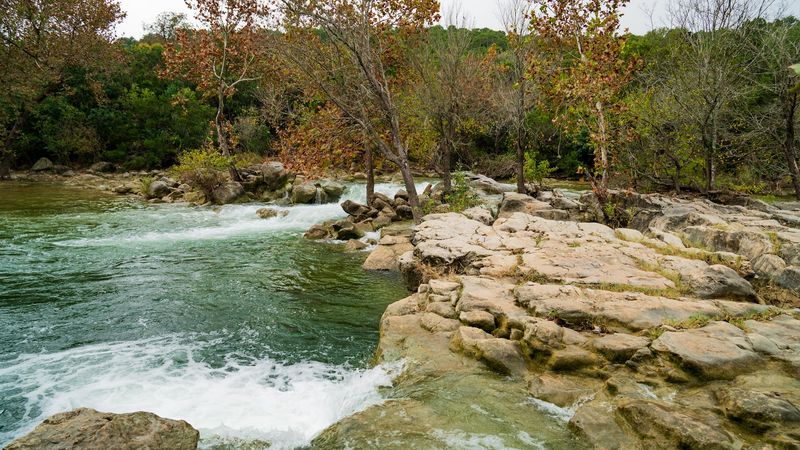
Barton Creek Greenbelt is the reason Twin Falls exists in the form it does. This protected green corridor stretches for miles through the middle of Austin, and it is one of the things that makes the city genuinely different from most urban areas its size.
The greenbelt wraps around the creek like a nature preserve dropped into the middle of a growing metropolis.
The creek itself is the heart of the whole experience. It carves through limestone over thousands of years, creating natural pools, ledges, and cascades along the way.
Twin Falls is one of those formations, fed by springs that keep water flowing even when the creek elsewhere runs low. The geology here is what makes it beautiful.
Hikers, mountain bikers, swimmers, and rock climbers all share this space, which gives it a lively, communal energy on busy weekends. It never feels like a theme park though.
The greenbelt has a rawness to it, a sense that nature is doing its own thing and you are just passing through respectfully.
The trail connecting the MoPac trailhead to Twin Falls and continuing on toward Sculpture Falls is considered easy in terms of difficulty. That accessibility is part of why it draws such a wide range of visitors.
Whether you are a seasoned trail runner or someone who just wants a short hike to cool water, the Barton Creek Greenbelt genuinely delivers without asking too much of you.
The Cascade Itself, a Spring-Fed Rock Wall Pour That Earns Every Bit of Its Reputation
The first time you see the cascade at Twin Falls, it takes a second to fully register. Water pours from the face of a rock wall in a way that looks almost architectural, like the limestone was designed to channel it exactly that way.
It is not a roaring waterfall by any dramatic standard, but it has a presence that commands your attention the moment you round the bend on the trail.
The falls are fed by springs rather than just runoff, which means they flow more consistently than a lot of natural features in Central Texas. That said, water levels still vary considerably depending on recent rainfall.
Visiting two to four days after a good rain typically gives you the fullest, most photogenic version of the falls and the deepest swimming pool below.
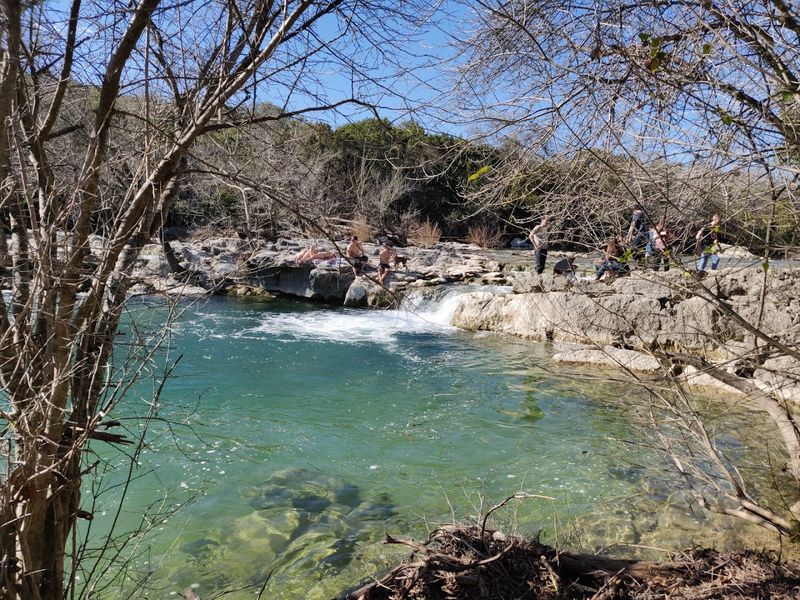
The pool at the base of the cascade is what draws most people in, literally. It is cool, clear, and framed by flat limestone slabs that are perfect for sitting, drying off, or just watching the water move.
There is something almost meditative about that combination of sound and stillness.
During drier stretches, the falls may slow to a trickle or pause entirely. That is just the reality of natural water features in Central Texas.
Checking recent rainfall totals before you make the trip is a smart move and can save you from a disappointing visit. When the water is flowing though, Twin Falls delivers something genuinely worth the short hike to reach it.
Swimming in the Pool Below the Falls, Cool Water and Warm Limestone All at Once
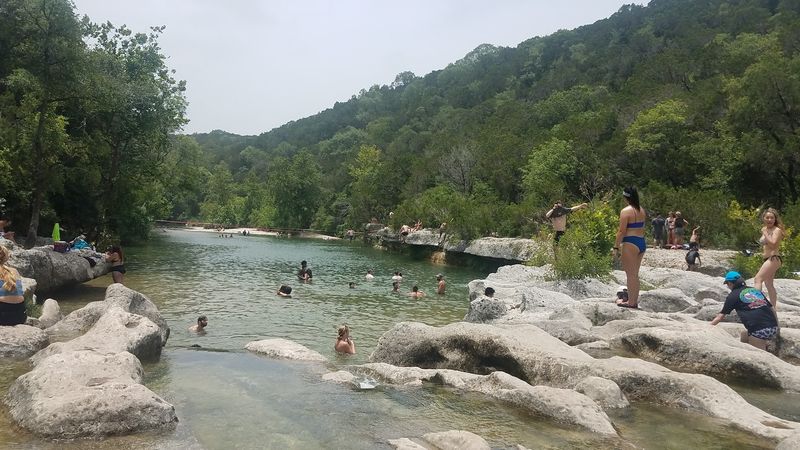
Slipping into the water at Twin Falls on a hot Texas afternoon is one of those simple pleasures that is genuinely hard to beat. The pool is spring-influenced, which keeps it cooler than you might expect, especially compared to the air temperature on a July afternoon in Austin.
That first moment of contact with the water is a full-body reset.
The swimming area is natural and unmanicured, which is part of its charm. There are no lane lines or lifeguards.
The depth varies depending on recent rainfall, and the rocky bottom means water shoes are a smart addition to your pack. Most people find comfortable footing, but a little extra grip goes a long way when limestone gets slippery.
Flat rocks surrounding the pool serve as natural lounging spots, and people spread out on them to dry off between swims. It has a relaxed, unhurried atmosphere that feels completely disconnected from the city just a short drive away.
Kids wade in the shallower edges while adults float in the deeper center, and everyone seems to find their own comfortable corner.
One thing worth knowing is that the water quality can shift after heavy rain, when runoff carries sediment and bacteria into the creek. Austin Parks and Recreation sometimes posts advisories when conditions are unsafe.
Checking for any active swimming advisories before your visit is a small step that keeps the experience a good one from start to finish.
Sculpture Falls, the Bonus Destination Waiting Just a Mile Further Down the Trail
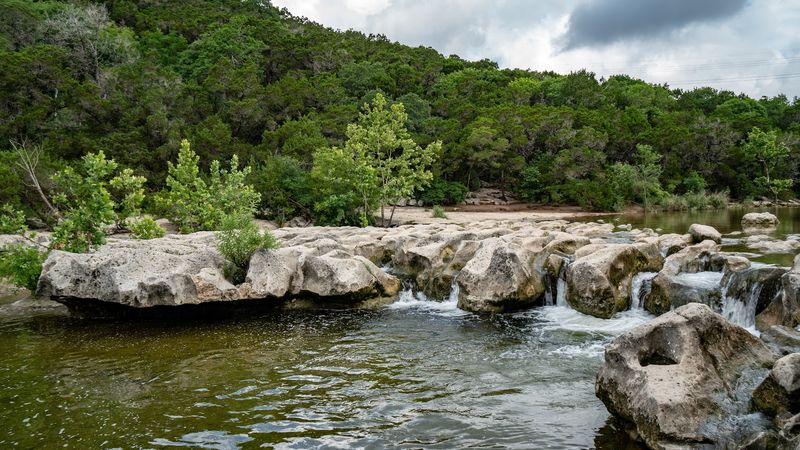
If you make it to Twin Falls and still have energy left, keep walking. Sculpture Falls sits about one to one and a quarter miles further along the trail, and it is absolutely worth the extra distance.
The name comes from the way the water has sculpted the limestone over centuries into smooth, curved formations that look almost intentional.
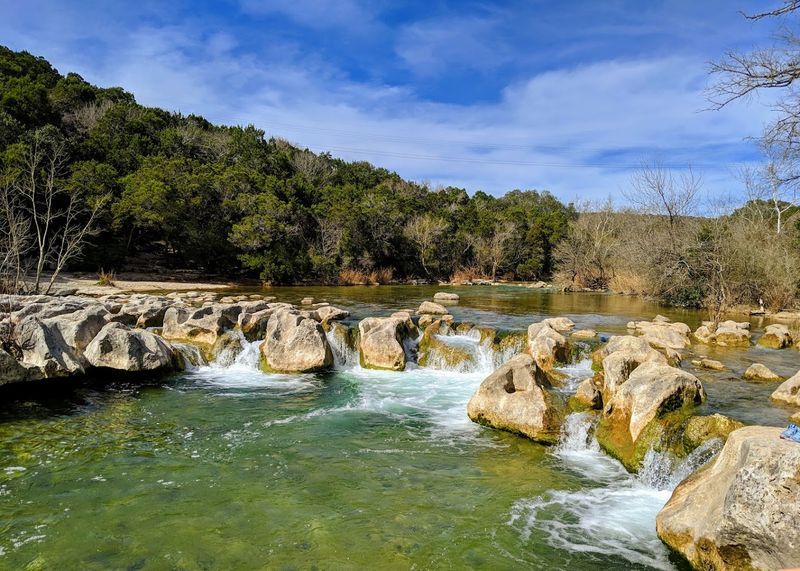
The vibe at Sculpture Falls is a bit different from Twin Falls. The water spreads wider and shallower in places, flowing over broad limestone shelves that create a series of small cascades rather than one defined drop.
It draws its own crowd of regulars who prefer the more open, spread-out layout of the swimming area.
Combining both spots into a single outing is a popular approach, and it makes the trip feel more substantial without requiring any special fitness level.
The trail between them follows the creek closely, passing through some genuinely beautiful stretches of shaded canyon that feel far removed from urban Austin.
The contrast between the city and this corridor is striking every single time.
Bringing a small dry bag with snacks and extra water makes the extended hike much more enjoyable. There is nothing to buy along the trail, and the combination of sun, heat, and swimming burns more energy than most people anticipate.
Treat it like a half-day adventure rather than a quick stop, and both falls will feel like separate chapters in the same really good story.
What to Bring and How to Prepare So the Trip Actually Goes the Way You Pictured It
Preparation is the difference between a great day at Twin Falls and a frustrating one. The trail itself is short and easy, but the Texas heat and rocky terrain have a way of humbling visitors who show up underprepared.
A little planning goes a long way before you even leave the parking area.
Water is the most important thing to bring, and most people underestimate how much they need. A full liter per person is a reasonable starting point for the round trip, more if you plan to stay for a few hours in the sun.
There are zero water sources or facilities on the trail, so whatever you carry in is what you have.
Footwear matters more here than on most easy trails. The path gets rocky near the creek, and the limestone around the swimming hole becomes slick when wet.
Sturdy closed-toe shoes for the hike combined with water shoes for the swimming area is the combination most experienced visitors swear by.
Sunscreen is easy to forget when you are walking under tree cover, but the open areas near the water get full sun. A small dry bag keeps your phone and keys safe while you swim.
If you are bringing a dog, pack water for them too since dogs are welcome on leash but the creek water is not always safe for drinking. A little preparation turns Twin Falls from a nice outing into a genuinely memorable one.
Best Times to Visit and How Weather and Seasons Shape the Whole Experience
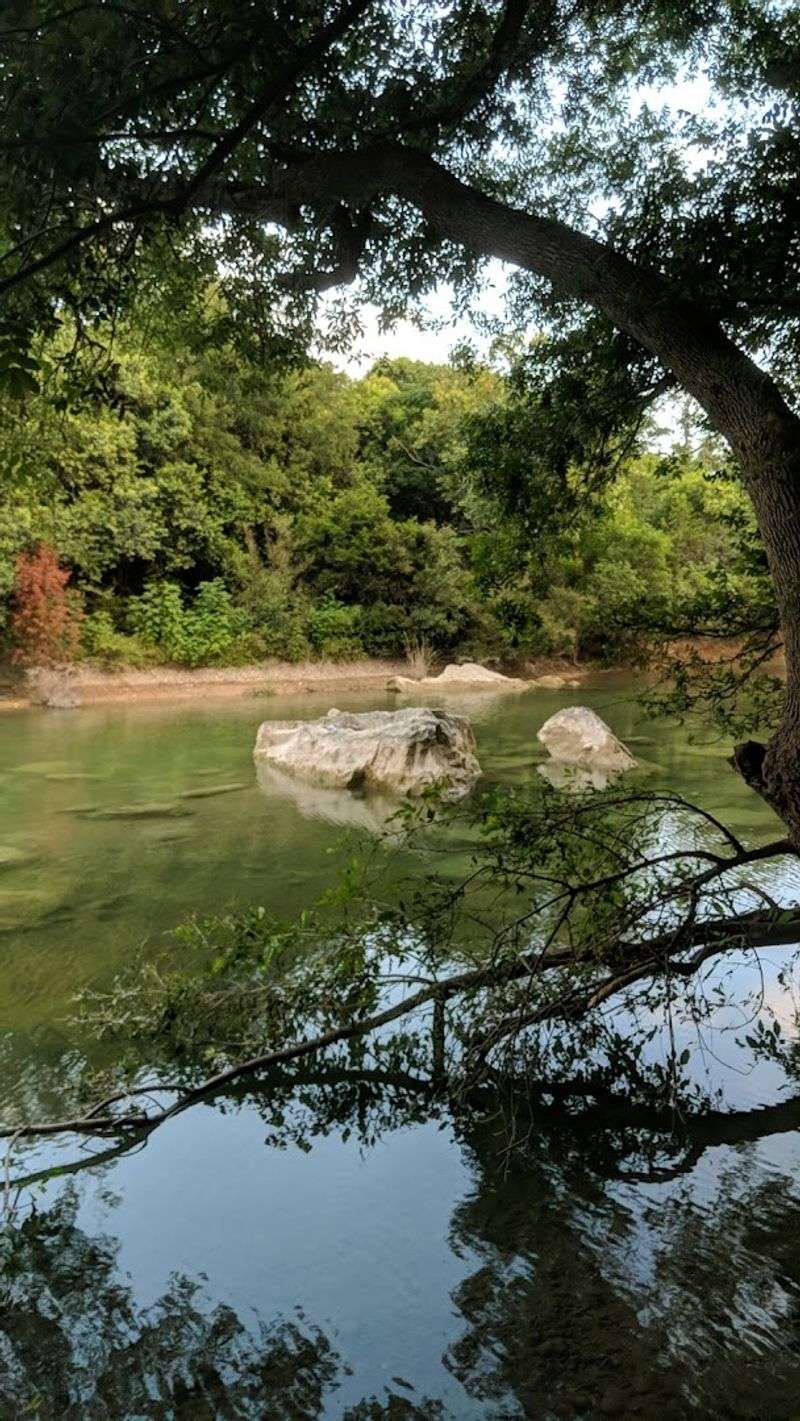
Timing your visit to Twin Falls can completely change what you find when you get there. The falls and swimming hole are at their absolute best in spring, typically March through May, when rainfall is more frequent and the creek runs full.
The water is flowing, the vegetation is lush, and the temperatures are comfortable enough to actually enjoy the hike.
Summer is the most popular season by a wide margin, and for obvious reasons. Austin heat sends people looking for cold water, and Twin Falls delivers.
That said, summer also brings the biggest crowds and the most unpredictable water levels during dry stretches. Arriving early in the morning on weekdays gives you the best chance of a quieter, less crowded experience.
Fall can be a genuinely underrated time to visit. Crowds thin out after Labor Day, temperatures become more forgiving, and the trail takes on a different quality of light in the afternoon.
Water levels depend entirely on whether the area has received late-season rain, so checking conditions beforehand is still smart.
Winter visits are possible but less common. The falls may still flow during wet winters, and the lack of crowds gives the whole place a peaceful, almost private quality.
Swimming in cold weather is not for everyone, but the hike itself is pleasant year-round. No matter the season, checking rainfall totals from the days before your visit is the single most useful habit for anyone planning a trip to Twin Falls.
Why Twin Falls Stays Special Even as Austin Keeps Growing Around It
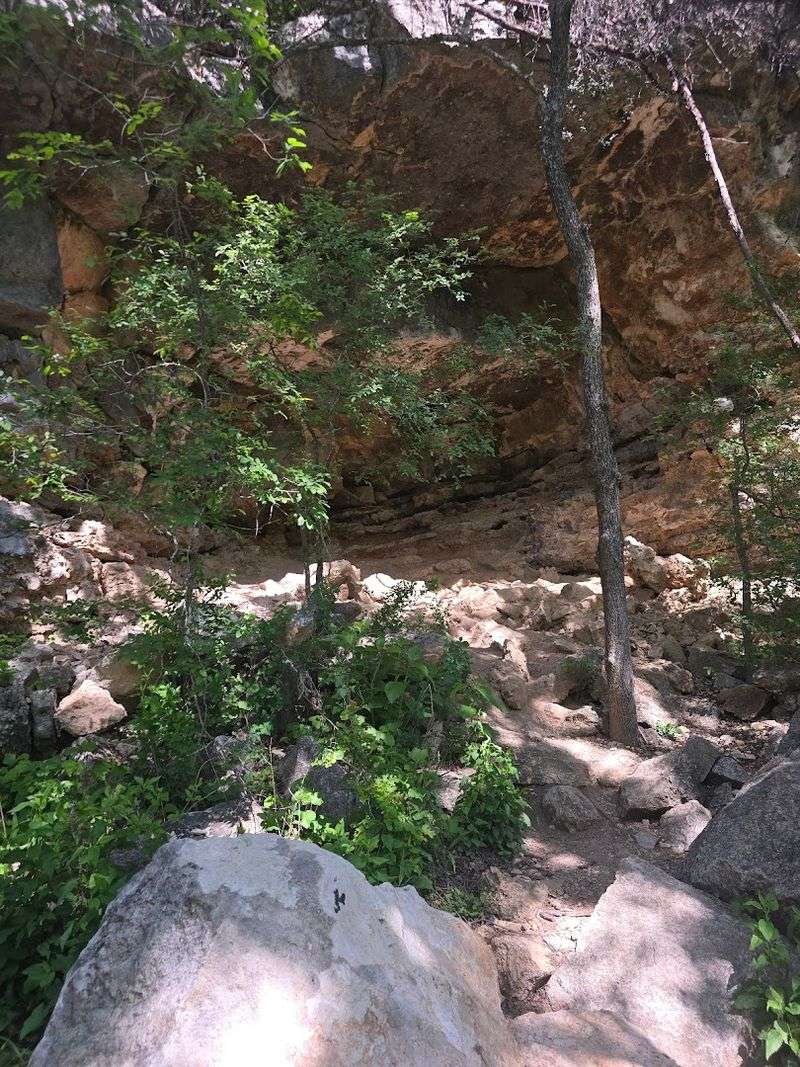
Austin has grown fast, and that growth has changed a lot of things about the city. But Twin Falls sits inside a protected greenbelt, which means the development pressing in from every direction stops at its edges.
That protection is not accidental. It reflects decades of community effort to keep natural spaces intact inside one of the fastest-growing cities in the country.
There is something quietly remarkable about standing at a spring-fed waterfall with limestone walls rising around you while knowing that a major highway is less than half a mile behind you. The contrast is part of what makes Twin Falls feel significant beyond just its scenery.
It is proof that urban nature can hold its ground when people decide it matters.
The greenbelt also serves as a connector, linking neighborhoods, trails, and swimming holes across a wide swath of the city. Twin Falls is one node in that network, and visiting it gives you a sense of the larger system it belongs to.
It is not just a swimming hole. It is part of how Austin breathes.
Regulars treat the place with a certain quiet reverence, picking up trash, keeping noise reasonable, and giving other visitors space. That culture of respect is part of why Twin Falls still feels like a discovery even when it is full of people.
Some places earn their reputation not through marketing but through the simple, repeated experience of being genuinely good. Twin Falls is one of those places.
Address: 3918 S MoPac Expy, Austin, TX 78746
