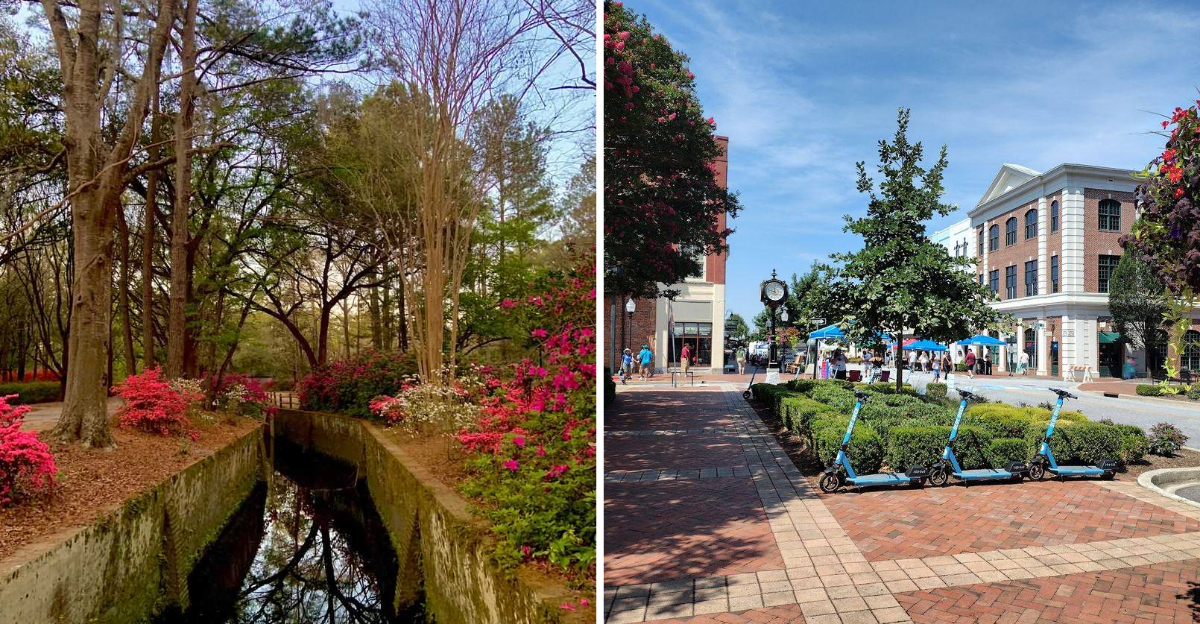
Salt marshes, a waterfall tucked inside a downtown park, and streets shaded by oaks older than the country. That is what slowed me down during a quick loop through South Carolina that turned into something much bigger.
I had planned a short trip, just a few days, and I ended up staying twice as long. Every city I rolled into had its own rhythm, its own accent, its own way of making me forget about the clock.
I kept expecting the coast to steal the show, and then the Upstate would surprise me all over again with its green hills and quiet charm. I wandered into a bookstore where the owner recommended a local diner, then spent an hour talking to a woman who had lived in the same house for fifty years.
These are the places recently spotlighted for how good life feels in them, and that shows the moment you step out of the car. A route that mixes history, water, small-town warmth, and genuinely great walking—this one delivers exactly that.
1. Mount Pleasant, Salt Marsh Mornings and Shrimp Boat Sunsets
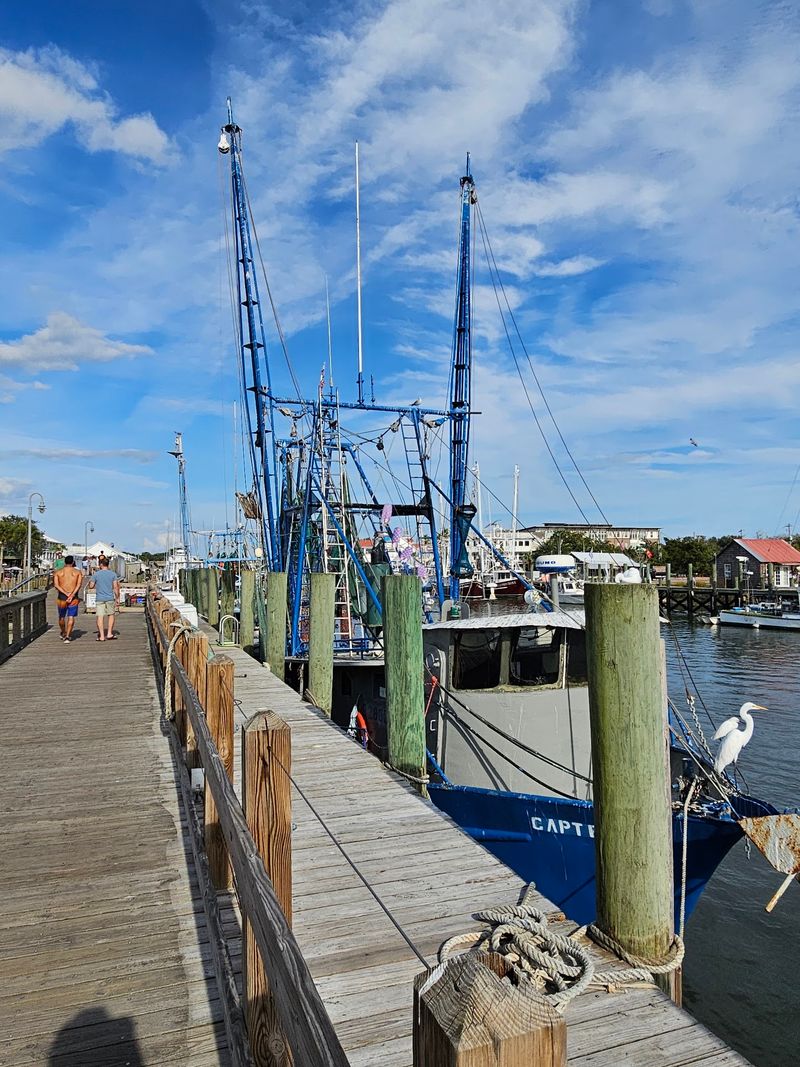
Crossing the bridge out of the city, the noise just drops away and the marsh takes over. That first hit of salt air told me I was somewhere different.
The Old Village neighborhood pulled me in with its 19th-century homes, shaded lanes, and gardens half-hidden behind hedges. It is the kind of place where a short walk turns into an hour without you noticing.
Down at the creek, a boardwalk stretching more than 2,000 feet gives you long views over the water and the harbor beyond, plus a statue honoring generations of shrimping families. Pelicans loaf on the pilings like they own the place.
History runs deep here too. Boone Hall Plantation opens with a moss-draped avenue of oaks, and its grounds include original cabins housing a Black History in America exhibit.
Nearby, Patriots Point lets you walk the flight deck of the USS Yorktown, while the Charles Pinckney National Historic Site covers 28 acres of layered, complicated history.
I finished at the waterfront park beside the big bridge, watching the sun sink over the Cooper River from the pier. Quiet, easy, unforgettable.
Address: 99 Harry M Hallman Jr Blvd, Mount Pleasant, SC
2. Greenville, A Waterfall Right Downtown
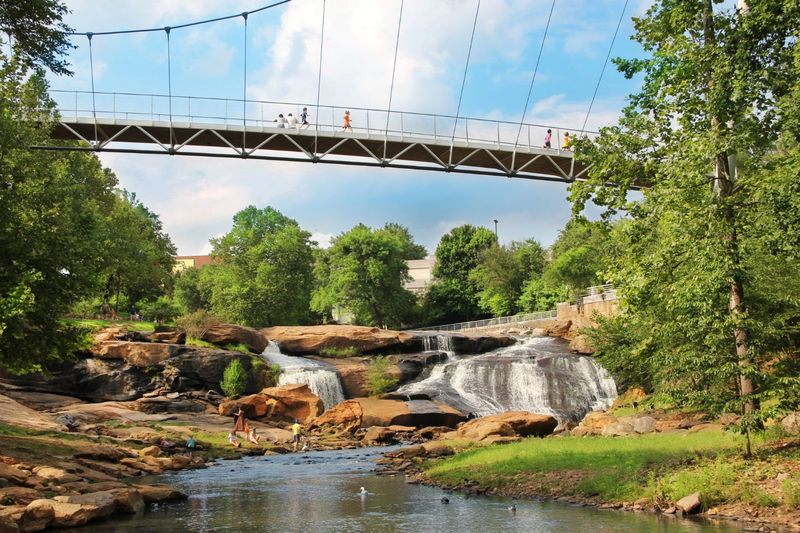
Not many cities hide a waterfall three blocks from their main street. Greenville does, and it never stopped feeling slightly unreal to me.
The Reedy River tumbles through the middle of town into a park where a 345-foot curved suspension bridge floats above the rocks. Late afternoon light frames the whole scene, and I ended up circling back twice for another look.
Paved paths and terraced gardens spread out on both banks, so you can find a quiet bench even when the lawn is full.
My favorite discovery was the greenway trail that runs for miles out of downtown toward Travelers Rest, lined with markets and small cafes serving regional food. Cyclists, walkers, and stroller-pushing families all share it without fuss.
Back in the center, public art turns up on corners, and galleries and independent shops fill the older storefronts.
For context on the region, the Upcountry History Museum digs into the textile years that built this place, while the county art museum holds a strong American collection including Andrew Wyeth works.
Cleveland Park adds wide-open green space with courts and picnic spots. Greenville rewards wandering.
Address: 601 S Main St, Greenville, SC
3. Florence, The Pee Dee Region’s Easygoing Hub
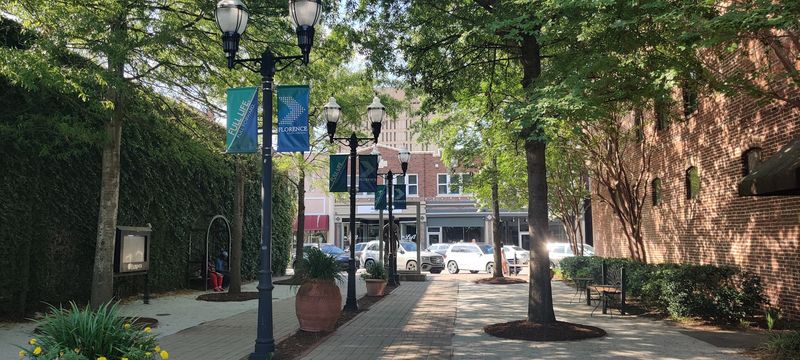
Florence caught me off guard, and I mean that as a compliment. I came expecting a highway stopover and left with a full afternoon of notes.
The county museum here is free to walk into, and it mixes art, regional history, and science under one roof without feeling crowded or stuffy.
What really stuck with me was paddling the Lynches River as part of the Revolutionary Rivers Trail. Gliding under low branches with the current doing most of the work, you experience the past instead of just reading a plaque about it.
There is also a pecan trail that loops through the county, connecting bakeries, shops, and kitchens that build entire menus around the nut. Sweet, simple, and a good excuse to drive backroads.
Downtown has been steadily revived, and on any given week you might find a symphony performance, an art show, or an outdoor market spilling across the sidewalks.
An annual pecan music and food festival draws big crowds each fall.
Between the parks, the green space, and the genuinely friendly pace, Florence feels comfortable fast.
4. Charleston, Cobblestones, Pastel Rows, and Harbor Light
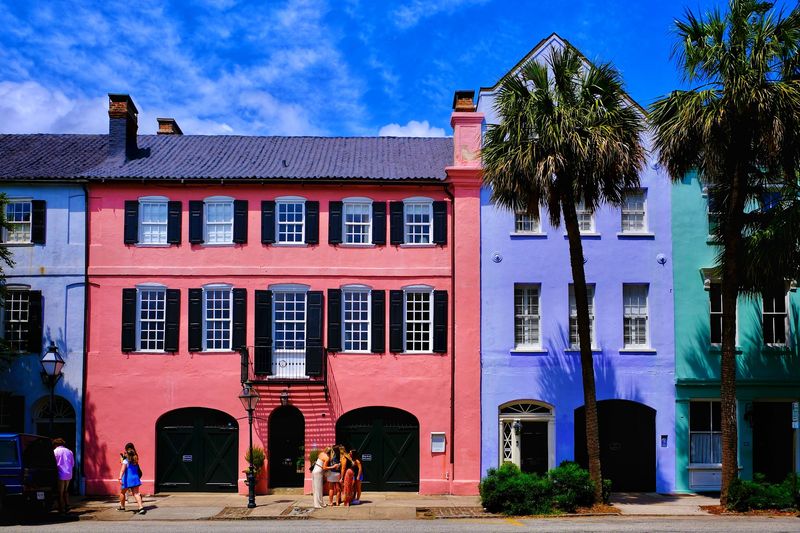
Some cities you visit. Charleston you absorb, slowly, one cobblestone at a time.
I wandered The Battery early, when the promenade was mostly joggers and the harbor was flat and silver, with Fort Sumter sitting low on the horizon. Stately mansions line that stretch, and every window seems to have a story behind it.
Rainbow Row is the postcard shot, a run of pastel 18th-century houses along East Bay Street that somehow looks better in person than in photos.
Deeper in the historic district, the Old Exchange and Provost Dungeon holds Revolutionary War weight, and the Powder Magazine ranks among the oldest surviving public buildings around.
Outside the peninsula, the plantation sites offer very different experiences. Magnolia Plantation leans into gardens and natural history, Drayton Hall stands remarkably unaltered since the 1700s, and Middleton Place keeps America’s oldest landscaped gardens in careful terraces.
Give yourself extra time for the plantation grounds, because rushing them feels wrong.
Between the architecture, the food, and that soft coastal air, Charleston stays with you long after the drive home.
Address: Charleston, SC 29401
5. Sumter, Swans, Irises, and Small-Town Ease
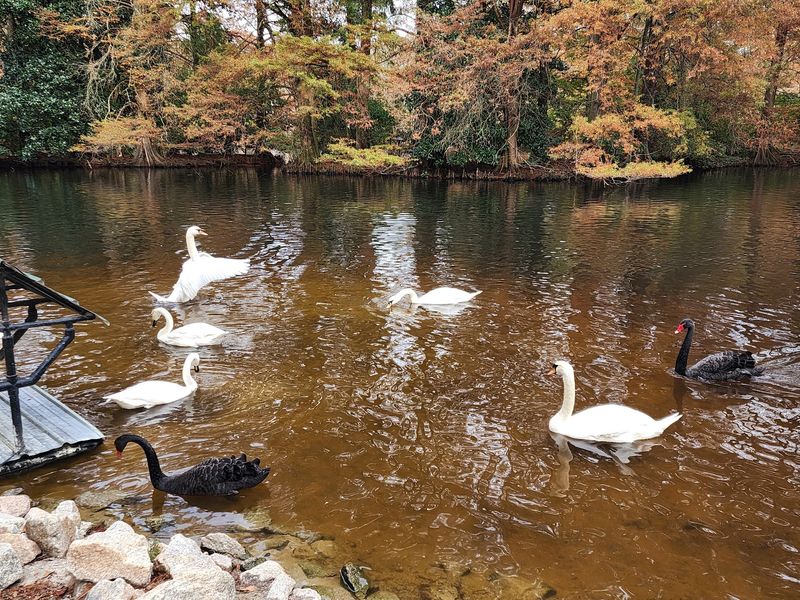
Nicknamed the Gamecock City, Sumter carries its history lightly. The name traces back to a Revolutionary War brigadier general, and locals still mention him like a neighbor.
The highlight for me was a lakeside garden famous for two things at once: sweeping beds of irises and all eight known species of swans gliding around the water. I have never seen anything quite like that combination.
Walking paths curve past cypress knees and quiet coves, and spring turns the whole place into a color explosion.
Shaw Air Force Base shapes the community too, bringing families from all over the country and giving the city a welcoming, mixed feel that surprised me.
Older neighborhoods sit comfortably beside newer developments, and nothing feels rushed. People wave.
Drivers let you merge.
Sitting in the Midlands, it also works well as a base camp, since the coast and the mountains are both reachable in a day trip.
I left thinking Sumter is the kind of place travelers pass by too quickly, and that is their loss.
6. Rock Hill, Rivers, Trails, and a BMX Track With Global Bragging Rights
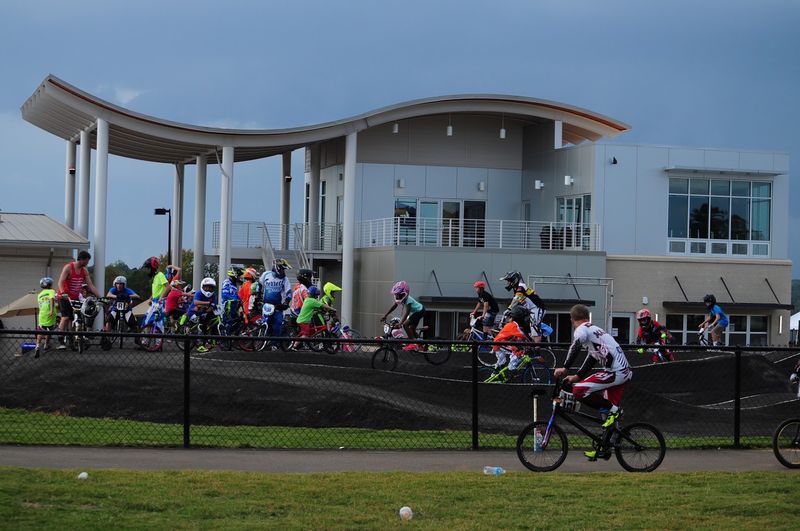
A BMX supercross track that has hosted international championships is not what I expected from a South Carolina city of this size. Rock Hill leans into that energy.
The outdoor center at the Riverwalk community became my anchor for the day, with trails, water access, and room to spread out.
Paddling the Catawba River is the easiest way to reset. The current is friendly, the banks are green, and the city disappears behind the trees within minutes.
For something slower, there is a beautifully kept garden downtown and a fountain park that draws people out on warm evenings.
The parks department manages more than 1,250 acres across 33 parks, which explains why it feels like every neighborhood has somewhere to walk a dog or throw a ball.
Rock Hill also holds an official cultural district, so studios, galleries, and music venues sit close together in a walkable pocket.
Mild winters and steady sunshine mean the trails stay busy nearly year-round. Families, students, and young professionals all mix here, and the downtown keeps growing into that.
7. Columbia, The Capital With Battle Scars and a Zoo Worth the Trip
Bronze stars mark the exterior of the State House where Civil War artillery struck. I stood there longer than planned, tracing them with my eyes.
Inside, the African-American Monument chronicles a long and difficult journey through the state’s history, told with real care.
Columbia holds only five National Historic Landmarks, and the Robert Mills House and Gardens is one of them, showing off the architect’s clean, confident style.
The Hampton-Preston Mansion opens a window into 19th-century household life, including the experiences of the enslaved people who kept it running. The Mann-Simons Site follows one African American family who owned and ran businesses there from the 1840s all the way into the 1970s.
For the bigger picture, the state museum fills a converted textile mill with art, science, natural history, and technology.
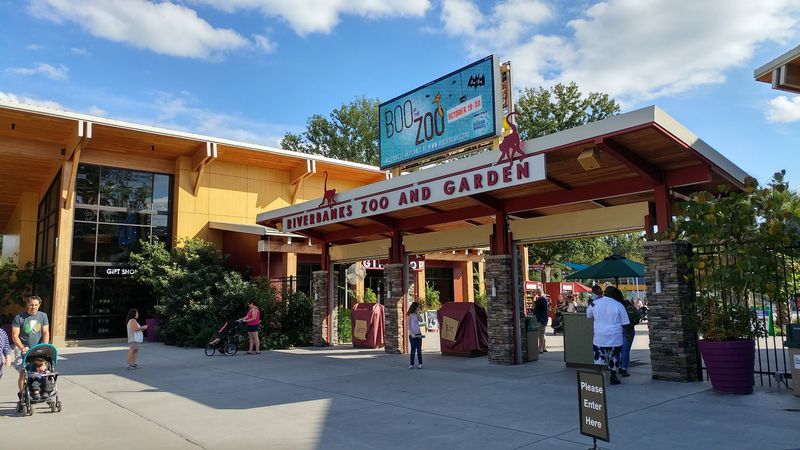
Then the city flips moods entirely. Riverbanks Zoo and Botanical Garden is genuinely excellent, and whitewater rafting on the Saluda River sits minutes from downtown.
I ended with a slow lap around the university’s historic Horseshoe, which is about as pretty as campus walks get.
Address: 1100 Gervais St, Columbia, SC
8. Summerville, Where Sweet Tea and Azaleas Take Over
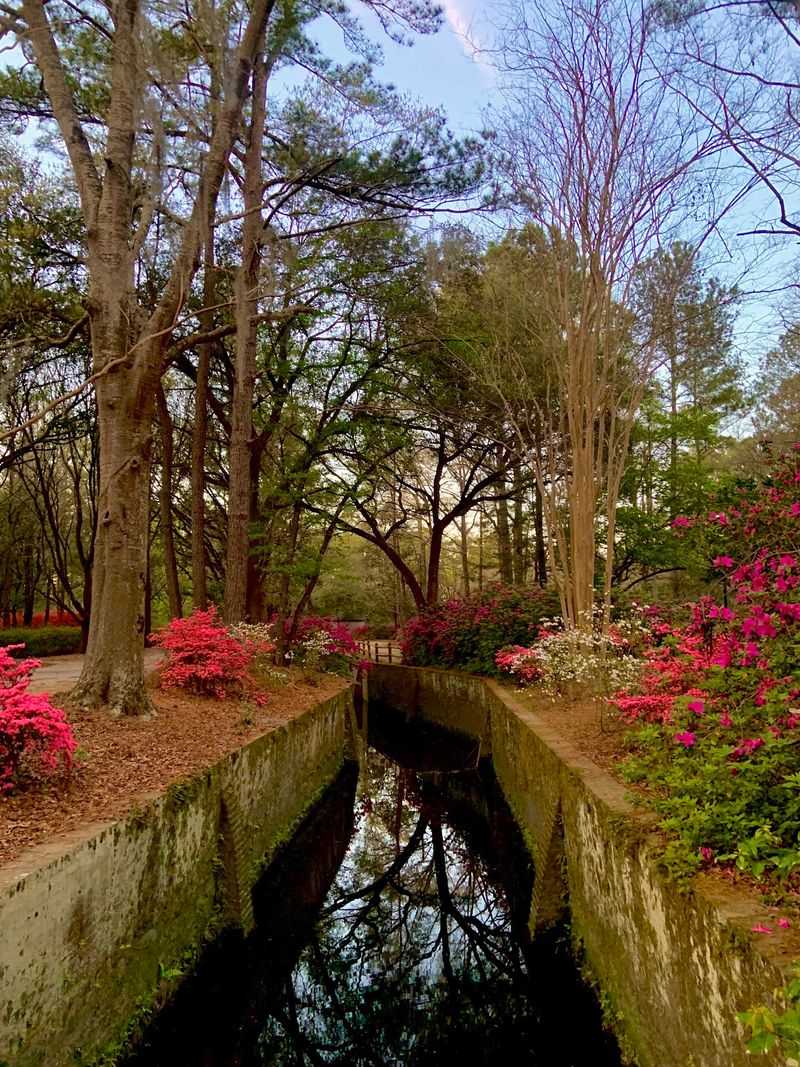
Locals call it the Birthplace of Sweet Tea, and the town wears that title proudly. Flowers do the rest of the talking.
In spring, azaleas bloom by the acre, and the sculpture garden park becomes the best free show around. I wandered it twice, once in the morning haze and again near sunset.
The Old Town core is stacked with antique shops and galleries, and it hosts a flower festival that fills the streets every year.
A short drive away sits the only tea garden in North America, where rows of tea plants grow in neat green lines. Seeing where the leaves actually come from is oddly satisfying.
What I liked most was the pace. Porch swings, slow conversations, nobody in a hurry to get anywhere.
The nearby Nexton area adds newer restaurants and shops without wrecking the quiet, residential feel that defines the place.
Being close enough to reach the coast easily makes it a smart base for exploring the Lowcountry while sleeping somewhere calmer.
Address: 700 S Main St, Summerville, SC
9. Spartanburg, Upstate Art, Big Woods, and Boardwalk Trails
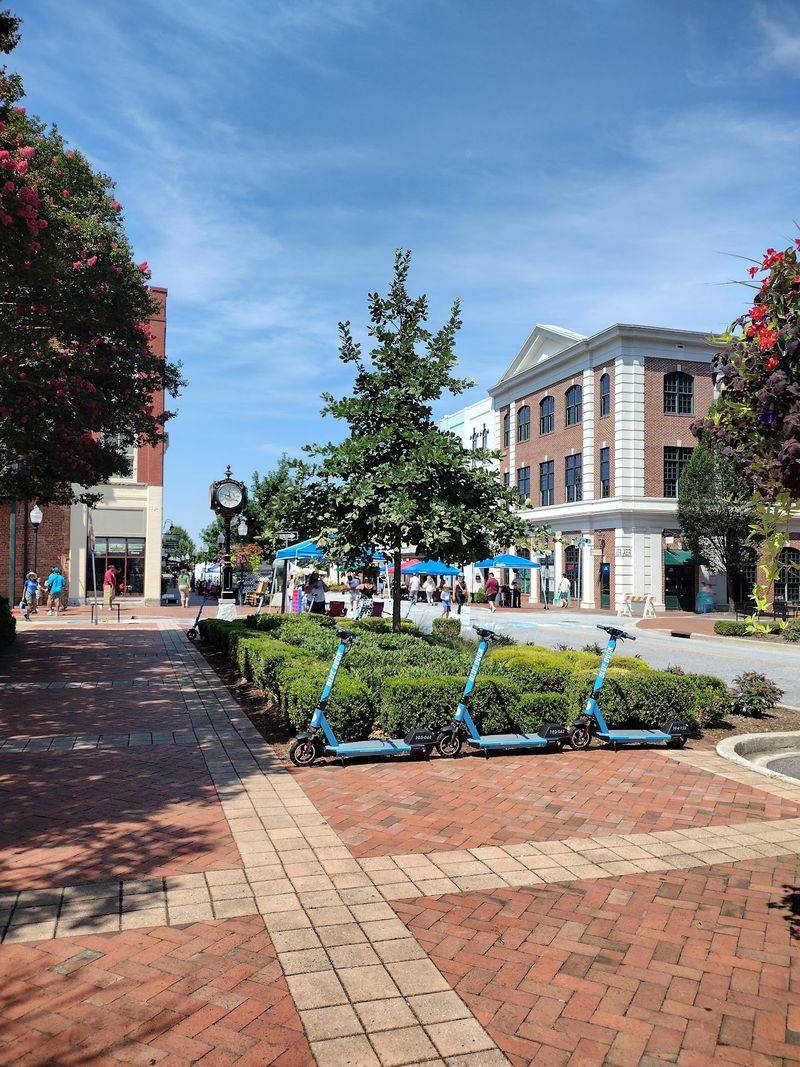
Spartanburg surprised me most on the food front, and I say that as someone who thought the Upstate had already shown its hand.
Downtown carries a cultural district designation, and on an ordinary evening you will hear live music drifting out of doorways while galleries stay open late.
Historic brick buildings hold newer kitchens, and the mix of longtime staples and experimental menus keeps things interesting.
Just outside town, a state park sprawls across more than 7,000 acres with hiking, mountain biking, equestrian trails, fishing, and boating on the lake. I spent a morning there and felt completely reset.
Closer in, a woodland preserve packs native plants and shaded paths into a small footprint, ideal when you only have an hour.
Another urban preserve offers over five miles of trails plus a 550-foot boardwalk that floats above wet ground, which kids seem to love running across.
The city clearly protects its green spaces on purpose, and that choice shows in how livable it feels day to day. Spartanburg earns its spot on this route.
Address: 832 John B White Sr Blvd, Spartanburg, SC
10. Myrtle Beach, Beyond the Boardwalk, Wild Shoreline Waits
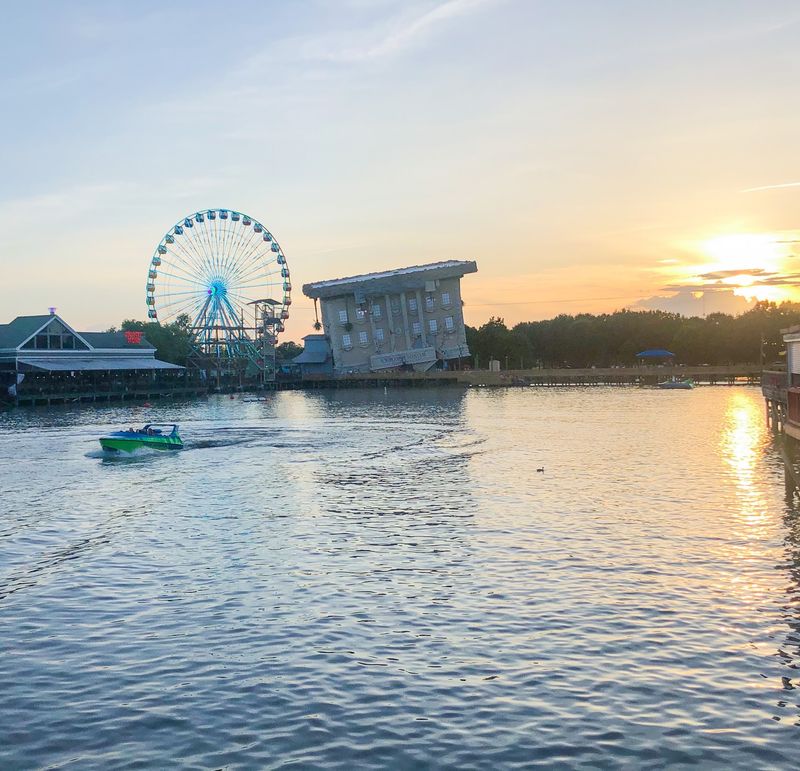
Everyone knows the boardwalk. Almost nobody told me about the quiet stretches, and those turned out to be my favorite part.
South of the main strip, a state park protects three miles of undeveloped beach along with freshwater and saltwater marshes that birdwatchers treat like a pilgrimage site. A Moorish-style castle called Atalaya sits right inside the park, which is a strange and wonderful thing to stumble upon.
The oldest state park in South Carolina is here too, with maritime forest, rolling dunes, a fishing pier, and picnic spots under the pines.
Then there is Brookgreen Gardens, a National Historic Landmark spreading across 9,000 acres where sculpture, formal gardens, and wildlife preserves blend together. I walked among the statues, watched a native animal exhibit, and followed trails deep into Lowcountry woods.
Cycling works well along the Grand Strand, especially on the bikeway that threads through forest and wetland instead of traffic.
The 60-mile coastline gives you room to choose your mood, busy or empty, and both versions are worth your time.
Address: 16148 Ocean Hwy, Murrells Inlet, SC
11. Hilton Head Island, Bike Paths Under Spanish Moss
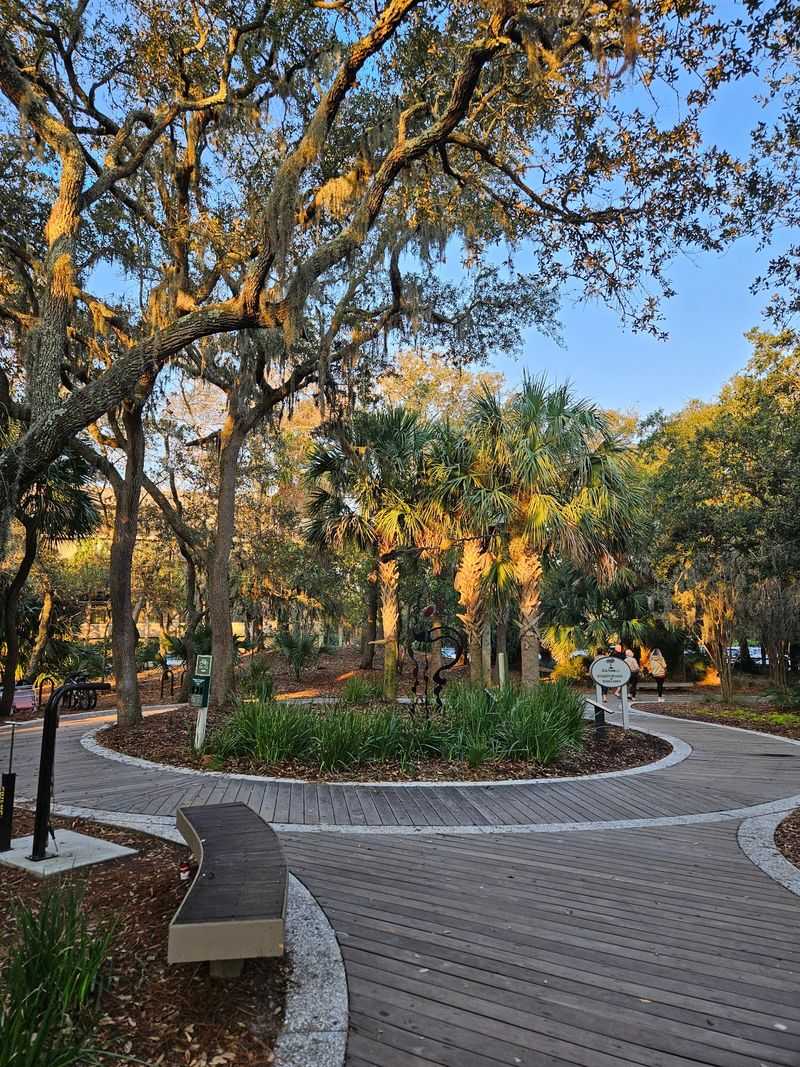
An island where buildings hide behind trees on purpose sounds like a rule that would feel fussy. In practice, it makes the whole place feel like a forest that happens to meet the ocean.
Twelve miles of beach run along the shoreline, firm enough for long walks and generous with shells after a high tide.
The semi-tropical climate means mild winters and long warm stretches, so nothing here shuts down when the calendar turns.
Live oaks draped in Spanish moss lean over the roads, and salt marshes flicker with herons and fiddler crabs at low water.
A national wildlife refuge minutes away offers more than 14 miles of trails through marshland, and a forest preserve on the island adds lakes and wildflower fields to the mix.
Cycling is the local religion, with over 60 miles of trails linking neighborhoods, plazas, and resort areas without much car contact. I rented a bike and barely used my car again.
Horseback rides along the sand offer a different angle entirely, and the discovery museum fills in the cultural and natural history behind it all.
