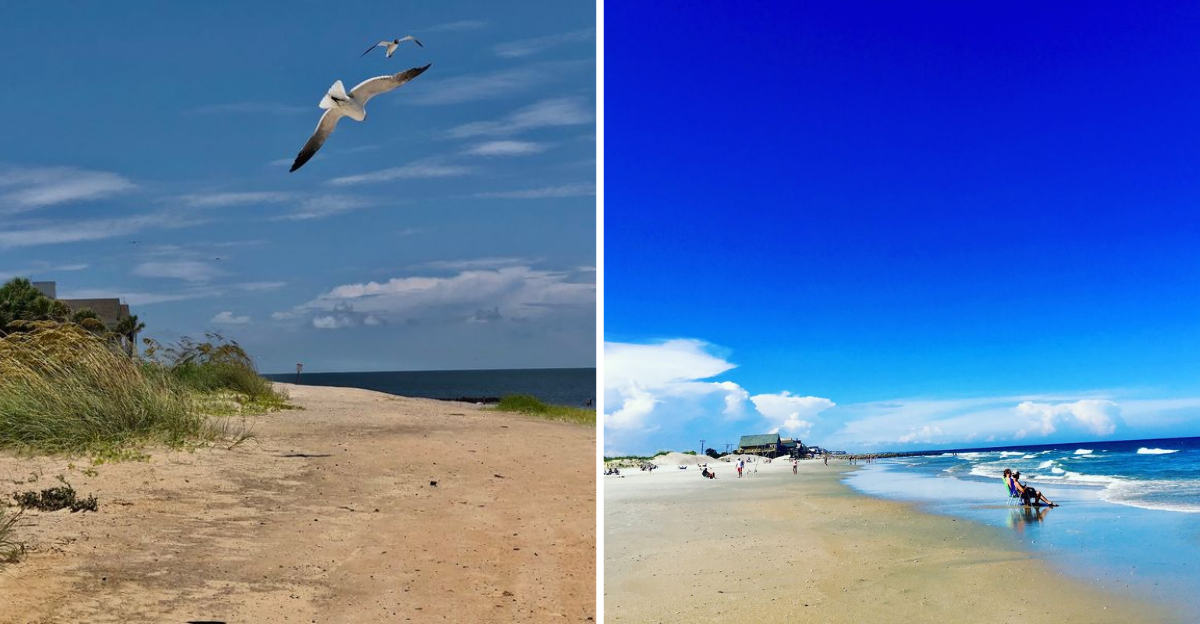
Salt air, pluff mud, shrimp boats, and sand dollars all blur together into something I still think about months later. That is what happened the first time I drove the length of South Carolina’s coast with the windows down and never rolled them back up.
What surprised me most was how different each beach town felt, even when they sat only a few miles apart. Some hum with boardwalk energy and pier music, while others move so slowly you forget what day it is.
I wandered through one town where the main street was packed with galleries and ice cream shops, and another where the only sound was waves and the cry of gulls. The towns along this stretch have become wildly popular for good reason, and knowing what each one actually feels like makes the trip far better.
These seven coastal towns rank among the most searched spots in the state, and people keep coming back for the same reason. Consider this your friendly guide to the busiest, most beloved stretches of Carolina sand.
1. Myrtle Beach, The Grand Strand’s Beating Heart
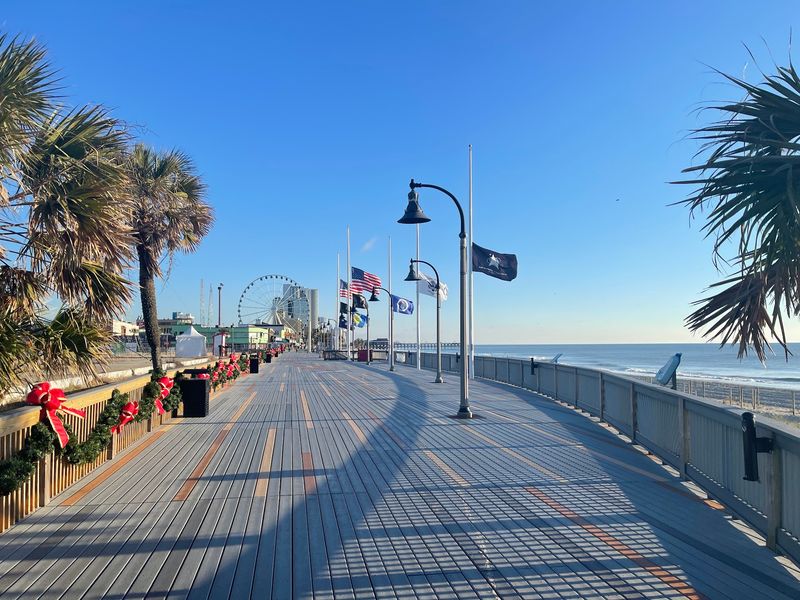
My first morning here, I watched the sun come up over an empty stretch of sand while joggers passed behind me on the boardwalk. An hour later, that same beach was packed shoulder to shoulder.
Few places flip moods that fast. Needles to say I was a bit disappointed.
Sixty-plus miles of Atlantic coastline anchor this area, and the wide beaches get all the attention. What surprised me was how much green space hides just off the main drag.
Myrtle Beach State Park protects an undeveloped shoreline with a fishing pier and shaded trails winding beneath live oaks. Nearby, the Russell Burgess Coastal Preserve sends boardwalks through dunes, tidal creeks, and maritime forest where herons stalk the shallows.
Kayaking through the salt marsh at low tide became my favorite escape from the crowds. Birdwatchers do well here too, especially early.
The oceanfront boardwalk delivers sweeping views and a steady buzz of activity, and it is genuinely fun once you accept the energy for what it is. My advice: hit the sand before nine, retreat inland midday, and return for the golden hour when the light turns the whole strand copper.
Address: 4401 South Kings Highway, Myrtle Beach, South Carolina
2. Hilton Head Island, Bike Paths Beneath Ancient Oaks
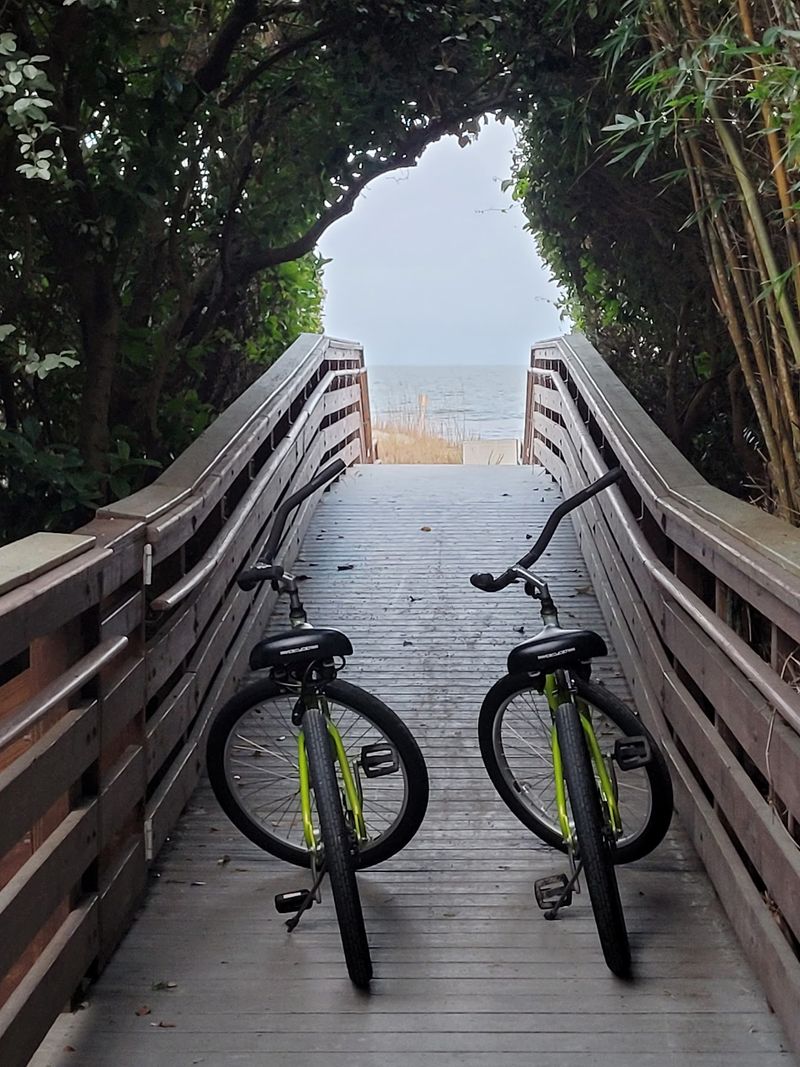
Renting a bike here was the single best decision I made on the whole trip. The island is laced with shaded paths, and I covered more ground on two wheels in one afternoon than I had in two days of driving.
Ancient oaks draped in Spanish moss lean over the trails, and the marsh views appear when you least expect them.
Jarvis Creek Park offers woodlands and a slow-moving creek, while the Sea Pines Forest Preserve spreads out across wetlands and dense forest. Burkes Beach pairs coastal views with its own nature trail, and Pinckney Island National Wildlife Refuge protects a huge tangle of salt marsh and tidal creeks.
The Audubon-Newhall Preserve adds quiet ponds and towering trees to the mix.
Deer, turtles, and an absurd number of bird species share the place with visitors, and I saw all three before lunch. Paddleboarding and kayaking are easy to arrange along the creeks.
Yes, it gets busy in summer, particularly near the beach access points. Go early, park once, and let the bike paths do the rest.
The island rewards patience more than hurry.
The breeze off the marsh cools your skin even on the warmest afternoons, and the rhythm of pedaling becomes its own kind of meditation. I found myself slowing down just to watch an egret stalk the shallows or a turtle slide off a log into dark water.
Every turn in the path offered a different version of quiet, and by the time I circled back to the rental shop, I had already started planning my next route for the following morning. The island does not reveal itself to hurry, but it opens up beautifully to anyone willing to move at its own pace.
3. Folly Beach, The Edge of America Keeps Its Edge
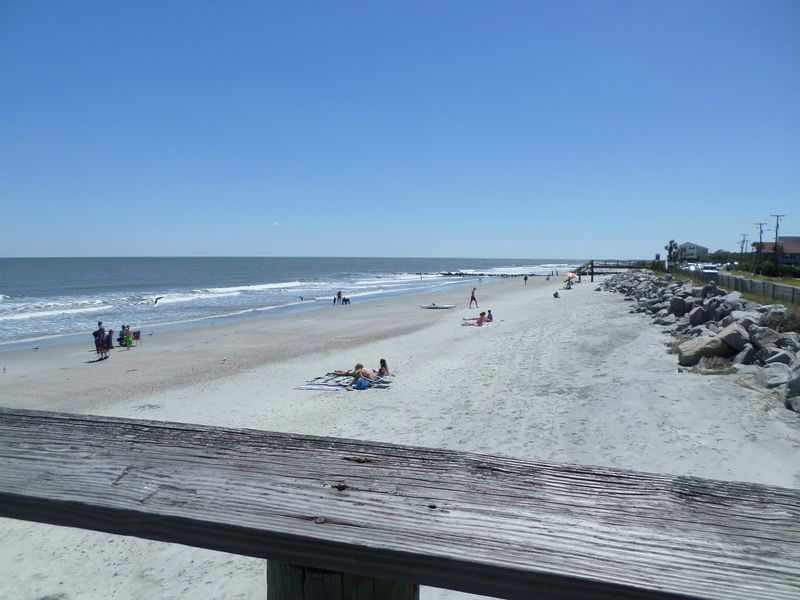
Barefoot people carrying surfboards down the middle of the street told me everything I needed to know about this place within five minutes of arriving.
Locals call it The Edge of America, and the come-as-you-are attitude is real. Nobody here seems to be in a hurry, and nobody seems especially concerned with how they look doing it.
The island covers about twelve square miles, wedged between the Atlantic and the calm Folly River, with six miles of wide sand backed by dunes and marsh. Morris Island Lighthouse sits out in the water like a stubborn old landmark refusing to move.
Sunrises and sunsets here have a reputation, and the reputation is earned.
Surfers show up for the consistent waves, which is unusual along this coast. Anglers work the Edwin S.
Taylor Fishing Pier while kayakers and paddleboarders slip into the marsh channels where cordgrass runs green to the horizon.
Dolphins turn up often on eco-tours. I spent one afternoon doing nothing but beachcombing, and honestly that felt like the correct use of the day.
Address: 101 East Arctic Avenue, Folly Beach, South Carolina
4. Isle of Palms, Where Locals Just Say IOP
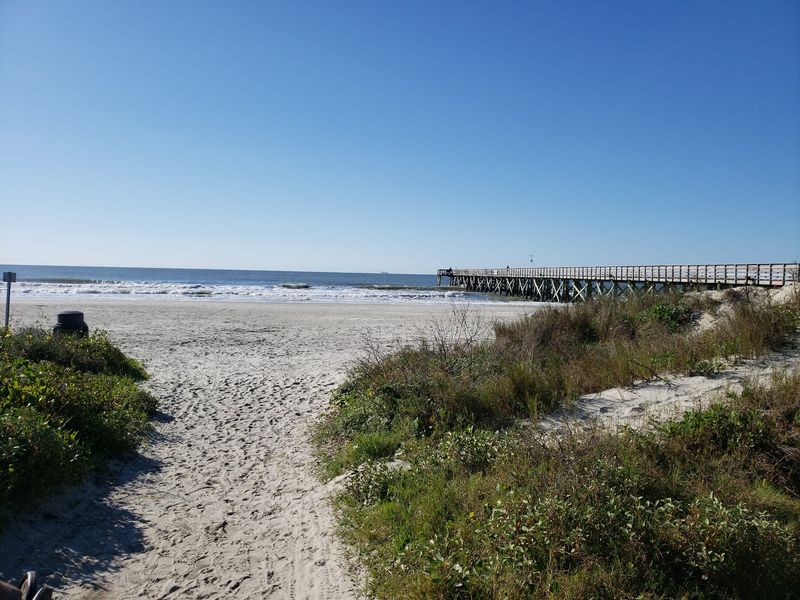
Ask anyone within twenty miles and they will shorten the name to IOP without thinking about it. That casual shorthand fits the mood of the place perfectly.
A slim barrier island holds pristine sand on one side and a maze of marshes and creeks on the other, which means the wildlife situation is excellent.
Dewees Inlet turned out to be my favorite quiet corner, good for birdwatching and the occasional dolphin fin or stingray shadow. The county park has dunes and tidal pools where shorebirds gather in loose, chatty groups.
Out on the Intracoastal Waterway, ospreys work the water alongside sea turtles and dolphins.
Boat access gets you to Capers Island, a protected heritage preserve with a Boneyard Beach full of silvered driftwood that looks almost sculpted. During warm months, loggerhead sea turtles nest along these shores, which changes how you look at every stretch of dune.
Swimming, surfing, kayaking, and fishing all happen here, sometimes within the same hour. Parking fills fast on summer weekends, so an early start saves a lot of circling and grumbling.
5. Kiawah Island, Ten Miles of Guarded Shoreline
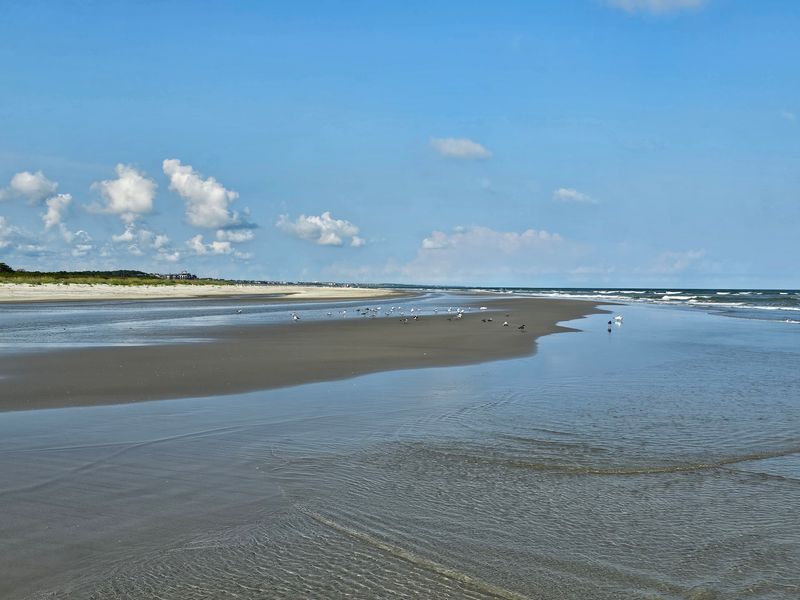
Something about a beach where the lights go dark for sea turtles tells you the priorities are in order.
Conservation shapes almost everything here, and the island wears it well. Roughly 5,000 acres of marshland, more than 300 acres of lakes and ponds, and ten miles of secluded natural beach make up the landscape.
Maritime forest, brackish ponds, and rolling dunes stack up behind the sand in layers.
Wildlife thrives as a result. Loggerhead turtles nest here, bottlenose dolphins patrol the inlets, bobcats move through the forest, and alligators sun themselves near the ponds while eagles and herons work the sky.
The Lights Out for Sea Turtles program runs during nesting season, and it genuinely changes the character of summer evenings.
My highlight was watching dolphins strand feed near Captain Sam’s Inlet, a behavior where they push fish right up onto the mud bank. I have never seen anything quite like it.
Nature walks, birding tours, shelling, kayaking, and paddleboarding fill the rest of the time. Popular as it is, the beach still feels remarkably uncluttered.
6. Pawleys Island, Arrogantly Shabby and Proud of It
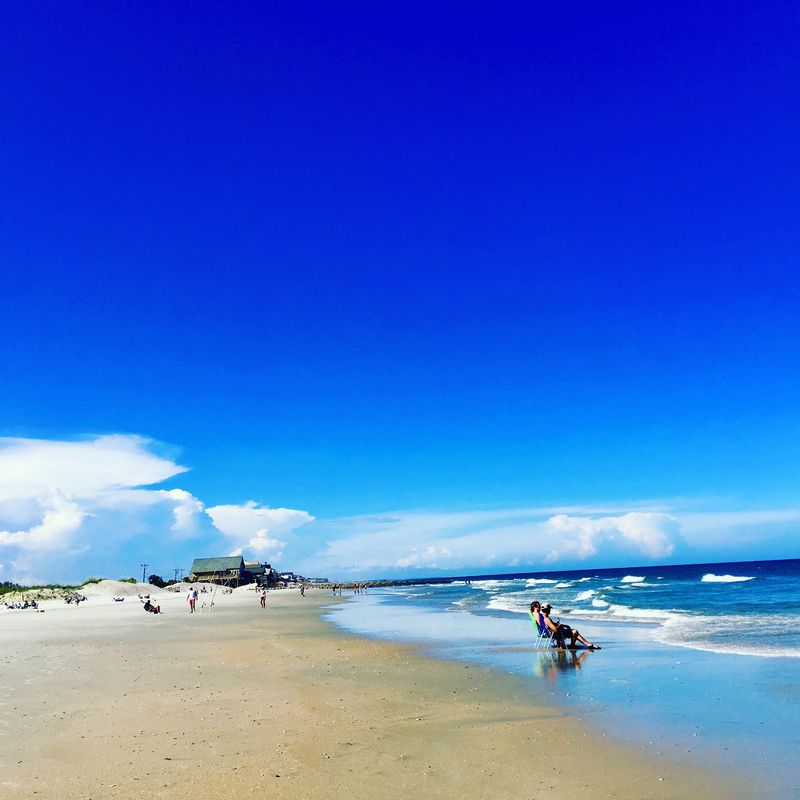
The town nickname is arrogantly shabby, and residents say it with obvious affection. Weathered cottages, sandy lanes, and zero interest in polish define the whole vibe.
I felt my shoulders drop about ten minutes after crossing the causeway.
Two short causeways connect this thin barrier island to the mainland, and in places it is only one house wide. Salt marsh spreads out behind the homes, catching the sunset light in a way that stops conversation.
Ancient live oaks lean over the roads leading in.
The sand stays uncrowded compared to towns just up the highway, which makes sunrise walks and shell hunting feel almost private. Crabbing in the creeks is a local tradition, and people fish right off the marsh bridges with no fuss at all.
Biking, canoeing, and kayaking round out the options, and Huntington Beach State Park sits close by for anyone wanting more trails and birds.
Fun bit of history: the famous Pawleys Island rope hammock started here, which honestly explains a lot about the local attitude toward productivity. Some cottages have stayed in the same families for generations.
7. Edisto Beach, Living on Edislow Time
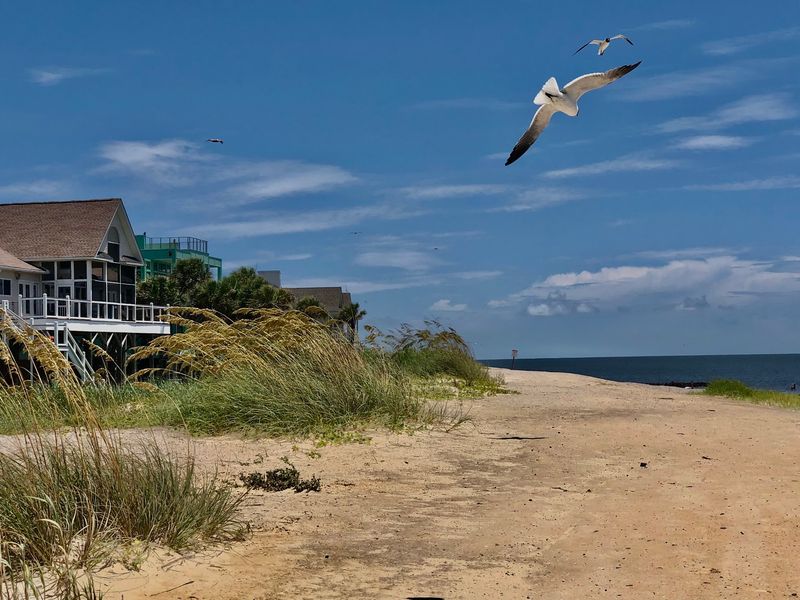
Locals joke about running on Edislow time, and after two days I stopped checking my phone entirely.
No neon, no crowds of the boardwalk variety, just a sleepy oasis with almost five miles of clean beach. Families have been coming here for decades, and it shows in the easy, unhurried rhythm of the streets.
Edisto Island State Park protects a scenic slice of the barrier island, mixing maritime forest, salt marsh, and quiet sandy shoreline. Shell hunters do well here, and shark teeth turn up often enough to keep everyone scanning the tideline.
Driftwood Beach is the showstopper, all bleached tree skeletons standing in the surf, changing shape with every storm.
Botany Bay Plantation Heritage Preserve adds another undeveloped beach and more forest to wander. Pier fishing, charters, kayaking, paddleboarding, hiking, and biking all fit naturally into the day.
Rainy afternoon? The Edisto Island Historic Preservation Museum fills the gap nicely.
My favorite thing was simply driving the oak-shaded lanes with the windows down, going nowhere in particular. That is the whole point here.
Address: 8377 State Cabin Road, Edisto Island, South Carolina
8. Surfside Beach, Two Miles Built for Families
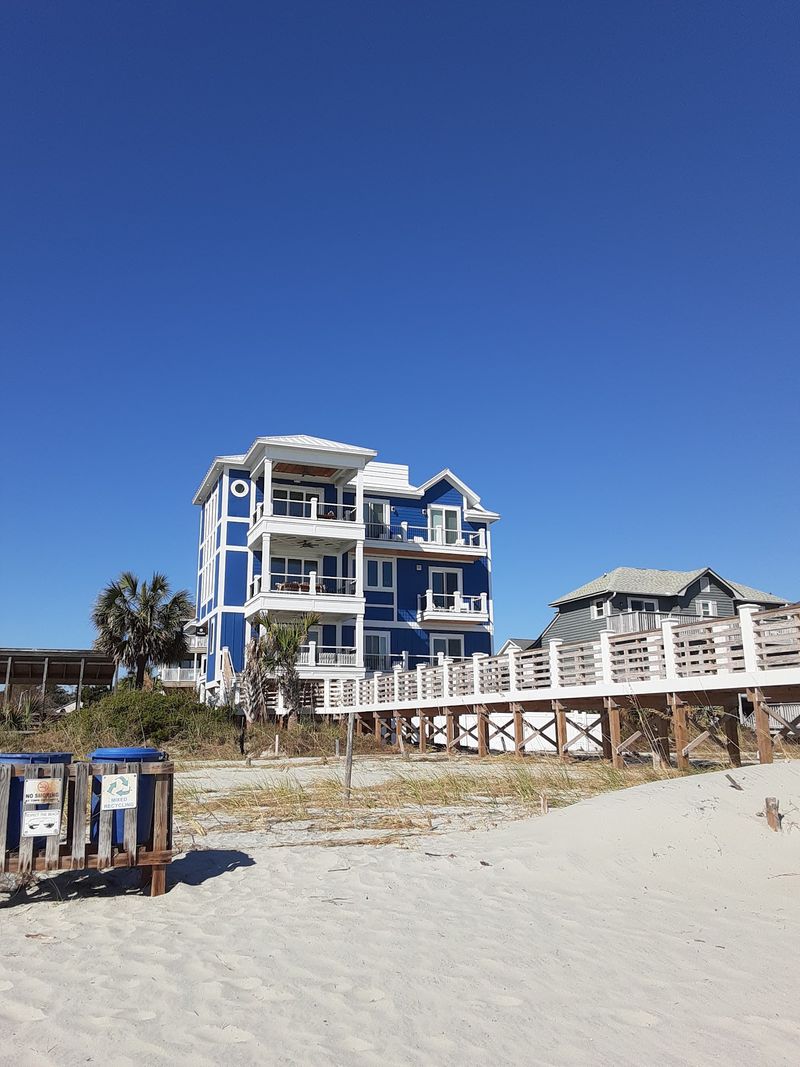
Golf carts putter down residential streets here like it is the most normal thing in the world. It caught me off guard, then it charmed me completely.
Known widely as The Family Beach, the town keeps a quieter, neighborly feel than its bigger neighbors up the coast.
Two miles of oceanfront hold soft, powdery sand backed by settled neighborhoods rather than towers. Parks, small lakes, and plenty of beach access points break up the grid, and many of those access points include wheelchair accommodations.
Worth knowing: this was recognized as the world’s first autism-friendly travel destination, which speaks volumes about how the community thinks.
The fishing pier acts as the unofficial town center, pulling in anglers, walkers, and anyone chasing a breeze. Summers get lively and social, while spring and fall bring calm streets and easy parking.
Sandcastles, long shoreline strolls, parasailing, and banana boat rides keep younger visitors busy. Paddleboarding and kayaking happen in the nearby waterways.
I liked it best at dusk, when families packed up slowly and the pier lights flickered on above the water.
9. Garden City Beach and Cherry Grove, Twin Ends of the Strand
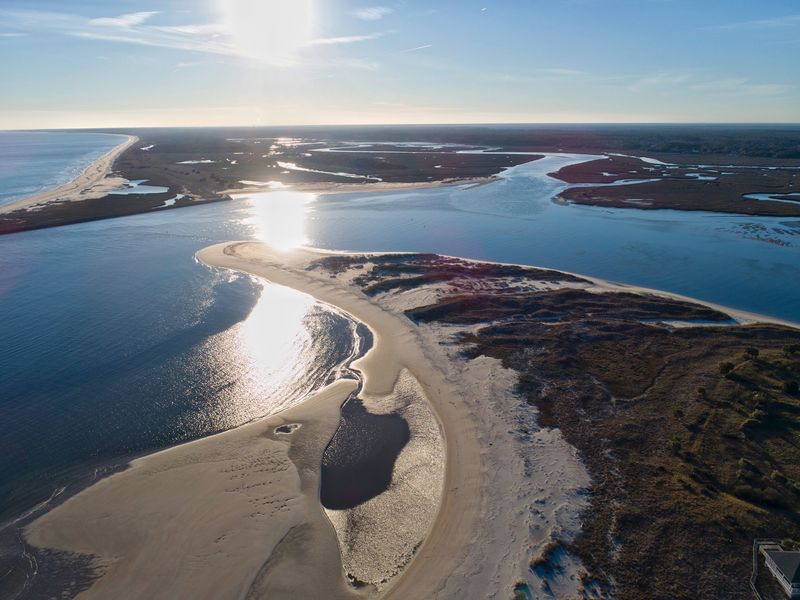
Two spots bookend the Grand Strand, and both revolve around a sandy point where inlet water meets ocean.
At the southern end, a long fishing pier juts out right where the inlet opens up. Near The Point, exposed sandbars give you water views on both sides, one of the rare places along this coast where you can catch sunrise and sunset over open water without moving your car.
Jet skiing, parasailing, surfing, and kayaking keep the water busy, while arcade games and mini golf handle the rest. The Murrells Inlet MarshWalk sits close for a slower stroll, and the pier often has live music drifting out over the waves.
Up north, the other community keeps things residential and quiet, with oceanfront homes lining winding tidal channels. Its own Point is a secluded sandbar where the Atlantic meets the inlet, calm and wide and weirdly peaceful given how popular the area has become.
The pier there draws anglers and sightseers alike, and the salt marsh behind the beach is a wildlife showcase.
Mornings mean empty sand. Evenings mean marsh sunsets worth stopping for.
