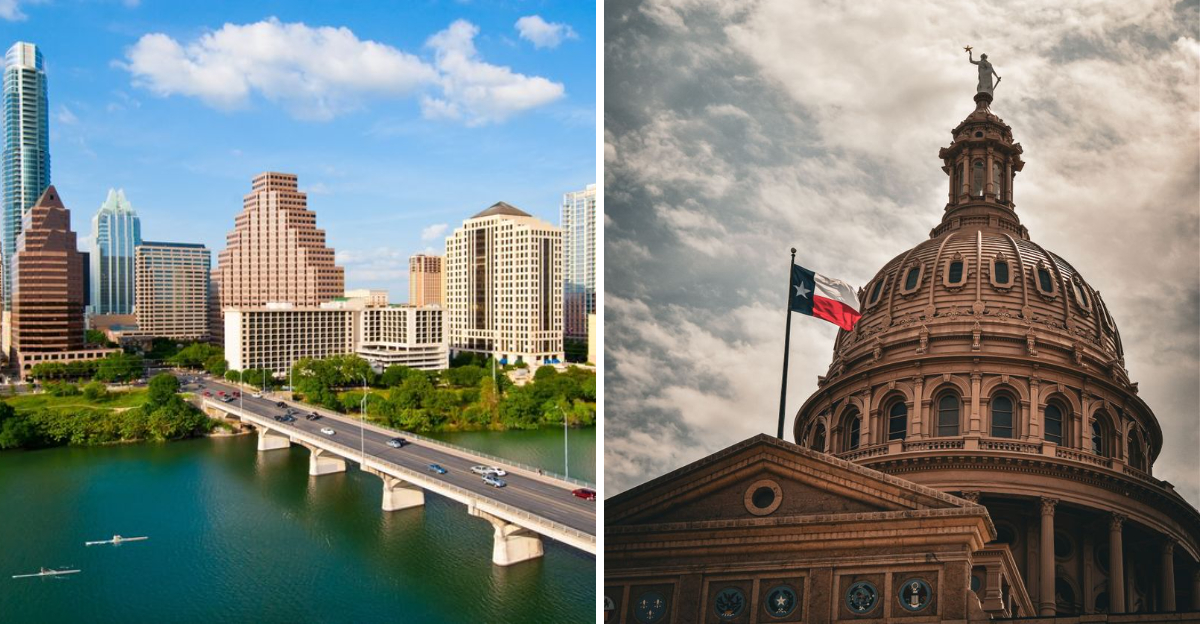
Five hundred dollars sounds generous right up until Friday night checks in and starts sending invoices.
A Texas weekend can involve lodging, gas, meals, parking, attractions, coffee, snacks, and at least one purchase nobody remembers budgeting for, so the real question is not simply what $500 buys but how quickly it disappears.
The encouraging part is that a good getaway does not require treating every meal like an occasion or booking the fanciest room in town. Free parks, inexpensive attractions, casual restaurants, shorter drives, and a little strategic planning can leave room for one or two things actually worth splurging on.
Breaking the weekend into real categories makes the answer much clearer and exposes the expenses most likely to wreck the plan. In Texas, $500 can still go surprisingly far, but it definitely needs supervision.
San Antonio: The Cheapest Big City Weekend in Texas
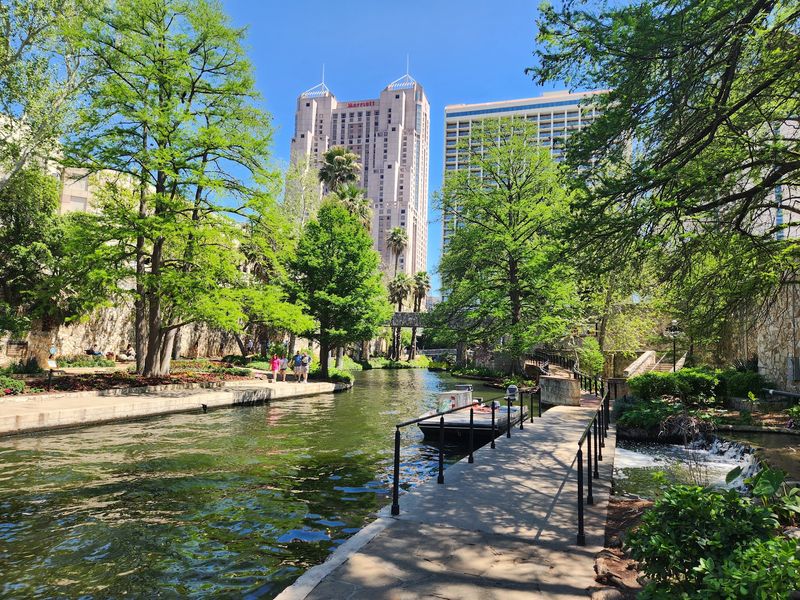
Few American cities pack this much history into walking distance while charging almost nothing at the door. Budget hotel rooms in San Antonio average close to $78 a night, and rooms on the Northeast Side have been found near $66, with some basic properties dipping to the $46 to $59 range.
Two nights of lodging, then, can land somewhere between $92 and $156 for a couple. That single number is what makes the whole $500 target realistic instead of wishful.
Attractions do the rest of the heavy lifting. The Alamo costs nothing to enter, and the San Antonio Missions National Historical Park, a UNESCO World Heritage site, is also free.
Add a stroll along the River Walk, the Museum Reach outdoor art, Hemisfair Park, and the King William Historic District, and an entire Saturday can pass without a single ticket purchase.
Food stays gentle on the wallet too. Breakfast tacos run under $5 at spots like Taqueria Datapoint before 11 AM, and historic lunch specials at Schilo’s German-Texan Restaurant have stayed under $9.
Figure $150 to $200 for two people eating three meals a day across a weekend, with one nicer dinner included.
Gas for roughly 200 miles of driving costs about $30 to $35 at the state average near $3.73 per gallon. A VIA Metropolitan Transit day pass is $2.75 if parking downtown feels like a hassle.
Total range: roughly $292 to $441. Comfortably under budget.
Camping in a Texas State Park Slashes the Biggest Line Item
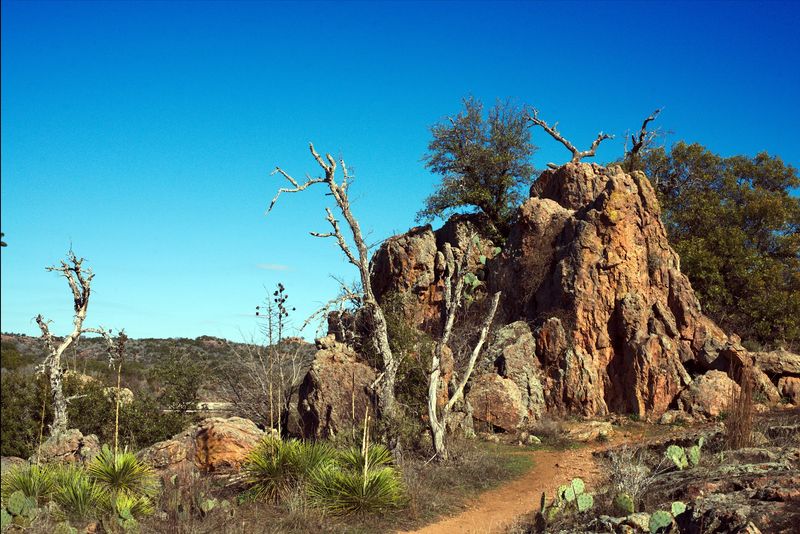
Lodging usually eats a third of any weekend budget, which is exactly why campsites change the math so dramatically. Texas state park campsites generally run $10 to $30 per night depending on whether the site includes water and electric hookups.
Two nights, therefore, cost somewhere between $20 and $60. Compare that to a $150 hotel bill and the savings alone cover every meal of the trip.
Day-use entry fees add $4 to $8 per person per day, so two people across two days pay roughly $16 to $32. Frequent visitors often buy the Texas State Parks Pass at $70 per year, which covers entry for everyone in one vehicle, though camping fees still apply separately.
Groceries replace restaurants almost entirely here. Packing a cooler with sandwich supplies, eggs, fruit, and snacks, then splurging on one sit-down meal in a nearby town, keeps food between $100 and $150 for the weekend.
Gas for a 300-mile round trip in a car getting 25 miles per gallon comes to about $45 at current Texas prices.
Activities cost nothing. Hiking, swimming, birdwatching, and stargazing are included with the entry fee, and many parks loan out equipment or run free ranger programs.
Run the totals and a camping weekend lands near $181 to $292 for two people. That leaves room for a canoe rental, a premium campsite, or an extra night without breaking $500.
Austin Without the Austin Price Tag
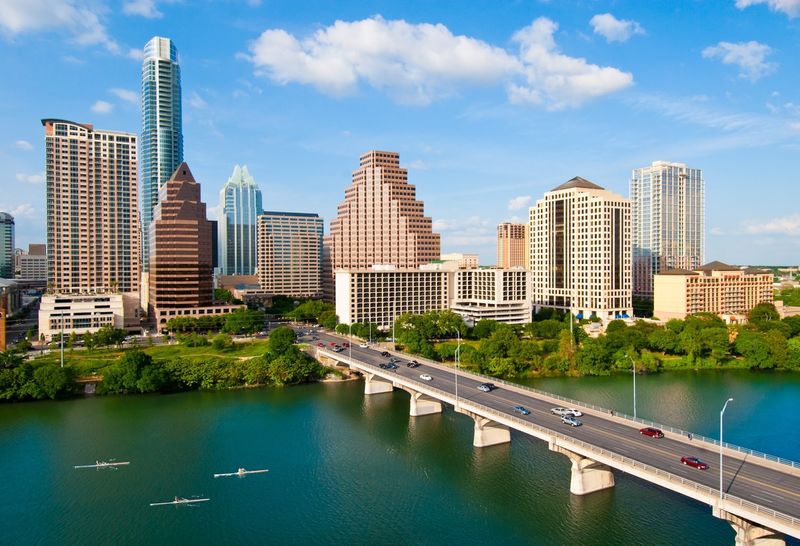
Austin has a reputation for being expensive, and average hotel rates near $198 a night back that up. Look harder, though, and budget properties have shown up between $37 and $54 per night, especially at motels, hostels, and no-frills chains outside the core.
Booking early and staying north or south of downtown is where the savings live.
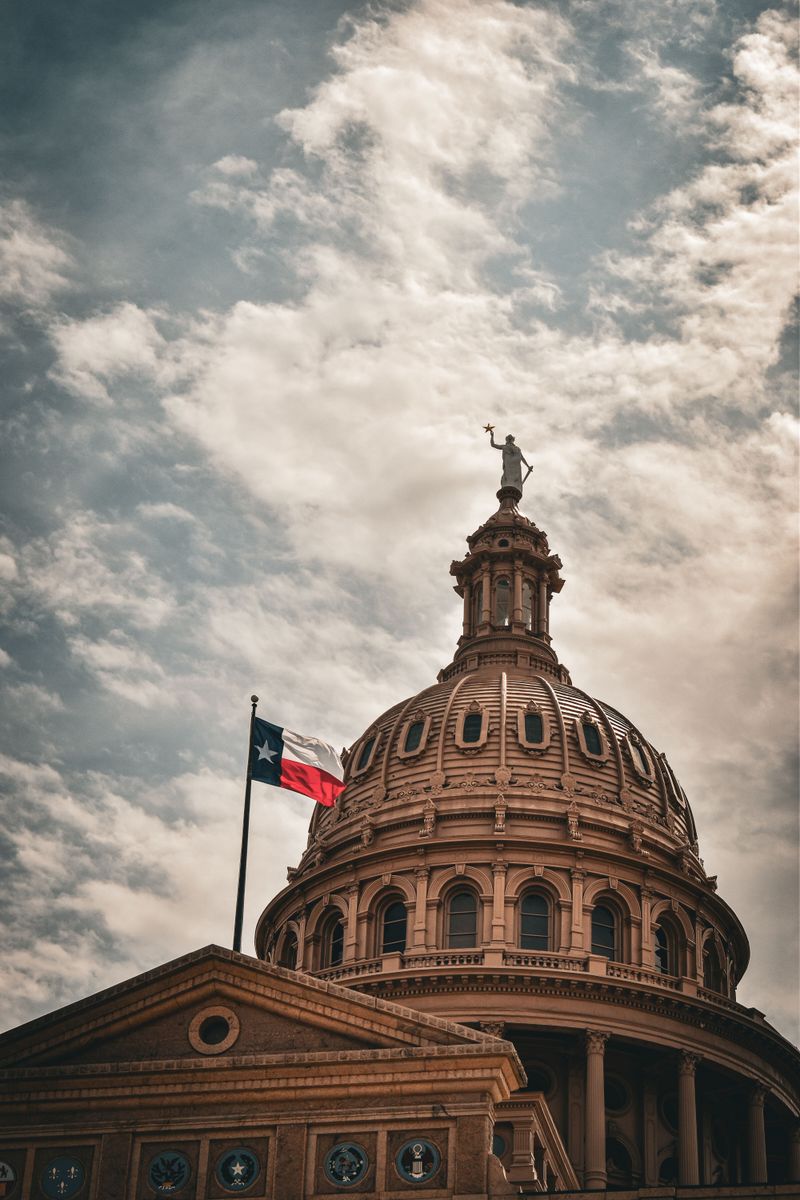
Free culture is genuinely abundant here. The Texas State Capitol Building, the Elisabet Ney Museum, the Texas Military Forces Museum, and the Brush Square Museums all cost nothing.
Time a visit right and the free days stack up: Laguna Gloria on Thursdays, the Blanton Museum of Art on Tuesdays, Mexic-Arte on Sundays, and the Bullock Texas State History Museum on First Sundays.
Evenings belong to the bats. Around 1.5 million of them stream out from under the Congress Avenue Bridge at dusk from spring through fall, and watching costs absolutely nothing.
Zilker Park, Barton Springs, and Mayfield Park with its roaming peacocks fill the daylight hours cheaply.
Meals come from food trucks and casual counters. Project Pollo has run deals like two sandwiches for $10 on Tuesdays, and plenty of taco trailers keep plates in single digits.
Getting around costs $2.50 for a Capital Metro bus day pass, with fare capping at that same amount for tap-to-pay riders and free rides for kids.
A careful Austin weekend for two fits inside $500 with change left over.
Galveston Delivers Beach Time for Pocket Change
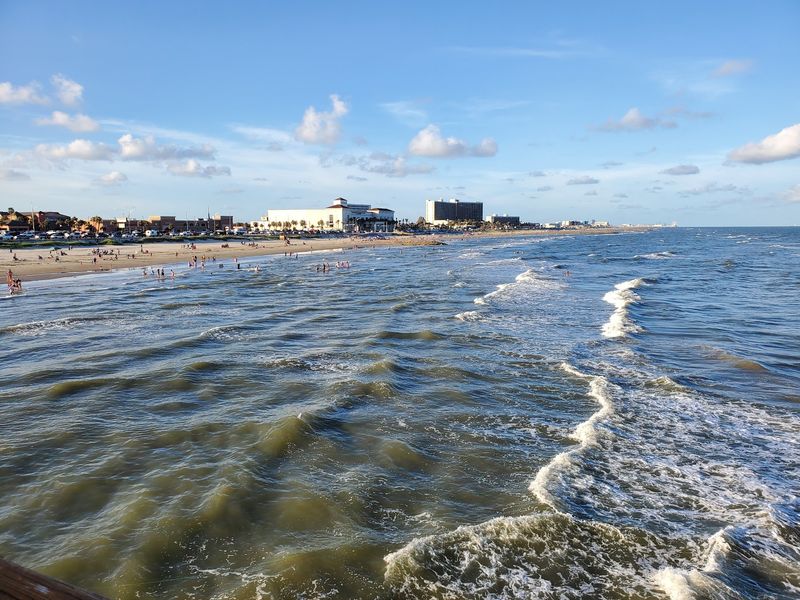
Saltwater does not charge admission. Galveston Island State Park asks $5 per person, with children under 12 entering free, and that fee opens up beach access, hiking trails, kayaking, fishing, and some of the best birdwatching on the Gulf Coast.
Several other public beach access points along the island cost nothing at all.
Lodging swings widely by season. Motels have ranged from $43 to $93 per night, while budget hotel rooms on weekends have appeared around $106, with the island average closer to $174.
Booking a shoulder-season weekend rather than mid-July is the single biggest cost lever available.
The free list here is long. Riding the Bolivar Ferry costs nothing and often comes with dolphin sightings, and the Seawall, the historic Strand District, the Galveston County Museum, and the island murals all welcome visitors without a ticket.
Trolley rides cost $1, which barely registers.
When paid attractions call, they stay reasonable. Moody Mansion self-guided audio tours are $12 for adults and $6 for students aged 6 to 18, the Bryan Museum charges $14 for adults and $5 for kids 6 to 12, and the Ocean Star Offshore Rig Museum offers a $30 family package.
Pack a cooler for beach lunches, eat one seafood dinner out, and the food line stays near $130.
Two nights, two people, gas from Houston included, and the weekend still clears $500 with a cushion.
Gas Money: The Number Most Travelers Guess Wrong
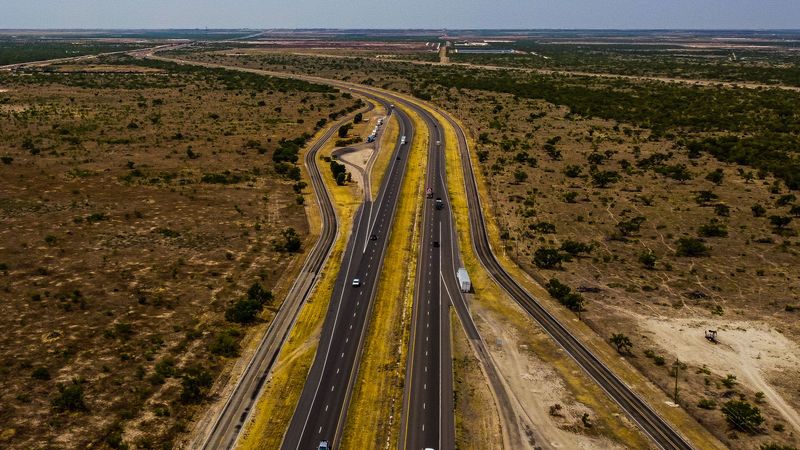
Distance is the hidden tax on Texas travel. The state average retail gas price sat around $3.73 per gallon as of August 2026, and regional prices swing above and below that figure.
Multiply carelessly and a road trip budget falls apart before the first exit ramp.
Run the actual formula instead. Round-trip miles divided by the vehicle’s miles per gallon, multiplied by the price per gallon, gives a hard number rather than a hopeful one.
A 300-mile round trip in a car averaging 25 MPG burns 12 gallons, or about $45. Stretch that to 600 miles and the cost doubles to roughly $90, which is a full night of camping plus dinner.
Keeping trips inside a three-hour driving radius protects the budget more than any coupon.
Dallas residents reach Glen Rose and Dinosaur Valley easily, Houston travelers hit Galveston in under an hour, and anyone in Central Texas can reach New Braunfels, Gruene, or Fredericksburg without much fuel.
Small habits shave more off. Steady highway speeds, properly inflated tires, and a lightly packed trunk all improve mileage measurably.
Filling up outside city centers and away from airport corridors typically costs less per gallon too.
Once parked, stop driving. San Antonio day passes at $2.75 and Austin bus passes at $2.50 replace circling for parking spots and paying garage rates that quietly add $20 or more per day to a trip.
Breakfast Tacos and Lunch Specials Beat Three Restaurant Dinners
Food is where budgets quietly bleed. Three sit-down restaurant meals per person per day across a weekend can hit $200 fast, which is nearly half of a $500 target.
Flipping the order of the day fixes the problem without anyone feeling deprived.
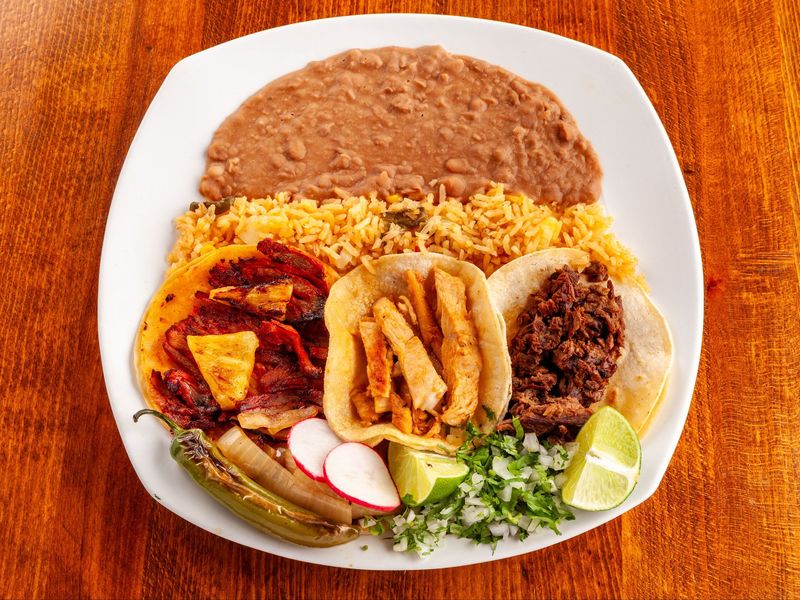
Morning is the cheapest meal in Texas. Breakfast tacos in San Antonio stay under $5 at places like Taqueria Datapoint and El Rodeo de Jalisco, especially before 11 AM, and two of them fill most people until mid-afternoon.
Kolaches offer the same value in bakeries across the eastern half of the state.
Lunch specials carry the middle of the day. Schilo’s German-Texan Restaurant has kept historic lunch specials under $9, and plenty of Tex-Mex plates around the state land under $10 or $12.
Ordering the daily plate rather than the printed menu almost always saves a few dollars.
Dinner becomes the one splurge instead of the third repeat. Budgeting $40 for a single memorable meal for two, then keeping other evenings simple, holds the weekend food total between $100 and $150.
Groceries do the rest. A cooler stocked with fruit, sandwich fixings, and drinks covers picnic lunches at state parks and hotel-room breakfasts.
Markets like the Pearl Farmer’s Market in San Antonio make grocery stops feel like an activity rather than a chore, and rooms with a kitchenette turn that savings into something structural.
Free Museum Days Are Real, and They Add Up Fast
Museum admission for two adults typically runs $30 to $50 per stop. Visit three museums in a weekend and the ticket line alone approaches $150, which is why calendars matter more than coupons.
Texas institutions hand out free days generously to anyone who checks first.
Austin has the deepest bench. Laguna Gloria is free every Thursday, the Blanton Museum of Art is free every Tuesday, and Mexic-Arte Museum is free on Sundays instead of the usual $7 adult ticket.
The Elisabet Ney Museum, the Texas Military Forces Museum, the O. Henry and Susanna Dickinson museums at Brush Square, and the State Capitol never charge at all.
San Antonio follows the same pattern. The Witte Museum offers free admission on Thursdays, and the McNay Art Museum opens without charge late on Thursdays.
La Villita Historic Arts Village, the Instituto Cultural de Mexico, and various gallery nights round out a no-cost cultural itinerary.
When a paid ticket is worth it, the prices stay modest. The San Antonio Fire Museum charges $5 or less, the Umlauf Sculpture Garden asks $7 for adults, and the Thinkery children’s museum runs $10 to $14.
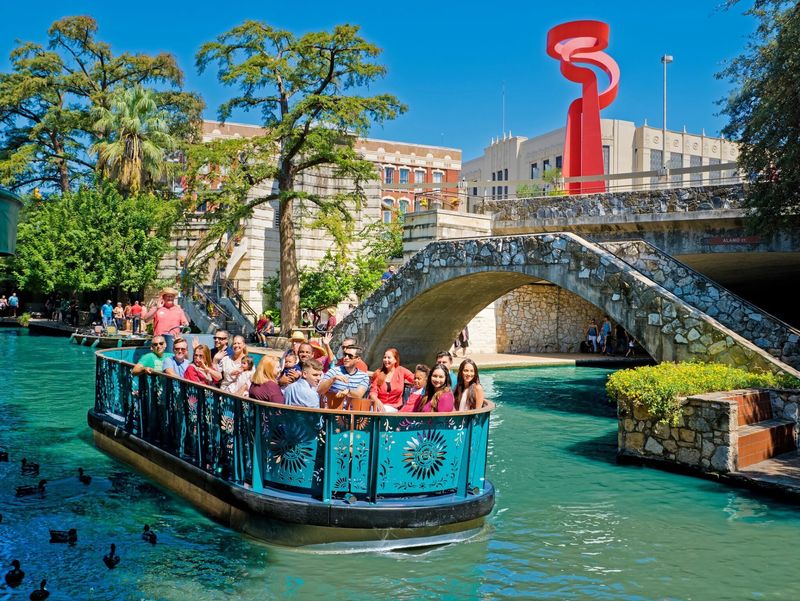
A 35-minute River Walk boat tour costs around $10 per person and remains one of the better values downtown.
Building a weekend around free days rather than around a wish list is the difference between $50 in admissions and $200.
Small Towns Where the Charm Costs Nothing
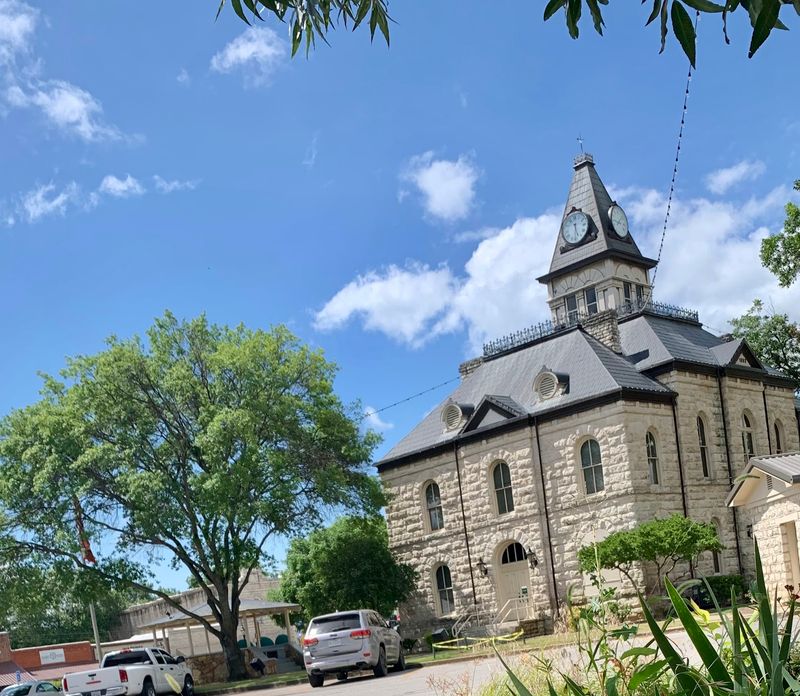
Big cities are not the only bargain. Fredericksburg’s German heritage shows up in free walking territory: Main Street architecture, Marktplatz, and shop windows full of imported goods that cost nothing to admire.
Hill Country drives between towns turn the transportation line into an activity.
Gruene sits inside New Braunfels and looks like Texas paused in 1890. The historic district is free to wander, the general store costs whatever a visitor chooses to spend, and summer river days on the Guadalupe and Comal need only a rented tube.
Bring a cooler, and the whole day runs under $40 for two.
Glen Rose builds its identity around dinosaur tracks. Dinosaur Valley State Park uses standard state park pricing, meaning a small per-person entry fee opens up riverbed fossil hunting that kids remember for years.
Camping there keeps lodging in the $10 to $30 per night bracket.
Lodging generally costs less outside metro areas, though popular weekends in Fredericksburg can spike. Booking a Sunday night instead of a Saturday, or staying in a neighboring town, protects the budget.
Small towns also encourage slower spending. There are fewer paid attractions competing for attention, so hours fill with courthouse squares, bakeries, swimming holes, and back-road scenery.
A two-night small-town weekend built on camping or a modest motel, packed lunches, and one restaurant dinner routinely lands between $200 and $350 for two travelers.
Putting the Whole Weekend Together: The Final Tally
Numbers beat guesswork every time. Two scenarios show how much breathing room a $500 budget actually holds for two travelers across two nights.
A nature escape looks like this: $20 to $60 for two nights of camping, $16 to $32 in park entry fees, $100 to $150 for groceries plus a meal or two out, roughly $45 for gas on a 300-mile round trip, and $0 to $50 for optional rentals.
Total: about $181 to $292. That is well under half the budget in some cases.
A city escape runs higher. Two nights at a budget San Antonio hotel costs $92 to $156, food lands at $150 to $200, gas for 200 miles runs $30 to $35, and activities built around free sites plus one $10 river tour per person add $20 to $50.
Total: roughly $292 to $441.
Both fit. The leftover margin covers parking, a souvenir, an unexpected admission fee, or an upgrade from a tent to a cabin.
Three habits protect the math: book lodging early, plan meals around breakfast and lunch deals, and check free-admission calendars before setting an itinerary.
Texas rewards travelers who plan two weeks ahead far more than those who decide on Friday afternoon.
A great weekend here has never really depended on spending. It depends on picking a direction, filling the tank, and knowing which doors open for free.
