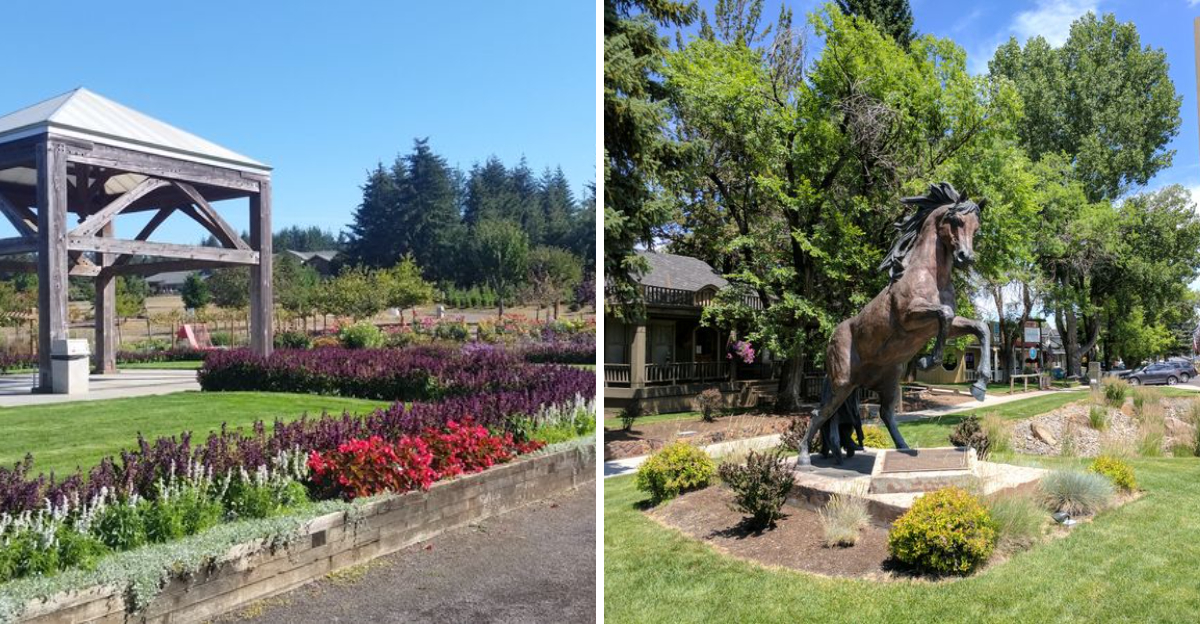
Oregon hides some of its best secrets in plain sight. While visitors flock to Portland’s food carts or Crater Lake’s famous blue waters, locals have their own list of favorite escapes tucked away in small towns that never make the glossy travel magazine covers.
These places don’t shout for attention with billboards or expensive marketing campaigns. Instead, they offer something increasingly rare: authenticity, breathing room, and a chance to experience the state the way Oregonians actually live.
From mountain valleys in the east to quiet coastal stretches in the west, Oregon’s unassuming towns share a common thread. They’ve resisted the urge to become something they’re not, and locals appreciate them for exactly that reason.
Whether you’re looking for art galleries framed by alpine peaks, historic gold rush architecture, or simply a beach where you can actually hear the waves, these 9 towns deliver without pretense.
This is Oregon at its most genuine, the version that people who live here protect fiercely and visit repeatedly, finding new reasons to return with every season.
1. Joseph: Where Mountains Meet Main Street
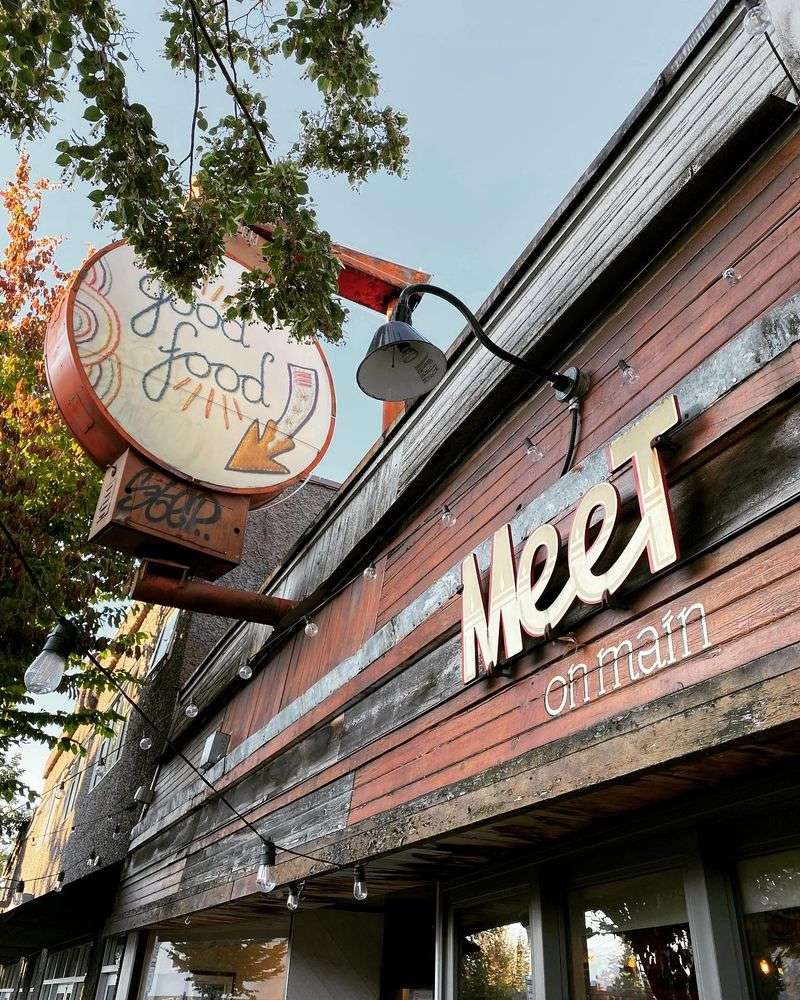
Big skies stretch endlessly above Joseph, a town cradled in the Wallowa Mountains that feels like it belongs in a Western painting. Bronze sculptures line the sidewalks downtown, turning an ordinary walk into an outdoor gallery experience that catches visitors completely off guard.
Local artists have made this remote corner of northeastern Oregon their creative home, filling studios and galleries with work inspired by the dramatic landscape surrounding them.
The scenery here doesn’t whisper, it announces itself boldly. Snow-capped peaks rise in every direction, creating a natural amphitheater that changes color with the shifting light throughout the day.
Summer brings wildflower meadows that seem to glow against the dark green forests, while winter transforms the valley into a pristine playground for cross-country skiing and snowshoeing.
Main Street maintains an unhurried rhythm that reflects the town’s character perfectly. Coffee shops serve as community gathering spots where ranchers and artists swap stories over morning brew.
Small boutiques offer handcrafted goods that actually come from local makers, not mass-produced imports with fake authenticity.
Wallowa Lake sits just minutes away, providing a mountain-rimmed body of water that locals treat as their backyard recreation area. Trails radiate from the lake in all directions, leading to alpine lakes, glacier-carved valleys, and viewpoints that justify every step of the climb.
The tramway carries visitors to the summit of Mount Howard, where the view spans three states on clear days.
Joseph proves that remote doesn’t mean isolated when a community has this much character. Address: Downtown Joseph, Main Street, Joseph, OR 97846.
2. Sisters: Western Charm With Mountain Backdrop
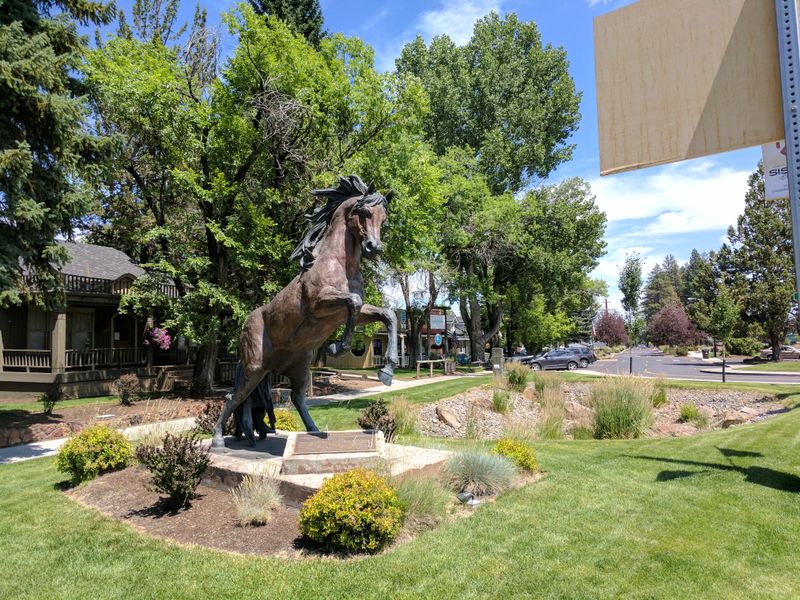
Three volcanic peaks watch over Sisters like protective guardians, their white summits visible from practically every corner of this Western-themed town. The Cascade Range feels close enough to touch here, creating a constant reminder that wilderness begins where the pavement ends.
Downtown buildings sport wooden facades and covered walkways that evoke frontier days without feeling like a forced theme park experience.
Walking through Sisters feels like stepping into a place that knows exactly what it wants to be. Shops sell outdoor gear alongside handmade quilts, reflecting the mix of adventure seekers and craftspeople who call this area home.
The pace slows down naturally here, as if the mountains themselves encourage visitors to take deeper breaths and longer looks around.
Local coffee roasters fill the morning air with rich aromas that drift through open doors and windows. Bakeries turn out pastries that become the perfect fuel for exploring nearby trails, of which there are countless options ranging from easy forest walks to challenging summit climbs.
The surrounding Deschutes National Forest provides endless opportunities for hiking, mountain biking, and simply getting lost in the ponderosa pine forests.
Sisters hosts festivals throughout the year that draw crowds without overwhelming the town’s essential character. The quilt show brings fiber artists from across the country, transforming buildings into temporary galleries of textile art.
Music fills the streets during summer concerts, and the autumn rodeo reminds everyone of the ranching heritage that still shapes the local culture.
Address: Downtown Sisters, Cascade Avenue, Sisters, OR 97759.
3. Manzanita: The Beach Town That Stayed Quiet
Seven miles of sandy beach stretch along Manzanita’s coastline, yet somehow this town has avoided the development frenzy that transformed other Oregon beach destinations. Houses hide behind shore pines and beach grass instead of competing for ocean views with massive vacation rentals.
The result is a coastal village that feels more like a well-kept secret than a tourist destination, which is exactly how locals prefer it.
Neahkahnie Mountain rises dramatically at the town’s southern edge, providing hiking trails with coastal views that rival anything on the Oregon Coast. The climb challenges legs and lungs, but the panoramic vistas of headlands, beaches, and endless Pacific horizon make every switchback worthwhile.
Eagles soar on thermal currents below the summit trail, and gray whales pass close to shore during migration seasons.
Downtown Manzanita consists of just a few blocks, but those blocks contain everything necessary for a perfect beach getaway. A small grocery stocks local wines and artisan cheeses for sunset picnics.
Cafes serve breakfast that tastes even better after an early morning beach walk. The library operates on an honor system that speaks volumes about the community’s character.
Tide pools reveal entire ecosystems during low tide, turning the beach into a natural aquarium where children and adults alike can observe sea stars, anemones, and tiny crabs going about their business. The beach stays relatively empty even on summer weekends, offering the rare pleasure of solitude beside the ocean.
Address: Manzanita Beach Access, Laneda Avenue, Manzanita, OR 97130.
4. Silverton: Where Gardens and Community Bloom
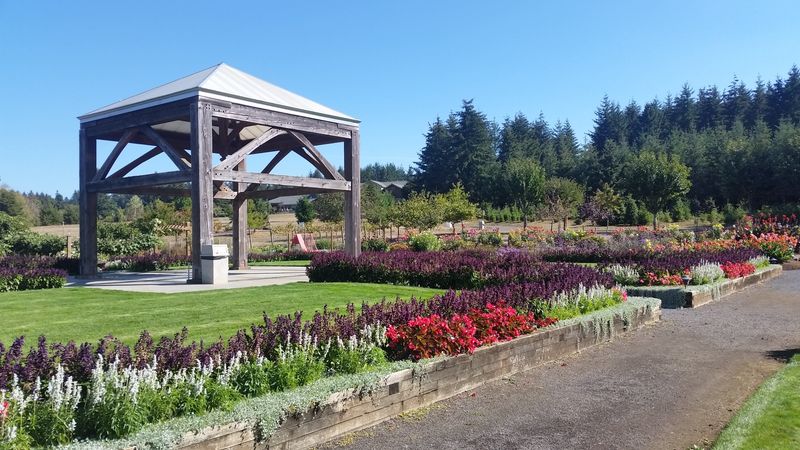
Gardens define Silverton in ways that go beyond simple landscaping. The Oregon Garden sprawls across acres just outside town, showcasing regional plants in thoughtfully designed spaces that change dramatically with the seasons.
But the gardening spirit extends throughout the entire community, where residents tend flower boxes, front yard plots, and public spaces with obvious pride and considerable skill.
Main Street curves gently through downtown, lined with historic buildings that house antique shops, bookstores, and cafes that serve as community living rooms. Murals decorate several walls, telling stories of the town’s history through colorful images that transform ordinary structures into outdoor galleries.
The pace here encourages window shopping and spontaneous conversations with strangers who quickly become friendly acquaintances.
Silver Falls State Park sits close enough to make Silverton an ideal base for exploring the Trail of Ten Falls, one of Oregon’s most spectacular hiking routes. The trail winds past waterfall after waterfall, including several where the path actually runs behind the falling water.
Locals hike these trails year-round, knowing that each season brings different rewards, from spring wildflowers to autumn leaf colors to winter ice formations.
Community events bring residents together with genuine warmth rather than manufactured small-town charm. The farmers market overflows with local produce, handcrafted goods, and live music that creates a festive atmosphere without corporate sponsorship or commercial excess.
Art galleries feature work by regional artists, and the historic Palace Theater screens independent films alongside classic favorites.
Address: Downtown Silverton, Main Street, Silverton, OR 97381.
5. Cottage Grove: Classic Oregon With Historic Soul
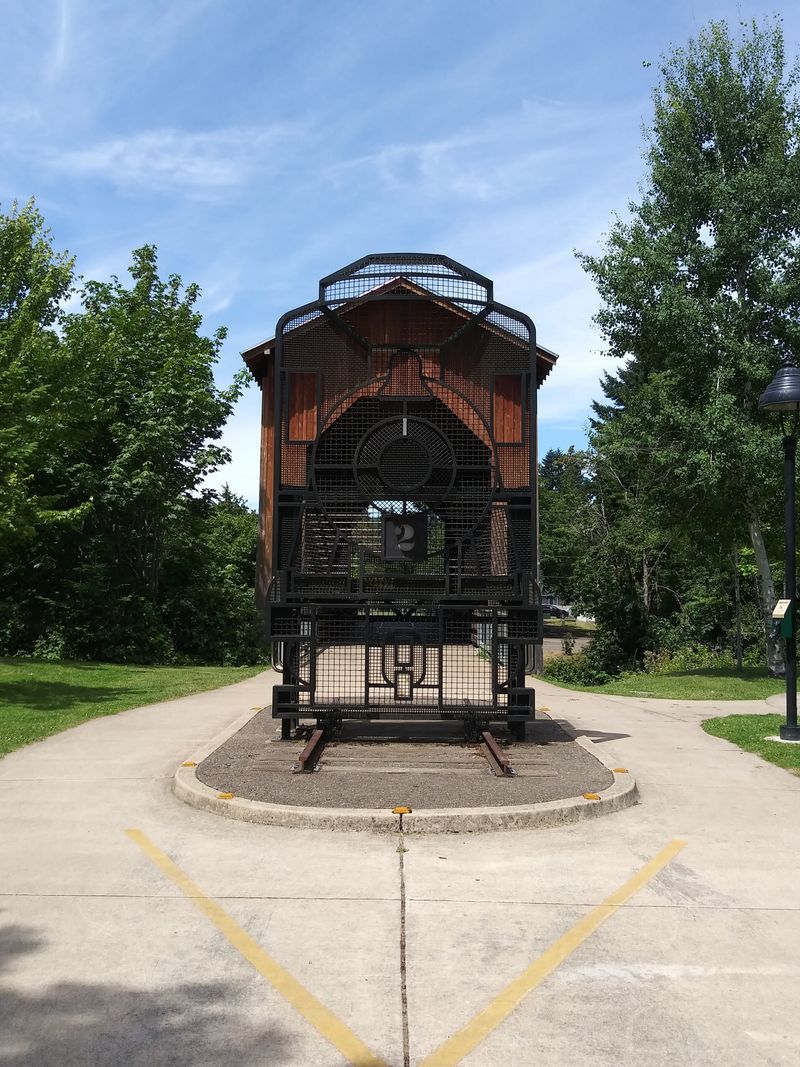
Covered bridges dot the countryside around Cottage Grove, earning the town its nickname as the Covered Bridge Capital of Oregon. These wooden structures aren’t just tourist attractions, they’re working pieces of history that locals still use for their daily travels.
Each bridge has its own character and story, from the bright red Chambers Bridge to the weathered gray Centennial Bridge that spans the Coast Fork of the Willamette River.
Downtown preserves a slice of mid-century Oregon that feels increasingly rare in a state experiencing rapid change. Vintage storefronts line Main Street, housing businesses that serve practical needs rather than chasing trendy concepts.
The historic Bohemia Gold Mining Museum tells stories of the boom times when prospectors flooded these hills searching for fortune, leaving behind ghost towns and tales of both success and heartbreak.
Row River Trail provides miles of flat, paved pathway perfect for cycling, walking, or running through forested countryside. The trail follows an old railroad grade, passing through tunnels and across trestle bridges while offering glimpses of the river below.
Locals use this trail constantly, treating it as an outdoor fitness center and social space where neighbors catch up while getting their exercise.
Cottage Grove Lake attracts boaters, swimmers, and anglers looking for recreation without the crowds found at more famous reservoirs. The surrounding hills turn golden in summer and every shade of green during the rainy months, creating scenery that changes constantly but remains consistently beautiful.
Small parks dot the shoreline, offering picnic spots and swimming areas that families return to generation after generation.
Address: Downtown Cottage Grove, Main Street, Cottage Grove, OR 97424.
6. Jacksonville: Gold Rush History Still Breathing
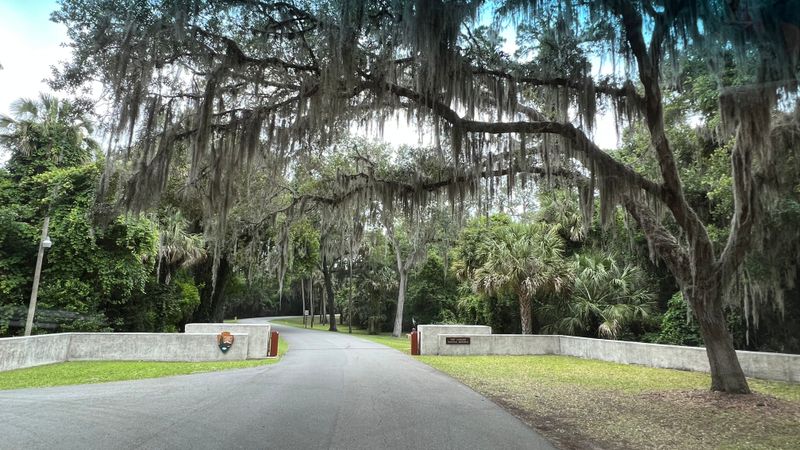
Gold brought fortune seekers to Jacksonville in the mid-1800s, and remarkably, much of what they built still stands today. Brick buildings line California Street, their facades largely unchanged since miners and merchants walked these same sidewalks.
This isn’t a reconstructed historic district or a carefully curated museum town, it’s a living community that happens to occupy extraordinarily well-preserved architecture from Oregon’s pioneer days.
The entire town earned National Historic Landmark status, a designation that reflects both the quality of preservation and the historical significance of what remains. Victorian homes sit behind white picket fences, their ornate trim and tall windows speaking to the wealth that gold mining generated.
Walking tours reveal layers of history in details like hand-forged hinges, original glass windowpanes, and foundation stones quarried from nearby hills.
Britt Gardens hosts an outdoor music festival that transforms summer evenings into magical experiences. Concerts range from classical orchestras to contemporary bands, all performed in a natural amphitheater under the stars.
Locals spread blankets on the hillside, share picnic dinners, and enjoy world-class performances in their backyard, making this one of the most beloved traditions in southern Oregon.
Shops and galleries occupy historic buildings, selling antiques, artwork, and handcrafted goods that reflect the town’s artistic community. Restaurants serve meals in dining rooms where miners once ate, though the menus have evolved considerably from beans and hardtack.
Wine tasting rooms showcase vintages from nearby Applegate Valley vineyards, adding a modern pleasure to this historic setting.
Address: Historic Downtown Jacksonville, California Street, Jacksonville, OR 97530.
7. Hood River: Off-Season Magic in the Gorge
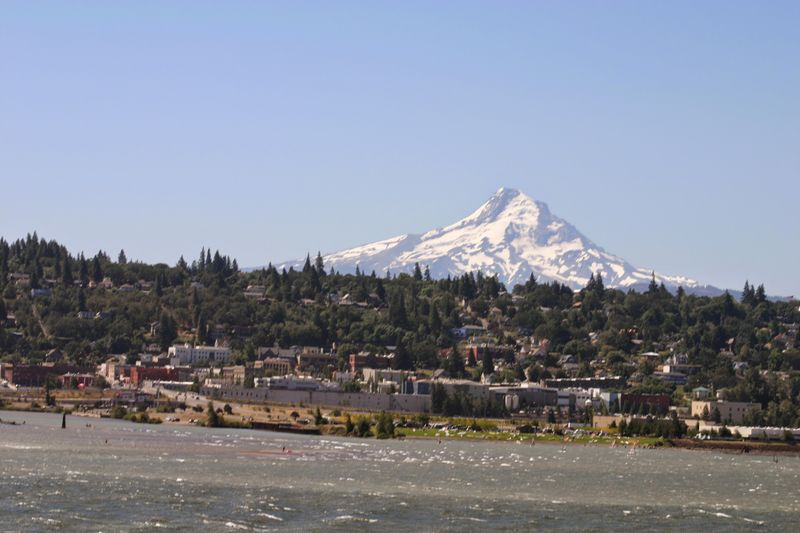
Summer brings crowds to Hood River, filling the waterfront with windsurfers and the streets with tourists exploring craft breweries and boutiques. But locals know the real magic happens when autumn arrives and the summer rush departs.
The town exhales, parking spots appear, and residents reclaim their favorite restaurants and river access points. Mount Hood stands sentinel to the south, its white peak glowing pink during sunrise and sunset.
Columbia River Gorge provides a dramatic backdrop that never gets old, no matter how many times you see it. Waterfalls cascade down basalt cliffs within minutes of downtown, offering hiking opportunities that range from easy strolls to challenging climbs.
The fall color show rivals anything in New England, as oak and maple trees paint the hillsides in shades of gold, orange, and crimson against the evergreen backdrop of Douglas fir forests.
Fruit orchards blanket the valley surrounding Hood River, producing apples, pears, and cherries that locals buy directly from farm stands. U-pick operations invite families to harvest their own fruit while enjoying valley views that stretch from the river to the mountain.
Cider houses and fruit wineries offer tastings of beverages made from these same orchards, creating a farm-to-glass experience that tastes like the landscape itself.
Winter transforms Hood River into a basecamp for snow sports enthusiasts heading to Mount Hood’s ski areas. The town maintains its charm through the cold months, with cozy cafes serving hot drinks and restaurants offering comfort food that warms body and soul after a day on the mountain.
Address: Downtown Hood River, Oak Street, Hood River, OR 97031.
8. Florence: Coastal Calm and Sand Dunes
Old Town Florence hugs the Siuslaw River where it meets the Pacific, creating a waterfront district that balances maritime heritage with modern coastal living. Fishing boats still work from the docks, bringing in fresh catches that appear on restaurant menus the same day.
Galleries and shops occupy buildings that once served the logging and fishing industries, their transformation reflecting how coastal economies have evolved while maintaining connection to the sea.
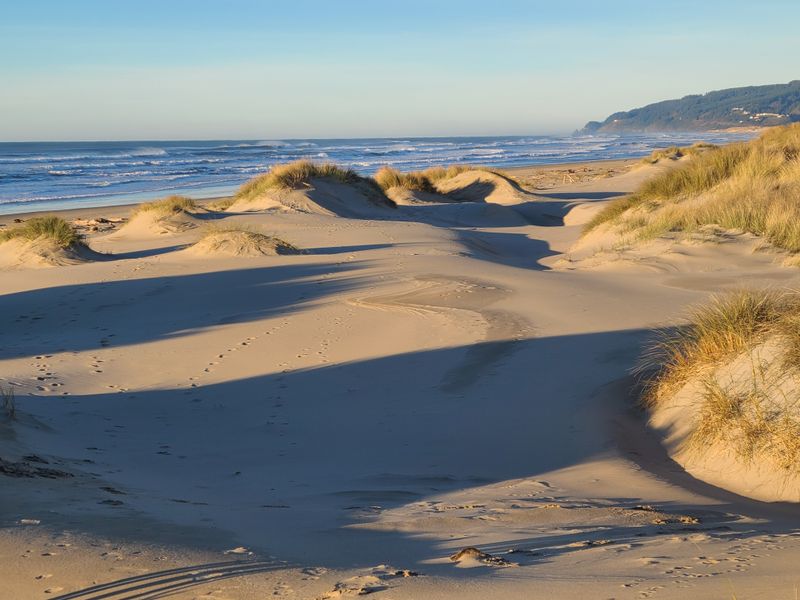
Oregon Dunes National Recreation Area begins just south of town, creating a landscape so unusual it seems borrowed from another continent entirely. Sand mountains rise hundreds of feet high, constantly reshaped by wind into new formations.
Hiking into the dunes feels like entering a desert that somehow exists beside the ocean, with beach grass marking the transition between ecosystems. The silence within the dunes creates a meditative quality that contrasts sharply with the crashing waves audible in the distance.
Sea Lion Caves provide a natural wonder found nowhere else, where hundreds of these massive marine mammals haul out in a cavern carved by waves over millennia. The viewing elevator descends into the cave, offering close encounters with animals that can weigh more than a small car.
Their barking echoes off stone walls, creating a cacophony that’s both impressive and slightly overwhelming.
Beaches stretch in both directions from Florence, offering miles of sand that rarely see crowds outside peak summer weeks. Tide pools teem with marine life, driftwood creates natural sculptures, and the sound of waves provides constant background music to walks that can last for hours.
Address: Old Town Florence, Bay Street, Florence, OR 97439.
9. Oakridge: River Village Surrounded by Waterfalls
Mountain biking put Oakridge on the map for outdoor enthusiasts, but locals appreciate this Willamette National Forest community for reasons that go beyond trail networks. The town sits in a valley where the Middle Fork of the Willamette River runs clear and cold, its waters supporting salmon and trout that draw anglers from across the state.
Old-growth forests climb the surrounding hillsides, creating a sense of being genuinely remote despite the town’s reasonable proximity to Eugene.
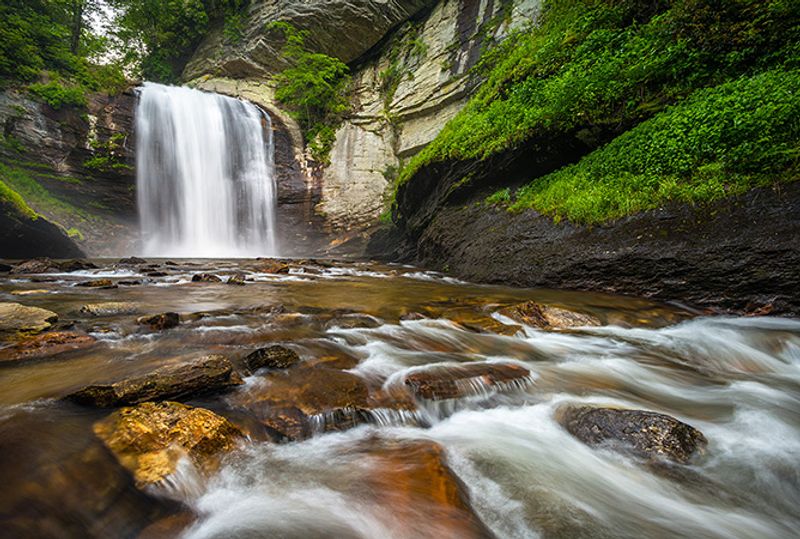
Waterfalls hide throughout the surrounding forest, accessible via trails that range from easy walks to full-day adventures. Salt Creek Falls drops nearly 300 feet in a single plunge, making it one of the highest waterfalls in Oregon.
The viewing platform provides dramatic perspectives of the falls and the canyon below, where mist creates rainbows on sunny afternoons. Dozens of other waterfalls await discovery for those willing to explore the forest roads and hiking trails.
Small-town spirit thrives in Oakridge, where residents support each other through the economic ups and downs that come with living in timber country. Local businesses serve practical needs first, with hardware stores, grocery shops, and cafes that feed loggers, bikers, and families alike.
Community events bring people together throughout the year, from holiday celebrations to summer concerts in the park.
Wildlife sightings happen regularly in and around Oakridge, from deer browsing in yards to black bears occasionally wandering through town. Eagles fish the river, and elk herds move through the high country during their seasonal migrations.
Living here means coexisting with nature in ways that urban residents rarely experience.
Address: Downtown Oakridge, Willamette Street, Oakridge, OR 97463.
Dear Reader: This page may contain affiliate links which may earn a commission if you click through and make a purchase. Our independent journalism is not influenced by any advertiser or commercial initiative unless it is clearly marked as sponsored content. As travel products change, please be sure to reconfirm all details and stay up to date with current events to ensure a safe and successful trip.
