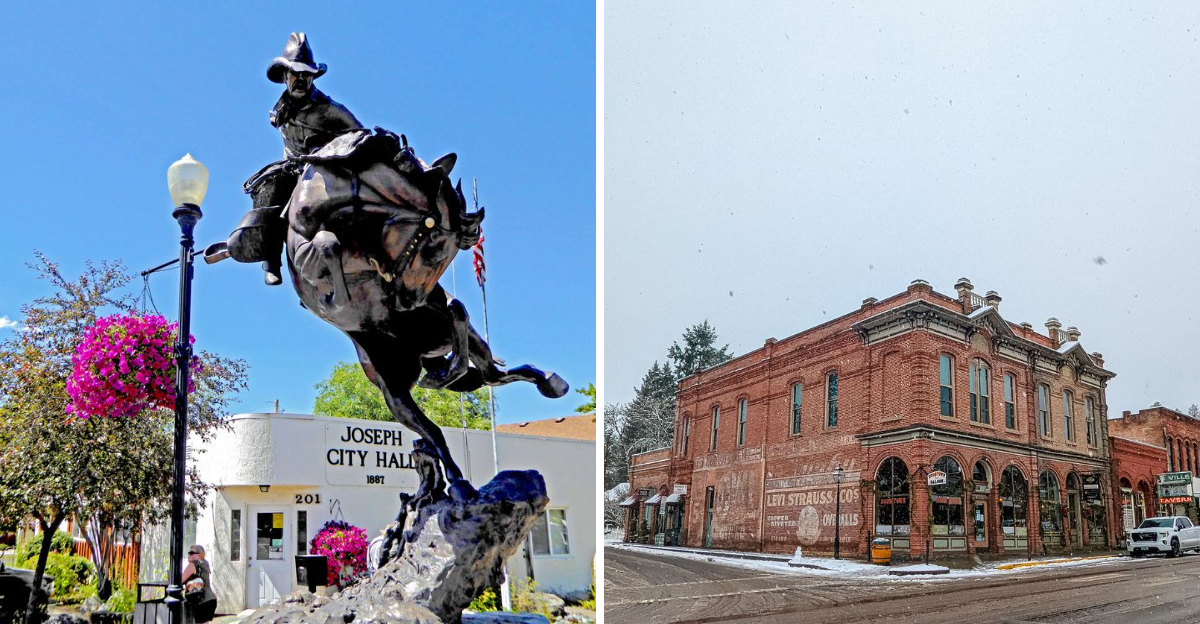
Oregon is full of surprises, and some of its best stories are tucked away in towns most people drive right past. I’ve spent years exploring this state, and I can tell you that the smallest places often hold the biggest hearts.
These unassuming communities are where locals gather to share tales of gold rush days, ancient legends, and quirky traditions that have survived generations. You won’t find these stories in guidebooks or on crowded tourist trails.
Instead, you’ll discover them over coffee at a corner cafe or during a sunset stroll along a quiet main street. Ready to hear what Oregon’s locals are really talking about?
Pack light, bring curiosity, and prepare to fall in love with towns that time almost forgot. Trust me, these places will steal your heart faster than you can say covered bridge.
And yes, I’m already planning my next trip back.
1. Joseph: Where Mountains Meet Art and Ancient Legends
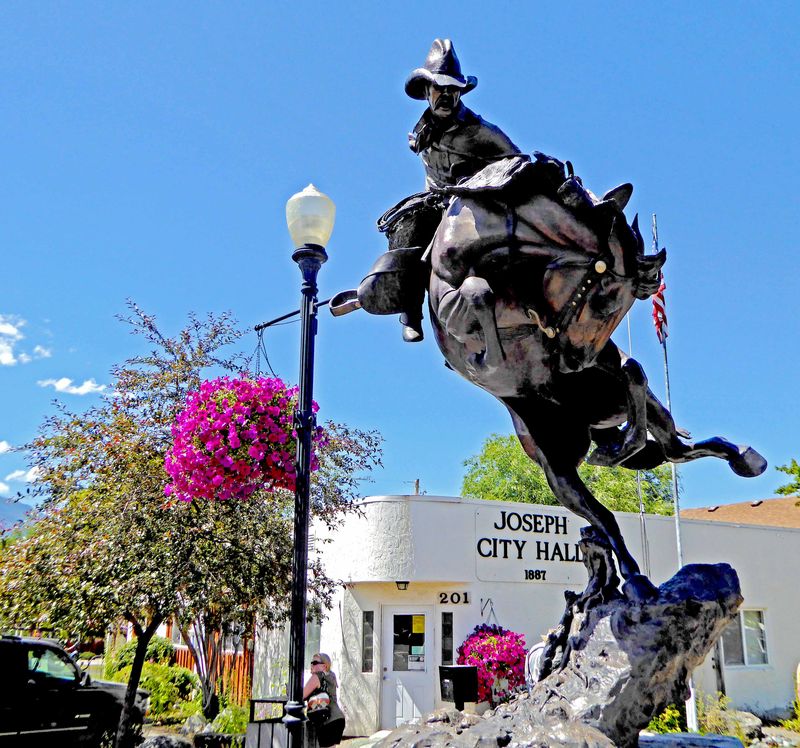
Joseph sits in the shadow of the Wallowa Mountains, and locals call this range the Alps of Oregon for good reason. Snow-capped peaks tower over bronze foundries and art galleries that line Main Street, creating a contrast that feels almost dreamlike.
I walked into town expecting cowboy culture and left with a deep appreciation for how art and history can intertwine so beautifully.
The Nez Perce people lived here for thousands of years before settlers arrived, and their legacy is woven into every corner of this community. Chief Joseph, the town’s namesake, led his people through some of the most heartbreaking chapters of American history.
Locals will gladly share stories about the Nez Perce War of 1877 and the tribe’s forced removal from their ancestral homeland.
Today, Joseph thrives as an artistic hub where sculptors create breathtaking bronze works that are shipped worldwide. You can watch artists at work, visit galleries showcasing Western and contemporary art, and even take workshops if you’re feeling inspired.
The town hosts an annual bronze pour event that draws crowds from across Oregon.
Outdoor enthusiasts flock here for access to Wallowa Lake and miles of alpine trails. I spent an afternoon wandering the lake’s shoreline, mesmerized by the crystal-clear water reflecting jagged mountain peaks.
Local fishing guides shared tales of record-breaking trout and summer days spent on the water with their families, stories passed down through generations of Wallowa County residents.
2. Yachats: The Gem of the Oregon Coast Reveals Its Secrets
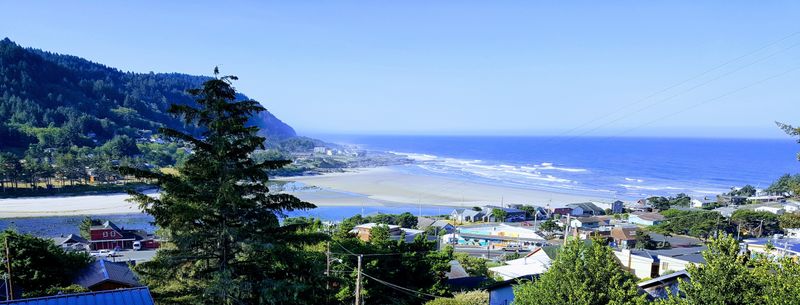
Yachats earned its nickname as the Gem of the Oregon Coast through decades of quiet charm and dramatic natural beauty. Rocky shorelines stretch in both directions, offering tide pools teeming with starfish and anemones that captivate visitors of all ages.
I spent hours exploring these coastal wonders, listening to waves crash against ancient basalt formations that have stood here for millions of years.
Thor’s Well is perhaps the town’s most famous natural feature, a seemingly bottomless sinkhole that appears to drain the ocean itself during high tide. Locals warn visitors to keep a safe distance because sneaker waves can appear without warning.
I watched from a respectful spot as water surged into the well and exploded upward in a spectacular display of nature’s raw power.
The town itself is incredibly walkable, with trails connecting beaches, viewpoints, and cozy cafes where locals gather to share stories. I met a longtime resident who told me about the town’s name, which comes from a Chinook word meaning dark water at the foot of the mountain.
She explained how the community has worked tirelessly to preserve its small-town character while welcoming visitors who appreciate its unhurried pace.
Yachats also celebrates its natural surroundings through annual events like the Mushroom Festival and Smelt Fry. These gatherings bring together residents and visitors who share a love for Oregon’s coastal ecosystems and the traditions that connect people to this land.
3. Cottage Grove: Covered Bridges and Hollywood History
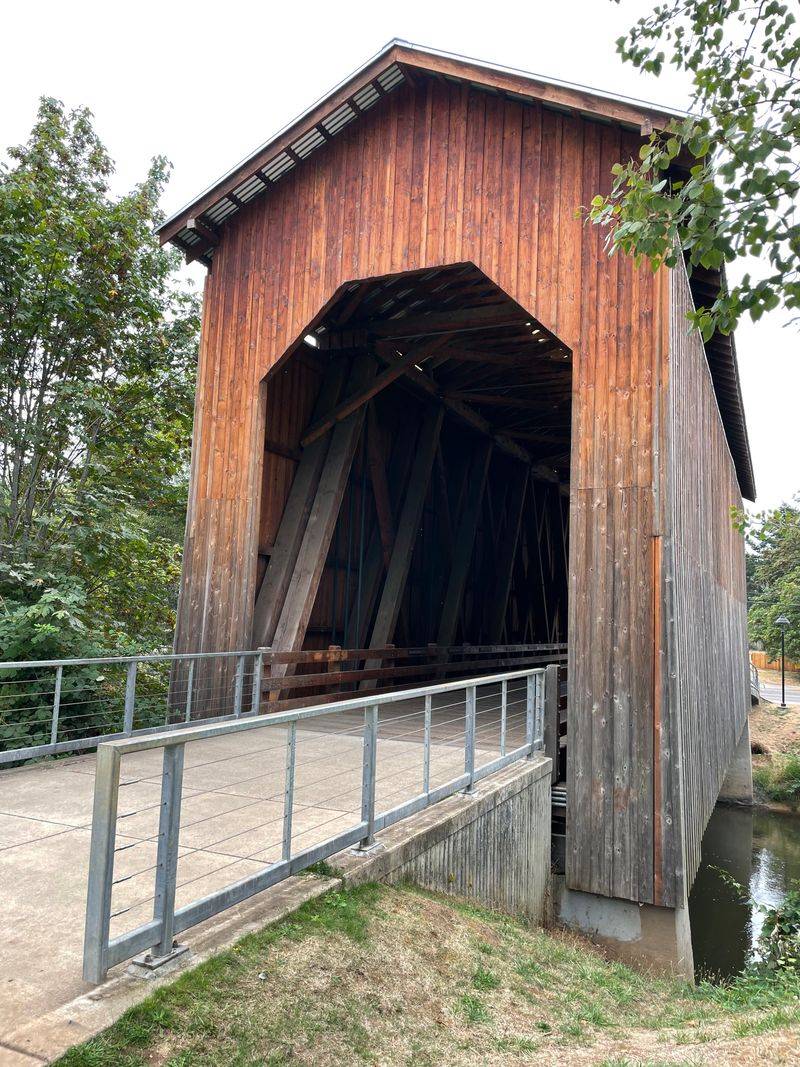
Cottage Grove claims the title of Covered Bridge Capital of the West, and driving through this Willamette Valley town feels like stepping into a postcard from another era. Six historic covered bridges dot the surrounding countryside, each with its own story and character.
I spent an entire day bridge-hopping, photographing these wooden structures that have sheltered travelers since the late 1800s.
The Chambers Railroad Bridge is my personal favorite because it’s one of only a handful of covered railroad bridges still standing in the United States. Locals love sharing tales about how these bridges were built to protect the wooden roadways from Oregon’s relentless rain.
Some even whisper about ghost stories and mysterious happenings near certain bridges after dark.
Downtown Cottage Grove has its own claim to fame as a filming location for several classic movies. The 1978 comedy Animal House shot scenes here, and residents still point out locations where actors caused chaos on Main Street.
A local shopkeeper told me about the day the film crew arrived and how the whole town buzzed with excitement over Hollywood coming to their quiet community.
The Bohemia Mining District nearby adds another layer to Cottage Grove’s rich history. Gold and silver prospectors once flooded these mountains, and remnants of their camps and mines still exist in the backcountry.
I hiked to one abandoned mine site and imagined the harsh winters and endless hope that drove miners deeper into these rugged hills.
4. Silverton: Gardens, Waterfalls, and Small-Town Creativity
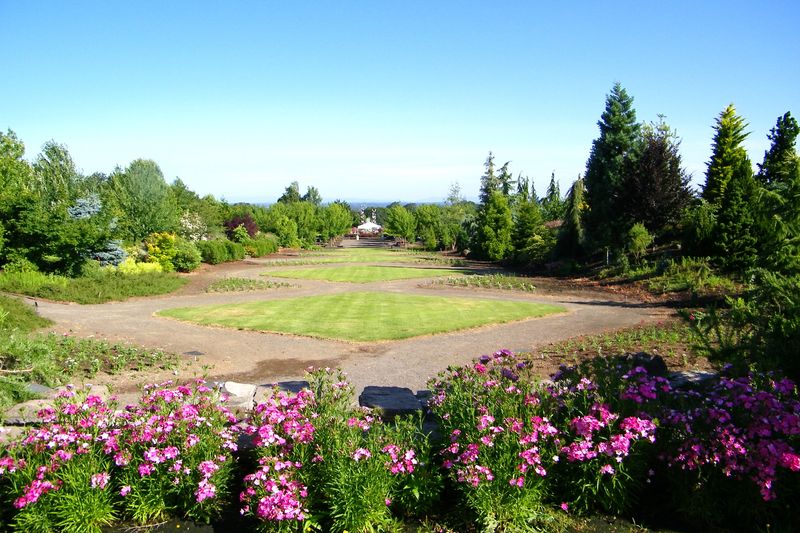
Silverton earned its Garden City nickname honestly, with colorful flower boxes adorning every street corner and the Oregon Garden sprawling across 80 acres just outside town. I wandered through this botanical wonderland, discovering themed gardens that showcase everything from native plants to exotic specimens from around the world.
Locals take immense pride in their green spaces and the way nature enhances daily life here.
Silver Falls State Park sits just minutes from downtown, offering the Trail of Ten Falls that ranks among Oregon’s most spectacular hikes. I completed the entire loop, passing behind massive waterfalls that create natural amphitheaters of mist and sound.
A park ranger I met on the trail shared stories about how families have been hiking these paths for generations, creating memories that last lifetimes.
The historic downtown district pulses with creativity, featuring murals, galleries, and shops owned by artists who have made Silverton their home. I browsed handmade pottery, talked with a woodworker about his craft, and sampled locally made treats at a bakery where the owner knew every customer by name.
This sense of community connection runs deep in Silverton.
Locals also love sharing the legend of the Silverton Bobcat, a mysterious creature some claim to have spotted in the surrounding hills. Whether you believe in cryptids or not, the story reflects how small-town folklore becomes part of the fabric that binds communities together across generations in the Willamette Valley.
5. Jacksonville: Gold Rush Glory Frozen in Time
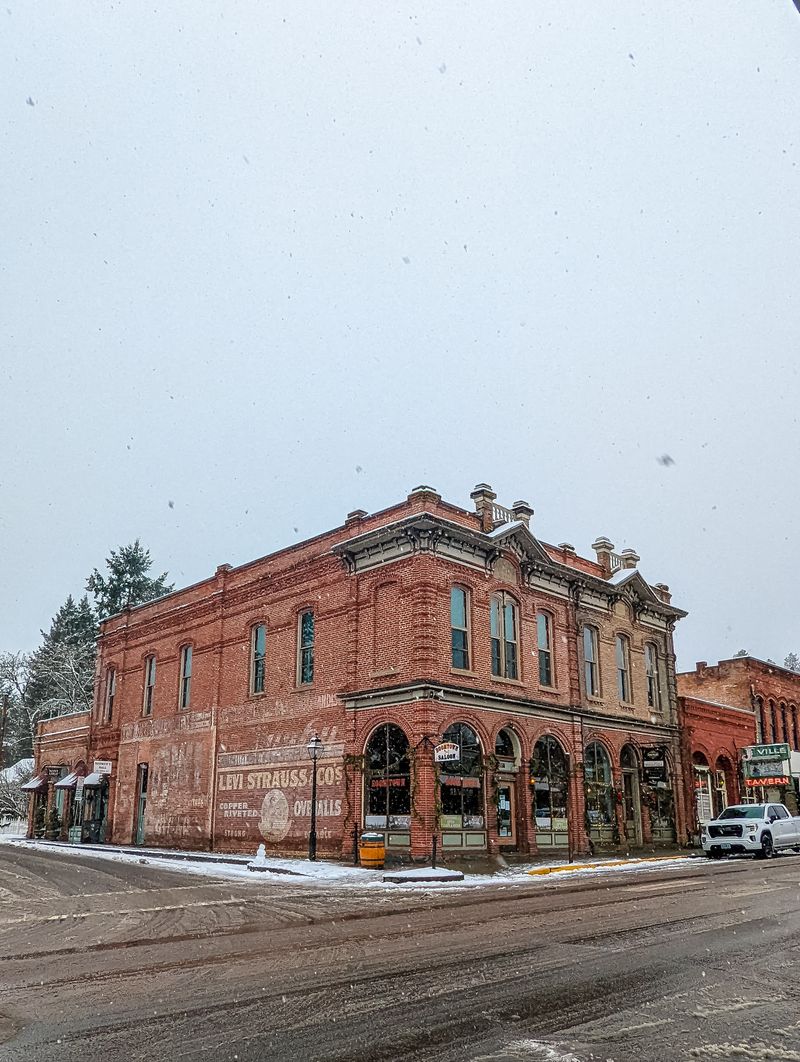
Jacksonville looks almost exactly as it did during the 1850s gold rush, with over 100 buildings listed on the National Historic Register. Walking down California Street feels like traveling back to a time when prospectors filled saloons and fortunes were won and lost in nearby creeks.
I explored the town’s museum and learned how Jacksonville nearly became Oregon’s capital before political maneuvering shifted power to Salem.
The Britt Festival transforms this Southern Oregon town every summer into a cultural destination featuring world-class music performances. Locals proudly explain how photographer Peter Britt settled here in 1852 and became one of the West’s most important early documentarians.
His former estate now hosts concerts under the stars, blending history with contemporary arts in a way that feels uniquely Jacksonville.
Gold mining stories dominate local conversations, with tales of lucky strikes and devastating losses passed down through families who have lived here for generations. I talked with a descendant of early miners who showed me panning techniques his great-grandfather used in nearby Jackson Creek.
He laughed while admitting that tourists find more gold these days than serious prospectors ever do.
The surrounding area has also become known for excellent wineries that take advantage of Southern Oregon’s ideal growing conditions. I visited several tasting rooms where winemakers spoke passionately about their craft and the unique terroir that makes this region special.
Jacksonville beautifully balances preservation of its past with celebration of modern pleasures.
6. Mosier: Orchards, Wind, and Gorge Living
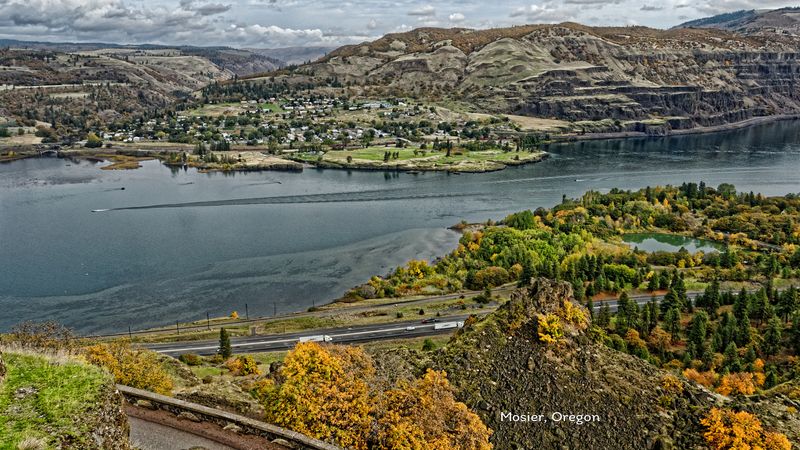
Mosier sits quietly in the Columbia River Gorge, offering a slower pace than its famous neighbor Hood River just minutes away. Fruit orchards blanket the hillsides, and during spring the entire valley explodes with blossoms that perfume the air.
I drove the winding roads above town, stopping at viewpoints where the Columbia River stretched like a silver ribbon far below.
The Mosier Twin Tunnels trail has become a favorite among hikers and cyclists who appreciate history mixed with stunning scenery. These tunnels were carved through basalt cliffs in 1921 as part of the Historic Columbia River Highway.
I walked through the cool darkness and emerged to panoramic views that made me understand why early highway builders chose this challenging route.
Agriculture defines life in Mosier, with generations of families tending cherry, apple, and pear orchards that thrive in the Gorge’s unique climate. A farmer I met at the local market explained how the area’s combination of sun, wind, and volcanic soil creates ideal growing conditions.
He shared stories about harvest seasons when the whole community comes together to pick fruit before the first frost arrives.
Windsurfing culture influences Mosier too, though it remains less crowded than Hood River’s bustling waterfront. Locals enjoy watching colorful sails dance across the Columbia on breezy afternoons.
I sat at a riverside spot and chatted with longtime residents who appreciate how Mosier has retained its agricultural character while the Gorge around it continues evolving and attracting more visitors each year.
7. Jordan Valley: Basque Heritage on the Remote Frontier
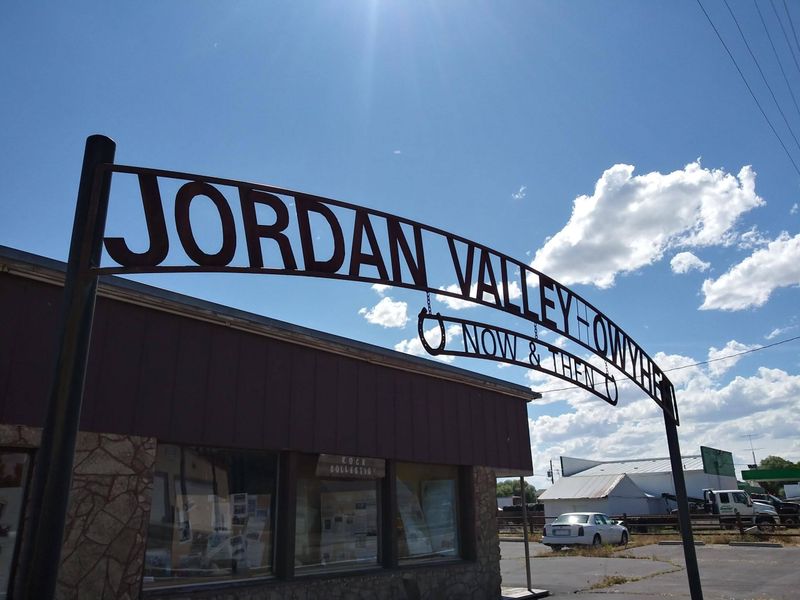
Jordan Valley sits in Oregon’s far southeastern corner, so remote that it feels like the edge of the world. This ranching community has maintained its Basque heritage since shepherds from Spain’s Pyrenees region settled here in the early 1900s.
I arrived during the annual Basque Festival and witnessed traditional dances, music, and athletic competitions that have been performed the same way for centuries.
The pelota fronton built in 1915 stands as a testament to how immigrants brought their culture to America’s frontier. Locals still play pelota, a fast-paced handball game, against the fronton’s weathered wall.
An elderly rancher explained the rules to me and shared memories of his grandfather playing here decades ago, connecting generations through sport and shared heritage.
Ranching remains the economic backbone of Jordan Valley, with cattle and sheep grazing across vast stretches of high desert rangeland. I drove for miles without seeing another vehicle, just endless sagebrush and distant mountain ranges.
The isolation appeals to families who have ranched here for generations, people who value independence and the challenges that come with remote living.
Main Street consists of just a few buildings, but each one holds stories locals love sharing. The cafe serves Basque dishes alongside American classics, and I enjoyed a meal while listening to ranchers discuss weather patterns and livestock prices.
Jordan Valley represents a vanishing way of life, and residents work hard to preserve their traditions for future generations in this corner of Oregon.
8. Coquille: River Town Charm and Unhurried Days
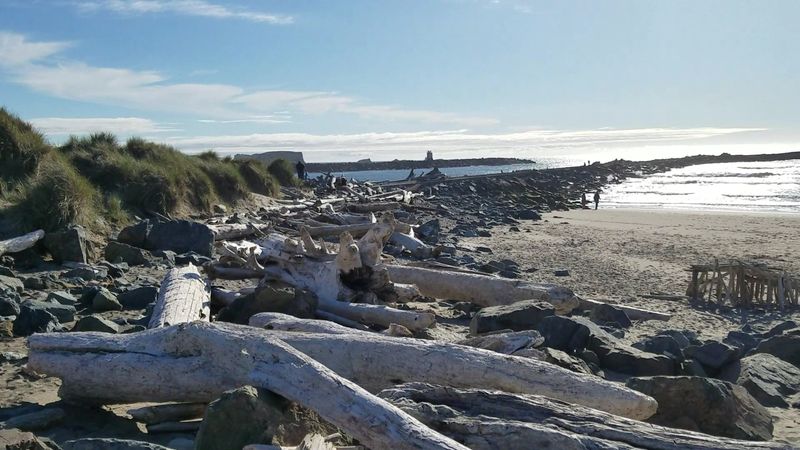
Coquille rests along the Coquille River in Oregon’s South Coast region, offering a peaceful alternative to busier coastal destinations. The historic town square features a bandstand where summer concerts draw locals who spread blankets and enjoy music under towering trees.
I attended one of these gatherings and felt transported to an earlier era when community entertainment meant neighbors coming together in shared public spaces.
The Coquille River Museum preserves the area’s logging and maritime history, with exhibits showcasing how timber built this region’s economy. A volunteer guide walked me through displays of old photographs and logging equipment, explaining how river transportation connected Coquille to coastal ports before highways arrived.
His family had worked in the timber industry for three generations, and his pride in that heritage was unmistakable.
Fishing remains popular both in the river and along nearby coastal areas, with salmon and steelhead runs attracting anglers from across the state. I watched boats launch at dawn and return hours later with catches that would become family dinners.
Local fishing guides shared tips about the best spots and times, knowledge accumulated through years of reading water and understanding fish behavior.
The unhurried pace of life in Coquille appeals to people seeking refuge from hectic modern schedules. I spent an afternoon simply wandering the quiet streets, chatting with shopkeepers and admiring well-maintained historic homes.
Residents told me they appreciate how Coquille has avoided the overdevelopment affecting other Oregon coastal communities, maintaining its character as a genuine river town.
9. Manzanita: Coastal Serenity Between Ocean and Mountain
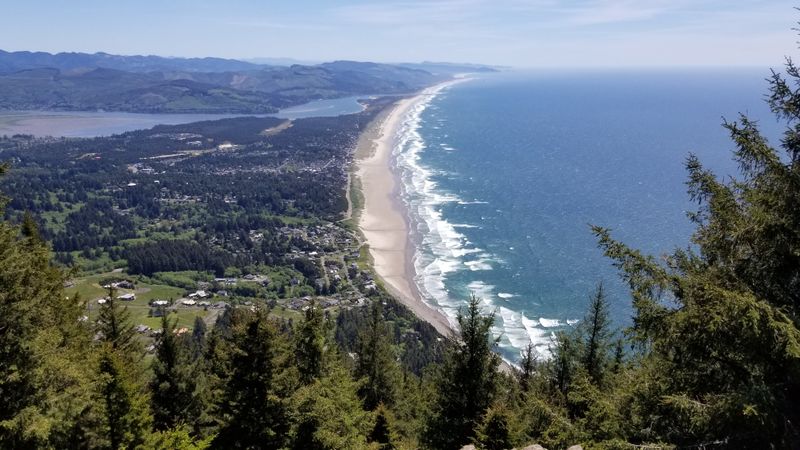
Manzanita hides along Oregon’s northern coast, tucked between seven miles of pristine beach and the forested slopes of Neahkahnie Mountain. The town feels like a secret locals are reluctant to share, with no chain stores or flashy attractions to draw crowds.
I walked the empty beach at sunrise and understood immediately why people who discover Manzanita return year after year.
Neahkahnie Mountain looms over the town, and hiking to its summit rewards adventurers with breathtaking views of the Pacific Ocean stretching endlessly westward. Local legend speaks of buried Spanish treasure somewhere on these slopes, supposedly hidden by sailors from a wrecked galleon centuries ago.
While treasure hunters have searched for generations, the real treasure is the view from the top on a clear day.
The town’s layout encourages walking, with beach access points scattered throughout residential streets lined with weathered cottages and newer vacation homes. I noticed how the architecture respects the natural setting, with buildings nestled among shore pines rather than dominating the landscape.
Residents take pride in keeping Manzanita low-key and protecting it from overdevelopment.
Tide pools along the rocky points north and south of town teem with marine life, offering natural classrooms for curious explorers. I spent hours photographing sea stars, hermit crabs, and anemones while locals shared knowledge about respecting these delicate ecosystems.
Manzanita represents Oregon’s coast at its most peaceful, a place where the rhythm of waves replaces the noise of everyday life and time seems to slow down naturally.
Dear Reader: This page may contain affiliate links which may earn a commission if you click through and make a purchase. Our independent journalism is not influenced by any advertiser or commercial initiative unless it is clearly marked as sponsored content. As travel products change, please be sure to reconfirm all details and stay up to date with current events to ensure a safe and successful trip.
