
Oregon might be famous for its stunning coastline, towering forests, and quirky culture, but it also has some laws that can surprise even the most seasoned travelers.
Many visitors arrive expecting rain and craft beer, only to discover legal quirks that seem outdated or downright bizarre.
Some of these regulations have historical roots, while others reflect the state’s unique character and values.
Whether you’re pumping gas, shopping without sales tax, or enjoying the great outdoors, knowing these uncommon rules can help you avoid awkward situations or unexpected fines.
Understanding what’s legal and what’s not ensures your trip stays smooth and stress-free.
From peculiar restrictions on everyday activities to laws that protect Oregon’s environment and culture, these rules reveal a lot about the state’s identity.
So before you pack your bags and head to the Beaver State, take a moment to familiarize yourself with these surprising regulations that could catch you off guard.
You Cannot Pump Your Own Gas

Oregon stands as one of only two states in the entire country where self-service gas stations are largely prohibited, and this law catches countless visitors by surprise every single day.
When you pull up to a gas station anywhere in Oregon, you must wait for an attendant to come out and pump your fuel for you, no matter how long the wait might be.
The law dates back to 1951 when legislators passed it citing safety concerns, fire hazards, and the need to create jobs for Oregon residents.
Many locals have grown up never pumping their own gas and actually appreciate the service, especially during Oregon’s notoriously rainy weather.
Visitors from other states often find themselves confused when they hop out of their car and reach for the pump, only to be politely redirected back to their vehicle by a station attendant.
Some people worry about tipping, but it’s not expected or required, though attendants certainly appreciate the gesture during busy shifts or bad weather.
The law does have exceptions in rural areas with populations under 40,000, where self-service is permitted during nighttime hours when staffing is difficult.
Recent legislative changes have also allowed motorcyclists to pump their own gas statewide, recognizing the unique challenges of balancing a bike while someone else handles the nozzle.
Breaking this rule can result in fines for both the customer and the gas station, so it’s best to sit tight and enjoy the full-service experience.
This quirky law has become part of Oregon’s identity, sparking debates about job preservation versus personal convenience that continue to this day.
Leaving Your Car Door Unlocked is Illegal in Some Areas

While it might sound counterintuitive, certain jurisdictions in Oregon actually prohibit leaving your vehicle unlocked, and violating this rule can result in a citation.
The law exists primarily to prevent car theft and reduce the burden on law enforcement who deal with stolen vehicle reports.
Portland and several other cities have ordinances requiring drivers to lock their doors and remove keys from the ignition when leaving their vehicles unattended, even for just a few minutes.
This regulation stems from a practical approach to crime prevention, as unlocked cars with keys inside become easy targets for opportunistic thieves.
Many visitors from rural areas or small towns where people routinely leave vehicles unlocked find this law particularly surprising and sometimes inconvenient.
The fines for violating this ordinance typically range from fifty to several hundred dollars, depending on the specific city and whether it’s a repeat offense.
Law enforcement officers may issue warnings for first-time offenders, but they take the regulation seriously in areas with higher crime rates.
Some people argue the law places responsibility on victims rather than criminals, sparking ongoing debates about personal freedom versus community safety.
Rental car companies operating in Oregon often include reminders about this law in their vehicle information packets to help tourists avoid unnecessary tickets.
The best practice when visiting Oregon cities is to always lock your car, take your keys, and ensure nothing valuable is visible through the windows, which helps protect your belongings and keeps you compliant with local regulations that might seem unusual but serve a genuine public safety purpose.
Dishes Must Be Drip Dried, Not Towel Dried, in Restaurants

Oregon health code requires restaurants and food service establishments to air-dry dishes rather than using towels, a regulation that surprises many restaurant owners and workers from other states.
The law exists to prevent cross-contamination and the spread of bacteria that can thrive in damp dish towels used repeatedly throughout the day.
Health inspectors take this rule seriously during routine inspections, and violations can result in citations, fines, or even temporary closure for repeat offenders.
Restaurants must have proper dish racks and adequate space for washed items to air-dry completely before being put back into service or storage.
Many establishments use commercial dishwashers with high-temperature sanitizing cycles that leave dishes hot enough to dry quickly on their own.
The regulation reflects Oregon’s strong commitment to food safety and public health, with some of the strictest restaurant codes in the nation.
Visitors won’t directly interact with this law, but it affects every meal they eat at Oregon restaurants, ensuring higher sanitation standards.
Some restaurant workers from other states find the rule inconvenient at first, as towel-drying seems faster, but most adapt quickly to the air-drying system.
The law doesn’t apply to home kitchens, only commercial food establishments, so tourists staying in vacation rentals can dry dishes however they prefer.
Understanding regulations like this helps visitors appreciate the attention to detail that Oregon applies to public health and safety across various industries, even in ways that remain invisible to most customers enjoying their meals throughout the state’s diverse dining scene.
No Sales Tax, But Use Tax Applies to Out-of-State Purchases

Oregon proudly maintains its status as one of only five states without any general sales tax, which initially delights visitors who see lower prices at checkout.
Shopping in Oregon means the price tag shows exactly what you’ll pay, with no surprise additions when the cashier rings up your purchase.
However, Oregon residents must pay a use tax on items purchased from out-of-state retailers if those items would have been taxable elsewhere, though this rarely affects short-term visitors.
The use tax exists to level the playing field between Oregon businesses and out-of-state competitors, preventing people from avoiding taxes by shopping online or across state borders.
Most tourists never encounter this aspect since they’re making purchases within Oregon during their visit, enjoying the tax-free shopping experience.
Border towns near Washington, California, and Idaho see significant shopping traffic from residents of neighboring states who cross over specifically to avoid sales tax on big-ticket items.
Some retailers near state lines even advertise their Oregon location as a tax advantage, attracting customers willing to drive extra miles for savings.
The absence of sales tax means Oregon funds state services through income taxes and other revenue sources, resulting in relatively high income tax rates for residents.
Visitors making large purchases like electronics, furniture, or outdoor gear can save substantial amounts compared to shopping in states with sales tax rates ranging from six to ten percent.
This tax structure has survived numerous ballot measures over the decades, with Oregonians consistently voting to maintain their sales-tax-free status despite ongoing debates about state funding and budget challenges.
Bicyclists Have Equal Road Rights and Specific Protections
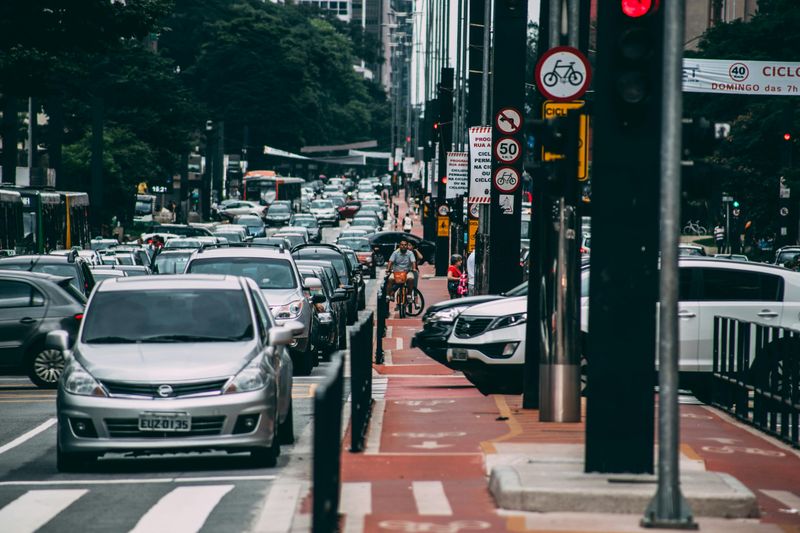
Oregon law grants bicyclists the same rights and responsibilities as motor vehicle operators, and drivers must give cyclists at least three feet of clearance when passing.
The state takes cycling infrastructure and safety extremely seriously, particularly in cities like Portland, which consistently ranks among the most bike-friendly cities in America.
Motorists who fail to provide adequate passing distance or who harass cyclists can face substantial fines and potential criminal charges if an accident occurs.
Visitors driving in Oregon need to watch carefully for bike lanes, which are prevalent throughout urban and suburban areas and often separated from traffic by barriers or painted buffers.
Cyclists are allowed to take the full lane when necessary for safety, even if it slows traffic, and honking at them aggressively can result in citations for harassment.
Many intersections feature bike boxes, which are designated areas at red lights where cyclists position themselves ahead of cars to increase visibility and safety during turns.
Drivers unfamiliar with bike boxes sometimes pull into them accidentally, creating dangerous situations and potentially earning traffic tickets.
Oregon also allows cyclists to treat stop signs as yield signs in certain circumstances under the new Idaho Stop law provisions, though they must still yield to pedestrians and other traffic.
The strong cycling culture means many Oregonians commute by bike year-round, even in rain, so drivers must remain vigilant regardless of weather conditions.
Understanding and respecting these bicycle laws helps visitors avoid accidents, tickets, and conflicts with the passionate cycling community that forms an integral part of Oregon’s transportation landscape and environmental values.
Strict Beach Access Laws Protect Public Rights

Oregon’s Beach Bill, passed in 1967, guarantees public access to the entire coastline, making it illegal for anyone to restrict access to dry sand beaches.
This law means that even beaches adjacent to private property remain open to the public up to the vegetation line, a concept that surprises visitors from states with privatized beaches.
Property owners cannot erect fences, gates, or other barriers that prevent people from walking along the beach, regardless of where the property lines extend.
The legislation came about after a controversial hotel construction threatened to block traditional public access points, sparking outrage among Oregonians who valued their coastal heritage.
Governor Tom McCall championed the Beach Bill, cementing Oregon’s commitment to keeping natural spaces accessible for everyone rather than just wealthy landowners.
Visitors can legally walk, run, fly kites, build sandcastles, and enjoy recreational activities along the entire 363-mile coastline without worrying about trespassing.
However, the law does allow property owners to maintain privacy in their homes and yards above the vegetation line, so beachgoers should respect those boundaries.
Some confusion arises around areas where rivers meet the ocean, as different access rules may apply to riverbanks versus ocean beaches.
The Oregon Parks and Recreation Department actively enforces beach access rights, investigating complaints about blocked pathways or intimidation by property owners.
This progressive law has inspired similar legislation in other states and remains a point of pride for Oregonians who believe natural beauty belongs to everyone, ensuring that future generations can enjoy the stunning Pacific coastline without barriers or restrictions.
Marijuana is Legal But Public Consumption Remains Prohibited
Oregon legalized recreational marijuana in 2015, allowing adults over 21 to purchase and possess cannabis products from licensed dispensaries throughout the state.
However, consuming marijuana in public spaces remains illegal and can result in fines or citations, catching many visitors off guard who assume legalization means unrestricted use.
Public consumption includes smoking, vaping, or eating edibles in parks, streets, sidewalks, beaches, restaurants, bars, or any area accessible to the general public.
Hotels and rental properties can also prohibit marijuana use on their premises, just as they might ban tobacco smoking, so visitors need to check accommodation policies before lighting up.
The law allows consumption only in private residences or on private property where the owner has given explicit permission, creating challenges for tourists without private spaces.
Some cannabis lounges and private clubs have opened in certain cities, offering legal venues for consumption, though these remain relatively rare and subject to local regulations.
Law enforcement typically issues citations similar to traffic tickets for public consumption violations, with fines ranging from one hundred to several hundred dollars.
Driving under the influence of marijuana carries the same serious penalties as drunk driving, including arrest, license suspension, and potential jail time.
Federal law still classifies marijuana as illegal, so consuming or possessing it on federal lands like national forests or parks within Oregon can result in federal charges.
Visitors should also remember they cannot transport marijuana across state lines, even to other states where it’s legal, as crossing borders makes it a federal offense with serious consequences.
Dear Reader: This page may contain affiliate links which may earn a commission if you click through and make a purchase. Our independent journalism is not influenced by any advertiser or commercial initiative unless it is clearly marked as sponsored content. As travel products change, please be sure to reconfirm all details and stay up to date with current events to ensure a safe and successful trip.
