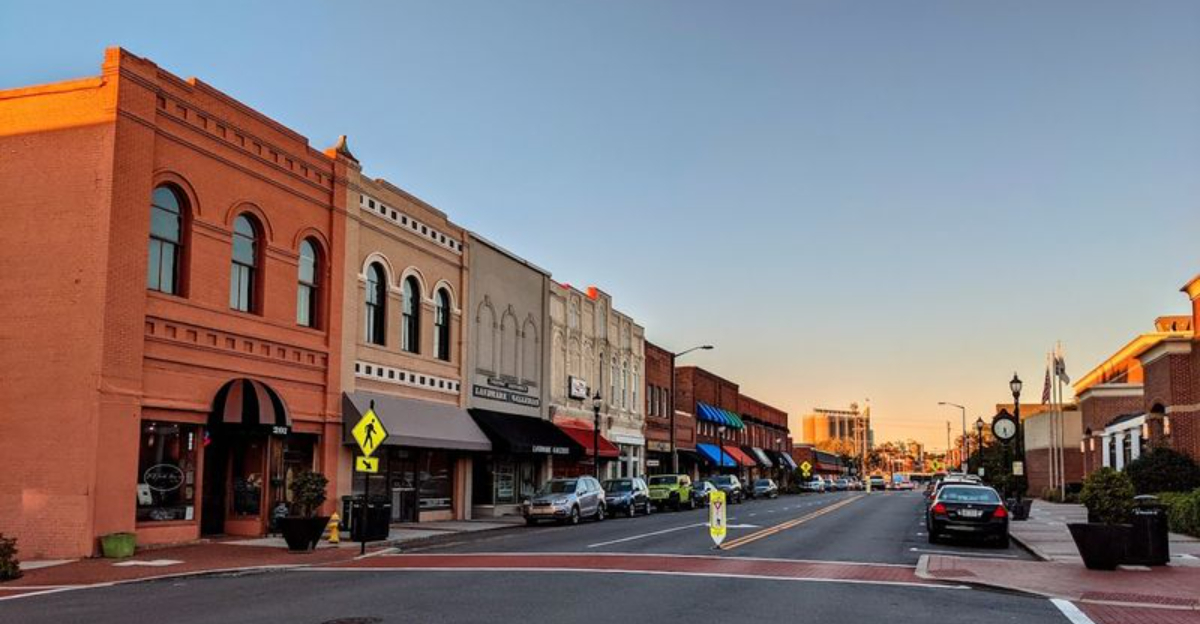
I have a soft spot for places that make you slow down and actually look around. Not every great destination comes with a packed parking lot or a line out the door.
Some of the most memorable spots I have ever visited are the ones that feel like the rest of the world simply forgot to catch up with them. Alabama has more of those places than most people realize.
From tiny post offices older than your great-great-grandmother to streets lined with antebellum homes that still have their original iron fences, this state is quietly holding onto history in the best possible way.
If you love that feeling of stepping into a place where time moved a little slower, these ten towns are going to feel like a gift.
1. Magnolia Springs
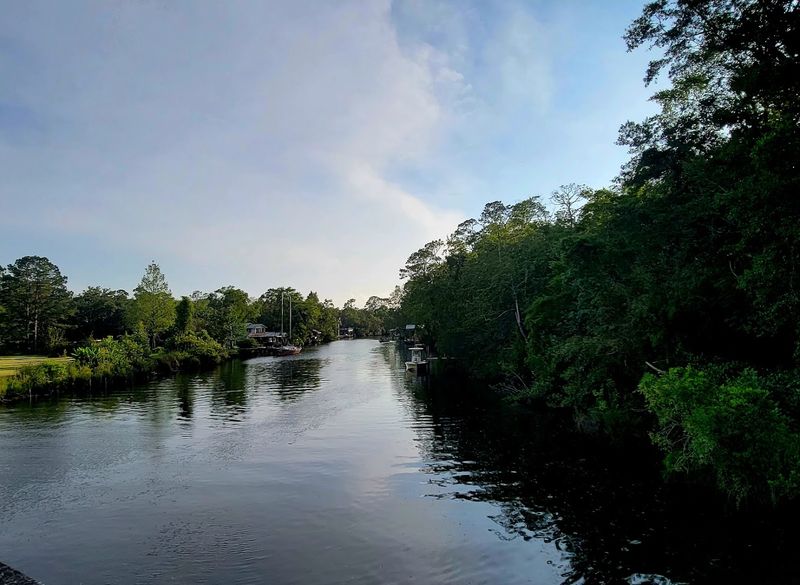
Magnolia Springs holds a distinction that no other town in the continental United States can claim. Mail here is still delivered by boat along the Magnolia River, a tradition that has continued without interruption for over a century.
That one fact should tell you everything you need to know about how this town operates.
The streets are shaded by massive old oak trees that form a canopy so thick it feels like nature built its own cathedral overhead. The architecture throughout town leans heavily on old-world design, with homes and buildings that look like they belong on a postcard from 1910.
Nothing here feels rushed or overdeveloped.
Magnolia Springs sits in Baldwin County near Foley, and it is the kind of place that rewards slow driving and long walks. The Magnolia Springs Bed and Breakfast at 14469 Oak Street, Magnolia Springs, AL 36555 is a beloved local stop for visitors who want to stay a night and really soak it in.
Nearby, you can explore the banks of the Magnolia River and spot the mail boat making its rounds, which is genuinely one of the most charming sights in the South. This town does not shout for attention, but once you find it, you will understand why people keep coming back year after year.
2. Mentone
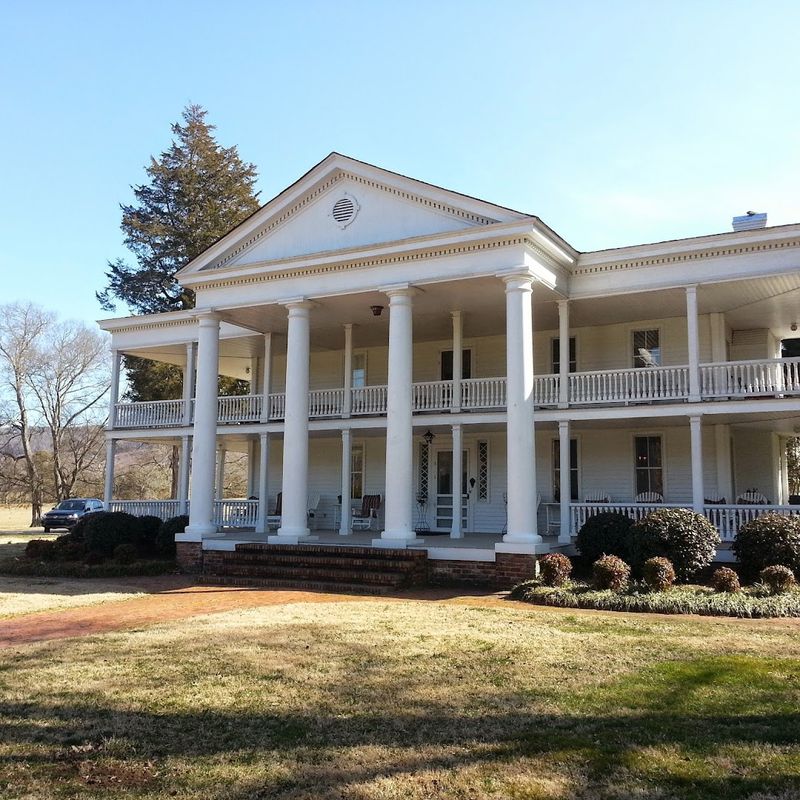
Sitting on top of Lookout Mountain in DeKalb County, Mentone is the kind of town that artists and dreamers have been finding for generations. It has been a creative community since the late 1800s, and that energy never really left.
The streets are lined with galleries, craft shops, and small eateries that feel genuinely handmade rather than manufactured for tourists. The Old Union Crossing Covered Bridge, built around 1863, still stands nearby and is one of the most photographed structures in the region.
It is the sort of landmark that makes you stop the car and get out, even if you were not planning to. History has a way of doing that here.
Mentone also carries a legacy of summer camps dating back to the early 20th century, which gives the town a nostalgic, camp-counselor-meets-mountain-craftsman kind of personality.
While the historic Mentone Springs Hotel tragically burned to the ground in a 2014 electrical fire, the town’s nostalgic mountain soul is still very much alive.
For a unique overnight stay, the historic Mentone Inn Bed and Breakfast LLC at 6139 AL-117, Mentone, AL 35984 remains a deeply popular choice for travelers.
If you enjoy hiking, DeSoto State Park at 7104 DeSoto Parkway NE, Fort Payne, AL 35967 is just minutes away and offers trails with stunning views of Little River Canyon.
Mentone is small, but it punches well above its weight in charm and character.
3. Tuscumbia
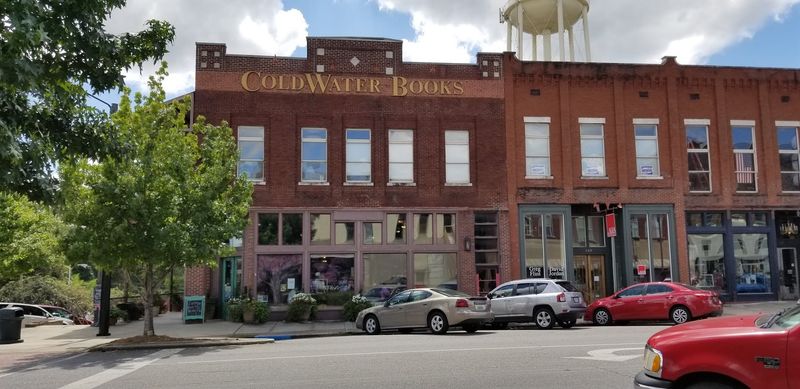
Tuscumbia was established in 1820, and it carries that founding-era energy in every corner of its downtown. This is Helen Keller’s hometown, and the weight of that legacy gives the whole place a quiet sense of purpose.
Her childhood home, Ivy Green, at 300 West North Commons, Tuscumbia, AL 35674, is one of the most visited historic sites in North Alabama.
Ivy Green is where Anne Sullivan famously worked with young Helen at the water pump, a moment that changed both of their lives forever. Touring the property feels less like a museum visit and more like a conversation with history.
The original cottage and surrounding grounds are beautifully maintained and deeply moving to walk through.
Downtown Tuscumbia has over 30 properties listed on the National Register of Historic Places, and the architecture ranges from Federal-style buildings to Victorian storefronts that still house active businesses.
Spring Park, located at 101 Colbert Boulevard, Tuscumbia, AL 35674, is a favorite local gathering spot with a natural spring, a splash pad, and a small amphitheater.
The park hosts the Helen Keller Festival each summer, drawing visitors from across the region. Tuscumbia is the kind of place that feels both proud of its past and genuinely alive in the present, which is a balance not every historic town manages to pull off.
4. Mooresville
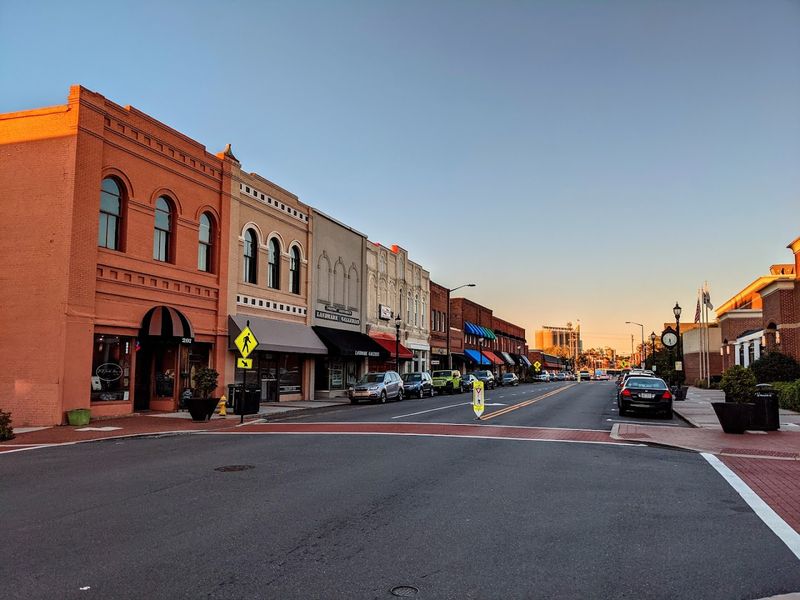
Mooresville was incorporated in 1818, and walking through it today, you would barely know two centuries have passed. The entire town is listed on the National Register of Historic Places, which is a rare honor that most larger cities never receive.
With fewer than 100 residents, this is one of Alabama’s most quietly preserved communities.
The post office here is the oldest operating one in the state, built around 1840 and still doing its job. That alone is worth the drive.
You can walk the whole town in under an hour, but you will want to slow down and really look at every building, every fence post, and every weathered sign.
Located in Limestone County near Huntsville, Mooresville sits just off Interstate 65 and is completely free to explore. There are no ticket booths, no guided tours you have to book in advance.
You just show up, walk around, and let the place do the talking. The homes here are private residences, so respectful curiosity goes a long way.
If you have ever wanted to know what an Alabama town looked like in the 1840s, this is about as close as you are going to get without a time machine.
5. Eufaula
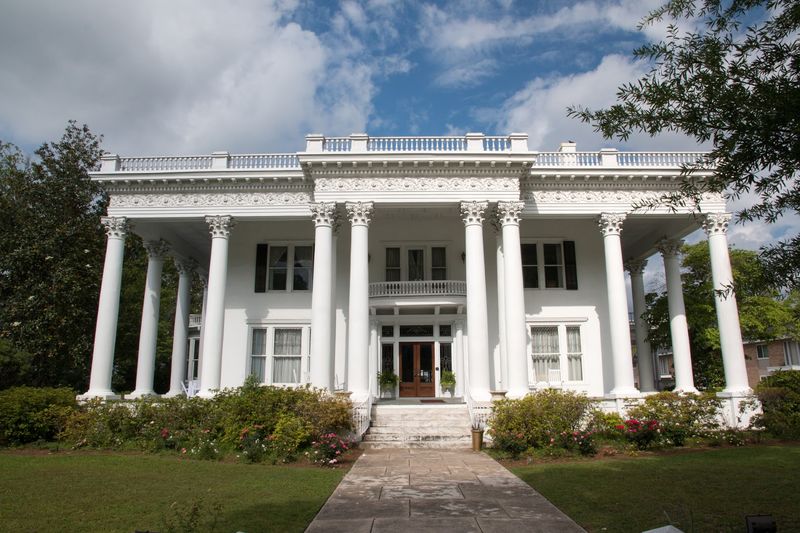
Eufaula is sometimes called the Pilgrimage City, and once you see its streets, you understand why.
The town is home to one of the most impressive collections of antebellum architecture in the entire South, with Greek Revival, Italianate, and Victorian-style homes standing side by side like a living textbook on 19th-century design.
Walking downtown genuinely feels like touring an outdoor architecture museum where everything is still in use.
Shorter Mansion at 340 North Eufaula Avenue, Eufaula, AL 36027 is one of the crown jewels of the town, a Neoclassical beauty that now serves as a museum and the headquarters of the Eufaula Pilgrimage Association.
Fendall Hall at 917 West Barbour Street, Eufaula, AL 36027 is another breathtaking property open for tours, featuring original furnishings and stunning Italianate architecture. Eufaula also sits along Lake Eufaula, the largest lake in Alabama, which adds a scenic outdoor dimension to the visit.
The town hosts Alabama’s oldest annual tour of homes each spring, drawing architecture lovers and history enthusiasts from across the region.
If you want a fantastic meal while you are there, Cajun Corner on Broad at 209 E Broad St, Eufaula, AL 36027 is the go-to local staple famous for its New Orleans-style catfish, crawfish etouffee, and legendary bread pudding.
Eufaula rewards slow exploration, so give yourself a full day if you can manage it.
6. Monroeville
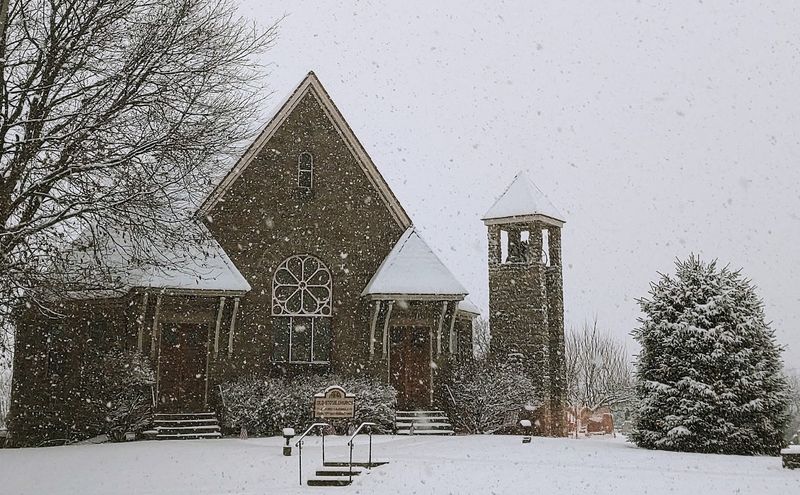
Monroeville carries a literary reputation that is hard to match anywhere in the South. Harper Lee and Truman Capote both grew up here, and the town’s connection to those two names alone gives it a kind of cultural gravity that draws readers and history lovers from around the country.
Lee’s novel “To Kill a Mockingbird” drew directly from this town, and you can feel that influence everywhere you look.
The Old Monroe County Courthouse at 31 North Alabama Avenue, Monroeville, AL 36460 is the centerpiece of downtown and houses the Monroe County Museum.
Each spring, a theatrical production of “To Kill a Mockingbird” is performed inside the actual courthouse, using the real courtroom as the stage.
It is one of the most uniquely immersive theatrical experiences in the state.
The museum inside the courthouse does an excellent job of documenting both Lee and Capote’s lives and their deep roots in this community. Exhibits include photographs, documents, and personal items that bring both authors to life in an intimate way.
Old Courthouse Square is surrounded by small shops and local businesses that add to the small-town feel. Mel’s Dairy Dream at 2826 South Alabama Avenue, Monroeville, AL 36460 is a longtime local favorite for a casual meal.
Monroeville is understated in the best possible sense, a town that lets its story speak for itself without needing any extra polish.
7. Selma
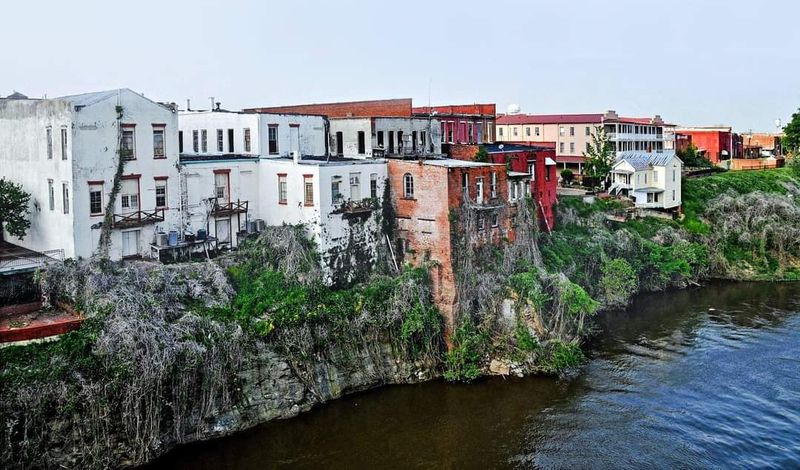
Selma is one of those places that carries the full weight of American history in every block of its downtown. The Edmund Pettus Bridge at Broad Street and Water Avenue, Selma, AL 36701 is not just a landmark, it is a symbol that resonates far beyond state lines.
Standing on that bridge and looking out over the Alabama River, you feel connected to something much larger than yourself.
The city has one of Alabama’s largest historic districts, filled with buildings from the antebellum era through the early 20th century. Many of these structures still stand in various states of preservation, which gives Selma a raw, unfiltered quality that more polished tourist towns simply do not have.
The history here is not curated for comfort. It is honest and visible.
The National Voting Rights Museum and Institute at 6 US Highway 80 East, Selma, AL 36701 is an essential stop for anyone who wants a deeper understanding of the Civil Rights Movement and the events of Bloody Sunday in 1965.
Old Live Oak Cemetery, one of the oldest cemeteries in the state, offers a quieter kind of historical reflection nearby.
Selma also has a growing arts scene, with local galleries and community events adding new energy to a city that has always been defined by its resilience. It is a place that stays with you long after you leave.
8. Abbeville
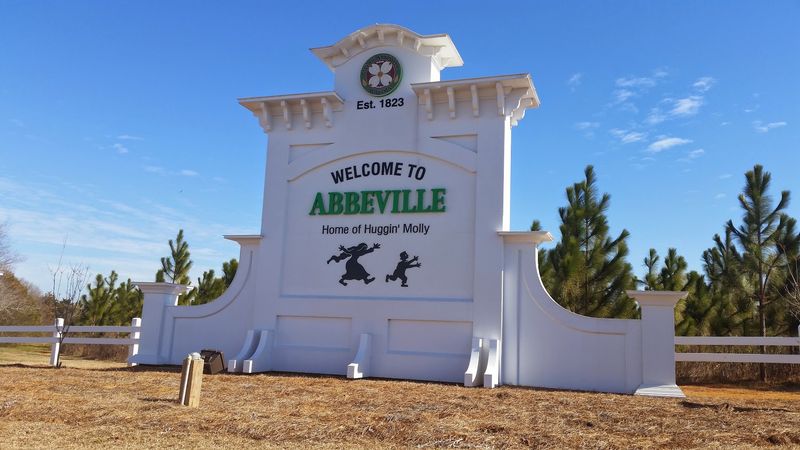
Abbeville does not try to impress you, and somehow that is exactly what makes it so impressive. The downtown here looks largely the same as it did decades ago, with brick storefronts and wide sidewalks that have not been renovated into something unrecognizable.
That kind of authenticity is genuinely hard to find in 2024.
The Bethune-Kennedy House, a Creole cottage built around 1840, is the oldest remaining structure in town and sits quietly in a residential neighborhood as a reminder of how far back this community’s roots actually go.
Henry County, where Abbeville serves as the county seat, has a deep agricultural heritage that shaped the town’s character in ways that are still visible today.
Abbeville is located in southeastern Alabama near Dothan, making it an easy add-on to a longer road trip through the region. The Henry County Courthouse anchors the downtown square and is a handsome example of early 20th-century civic architecture.
Local diners and small family-owned shops give the town a lived-in energy that feels welcoming rather than touristy. If you are the kind of traveler who prefers finding places that feel genuinely off the map, Abbeville fits that description perfectly.
It is not flashy, it is not famous, but it is exactly the kind of hidden gem that makes Alabama road trips worth planning. Sometimes the best discoveries are the ones nobody told you about.
9. Greensboro
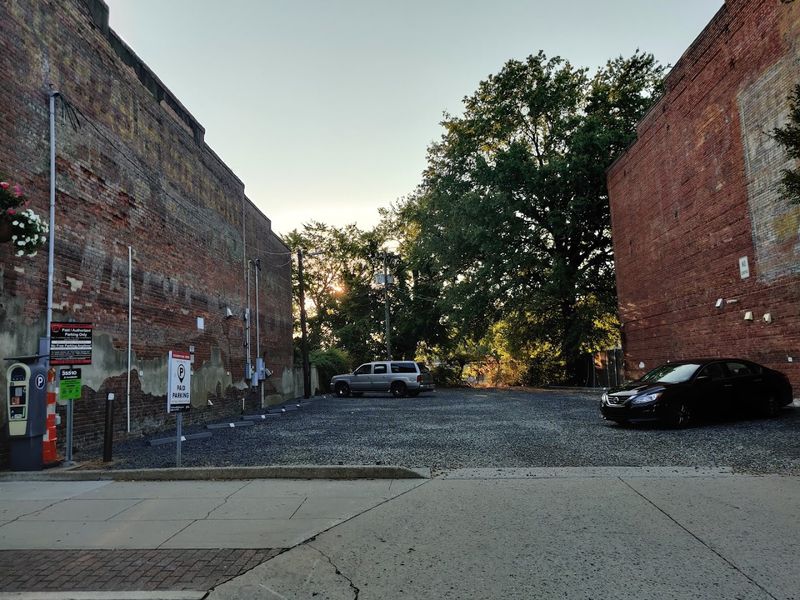
Greensboro sits in Hale County and holds a special place in Alabama’s architectural history. The entire downtown is part of a National Register-listed historic district, featuring an unusually rich mix of antebellum and early 20th-century commercial and residential buildings.
For a town of its size, the concentration of preserved architecture here is genuinely remarkable.
Magnolia Grove at 1002 Hobson Street, Greensboro, AL 36744 is one of the standout historic properties in the region. It served as the boyhood home of Richmond Pearson Hobson, a Spanish-American War hero, and the house itself is a stunning example of Greek Revival design set on sprawling grounds.
Touring it gives you a clear picture of what prosperous plantation-era life looked like in this part of Alabama.
The Safe House Black History Museum in Greensboro preserves an important and often overlooked chapter of the Civil Rights Movement in the Black Belt region.
The museum documents the courage of local activists and community members who risked everything during the movement, and it does so in a way that feels personal and powerful.
Greensboro also has a small but growing food and arts scene, with local spots like Pie Lab at 106 Main Street, Greensboro, AL 36744, a community bakery and gathering space that has become a symbol of revitalization in the area. Greensboro rewards curiosity and patience in equal measure.
10. Childersburg
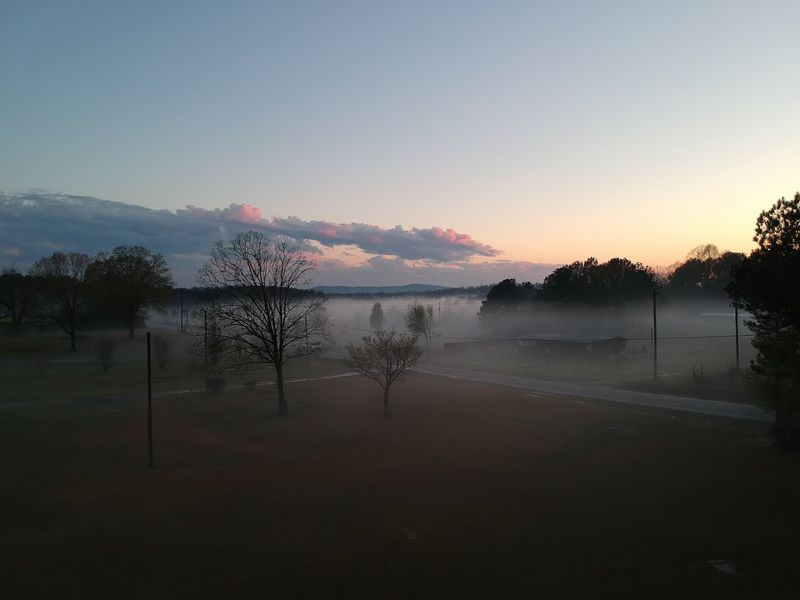
Most people drive through Childersburg without realizing they are passing through what historians consider the oldest continually occupied settlement in the entire country.
The area’s roots trace back to 1540, when the Spanish explorer Hernando de Soto and his expedition passed through and encountered the Coosa chiefdom that had thrived here long before European contact.
That is not a small footnote. That is an extraordinary claim backed by serious historical research.
DeSoto Caverns Park at 5181 DeSoto Caverns Parkway, Childersburg, AL 35044 is the town’s most well-known attraction and a genuinely fascinating place to visit. The caverns themselves are massive, with a main chamber large enough to fit a football field inside.
During the Civil War, Confederate soldiers mined the cave for saltpeter to make gunpowder, which adds yet another layer to an already layered history.
The cave has been used by humans for thousands of years, from ancient Native American ceremonies to modern family day trips, and that continuity is part of what makes it so compelling. Childersburg sits along the Coosa River, and the surrounding landscape is beautiful in a quiet, unhurried way.
The town itself is small and does not lean heavily into its historical significance, which makes discovering it feel like a genuine find. If you appreciate places where the ground beneath your feet has been meaningful for centuries, Childersburg is worth every mile of the drive to get there.
