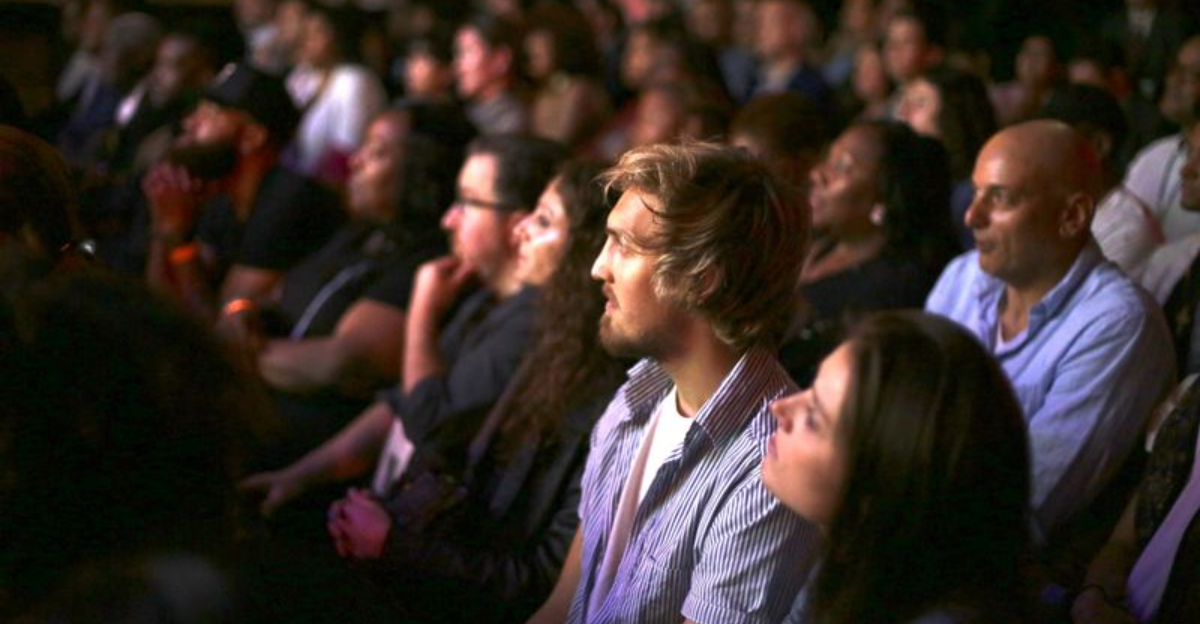
New York City pulses with creative energy that spills beyond mainstream cinemas into hidden corners where underground film festivals thrive.
These events showcase raw talent, experimental storytelling, and voices often overlooked by Hollywood’s spotlight.
From gritty documentaries to avant-garde narratives, underground festivals offer something refreshingly different from your typical movie night.
They create spaces where filmmakers take bold risks and audiences discover stories that challenge, inspire, and provoke thought.
Whether you’re a film student hunting for inspiration, an indie cinema lover, or simply curious about what exists beyond the multiplex, these festivals deliver unforgettable experiences.
Each one carries its own personality, celebrating everything from microbudget masterpieces to boundary-pushing visual experiments.
The atmosphere buzzes with passionate discussions, unexpected discoveries, and the electric feeling of witnessing something truly original.
Attending these festivals means joining a community that values artistic courage over commercial appeal.
You’ll find yourself surrounded by fellow film enthusiasts who appreciate cinema as an art form rather than just entertainment.
These underground gatherings remind us why movies matter; they connect us, challenge our perspectives, and expand our understanding of storytelling possibilities.
Ready to explore New York’s most exciting alternative film scenes?
Let’s uncover five underground festivals that deserve a permanent spot on your cultural calendar.
1. Rooftop Films Summer Series

Picture watching a film under the stars with Manhattan’s skyline glowing behind the screen—that’s the magic Rooftop Films delivers every summer.
Since 1997, this festival has transformed rooftops, parks, and unexpected outdoor spaces across Brooklyn and beyond into temporary cinemas.
What started as a small gathering of film lovers has grown into one of New York’s most beloved seasonal traditions.
The programming focuses heavily on short films and features from emerging independent filmmakers who bring fresh perspectives to the screen.
You’ll encounter experimental documentaries, quirky narratives, and visual essays that push creative boundaries.
Many screenings include live musical performances or Q&A sessions with directors, creating an interactive experience that goes beyond passive viewing.
The festival typically runs from May through September, with events happening across various neighborhoods including Williamsburg, Greenpoint, and the Lower East Side.
Tickets remain affordable, usually around fifteen to twenty dollars, making it accessible for students and young professionals.
Arriving early is smart because popular screenings sell out quickly, and you’ll want to claim a good spot on the roof.
What sets Rooftop Films apart is its commitment to supporting filmmakers through grants and production assistance.
The organization doesn’t just screen movies; it actively nurtures the next generation of independent voices.
Bring a blanket, some snacks, and an open mind ready for cinematic surprises.
The communal atmosphere makes every screening feel like a celebration of creativity and urban summer nights.
Strangers become friends over shared reactions to bold storytelling choices.
Whether you’re a hardcore cinephile or just looking for a unique date night, Rooftop Films offers an experience that captures New York’s independent spirit perfectly.
Each venue has its own character, from intimate backyard spaces to sprawling rooftops with sweeping city views.
The sound of the city blends with the dialogue on screen, creating a unique urban soundtrack that enhances the cinematic experience.
Filmmakers often attend their screenings, offering insight into their creative process and engaging directly with the audience.
Outdoor lighting, cityscapes, and twilight skies combine to make each screening visually enchanting even before the film begins.
The festival showcases a diverse array of genres, from heartfelt dramas to surreal comedies, experimental animations, and daring documentaries.
Special themed nights and curated programs highlight underrepresented voices, giving audiences access to stories they might not see elsewhere.
The crowd is eclectic, ranging from film students to seasoned critics, tourists, and locals looking for an offbeat summer adventure.
Food trucks and nearby cafes often complement the screenings, allowing viewers to enjoy a full night out without leaving the venue.
Some films are interactive or site-specific, encouraging viewers to engage with their surroundings and think differently about storytelling.
The festival fosters a sense of community, where conversations after the screening often linger long into the night.
Watching a film in an open-air urban environment heightens every emotion, from laughter to suspense, creating a shared experience unlike any theater setting.
Rooftop Films is not just about movies; it’s about connection, discovery, and the thrill of being part of something fresh, creative, and alive in the heart of the city.
For returning attendees, familiar venues and neighborhoods become part of the ritual, while first-timers leave inspired and eager to explore the next rooftop screening.
Every summer night carries the possibility of a cinematic surprise, a new friendship, or a perspective that changes the way you see the world.
2. UnionDocs Collaborative Studio
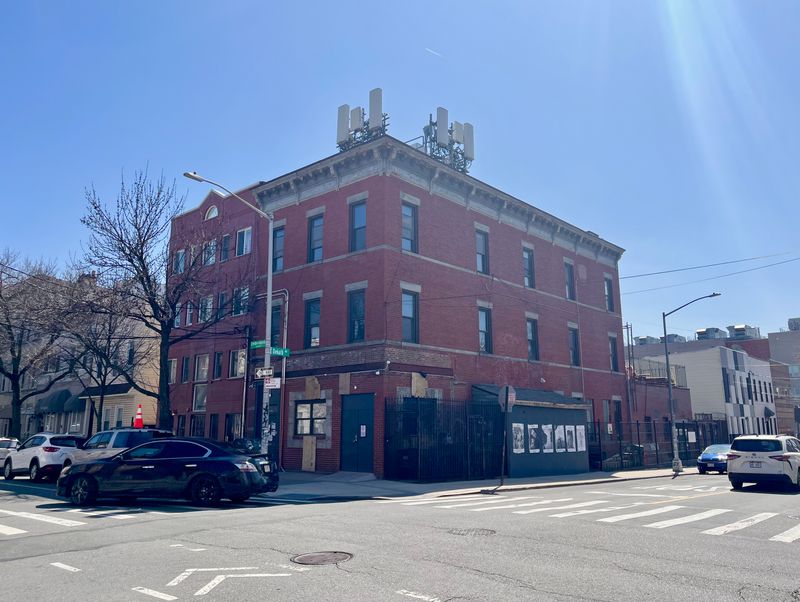
Tucked away in Williamsburg at 322 Union Avenue, UnionDocs operates as both a documentary arts center and a year-round hub for nonfiction storytelling.
Unlike traditional festivals with fixed dates, UnionDocs runs continuous programming that includes screenings, workshops, and artist residencies.
The space itself feels intimate and welcoming, with exposed brick walls and a layout that encourages conversation between filmmakers and audiences.
Documentary purists will appreciate the center’s dedication to exploring what nonfiction cinema can become.
They showcase experimental docs that blur lines between reality and artistic interpretation, challenging viewers to reconsider what documentary means.
Their Collaborative Studio program brings together filmmakers, artists, and community members to create projects that reflect diverse New York experiences.
What makes UnionDocs particularly special is its educational mission; they offer classes, mentorship programs, and technical resources for aspiring documentary makers.
You might catch a screening one night and attend a workshop on documentary ethics the next week.
This dual focus on exhibition and education creates a vibrant community where learning and viewing happen simultaneously.
The organization champions voices often marginalized in mainstream media, prioritizing stories about immigration, social justice, and neighborhood transformation.
Screenings frequently spark discussions that continue long after the lights come up.
Many events are free or donation-based, reflecting UnionDocs’ commitment to accessibility.
Their annual DocuClub series presents curated themed programs that dig deep into specific subjects or filmmaking approaches.
Attending regularly means becoming part of a tight-knit community that values truth-telling through cinema.
For anyone passionate about documentaries as tools for understanding our complex world, UnionDocs provides an essential gathering place where nonfiction storytelling thrives in its most adventurous forms.
Filmmakers often engage directly with audiences after screenings, fostering dialogue and deepening appreciation for the craft.
Workshops cover a wide range of skills, from cinematography and editing to ethical storytelling and archival research.
The intimate setting allows for nuanced conversations that are difficult to replicate in larger venues.
Community members and artists collaborate on projects that document neighborhood stories, giving voice to experiences often overlooked.
UnionDocs continually experiments with format, sometimes blending live performance, multimedia installations, and film to expand the boundaries of nonfiction.
Visitors leave not just entertained but inspired to think critically about storytelling and the world around them.
The organization cultivates a network of documentary makers, scholars, and enthusiasts who support one another and share knowledge.
Even casual attendees often find themselves drawn into discussions that linger long after a screening ends.
UnionDocs demonstrates that documentaries can be both art and activism, bridging creative expression with social impact.
For newcomers, the center offers a rare opportunity to witness cutting-edge nonfiction films in a community-focused environment.
Every visit feels like stepping into a space where curiosity, creativity, and critical thought are celebrated equally.
3. New Filmmakers New York
Every month since 1999, New Filmmakers New York has provided a consistent platform for debut directors to showcase their work to Manhattan audiences.
The festival operates on a monthly screening model at Anthology Film Archives on Second Avenue, creating a reliable venue where emerging talent meets engaged viewers.
Unlike seasonal festivals that come and go, NFNY offers year-round opportunities for filmmakers to present their first or second projects.
Each screening program typically features four to six short films or one feature, carefully curated to represent diverse genres and perspectives.
The selection process prioritizes filmmakers who haven’t yet broken into the industry’s upper tiers, giving genuine newcomers their moment in the spotlight.
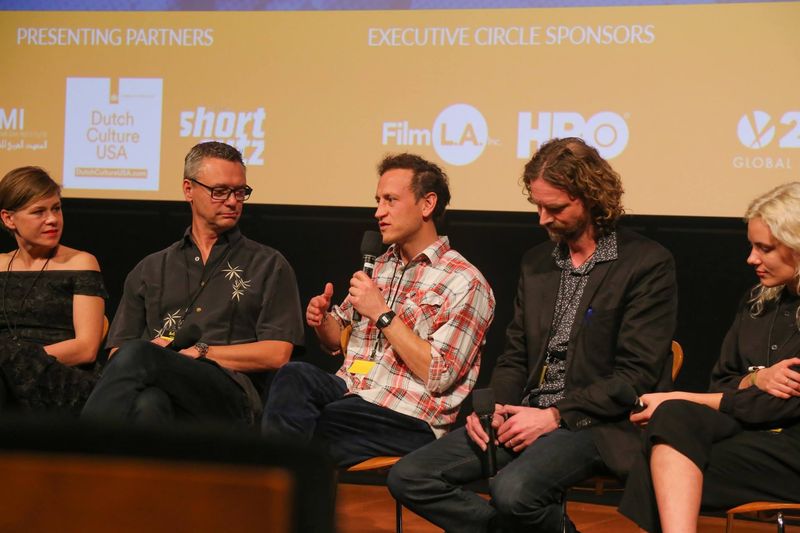
After each screening, filmmakers participate in Q&A sessions where they discuss their creative processes, budget challenges, and artistic choices.
The atmosphere balances professionalism with accessibility; it’s serious about cinema but never pretentious or exclusive.
You’ll find film students sitting beside industry professionals, all equally invested in discovering the next unique voice.
Networking happens naturally in the lobby before and after screenings, making NFNY valuable for both audiences and aspiring filmmakers.
Submission fees remain reasonable, and the organization provides feedback to filmmakers whether their work gets selected or not.
This commitment to nurturing talent extends beyond just screening films; it’s about building a supportive community.
The monthly format means you can make attending NFNY part of your regular cultural routine rather than waiting for an annual event.
Tickets cost around twelve dollars, making it an affordable way to stay connected to independent cinema’s cutting edge.
The consistency of programming creates a loyal audience base that returns month after month, eager to witness fresh perspectives.
For filmmakers taking their first steps and audiences hungry for originality, NFNY serves as an essential bridge connecting new voices with receptive ears and eyes.
4. Bushwick Film Festival

Bushwick’s artistic spirit comes alive each October when this neighborhood-focused festival transforms local venues into temporary cinemas celebrating independent voices.
Founded in 2008, the festival mirrors the area’s evolution from industrial zone to creative hotspot, showcasing films that reflect urban life’s grittier, more authentic sides.
Venues range from converted warehouses to community spaces, each location adding its own character to the viewing experience.
The programming embraces diversity not just in content but in format; you’ll find everything from experimental shorts to narrative features to animated works.
Many selected films tackle social issues, personal identity struggles, and stories about communities fighting for recognition and resources.
The festival particularly champions microbudget productions, proving that compelling cinema doesn’t require Hollywood financing.
What distinguishes Bushwick Film Festival is its deep connection to the neighborhood itself.
Local businesses sponsor events, nearby restaurants offer festival discounts, and many screenings happen within walking distance of each other.
This geographic concentration creates a festival atmosphere where you can hop between venues, catching multiple programs in a single evening.
Panels and workshops run throughout the festival week, covering topics like guerrilla filmmaking, crowdfunding strategies, and distribution in the digital age.
These educational components make the festival valuable for anyone considering their own film project.
The audience tends toward younger creatives; artists, musicians, and filmmakers living in Brooklyn’s outer neighborhoods.
Ticket prices stay modest, typically ten to fifteen dollars per screening, with multi-film passes offering even better value.
The festival’s scrappy, DIY energy reflects Bushwick itself; resourceful, diverse, and unapologetically original.
Attending feels less like going to a formal festival and more like joining a neighborhood celebration of creativity.
For those seeking cinema that captures contemporary urban life’s raw energy and complexity, this festival delivers authenticity in every frame.
5. Migrating Forms
If you crave cinema that defies conventional storytelling and challenges what moving images can accomplish, Migrating Forms exists precisely for that purpose.
This annual festival, typically held in spring, focuses exclusively on experimental and avant-garde works that blur boundaries between film, video art, and visual performance.
The programming curator seeks out pieces that provoke, confuse, inspire, and expand viewers’ understanding of what cinema might become.
Screenings happen in intimate venues like Anthology Film Archives and sometimes gallery spaces, creating an atmosphere more akin to contemporary art exhibitions than traditional movie theaters.
You won’t find linear narratives or conventional character development here; instead, expect abstract explorations of light, time, texture, and perception.
Many works incorporate found footage, hand-processed film, or digital manipulation techniques that transform familiar imagery into something entirely new.
The festival attracts a specialized audience of artists, academics, and adventurous cinephiles who appreciate cinema as a medium for pure visual and sonic exploration.
Post-screening discussions often dive into theoretical territory, examining concepts like duration, materiality, and the politics of representation.
This intellectual rigor might seem intimidating, but the festival welcomes curious newcomers willing to engage with challenging work.
What makes Migrating Forms particularly valuable is its commitment to preserving and presenting experimental cinema’s history alongside contemporary innovations.
You might see a newly created video installation followed by a restored 16mm work from the 1960s.
This dialogue between past and present highlights how avant-garde filmmakers have always pushed against cinema’s commercial constraints.
Tickets are affordable, usually around fifteen dollars, making experimental film accessible despite its niche appeal.
The festival remains small by design, prioritizing depth over breadth and quality over quantity.
For viewers tired of formulaic storytelling and ready to experience cinema as a radical art form, Migrating Forms offers a rare opportunity to witness moving images at their most daring and uncompromising.
Dear Reader: This page may contain affiliate links which may earn a commission if you click through and make a purchase. Our independent journalism is not influenced by any advertiser or commercial initiative unless it is clearly marked as sponsored content. As travel products change, please be sure to reconfirm all details and stay up to date with current events to ensure a safe and successful trip.
