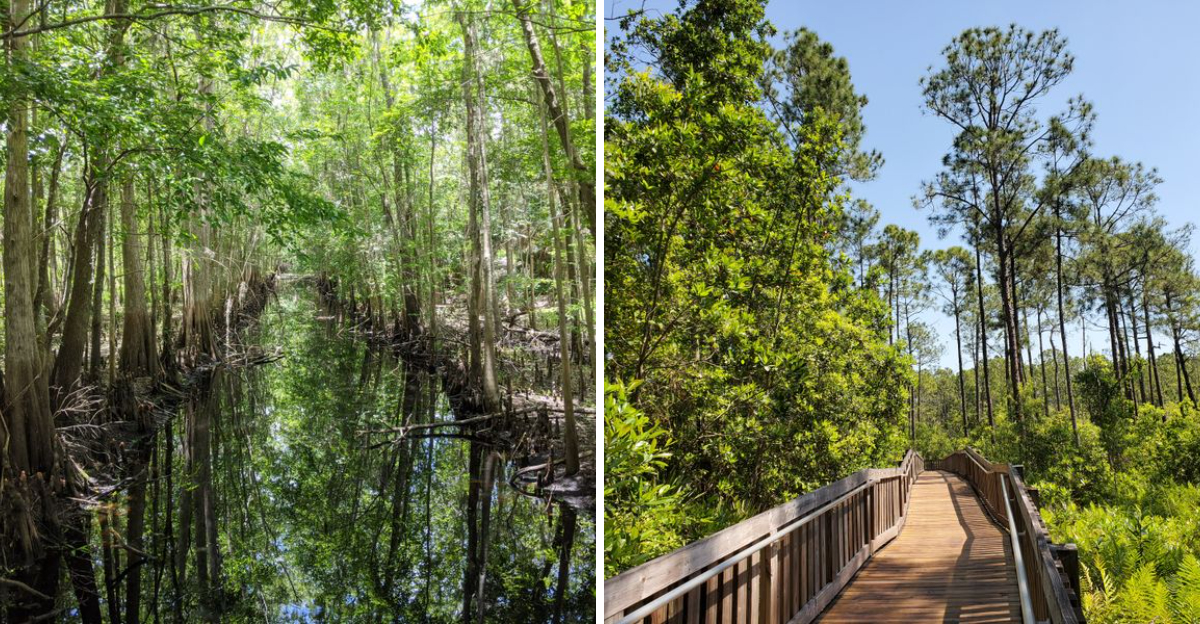
Florida offers more than just famous beaches and theme parks.
Hidden throughout the state are county parks that provide peaceful trails and natural beauty without the overwhelming crowds.
These lesser-known spots give visitors a chance to connect with nature, observe wildlife, and enjoy quiet walks through diverse ecosystems.
Local residents have long cherished these parks for their serene environments and well-maintained paths.
Whether you’re seeking a gentle stroll along a creek or a longer hike through pine flatwoods, these underrated gems offer something special.
From coastal hammocks to swamp boardwalks, each park has its own unique character and charm.
Exploring these tranquil spaces allows you to experience a side of Florida that many tourists never see.
Get ready to discover ten remarkable county parks where peaceful trails await your footsteps.
1. Edward Medard Conservation Park
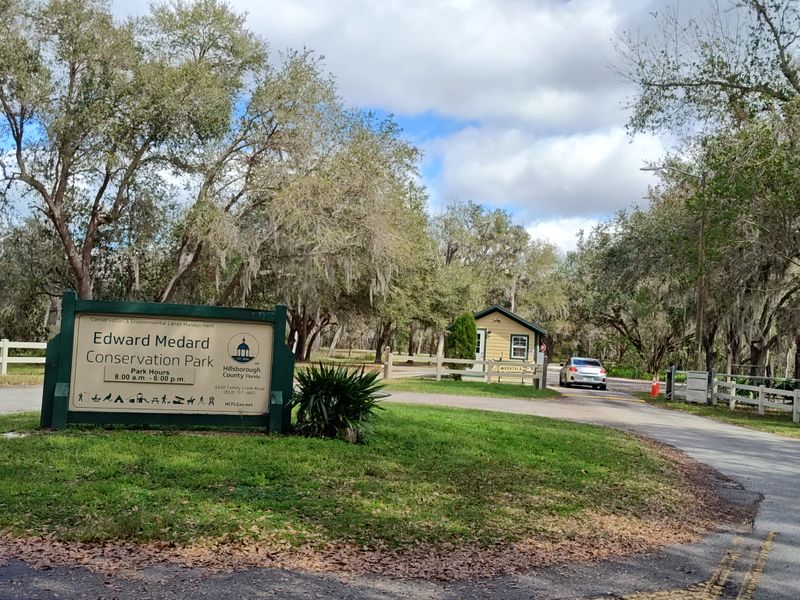
Spanning over 1,284 acres, this conservation park combines land and water features in a stunning natural setting.
The Singing Bluffs Trail stands out as the main attraction for hikers seeking tranquility.
Winding paths lead visitors to elevated viewpoints where the reservoir stretches out below.
Early morning walks here reveal mist rising from the water’s surface.
Birds call from the surrounding trees, creating a natural soundtrack.
The trail system accommodates various skill levels, making it accessible for families and solo explorers alike.
Wildflowers bloom along the path during certain seasons, adding splashes of color.
Benches placed at strategic spots invite visitors to pause and absorb the scenery.
Wildlife sightings are common, with turtles sunning themselves near the water’s edge.
Photography enthusiasts find endless opportunities to capture Florida’s natural beauty.
The park maintains a quiet atmosphere even on weekends.
Picnic areas near the trailhead provide convenient spots for a post-hike meal.
Fishing is permitted in designated areas for those wanting to extend their visit.
The address is 6140 Turkey Creek Road, making it easy to locate.
This hidden treasure offers a genuine escape from urban life.
Visitors leave feeling refreshed and reconnected with the natural world.
2. Black Bear Wilderness Area
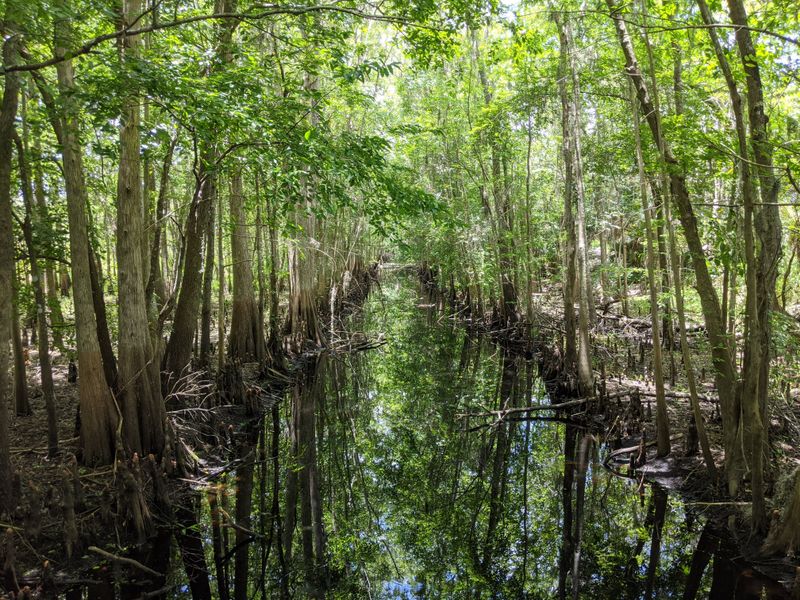
Covering 1,650 acres, this preserve challenges adventurous hikers with its 7.1-mile loop trail.
Boardwalks guide visitors safely through swampy sections where cypress trees rise from dark water.
Hardwood hammocks provide shade and habitat for diverse wildlife species.
Deer move quietly through the underbrush, often visible to patient observers.
Alligators bask near water’s edge, reminding visitors of Florida’s wild character.
River otters playfully navigate the waterways, delighting anyone lucky enough to spot them.
The trail’s length ensures solitude even during peak visiting hours.
Birdsong fills the air, with species ranging from herons to woodpeckers.
Seasonal changes bring different wildflowers and foliage colors.
The terrain varies from flat sections to gentle inclines, keeping the hike interesting.
Interpretive signs along the route educate visitors about the ecosystem.
Proper footwear is recommended due to occasional muddy patches.
Water and snacks should be packed for this longer adventure.
The preserve’s location at 5298 Michigan Avenue makes access straightforward.
Nature photographers appreciate the dramatic lighting through the canopy.
This wilderness area truly embodies what makes Florida’s natural spaces remarkable.
3. Tibet-Butler Nature Preserve
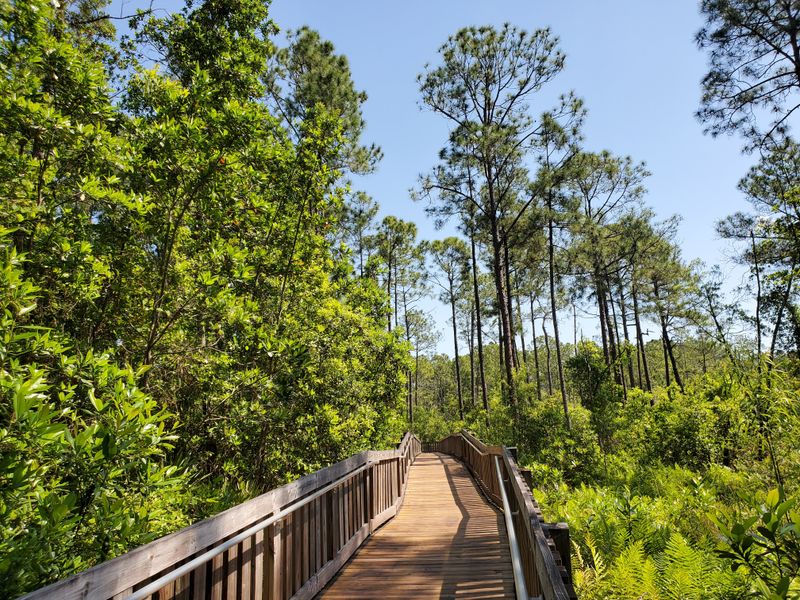
Positioned on Lake Butler’s shoreline, this preserve combines educational opportunities with peaceful walking.
The nature center offers insights into local ecosystems before visitors head to the trails.
Well-maintained interpretive paths guide explorers through diverse habitats.
A boardwalk section crosses swampy terrain, providing close encounters with wetland plants.
Cypress knees poke through the water’s surface, creating sculptural natural formations.
The preserve serves as a sanctuary from nearby urban development.
Families appreciate the educational components that engage children with nature.
Benches along the route offer rest stops with pleasant views.
The trail system is clearly marked, preventing any navigation confusion.
Turtles and wading birds frequent the wetland areas.
Butterflies flutter among native flowering plants during warmer months.
The preserve maintains a peaceful ambiance that encourages mindful walking.
Shade from mature trees keeps temperatures comfortable even during summer.
Located at 8777 Winter Garden Vineland Road, the preserve is easily accessible.
Parking facilities accommodate visitors without feeling crowded.
This county park demonstrates how conservation and recreation can coexist beautifully.
4. Lemon Bay Park & Environmental Center
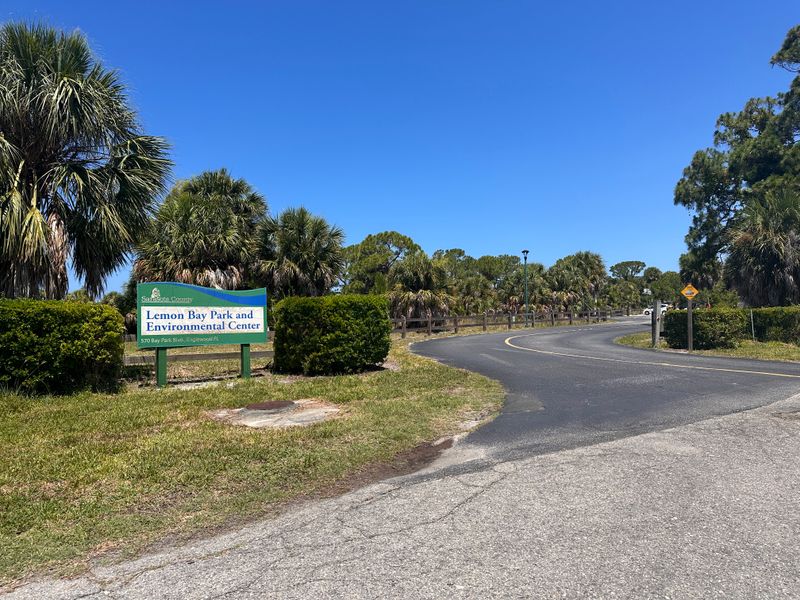
Stretching across 125 acres along Lemon Bay’s shore, this park emphasizes environmental awareness.
Shell paths wind through coastal hammock habitats that have remained largely unchanged for generations.
Natural scrubland vegetation thrives here, showcasing plants adapted to sandy soils.
The walking experience encourages mindfulness and slow observation.
Salt-tolerant trees provide habitat for numerous bird species.
Interpretive displays educate visitors about the bay’s ecological importance.
The Environmental Center hosts programs that deepen understanding of local ecosystems.
Trail surfaces are gentle on joints, making walks comfortable for all ages.
Waterfront views appear at intervals, offering glimpses of the bay’s expanse.
Seagrass beds visible from shore support marine life populations.
The park’s quiet atmosphere contrasts sharply with busier coastal attractions.
Photographers capture stunning sunsets over the water from designated viewpoints.
Native plant gardens near the center demonstrate landscaping with indigenous species.
The address at 570 Bay Park Boulevard places it conveniently for visitors.
Morning visits often reveal dolphins feeding in the bay.
This park perfectly balances recreation with environmental education and preservation.
5. Rye Preserve
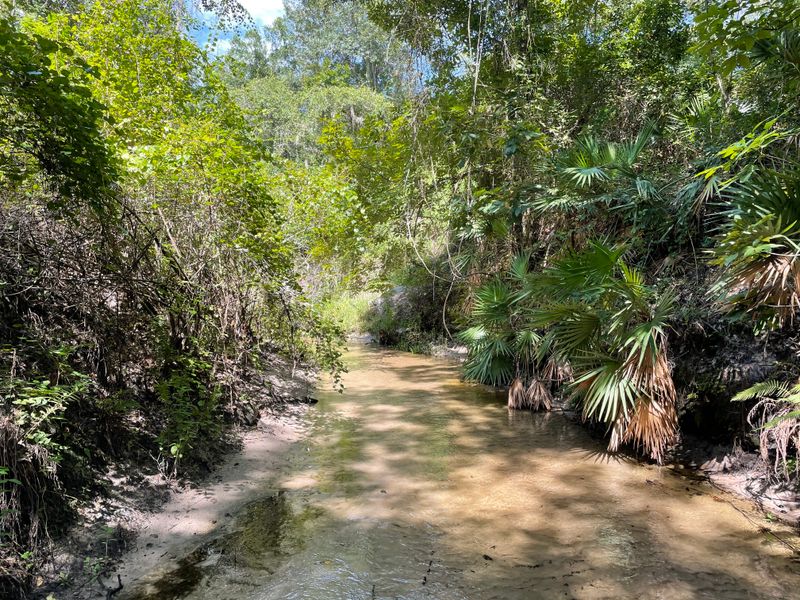
The Blue Trail at this preserve winds through shady oak hammocks that offer cooling relief.
Pine flatwoods stretch across the landscape, creating open vistas between tree clusters.
Sections of the trail follow Rye Branch creek as it meanders through the property.
Water sounds provide a soothing backdrop to the walking experience.
Ancient oaks spread their branches overhead, creating natural canopies.
Understory plants thrive in the dappled sunlight.
The preserve protects habitat for species that require undisturbed natural areas.
Trail surfaces are generally firm, suitable for regular walking shoes.
Wildlife tracks in sandy patches tell stories of nighttime animal activity.
The creek supports a variety of aquatic life visible from the trail.
Seasonal flooding occasionally alters trail conditions, adding to the natural experience.
Birders bring binoculars to spot species that frequent the hammocks.
The trail’s moderate length makes it perfect for a morning or afternoon outing.
Located at 905 Rye Wilderness Trail, the preserve is clearly marked.
Parking is limited, which helps maintain the area’s peaceful character.
This preserve exemplifies Florida’s inland natural beauty away from coastal areas.
6. Phillippi Estate Park
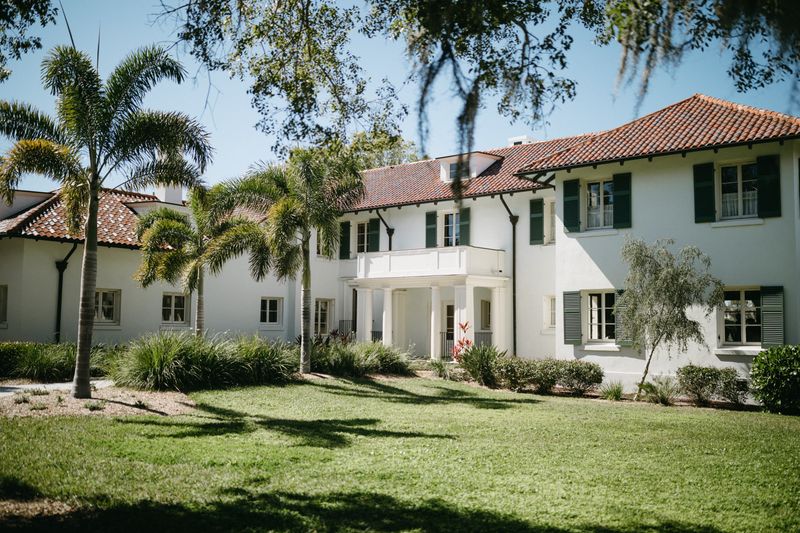
A historic mansion serves as the centerpiece of this 60-acre park along Phillippi Creek.
Shell paths radiate from the estate, leading visitors through landscaped and natural areas.
The combination of history and nature creates a unique park experience.
Fishing piers extend into the creek, popular with anglers seeking peaceful casting spots.
Mature trees planted decades ago now provide extensive shade.
The mansion’s architecture offers a glimpse into Florida’s past.
Grounds maintenance preserves the property’s elegant character.
Creek views appear frequently along the walking routes.
Benches positioned near the water invite contemplation and rest.
The park attracts fewer visitors than more publicized locations in Florida.
Bird life is abundant, with species drawn to the creek ecosystem.
The shell paths have a pleasant texture and sound underfoot.
Interpretive signs share information about the estate’s history.
The address at 5500 South Tamiami Trail makes navigation simple.
Parking areas accommodate visitors without overwhelming the site.
This park successfully blends cultural heritage with natural beauty for a memorable visit.
7. Starkey Wilderness Park
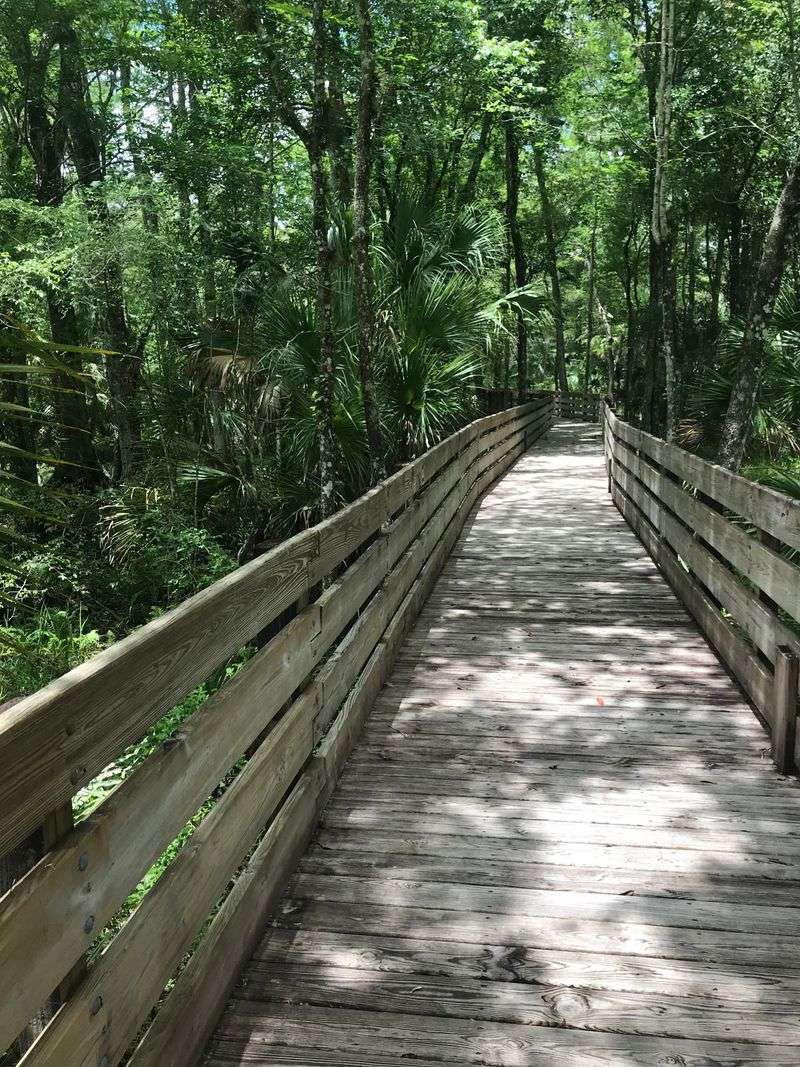
This expansive park offers serenity through its thoughtfully designed short loop trail.
Two scenic ponds serve as focal points along the walking route.
Reflections on the water’s surface create mirror images of surrounding vegetation.
The trail’s manageable length appeals to those seeking a brief nature escape.
Pond edges attract wading birds and turtles throughout the day.
Native grasses sway in breezes that sweep across the open areas.
The park’s size ensures that visitors rarely encounter crowding.
Wildflowers bloom seasonally around the pond margins.
Dragonflies hover over the water during warmer months.
The peaceful atmosphere makes this an ideal spot for meditation or quiet reflection.
Trail surfaces are well-maintained and easy to navigate.
Interpretive elements educate visitors about pond ecosystems.
The park demonstrates how smaller trail systems can provide meaningful experiences.
Sunrise and sunset visits offer particularly beautiful lighting conditions.
Wildlife photography opportunities abound near the pond areas.
This wilderness park proves that tranquility doesn’t require extensive hiking distances.
8. Scottsmoor Flatwoods Sanctuary
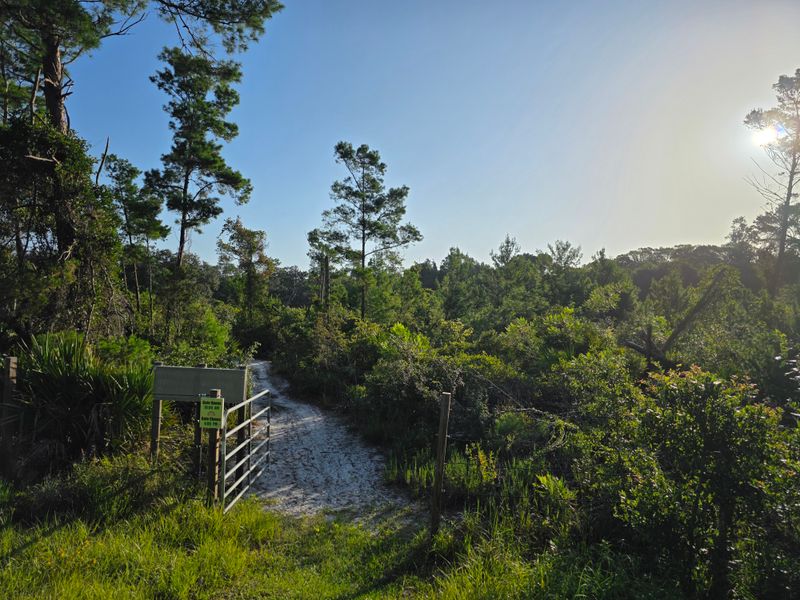
Multiple loop trails including the Yellow and Red trails weave through this sanctuary.
Open pine flatwoods characterize much of the landscape, creating spacious natural rooms.
Palmetto thickets add texture and provide habitat for smaller wildlife species.
The sanctuary’s isolation makes it perfect for undisturbed birdwatching.
Species variety changes with seasons, rewarding repeat visitors.
Trail junctions are clearly marked with colored blazes matching trail names.
The flatwoods ecosystem represents a significant Florida habitat type.
Sunlight filters through the pine canopy, creating patterns on the forest floor.
Wildflowers emerge after prescribed burns that maintain the ecosystem’s health.
The sanctuary’s management practices support native plant communities.
Visitors often have trails entirely to themselves during weekday visits.
Binoculars are essential equipment for maximizing wildlife observations.
The terrain is generally level, making walking accessible for most fitness levels.
Track identification enthusiasts find abundant evidence of animal presence.
This sanctuary showcases the beauty of Florida’s inland environments.
The peaceful setting encourages extended visits and thorough exploration.
9. The Thomas A. McGillicuddy Eco-Park At Quantum Corporate Park
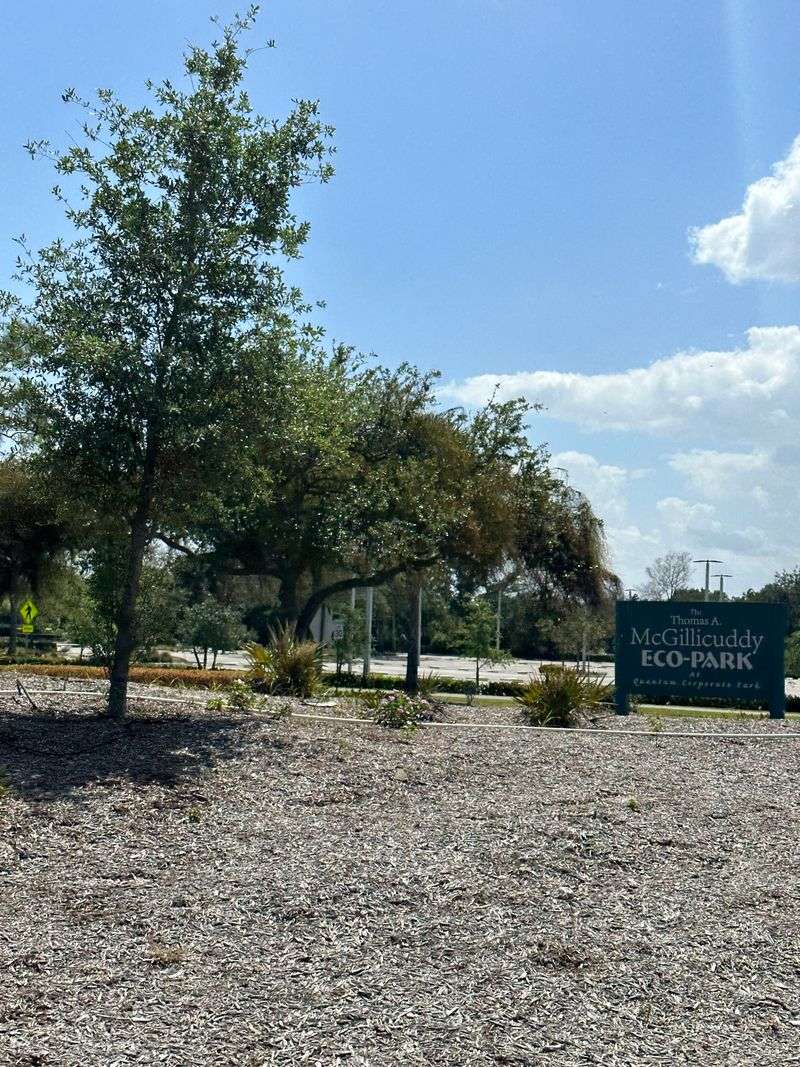
Hidden within a corporate park setting, this eco-park preserves authentic old Florida scrubland.
The trail receives less foot traffic than more publicized locations.
Scrub vegetation has adapted to the sandy soils that characterize the region.
Animal tracks frequently appear in sandy sections of the path.
Observant visitors can identify species by track patterns and sizes.
The park demonstrates how conservation can coexist with development.
Native plant species thrive in this protected pocket of habitat.
The trail’s tranquil environment contrasts with the surrounding corporate landscape.
Morning walks often reveal fresh tracks from overnight animal activity.
The scrubland ecosystem supports species specifically adapted to these conditions.
Interpretive opportunities help visitors understand scrubland ecology.
The park’s compact size makes it perfect for a quick nature break.
Located at 13 Quantum Boulevard in Boynton Beach, access is straightforward.
Parking is available within the corporate park complex.
This hidden gem proves that natural treasures can exist in unexpected places.
The eco-park serves as an important reminder of Florida’s diverse ecosystems.
10. Cockroach Bay Aquatic Preserve
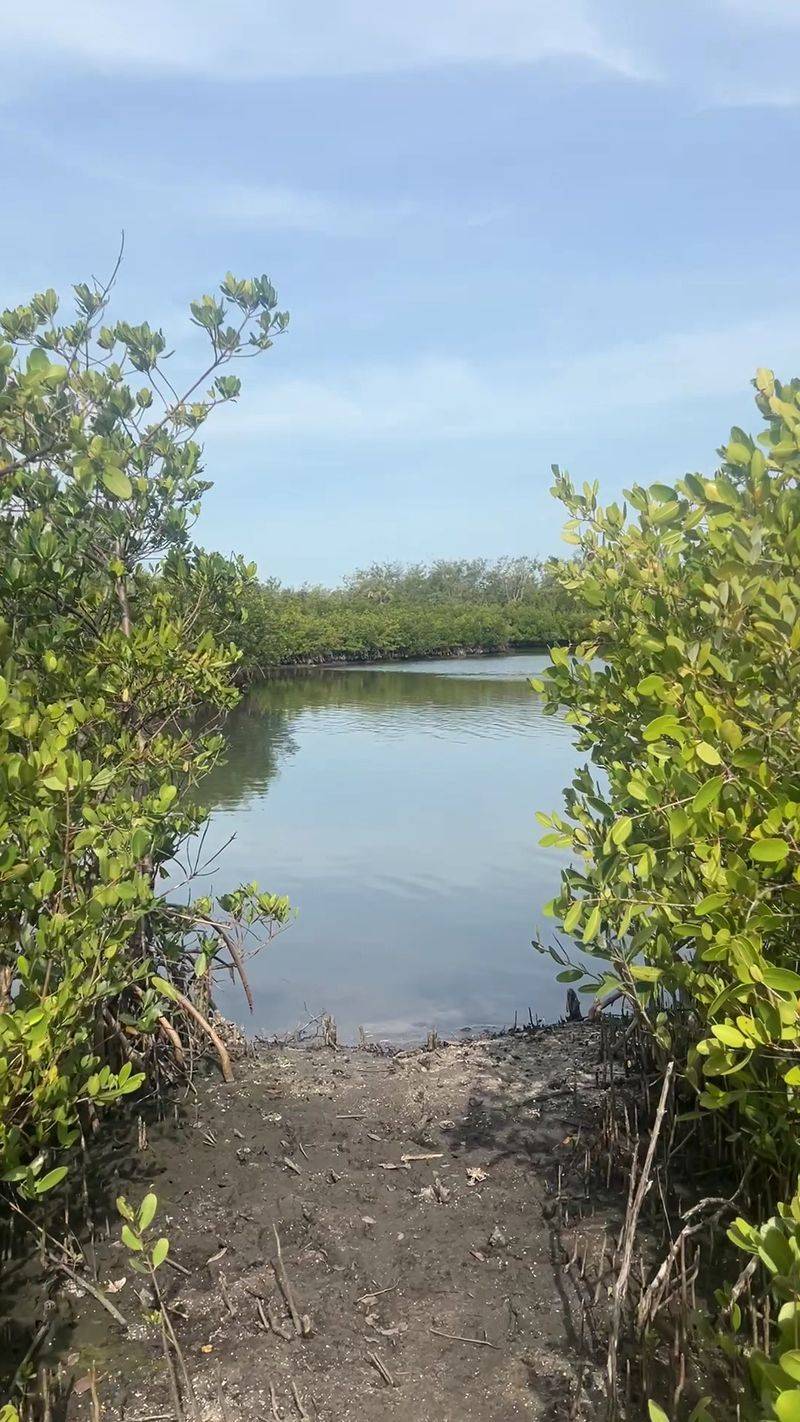
While paddle sports draw some visitors, the surrounding area offers peaceful walking opportunities.
Paths near the water provide access to views of the rich aquatic ecosystem.
The preserve’s name might be unusual, but its natural beauty is undeniable.
Mangroves line portions of the shoreline, creating important fish nursery habitat.
Wading birds stalk through shallow waters searching for meals.
The preserve maintains a quiet atmosphere despite its recreational offerings.
Educational displays explain the bay’s ecological significance.
Visitors gain appreciation for the interconnected nature of coastal systems.
Water quality here supports diverse marine life populations.
Seagrass beds visible from shore wave gently with tidal movements.
The preserve demonstrates successful conservation of aquatic resources.
Minimal crowds ensure a contemplative experience along the waterfront.
Sunset views across the bay create memorable photographic moments.
The address at 3839 Gulf City Road leads visitors to this peaceful spot.
This preserve offers a different perspective on Florida’s natural environments.
Aquatic ecosystems prove just as fascinating as terrestrial habitats for nature enthusiasts.
Dear Reader: This page may contain affiliate links which may earn a commission if you click through and make a purchase. Our independent journalism is not influenced by any advertiser or commercial initiative unless it is clearly marked as sponsored content. As travel products change, please be sure to reconfirm all details and stay up to date with current events to ensure a safe and successful trip.
