I’ll be honest, I spent years thinking Indiana was mostly cornfields and interstate highways. Then I started actually exploring the state, and I found myself completely surprised by what was hiding in plain sight.
From a historic college with a radical legacy in Madison to the world’s first electrified city in Wabash, Indiana has pockets of history, art, and natural beauty that most people drive right past without even noticing. Each stop has its own story, its own charm, and a little something that makes you pause and really take it in.
I want to share nine places that genuinely stopped me in my tracks; spots that deserve far more visitors than they currently get and that remind you just how much wonder can be found tucked away in the heart of the Hoosier State.
1. The Old Bag Factory, Goshen

There is something satisfying about a building that refuses to become irrelevant. The Old Bag Factory at 1100 N Chicago Ave started its life in 1896 as the Cosmo Buttermilk Soap Company before transitioning into a manufacturing facility for the Chicago-Detroit Bag Company in 1910.
Today, it stands as one of the most charming creative hubs in northern Indiana. The building now houses a rotating mix of artisan studios, craft shops, and small businesses that carry on that industrial legacy in a new way.
You can spend a couple of hours wandering between a furniture maker, a candle shop, a quilting store, and a handmade toy retailer without ever stepping outside. The exposed brick walls and original wooden beams give the whole place a warmth that modern retail spaces rarely manage to replicate.
Goshen itself is a genuinely underrated small city with a strong arts culture and a walkable downtown. The Electric Brew at 118 E Washington St is a beloved local café nearby if you need a break between shops.
It is the kind of place that reminds you how much character a repurposed industrial space can hold when the people inside it actually care about what they are doing.
2. Bluffs of Beaver Bend, Shoals
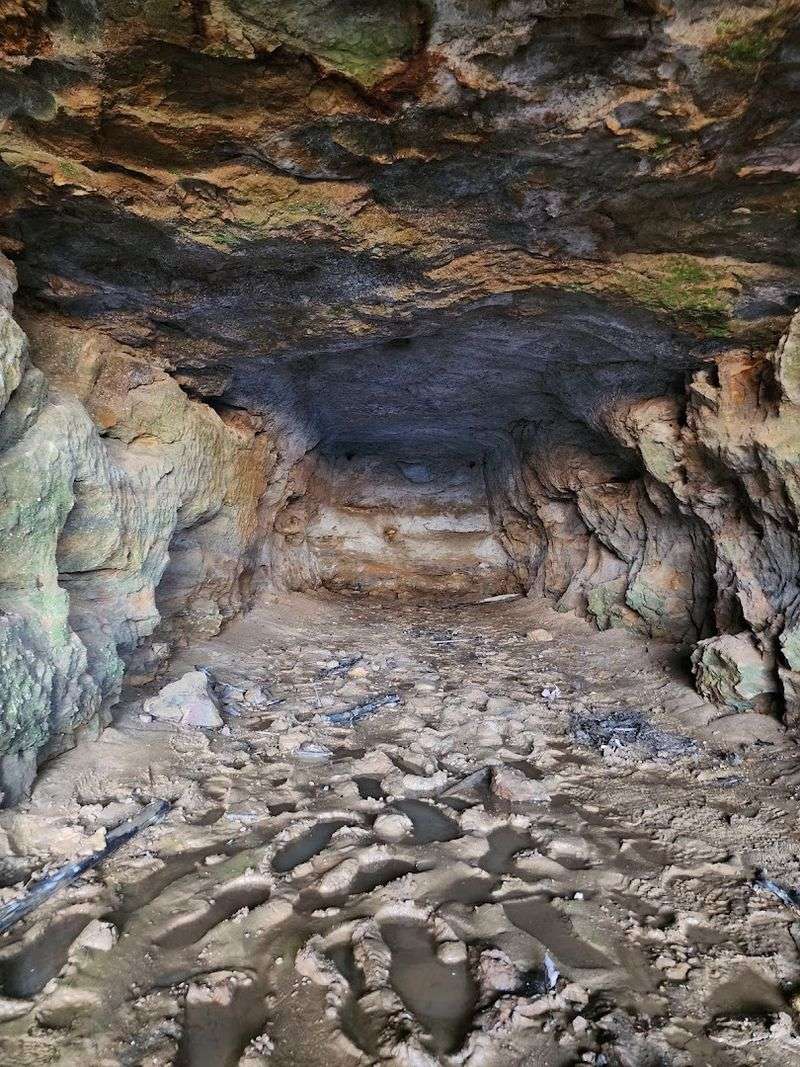
Not enough people know about the Bluffs of Beaver Bend, and that feels like a genuine injustice. Located at the intersection of Water St and Spout Springs Rd near Shoals, this 748-acre nature preserve sits along a mile-long bend of the East Fork White River and offers some of the most dramatic landscape in the entire state.
Indiana is not usually associated with rugged terrain, which makes this place even more of a revelation. The Mansfield sandstone bluffs rise sharply above the river, and the trails that wind through the area, like the Nubbin Ridge Trail, give you views that feel completely out of place for the Midwest in the best possible way.
The reflections of the massive cliffs in the river on a calm morning are genuinely stunning, especially when the light hits the rock faces just right. Wildlife sightings, including Bald Eagles, are common here, and the solitude is something you have to experience to appreciate.
Martin County as a whole is worth exploring, featuring unique geological spots like the Jug Rock nearby. Shoals itself is a quiet town where the pace slows way down, and that is part of the appeal.
Once you see those cliffs reflected in the water, you will understand immediately why this place deserves far more recognition.
3. The Historic Eleutherian College
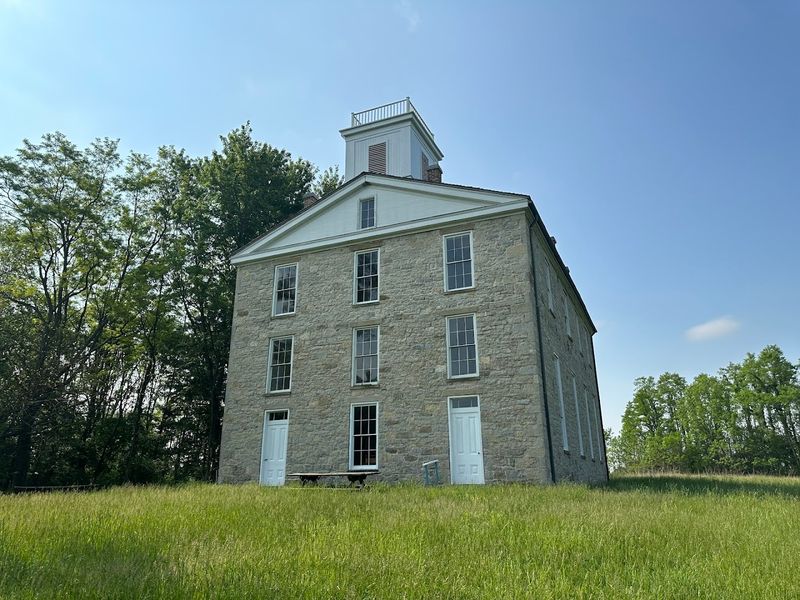
Few buildings in Indiana carry the kind of moral weight that Eleutherian College does. Located at 6927 IN-250 in Lancaster (just north of Madison), this college was founded in 1848 by Reverend Thomas Craven and holds the remarkable distinction of being one of the first institutions in the United States to admit students regardless of race or gender.
That is not a small footnote; that is a defining legacy. The original stone building, completed around 1856, still stands and has been carefully preserved by Historic Eleutherian College, Inc..
Visiting it feels different from visiting most historic sites; there is a quiet gravity to the place, a sense that the people who studied and taught here were doing something genuinely radical for their time. The grounds are peaceful and the building itself is modest, which somehow makes the history feel more powerful rather than less.
Madison is one of Indiana’s most beautiful river towns, sitting along the Ohio River with a historic downtown full of Federal-style architecture. The Lanier Mansion State Historic Site at 601 W 1st St is just minutes away and adds more depth to a visit.
Eleutherian College does not get the national attention it deserves, but coming here feels like discovering a story that should have been in every textbook.
4. Linden Depot Museum, Linden
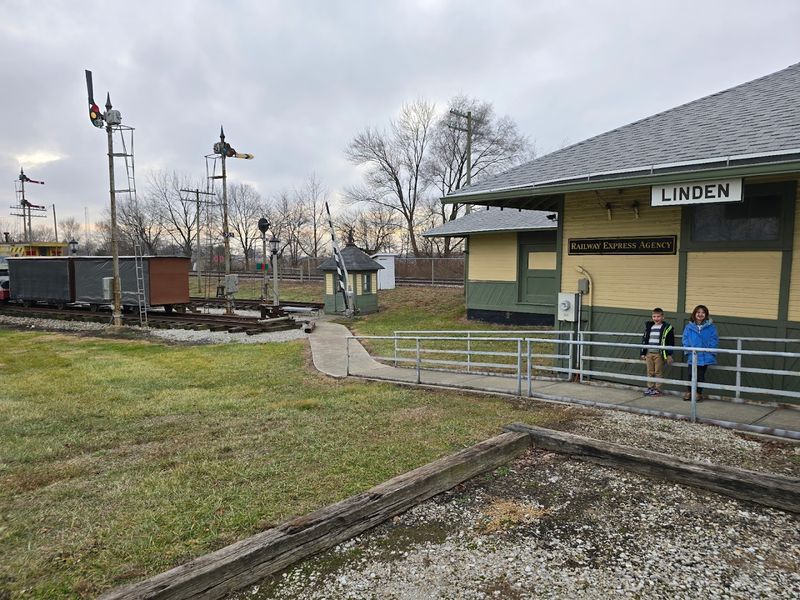
Railroad history in small-town Indiana hits differently when the depot itself is still standing. The Linden Depot Museum at 520 N Main St is a 1908 junction depot that originally served both the Monon and Nickel Plate railroads.
It captures a very specific slice of American life: the era when a train schedule determined the rhythm of an entire community. Inside, you will find railroad artifacts, a large model train display, and even a steam locomotive outdoors.
The museum is run by the Linden-Madison Township Historical Society and volunteers who are local history enthusiasts. It is a small museum, but it is thorough and thoughtful, preserving a chapter of Montgomery County history with great care.
The town of Linden itself is small and quiet, which is part of its charm. Crawfordsville, the county seat, is nearby and worth a stop for its historic courthouse square and the General Lew Wallace Study.
The Linden Depot Museum is the kind of place that fits perfectly into a day of slow, exploratory driving through rural Indiana. You do not need hours to visit, but you will likely leave with a deeper appreciation for how much the railroad shaped the towns and families of this part of the state.
5. Wabash County Museum, Wabash
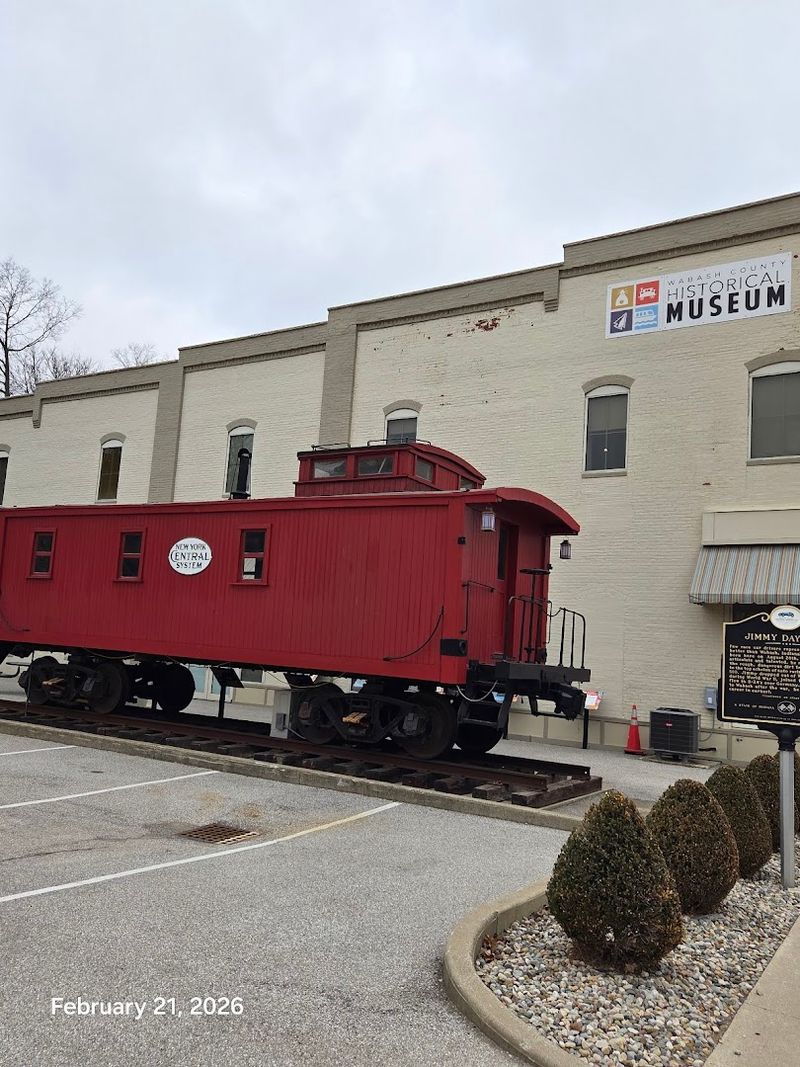
Wabash has a legitimate claim to fame that most people have never heard: In 1880, it became the first city in the world to be illuminated entirely by electric light, powered by Brush arc lamps atop the courthouse. The Wabash County Museum at 36 E Market St tells that story along with the broader history of a county that punched well above its weight in American history.
The museum is housed in a building with its own historical character, and the exhibits inside range from Native American history to Civil War contributions to local industry and innovation. The electric light story alone is worth the visit, but the museum layers in enough local depth to keep you engaged well beyond that single highlight.
The staff are approachable and clearly invested in making sure visitors leave with real knowledge. Wabash itself is a charming small city with a beautifully preserved downtown.
The Honeywell Center at 275 W Market St is a world-class performing arts venue right in the heart of town, which is another thing most people do not expect to find here. The Wabash County Museum fits naturally into a broader afternoon of exploring this genuinely surprising city, reminding you that history is alive in places like this.
6. Kokiwanee Nature Preserve, Lagro
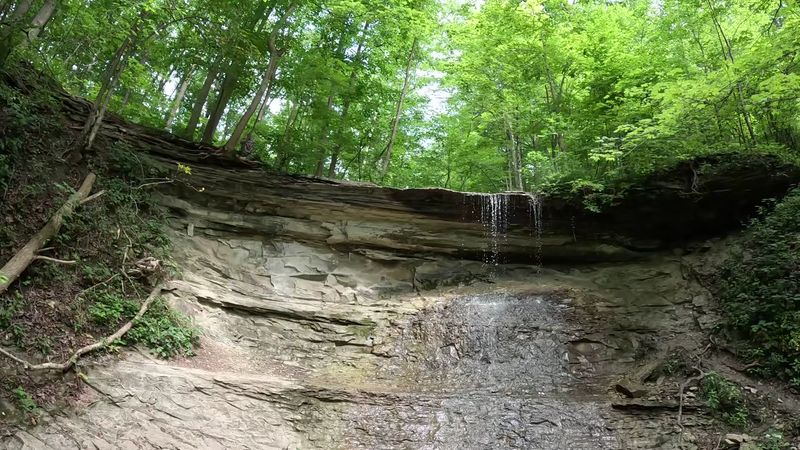
Some places earn their reputation through flashy marketing and heavy foot traffic, but Kokiwanee Nature Preserve earns its place through pure, uninterrupted beauty and a sense of absolute stillness. Located at 5825 E 50 S in Lagro, this 139-acre sanctuary is managed by the ACRES Land Trust and sits tucked away along the banks of the Salamonie River.
It is a place of dramatic geological contrasts, featuring towering shale bluffs that overlook the water and a series of cascading waterfalls that feel like a well-kept secret in a state not typically known for its rugged terrain.
The preserve is a haven for biodiversity, home to rare plants and a nesting site for Bald Eagles, which can often be seen soaring above the river valley. The trail system here is particularly special; it winds through old-growth forests and open meadows, leading hikers toward the hidden gems of the property like the enchanting Kissing Falls.
There is a specific kind of quiet here; the kind that allows you to hear the wind through the sycamores and the steady rush of the river, making it a rare escape from the modern world.
The nearby town of Lagro carries its own quiet history as a former canal town, and the proximity to the massive Salamonie Lake reservoir offers even more opportunities for those who want to extend their outdoor adventure.
7. The Black Wax Cafe, Kokomo

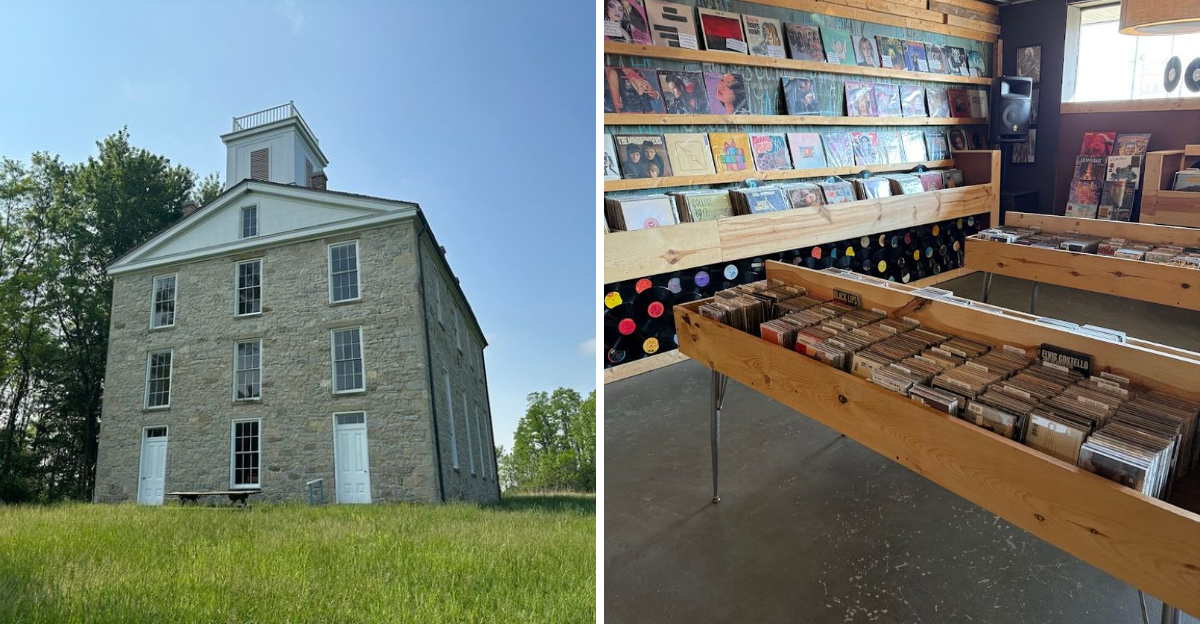
If you believe that music and caffeine are the two primary food groups, then Black Wax Cafe at 910 N Washington St, Kokomo, IN 46901 is going to feel like home. This isn’t just a place to grab a quick latte; it is a soulful, community-driven record shop that happens to serve great coffee.
In a world of digital streaming, walking into a room lined with vinyl records creates an immediate, tactile sense of nostalgia.
The atmosphere here is intentionally laid-back. You can spend an hour flipping through crates of new and used records, finding everything from rare jazz pressings to modern indie releases, all while the smell of roasting beans fills the air.
The staff knows their music, and they are always up for a conversation about what’s spinning on the turntable.
Kokomo has been working hard on its downtown revitalization, and Black Wax Cafe is a perfect example of that new energy. Nearby, the Kokomo Opalescent Glass factory at 1310 S Market St offers fascinating tours of the oldest glass company in America.
But for a shot of pure local culture, you can’t beat the cafe. It’s a reminder that the best travel discoveries aren’t always monuments or museums; sometimes, they are just the right song playing in the right room.
8. Metamora Grist Mill, Metamora
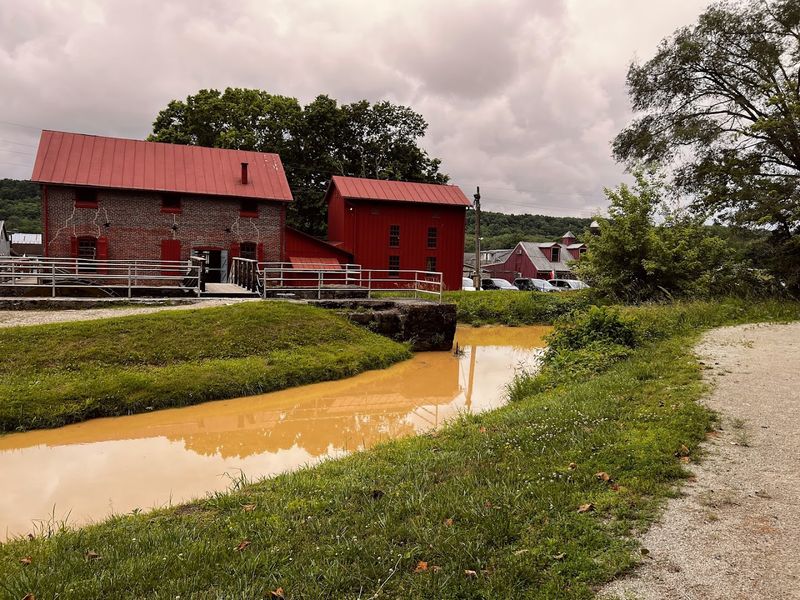
Step back about 200 years and you will find yourself right at home in Metamora, a tiny canal town that somehow still feels like the 1800s never left. The Metamora Grist Mill, located at 19054 Main St, Metamora, IN 47030, is a fully operational water-powered mill that still grinds corn into meal just like it did in 1845.
Watching the massive wooden waterwheel turn while the smell of fresh cornmeal drifts through the air is genuinely unforgettable.
The surrounding village is packed with antique shops, handmade candy stores, and scenic views along the old Whitewater Canal. Families with kids especially enjoy how hands-on and unhurried the whole experience feels.
You can walk across the Duck Creek Aqueduct, the only wooden covered bridge aqueduct still in operation in the United States, or hop on the Whitewater Valley Railroad for a scenic trip through the countryside.
For a true taste of the era, you can even buy a bag of stone-ground cornmeal or grits right from the mill to take home. Whether you are exploring the local blacksmith shop or simply watching the water ripple through the canal locks, it is the kind of place where the pace of life slows down to the speed of the water, making it a perfect escape for anyone who appreciates history served with a side of quiet, small-town charm.
9. Limberlost State Historic Site, Geneva
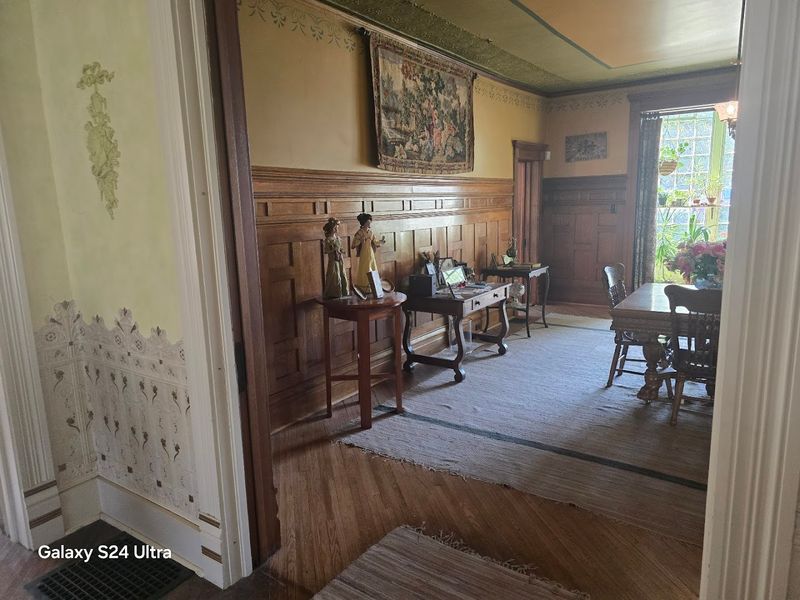
Gene Stratton-Porter was a naturalist, photographer, and bestselling novelist who called the swampy wilderness near Geneva, Indiana her creative home. Her restored cabin at the Limberlost State Historic Site, located at 200 E. 6th St., Geneva, IN 46740, sits right where she once waded through marshes to photograph moths and wildflowers at dawn.
The story of how she turned a soggy, overlooked swamp into world-famous nature writing is honestly one of Indiana’s most underappreciated chapters.
Visitors can tour her beautifully preserved 14-room Queen Anne-style log cabin, which she designed herself and filled with a must-see conservatory for her botanical studies. You can even see her original library and the darkroom where she meticulously developed her own nature photography.
Outside, you can explore the surrounding wetland trails or head just a few miles away to the Loblolly Marsh Nature Preserve to see the same landscapes that inspired her most famous books like A Girl of the Limberlost.
The site draws birders, history buffs, and curious travelers who leave feeling like they discovered something genuinely rare and worth protecting. It is a living testament to a woman who broke every societal mold of the early 20th century to become one of the most successful authors and conservationists in American history.
Whether you are there for the literature or the landscape, the “Limberlost” reminds you that even the most overlooked corners of nature have a powerful story to tell.
Dear Reader: This page may contain affiliate links which may earn a commission if you click through and make a purchase. Our independent journalism is not influenced by any advertiser or commercial initiative unless it is clearly marked as sponsored content. As travel products change, please be sure to reconfirm all details and stay up to date with current events to ensure a safe and successful trip.
