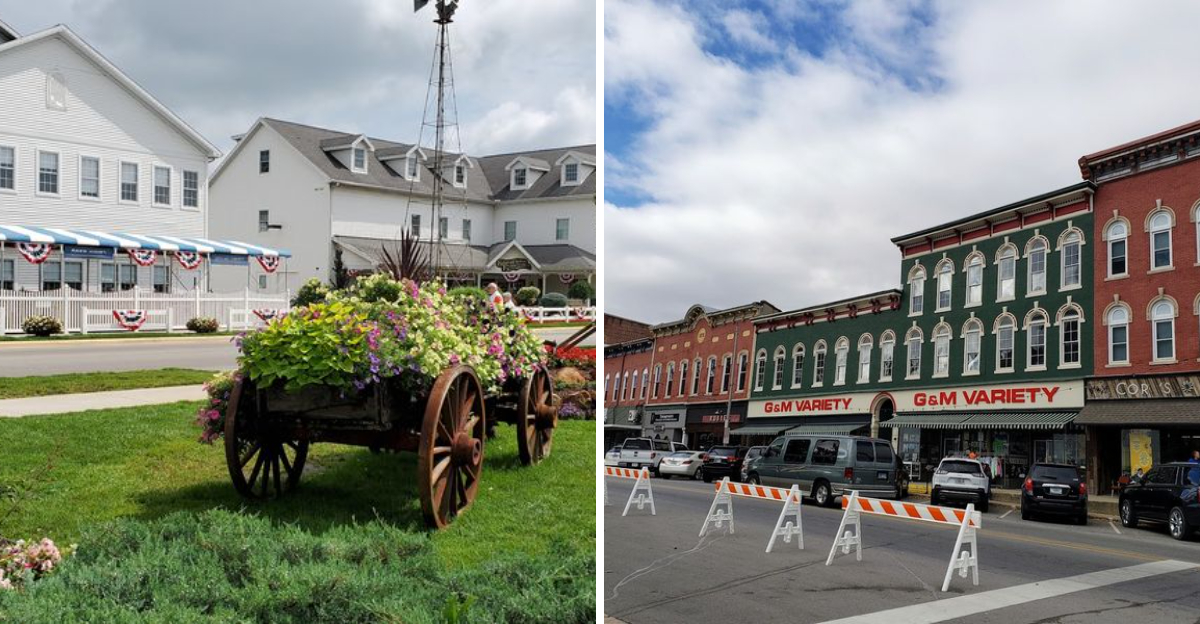
I’ll be honest with you. When most people think of Indiana, they picture Indianapolis, maybe the Indy 500, and corn fields stretching as far as the eye can see.
But I’ve spent a lot of time driving the back roads of this state, stopping in small towns that barely make the map, and what I found genuinely surprised me. These places have real history, real charm, and real people who are proud of where they live.
I grew up in a state where small towns have big personalities, so I know what to look for. Indiana’s underrated towns carry that same quiet confidence.
They have that feeling of stumbling onto something special before everyone else does. Whether you love outdoor adventures, local food scenes, quirky museums, or just a good long walk through history, there’s a town here that will speak to you.
1. Madison
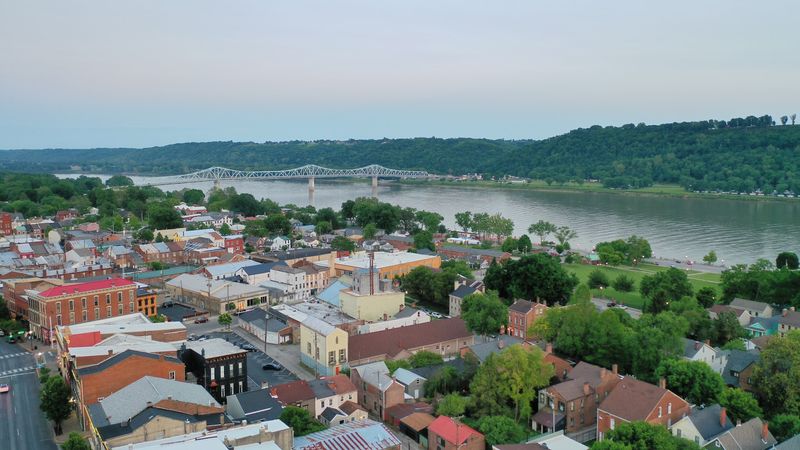
Madison sits right along the Ohio River, and the moment you roll into town, you get the sense that time has slowed down here in the best possible way. The entire downtown is a National Historic Landmark, which sounds fancy, but what it really means is that the streets are lined with beautifully preserved 19th-century buildings that feel lived-in and loved.
You won’t find a hollow museum piece here. You’ll find bakeries, boutiques, and local restaurants operating inside spaces with original brick and ironwork.
The Lanier Mansion State Historic Site at 601 W 1st Street is one of the most impressive Greek Revival homes in the entire Midwest. James Lanier, who helped finance the Union during the Civil War, built it in 1844, and it’s been restored to stunning condition.
The grounds alone are worth the visit, especially when the Ohio River is shimmering in the background.
Madison also hosts the Madison Regatta, a hydroplane boat race that draws thousands every July. Local spots like Red Pepperoni Pizza and Key West Shrimp House give you plenty of reasons to stay for dinner.
Walk the riverwalk at sunset and you’ll understand why people who visit Madison have a hard time leaving.
2. Corydon
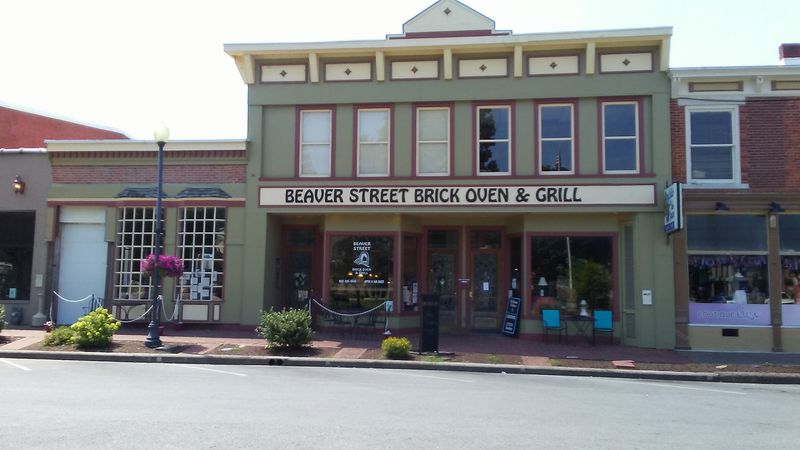
Corydon was Indiana’s very first state capital, and that fact alone makes it worth a detour. The old capitol building at 202 E Walnut Street is made of blue limestone quarried right from the surrounding hills, and it’s one of the oldest surviving capitol structures in the country.
Standing in front of it, you get a real sense of how young and ambitious this country was when Indiana joined the Union in 1816.
Beyond the history, Corydon has a surprisingly vibrant small-town energy. The square fills up on weekends with farmers markets, festivals, and locals who genuinely seem happy to be there.
The Zimmerman Art Glass Company nearby lets you watch skilled glassblowers create beautiful pieces by hand, which is one of those experiences that holds your attention far longer than you expect.
Squire Boone Caverns, just a short drive south of town, is a cave system discovered by the brother of Daniel Boone himself. The underground formations are genuinely jaw-dropping, and the cavern tour is family-friendly and fascinating.
Back in town, grab a meal at Magdalena’s Restaurant on Capitol Avenue for comfort food made with local ingredients. Corydon is the kind of place where every corner has a story attached to it.
3. Metamora
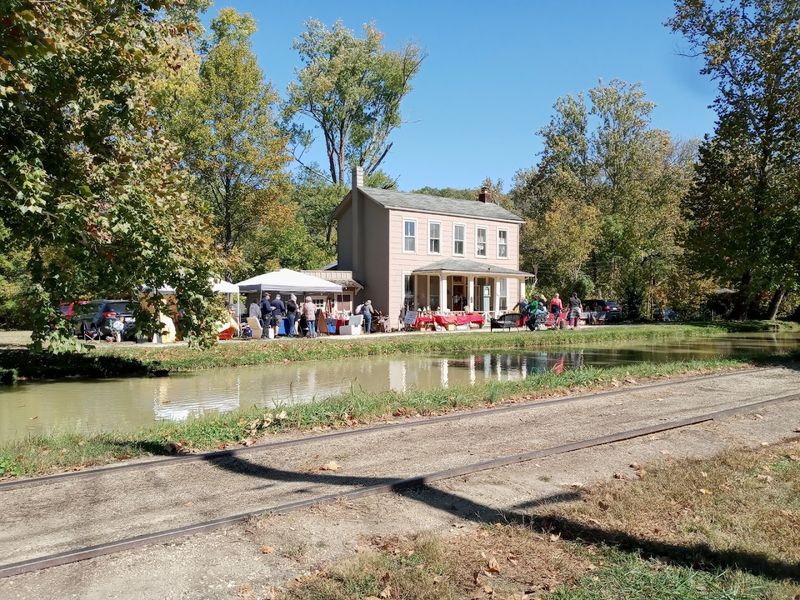
Metamora is one of those places that feels like it exists just slightly outside of normal time. The entire village is built around the Whitewater Canal, a working 19th-century waterway that once connected Indiana’s interior to Cincinnati.
Today, mule-drawn canal boat rides still operate here, which is not a recreation you can find just anywhere in the country. It’s genuinely charming, and kids absolutely love it.
The Metamora Grist Mill is the star of the show. Built in 1845, it still grinds cornmeal using water power from the canal, and you can buy fresh-ground meal right there on site.
The whole village is a State Historic Site, which means the buildings, the canal, and the mill are all preserved and operational. Walking the towpath beside the canal on a cool morning feels like stepping into a history book that’s still being written.
Shops along the main street sell handmade quilts, antiques, and old-fashioned candy that makes you feel nostalgic for a decade you never even lived through. The Duck Creek Aqueduct, one of the few remaining covered wooden aqueducts in the U.S., is nearby and worth a look.
Metamora draws big crowds during its fall festival, but visiting on a quiet weekday gives you the whole place practically to yourself.
4. Nashville
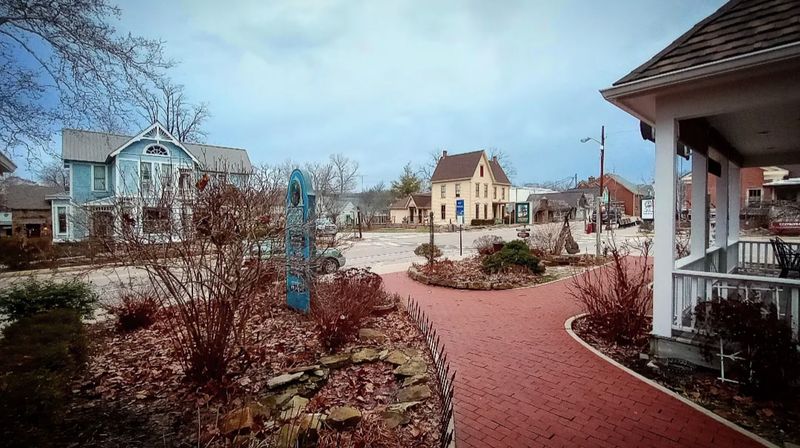
Not the one in Tennessee. Nashville, Indiana sits at the heart of Brown County, and it has been an artists’ colony since the early 1900s when painters started flocking here for the rolling hills and dramatic autumn light.
The creative spirit never left. Today the town is packed with galleries, craft studios, pottery shops, and hand-painted signs that give every block a personality of its own.
Brown County State Park, one of the largest state parks in Indiana, wraps around the town like a green embrace. Over 20,000 acres of hardwood forest make it a paradise for hikers, mountain bikers, and anyone who just wants to sit on a ridge and watch the leaves turn.
In October, the whole county looks like it caught fire in the most beautiful way possible, and Nashville becomes the epicenter of that experience.
The Brown County Art Gallery on South Van Buren Street showcases work from the original Hoosier Group painters alongside contemporary artists who carry that tradition forward. For food, the Nashville House restaurant has been serving fried biscuits with apple butter since 1859, and that alone is reason enough to visit.
The town can get busy on fall weekends, but the energy is festive rather than overwhelming, and the locals are genuinely welcoming to anyone who wanders in.
5. Shipshewana
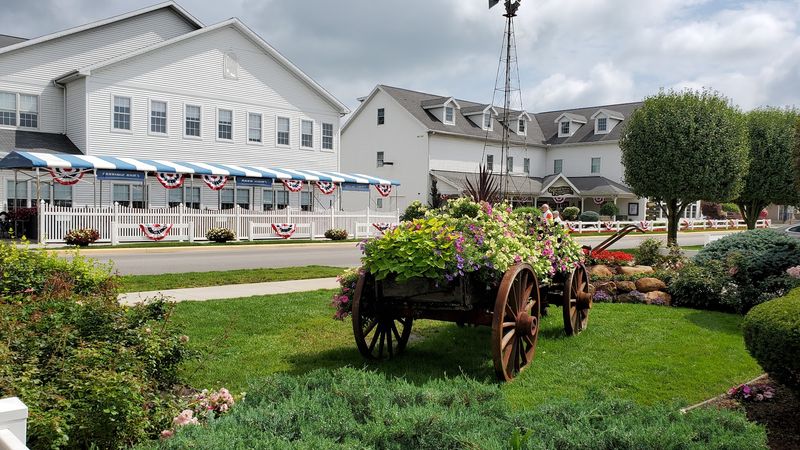
Shipshewana sits in the heart of Indiana’s Amish country, and it offers something genuinely rare in modern life: a front-row look at a community that has deliberately chosen a slower, quieter way of living. Horse-drawn buggies share the road with cars here, and that’s not a tourist gimmick.
It’s just Tuesday. The contrast between the two worlds coexisting peacefully is something you have to see to fully appreciate.
The Shipshewana Auction and Flea Market is one of the largest in the Midwest, drawing thousands of visitors every Wednesday and Thursday from May through October. You can find handmade furniture, fresh produce, quilts, tools, and the kind of random treasures that make flea market hunting so addictive.
The craftsmanship on the Amish-made furniture is extraordinary, and prices are far more reasonable than what you’d pay at a boutique furniture store.
Blue Gate Restaurant and Theatre on State Road 5 serves massive Amish-style meals that are the kind of food you think about for weeks afterward. The shoofly pie alone is worth the drive.
The Menno-Hof Mennonite and Amish Visitors Center gives thoughtful context to the culture you’re experiencing, which makes the whole visit feel more respectful and meaningful. Shipshewana is one of those places that resets your sense of what matters.
6. Vevay
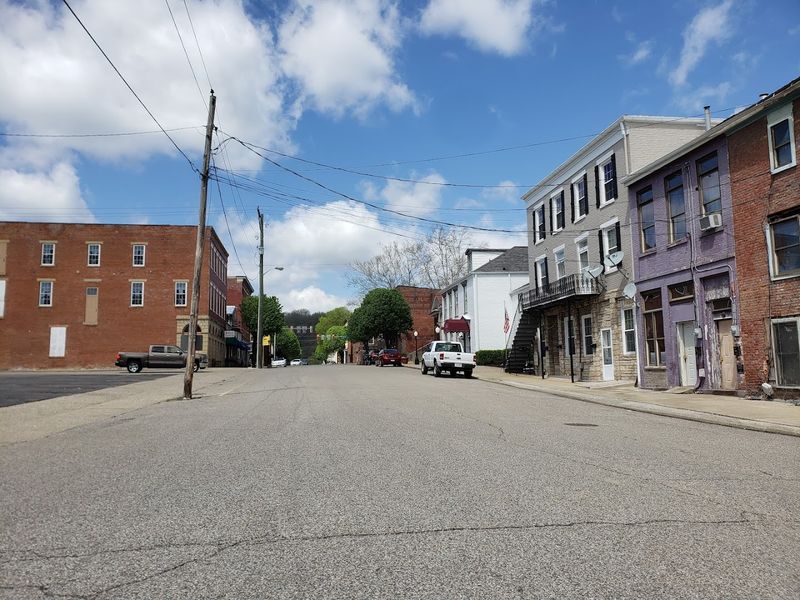
Vevay is the kind of town that makes you wonder why it isn’t more famous. Founded by Swiss immigrants in the early 1800s, it was once the center of Indiana’s wine-growing region, and that European heritage still shows up in the architecture, the festivals, and the overall aesthetic of the place.
The historic district along the Ohio River is genuinely beautiful, with Victorian homes and Federal-style buildings that have been carefully maintained over the decades.
The Switzerland County Historical Museum at 210 E Market Street tells the full story of how Swiss settlers shaped this corner of Indiana, and it does so in a way that feels personal rather than academic. Artifacts, photographs, and handwritten documents bring the founding families to life in a way that dry history textbooks never quite manage.
It’s the kind of museum that keeps you longer than you planned.
Markland Dam and Reservoir just outside of town is a great spot for fishing and watching massive river barges navigate the Ohio. The annual Swiss Wine Festival in August draws visitors from across the region with music, food, and community pride that feels genuinely warm rather than performative.
Grab a meal at the Overlook Restaurant and watch the river roll by while you eat. Vevay moves at its own relaxed pace, and after about an hour, you start moving at that pace too.
7. Chesterton
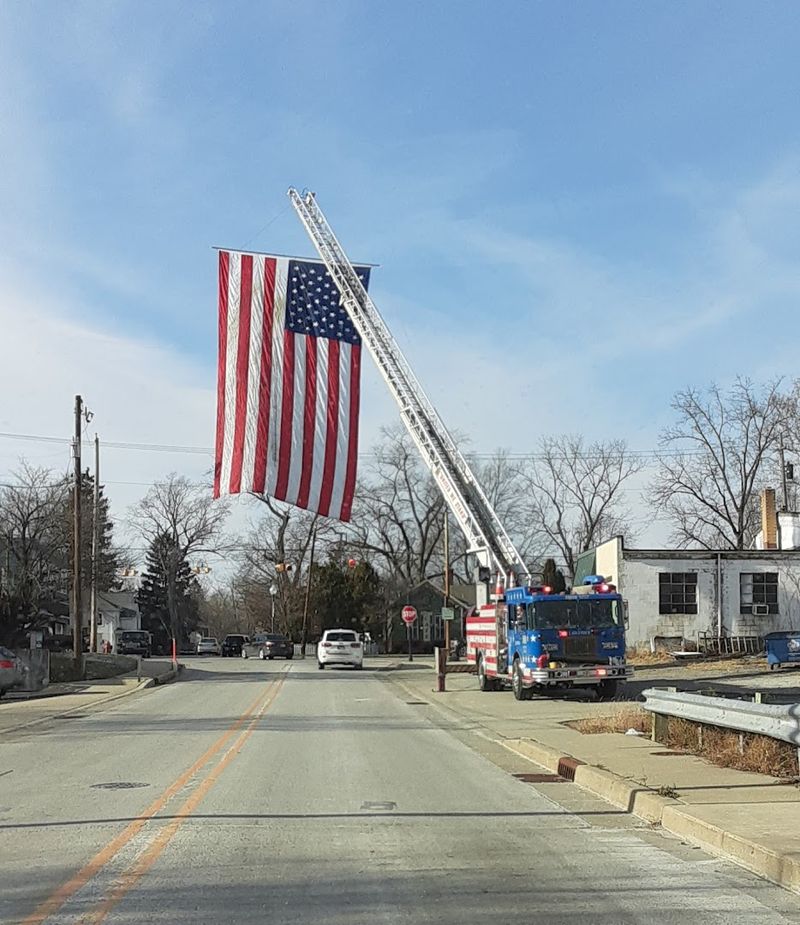
Chesterton doesn’t always get mentioned in the same conversation as the Indiana Dunes, but it probably should. This small town serves as the perfect home base for exploring Indiana Dunes National Park, which stretches along the southern shore of Lake Michigan and offers some of the most surprisingly dramatic scenery in the entire Midwest.
Yes, Indiana has real sand dunes. Yes, they’re worth the drive.
Mount Baldy is the park’s most famous dune, rising 126 feet above the lake and offering a view that genuinely takes your breath away. The park itself has over 15,000 acres of shoreline, wetlands, forests, and prairie, making it one of the most ecologically diverse national parks in the country.
Birding here is exceptional, with over 350 species recorded in the area, which makes it a quiet favorite among serious birders from across the region.
Back in town, the Chesterton European Market on Saturday mornings draws vendors selling handmade goods, fresh food, and local art in a festive outdoor setting. The Yellow Brick Road Gift Shop and Wizard of Oz Museum at 109 E Yellow Brick Road is a quirky, delightful stop that celebrates L.
Frank Baum’s connection to the area. Lucrezia Cafe on Broadway Street serves outstanding Italian food in a cozy setting that feels like a genuine neighborhood gem.
Chesterton earns its spot on this list every single time.
8. Rockville
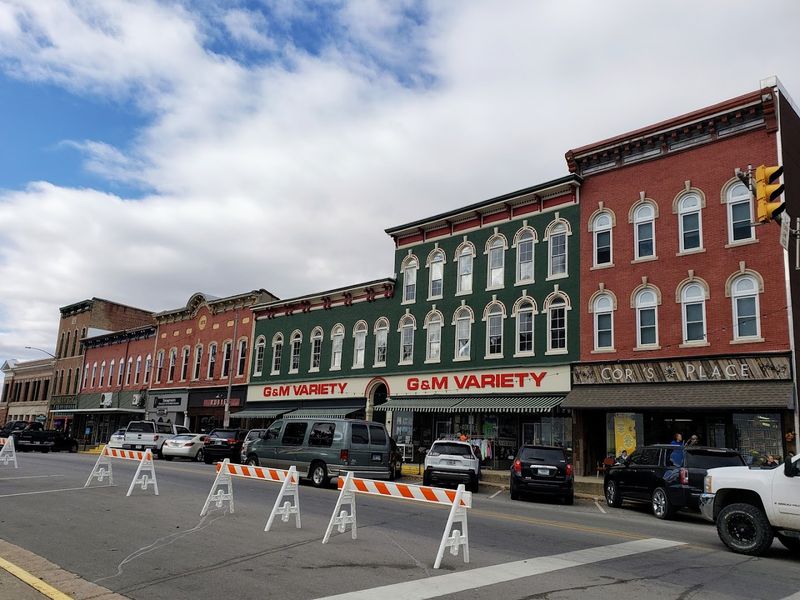
Rockville is the seat of Parke County, which holds the remarkable distinction of having more covered bridges than any other county in the United States. There are 31 of them scattered across the county’s back roads, each one with its own age, style, and story.
Driving the covered bridge tour map in October, when the surrounding trees are blazing with color, is one of those experiences that genuinely earns the word magical without feeling like an overstatement.
The Parke County Covered Bridge Festival happens every October and draws hundreds of thousands of visitors over ten days. Food vendors, craft booths, and live music fill the festival grounds, and the whole county feels alive in a way that small towns rarely get to experience.
It’s a celebration that locals clearly look forward to all year, and that enthusiasm is contagious.
Turkey Run State Park, just a short drive from Rockville, offers rugged canyon hiking through sandstone gorges that feel more like something from the American Southwest than the Midwest. The Sugar Creek flows through the park and is popular for canoeing.
The Billie Creek Village at 69 County Road 250 East is a living history museum with 38 original structures including three covered bridges, a working farm, and costumed interpreters who bring the 1800s to life. Rockville rewards the curious traveler with something around every bend.
9. Leavenworth
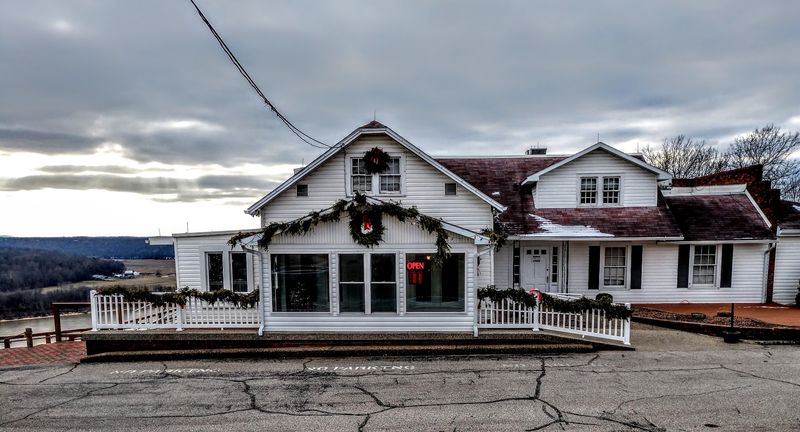
Leavenworth is the kind of place that stops you mid-sentence. The town sits on a high bluff above the Ohio River, and the views from certain spots along the ridge are the sort that make you pull over and just stand there for a while.
The river curves dramatically through the valley below, and on a clear day you can see deep into Kentucky. It’s one of Indiana’s best-kept scenic secrets, and the locals seem to like it that way.
Wyandotte Caves, part of the O’Bannon Woods State Park complex nearby, is one of the largest cave systems in the eastern United States. The caves contain massive underground formations including Monument Mountain, a 35-foot column that rises inside a cathedral-sized chamber.
Guided tours run regularly and are appropriate for most fitness levels, though some passages require a bit of crouching and adventurous spirit.
O’Bannon Woods State Park itself offers hiking trails that wind through old-growth forest and along creek drainages that feel genuinely wild and remote. The Overlook Restaurant in Leavenworth sits right on the edge of the bluff and serves classic American food with a view that is almost unfairly good.
On a foggy morning, the Ohio River valley below looks like something painted rather than real. Leavenworth is proof that Indiana’s southern edge is as beautiful as anywhere in the country.
Dear Reader: This page may contain affiliate links which may earn a commission if you click through and make a purchase. Our independent journalism is not influenced by any advertiser or commercial initiative unless it is clearly marked as sponsored content. As travel products change, please be sure to reconfirm all details and stay up to date with current events to ensure a safe and successful trip.
