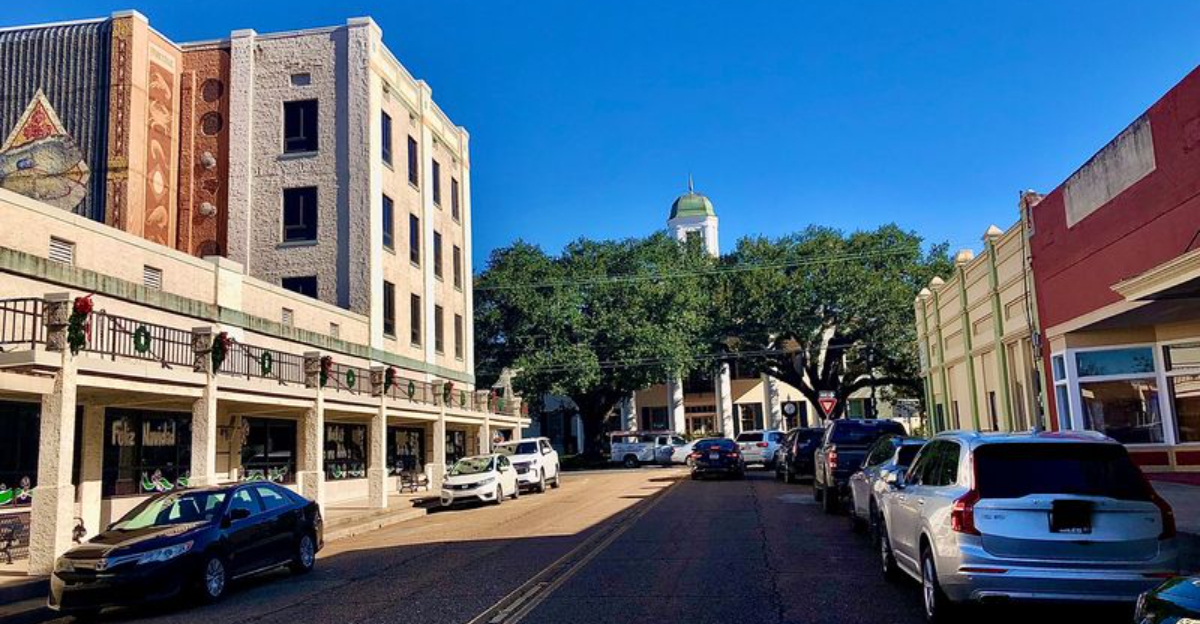
Louisiana holds secrets in its smallest corners, where culture blooms away from the bustling tourist trails.
These hidden towns carry stories of music, food, and traditions that have survived for generations without fanfare.
While New Orleans and Baton Rouge capture the spotlight, quieter communities preserve authentic Louisiana heritage in remarkable ways.
From Creole kitchens to accordion-filled dance halls, these underrated destinations offer genuine experiences that connect visitors to the state’s soul.
Traveling through these towns means discovering places where locals still gather on front porches, where recipes pass through families like heirlooms, and where festivals celebrate traditions rather than crowds.
The culture here doesn’t shout for attention, yet it resonates deeply with anyone who takes the time to listen.
Each community on this list maintains its unique identity while honoring the diverse influences that shaped Louisiana’s character.
Whether you’re drawn to historic architecture, live music in intimate venues, or conversations with artisans who practice centuries-old crafts, these towns deliver authenticity.
They represent Louisiana’s heart, beating steadily beneath the surface, waiting for curious travelers to appreciate their quiet magnificence.
1. Breaux Bridge
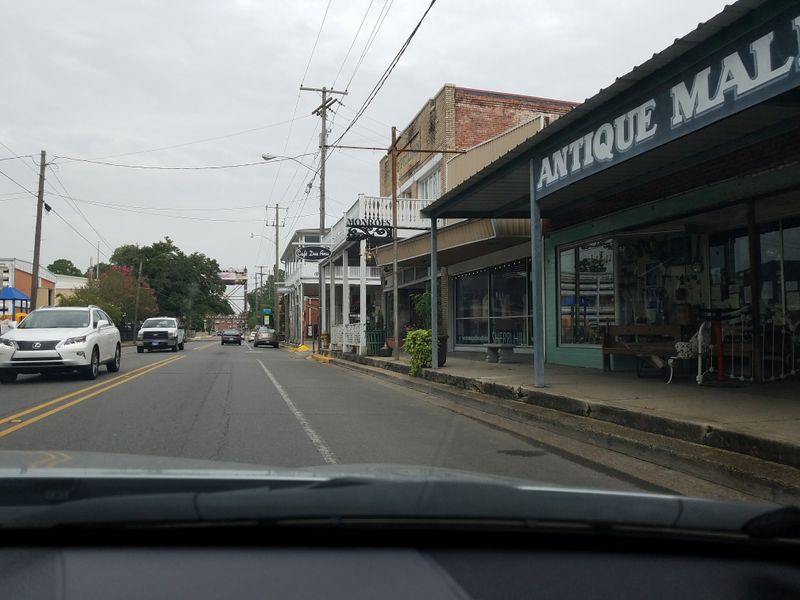
Crawfish capital claims might sound bold, but Breaux Bridge earns this title through generations of culinary mastery and cultural pride.
This Cajun jewel sits along Bayou Teche, where moss-draped cypress trees frame a downtown that feels frozen in the best possible era.
Main Street hosts family-owned restaurants where recipes haven’t changed in fifty years because perfection needs no adjustment.
Mulate’s Original Cajun Restaurant at 325 Mills Avenue has been serving authentic cuisine since 1980, with live Cajun music filling the dining room nightly.
The dance floor stays crowded with locals who two-step like they were born doing it, because many of them were.
Visitors quickly learn that watching isn’t enough; friendly dancers will pull you onto the floor and teach you the basic steps between songs.
Beyond the food, Breaux Bridge celebrates its heritage through art galleries and antique shops tucked into historic buildings.
The town’s monthly art walk transforms sidewalks into open-air galleries where local artists display everything from traditional Acadian crafts to contemporary Louisiana-inspired paintings.
Lake Martin, just minutes away, offers some of the state’s best bird-watching and swamp tours through pristine cypress-tupelo wetlands.
What makes this town special isn’t just preservation; it’s continuation.
Young musicians still learn accordion from their grandparents, and teenagers work in their family’s restaurants, absorbing techniques that can’t be taught from books.
The Crawfish Festival each May draws crowds, but any regular Saturday morning at the local farmers market reveals the same authentic spirit.
Conversations happen in French as often as English, and nobody rushes through anything, especially not a good meal or a better story.
2. St. Martinville
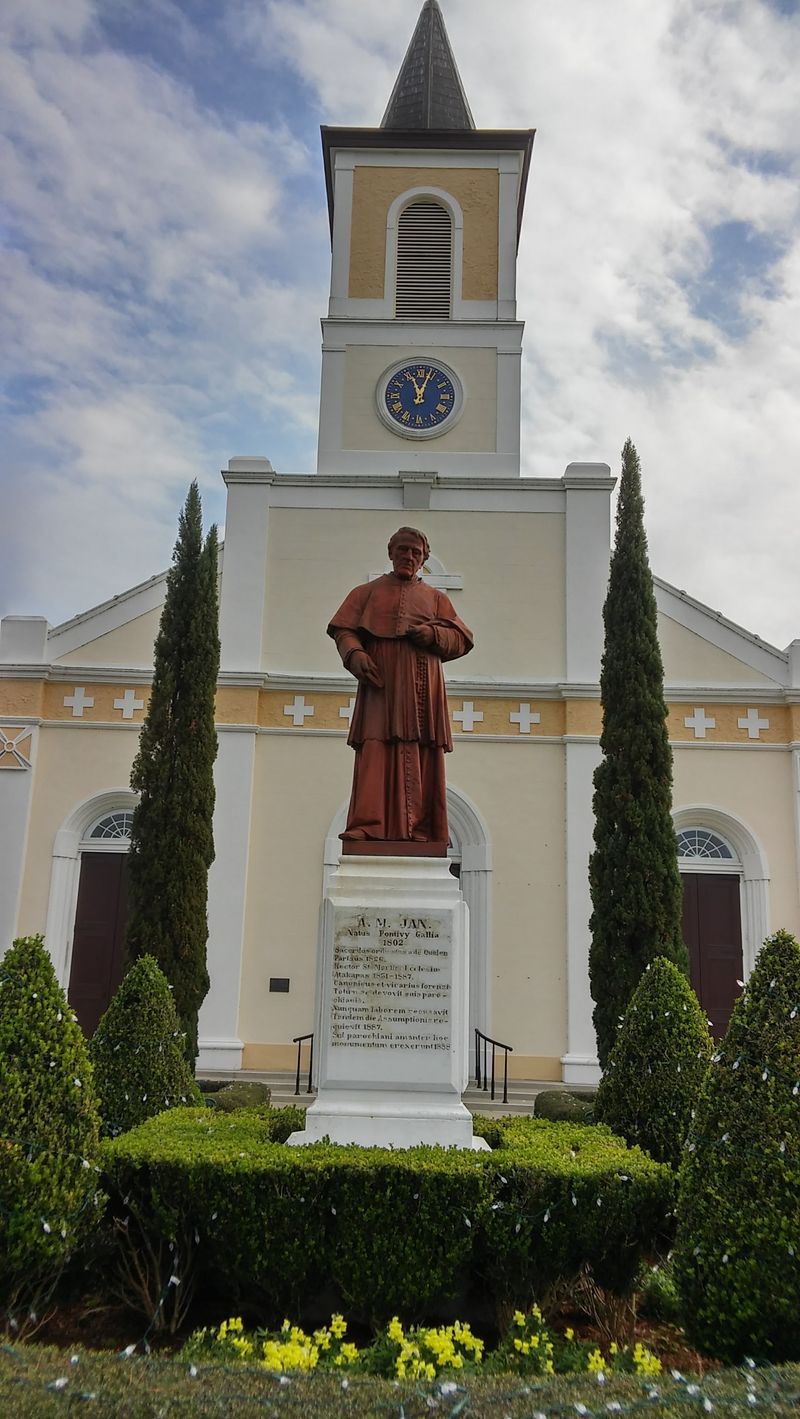
French aristocrats fled revolutionary France and found refuge here, transforming this riverside settlement into “Le Petit Paris” during the late 1700s.
Today, St. Martinville wears its history like a comfortable coat, with every corner whispering tales of Acadian exile, Creole elegance, and enduring faith.
The town square centers around St. Martin de Tours Catholic Church, established in 1765, where stained glass windows cast colorful patterns across centuries-old pews.
Behind the church stands the legendary Evangeline Oak, made famous by Longfellow’s epic poem about separated Acadian lovers.
Whether the story holds complete historical accuracy matters less than what the tree represents—a symbol of perseverance and cultural survival.
The Acadian Memorial and Museum at 121 South New Market Street honors the Great Upheaval, when British forces expelled French colonists from Nova Scotia.
An eternal flame burns here, and the Wall of Names lists Acadian families who rebuilt their lives in Louisiana’s welcoming landscape.
Walking through St. Martinville’s historic district feels like time travel without the science fiction.
Creole cottages and French colonial buildings line quiet streets where residents still know their neighbors’ names and family histories.
The African American Museum at 125 South New Market Street tells crucial stories about the community’s Black Creole heritage, including contributions to Louisiana’s unique cultural blend.
Local restaurants serve both Cajun and Creole specialties, highlighting how different traditions merged into something entirely new.
Weekends bring accordion music drifting from community halls, and the town’s cultural calendar includes traditional celebrations that have continued uninterrupted for generations.
This isn’t a reconstructed historic village; it’s a living community that simply refuses to forget where it came from.
3. Eunice
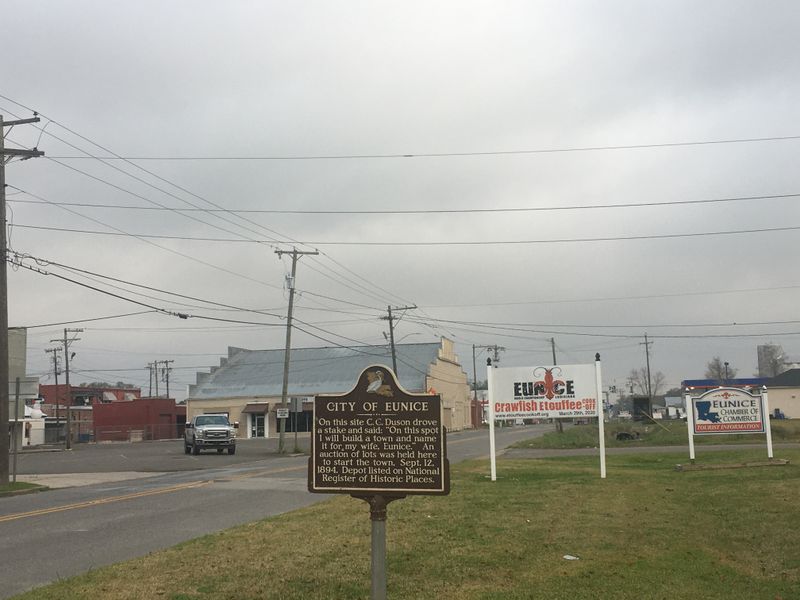
Prairie Cajun culture finds its truest expression in Eunice, where accordion music isn’t background noise but the soundtrack of daily life.
Unlike the bayou Cajuns to the south, prairie Cajuns developed distinct traditions influenced by the flat, agricultural landscape surrounding this community.
The Liberty Theater at 200 West Park Avenue hosts Rendez-Vous des Cajuns every Saturday evening, a live radio show broadcast since 1987 that showcases traditional music and humor.
Attending this weekly performance means experiencing Cajun culture as locals do; unpolished, authentic, and joyfully participatory.
Musicians range from seasoned legends to teenage prodigies, all sharing stages in a theater that opened in 1924.
The show happens in both French and English, with jokes that sometimes get lost in translation but always earn genuine laughter from the packed house.
Tickets cost less than a movie, and the experience delivers infinitely more cultural richness.
The Prairie Acadian Cultural Center at 250 West Park Avenue, part of Jean Lafitte National Historical Park, offers exhibits explaining how Cajuns adapted French traditions to Louisiana’s prairies.
Interactive displays let visitors try their hand at accordion playing or learn basic Cajun French phrases.
Eunice also hosts the World Championship Crawfish Étouffée Cook-Off each March, where family recipes compete for bragging rights that last all year.
Beyond organized events, Eunice’s culture lives in everyday moments; farmers discussing rice crops in French at the local diner, elderly couples dancing at afternoon fais do-dos, and children learning fiddle tunes that their ancestors brought from Canada centuries ago.
The town’s Mardi Gras celebration follows ancient Courir de Mardi Gras traditions, with costumed riders on horseback traveling the countryside, a spectacle vastly different from New Orleans parades yet equally rooted in Louisiana’s complex cultural heritage.
4. New Iberia
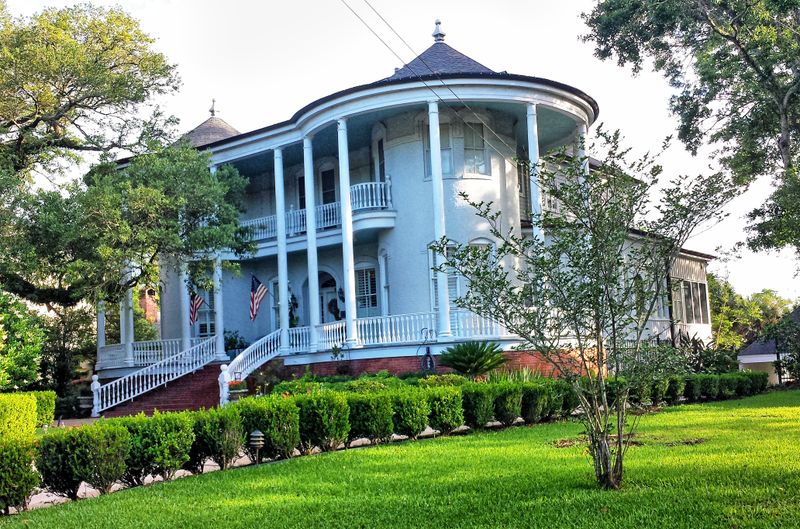
Spanish settlers established this bayou town in 1779, naming it after the Iberian Peninsula and creating a community where multiple cultures would eventually blend into something distinctly Louisiana.
New Iberia sits along Bayou Teche’s gentle curves, where antebellum homes and ancient oaks create scenes worthy of Southern Gothic novels.
The downtown historic district preserves architecture spanning two centuries, with cast-iron balconies and brick facades housing local businesses that have served families for generations.
Shadows-on-the-Teche at 317 East Main Street offers tours of an 1834 plantation home surrounded by gardens that bloom year-round.
Unlike some plantation tours that gloss over difficult history, this National Trust property addresses the lives of enslaved people who worked the grounds, providing a more complete historical picture.
The home’s name comes from massive oak trees casting shadows across the bayou, creating patterns that shift throughout the day like living artwork.
New Iberia’s cultural diversity shows in its food scene, where Cajun, Creole, Spanish, and African influences merge on every menu.
Victor’s Cafeteria at 109 West Main Street has served home-style Louisiana cooking since 1948, with daily lunch specials that draw crowds willing to wait for tables.
The original Tabasco factory on nearby Avery Island welcomes visitors to tour the facility where Edmund McIlhenny created his famous pepper sauce in 1868, a Louisiana product now shipped worldwide.
Local festivals celebrate everything from sugarcane harvest to Creole heritage, with the annual Books Along the Teche Literary Festival attracting authors and readers each spring.
Jungle Gardens on Avery Island provides 170 acres of botanical beauty, including a bird sanctuary where snowy egrets nest in dramatic numbers.
New Iberia doesn’t shout about its attractions; it simply maintains them with quiet pride, trusting that visitors will appreciate authenticity over manufactured experiences.
5. Natchitoches
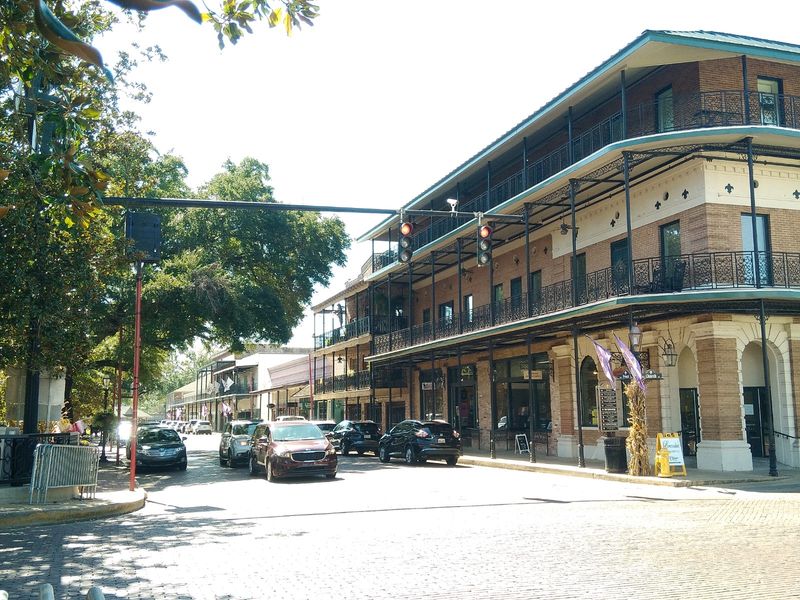
Established in 1714, Natchitoches claims the title of Louisiana’s oldest permanent settlement, predating even New Orleans by four years.
This distinction matters because the town has had three centuries to perfect the art of preserving culture while adapting to change.
The historic district along Cane River Lake showcases French Creole architecture that survived because locals valued heritage over modernization, creating a 33-block area listed on the National Register of Historic Places.
Brick-paved Front Street runs parallel to the lake, lined with shops, galleries, and restaurants occupying buildings that witnessed Louisiana’s transformation from French colony to American state.
Christmas transforms Natchitoches into a wonderland of lights, with over 300,000 bulbs illuminating the riverbank for the annual Festival of Lights, a tradition since 1927.
But visiting during quieter months reveals the town’s authentic character better than any festival can.
The Cane River Creole National Historical Park preserves Oakland and Magnolia Plantations, where descendants of the original French-African Creole families maintained their land for generations.
These sites tell stories rarely highlighted in Louisiana tourism; tales of free people of color who owned property, built successful businesses, and created a distinct Creole culture that blended French, Spanish, African, and Native American influences.
The Natchitoches Meat Pie, a local specialty, reflects this cultural mixing, combining savory ingredients in a pastry that locals have perfected over generations.
Northwestern State University brings youthful energy to this historic town, creating an interesting dynamic between preservation and progress.
Local festivals like the Natchitoches-Northwestern Folk Festival showcase traditional crafts, music, and foodways that might otherwise fade from memory.
Melrose Plantation, once home to self-taught artist Clementine Hunter, displays her vibrant paintings depicting plantation life from an African American perspective, artwork now held in major museums nationwide yet most powerfully experienced in her original home.
6. Abbeville
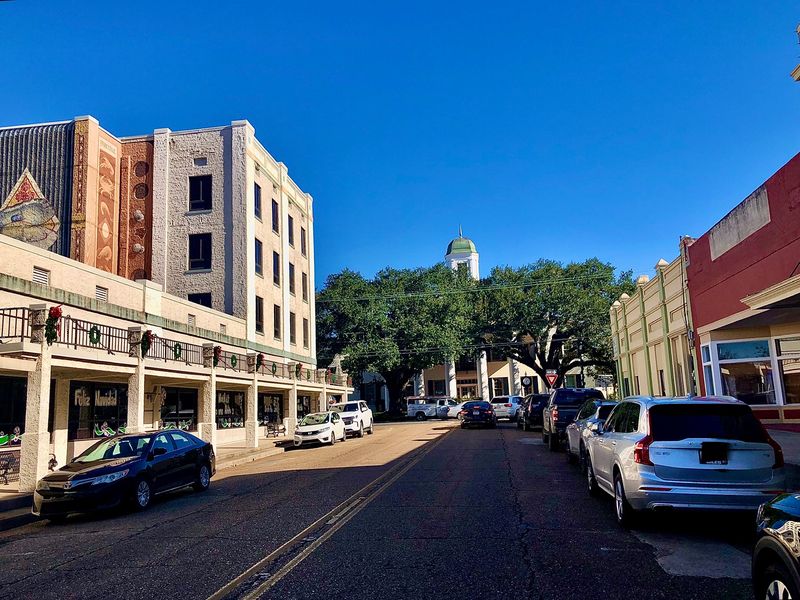
Père Antoine Désiré Mégret founded Abbeville in 1843, naming it after his French hometown and establishing a community that would become known as the “Gateway to the Wetlands.”
The town square centers around an elegant courthouse surrounded by oaks that have witnessed generations of Abbeville families growing, changing, and maintaining traditions despite modern pressures.
Local businesses around the square include shops that have served the community for decades, their owners knowing customers by name and family history.
Magdalen Square hosts festivals throughout the year, but the Giant Omelette Celebration each November stands out for sheer culinary ambition.
Volunteers crack over 5,000 eggs into a giant skillet, creating an omelette large enough to feed thousands while honoring Abbeville’s sister-city relationship with Bessières, France.
This event perfectly captures the town’s character; rooted in French heritage yet uniquely Louisiana in execution and spirit.
St. Mary Magdalen Catholic Church, built in 1910, dominates the square with Gothic Revival architecture that reminds visitors of European cathedrals scaled for a small Southern town.
Abbeville’s proximity to coastal wetlands makes it a paradise for outdoor enthusiasts, with fishing, hunting, and bird-watching opportunities just minutes from downtown.
Local guides offer swamp tours that venture into ecosystems teeming with alligators, herons, and roseate spoonbills.
The town also serves as headquarters for several working ranches and farms, maintaining agricultural traditions that have sustained Vermilion Parish for generations.
Downtown restaurants serve Cajun classics with recipes passed through families like treasured heirlooms, and nobody rushes through meals here.
Dupuy’s Oyster Shop at 108 South Main Street has been shucking oysters since 1869, making it one of Louisiana’s oldest continuously operating restaurants.
Abbeville doesn’t market itself as a tourist destination, which paradoxically makes it more appealing to travelers seeking genuine Louisiana experiences rather than commercialized attractions.
7. Mandeville
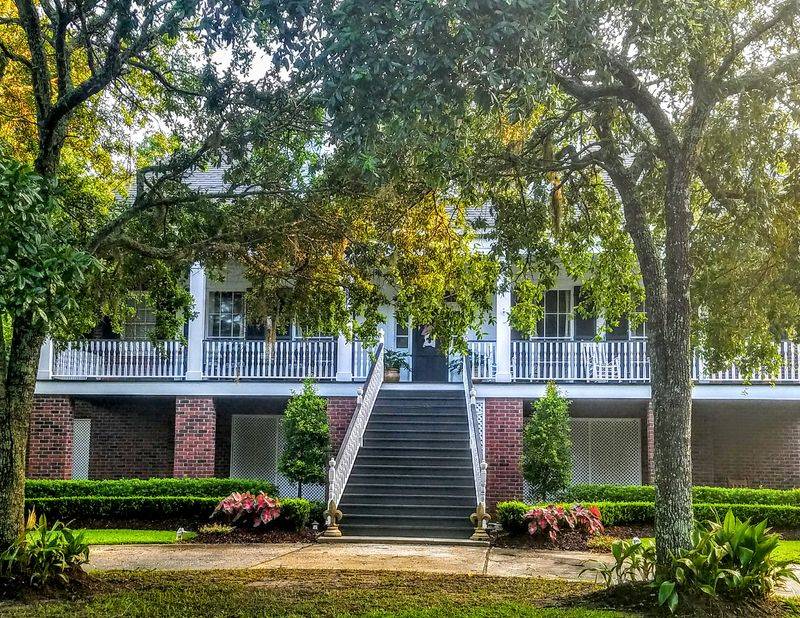
Across Lake Pontchartrain from New Orleans sits Mandeville, a town that developed as a summer retreat for wealthy Creole families escaping the city’s oppressive heat and disease.
Today it maintains a relaxed, artistic atmosphere that distinguishes it from both its famous neighbor across the water and the rural communities deeper into Louisiana’s interior.
The lakefront offers stunning sunset views, with sailboats drifting across water that stretches to the horizon like an inland sea.
Old Mandeville’s historic district preserves cottages and homes dating to the 1800s, many now housing art galleries, boutiques, and restaurants that reflect the town’s creative spirit.
The Dew Drop Jazz and Social Hall, built in 1895, once hosted performances by early jazz legends and now serves as a cultural center preserving African American musical heritage.
Lakeshore Drive provides a scenic route past grand homes and public beaches where families gather for picnics and children wade in shallow waters.
Fontainebleau State Park at 62883 Highway 1089 offers hiking trails through pine forests and along the lake, with ruins of a sugar mill adding historical intrigue to natural beauty.
The park’s location on the north shore means slightly cooler temperatures and different vegetation than southern Louisiana, creating ecosystems that feel almost like a different state.
Mandeville’s dining scene leans toward fresh seafood prepared with Creole influences, and outdoor patios stay busy year-round thanks to the area’s temperate climate.
The town hosts a thriving arts community, with galleries showcasing local painters, sculptors, and craftspeople whose work draws inspiration from Louisiana’s landscapes and culture.
Farmers markets bring together growers from surrounding parishes, offering produce, prepared foods, and handmade goods in settings that encourage conversation and community connection.
Mandeville proves that Louisiana culture isn’t monolithic; this north shore community interprets the state’s heritage through its own unique lens, creating traditions that honor the past while embracing contemporary creativity.
8. Thibodaux
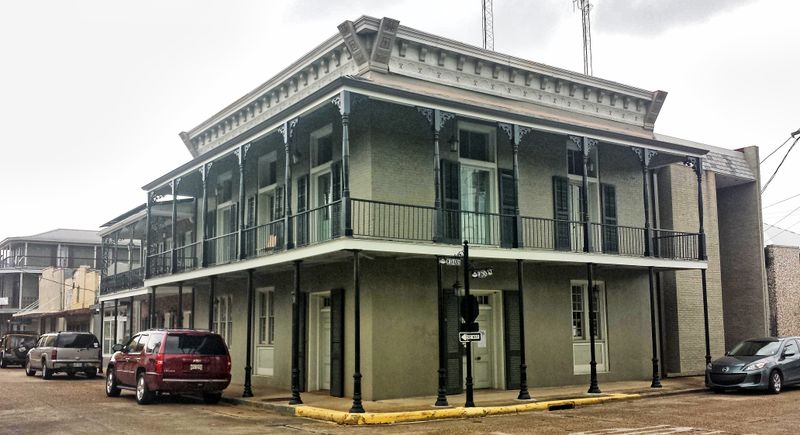
Sugar cane fields surround Thibodaux, a Lafourche Parish town where Cajun and Creole cultures merge along Bayou Lafourche, once called the “longest street in the world” because homes lined both banks for over a hundred miles.
The town developed as a center of Louisiana’s sugar industry, and that agricultural heritage remains visible in historic districts where plantation owners’ mansions stand blocks away from more modest Creole cottages.
Nicholls State University adds educational vitality to this community of roughly 15,000, creating interesting dynamics between tradition and youthful energy.
The Wetlands Acadian Cultural Center at 314 St. Mary Street, another Jean Lafitte National Historical Park site, focuses specifically on how Cajuns adapted to Louisiana’s wetland environments.
Exhibits explain boat-building techniques, fishing methods, and the unique relationship between these communities and their watery surroundings.
Rouse’s Supermarket, headquartered in Thibodaux, started as a small grocery in 1960 and grew into a regional chain that still emphasizes Louisiana products and local suppliers, reflecting the town’s business philosophy of growth without abandoning roots.
Downtown Thibodaux preserves buildings from various architectural periods, with the 1855 St. Joseph Co-Cathedral displaying Gothic Revival elegance that dominates the skyline.
Local restaurants serve both Cajun and Creole specialties, with debates about proper gumbo ingredients sparking friendly arguments that have continued for generations.
The annual Firemen’s Fair each September has celebrated local volunteer firefighters since 1946, with rides, games, and food booths that transform downtown into a community celebration.
Laurel Valley Village, just outside town, preserves the largest surviving 19th-century sugar plantation complex in the United States, with over sixty structures including worker housing, a general store, and sugar mill equipment.
Walking through this site provides unfiltered glimpses into how Louisiana’s sugar industry operated and who performed the backbreaking labor that generated enormous wealth for landowners while creating very different realities for workers and their families.
Dear Reader: This page may contain affiliate links which may earn a commission if you click through and make a purchase. Our independent journalism is not influenced by any advertiser or commercial initiative unless it is clearly marked as sponsored content. As travel products change, please be sure to reconfirm all details and stay up to date with current events to ensure a safe and successful trip.
