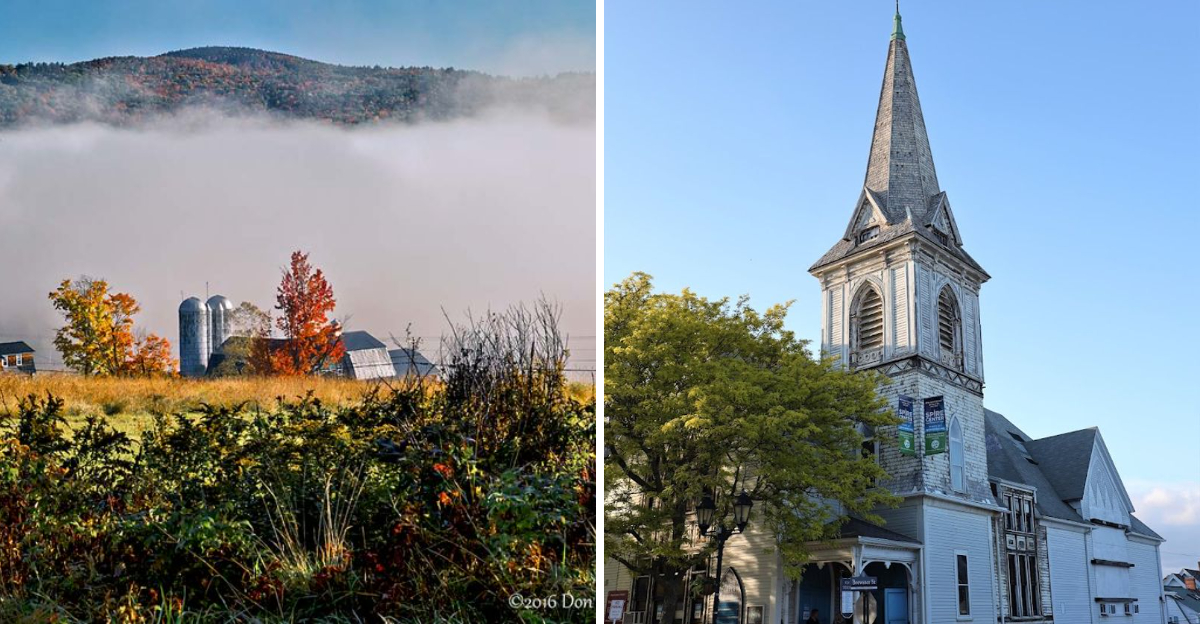
Everyone knows the famous towns in New Hampshire, the ones that show up on every postcard and every influencer’s feed, but the state is full of smaller places that do not get nearly enough attention. I have spent the last few months driving to the corners of New Hampshire, searching for towns that are overlooked for no good reason, and I have found ten that are absolutely worth the drive.
These are the kinds of places with Main Streets that still feel like Main Streets, local diners where everyone knows everyone, and landscapes that will make you wonder why more people are not talking about them. Pack a snack, fill up the gas tank, and go see the New Hampshire that most tourists miss entirely.
1. Littleton
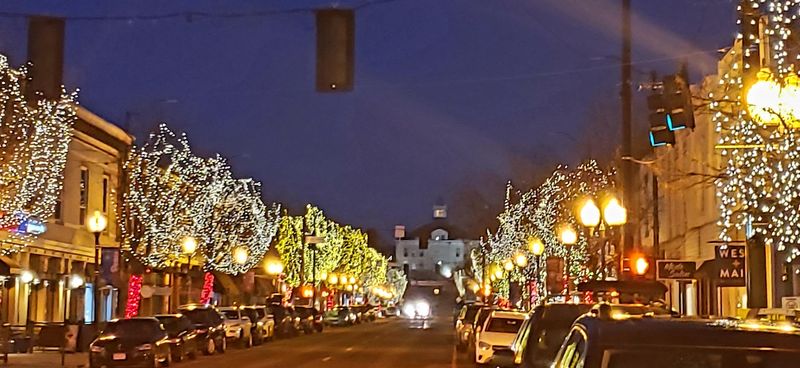
Main Street in Littleton might just be the most cheerful stretch of pavement in all of New England. Lined with independent shops, cozy cafes, and century-old brick facades, it’s the kind of place that makes you slow your roll and actually look around.
I wandered down here on a Tuesday afternoon and felt like I’d stumbled into a movie set, except everything was refreshingly real.
The River Walk Covered Bridge is an absolute must. Spanning the Ammonoosuc River, this classic covered bridge is perfect for a slow stroll with the sound of rushing water below and mountain views all around.
It connects beautifully to the rest of the town’s walkable riverside path, which winds through some genuinely gorgeous scenery.
No trip to Littleton is complete without a stop at Chutters, located at 43 Main Street. It holds the record for the world’s longest candy counter, and yes, that is as magical as it sounds.
Whether you’re picking out childhood favorites or discovering something new, the experience is pure, sugary joy.
Situated near the White Mountains, Littleton also serves as a fantastic base for outdoor adventures. Hiking trails, scenic drives, and waterfalls are all within easy reach.
The town has this rare balance of small-town warmth and genuine things to do, which makes it feel like a real destination rather than just a pit stop on the way to somewhere else. Littleton earns every mile of the drive.
2. Wolfeboro
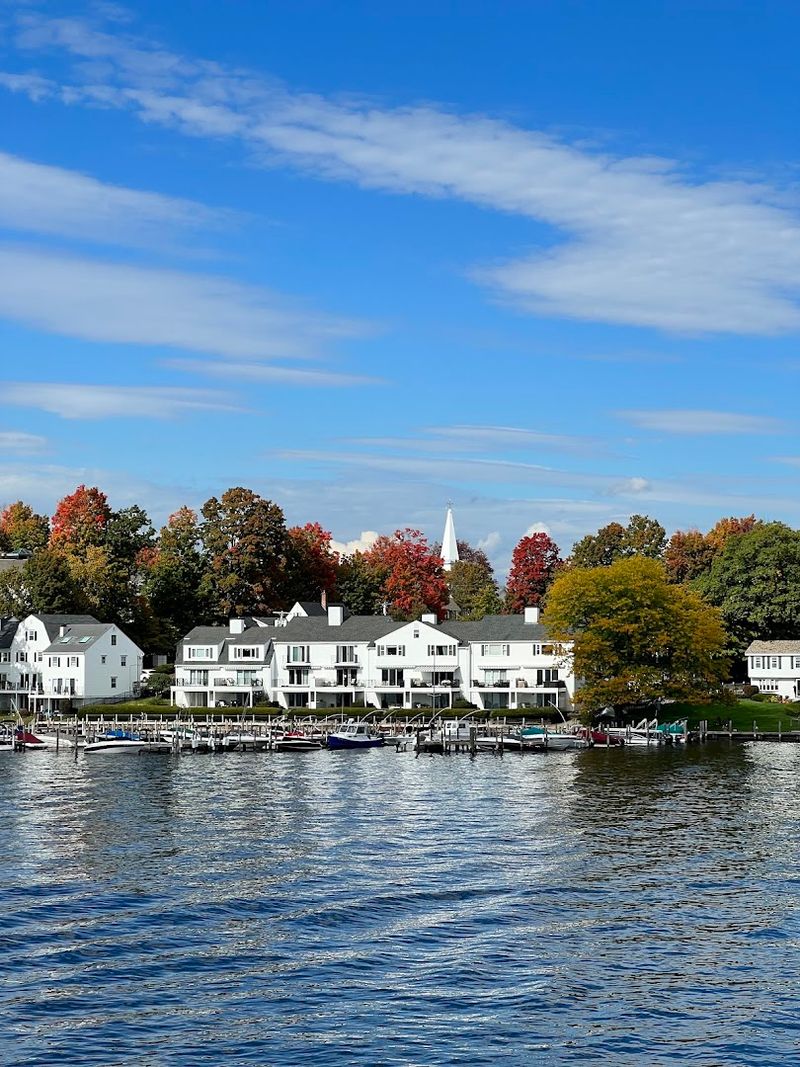
Calling itself the oldest summer resort in America is a bold claim, but Wolfeboro absolutely backs it up. Perched on the eastern shore of Lake Winnipesaukee, this town has been drawing people in with its calm waters and classic New England charm for a very long time.
I pulled into town expecting something quaint and left completely won over by how genuinely lovely it is.
The downtown area is walkable, well-kept, and full of personality. Independent boutiques, local eateries, and art galleries line the streets, all within easy reach of the waterfront.
Sitting by the docks and watching the lake shimmer in the afternoon light is one of those simple pleasures that somehow feels like a luxury.
Wolfeboro is also a dream for anyone who loves being on the water. Kayaking, paddleboarding, and scenic boat tours are all popular options during warmer months.
Even just walking along the waterfront path gives you those sweeping lake views that make you want to move here immediately.
The town’s historic character is woven into every corner, from the architecture to the local museum collections. The Wolfeboro Inn sits right on the water at 90 N Main Street, and the surrounding area has that timeless, unhurried quality that’s increasingly rare to find.
New Hampshire does a lot of things well, but Wolfeboro might be its most underappreciated gem. Seriously, put this one at the top of your list and thank me later.
3. Sugar Hill
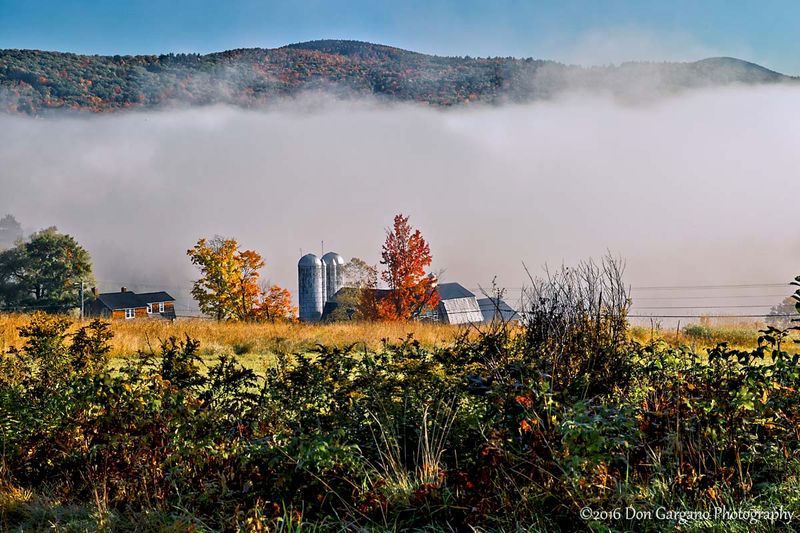
Sugar Hill is the kind of place that sounds made up, like something from a storybook, but it’s very much real and absolutely stunning. Tucked into the hills near Franconia, this tiny town earns massive bragging rights every spring when the lupine flowers bloom across the meadows in waves of purple, pink, and white.
I timed a visit for late May and the sight genuinely stopped me in my tracks.
The annual Lupine Festival celebrates this wildflower spectacle with local events, art, and community gatherings that give the whole town a festive, joyful energy. Even outside festival season, Sugar Hill’s pastoral landscape and mountain backdrop make it one of the most photogenic spots in the entire region.
Every turn in the road delivers another view worth pulling over for.
The town itself is refreshingly small and quiet. Harman’s Cheese and Country Store, located at 1400 Route 117, is a local institution worth seeking out.
It’s a classic country store with a strong local identity, the kind of place that feels like it belongs to a slower, better era.
Sugar Hill also sits conveniently close to Franconia Notch State Park, making it easy to pair a wildflower morning with an afternoon of hiking or waterfall chasing. The combination of natural beauty, small-town character, and easy access to outdoor adventure makes this place completely irresistible.
If you’ve never made the drive up here in spring, that’s a gap in your life that needs fixing right away.
4. Keene
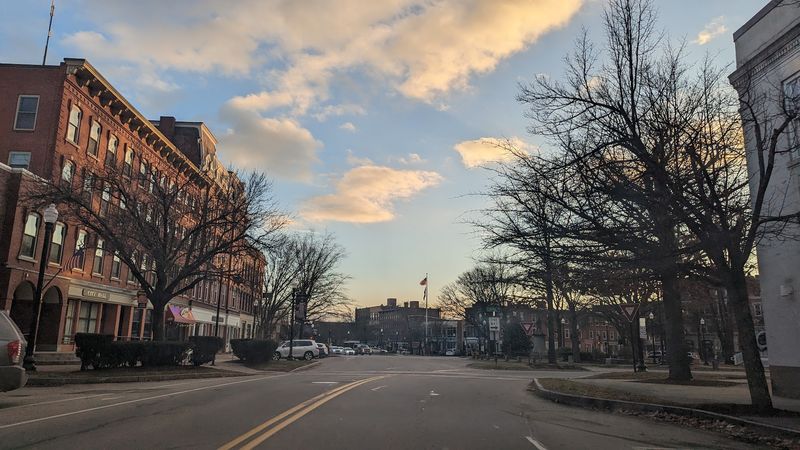
Keene is the kind of town that immediately makes you feel at home, even if you’ve never been there before. Located in the southwestern corner of the state, it’s got a big-town energy packed into a classic New England frame.
The main street here is one of the widest in the country, and walking down it feels like a proper event, especially when the autumn foliage turns everything gold and red.
The arts scene in Keene punches well above its weight. The Colonial Theatre at 95 Main Street is a beautifully restored venue that hosts live performances, film screenings, and community events throughout the year.
Local galleries, creative studios, and a strong independent business culture give the whole downtown a vibrant, lived-in character that’s hard to manufacture and impossible to fake.
Shopping and eating locally is genuinely easy here. Keene’s Main Street is lined with independent shops, bookstores, and cafes that reward slow exploration.
The farmers market draws a loyal crowd and reflects the town’s strong connection to its agricultural roots and community values.
Outdoor options are plentiful too. Surrounding parks and trails make it easy to get outside without driving far, and Cheshire County’s rolling hills provide a gorgeous backdrop for any season.
New Hampshire’s southwest corner is often overlooked in favor of the mountains or the lakes, but Keene makes a compelling case for rerouting your road trip. Come for the wide street, stay for the warmth of a community that clearly loves where it lives.
5. Newmarket
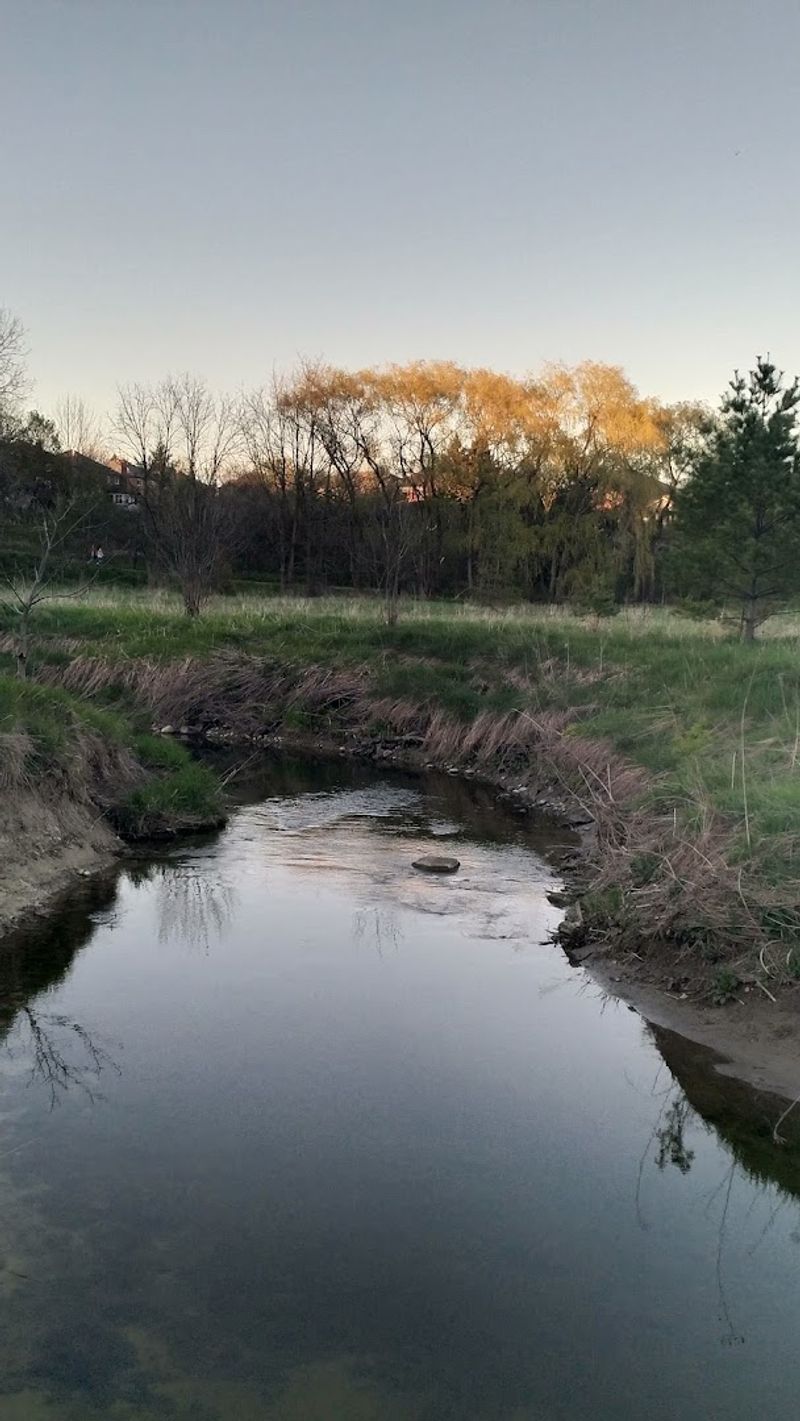
Newmarket doesn’t get nearly enough credit, and honestly, that’s a shame. Sitting along the Lamprey River in the Seacoast region, this compact little town has a walkable downtown full of character, a rich industrial history written right into its brick mill buildings, and a community that’s quietly building something special.
I wandered through on a weekday morning and felt like I’d found a secret worth keeping.
The old mill buildings along the river have been thoughtfully repurposed into local businesses, creative spaces, and community hubs. It’s the kind of adaptive reuse that gives a town depth and texture, making you feel the weight of history while also seeing real, present-day life happening all around you.
Main Street has local cafes and shops that make lingering feel completely natural.
The Lamprey River itself is a big draw for anyone who loves water. Kayaking and canoeing are popular, and the riverbanks offer peaceful spots to sit and just breathe.
Newmarket has that rare quality where nature and community overlap in a way that feels effortless rather than engineered.
The town also benefits from its proximity to Durham and the University of New Hampshire, which adds a youthful creative energy to the mix without overwhelming the small-town feel. Located at the intersection of Route 108 and Route 152, Newmarket is easy to reach and incredibly easy to enjoy.
It’s proof that you don’t need a mountain backdrop to have a genuinely great New Hampshire experience.
6. Tamworth
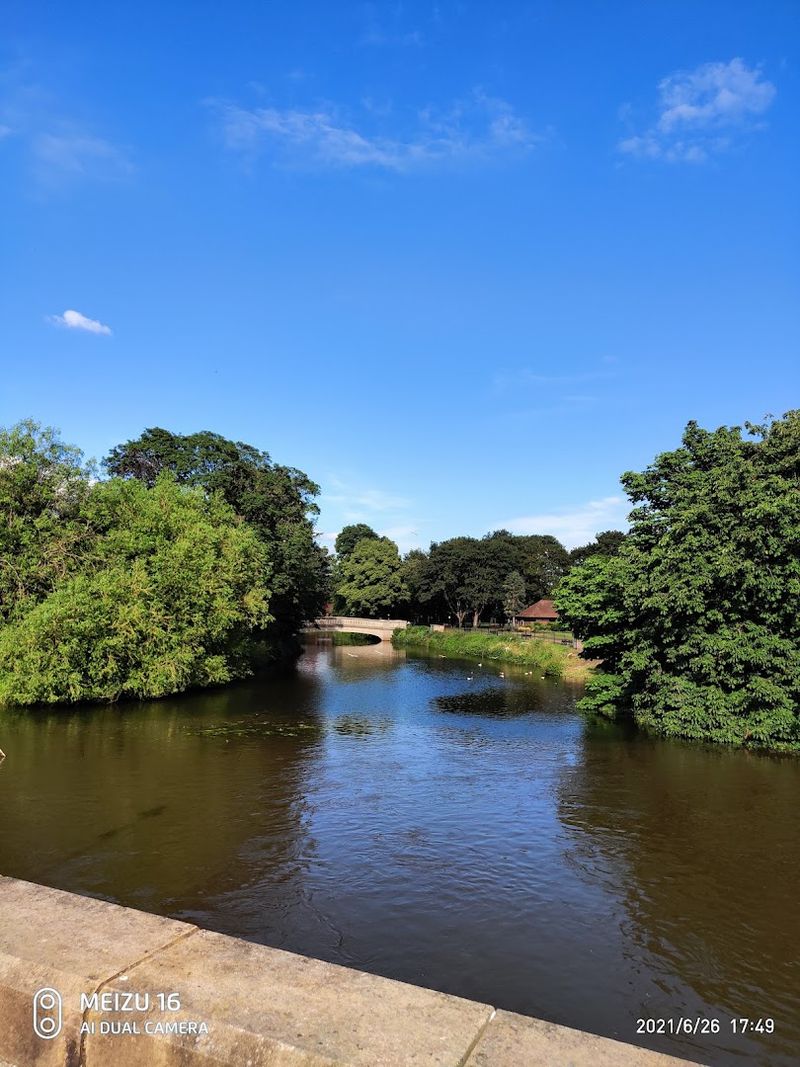
Tamworth is the kind of quiet that actually feels good. Nestled in the Lakes Region near the White Mountains, this small village operates at a pace that the rest of the world seems to have forgotten.
The roads are scenic, the air is clean, and the whole place has a grounded, unhurried quality that makes it feel like a genuine escape rather than a curated one.
The Barnstormers Theatre is Tamworth’s crown jewel, and it’s been putting on live performances since the 1930s, making it one of the oldest professional summer theaters in the country. Located on Main Street in the heart of the village, it draws performers and audiences from across the region every summer.
Catching a show here feels like participating in something that actually matters to the community, not just passing through it.
Beyond the theater, Tamworth is surrounded by outdoor opportunity. Swift River runs through the area, offering fishing, swimming holes, and streamside picnic spots that feel completely off the tourist radar.
Nearby hiking trails and forest roads make it easy to spend a full day outside without seeing a single crowd.
Chocorua Lake, just minutes away, is one of the most photographed spots in the state, with Mount Chocorua reflecting perfectly in the still water on calm mornings. Tamworth sits at the center of all this beauty without making a big fuss about it.
That low-key confidence is exactly what makes it worth the detour. Come here when you need the world to slow down for a while.
7. Gorham
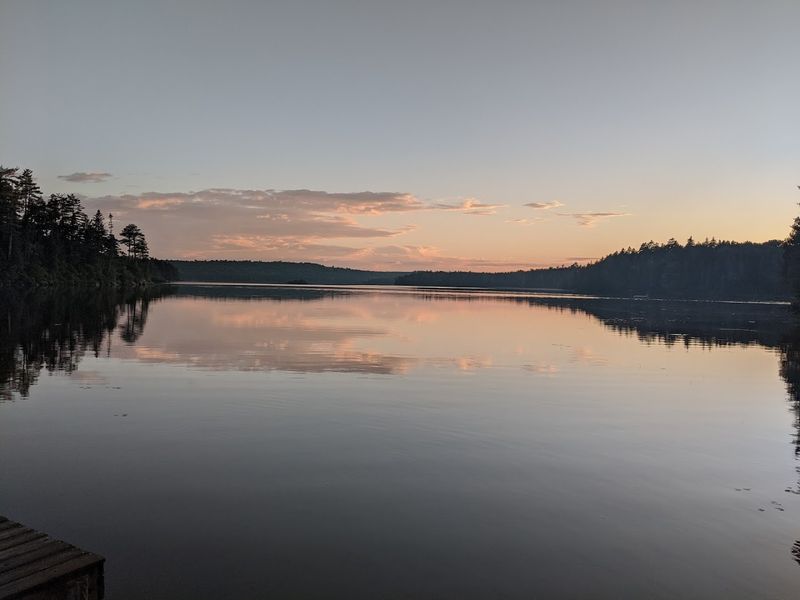
Gorham sits at the northern edge of the White Mountains like a rugged little outpost that takes its surroundings seriously. Main Street has a no-frills, working-town energy that I find genuinely refreshing after too many over-polished tourist destinations.
This is a place where the mountains are the main attraction and the town is smart enough to know it.
The access to hiking from Gorham is extraordinary. The Randolph Mountain Club maintains an extensive trail network in the area, and the Presidential Range looms dramatically to the south.
Trails leading toward Mount Madison and Mount Adams start practically from town, making Gorham a favorite base camp for serious hikers who want to wake up close to the trailheads.
Gorham also sits along the Androscoggin River, which adds a scenic layer to the whole experience. The river corridor is beautiful in every season, but fall is something else entirely.
The combination of water, foliage, and mountain peaks creates a visual that belongs on a postcard, except no postcard could quite do it justice.
The town’s Main Street has local restaurants, outfitters, and motels that cater to outdoor adventurers without feeling commercialized. Gorham is located at the junction of Route 2 and Route 16, which makes it a practical hub for exploring the entire northern White Mountains region.
New Hampshire’s north country is a different world from the more traveled southern parts of the state, and Gorham is your best introduction to it. Lace up and head north.
8. Hancock

Walking into Hancock feels like stepping through a time portal, except with better coffee. The entire town center is listed on the National Register of Historic Places, and the preservation here is extraordinary.
White clapboard buildings, a classic church steeple, a proper village green, and stone walls that have been standing since before the country existed. It’s the kind of New England scene that makes even the most jaded traveler stop and stare.
The John Hancock Inn at 33 Main Street is the oldest operating inn in the state and an absolute institution. Even if you’re not staying overnight, stopping in to appreciate the atmosphere is worthwhile.
The building itself tells a story that spans centuries, and being inside it makes history feel tangible rather than textbook.
Hancock’s surrounding landscape is gorgeous in every direction. Rolling hills, stone walls threading through old farm fields, and dense hardwood forests that explode with color every October.
The town sits in southern New Hampshire’s Monadnock region, which is one of the most scenic and undervisited corners of the entire state.
The community here is small but deeply engaged. Local events, seasonal celebrations, and a genuine pride in the town’s heritage give Hancock a warmth that goes beyond aesthetics.
It’s not just a pretty village frozen in amber. It’s a living, breathing place where people actually want to be.
For anyone who loves authentic New England character without the tourist crowds, Hancock is close to perfect. Make the drive and see for yourself.
9. Cornish
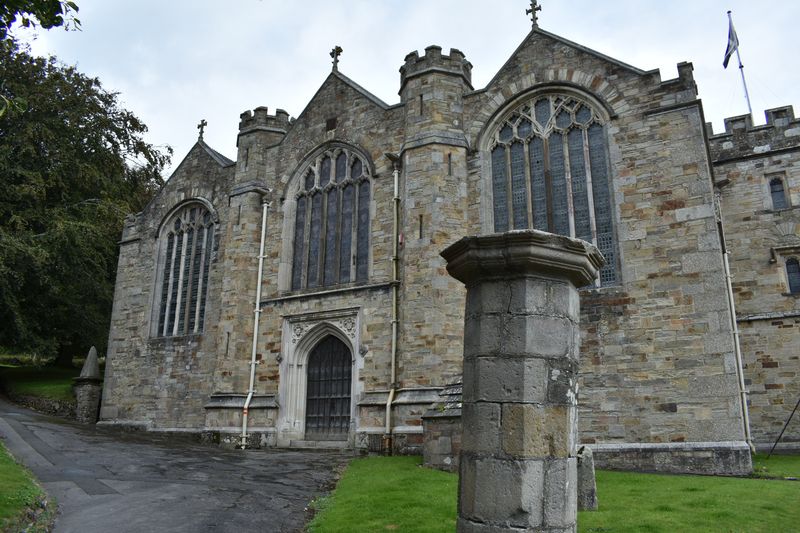
Cornish has a claim to fame that sounds like a trivia question but is absolutely true. The Cornish-Windsor Covered Bridge, spanning the Connecticut River between New Hampshire and Vermont, is the longest wooden covered bridge in the United States.
Driving through it for the first time is a genuinely thrilling experience, all creaking timber and filtered light, with the river visible through the gaps in the planking below.
The bridge alone would be enough to justify the trip, but Cornish delivers so much more. The surrounding landscape is pastoral perfection, with open meadows, old farmsteads, and gentle hills rolling toward the river.
This is the kind of countryside that painters dream about, and it shows up in the local art scene, which has deep roots here going back to the Cornish Art Colony of the late 19th and early 20th centuries.
The Saint-Gaudens National Historical Park, located at 139 Saint-Gaudens Road, preserves the home and studios of sculptor Augustus Saint-Gaudens and is a fascinating place to spend a few hours. The grounds include formal gardens, outdoor sculpture, and woodland trails that make it as much a nature experience as a cultural one.
Cornish is quiet, unhurried, and genuinely beautiful in a way that feels completely natural. The Connecticut River Valley here has a soft, golden quality in the late afternoon light that’s hard to describe but impossible to forget.
If you appreciate covered bridges, art history, and landscapes that feel untouched by time, Cornish is calling your name.
10. Plymouth
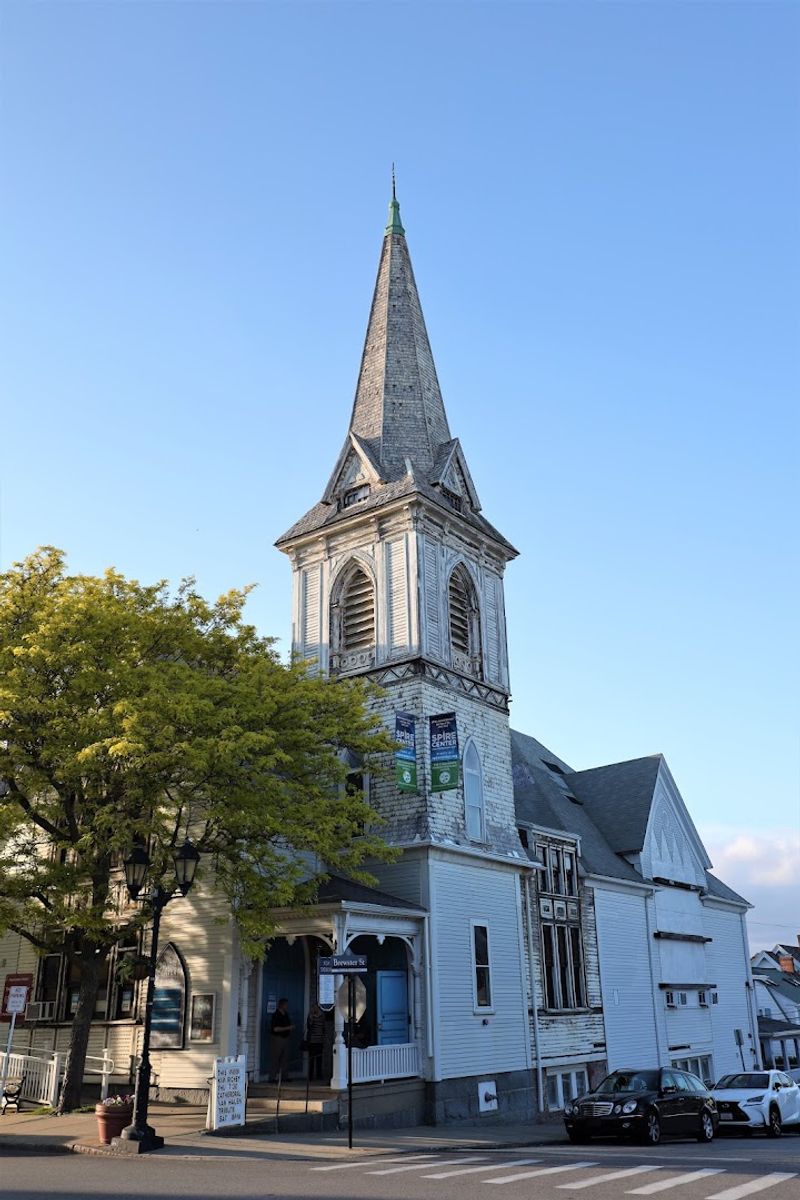
Plymouth punches above its size in the best possible way. Sitting at the southern gateway to the White Mountains, this town has the energy of a place that knows exactly what it is and owns it completely.
A traditional town common anchors the center, surrounded by local businesses that have the kind of character you can’t find in a strip mall or a chain store.
Main Street in Plymouth is genuinely fun to explore. Independent shops, local restaurants, and a community-forward attitude make it a place where you actually want to slow down and browse.
Plymouth State University adds a lively creative and intellectual energy to the mix, and the result is a town that feels both grounded and dynamic at the same time.
The outdoor access from Plymouth is exceptional. The Baker River runs through town, and the surrounding hills and forests offer hiking, fishing, and paddling opportunities in every direction.
Squam Lake, made famous by the film On Golden Pond, is just a short drive away and is every bit as beautiful as the movie suggests.
Plymouth is also a practical base for exploring the White Mountains without paying the premium prices of more tourist-heavy towns further north. Everything you need is here, with the added bonus of a community that feels real and welcoming rather than performatively charming.
New Hampshire’s mountain gateway towns each have their own personality, and Plymouth’s is warm, unpretentious, and quietly confident. Start your mountain adventure here and you’ll be off to a brilliant start.
