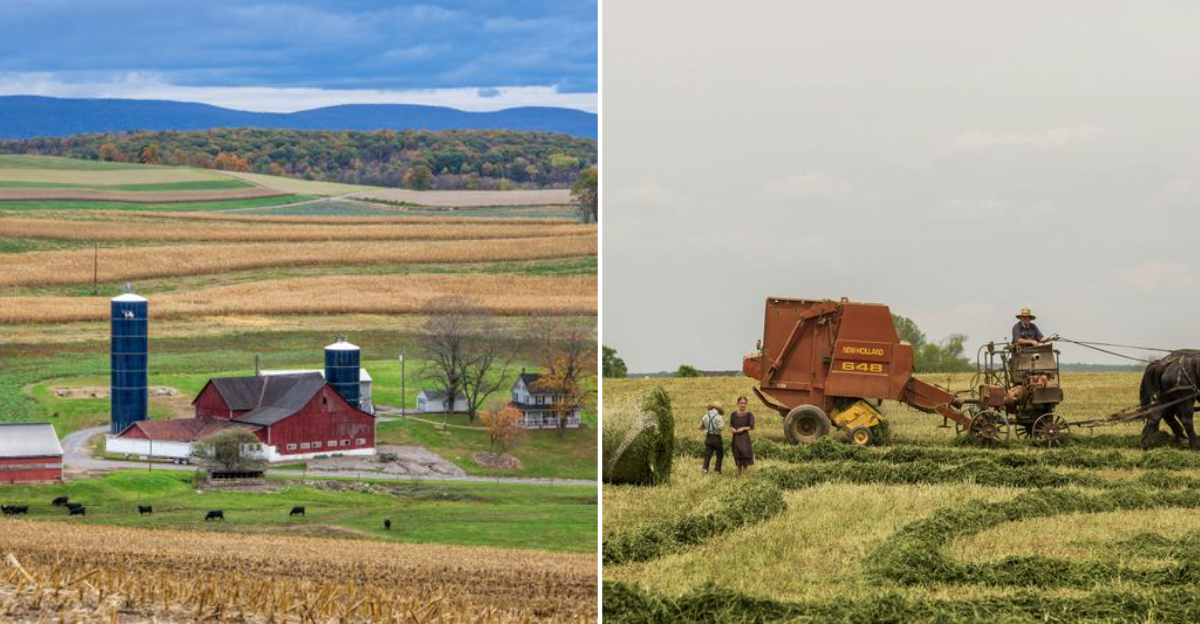
Ever visited a place and worried you might not understand the local customs? That’s a common feeling for people heading into Pennsylvania’s Amish Country.
The Amish way of life is built on tradition, simplicity, and community values, and stepping into it as a guest means slowing down and paying attention to how things are done.
When you drive past horse-drawn buggies or stop at a family-run market, it’s easy to forget that this isn’t just a tourist attraction. It’s everyday life for the Amish. Respecting that difference matters.
Simple things, like not snapping photos of people, speaking politely, and appreciating the craftsmanship in their goods, go a long way.
Visitors who take the time to learn about these traditions often find the experience more meaningful, because it feels less like sightseeing and more like connecting.
Pennsylvania’s Amish communities aren’t asking outsiders to change who they are, just to be mindful guests. And that’s the key: understanding traditions so your visit feels welcome, not intrusive.
Faith Comes Before Everything
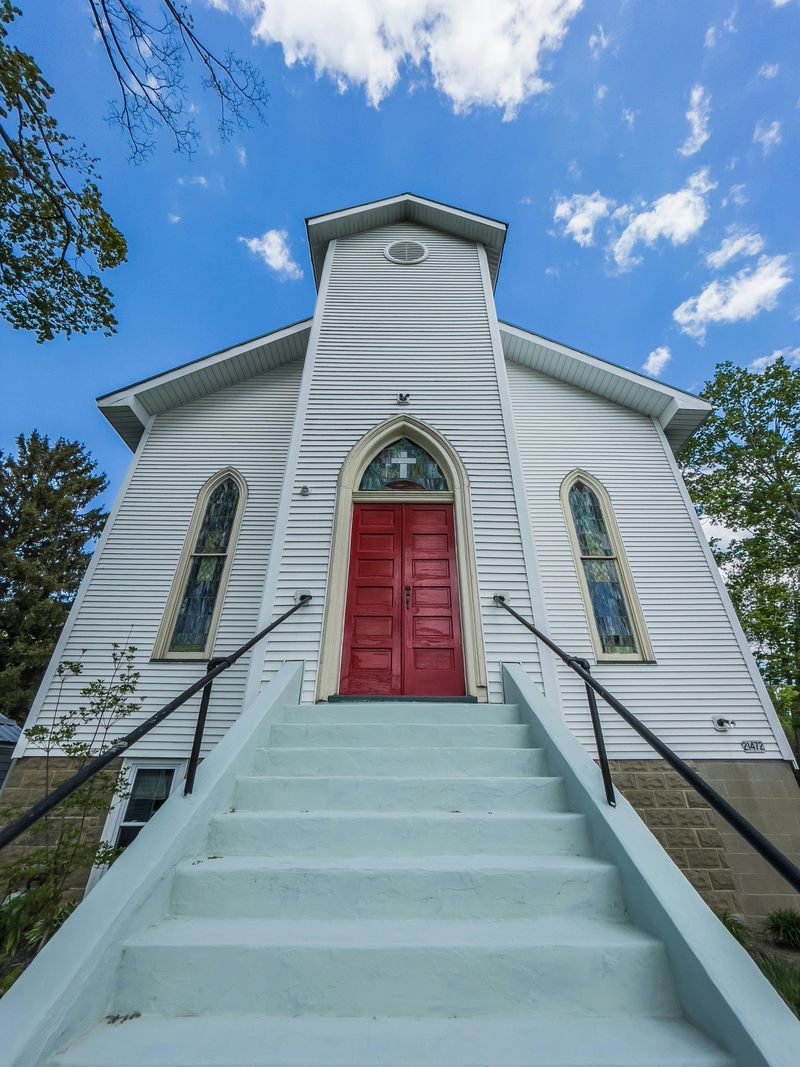
Start here, because everything else rests on this. In Pennsylvania, especially around Lancaster County, the Amish shape daily life around church community and scripture.
When you keep that in mind, the slower pace and careful choices feel steady instead of old.
You will hear about worship in homes, not big steepled buildings. Services rotate, and the gathering feels simple, with focus on prayer, singing, and mutual care.
That is why gadgets and trends never lead the day, faith does.
When you visit, bring that same calm. Do not rush conversations, and do not press for personal details.
Let people guide what they want to share.
If you see a business closed or a family turning down a quick sale, assume a faith reason, not a slight. Sundays in particular run quiet for worship and rest.
Plan your route around that rhythm and you will feel more welcome.
You will notice that church life connects neighbors across districts. Each circle supports the others with transportation, caregiving, and planning.
You can respect that web by leaving space and moving with patience.
The Ordnung Quietly Shapes Daily Life
Here is the part most travelers miss. The Ordnung is not posted on a wall, yet it guides clothing, tools, and behavior.
I think of it as shared promises that keep the group steady.
Because each church district writes its own path, Pennsylvania can feel patchwork in small ways.
One area might allow certain reflectors or phone setups while another keeps them off property. What looks like inconsistency is actually local agreement.
So how do you handle that as a guest? Watch first, then ask short, respectful questions if invited.
Follow the lead given in that exact place.
It helps to avoid assumptions formed in one town and carried to the next. The Ordnung is lived, not marketed, and that means details stay flexible inside core values.
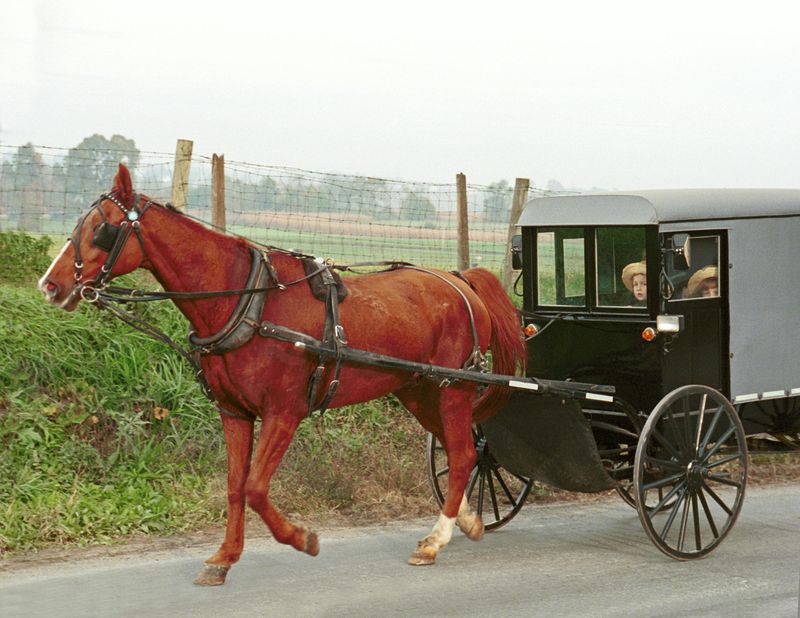
Your job is to be a calm observer. Notice the small choices, like natural colors on buggies or the type of lighting in a shop.
Those choices are not random, they come from discussion and faith. When you remember that, your visit fits their world instead of pushing against it.
Technology Is Used Carefully, Not Randomly Rejected

It surprises people, but Amish communities do use technology. The filter is not fear, it is impact on family and community.
If a tool weakens togetherness, they put it aside.
In Pennsylvania you may spot a shared phone outside the house or in a small shed, used mainly for business.
You might also see simple systems that keep work humming without bringing screens into the kitchen. That balance takes constant conversation.
As a guest, it is smart to keep your devices tucked away. Do not point a camera at someone, and do not wave a phone during a quiet chat.
I like to keep it low-key and respectful.
You can ask about a tool if it fits the moment. Let the person explain why that setup works for their family, their reasons usually tie back to peace and privacy.
Across Pennsylvania communities, you will see different lines on electricity, vehicles, and connectivity. The shared theme is intention over convenience.
Meet that with your own intention, and the visit flows better.
Clothing Signals Values, Not Fashion
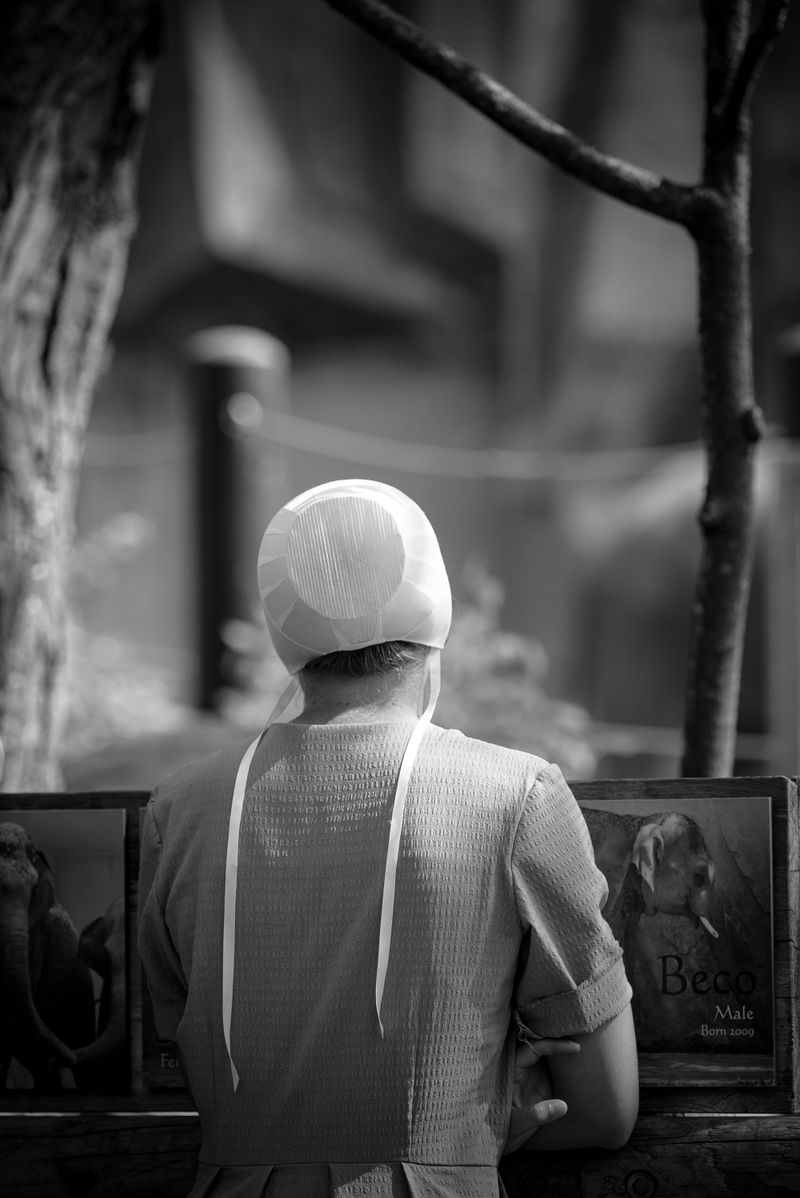
Plain dress is not a costume. It points to humility, simplicity, and equality, which sit at the heart of Amish life.
Every color and fastener choice says something.
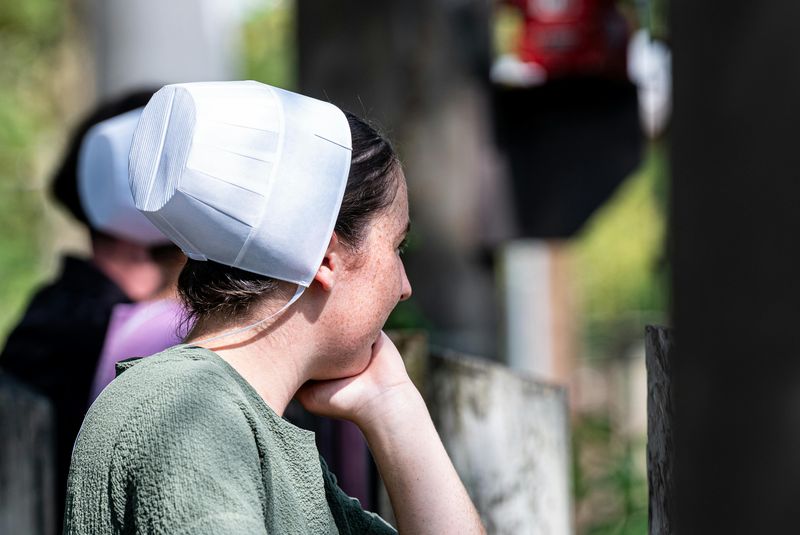
Here, you will notice dark, calm tones and practical cuts. Hooks and pins might replace zippers, and hats or bonnets carry meaning.
I feel like these details help the community reduce pride and show unity.
What should you do as a guest? Keep your own outfit simple and comfortable.
Skip flashy slogans and anything that draws avoidable attention.
It is fine to admire workmanship from a distance. Do not ask to try on clothing, and do not treat garments like props.
Respect the personal nature of what people wear.
When the values behind clothing click, the style makes sense without more explanation.
Pennsylvania towns reflect that quiet message in shop displays and sewing rooms. Let that understated beauty speak, and you will read the culture more clearly.
Work And Home Life Are Closely Linked
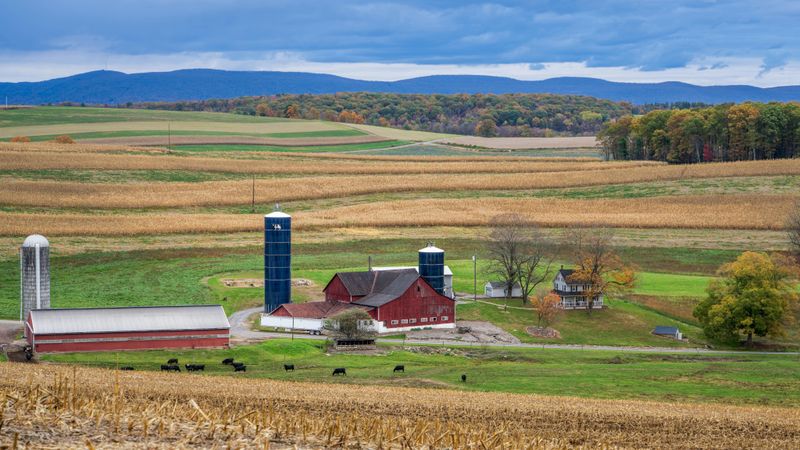
One thing you will feel right away is the closeness between home and work. Many families run small shops or farms steps from the kitchen door.
That setup protects time together and keeps skills flowing across generations.
In Pennsylvania this shows up as woodworking sheds, quilt rooms, and produce stands. Construction crews often form through family lines, and neighbors join big projects.
I like how the whole place feels like a web of practical talent.
As a guest, visit during normal hours and keep chats brief when tools are running. People are working, not performing.
A warm wave and a quiet thank you go far.
If you buy something, understand it likely came from that same yard or the one next door. The pride sits in careful craft rather than branding, and it is a different kind of signature.
Work near home also shapes traffic and noise. You will hear saws, horses, and friendly talk more than engines.
That blend is part of the state’s charm, and it deserves patience on the road.
Sunday Is Sacred And Quiet
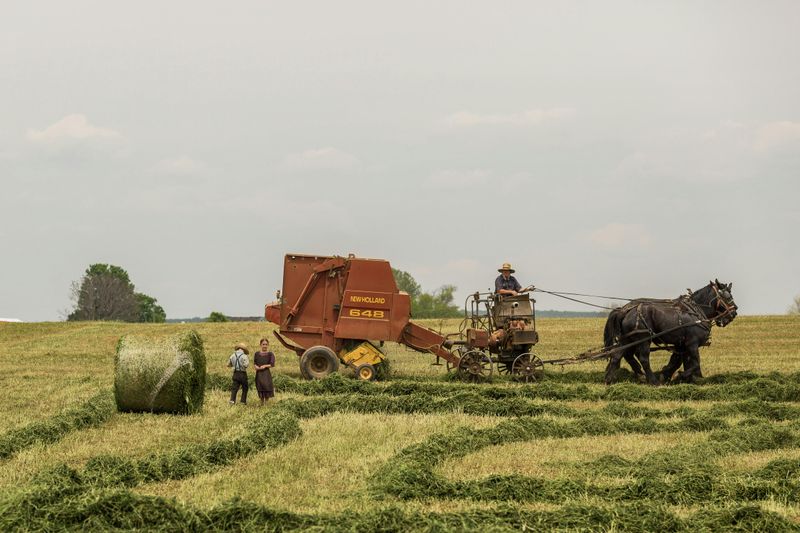
Plan around Sunday, because it moves differently. Worship, rest, and visits with family fill the day.
Many shops take the day off, and roads feel slower.
In Pennsylvania this rhythm is steady across seasons. You might see buggies clustered near a home service.
You might also find a stand closed that was open the day before.
As a guest, match the quiet. Do not knock for business, and do not push for tours.
Use Sunday for scenic drives on back roads, keeping speeds gentle. Let the stillness do its work and settle your plans, it is good for the nerves.
When you travel with this in mind, your week shapes up smoother. The calm of the state’s countryside will seep into your schedule.
And you will leave feeling like you visited a place, not just checked a box.
Photography Is A Sensitive Issue

This one matters a lot. Many Amish avoid having their faces photographed, tied to beliefs about humility and graven images.
It is kinder to set the camera down.
You will find signs asking for no photos at some spots. Even without a sign, assume faces are off limits.
Landscapes, barns, and buggies from a respectful distance are fine.
As a guest, ask yourself if the moment needs a picture. Often the memory is stronger without a lens in the way.
I always let the conversation be the souvenir.
If you travel with a group, remind everyone before you arrive. I think it avoids awkward moments on the road, a gentle heads up makes a big difference.
Respect builds trust quickly, and communities here remember visitors who move with care. Keep that standard, and doors open politely for you.
Education Ends Early By Design

You might spot a small schoolhouse and wonder about it. Formal schooling typically ends after eighth grade, and that is intentional.
The focus is practical skills, community values, and faith.
In Pennsylvania, one-room schools sit near farms and lanes. Teachers come from the community and know the families well, learning fits the life students will actually live.
As a guest, show respect by keeping a wide berth around school hours. Do not park for photos or approach children.
Treat the grounds like any active school. Ask adults about their learning if the moment feels right.
You will hear about reading, math, and hands on work. That mix supports strong households and businesses.
The result is a steady pipeline of capable young people. They know how to plan, fix, and help.
It is a model that fits Pennsylvania’s Amish life, even if it looks different from what you know.
Community Comes Before The Individual

You can feel the togetherness in the air. Amish culture leans hard toward mutual aid and shared responsibility.
I like how neighbors back each other up in plain, practical ways.
In Pennsylvania, that might look like building help, harvest work, or steady support after a challenge. The pace is unhurried but strong, and systems grow from trust before anything else.
As a visitor, bring that same mindset. Be patient in lines, and keep the tone kind.
Offer a simple thank you when someone guides you.
This community network replaces a lot of modern structures. You will not see much public drama, just quiet cooperation.
When you watch with respect, you learn more than any signboard could teach.
The lesson is simple. People first, then projects, and Pennsylvania keeps showing how that works.
Rumspringa Is Often Misunderstood
You have probably heard wild stories. Rumspringa is not a guaranteed rebellion phase, and it is not a free pass.
It is a window where youth can see some outside life before choosing baptism.
In Pennsylvania communities, families set boundaries with care. Some teens sample new clothing or jobs, others stay close to the usual circle and take time to think.
As a guest, skip the assumptions and gossip. Do not pry into personal choices or treat it like entertainment.
Make sure to give privacy to young people deciding their path.
The big piece is commitment. Most youth eventually choose to join the church as adults, and that decision carries weight and shapes the years ahead.
Keep your visit focused on learning instead of stories from shows. Pennsylvania has plenty of real life to notice without drama.
A calm outlook keeps the trip grounded and kind.
Homes Are Private, Even If They Look Historic

It is easy to forget that an old farmhouse is a home, not a display. A tidy porch and a buggy do not make it public.
In Pennsylvania, many houses look postcard ready. That charm comes from daily care, not staging.
Make sure to treat driveways and yards like private space.
As a guest, do not wander in for a closer look. If there is a sign that welcomes visitors, follow it, and if not, keep moving with a friendly wave.
Guided tours and public farms exist for learning. Use those if you want more background, that way everyone stays comfortable.
When you respect boundaries, you set a good tone for the whole trip. Hospitality here grows from trust, and you can help protect it.
Visiting Respectfully Means Slowing Down
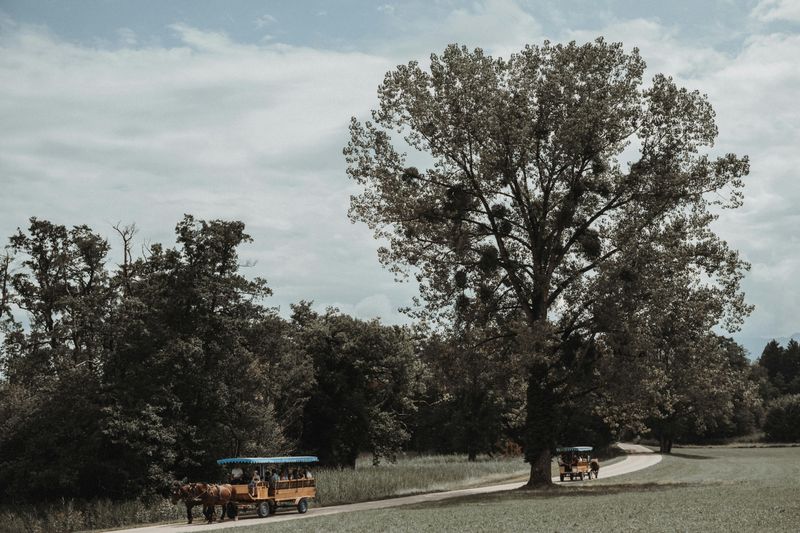
Here is the secret to a good visit: slow travel matches Amish tradition, which prizes patience and presence. When you drop the rush, doors open.
In this state, that looks like gentle driving and unhurried conversations. You wait a bit at intersections and let buggies pass in peace.
I think that patience keeps everyone safe.
As a guest, say yes to pauses, and let someone finish a story without jumping in. Put your phone away for whole stretches of time.
If a shop is busy, circle back later, and if a lane feels too tight, choose another route. Your flexibility shows respect for the local rhythm.
By the end of the day, you will feel lighter. The countryside teaches you to breathe again.
That is the real souvenir you bring home from Pennsylvania.
Dear Reader: This page may contain affiliate links which may earn a commission if you click through and make a purchase. Our independent journalism is not influenced by any advertiser or commercial initiative unless it is clearly marked as sponsored content. As travel products change, please be sure to reconfirm all details and stay up to date with current events to ensure a safe and successful trip.
