
Did you know Ohio has rules that can catch visitors off guard, even if they’re not laugh-out-loud strange?
They’re the kind of regulations that don’t usually make it into travel guides, but they can still shape your experience if you’re not aware of them.
Some of these rules feel outdated, others seem oddly specific, and a few just make you pause and wonder why they exist. They’re not about comedy.
They’re about the unexpected ways local laws can affect everyday life.
Whether you’re exploring small towns, checking out Ohio’s parks, or spending time in the bigger cities, these regulations are part of the backdrop that most tourists never think about.
That’s what makes them worth knowing: they give you a clearer picture of the state beyond the usual highlights like Cedar Point or the Rock & Roll Hall of Fame.
So while you’re planning your trip, it’s smart to keep an eye out for the rules you didn’t see coming. Ready to learn which ones might surprise you?
1. Jaywalking Is Technically Illegal Almost Everywhere

Here is the thing about crossing the street in Ohio. The state lets cities ticket people for stepping outside marked crosswalks, and some places really do.
Downtown areas and college towns tend to watch the corners closely, especially near busy intersections.
You might feel tempted to jaywalk when the road looks quiet. Locals sometimes wait because they know officers can ticket for crossing against the signal.
Visitors are often surprised this is not shrugged off, especially when they are used to quick dashes across wide streets.
Enforcement varies a lot by city, so do not panic if you see others stroll through. Follow the paint, wait for the light, and you will be fine.
If you want to cross mid block, look for signed pedestrian zones or an island that clearly allows it.
College campuses can be tricky because foot traffic flows fast and drivers expect order. You will see crosswalks every block, so just use them and you will blend right in.
It keeps you safe, and it keeps your road trip budget away from surprise citations.
2. Radar Detectors Are Legal, But Not For Trucks
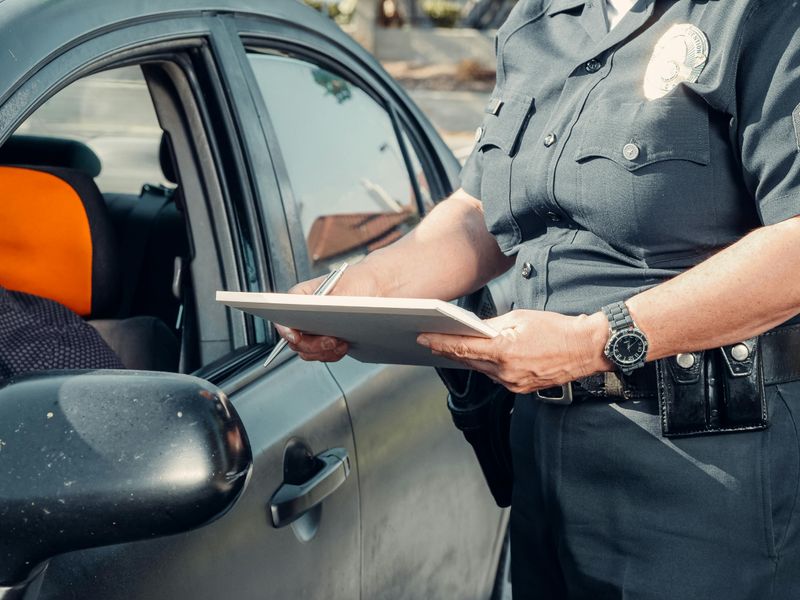
Quick heads up for the gadget lovers: in Ohio, radar detectors are fine in regular passenger cars. That changes if you are in a commercial truck, where federal rules shut it down completely.
This mix trips people up when they switch between rentals and larger vehicles. If you are hopping into a moving van or anything that counts as commercial, leave the detector in the bag.
It is not worth a conversation on the shoulder, trust me.
In your own car or a standard rental, the device is allowed, but do not let it distract you. Keep it mounted cleanly so it does not slide around or block the view.
A tidy setup avoids any talk about impaired visibility.
Remember, a detector does not replace smart driving. Ohio highways move smoothly, and troopers watch the flow more than the toys.
Use cruise control, read the rhythm of traffic, and the drive will stay low stress.
3. Passengers Can Still Get Ticketed Inside Cars
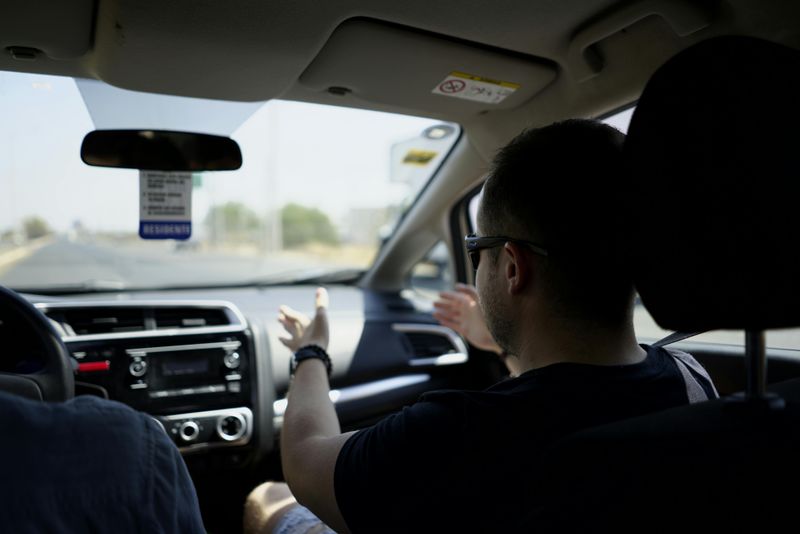
This one surprises a lot of folks: Ohio can ticket passengers for certain behaviors inside the vehicle. Seatbelt rules apply to everyone, not just the driver.
People assume the driver is always the only person on the hook, but not here. If a passenger ignores a seatbelt or acts in a way that affects safety, an officer can address it directly.
On a road trip, it helps to set the tone before rolling out.
Quick belt check, phones secured, and bags off laps if they block airbags; these tiny steps keep the whole car calm and out of trouble.
The driver is still responsible for safe operation, but passengers are part of the picture. Think of it like a team sport where everyone keeps the cabin settled.
Do that, and you will cruise through Ohio without a hiccup. Extra awareness also prevents distractions, like loud music or sudden movements, which can interfere with focus.
Respecting these rules means smoother travel, fewer fines, and a safer ride for everyone sharing the road.
4. Fireworks Are Heavily Restricted

Thinking about lighting something bright after sunset? In this state, most consumer fireworks are off limits without a proper permit.
Items like roman candles, bottle rockets, and firecrackers fall under tight rules. People crossing in from nearby states often think it is relaxed, but it is not.
The enforcement can be firm, especially around holidays when noise and safety calls spike. If you want a show, the safer move is to watch a professional display.
Towns schedule them regularly and manage the crowd flow. You get the sparkle without the stress of explaining a trunk full of questionable supplies.
Storage and transport rules can also be stricter than you expect. Leaving items in a hot car is a bad idea and may not be legal either.
Keep it simple and enjoy the view instead of the paperwork. Local authorities emphasize that fireworks can cause fires, injuries, and property damage when mishandled.
Insurance claims may be denied if illegal use is proven, adding financial risk.
Choosing community events means you share the excitement safely, with trained crews and emergency plans in place.
5. No Touching Cell Phones While Driving
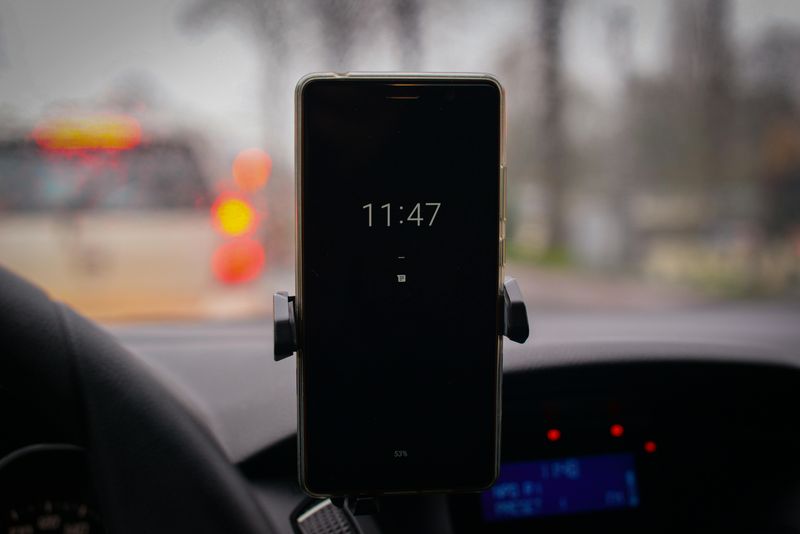
Here is a modern road rule that matters. Ohio has a strict hands free law while driving.
Holding or actively using a phone can draw a ticket, even if you are paused at a light.
Tourists learn this the hard way when they poke at navigation. I think the fix is simple: mount the phone, start your route before rolling, and use voice commands for changes.
If a call comes in, let it ring or use the steering controls. Texts can wait until you are parked in a safe spot.
I’m sure you will feel more relaxed once you get used to the rhythm.
Navigation still works great hands free. Set clear audio directions and glance, do not tap.
Ohio roads move smoothly when drivers keep their eyes up and hands planted. Extra awareness also protects cyclists, pedestrians, and emergency vehicles.
Safe habits reduce stress, prevent accidents, and keep traffic flowing. Respecting the law makes every trip smoother, safer, and far more enjoyable.
6. Windshield Cracks Can Get You Pulled Over
You know that tiny crack you have been ignoring? Here, an obstructed windshield can be enough for a traffic stop.
Large cracks, dangling objects, or too many stickers can all qualify.
Out of state drivers sometimes forget that visibility rules differ. If your rental has a big chip, swap it before heading out.
Keep the glass clear and the dash uncluttered. Even small chips can spread quickly, especially after a cold night or sudden thaw.
Hanging items can look harmless, but they draw eyes during a stop. Move decorations to the console and keep permits tidy.
A clean view makes driving easier anyway, and it reduces distractions when traffic gets busy.
Before a long stretch, make sure to do a quick check around the edges for spreading lines. Cracks grow with temperature changes, which Ohio gets plenty of.
Fix it early and your trip stays peaceful. A little attention now saves you from tickets, repairs, and unwanted stress later on the road.
7. You Can’t Pump Gas For Charity Events
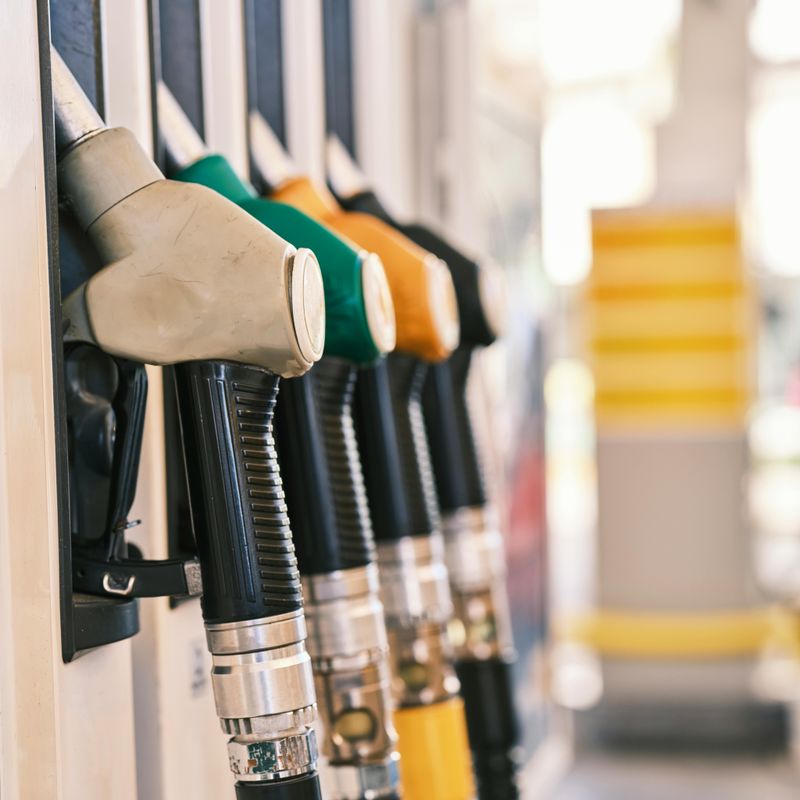
This one surprises folks planning community stops. Ohio does not allow volunteers to pump gas during fundraisers.
The rule leans on safety and liability concerns. In many other states, charity crews handle the nozzle while collecting donations, but not here.
You can host the event, greet drivers, and manage signs, but the pumping stays with the customer or staff.
If your group is traveling through, plan a different activity. Clean up a park, run a car wash, or host a raffle instead.
You still create energy without getting sideways with the rules. Adding food sales, bake tables, or small auctions can also keep the fundraiser lively without crossing boundaries.
Stations appreciate clear boundaries because fuel equipment demands training. Keep the operation simple and everyone stays safe.
I feel like it is a quick pivot that keeps your goodwill rolling, and it shows respect for local practices.
Visitors who adapt quickly earn trust, and that makes future community events even easier to organize.
8. Snow And Ice Must Be Cleared Off Your Car

Making winter plans? If snow hits in Ohio, clear your car fully before you roll.
Flying ice can lead to fines or liability if it causes damage down the road.
Tourists from warmer states often underestimate how fast this gets enforced. Brush the roof, hood, and lights, not just the glass.
A clean car keeps lines sharp and mirrors useful, and it also helps other drivers see your signals clearly.
A small scraper and a sturdy brush make life easy. Start the car, defrost the windshield, and work top to bottom.
Give the wipers a gentle lift so they do not freeze to the glass. Also, don’t forget to clear around the license plate and headlights, those details matter when visibility drops.
Highway speed turns leftover snow into surprise sheets, and that is no fun for anyone behind you. Take five minutes in the lot and save yourself a tense moment later.
A little effort before you drive keeps everyone safer and avoids unwanted attention from local police.
9. Noise Complaints Escalate Quickly

Planning a late night hang? Most cities in this state set quiet hours around late evening.
Short term rentals are watched closely, and warnings can stack fast.
Neighbors usually start with a polite request, then call it in if it keeps going. Keep the music low and step inside after the cutoff.
It is a quick way to keep everyone comfortable and avoid fines that can add up quickly.
Local police often respond faster than you might expect, especially in residential areas where families live nearby.
Hosts often post house rules near the door, read them once and you will avoid awkward knocks.
Sound carries farther than you think on still nights, and even casual laughter outside can travel across yards.
If you need fresh air, take the chat to a quick walk, and save the speaker for daytime. Ohio communities value calm nights, and a little care goes a long way.
Respecting the rules helps you blend in and keeps your trip stress?free.
10. Certain Animals Are Illegal To Own

Out in rural Ohio, you might hear stories about exotic pets. The state bans private ownership of many of those animals.
Lawmakers tightened things after high profile safety incidents.
This matters if you are visiting friends who mention unusual livestock. Do not assume it is fine to bring or sell anything rare.
The rules are strict and the list is long, covering everything from big cats to certain reptiles.
Even animals that seem harmless can fall under restrictions, so it’s worth checking before making assumptions.
Sanctuaries and licensed facilities follow a different track with oversight. If you want to see wildlife up close, look for accredited places.
They keep both neighbors and animals safe, and they often provide educational programs that explain why these rules exist.
For travelers, the big takeaway is simple. Do not transport exotic species across lines, and avoid casual trades.
This state treats this topic seriously, and locals respect that approach. Know that following the regulations keeps your trip smooth.
11. Sunday Shopping Can Still Be Limited

Sunday plans can wobble a bit in Ohio. Some towns still limit sales for specific items on Sunday mornings.
The rules vary, so what is open in one place might be paused in the next.
This catches travelers who assume every store runs the same schedule.
I always check posted signs or ask at the counter the day before. It saves you from a surprised shrug at the register.
Small communities tend to follow tradition here, streets feel calm, and openings happen later. It is a good moment to walk, explore murals, or map the next stop.
If you need something essential, call ahead or look in larger cities. Planning around these windows keeps the day smooth.
Ohio likes a quiet start, and you can work with it.
Dear Reader: This page may contain affiliate links which may earn a commission if you click through and make a purchase. Our independent journalism is not influenced by any advertiser or commercial initiative unless it is clearly marked as sponsored content. As travel products change, please be sure to reconfirm all details and stay up to date with current events to ensure a safe and successful trip.
