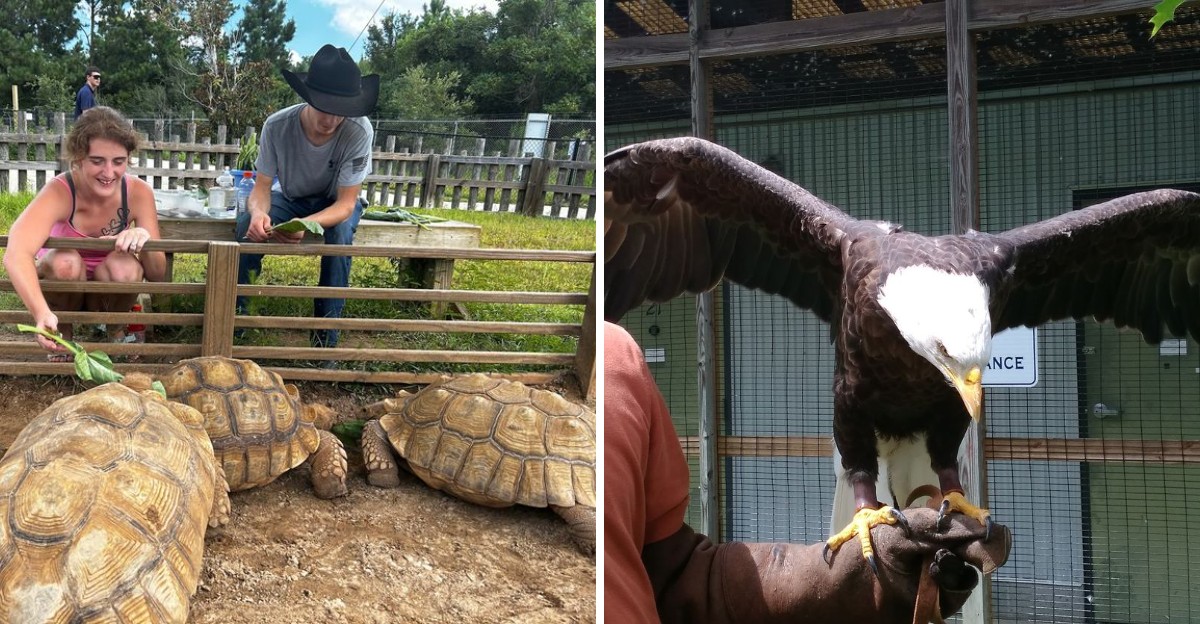
A raccoon has absolutely no respect for your plans. Neither does a hawk.
That is part of the fun of volunteering at Alabama wildlife rescues. The day rarely unfolds as expected.
One task becomes feeding time. Feeding time becomes enclosure cleaning.
Then an animal needs attention, and suddenly the schedule disappears. Across the state, wildlife organizations give volunteers ways to help animals that were injured, orphaned, displaced, or simply unlucky.
Some focus on birds. Others care for mammals or native wildlife.
Depending on the organization and training, volunteers may prepare food, clean habitats, sort supplies, help with enrichment, or assist staff with daily care. Some jobs are messy.
Others are surprisingly hands-on. None are glamorous, but all serve a purpose.
A clean enclosure matters. So does a fresh meal.
So does an extra pair of hands. The payoff is not a souvenir.
It is seeing an animal recover, regain strength, and get another chance.
1. Feathered Patients At The Alabama Wildlife Center In Pelham
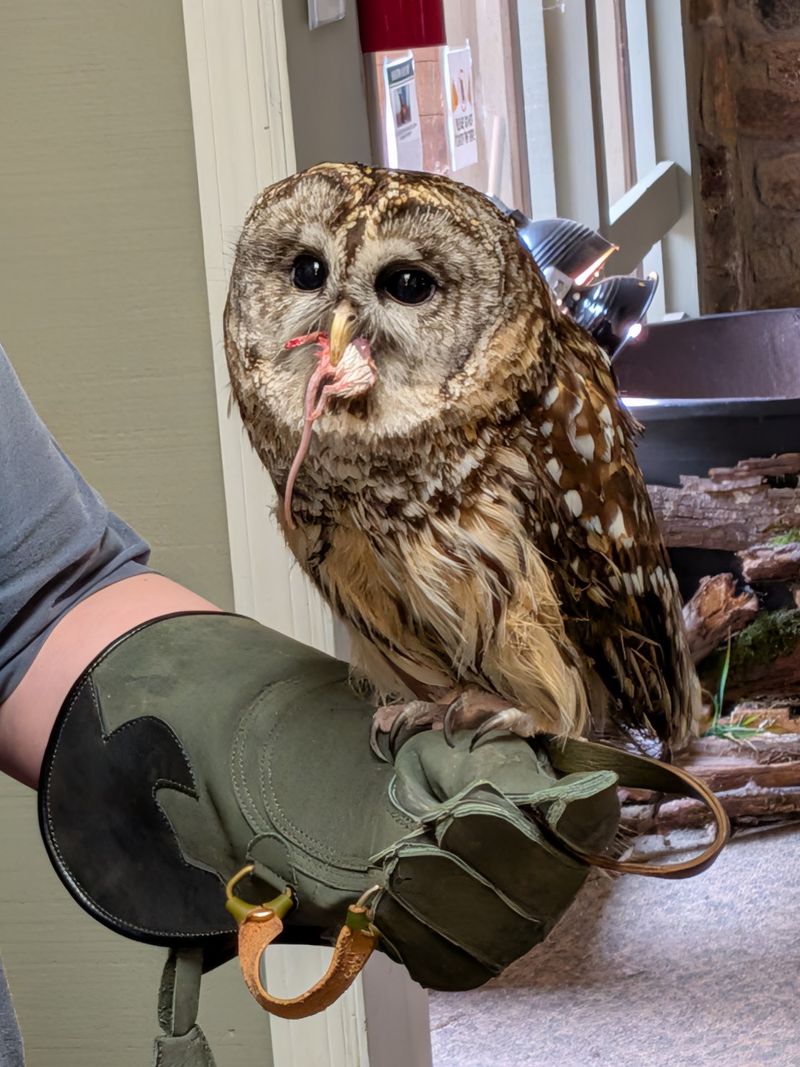
Birdsong carries through the pines at Oak Mountain State Park in Pelham, and somewhere behind the trees, a barred owl is being weighed on a small scale.
The Alabama Wildlife Center sits inside the park, quietly patching up the state’s native birds, located at 100 Terrace Dr, Pelham, AL 35124, United States.
Songbirds arrive with broken wings. Orphaned nestlings show up in shoeboxes.
Volunteers who work in the rehabilitation clinic get remarkably close to the action, chopping food, preparing formulas, and hand-feeding hungry patients on tight schedules. Others help along the Treetop Nature Trail, where permanent resident raptors live in open-air enclosures shaded by hardwoods.
Education ambassador programs need helpers too, especially when a hawk needs steady handling in front of a curious crowd. Then there is the less glamorous but equally necessary side of things, including painting, gardening, minor renovations, and keeping enclosures spotless.
A transport team drives injured birds in from across the region, which means a volunteer shift might involve a stretch of country highway and a cardboard carrier riding on the passenger seat.
The park setting makes the whole visit feel like a hike with a purpose. Trails wind past lakes, and the air smells like warm pine needles in summer.
Anyone hoping to help should plan on training, patience, and a willingness to scrub things. The reward comes at release, when a healed bird lifts off over the treetops and disappears without looking back.
2. Hands-On Learning At The Alabama Wildlife Federation Nature Center In Millbrook
Turtles, snakes, frogs, and salamanders make up the resident cast at the Alabama Wildlife Federation’s Nature Center, and each one has an appetite that keeps volunteers busy. Find it at 3050 Lanark Road, Millbrook, AL 36054, tucked into rolling woods and quiet fields.
The Animal Ambassador Care Team handles feeding, cleaning, and enrichment, which sometimes means rearranging a snake’s habitat so it has something new to explore. Small tasks, big difference.
Citizen science runs strong here. Volunteers count birds for Project FeederWatch, monitor nests through NestWatch, track monarch caterpillars, join Moth Week, and help with the Great Southeast Pollinator Census.
School field trips bring waves of noisy curiosity, and extra hands keep groups moving between pond dipping and trail walks. Trail crews inspect boardwalks, clear branches, and patch small problems before they turn into big ones.
Creek cleanups pull trash out of the water where fish and turtles feed. Flower beds need weeding, and special events always need someone at the welcome table.
Millbrook sits close to Montgomery, so the center pairs easily with a longer road trip through central Alabama. Bring boots that can handle mud.
What makes the place memorable is the mix of teaching and doing, where a first-time volunteer might learn a species name in the morning and then explain it to a child by the afternoon.
3. Coastal Care At The Alabama Gulf Coast Zoo In Gulf Shores
Sea breeze, palm shade, and the occasional lemur chatter set the mood at the Alabama Gulf Coast Zoo in Gulf Shores, located at 20499 Oak Rd E, Gulf Shores, AL 36542. Animal care here happens against a backdrop of sandy soil and salt air, only a short drive from the beach.
Volunteers slot into daily operations, helping with the countless small chores that keep a zoo running smoothly. Some greet visitors and answer the same excellent question about sloths twenty times before lunch.
Educational programs rely on people willing to talk, demonstrate, and hand out facts in a way that actually sticks with families. Conservation initiatives need support too, from habitat projects to awareness campaigns aimed at protecting coastal species.
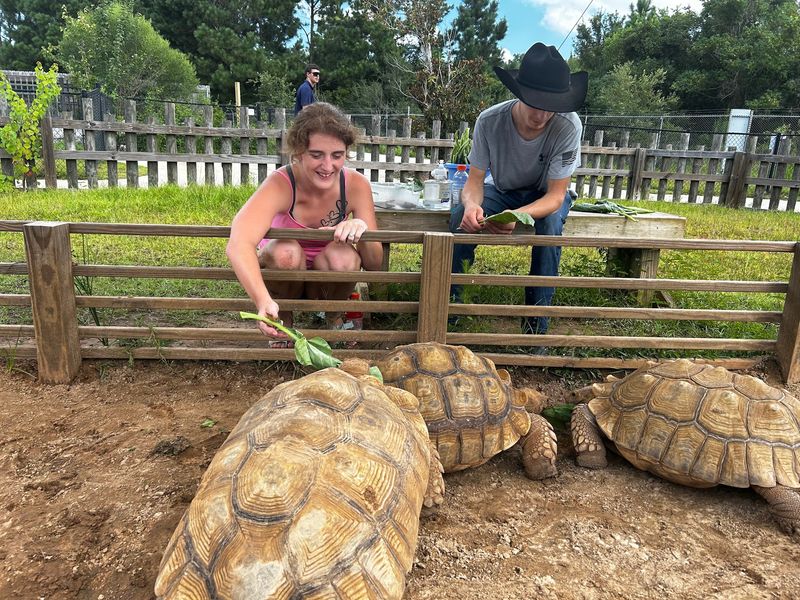
Younger helpers have their own path through the Junior Camp Counselor program, which pairs teens with campers exploring animals for the first time. Watching a kid meet a tortoise never really gets old.
The zoo moved years ago to a larger inland site with more room for its residents, and that history shows in the spacious, shaded habitats. Boardwalks weave between them.
Gulf Shores makes an easy base for a longer coastal stretch of the trip, with dunes, piers, and marshes nearby. Mornings tend to be cooler and calmer for volunteer shifts.
Anyone drawn to hands-on hospitality as much as animal welfare will find the pace here friendly, busy, and genuinely social.
4. Stranding Response At The Dauphin Island Sea Lab
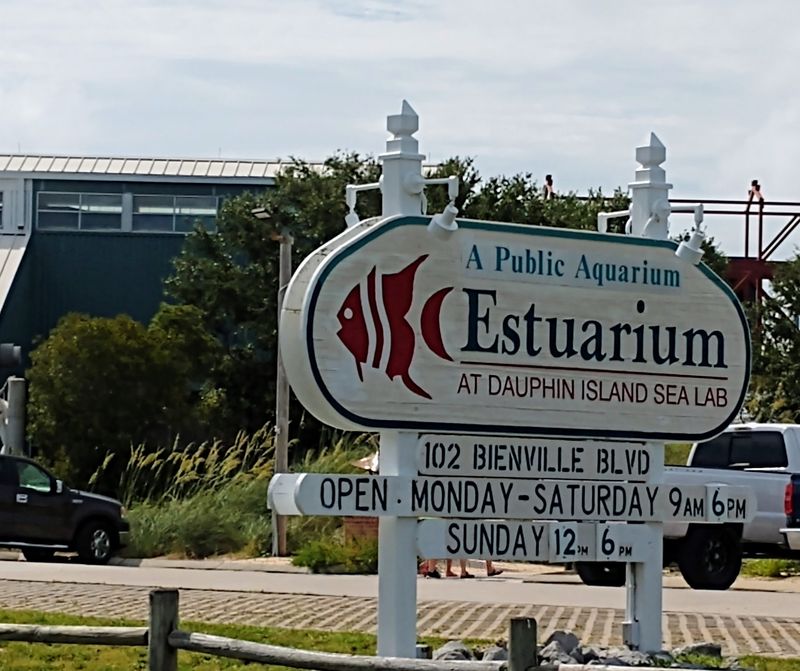
Down on Dauphin Island, where ferries chug across the bay and shorebirds pick at the wrack line, the Dauphin Island Sea Lab runs a marine mammal program with real urgency behind it. The lab sits at 101 Bienville Boulevard, Dauphin Island, AL 36528, close enough to the water to hear it.
The Alabama Marine Mammal Stranding Network responds when dolphins, whales, or manatees turn up in trouble along the coast. Calls come at odd hours.
Volunteering here can be physically and emotionally demanding, involving first aid for live animals stranded on beaches. Other days focus on data collection from animals that did not survive, including assisting with necropsies that reveal why.
Findings from that work feed into conservation decisions across the Gulf. Public outreach events round out the schedule, giving volunteers a chance to explain stranding science to beachgoers who had no idea it existed.
Training covers marine mammal anatomy, biology, and emergency response protocols, so nobody walks onto a beach unprepared. Sturdy shoes and sunscreen are non-negotiable.
Dauphin Island rewards a slower visit, with quiet beaches, a bird sanctuary, and a fort at the eastern end. Sunsets over the sound tend to stop conversation.
For travelers curious about ocean life beyond aquarium glass, few experiences in Alabama get closer to the reality of it.
5. Bird Advocacy Through Alabama Audubon
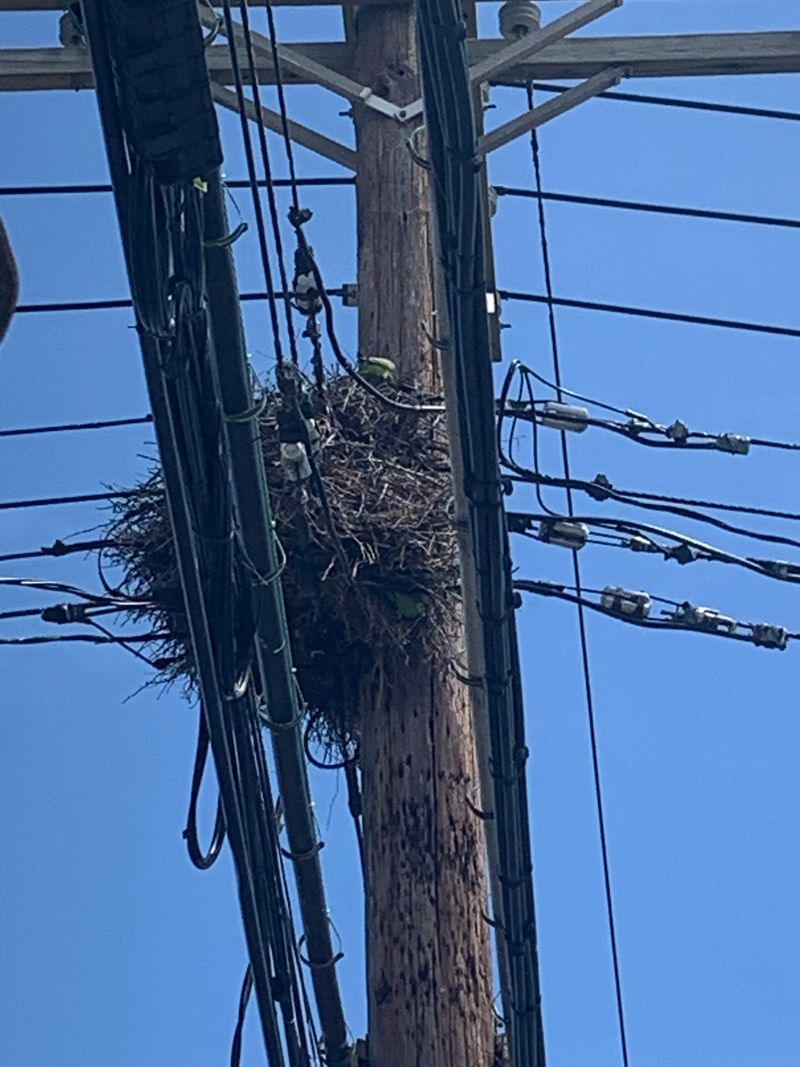
Bird-window collisions sound like a small problem until someone walks a downtown sidewalk at dawn and starts counting. Alabama Audubon built Project Safe Flight around exactly that kind of fieldwork, using volunteer observations to figure out which buildings need safer glass.
Shifts start early. Coffee helps.
Killdeer Nest Watch takes the work outdoors in spring and summer, when volunteers keep tabs on nests tucked into gravel lots and open ground. Killdeer are famous for their broken-wing act, a bit of theater designed to lure predators away from eggs.
Monitoring those nests fills gaps in population data that researchers cannot gather alone.
Coastal programs pull volunteers south, where Coastal Bird Stewards talk with beach visitors, share nesting information, and run surveys along the Alabama Gulf Coast. Conversations happen barefoot, usually with binoculars in hand.
The organization works across the state, so participation can fit a city itinerary in Birmingham or a slow week near the shoreline. Field trips and workshops fill out the calendar.
Learning to identify birds by shape and behavior changes how travel feels afterward, turning parking lots and marshes into places worth a second look. Patience becomes a skill rather than a chore.
Anyone who has ever paused to watch a hawk circle over a highway will find plenty of company in this crowd, and plenty of practical ways to help.
6. Forest Work With Wild Alabama In Bankhead And Talladega
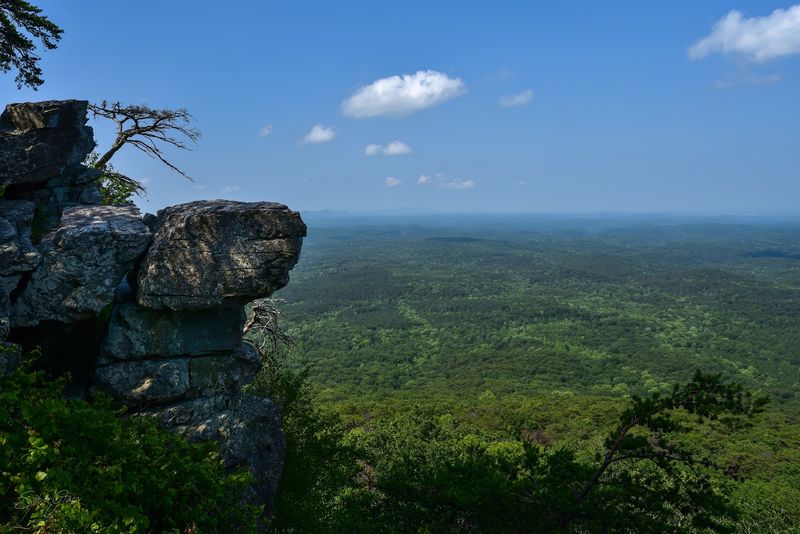
Bankhead and Talladega National Forests hold waterfalls, canyons, and old hardwoods that most visitors never see, and Wild Alabama focuses on keeping those places healthy. Habitat protection sits at the foundation of wildlife survival, which makes trail work surprisingly important.
Volunteer Wilderness Rangers hike assigned routes, check conditions, and chat with hikers about Leave No Trace habits. They also flag invasive plants and spots where erosion is starting to bite.
Forest Ambassadors take a friendlier post, answering questions at trailheads and steering visitors toward responsible choices. Good directions prevent a lot of damage.
The Legacy Trails program digs deeper, literally, restoring trail beds, clearing fallen limbs, and brushing back overgrowth. Traditional hand tools do much of the work, which gives the whole effort an old-fashioned rhythm.
Crosscut saws still earn their keep out there.
Helping Hands projects tackle cleanups, invasive species removal, glade restoration, and watershed protection, all of which translate into better homes for salamanders, birds, and bats. Alabama ranks among the most biologically diverse states in the country, and these forests are a big reason why.
Expect creek crossings, hot afternoons, and the smell of leaf litter after rain. Sturdy boots matter more than anything else in the pack.
Days spent here tend to shift how a traveler sees a forest, less as scenery and more as a working, breathing neighborhood.
7. Habitat Projects Through Alabama State Parks Volunteer In Parks
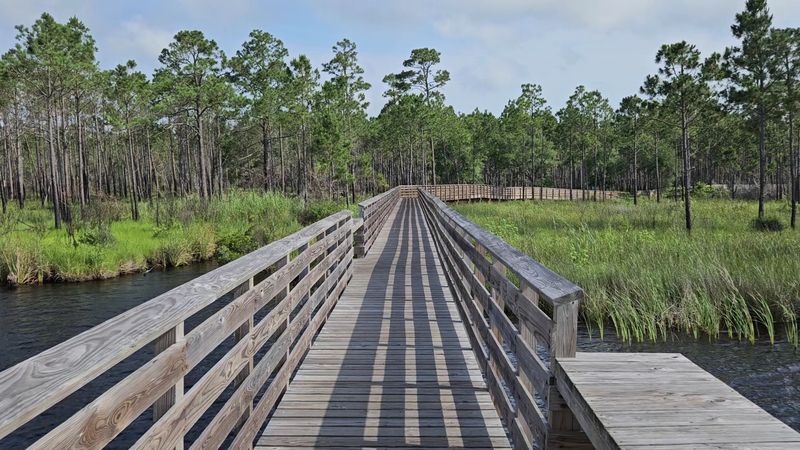
Twenty-one state parks, one volunteer program, and an enormous amount of ground to cover. The Volunteer In Parks program spreads opportunities from the Gulf beaches to the sandstone rim of Lookout Mountain.
Projects range from ordinary maintenance to work that directly changes what animals can live where. Pulling invasive plants gives native wildflowers, grasses, and shrubs a real chance to come back.
At Gulf State Park, volunteers have built and installed bluebird nesting boxes, which is about as satisfying as carpentry gets. DeSoto State Park has seen demonstration bogs created for rare plants such as green pitcher plants.
Those bogs support insects and amphibians that depend on very specific wet ground.
Trail maintenance and landscaping fill many shifts, and both keep visitors on durable paths instead of trampling sensitive areas. Camp Hosts stay longer, welcoming campers and handling light upkeep around the campground, while Work Campers take on bigger projects.
Each park brings its own personality, whether that means longleaf pine, waterfalls, caves, or salt marsh. Choosing one almost becomes a trip-planning game.
The best part is how naturally a volunteer day slides into a camping weekend, with a swim or a hike waiting once the tools go back in the shed. Wildlife tends to show up quietly nearby, curious about all the commotion.
8. Birds Of Prey At The Auburn University Raptor Center
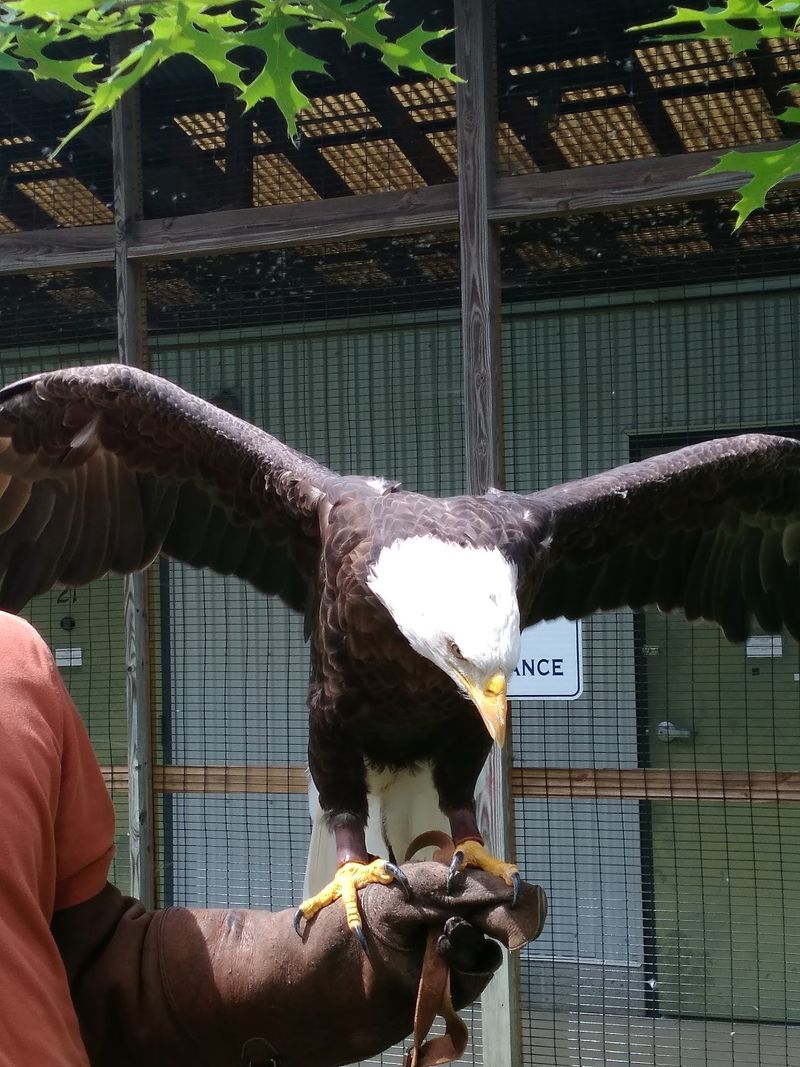
Eagles, hawks, owls, falcons, and vultures pass through the Auburn University Raptor Center every year, many arriving with injuries that would end the story anywhere else. The center operates at 1350 Pratt-Carden Drive, Auburn, AL 36849, on the edge of a campus that takes its birds seriously.
Husbandry work forms the backbone of volunteering. Cleaning enclosures, preparing food, and keeping things organized may not sound thrilling, but nothing else happens without it.
Education programs offer another route, with volunteers helping train birds of prey and supporting presentations and tours for school groups and visitors. Watching an eagle step calmly onto a glove is a lesson in trust built slowly.
Students and career-changers interested in veterinary science can assist with avian medicine tasks and data entry, which builds genuine experience in wildlife rehabilitation. Records matter as much as bandages.
The center is well known for the eagles that fly at university football games, a tradition that draws attention to raptor conservation far beyond Alabama.
Auburn makes a comfortable stop on a drive through the eastern part of the state, with shaded streets, bakeries, and gardens worth a wander. Fall afternoons there are hard to beat.
Volunteering brings a different view of these birds, less symbol and more animal, with quirks, appetites, and firm opinions about who gets to hold them.
