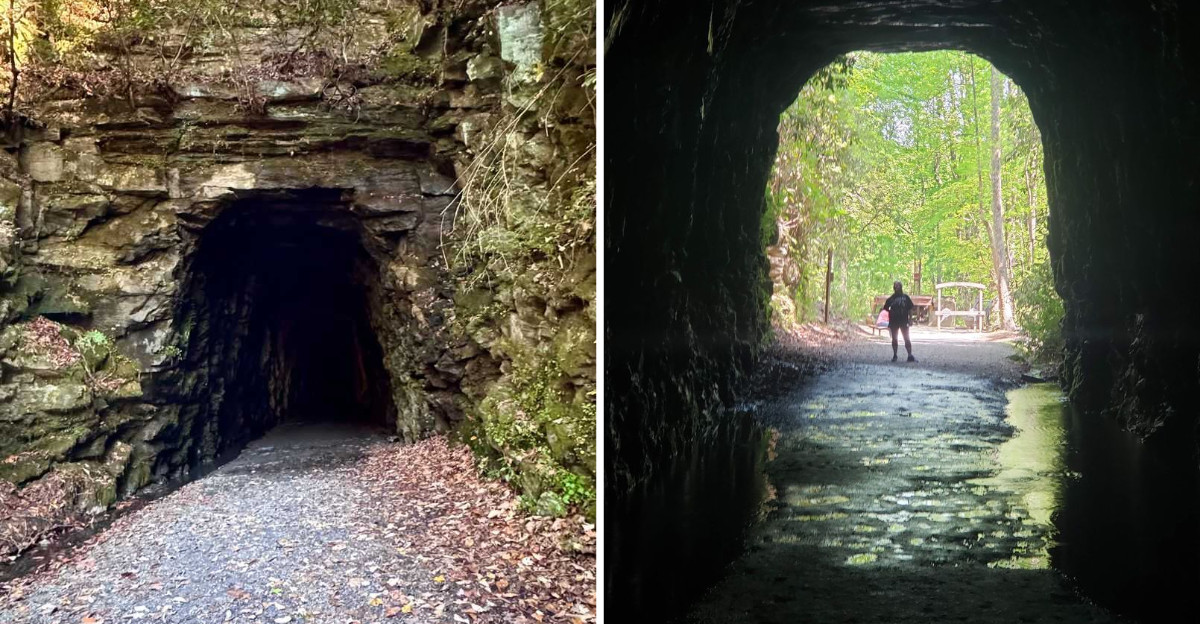
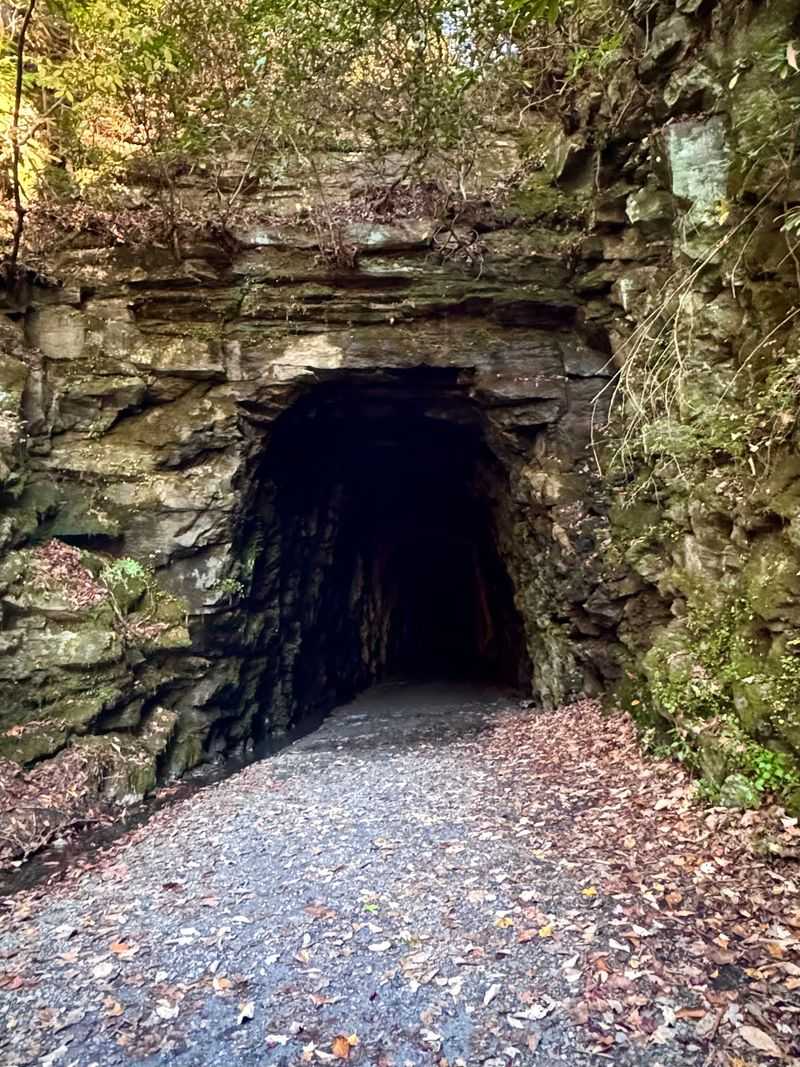
The first thing I noticed was the temperature drop, and it happened faster than I expected. One minute I was sweating on a short uphill path in the South Carolina foothills, and the next I was standing in front of a granite mouth breathing cold air right into my face.
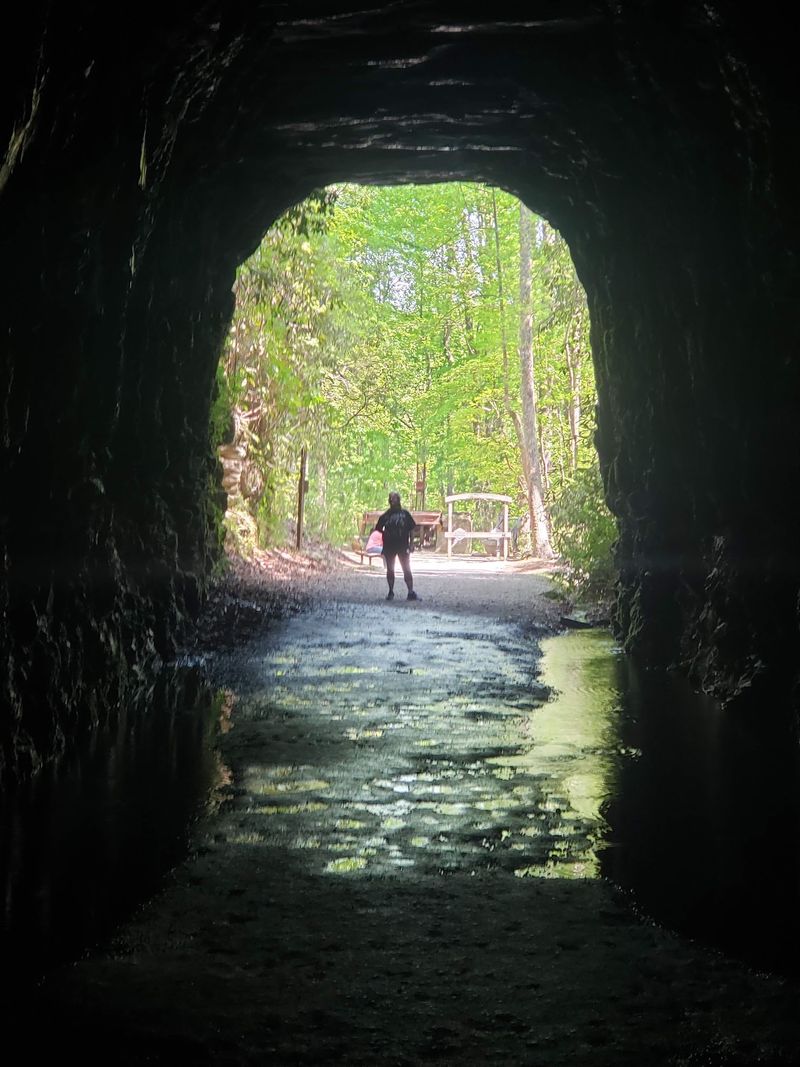
Stumphouse Tunnel is a railroad tunnel that workers started carving in the 1850s and never finished, which means you can walk straight into a mountain that has been waiting on a train for well over a century. Water drips from the ceiling, your voice bounces back at you, and the light behind you shrinks into a small bright coin.
I went in expecting a quick photo stop and stayed much longer, mostly because the whole place feels strange in the best possible way. If you like history that you can touch, walk through, and get a little damp inside of, this one belongs on your list.
The Railroad Dream That Started It All
Back in the 1830s, South Carolina had big plans. Governor Robert Hayne pushed the idea of the Blue Ridge Railroad, a line that would run from Charleston up through the mountains to Knoxville, Tennessee, and eventually reach Cincinnati, Ohio.
Charleston merchants wanted a direct route to the Midwest, and a railroad seemed like the answer. Goods, crops, and passengers would move faster than anyone had imagined.
The problem sat right in the way: a mountain made of blue granite. To keep the tracks level enough for trains, engineers decided to cut straight through it rather than climb over it.
Reading the old markers at the site, I kept thinking about how bold that decision was for the 1850s. There were no machines to speed things along, no electric lights, no modern drills.
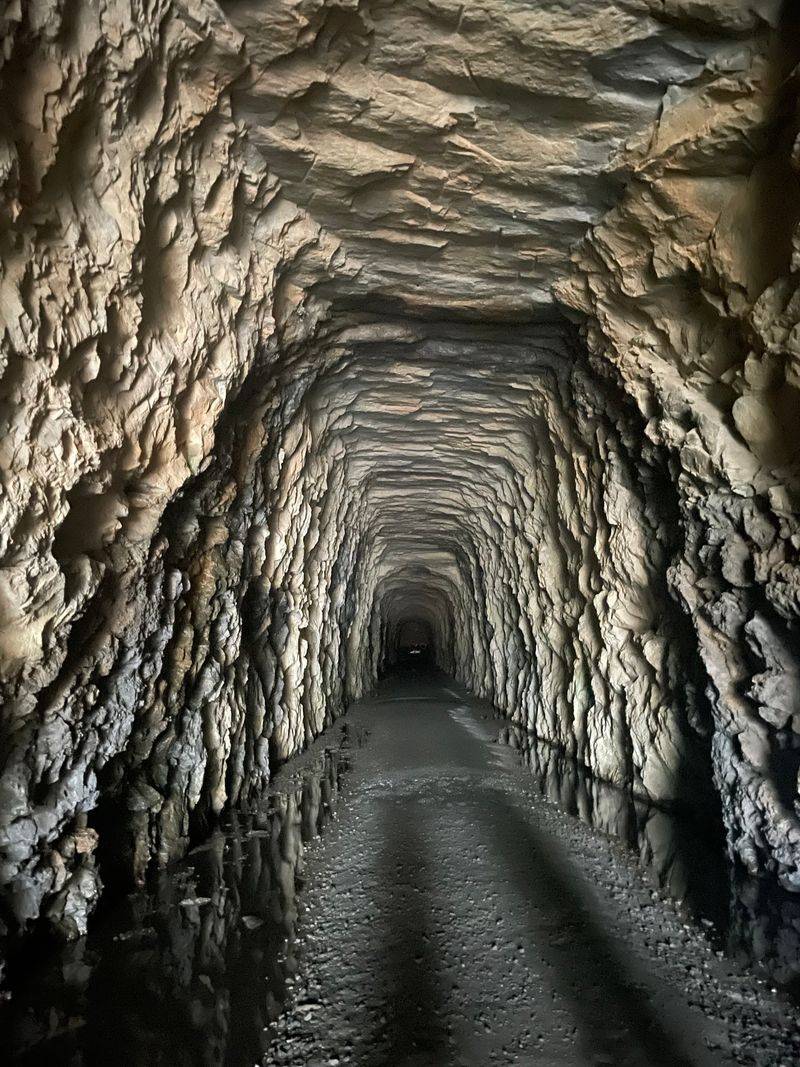
Planners drew up a tunnel stretching 5,863 feet, just over a mile long. Had it been finished, it would have been the longest railroad tunnel in the entire country at the time.
Ambition like that deserves respect, even when it ends in silence. Standing near the entrance, the scale of that old dream still lands hard.
Hand Tools Against Solid Blue Granite
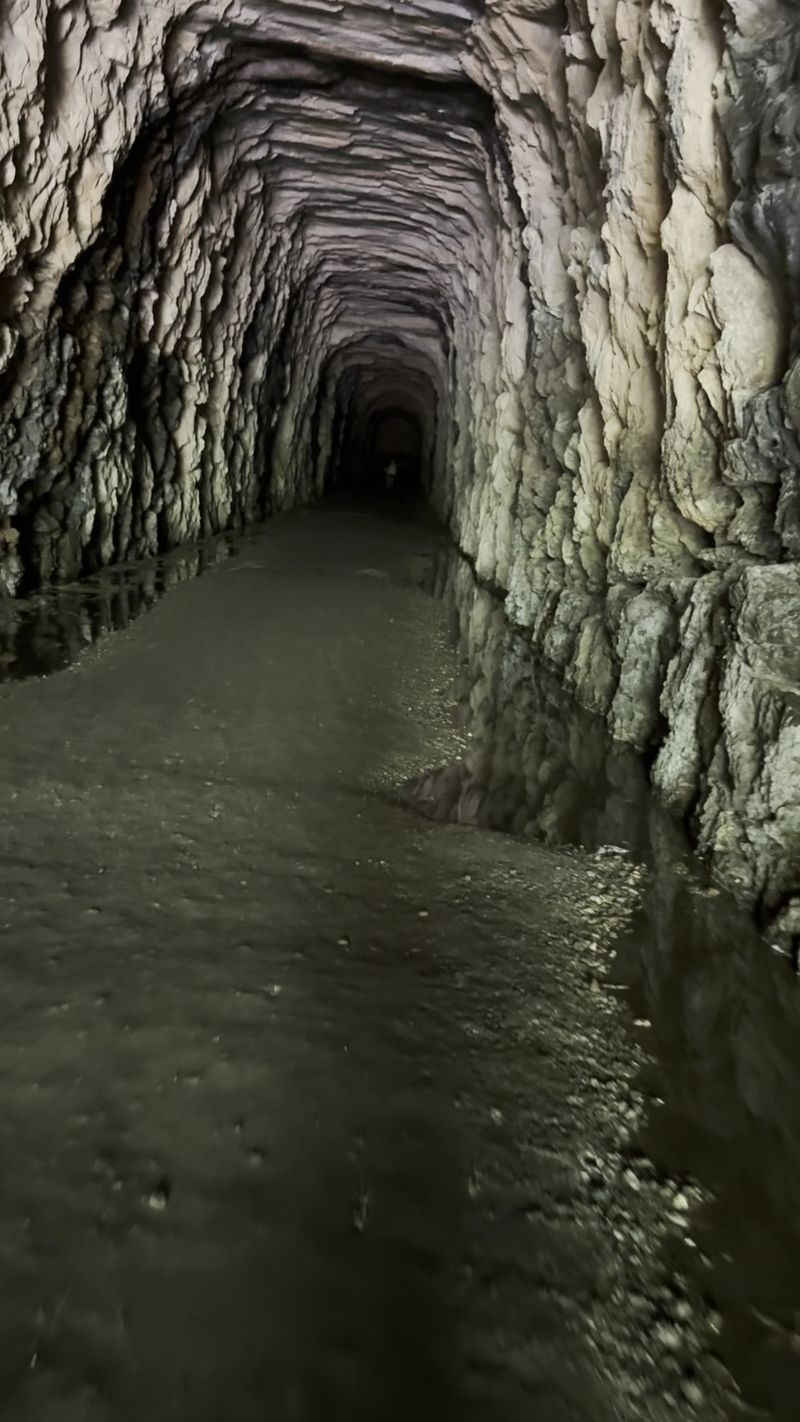
Run your flashlight along the tunnel walls and you will see them: narrow grooves and pockmarks left by hand drills. Those marks are the fingerprints of the people who dug this place.
Work moved forward between 1853 and 1859, and most of the labor came from Irish immigrants who had crossed an ocean looking for steady pay. Their toolkit was simple and brutal, sledgehammers, hand drills, and black powder.
One worker held a steel drill while another swung a hammer at it, over and over, turning the bit slightly with each strike. Once the hole went deep enough, black powder went in, and the blast knocked loose whatever it could.
Progress was measured in inches on many days. That detail stuck with me more than any statistic on a sign.
I put my palm on the cold rock and honestly could not picture doing this for months, let alone years. The granite here is dense and stubborn, the kind of stone that dulls tools quickly.
Every foot of this tunnel represents sweat, noise, and serious risk from people whose names mostly went unrecorded.
Tunnel Hill, the Town That Vanished
Something like 1,500 people once lived on this mountain. A whole temporary town called Tunnel Hill grew up around the dig, built to house workers and their families while the project pushed forward.
It had a schoolhouse, a Catholic church, and a post office. For a settlement thrown together around a construction site, that is a real community with real daily rhythms.
Life there was rough, though. Housing was flimsy, air quality was poor, blasting noise never seemed to stop, and ends from the dangerous work happened often enough to become part of ordinary life.
Walking the wooded slopes today, you would never guess a town sat here. Trees have taken everything back, and the quiet feels almost unfair given how loud this hillside once was.
Some visitors hike the higher trails and find an old cemetery tucked into the woods, a reminder that people did not just work here, they lived and died here.
That layer of history is what turns a short tunnel walk into something that sits with you on the drive home.
Why the Digging Stopped Cold
Money ran out first. By 1859, more than one million dollars had gone into the Blue Ridge Railroad project, and the South Carolina legislature decided to stop funding it.
Then the Civil War arrived, and any hope of restarting the work disappeared completely. Crews packed up, Tunnel Hill emptied, and the mountain kept the hole it already had.
Out of the planned 5,863 feet, only 1,617 feet were ever excavated. That works out to about a quarter of a mile, roughly 27 percent of the original plan.
People started calling it the Tunnel to Nowhere, which is blunt but fair. Trains never rolled through, and the tracks never arrived.
There is a smaller sibling nearby too, the 365-foot Middle Tunnel, which actually got finished as part of the same railroad effort. It has partially collapsed over the years and floods regularly, so it does not welcome visitors the way the main tunnel does.
Failed projects rarely leave behind anything worth visiting. This one left a cold granite corridor that outlasted the railroad it was meant to serve.
When Clemson Aged Blue Cheese Inside
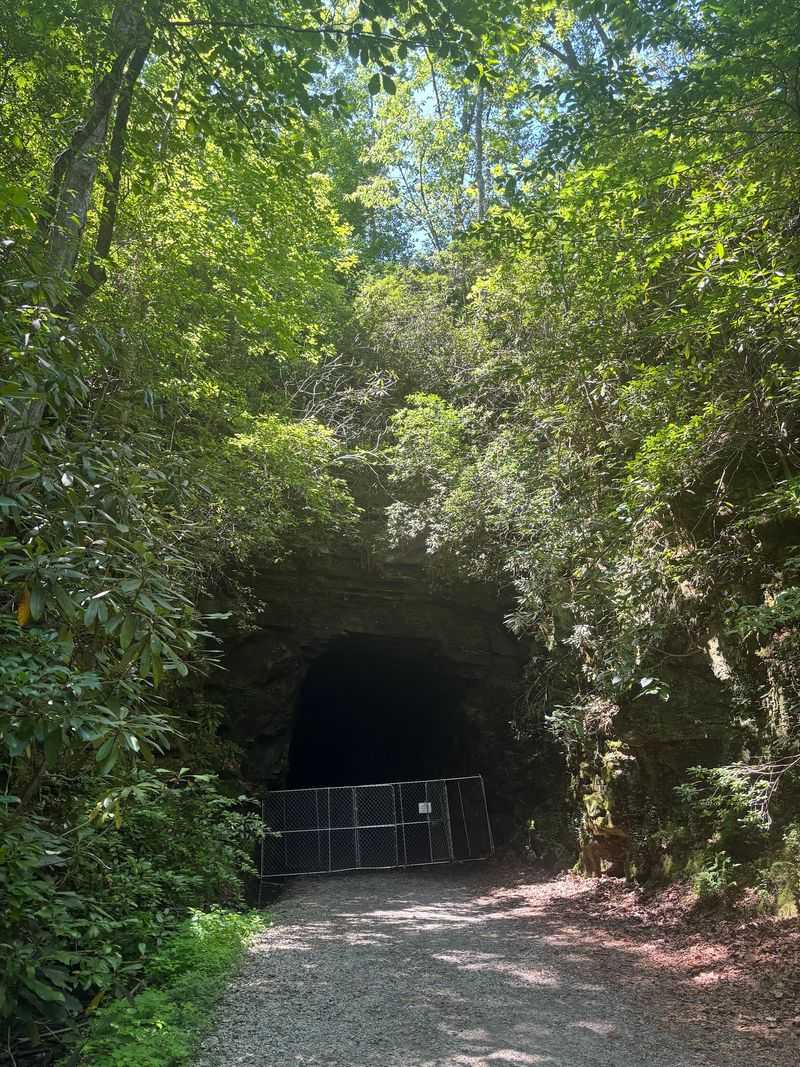
Here is the fact that makes people laugh out loud at the trailhead: this tunnel used to be a cheese cave. Clemson University bought the property in the early 1950s and started aging blue cheese inside.
The reason is surprisingly logical. Deep in the rock, the temperature holds steady at about 50 degrees Fahrenheit with humidity around 85 percent all year long.
Those conditions closely match the natural caves in Europe where blue cheese has been aged for centuries. Instead of building an expensive climate-controlled facility, the university simply used a mountain that was already doing the job for free.
Cheese production ran here from 1951 into the 1970s. Eventually Clemson figured out how to copy the tunnel’s atmosphere back on campus and moved operations there.
I love that a failed railroad found a second career in dairy. It is such an odd, practical, very Southern solution to a problem.
Clemson Blue Cheese still exists today, and knowing it got its start inside a dark granite tube makes it taste a little more interesting.
Issaqueena Falls, Right Next Door
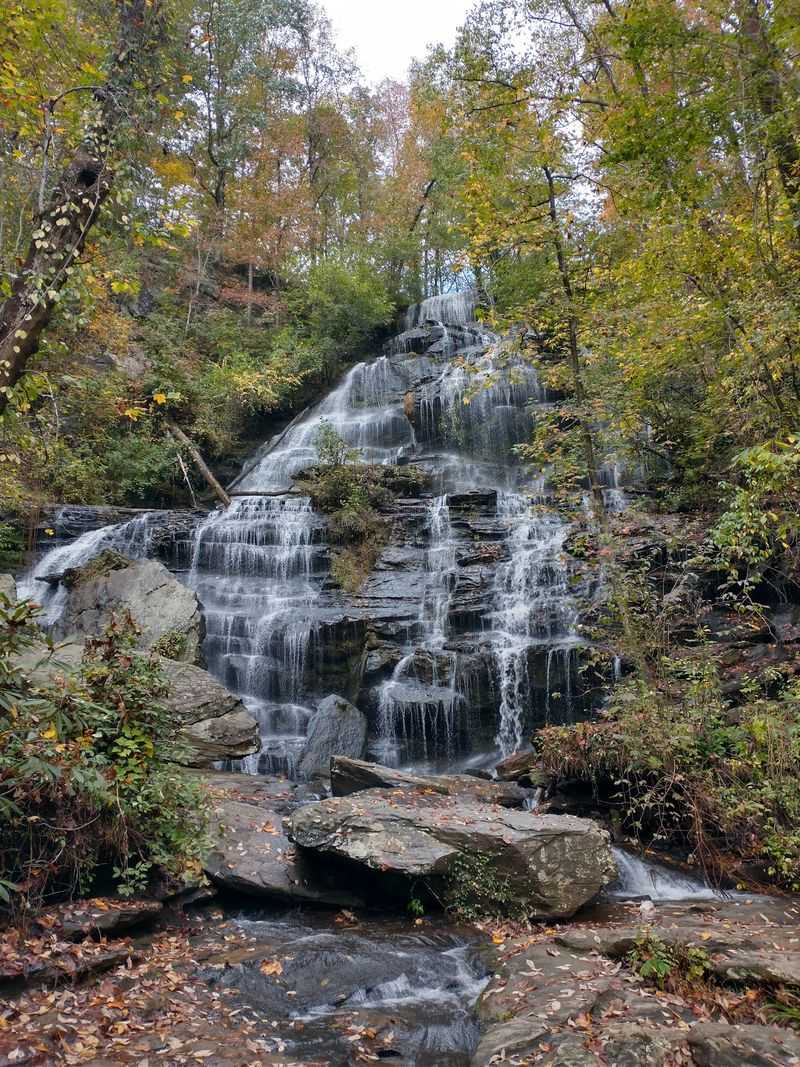
Two attractions for one stop is a rare deal, and the waterfall here is no afterthought. Issaqueena Falls sits a short walk from the tunnel and tumbles roughly one hundred feet or more down a rocky face.
A wooden boardwalk leads to an observation deck where you get a side view of the water. It takes only a couple of minutes to reach, which makes it doable for almost everyone in your group.
A rougher, steeper route drops toward the base for a closer look. That climb is genuinely tough, involving loose dirt and rock scrambling, and getting back up is harder than going down.
Water volume changes a lot depending on rainfall. After a dry stretch, the flow thins out considerably, so visiting after rain gives you the better show.
I liked the contrast most of all. You go from pitch-black stone silence to bright open air with water crashing below, all within a few hundred steps.
Little pools gather near the bottom, and the greenery around them makes the whole scene feel tucked away from everything.
Trails, Bikes, and Picnic Tables
Plenty of people show up for the tunnel and end up staying half the day. Stumphouse Park covers 440 acres, and the trail network gives you far more to do than one quarter-mile walk.
The Palmetto Trail runs through here as the Stumphouse Passage, connecting into a much longer statewide route. There is also the Blue Ridge Railroad Hiking Trail, which follows ground tied to the original rail project.
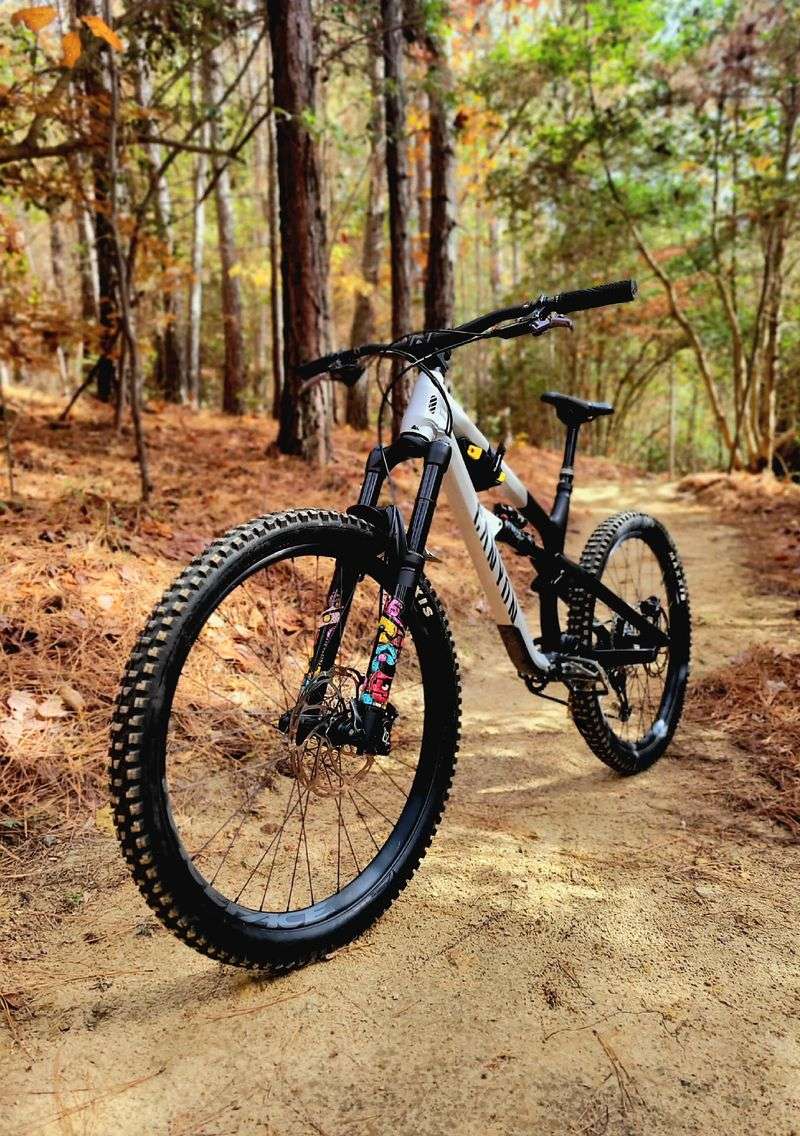
Mountain bikers get their own playground at the Stumphouse Mountain Bike Park, with enough singletrack to fill a weekend rather than an afternoon. Riders I passed seemed in no hurry to leave.
Picnic areas with tables and grills sit near the parking areas, and outhouse-style restrooms are available. Three separate parking lots spread visitors out nicely.
Dogs are welcome, which makes it an easy stop if your travel buddy has four legs. Trail signage is limited, so downloading a map before you arrive saves some guesswork.
Trails occasionally close for maintenance or weather, so a quick check ahead of time keeps your plans from unraveling.
Planning Your Visit Without Regrets
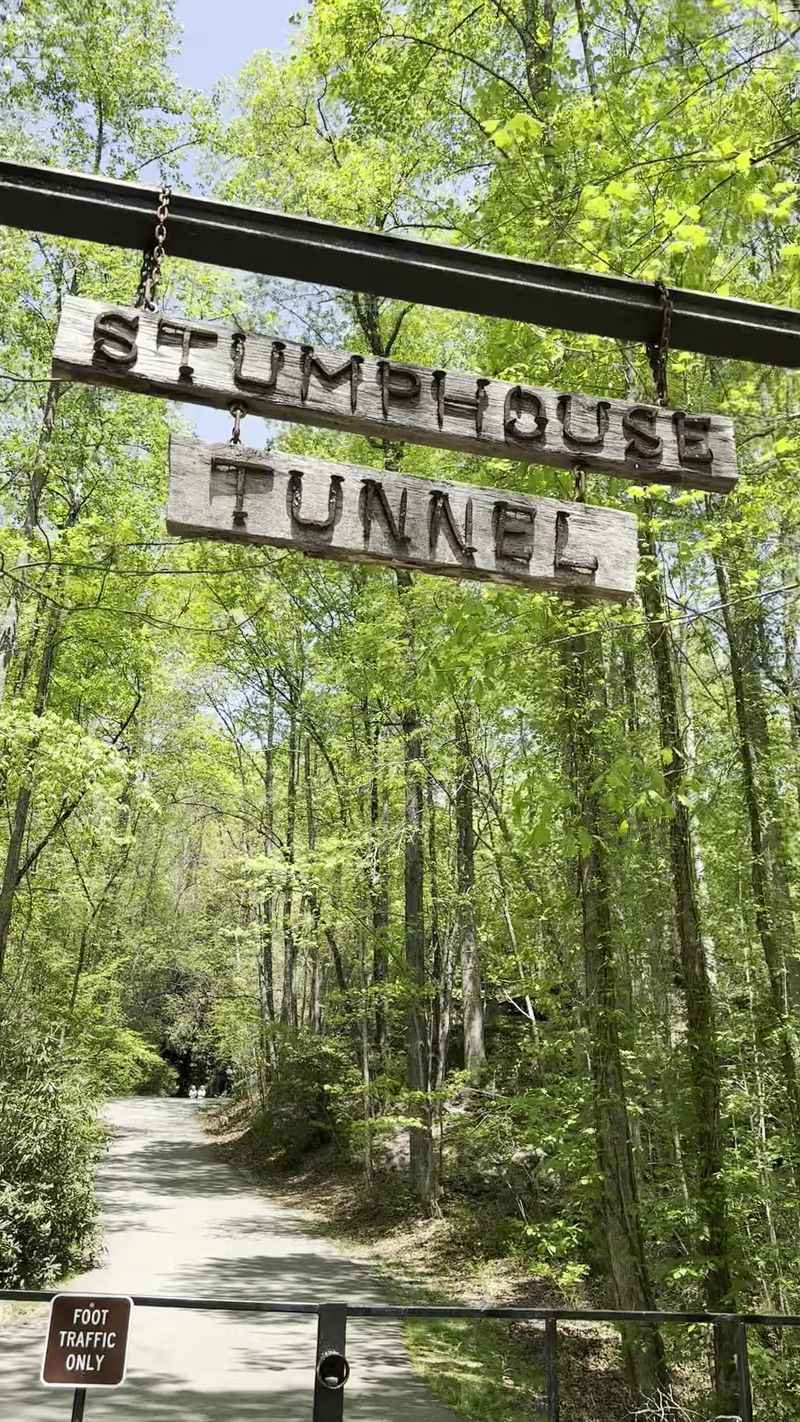
Timing and packing make the difference here, and both are easy to get wrong. The park sits about seven miles northwest of Walhalla along Highway 28, an easy drive through pretty foothill country.
Gates generally open at 8:00 am, closing at 8:00 pm during spring and summer and 6:00 pm in fall and winter. The park closes on Christmas Day and during bad weather.
Bring a jacket even in July. Fifty degrees feels genuinely cold when you have been walking around in summer heat, and kids notice it immediately.
Flashlights beat phone lights every time, and one per person keeps everyone comfortable. Shoes with grip help on the wet, uneven tunnel floor.
Give yourself more than thirty minutes. Pairing the tunnel with the waterfall, a picnic, and a stretch of trail turns a quick stop into a proper outing.
Nearby, the Walhalla Fish Hatchery and the Yellow Branch Falls trailhead round out an excellent day in Oconee County.
Address: Stumphouse Tunnel Rd, Walhalla, SC 29691
