I’ll be honest, I never expected Indiana to stop me in my tracks the way it did. I grew up thinking historic sites meant dusty rooms and faded placards, but then I started exploring this state and everything I assumed went right out the window.
From a hotel with a dome so grand it once held a Guinness World Record to a utopian colony that still feels like a dream, Indiana has corners that are genuinely jaw-dropping. I pulled out my phone at nearly every stop, not because I was trying to look cool on Instagram, but because I genuinely could not believe what I was seeing.
If you love history and you love a great photo, these eight spots are going to change how you think about the Hoosier State.
1. New Harmony Historic District
New Harmony feels like someone pressed pause on time sometime around the 1820s and forgot to press play again. This small town along the Wabash River was home to not one but two utopian communities, and walking its streets today still carries that quiet, intentional energy.
The architecture is layered with purpose, each building telling a story about people who genuinely believed they could build a perfect society from scratch.
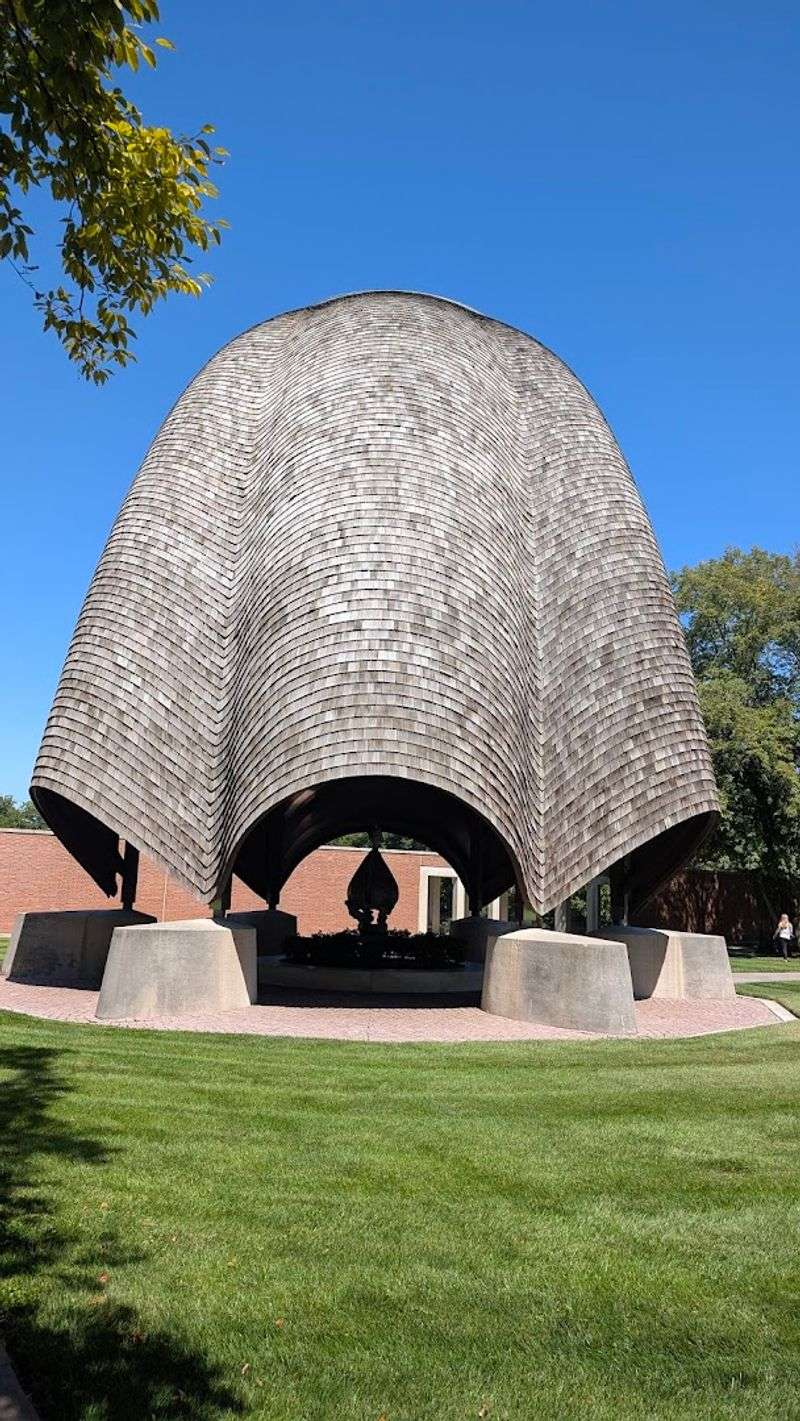
The Roofless Church, designed by Philip Johnson, is one of the most photographed spots in all of Indiana. Its open-air rose-petal dome and the Jacques Lipchitz sculpture inside make for a composition that looks almost unreal in morning light.
The Labyrinth nearby, a recreation of the original Harmonist maze, is equally compelling for photos and for thought.
The Atheneum Visitors Center at 401 N Arthur St, New Harmony, IN 47631 is a Richard Meier-designed building that looks like it belongs in a modern art museum. Nearby, Paul Tillich Park offers shaded benches and a reflective atmosphere that pairs beautifully with the town’s overall mood.
For a local meal, Murphy’s USA on Main Street is a beloved spot for explorers after a long day on the grounds.
Bring a wide-angle lens if you have one. The town is compact enough to walk entirely, but every block offers a new angle worth capturing.
New Harmony rewards slow travelers who take their time.
2. West Baden Springs Hotel
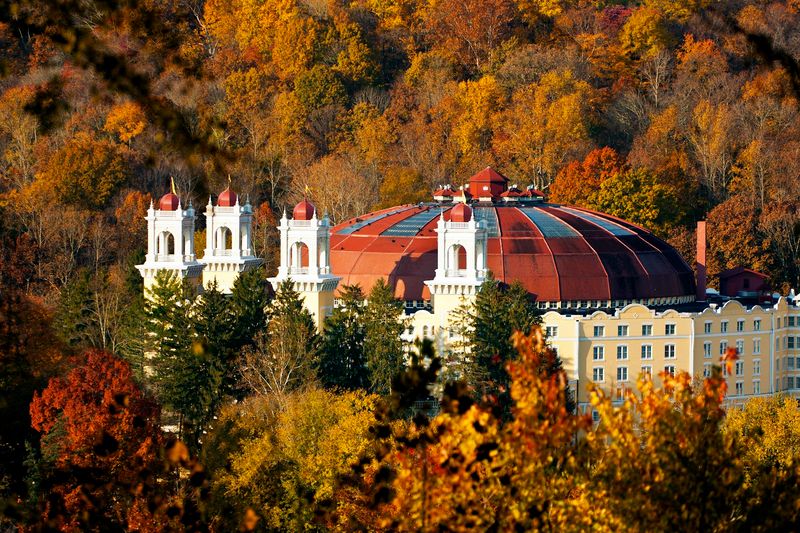
There is a moment when you walk into the atrium of West Baden Springs Hotel and your brain simply refuses to process the scale of it. The freestanding dome stretches 200 feet in diameter, and when it was completed in 1902, it was the largest free-spanning dome in the world.
It held that global title until 1913, and standing beneath it today, you completely understand why it remains a legendary “Eighth Wonder of the World.”
The hotel at 8538 W Baden Ave, West Baden Springs, IN 47469 sits deep in the rolling hills of Orange County and has been meticulously restored to its original grandeur. Light pours through the dome’s glass panels at different angles throughout the day, making every hour a different photographic opportunity.
The ornate columns, the winding walkways, and the central fountain create a scene that feels more European palace than southern Indiana.
The surrounding grounds are equally photogenic, with manicured gardens and wooded trails that wind through the French Lick Resort property. The nearby French Lick Springs Hotel offers a complementary architectural experience just a short shuttle ride away.
Together, they form one of the most visually rich historic destinations in the entire Midwest.
Photographers should arrive early to catch the soft morning light filtering through the dome before the crowds arrive. The hotel offers tours through Indiana Landmarks, and the staff is genuinely passionate about sharing the building’s wild history as a hotel, circus winter home, and seminary.
3. Lanier Mansion State Historic Site
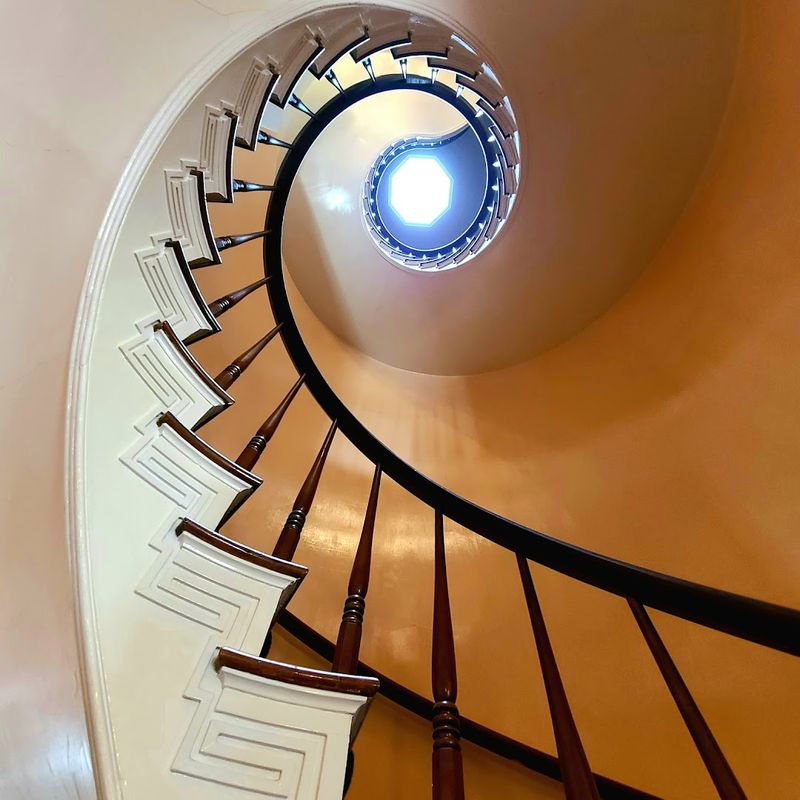
James Franklin Doughty Lanier built this mansion in 1844 and somehow managed to make it look like it belongs in a painting of ancient Greece rather than along the Ohio River in southern Indiana. The Greek Revival architecture designed by Francis Costigan is impeccable, with towering Corinthian columns and a cantilevered spiral staircase inside that is a true engineering marvel.
Every detail was designed to impress, and two centuries later, it still does.
Located at 601 W 1st St, Madison, IN 47250, the mansion sits on a bluff with sweeping views of the Ohio River that are impossible to photograph badly. The grounds feature formal gardens restored to their 19th-century appearance, and the contrast between the white columns and the blue sky makes for the kind of image that looks professionally shot even on a phone camera.
The interior features period furnishings that bring the 1840s vividly to life.
Madison itself is a treasure, consistently ranked among the most beautiful small towns in America. The downtown historic district is packed with 19th-century storefronts, local boutiques, and cafes like the Red Pepperoni that draw visitors back again and again.
The riverfront park just below the mansion is a perfect place to sit and take in the full view of the property from below.
Spring and fall are the best seasons to visit when the surrounding trees frame the mansion in color. The site is managed by Indiana State Museum and Historic Sites and offers regular guided tours for a small fee.
4. The Athenaeum (Das Deutsche Haus)
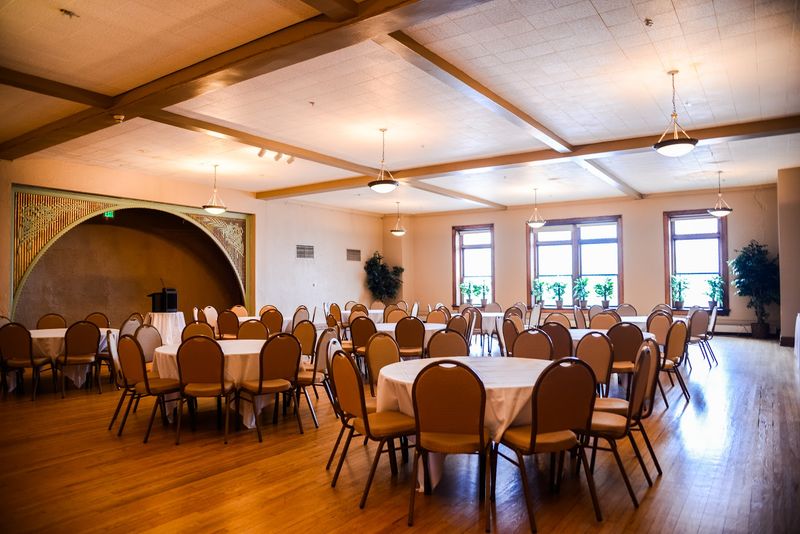
Indianapolis has a lot of architectural gems, but the Athenaeum at 401 E Michigan St, Indianapolis, IN 46204 hits differently. Built between 1893 and 1898 by the city’s German immigrant community, this German Renaissance Revival building was designed by architects Bernard Vonnegut and Arthur Bohn.
The result is a building so visually rich with terra cotta grotesques and limestone details that it feels like a piece of old Europe in the Midwest.
The turrets, the arched windows, and the warm red brick all combine into a facade that photographs beautifully. The building has been lovingly preserved and now houses a YMCA, event spaces, and the Rathskeller, which is the oldest continuously operating restaurant in the city.
The outdoor Biergarten is a particularly popular spot for lively photos and local culture.
The surrounding Mass Ave arts district is one of the most vibrant neighborhoods in Indianapolis. Nearby spots like Coatcheck Coffee, nestled in the building’s lobby, and the Kurt Vonnegut Museum and Library just a short distance away at 543 Indiana Ave add cultural depth to any visit.
The whole neighborhood feels like it was designed for people who love architecture and good food in equal measure.
Evening light hits the brick facade with a warm glow that turns the building almost copper. Plan to visit around sunset for the most dramatic shots of this National Historic Landmark.
5. Gary Bathing Beach Aquatorium
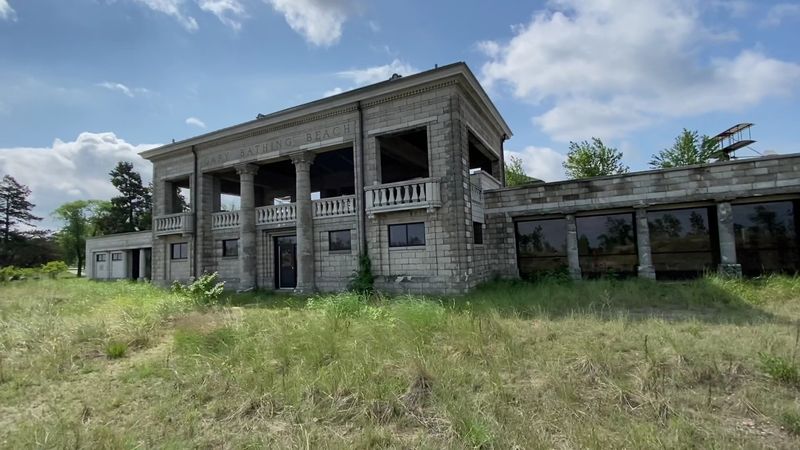
Not every Instagrammable historic site is polished and restored. The Gary Bathing Beach Aquatorium at 6918 Oak Ave, Gary, IN 46403 is a study in beautiful, rugged history, and for photographers who appreciate lakefront views and raw architecture, it is an essential stop.
Built in 1921, this structure designed by George Maher once served as the centerpiece of a thriving recreational area that drew thousands to the shore.
Today, the Aquatorium stands as a testament to the city’s history and its connection to flight; it houses a museum dedicated to Octave Chanute and the Tuskegee Airmen. The curved concrete forms, the stone-walled courtyards, and the way the structure frames the expanse of Lake Michigan create a visual tension that is genuinely arresting.
There is something deeply human about a place that bridges the history of early aviation with the natural beauty of the water.
The Indiana Dunes National Park is just a short drive away, offering a perfect natural follow-up to this architectural landmark. For the best photos, head to the upper viewing decks where you can capture the contrast between the historic masonry and the modern Chicago skyline visible across the lake on clear days.
6. T.C. Steele State Historic Site
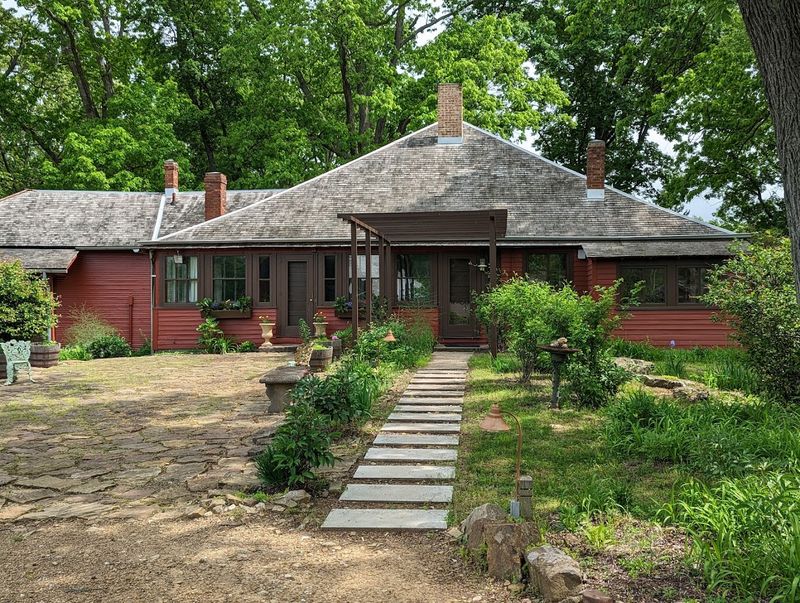
Theodore Clement Steele was Indiana’s most celebrated Impressionist painter, and the home and studio he built in the Brown County hills at 4220 T C Steele Rd, Nashville, IN 47448 is a direct reflection of the landscapes that inspired his most beloved work. Walking the grounds here feels less like visiting a museum and more like stepping into one of his paintings.
The wildflower gardens, the woodland trails, and the rolling views of the surrounding hills are exactly the kinds of scenes he spent decades trying to capture on canvas.
The House of the Singing Winds, as Steele called his home, sits on 211 acres of preserved Indiana hardwood forest. The studio building is original and still contains many of his works and personal belongings, giving it an intimacy that larger museums simply cannot replicate.
The large windows of the studio were specifically designed to flood the space with the natural light he needed for his work, and they make the interior incredibly photogenic.
Brown County State Park is just a few miles away and offers additional trails and overlooks that complement a visit to the Steele site beautifully. The town of Nashville, IN has a charming downtown with galleries, the Story Inn at 6404 S Story Rd, and local artisan shops that make for a full day of exploration.
Fall foliage season transforms the entire region into a color spectacle that would have made even Steele reach for brighter paint.
Admission to the site is modest and the staff offers guided tours that add meaningful depth to what you see. Come in October if you possibly can.
7. Soldiers and Sailors Monument
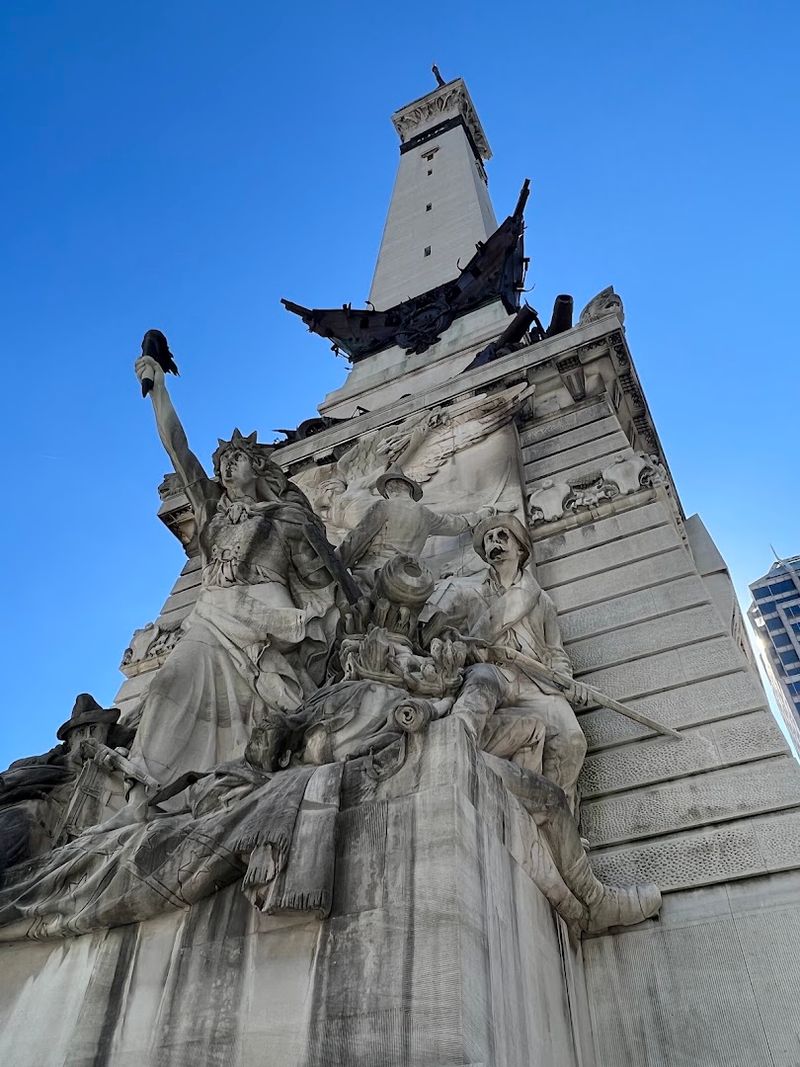
Monument Circle in downtown Indianapolis is one of those urban spaces that rewards you every single time you visit, regardless of how many times you have been there before. The Soldiers and Sailors Monument at 1 Monument Cir, Indianapolis, IN 46204 rises 284 feet above the street and is covered in detailed limestone carvings, bronze figures, and relief panels that honor Indiana’s Civil War veterans.
The sheer density of artistry packed into the structure is staggering.
Completed in 1902, the monument predates many of the surrounding buildings and still manages to anchor the entire city around it. The observation deck near the top offers a 360-degree view of downtown Indianapolis that is one of the best free vantage points in any Midwestern city.
On clear days, the skyline spreads out in every direction with the kind of clarity that makes you want to photograph everything at once.
The base of the monument features fountains, sculptures, and a small museum inside that explains the history and construction of the structure in fascinating detail. Circle Centre Mall and the surrounding restaurants and shops make the area easy to spend several hours in.
Nearby, St. Elmo Steak House at 127 S Illinois St has been a downtown institution since 1902, the same year the monument was completed.
Blue-sky days in spring and summer are ideal for exterior shots, while evening lighting makes the monument glow warmly against the night sky. Early mornings before the city wakes up offer rare quiet moments at one of Indiana’s most iconic landmarks.
8. George Rogers Clark National Historical Park
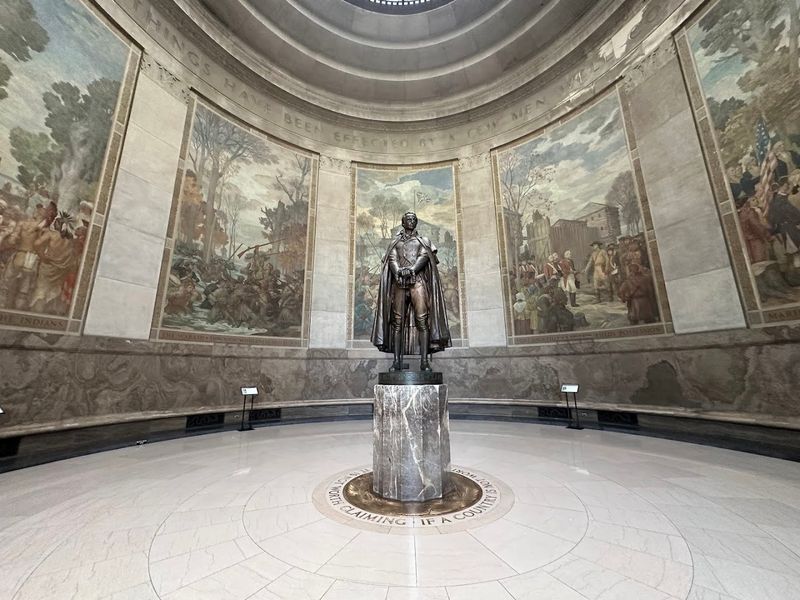
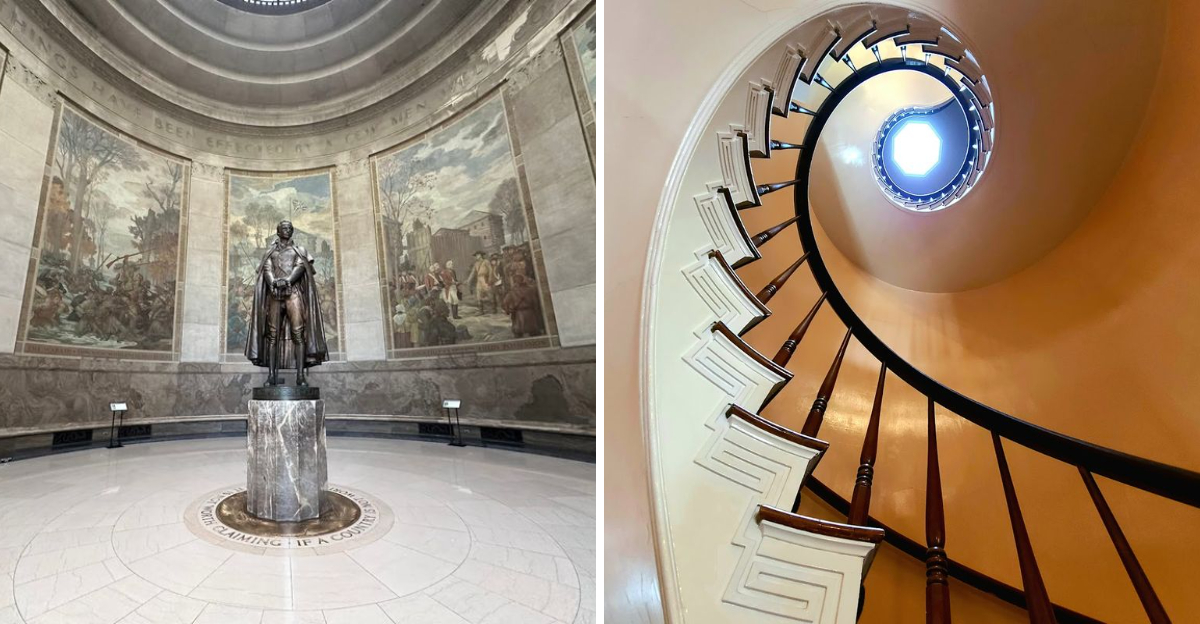
Few people outside of Indiana know that Vincennes was once the most strategically important city in the entire American frontier, and the monument built to honor that history is nothing short of spectacular. The George Rogers Clark National Historical Park at 401 S 2nd St, Vincennes, IN 47591 features a massive neoclassical rotunda made of pink Tennessee marble that is more reminiscent of the monuments in Washington D.C. than anything you might expect to find in southwestern Indiana.
The building was constructed in 1936 to commemorate Clark’s 1779 capture of Fort Sackville from the British, a military campaign that helped secure the Northwest Territory for the new United States. Inside, seven large murals painted by Ezra Winter depict the dramatic story of that campaign in vivid and sweeping detail.
The combination of the grand architecture and the powerful artwork makes the interior one of the most memorable spaces in any Indiana historic site.
The rotunda is flanked by formal gardens and a wide lawn that slopes toward the Wabash River, creating a classical composition that photographs beautifully from the front steps. The nearby Grouseland mansion, home of future president William Henry Harrison, is just a short walk away at 3 W Scott St and adds significant historical context to any visit.
The Old French Cemetery, one of the oldest in the state, is also within walking distance.
Vincennes University’s campus nearby offers additional historic architecture worth exploring. The park is managed by the National Park Service and admission is free, making it one of Indiana’s most accessible and underappreciated historic destinations.
Dear Reader: This page may contain affiliate links which may earn a commission if you click through and make a purchase. Our independent journalism is not influenced by any advertiser or commercial initiative unless it is clearly marked as sponsored content. As travel products change, please be sure to reconfirm all details and stay up to date with current events to ensure a safe and successful trip.
