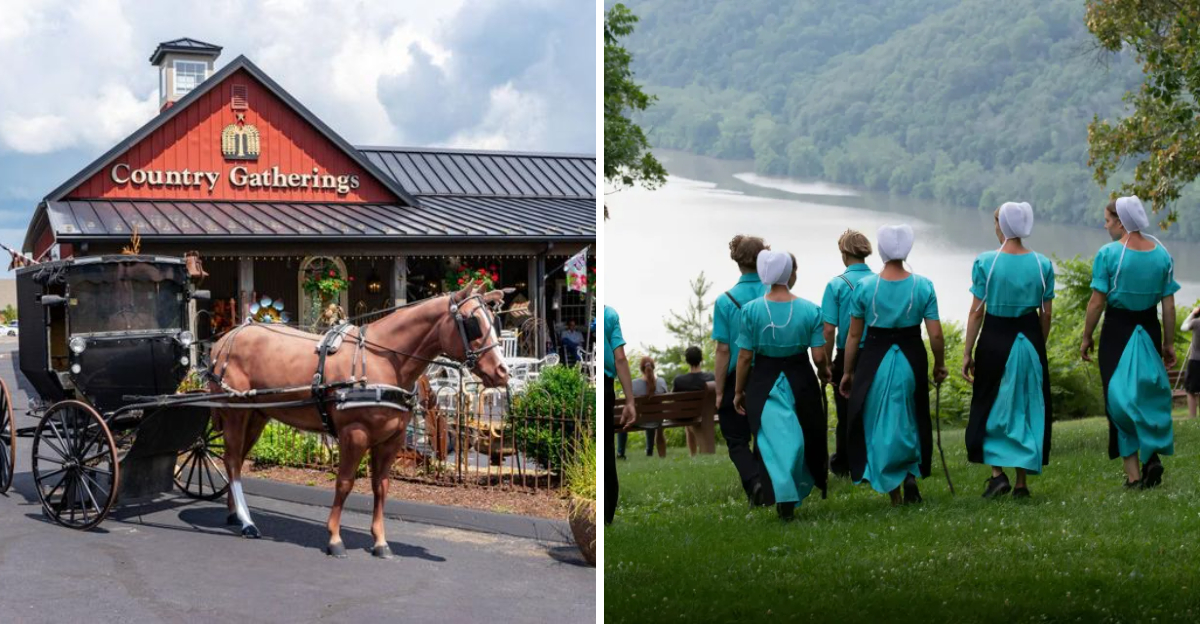
Ohio’s Amish Country is a peaceful, picturesque place where time seems to slow down and tradition takes center stage. Visitors flock here to see rolling farmland, handmade crafts, and horse-drawn buggies, but many don’t realize how easy it is to accidentally offend the local community.
Understanding the unspoken rules of Amish culture can help you show respect and make your visit more meaningful for everyone. Simple actions, like snapping a photo without asking or showing up in loud, flashy clothing, can unintentionally cross boundaries.
By learning a bit about Amish values before you go, you’ll not only avoid awkward moments but also gain a deeper appreciation for this unique way of life.
1. Taking Photos of Amish People Without Permission
Many tourists see Amish families in traditional clothing and feel tempted to snap a quick photo. However, most Amish people consider photography to be a violation of their beliefs about humility and graven images. Taking their picture without asking can be deeply offensive and disrespectful.
Children in Amish families are taught from a young age to avoid being photographed. When visitors point cameras at them, it creates discomfort and can make them feel like zoo animals on display. Even if someone seems not to notice, they likely do, and it affects how the community views tourists overall.
If you want to capture memories of your trip, focus your lens on landscapes, barns, buggies without people, and the beautiful countryside. Ask permission if you absolutely must photograph someone, though many will still politely decline. Respecting their wishes shows you value their culture more than your photo collection.
Remember that the Amish community welcomes visitors who come with genuine curiosity and respect. Being mindful about photography is one simple way to honor their way of life.
2. Dressing Inappropriately for the Setting
Amish communities value modesty in dress as part of their religious beliefs. Women typically wear long dresses and head coverings, while men wear plain shirts and trousers with suspenders. When visitors show up in revealing clothing like short shorts, tank tops, or low-cut shirts, it can make locals uncomfortable.
You don’t need to dress exactly like the Amish, but choosing modest, respectful clothing shows you understand where you are. Think of it like visiting a church or temple where certain standards apply. Simple adjustments like wearing longer shorts or covering your shoulders can make a big difference.
Families traveling with teenagers should have conversations about appropriate attire before the trip. What seems normal at the beach or mall might not fit the setting of a traditional farming community. Packing a light cardigan or longer pants takes minimal effort but demonstrates consideration.
Local shop owners and residents notice when visitors dress respectfully. It helps build positive relationships between tourists and the Amish community, making everyone’s experience better and more comfortable throughout your visit.
3. Blocking Roads to Watch Buggies
Seeing a horse-drawn buggy clip-clopping down the road is exciting for first-time visitors. Some people get so caught up in the moment that they slow down to a crawl or even stop their cars in the middle of the road to watch. This creates dangerous traffic situations and frustrates both Amish drivers and other motorists.
Buggies travel much slower than cars, usually around 10 to 15 miles per hour. When you block the road or follow too closely, you risk spooking the horses, which can lead to accidents. Horses are living animals that can be startled by loud noises or sudden movements from vehicles.
If you want to observe a buggy, find a safe place to pull completely off the road. Give them plenty of space when passing, and never honk your horn unnecessarily. Treating buggy drivers like any other vehicle on the road shows basic courtesy and keeps everyone safe.
Remember that for Amish families, buggies are not tourist attractions but their primary mode of transportation. They’re just trying to get to work, church, or the store like anyone else going about their daily routine.
4. Treating Amish Shops Like Museums
Amish-owned shops sell beautiful handmade quilts, furniture, baked goods, and other crafts that attract visitors from all over. Some tourists walk in, browse extensively, touch everything, take photos of products, and then leave without buying anything. While window shopping is normal, treating these stores like free museums can be frustrating for business owners.
Many Amish families rely on their shops as their main source of income. When large groups come through just to look and snap pictures, it takes time away from serious customers and can damage delicate handmade items. Shop owners work hard to create quality products and deserve the same respect as any other business.
If you’re genuinely interested in purchasing something, take your time and ask questions. The craftspeople often love sharing information about their work and techniques. However, if you’re just curious, be mindful of how much you handle and whether you’re disrupting the shopping experience for others.
A simple purchase, even something small like a jar of jam or a handmade soap, shows appreciation for their craftsmanship and helps support the local economy in meaningful ways.
5. Asking Invasive Personal Questions
Curiosity about Amish life is natural, but some visitors cross the line by asking extremely personal questions. Topics like why they don’t use electricity, whether they ever want to leave, or details about their religious practices can feel invasive. Imagine strangers constantly questioning your deepest beliefs and lifestyle choices wherever you go.
Amish people are generally polite and may answer basic questions, especially in business settings. However, prying into family matters, education choices, or asking them to justify their way of life shows a lack of respect. They’re not obligated to educate every curious tourist who passes through.
If you’re genuinely interested in learning about Amish culture, visit one of the heritage centers or museums in the area. These places are specifically designed to answer questions and provide historical context. Books and documentaries also offer detailed information without putting individuals on the spot.
When you do interact with Amish community members, keep conversations light and friendly. Talk about the weather, compliment their craftsmanship, or discuss the beautiful countryside. Treating them like regular people rather than exotic subjects makes for much more pleasant interactions all around.
6. Driving Too Fast on Country Roads
Country roads in Amish areas are shared by cars, buggies, farm equipment, and sometimes children walking or riding scooters. Many visitors from cities or suburbs are used to driving much faster and don’t adjust their speed for the rural setting. This creates serious safety hazards for everyone using the roads.
Posted speed limits in these areas are lower for good reason. Roads are often narrow, winding, and lack shoulders where buggies can pull over. Coming around a curve too fast might mean crashing into a slow-moving buggy or a family on foot. Accidents involving buggies can be devastating because they offer no protection like a car would.
Watch for special buggy crossing signs and slow down when you see them. Be extra cautious during early morning and evening hours when visibility is lower. Patience is essential because you might get stuck behind a buggy for a mile or more with no safe passing opportunity.
Slowing down also gives you more time to appreciate the scenery and the peaceful atmosphere. After all, you came to Amish Country to experience a slower pace of life, so let your driving reflect that mindset too.
7. Entering Private Property Without Permission
Beautiful Amish farms with their neat white fences, colorful gardens, and classic barns make for stunning views. Some visitors get so enchanted that they pull into private driveways or walk onto property to get a closer look or better photo. This is trespassing, plain and simple, and it violates the family’s privacy.
Amish families work hard on their land and their homes are private spaces, not public attractions. Imagine how you’d feel if strangers kept walking into your yard to take pictures while you were trying to work or spend time with your family. It’s uncomfortable and intrusive, no matter how innocent the intentions.
Many farms have signs indicating whether visitors are welcome or if it’s private property. Always respect these boundaries and stay on public roads unless you’ve been specifically invited. If a farm has a roadside stand or shop, that’s usually the only area where visitors are expected.
There are plenty of designated scenic overlooks and public viewing areas throughout Amish Country. Use these spots to enjoy the landscape without invading anyone’s personal space or making them feel like their home is a tourist attraction.
8. Expecting Modern Conveniences Everywhere
Visitors sometimes get frustrated when Amish-owned businesses don’t accept credit cards, have limited hours, or lack air conditioning. Some even complain about the absence of WiFi or charging stations. These expectations miss the entire point of visiting Amish Country and show a lack of understanding about the community’s values.
Amish businesses operate according to their religious beliefs, which means avoiding certain technologies. Many accept cash or checks only, and some close on Sundays for worship. Their stores might be warmer in summer because they don’t use electric cooling systems. These aren’t oversights but intentional choices based on their faith.
Before visiting, bring plenty of cash and check business hours ahead of time if possible. Dress in layers so you’re comfortable regardless of indoor temperatures. Charge your phone before you arrive and consider the trip a digital detox opportunity. Embracing these differences is part of the authentic experience.
Remember that you’re a guest in their community. Adapting to their way of doing things for a few hours or a day isn’t a hardship. In fact, disconnecting from modern conveniences often becomes the most refreshing part of the visit for many travelers.
9. Being Loud and Disruptive in Quiet Areas
Amish Country is known for its peaceful, quiet atmosphere. Birds chirping, horses clopping, and wind rustling through crops create a natural soundtrack that many residents cherish. When visitors arrive with loud music, shouting conversations, or revving engines, it disrupts the tranquility that defines the area.
Families living in these communities have chosen a lifestyle that values simplicity and calm. Excessive noise pollution goes against everything they’re trying to preserve. Children playing loudly in parking lots, car stereos blasting, or groups talking at high volumes can be jarring in such a quiet setting.
Being mindful of your volume shows respect for the environment and the people who live there. Keep conversations at normal levels, turn down your car radio, and teach children to use indoor voices even when outdoors. Think of it like being in a library or nature preserve where quiet is appreciated.
Many visitors actually report that the peacefulness is one of their favorite aspects of Amish Country. By contributing to that calm atmosphere rather than disrupting it, you enhance the experience for yourself and everyone else who came seeking a break from noisy modern life.
10. Haggling Aggressively Over Handmade Goods
Handmade Amish products reflect hours of skilled labor and generations of passed-down techniques. A single quilt might take weeks to complete, and furniture pieces are built to last for decades. Yet some visitors treat these items like flea market finds, offering insultingly low prices or demanding discounts as if the work has little value.
While gentle negotiation is sometimes acceptable in certain settings, aggressive haggling is disrespectful. Amish craftspeople price their goods fairly based on materials, time, and skill involved. Suggesting their work isn’t worth the asking price dismisses their expertise and effort. Most have families to support and bills to pay just like anyone else.
If something is outside your budget, simply say so politely or look for smaller items you can afford. Many shops offer a range of products at different price points. Complimenting the craftsmanship even if you can’t buy shows appreciation for their talent and hard work.
Remember that purchasing authentic Amish-made goods supports real families and helps preserve traditional skills. The higher prices reflect quality and longevity that mass-produced items simply can’t match, making them worthwhile investments for your home.
11. Assuming All Plain-Dressed People Are Amish
Not everyone wearing plain clothing in Ohio’s rural counties is Amish. Several different groups live in the area, including Mennonites, Old Order German Baptists, and other plain-dressing communities. Each has distinct beliefs, practices, and dress codes. Lumping them all together as Amish shows ignorance and can be offensive to those who identify differently.
Some Mennonite groups dress similarly to the Amish but may drive cars, use electricity, or have different worship practices. Making assumptions based solely on appearance and treating everyone the same way ignores the rich diversity within plain communities. It’s like assuming all people in business suits have the same job and beliefs.
Unless you’re certain about someone’s background, avoid labeling them or making assumptions about their lifestyle. If it’s relevant to a conversation and they’re comfortable sharing, they’ll tell you. Otherwise, simply treat everyone with the same basic courtesy and respect you’d show anyone else you meet.
Learning about the differences between these communities can deepen your appreciation for the area. Many heritage centers and visitor bureaus offer information that helps distinguish between groups while respecting each community’s unique identity and contributions to the region.
12. Ignoring Sunday as a Day of Rest
Sunday holds deep religious significance for Amish communities as their primary day of worship and rest. Church services rotate between homes, and families spend the day in prayer, fellowship, and quiet activities. Many Amish-owned businesses close entirely, and the community expects minimal disruption from outsiders during this sacred time.
Some visitors don’t realize the importance of Sunday and show up expecting shops to be open or drive around looking for photo opportunities. This forces Amish families to deal with tourists when they should be focusing on worship and family. It’s similar to constantly interrupting someone during their most important weekly commitment.
Plan your visit for other days of the week when businesses are open and the community is more prepared to interact with visitors. If you happen to be in the area on Sunday, keep a low profile, avoid Amish neighborhoods, and respect the quiet atmosphere. Use the day to explore non-Amish attractions or simply enjoy the peaceful countryside from public areas.
Honoring their Sabbath demonstrates that you value their religious freedom and traditions. It’s a small sacrifice that shows genuine respect for a community that has welcomed tourism while trying to maintain their way of life.
Dear Reader: This page may contain affiliate links which may earn a commission if you click through and make a purchase. Our independent journalism is not influenced by any advertiser or commercial initiative unless it is clearly marked as sponsored content. As travel products change, please be sure to reconfirm all details and stay up to date with current events to ensure a safe and successful trip.
