
Visitors arriving in Alabama quickly learn the state has more than sweet tea and southern charm.
Hidden in its rulebook are quirky laws that make first-time travelers scratch their heads.
From odd restrictions on how you handle ice cream cones to rules about playing dominoes on Sundays, surprises abound.
Locals may laugh them off, but tourists often wonder if they’ve stepped into a comedy sketch.
Exploring Alabama means discovering not just its culture, but the delightfully unusual laws that come with it.
1. Driving While Blindfolded Is Explicitly Illegal
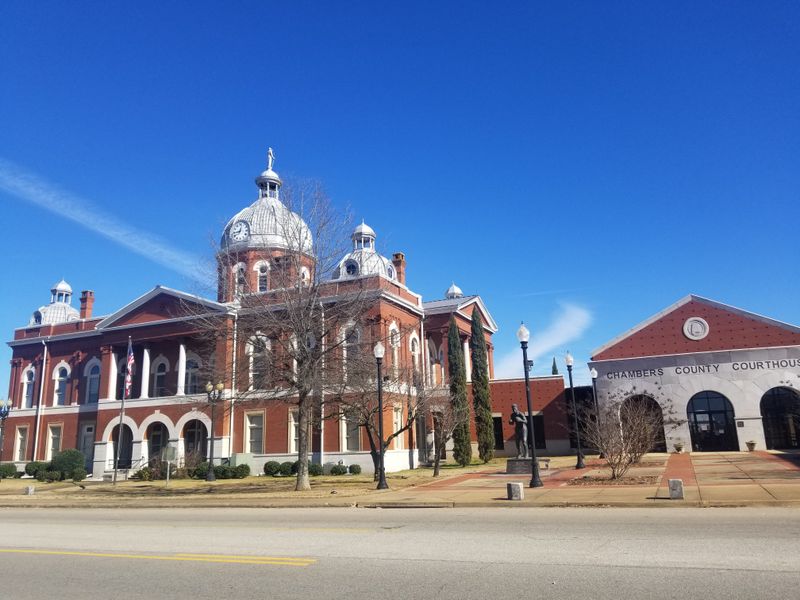
You will hear a lot of tall tales while road tripping in Alabama, but this one is straightforward and real because driving while blindfolded is explicitly illegal under state traffic law.
The statute aligns with common-sense safety rules, and it gives officers clear grounds to stop dangerously reckless stunts before they become tragedies.
Travelers should treat this as a reminder to plan breaks, swap drivers, and keep eyes sharp on long stretches of I 65 or rural two lanes.
The law fits into a broader framework that requires due care, which means driving only when alert and fully attentive to conditions.
You will also see Alabama promote seat belt use and sober driving through seasonal highway campaigns that highlight enforcement periods.
If someone jokes about blindfold challenges for a social clip, know that officers have zero patience for antics that risk lives.
On practical terms, this rule matters when fatigue creeps in after beach days or mountain hikes and your focus dips.
Pull off at a safe exit, stretch, and reset rather than push through with heavy eyelids and drifting thoughts.
You will find well-signed rest areas along major corridors that make quick stops simple and free deliver.
2. Wrong Way On A One Way Only With A Lantern
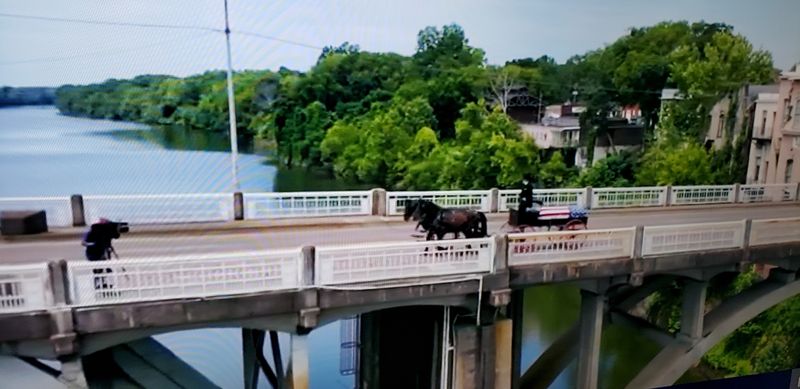
The oddest relic you will hear about in Alabama is the old one-way street exception that mentions a front-mounted lantern.
The tradition dates to an era of horse-drawn travel and early motorcars when lighting rules tried to prevent collisions on dark lanes.
While you will see this law quoted often, modern traffic codes and local signage control real-world driving today.
That means you should never enter a one way the wrong direction because police enforce current signage and safety statutes.
The lantern clause sits in legal lore as a window into how towns once balanced risk with technology of the time.
It shows how communities wrote rules around visibility long before reflective paint and LED signals.
If a guide repeats the lantern story during a walk, take it as historical color with a cautionary twist about modern compliance.
Signs, arrows, and painted markings carry the force that matters on your trip through Birmingham or Mobile.
Every GPS reroute still yields to posted indications at the curb.
3. Impersonating A Member Of The Clergy Is A Misdemeanor

Alabama treats impersonating clergy as a misdemeanor, which surprises visitors who mostly associate impersonation with police or medical roles.
The statute aims to prevent fraud and protect the trust that many communities place in religious leaders.
It covers misrepresentations that could prompt donations, confessions, or access to sensitive spaces.
In practical travel terms, this law rarely crosses your path unless a themed costume or performance blurs lines in public.
The key is intent and the likelihood that others would believe the role is real.
Street theater and cosplay thrive when it is clear that the performance is fictional and harmless.
Festivals across Alabama often include gospel choirs and church partnerships where volunteers wear branded shirts, not vestments.
Event organizers mark staff plainly to avoid confusion with actual clergy visiting a venue.
If you are unsure, ask an organizer how to present a character without implying an official position.
Photographers should label staged sessions as creative portraits to avoid misunderstandings near places of worship.
Many congregations welcome respectful visitors during open hours and clearly posted tours.
Respect signage, remain quiet during services, and avoid posing in ways that mislead participants.
4. Fake Mustaches That Cause Laughter In Church Are Forbidden
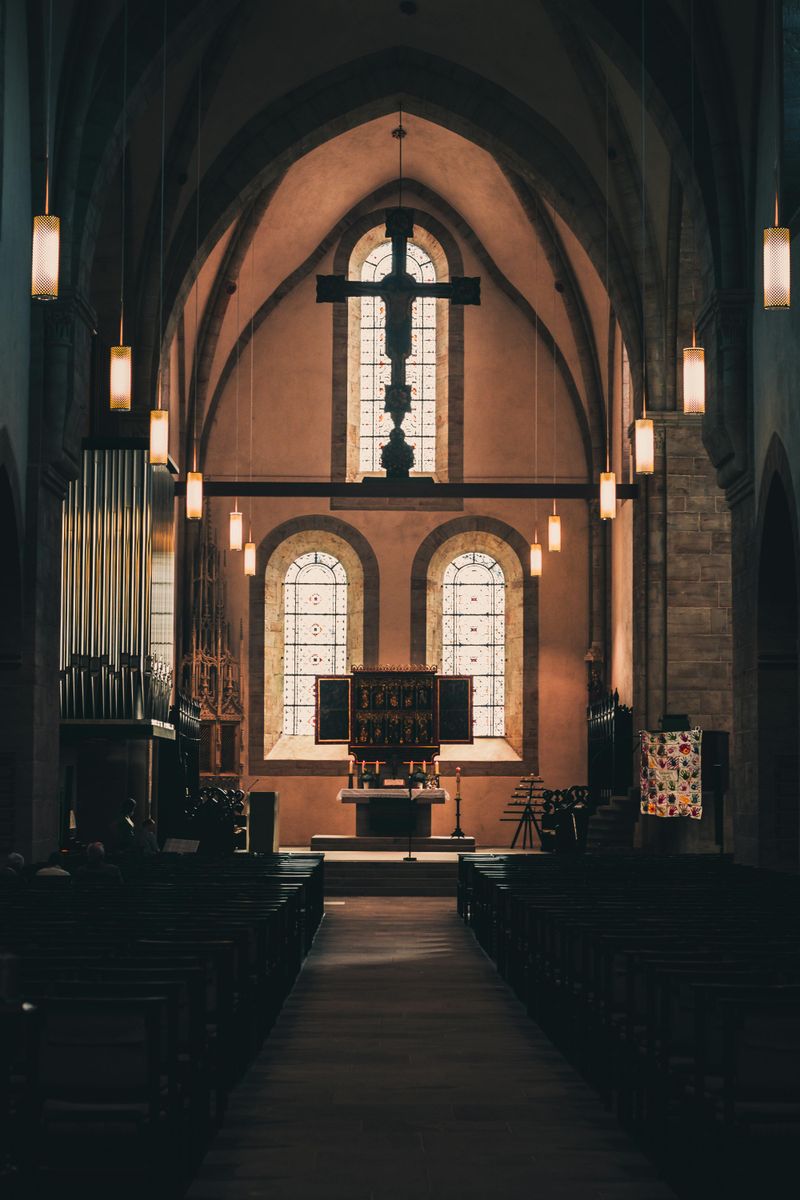
This quirky Alabama statute forbids wearing a fake mustache in church if it causes disruptive laughter.
The rule reads like comedy, yet it reflects an old-fashioned desire to protect worship from pranks and disturbances.
Travelers who wander into a Sunday service should treat it like a theater space that asks for silence and respect.
In modern practice, church leaders handle disruptions with house policies before any legal action is considered.
Ushers will usually invite folks to step outside if a gag spirals into noise.
You can enjoy the architecture and music while leaving novelty props in a bag.
Historic churches across Alabama welcome visitors during non-service hours when photography and tours are easier.
Ask about guidelines at the door and follow posted notices on attire and behavior.
Humor belongs outdoors where it will not distract a choir or speaker.
This law also highlights how communities once codified decorum in public spaces.
The language feels dated, but the principle of courtesy remains timeless.
You create a better visit by reading the room and keeping attention on the service or the art.
5. No Ice Cream Cones In Your Back Pocket

The oddball rule about putting an ice cream cone in your back pocket shows up in Alabama lore and older local codes.
It likely arose to deter petty theft of animals that might follow a sweet scent and wander off.
While few modern officers are watching for pockets, the principle remains a caution against careless behavior in public.
Travelers will meet this story on tours that celebrate the quirky side of Southern legal history.
Guides love the image because it captures the playful edge of frontier style problem solving.
Today the better takeaway is to keep sticky items contained and avoid litter around parks and sidewalks.
When visiting busy districts, you will see clear trash can placement and crew schedules that keep streets tidy.
Respect that work by wrapping treats and finding a bin rather than juggling snacks and phones.
Smudges on clothing also attract insects that can sour an afternoon stroll.
If you are curious, ask a local historian about colorful ordinances that once policed mischief around fairs and markets.
Some counties kept references in archived minutes even after modern sanitation rules replaced them.
The stories add flavor to a walk without encouraging reenactments that create mess for staff.
6. Bear Wrestling Is Prohibited Statewide

Alabama bans bear wrestling, and that includes promoting, engaging in, or advertising events that pit humans against bears.
The statute grew from animal welfare concerns and public safety risks tied to cruel exhibitions.
You will not find sanctioned matches, and venues that once tried such acts are long gone or repurposed.
As a traveler, treat any mention of live wrestling with animals as rumor unless an accredited conservation group is cited, which will not host such shows.
Ethical attractions focus on habitat education, rescue stories, and research rather than stunts.
Staff usually offer talks about regional wildlife behavior and how to keep encounters safe and rare.
On hikes, the smarter plan is to maintain distance, secure food odors, and respect posted advisories. Alabama has black bear populations with corridors in parts of the state, and sightings do occur.
Rangers remind visitors that photography should use zoom rather than baiting or approach.
Souvenir shops may sell kitschy shirts that joke about wrestling, but the real narrative centers on coexistence and stewardship.
You can learn about tracking methods, scat identification, and seasonal movement without sensational drama.
This approach matches broader conservation ethics across the region.
7. Placing Salt On Railroad Tracks Is Illegal And Heavily Penalized

Alabama criminalizes placing salt on railroad tracks because salt can attract animals and corrode metal, raising serious safety risks.
The statute reflects a long history of collisions and infrastructure damage tied to tampering.
Railroad companies and local authorities treat rail corridors as restricted zones for good reason.
Travelers love photo spots near vintage depots, but the safest images stay well away from the rails and equipment.
Use sidewalks or platforms that are open to the public and follow posted markers.
Trespassing near tracks draws quick attention and can lead to fines or worse.
Salt also appears in winter road treatments, which are managed by transportation teams who understand runoff and corrosion limits.
Private experiments or pranks at tracks are never acceptable under Alabama law.
You protect wildlife and crews by keeping substances away from the right of way.
If you hear a local legend about salting rails to stage dramatic animal photos, recognize it as a harmful and illegal act.
Ethical photography relies on patience and distance rather than manipulation.
Rail lines are not backdrops when safety margins are razor-thin.
8. Masks And Hoods In Public Are Restricted With Specific Exceptions

Alabama law restricts wearing masks or hoods in public with defined exceptions for employment, holidays like Halloween, and medical reasons.
The statute aims to prevent intimidation and concealment during gatherings while allowing practical and cultural uses.
Travelers encounter this most during festivals or demonstrations where rules are posted clearly by organizers.
Medical masks remain common in transit hubs and museums, and they are permitted under the exception language.
Costumed performers also operate within guidelines that keep faces visible or roles clearly marked.
When in doubt, event staff can explain what is acceptable at a venue entrance.
Photographers should be careful when composing street scenes that include covered faces near sensitive sites.
Private businesses may set their own policies that layer on top of state law.
A polite question at the door removes guesswork and keeps the mood friendly.
Holidays bring playful masks that fit the seasonal carve out, especially in family parades and theater nights.
The key is context and intent, which officers consider alongside crowd conditions and signage.
Clear communication with marshals is the fastest path to an easy evening.
9. Montgomery Says No Opening Umbrellas On The Street
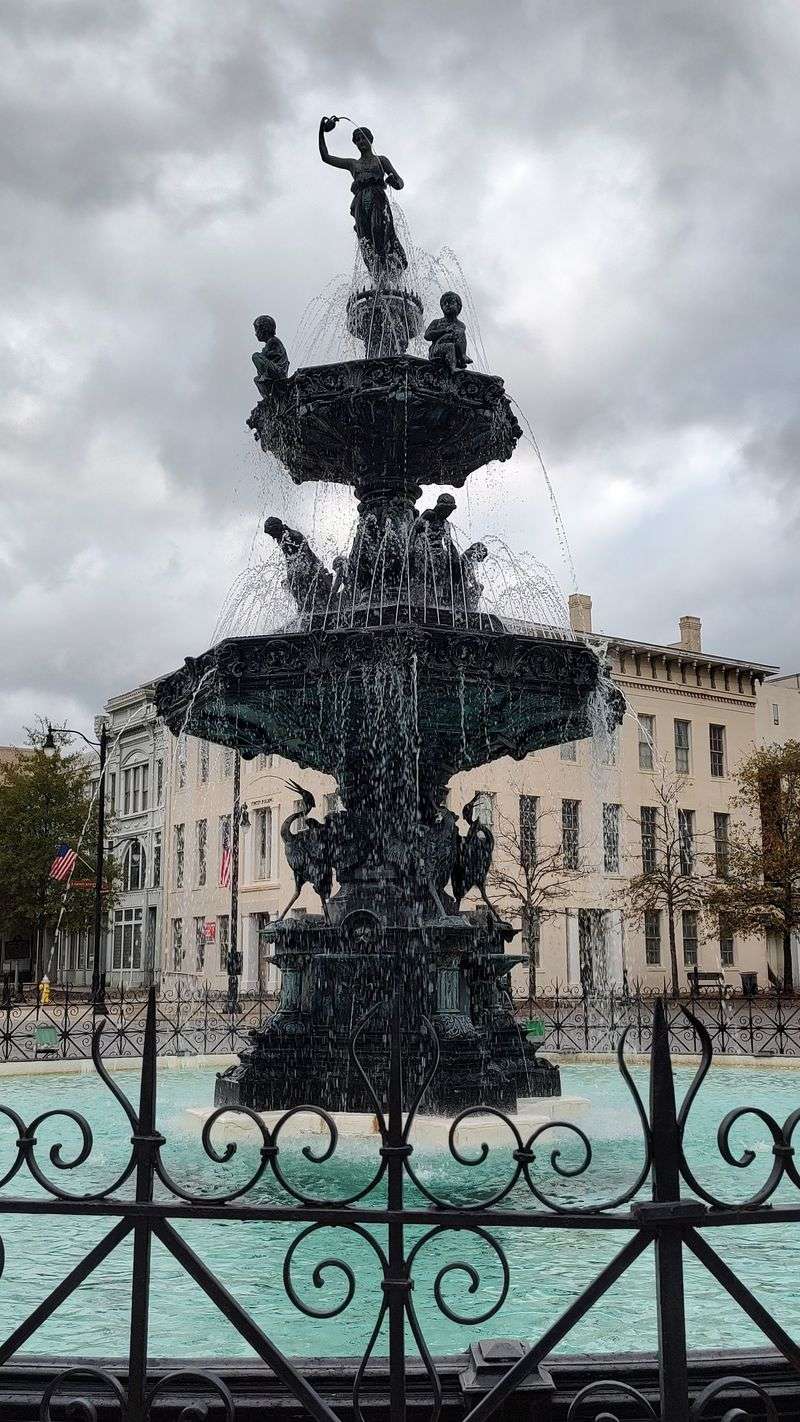
Montgomery has an old city ordinance that forbids opening umbrellas on the street, a rule that reads like rain-soaked slapstick.
The language reflects a time when crowded sidewalks and low sightlines made sudden umbrella pops hazardous.
Today the ordinance survives in local lore and legal archives while modern practice relies on ordinary courtesy.
Travelers strolling Dexter Avenue or Court Square on a drizzly afternoon will still see plenty of umbrellas.
Officers focus on real safety concerns rather than quirky technicalities that clash with common sense.
Be mindful of spokes near faces and give space when gusts drive sheets of water down the block.
If a guide references the ordinance during a history walk, enjoy the smile while remembering that posted signs govern current enforcement.
Many downtowns now promote rain-friendly design with awnings and pocket parks.
Covered entries make it simple to step aside and open or close canopies without jabbing neighbors.
Photographs of Montgomery architecture shine after rainfall when brick and marble deepen in color.
Wait beneath an overhang to shake off water so you do not splash the sidewalk.
Courtesy remains the real rule even when the law itself feels theatrical.
10. No Silly String Or Confetti On Mobile City Streets
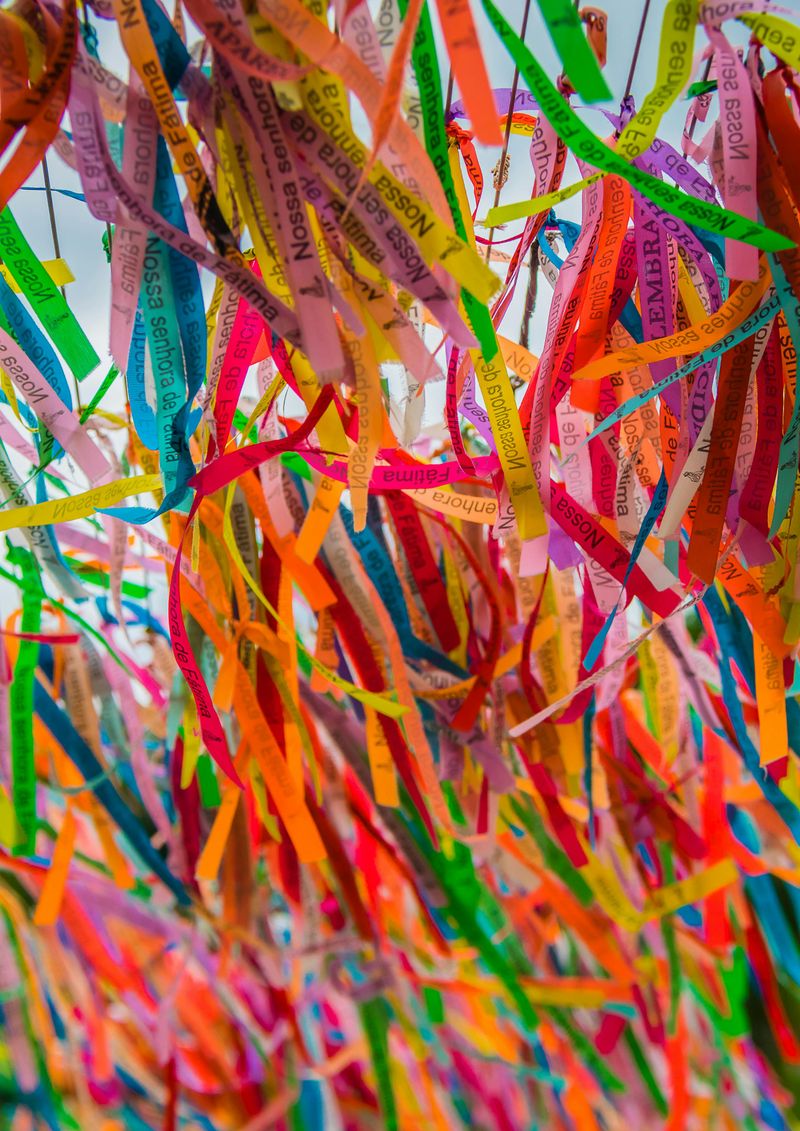
Mobile bans selling or throwing Silly String and confetti on city streets, which helps protect drainage and reduce cleanup strain after parades.
The ordinance grew from years of festive seasons that left storm grates clogged and bricks stained.
Crews now finish events faster and waterways stay clearer when plastic filaments and foil bits stay out of circulation.
If you visit during Mardi Gras, you can still enjoy floats, beads, and music while keeping aisles free of sprayed mess.
Vendors are familiar with the rules and will steer you toward legal souvenirs like light-up trinkets or flags.
Bring a tote for throws so you are not tempted to scatter debris at your feet.
Photographers should capture balconies, masks, and marching krewes without aerosol toys in the frame.
City announcements remind visitors to let confetti live only in officially sanctioned indoor spaces where cleanup is planned.
This approach keeps the historic core looking sharp by morning.
Watch for blue bins and clean stations placed near route corners to encourage quick tidying.
Many parade goers make a game of collecting beads off the ground and passing them forward.
The atmosphere feels just as joyful without the sticky residue left by cans and strings.
Alabama prides itself on coastal ecology, and Mobile channels that value into pragmatic regulations.
11. Do Not Spit Orange Peels On Mobile Sidewalks

Mobile prohibits spitting orange peels on sidewalks, which sounds oddly specific until you picture citrus season crowds.
Peels create slick patches that endanger pedestrians and also draw pests that chew at night.
The ordinance aims for simple cleanliness so visitors enjoy clear paths between museums and the waterfront.
Local cleanup crews manage heavy foot traffic after parades and markets, and targeted rules help them stay ahead.
Travelers can help by using bins and keeping snacks contained like trail mix in resealable bags.
You avoid sticky hands and keep benches comfortable for the next person.
Guides may share this tidbit during a food-themed walk where citrus history plays a role in regional trade.
The point is not to scold but to keep small messes from compounding into safety hazards.
A pocket tissue or compostable pouch solves the problem without fuss.
If you picnic in a park, carry scraps to a proper receptacle and wipe the area before leaving.
City parks post disposal signs near seating and gazebos that make it easy to comply.
You will notice how quickly spaces reset when visitors pitch in.
12. Sunday Dominoes In Public Are Restricted In Some Counties
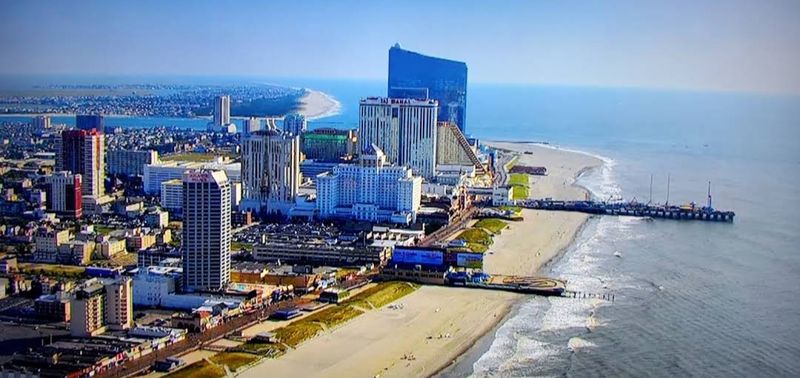
Some Alabama counties still carry blue law-style rules that restrict playing dominoes in public on Sundays.
The intent historically tied to keeping the Sabbath quiet and discouraging gambling or noisy gatherings.
Enforcement now varies, with many places focusing more on noise control than the game itself.
When traveling, you can avoid awkward moments by checking park or pavilion postings that outline permitted activities.
If a sign looks ambiguous, ask a staff member about casual games versus organized tournaments.
Private venues generally set their own policies as long as noise stays reasonable for neighbors.
These rules highlight how county-level ordinances can differ widely across Alabama.
A short drive may bring a different standard at the next picnic shelter.
Courteous play and soft voices keep things easy even where restrictions linger on the books.
For a relaxed Sunday, consider a stroll, a photo walk, or a quiet reading session in a shady spot.
Bring games for hotel lounges or rental cottages where house rules are clearer and weather stays out of the equation.
You will still find plenty of ways to unwind without stepping over a local line.
13. Peanuts Cannot Be Sold After Sundown On Wednesdays In Lee County

Lee County has a quirky rule referenced in local lore that peanuts cannot be sold after sundown on Wednesdays.
The origin stories vary, with many pointing to market controls and church night routines that shaped midweek rhythms.
While modern enforcement is rare, vendors pay attention to posted hours and permits to avoid confusion.
If you explore Auburn or Opelika on a Wednesday evening, you may notice stands closing before dusk. Shopkeepers often follow standard closing times that neatly sidestep the question.
Visitors can buy snacks earlier or pivot to packaged goods from grocery aisles that remain open.
Ask a clerk about seasonal schedules and you will likely hear a friendly summary of old rules and current practice.
Policies shift with university calendars, sports events, and tourism surges.
The peanut story lives on as a conversational smile rather than a hard barrier to a good night.
Food history buffs can seek museum exhibits or campus archives that document crop commerce in east Alabama.
Peanuts share shelf space with cotton, timber, and rail shipping narratives that shaped prosperity.
That context explains how small ordinances once kept order in growing towns.
Dear Reader: This page may contain affiliate links which may earn a commission if you click through and make a purchase. Our independent journalism is not influenced by any advertiser or commercial initiative unless it is clearly marked as sponsored content. As travel products change, please be sure to reconfirm all details and stay up to date with current events to ensure a safe and successful trip.
