Iowa might look like a quiet, straightforward Midwestern state, but it hides a collection of legal surprises that can catch even the most prepared visitor off guard.
From strict new driving laws to century-old food regulations still on the books, the Hawkeye State enforces rules that range from sensible to downright strange.
Some of these laws exist to protect public health, while others seem like relics from a bygone era that somehow never got repealed.
Whether you’re planning a road trip through Des Moines or settling in for a longer stay, knowing these unusual regulations can save you from fines, confusion, or even jail time.
Understanding what’s legal and what’s not in Iowa isn’t just about avoiding trouble; it’s about respecting the unique culture and history of a state that takes its rules seriously.
So before you hit the highway or sit down for a meal, take a moment to learn about the quirks that make Iowa’s legal landscape unlike anywhere else in the country.
Hands-Free Driving Enforcement
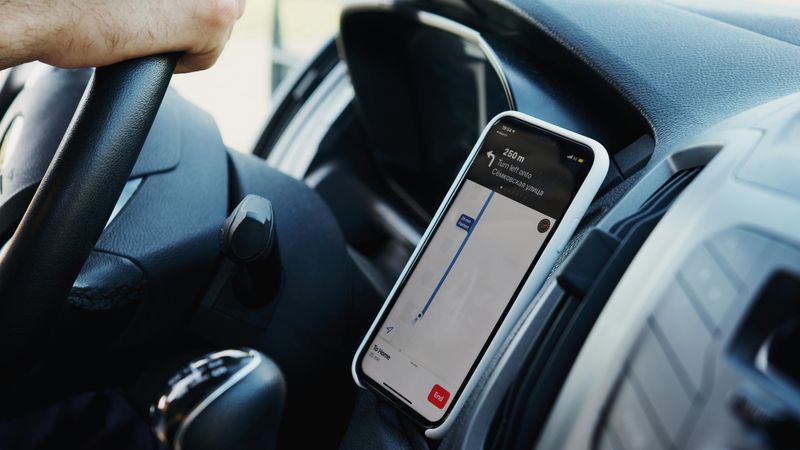
As of January 1, 2026, Iowa joined the growing list of states with strict hands-free driving laws.
Enforcement is now in full swing across the state.
Motorists are no longer allowed to hold a mobile device while operating a vehicle, whether they’re texting, scrolling, or even holding the phone to their ear during a call.
The penalty for a first offense is a $100 fine, and repeat violations can lead to steeper consequences.
This law was passed to reduce distracted driving accidents, which have been on the rise in Iowa over the past decade.
State troopers and local police are actively watching for drivers who fail to use hands-free systems, and many have been trained to spot violations even in heavy traffic.
If you’re driving through Iowa, it’s essential to set up Bluetooth or a dashboard mount before you start your engine.
Visitors from states without similar laws might find this rule surprising, but it’s taken very seriously here.
Even holding your phone at a stoplight or while stuck in traffic can result in a ticket.
Law enforcement officers have been given clear instructions to enforce the rule without exceptions, so claiming you didn’t know won’t help your case.
The good news is that compliance is simple: invest in a hands-free device, use voice commands, or pull over safely if you need to make a call.
Iowa’s highways are beautiful and worth exploring, but keeping your hands on the wheel and your eyes on the road is now a legal requirement, not just a suggestion.
Stay safe, stay legal, and enjoy the ride without the distraction.
Margarine Imposter Penalties

Did you know that pretending margarine is butter can land you in jail in Iowa?
This peculiar law, still on the books in 2026, makes it a simple misdemeanor to misrepresent margarine or oleomargarine as real dairy butter.
Violators can face up to 30 days behind bars and fines ranging from $105 to $855, depending on the severity of the offense and whether it’s a repeat violation.
The origins of this law trace back to the late 1800s, when Iowa’s powerful dairy industry lobbied hard to protect butter’s reputation and market share.
Margarine was seen as a cheap imitation that threatened the livelihoods of dairy farmers across the state.
While the law might seem outdated today, it remains enforceable, and restaurant owners or grocery stores caught mislabeling margarine as butter can face legal consequences.
For visitors, this means you should pay attention to what’s being served at breakfast tables and bakeries.
If you’re a business owner or food vendor, transparency is key, always label margarine clearly and never try to pass it off as the real thing.
Iowa takes its agricultural heritage seriously, and this law is a reminder of the state’s deep roots in dairy farming.
While enforcement is rare, it does happen, especially when complaints are filed by customers or competitors.
The Iowa Department of Inspections and Appeals oversees food labeling, and inspectors have been known to issue citations for violations.
So whether you’re a visitor enjoying a meal or a vendor serving one, honesty about what’s on the plate is the safest policy in the Hawkeye State.
Drug Tax Stamps

Iowa has one of the most unusual drug laws in the nation.
Individuals are legally required to purchase and affix an official state Drug Tax Stamp to any illegal narcotics they possess or distribute.
This bizarre requirement means that even if you’re breaking the law by having drugs, you’re also breaking another law if you don’t pay taxes on them.
Failure to have the stamp can result in felony tax evasion charges on top of drug possession charges.
The Drug Tax Stamp program was created as a revenue-generating measure and a way to add extra penalties to drug offenses.
The stamps are sold anonymously by the Iowa Department of Revenue, and buyers are not required to provide identification or any information about the drugs they’re taxing.
However, almost no one actually buys the stamps, which is exactly what the state expects.
This allows prosecutors to add tax evasion charges to drug arrests.
For visitors, this law is more of a cautionary tale than a practical concern, but it highlights Iowa’s aggressive stance on drug enforcement.
If you’re caught with illegal substances, not having the tax stamp can result in additional felony charges that carry their own fines and prison time.
The penalties for tax evasion can sometimes exceed those for the drug possession itself, making this one of the most punitive aspects of Iowa’s drug laws.
Legal experts often debate the fairness of this law, arguing that it essentially criminalizes people twice for the same act.
Still, it remains in effect, and law enforcement uses it as a tool to increase consequences for drug offenses.
The takeaway is simple.
Iowa is not a drug-friendly state, and the legal system is designed to maximize penalties for those caught breaking the law.
Brick-Throwing Permits in Mount Vernon
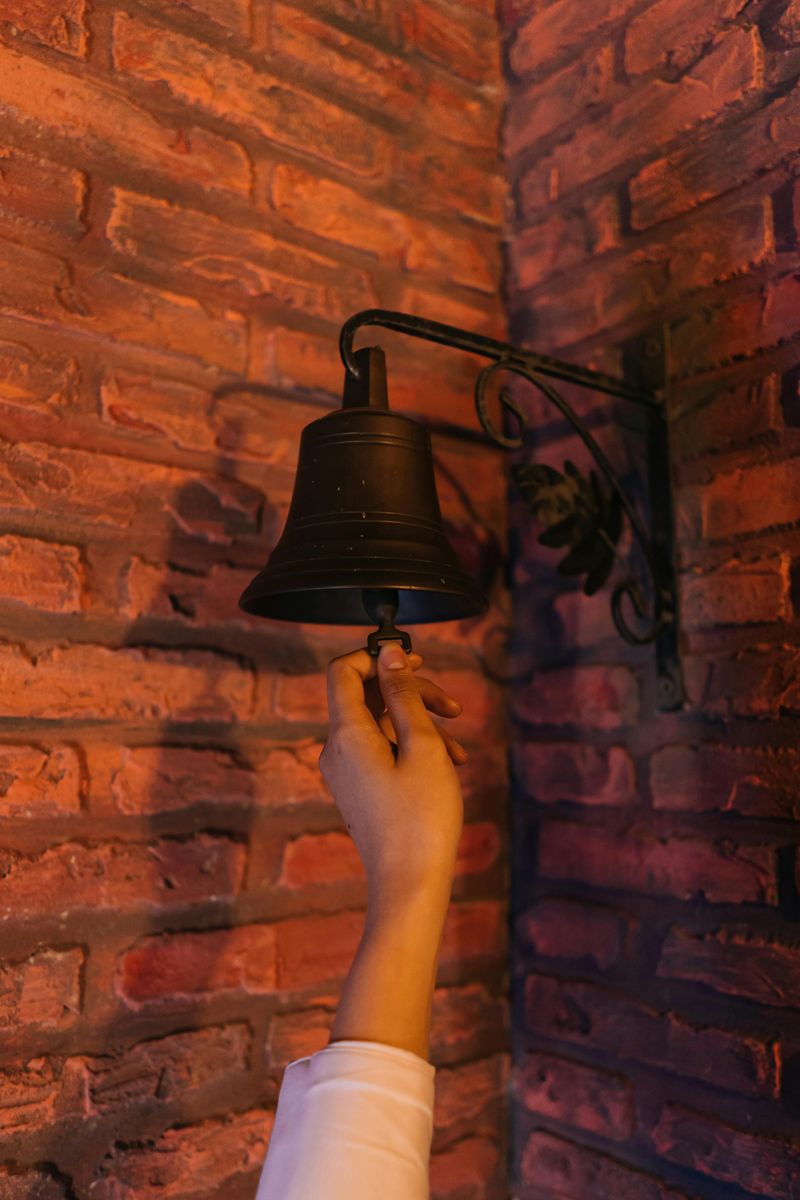
In the small college town of Mount Vernon, Iowa, there’s a law that sounds like it came straight out of a quirky trivia book.
It’s illegal to throw stones, bricks, or missiles of any kind onto streets, sidewalks, or public grounds without written consent from the City Council.
This municipal ordinance has been on the books for decades and is still enforceable today, though its origins are somewhat mysterious.
The law likely dates back to a time when rowdy behavior or construction debris posed safety concerns in the town’s public spaces.
Mount Vernon is home to Cornell College, and like many college towns, it has had its share of youthful pranks and public disturbances over the years.
The ordinance was probably intended to give local authorities a tool to address disorderly conduct and protect pedestrians and property from damage.
For visitors, this means you can’t toss anything onto public property without permission, even as a joke or part of a celebration.
If you’re planning an event that involves throwing objects, like a ceremonial groundbreaking or a public art project, you’ll need to contact the Mount Vernon City Council and obtain written approval in advance.
Violating this law can result in fines or other penalties, depending on the circumstances and any damage caused.
Mount Vernon is a charming town with tree-lined streets and a vibrant arts scene, and most visitors will never encounter this law.
But it’s a good reminder that small towns often have unique ordinances that reflect their history and values.
If you’re ever in doubt about what’s allowed in a public space, it’s always best to ask local officials or check the city’s code before proceeding.
SNAP Food Restrictions

Starting January 1, 2026, Iowa implemented new restrictions on what SNAP recipients can purchase with their benefits.
This makes it one of the most restrictive states in the nation for food assistance programs.
The new rules prohibit the use of SNAP benefits to buy sugary foods like soda, candy, energy drinks, and certain prepared foods at grocery stores.
The goal is to promote healthier eating habits and reduce obesity rates among low-income families, but the policy has sparked significant debate.
Supporters of the restrictions argue that taxpayer-funded benefits should be used to purchase nutritious foods that support long-term health.
They point to rising rates of diabetes and heart disease in Iowa as evidence that dietary changes are needed.
Critics, however, say the rules are paternalistic and unfairly limit the choices of people already struggling to make ends meet.
They also note that the restrictions don’t address the root causes of food insecurity, such as lack of access to fresh produce in rural areas.
For visitors who rely on SNAP benefits while traveling, it’s important to know what you can and can’t buy in Iowa.
Grocery stores have been instructed to flag restricted items at checkout, and cashiers are trained to inform customers when a purchase isn’t allowed.
This can be embarrassing and frustrating, especially if you’re not familiar with the new rules.
The restrictions also apply to prepared foods, which means hot meals or deli items may not be eligible for purchase with SNAP benefits, depending on how they’re classified.
If you’re visiting Iowa and using SNAP, plan your shopping carefully and focus on whole foods like fruits, vegetables, grains, and proteins.
The state has also provided educational materials to help recipients navigate the new system and make healthier choices within the program’s guidelines.
Lead Service Line Disclosures
As of January 1, 2026, Iowa became one of the first states to require explicit disclosure of lead service lines during home sales.
This move is designed to protect buyers from hidden health hazards.
Sellers must now inform potential buyers if their property contains lead water pipes, which can leach dangerous levels of lead into drinking water and pose serious health risks, especially to children and pregnant women.
Failure to disclose this information can result in legal action and financial penalties.
The new law was passed in response to growing awareness of lead contamination in older homes and public water systems across the state.
Many Iowa homes built before 1986 still have lead service lines, and testing has revealed that some properties have lead levels above the EPA’s action threshold.
The disclosure requirement gives buyers the information they need to make informed decisions and take steps to replace or remediate lead pipes before moving in.
For home buyers, this law is a significant protection that can prevent costly surprises down the road.
If a property is found to have lead service lines, buyers can negotiate for the seller to replace the pipes, reduce the sale price, or walk away from the deal entirely.
It’s also a good idea to have the water tested independently, even if the seller claims the pipes are safe.
Real estate agents and home inspectors in Iowa are now required to include lead service line information in their reports.
Sellers must provide documentation of any testing or remediation that has been done.
This transparency is a win for public health, but it also means that selling a home with lead pipes may take longer or require additional investment.
For visitors considering a move to Iowa, this law is a reminder to do your homework and prioritize safety when choosing a place to live.
Sports Betting Tax Withholding

Iowa’s sports betting industry has grown rapidly since legalization, and with that growth has come new tax regulations that might catch winners by surprise.
Starting in 2026, the state mandates that income tax must be automatically withheld from sports betting winnings whenever federal withholding is required.
This means that if you hit a big payout, typically $5,000 or more, both federal and state taxes will be deducted before you receive your money.
This ensures that winners don’t face an unexpected tax bill when they file their returns.
The new rule was implemented to address a problem that had been building since sports betting became legal in Iowa.
Many winners were spending their payouts without setting aside money for taxes, then facing penalties and interest when they couldn’t pay what they owed.
By withholding taxes upfront, the state ensures compliance and reduces the risk of tax evasion.
However, it also means that your winnings will be smaller than you might expect when you cash out.
For visitors who enjoy placing bets while in Iowa, it’s important to understand how this system works.
If you win big, the sportsbook or casino will automatically withhold a percentage of your payout for taxes.
You’ll receive a tax form documenting the withholding.
You’ll need to report this income on your tax return, and depending on your home state’s tax laws, you may owe additional taxes or be eligible for a refund.
Iowa’s sports betting scene is thriving, with options ranging from mobile apps to in-person sportsbooks at casinos across the state.
Whether you’re betting on college football, professional basketball, or any other sport, it’s smart to keep track of your wins and losses and consult a tax professional if you have a particularly good year.
The automatic withholding makes compliance easier, but it’s still your responsibility to report your gambling income accurately and pay any additional taxes owed.
Dear Reader: This page may contain affiliate links which may earn a commission if you click through and make a purchase. Our independent journalism is not influenced by any advertiser or commercial initiative unless it is clearly marked as sponsored content. As travel products change, please be sure to reconfirm all details and stay up to date with current events to ensure a safe and successful trip.
