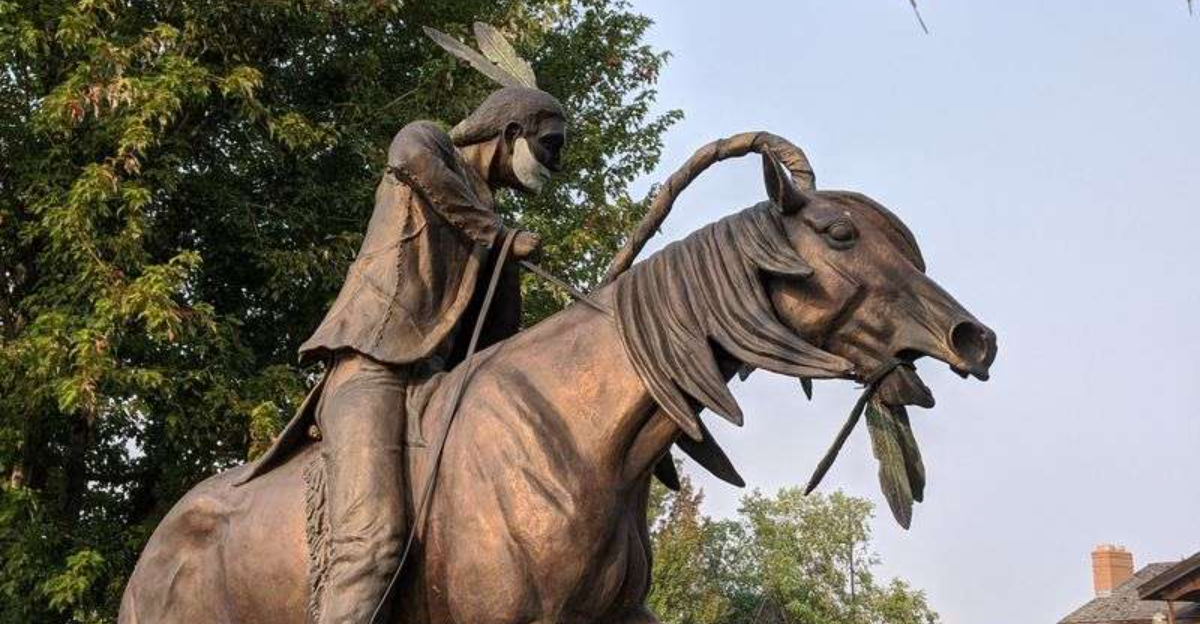
Oregon is famous for Portland, Crater Lake, and the stunning coast, but hidden between those big attractions are tiny towns most travelers zoom right past.
These small communities hold quirky museums, stunning natural wonders, and charming main streets that feel frozen in time.
If you crave authentic experiences away from tourist crowds, these seven unusual gems will surprise and delight you.
1. Shaniko: Oregon’s Ghost Town with a Pulse
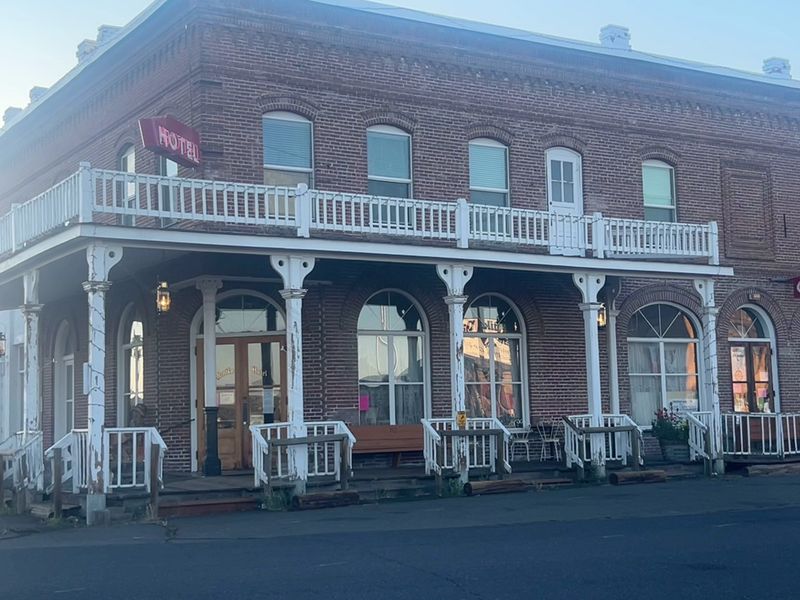
Once dubbed the “Wool Capital of the World,” Shaniko thrived in the early 1900s as a bustling railroad hub where wool, wheat, and livestock changed hands daily.
By the 1950s, the trains stopped coming, and residents drifted away, leaving behind an eerie collection of weathered storefronts and creaky boardwalks.
Today, Shaniko feels like stepping onto a movie set where tumbleweeds roll past the old schoolhouse and antique shop.
You can explore the Shaniko Historic Hotel at 4th and E Streets, Shaniko, OR 97057, which still operates for brave souls who want to sleep in a genuine ghost town.
The hotel’s creaky floors and vintage furniture transport you back over a century.
Walking down the main drag, you’ll spot the old jail, water tower, and several buildings frozen in decay yet somehow charming.
Photographers flock here for the rustic textures and golden-hour light that makes every corner Instagram-worthy.
History buffs appreciate the interpretive signs explaining Shaniko’s rise and fall.
Families enjoy the novelty of wandering a real ghost town without scary gimmicks or haunted house actors.
The town sits along Highway 97, making it an easy detour between Bend and the Columbia River Gorge.
Bring water and snacks since services are minimal, and summer temperatures can soar.
Spring and fall offer the most comfortable weather for exploring.
Don’t miss the annual Shaniko Days celebration in June, when locals and visitors gather for live music, food vendors, and old-fashioned fun.
Shaniko proves that even towns left behind by progress can captivate curious travelers.
Its quiet streets and crumbling beauty remind us that every place has a story worth hearing.
2. Fossil: Where Prehistoric Creatures Come to Life
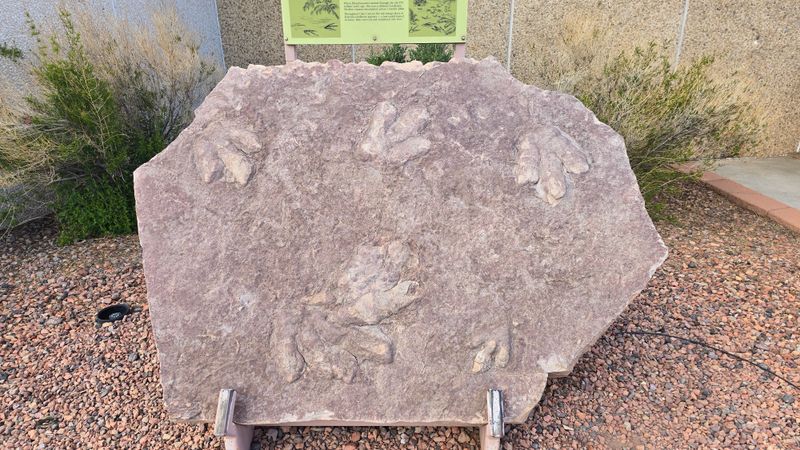
Nestled in the rugged hills of Wheeler County, Fossil earned its name honestly; this region is packed with ancient plant and animal remains dating back millions of years.
At the Wheeler High School, located at 405 2nd Street, Fossil, OR 97830, you’ll find a remarkable fossil museum open to the public during school hours and by appointment.
Students and staff have assembled an impressive collection of leaf imprints, shells, and other specimens found in nearby rock layers.
Just outside town, the Fossil Beds National Monument offers public fossil beds where visitors can dig and keep what they find; a rare opportunity that thrills kids and adults alike.
Imagine holding a leaf that fell from a tree 30 million years ago!
The town itself is tiny, with a population hovering around 470, but its main street radiates small-town charm with a cafe, general store, and friendly locals who love sharing fossil stories.
Stop by the Fossil Mercantile for supplies and local tips on the best digging spots.
The surrounding landscape features dramatic cliffs and canyons that look like something from a western film.
Hiking trails wind through sagebrush and juniper, offering stunning vistas and chances to spot wildlife like deer, eagles, and hawks.
Spring brings wildflowers that carpet the hillsides in purple, yellow, and white.
Fossil works perfectly as a base for exploring the John Day Fossil Beds, which lie about 20 miles west.
Pack a picnic and spend the day marveling at painted hills and ancient ecosystems preserved in stone.
The town’s annual Fourth of July celebration features a parade, barbecue, and fireworks that light up the high desert sky.
Fossil reminds us that Oregon’s treasures extend far beyond the coast and mountains into remote corners where time moves slowly and history runs deep.
3. Yachats: The Gem of the Oregon Coast
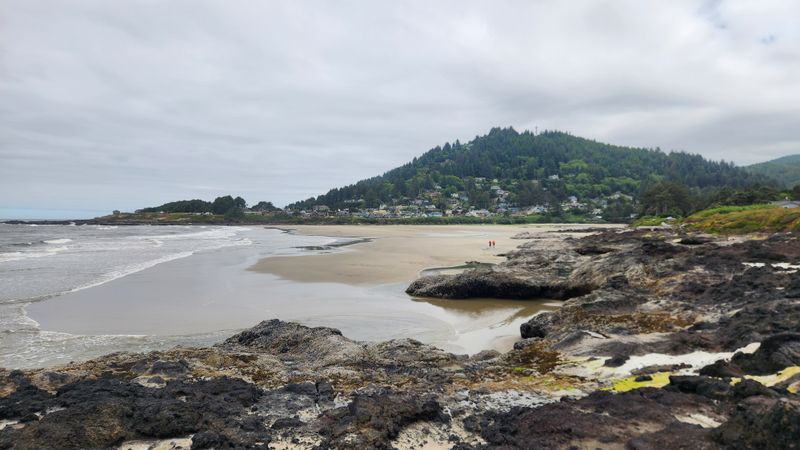
Pronounced “YAH-hots,” this tiny coastal village of fewer than 700 residents punches way above its weight in natural beauty and artistic spirit.
Yachats hugs a particularly dramatic stretch of Highway 101 where basalt cliffs meet crashing waves and tide pools teem with colorful sea stars and anemones.
The Yachats Visitor Center, located at 241 Highway 101, Yachats, OR 97498, provides maps, tide tables, and insider tips on hidden beaches and hiking trails.
Start your visit at the 804 Trail, a paved path that winds along the rocky shoreline offering front-row seats to thundering surf and spouting blowholes.
During winter storms, waves explode against the rocks in spectacular displays that draw photographers from across the region.
Downtown Yachats features art galleries, quirky shops, and excellent restaurants serving fresh seafood and local produce.
The village embraces an artsy, bohemian vibe with murals, sculptures, and live music venues scattered throughout.
Every July, the Yachats Music Festival brings classical and jazz performances to town, filling venues with world-class talent.
Just north of town, Cape Perpetua rises 800 feet above the ocean, offering hiking trails through old-growth forest and jaw-dropping viewpoints.
The Cape Perpetua Scenic Area visitor center provides interpretive exhibits and trail maps.
South of Yachats, the secluded Heceta Head Lighthouse perches on a cliff, accessible via a short hike through coastal forest.
Accommodations range from cozy bed-and-breakfasts to oceanfront hotels, many with fireplaces and balconies perfect for storm-watching.
Local restaurants emphasize farm-to-table cuisine, with menus changing seasonally to highlight the freshest ingredients.
Yachats proves that small doesn’t mean boring; this village packs incredible scenery, culture, and culinary delights into a few charming blocks.
Whether you seek adventure, relaxation, or inspiration, Yachats delivers all three wrapped in the soothing sounds of the Pacific.
4. Joseph: An Artistic Haven in the Wallowa Mountains
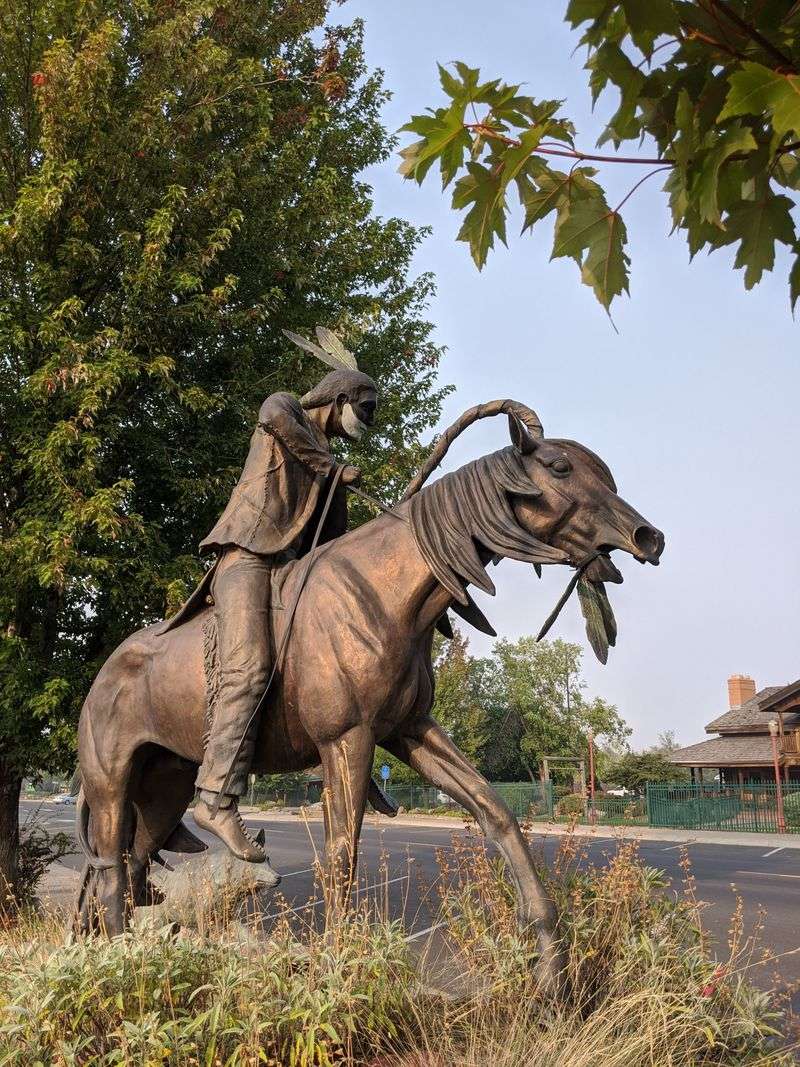
Tucked into the northeastern corner of Oregon, Joseph sits at the edge of the Wallowa Mountains, a range so stunning locals call it the “Swiss Alps of America.”
This town of about 1,000 residents has transformed into an unexpected art destination, with more than a dozen bronze foundries and galleries lining Main Street.
The Valley Bronze of Oregon foundry, located at 307 W Alder Street, Joseph, OR 97846, offers tours where visitors watch artists pour molten metal into molds, creating sculptures destined for parks and private collections worldwide.
The process is mesmerizing; sparks fly, metal glows orange-hot, and finished pieces emerge with incredible detail.
Downtown Joseph features bronze sculptures at nearly every corner, from life-sized cowboys to wildlife scenes that celebrate the region’s ranching heritage.
Art galleries showcase paintings, pottery, jewelry, and photography inspired by the surrounding mountains, lakes, and prairies.
Beyond art, Joseph serves as the gateway to Wallowa Lake, a glacier-carved gem just six miles south.
The lake offers boating, fishing, swimming, and a tramway that whisks visitors 3,700 feet up Mount Howard for panoramic views stretching into Idaho.
Hiking trails radiate from the lake into the Eagle Cap Wilderness, where alpine meadows, crystalline streams, and granite peaks reward those willing to venture deeper.
Joseph’s culinary scene surprises with farm-to-table restaurants, craft breweries, and coffee roasters serving locally sourced fare.
The town hosts the Chief Joseph Days Rodeo each July, a tradition dating back to 1946 that draws cowboys, barrel racers, and spectators from across the West.
Lodging options include historic hotels, cozy cabins, and modern vacation rentals, many with mountain views.
Winter transforms Joseph into a snowy playground with cross-country skiing, snowshoeing, and backcountry adventures.
Joseph blends artistic sophistication with outdoor adventure in a setting so beautiful it almost seems unreal.
This little town proves that culture and wilderness can coexist perfectly.
5. Brownsville: Step Back into Pioneer Days
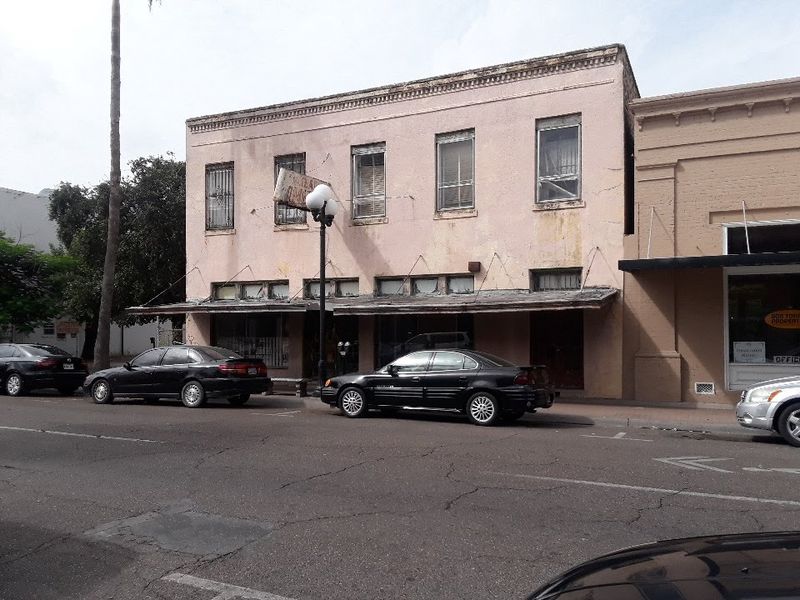
Founded in 1846, Brownsville ranks among Oregon’s oldest communities and works hard to preserve its 19th-century charm.
The entire downtown district earned a spot on the National Register of Historic Places, with over 100 buildings dating from the 1850s through the early 1900s.
Walking Main Street feels like traveling back in time, with brick storefronts, wooden sidewalks, and antique shops brimming with treasures from bygone eras.
The Linn County Historical Museum, located at 101 Park Avenue, Brownsville, OR 97327, occupies a beautiful 1890s railroad depot and houses exhibits on pioneer life, logging, and local history.
Volunteers staff the museum and love sharing stories about Brownsville’s colorful past.
The Moyer House, built in 1881, operates as a museum showcasing Victorian-era furnishings, clothing, and household items.
Guided tours reveal how families lived over a century ago, from cooking on wood stoves to entertaining in formal parlors.
Brownsville’s compact downtown invites leisurely strolls, with antique stores offering everything from vintage furniture to old postcards and collectibles.
Several buildings feature interpretive plaques explaining their original purposes; general stores, blacksmith shops, hotels, and saloons.
The town celebrates its heritage with the Brownsville Pioneer Picnic each June, featuring a parade, live music, food vendors, and historical reenactments.
Nearby Brownsville Park offers picnic areas, playgrounds, and walking paths along Calapooia River.
The surrounding Willamette Valley countryside features rolling farmland, vineyards, and covered bridges perfect for scenic drives.
Local eateries serve home-style cooking in casual settings where regulars greet each other by name.
Brownsville’s commitment to preservation makes it a living museum where history isn’t just remembered—it’s experienced.
Families, history enthusiasts, and antique hunters all find something special in this well-preserved slice of Oregon’s pioneer past.
6. Halfway: Gateway to Hells Canyon
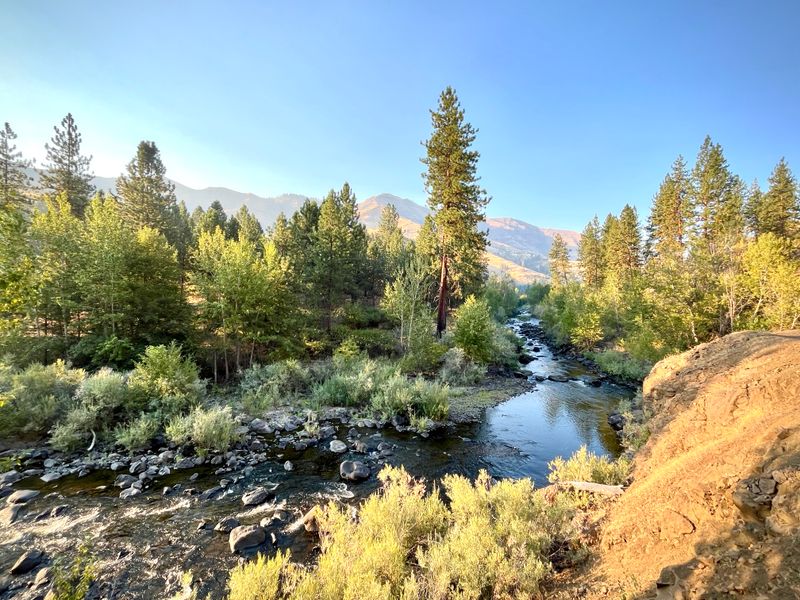
With a population barely topping 300, Halfway sits in eastern Oregon’s remote backcountry, perfectly positioned between civilization and wild adventure.
The town earned its quirky name from being halfway between the settlements of Pine and Cornucopia back in the mining days.
Today, Halfway serves as the jumping-off point for exploring Hells Canyon, North America’s deepest river gorge, where the Snake River carved a chasm deeper than the Grand Canyon.
The Halfway Visitor Center at 195 S Main Street, Halfway, OR 97834, provides maps, advice, and permits for canyon adventures.
From Halfway, a scenic drive winds through ponderosa pine forests and open grasslands to overlooks perched thousands of feet above the Snake River.
Hiking trails descend into the canyon, offering up-close encounters with bighorn sheep, wildflowers, and ancient Native American pictographs.
Jet boat tours launch from Hells Canyon Dam, providing thrilling rides through Class III rapids while guides share stories about the canyon’s geology and history.
Back in town, the Pine Valley Community Museum showcases artifacts from the area’s mining and ranching heritage.
Halfway’s main street features a handful of businesses, including a general store, cafe, and the famous Pine Valley Lodge, which offers comfortable rooms and home-cooked meals.
The town made national news in 2000 when it temporarily changed its name to Half.com in a marketing deal with the internet company; a stunt that brought brief fame and funding for community projects.
Outdoor enthusiasts love Halfway’s access to fishing, hunting, horseback riding, and snowmobiling depending on the season.
The surrounding Wallowa-Whitman National Forest provides endless opportunities for solitude and natural beauty.
Summer brings warm days perfect for canyon exploration, while winter blankets the area in snow, attracting backcountry skiers and snowshoers.
Halfway embodies the independent spirit of rural Oregon, where neighbors help each other and the wilderness begins at the edge of town.
For travelers seeking authentic Western experiences far from crowds, Halfway delivers in spades.
7. Depoe Bay: The Whale Watching Capital
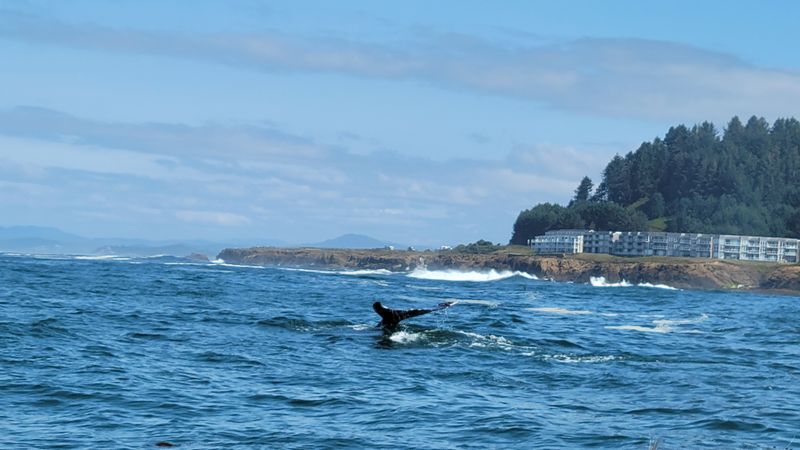
Claiming the title of the world’s smallest navigable harbor, Depoe Bay packs enormous charm into a tiny coastal footprint.
This village of around 1,400 residents sits along a particularly active stretch of Oregon coast where gray whales feed year-round, making it the state’s premier whale-watching destination.
The Whale Watching Center, operated by Oregon State Parks at 119 SW Highway 101, Depoe Bay, OR 97341, provides free binoculars, spotting scopes, and trained volunteers who help visitors locate whales from shore.
During peak migration periods in December and March, dozens of gray whales pass by daily, but resident whales stick around all summer, feeding in the rich waters just offshore.
The harbor itself is a marvel; boats navigate a narrow channel barely wider than their hulls to reach the protected basin inside.
Charter boats offer whale-watching tours that guarantee sightings or your money back, getting you within respectful distance of these magnificent creatures.
Depoe Bay’s seawall creates natural “spouting horns” where incoming waves compress through cracks in the basalt, shooting spray 60 feet into the air.
Watching the ocean explode through these blowholes during storms is thrilling, though be prepared to get drenched!
Downtown features gift shops, galleries, and restaurants specializing in clam chowder and fish and chips served with ocean views.
The town celebrates whales with an annual spring and fall Whale Watch Week, when extra volunteers staff viewing sites and special events honor these marine giants.
Depoe Bay also serves as a base for exploring nearby attractions like the Otter Crest Loop, a scenic byway offering dramatic coastal vistas.
Accommodations range from budget motels to upscale oceanfront resorts, many with balconies where you can whale-watch in your pajamas.
Local shops sell whale-themed everything; from carved sculptures to educational books perfect for young marine biologists.
Depoe Bay proves that great things come in small packages, offering world-class wildlife viewing in an intimate coastal setting.
Dear Reader: This page may contain affiliate links which may earn a commission if you click through and make a purchase. Our independent journalism is not influenced by any advertiser or commercial initiative unless it is clearly marked as sponsored content. As travel products change, please be sure to reconfirm all details and stay up to date with current events to ensure a safe and successful trip.
