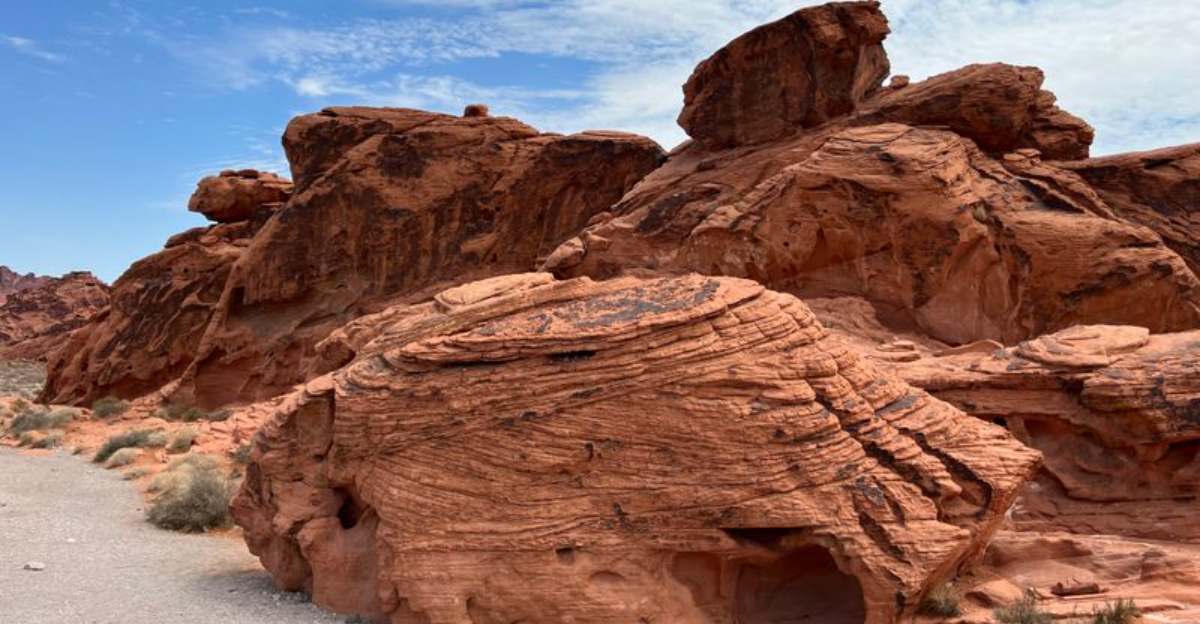
Utah has become one of America’s hottest travel destinations, drawing millions of visitors each year to experience its stunning red rock landscapes and outdoor adventures.
While tourism brings economic benefits to the state, it has also transformed many beloved local spots into crowded tourist magnets.
Long-time residents often reminisce about the days when they could enjoy these natural wonders without battling for parking spaces or waiting in long lines.
Some attractions that locals once considered their own peaceful retreats now feel overrun during peak season.
The influx of visitors has changed the character of these places, sometimes making them nearly unrecognizable to those who grew up exploring them.
From national parks to hidden canyons, the impact of social media and increased accessibility has put Utah’s most beautiful locations firmly on the tourist map.
Understanding which spots have been most affected by tourism can help visitors plan more thoughtfully and perhaps discover lesser-known alternatives.
Here are some Utah attractions that locals say have been completely taken over by tourists in recent years.
1. Delicate Arch at Arches National Park
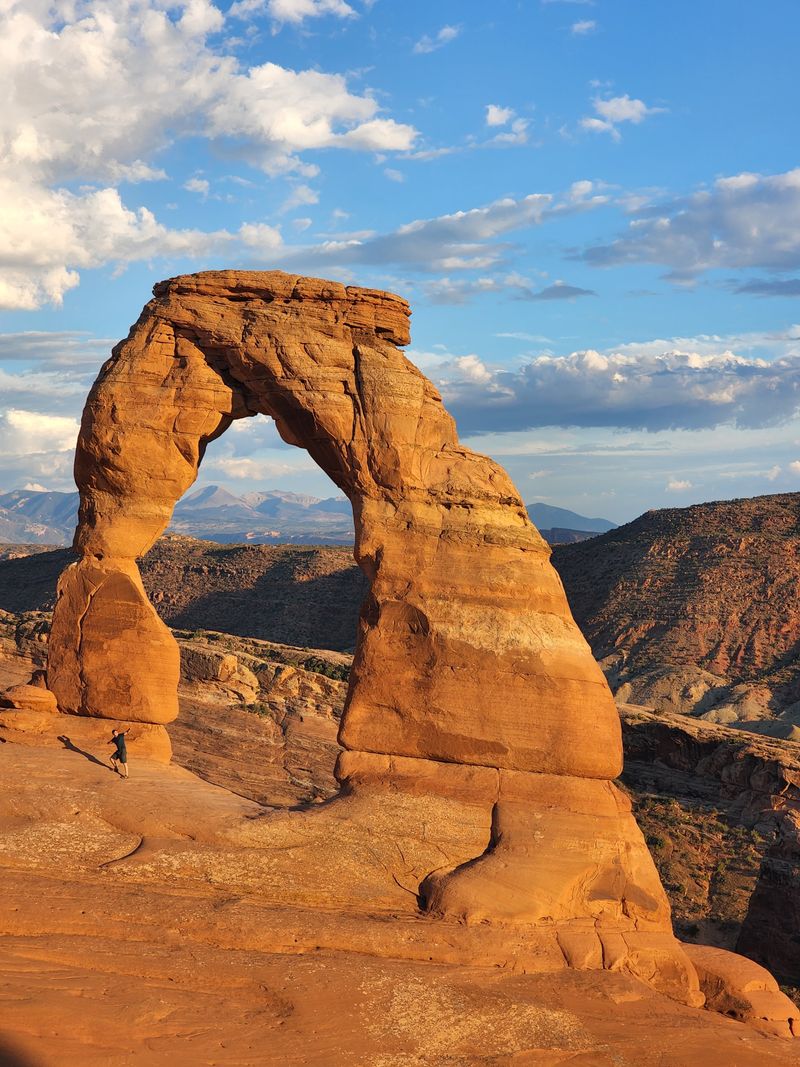
Standing majestically in Arches National Park near Moab, Delicate Arch has become Utah’s most photographed landmark and perhaps its most crowded.
Locals remember when you could hike to this natural wonder on a quiet afternoon and have the place practically to yourself.
Those days are long gone, as the 3-mile round-trip trail now sees thousands of visitors daily during peak season.
The parking lot at Wolfe Ranch fills up by sunrise, forcing many to park along the highway and walk even farther.
Social media has transformed this already-famous arch into a must-see bucket list item for travelers from around the world.
Photographers arrive hours before sunset to claim their spots, creating a semicircle of tripods around the arch.
What was once a peaceful communion with nature has become more like attending an outdoor concert.
The National Park Service has implemented timed entry reservations to manage crowds, but even with these measures, the experience feels far from solitary.
Many Utah residents avoid Delicate Arch entirely during summer months, knowing the trail will be packed with tourists unfamiliar with desert hiking.
Some locals suggest visiting in winter when snow and cold temperatures keep crowds manageable, though the hike becomes more challenging.
The nearby town of Moab has exploded with hotels, restaurants, and tour companies catering to the constant stream of visitors.
Arches National Park is located at the entrance near Moab, Utah 84532.
Despite the crowds, Delicate Arch remains breathtaking, standing 46 feet tall against the La Sal Mountains backdrop.
Locals just wish more people would explore the park’s lesser-known arches and give this iconic formation a bit of breathing room.
The transformation from local treasure to international tourist destination happened gradually, then all at once.
Now it serves as the primary example Utah residents cite when discussing overtourism in their state.
2. The Narrows in Zion National Park
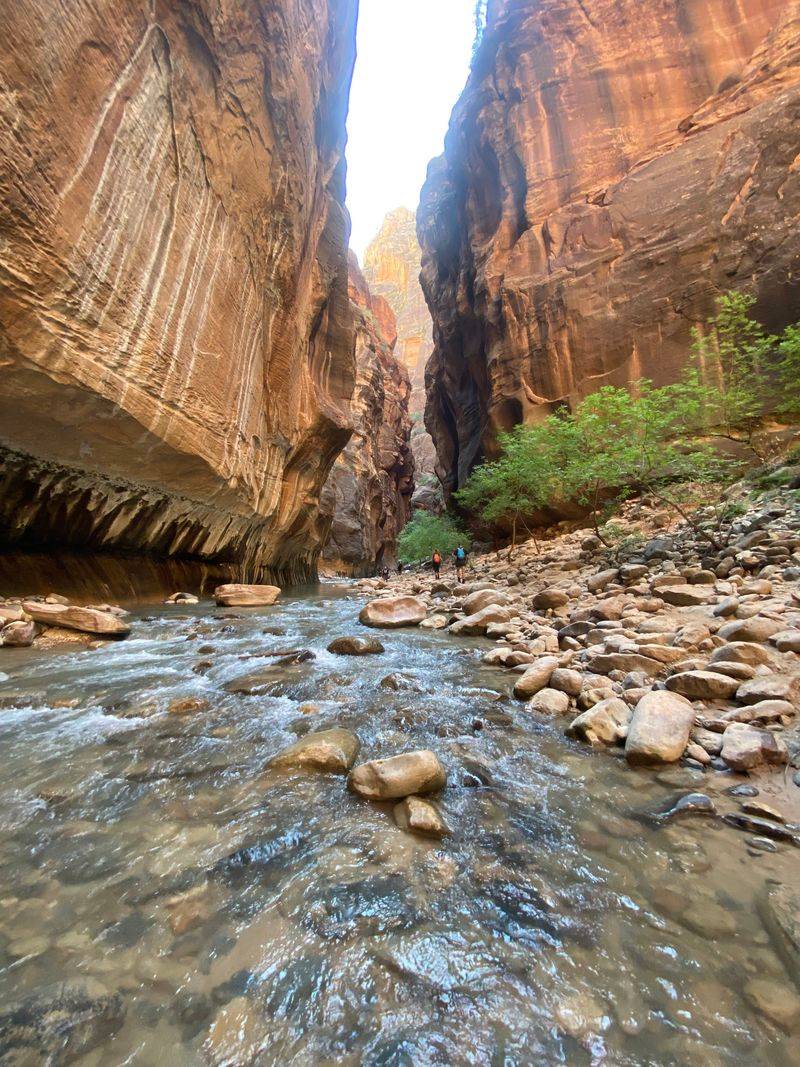
Walking through the Virgin River between towering canyon walls, The Narrows offers one of the most unique hiking experiences in America.
This slot canyon in Zion National Park has always attracted adventurous souls, but recent years have seen visitor numbers skyrocket beyond what locals ever imagined.
Old-timers recall leisurely hikes through the canyon where you might encounter only a handful of other people during an entire day.
Currently, the experience resembles a water park on a busy summer day, with hundreds of people shuffling through the narrow passages simultaneously.
The popularity explosion can be traced to countless Instagram posts showing the dramatic walls rising a thousand feet above the river.
Outfitters in nearby Springdale rent specialized gear to unprepared tourists, creating a booming industry around this single hike.
The shuttle system required to access the trailhead often fills completely, leaving visitors waiting hours for available spots.
Zion National Park entrance is located in Springdale, Utah 84767.
Local hikers have adapted by visiting during off-peak months or tackling the hike from the less-popular top-down route requiring a permit.
Spring runoff can make the hike dangerous, yet tourists often underestimate the power of the current and need rescue.
The sheer volume of people has raised environmental concerns about the delicate ecosystem within the canyon.
Park rangers now spend much of their time managing crowds rather than preserving wilderness.
Some Utahns argue that The Narrows has become a victim of its own beauty and accessibility.
The 16-mile canyon still delivers stunning views, but the solitude that once defined the experience has vanished.
Weekday visits in October or November offer the best chance of recapturing some of that lost tranquility.
Even then, you’ll likely share the canyon with dozens of others, a far cry from the hidden gem it once represented to locals.
3. Horseshoe Bend near Page
Just across the Utah border near Page, Arizona, Horseshoe Bend has become synonymous with overtourism in the Southwest.
Utah residents frequently visit this stunning Colorado River meander, considering it part of their extended backyard.
A decade ago, this viewpoint was a little-known spot that required parking along the highway and hiking an unmarked trail.
Fewer than a few thousand people visited annually, and you could often have the overlook entirely to yourself.
Everything changed when social media discovered the perfectly curved river bend and dramatic 1,000-foot drop.
Now over two million visitors arrive each year, transforming the area into a managed tourist attraction complete with parking fees and paved pathways.
The viewing area has been expanded and fenced for safety after several tragic falls occurred.
During peak hours, hundreds of people crowd the rim, making it nearly impossible to capture a photograph without strangers in the frame.
Local photographers who once timed their visits for perfect golden hour lighting now find the best spots claimed hours in advance.
The short three-quarter-mile walk from the parking lot has become a procession of tourists in flip-flops, many unprepared for the desert heat.
Page, Arizona has grown rapidly to accommodate the tourism boom, with new hotels and restaurants appearing constantly.
The viewpoint is located at Horseshoe Bend Trail, Page, Arizona 86040.
Many Southern Utah residents feel frustrated that such a spectacular natural feature has lost its peaceful character.
The National Park Service now manages the site, implementing fees and infrastructure that some locals view as both necessary and unfortunate.
Visiting at sunrise offers the best chance of smaller crowds, though even early morning sees dozens of dedicated photographers.
The transformation of Horseshoe Bend from secret local spot to international tourist destination happened remarkably quickly, leaving long-time visitors mourning the loss of solitude they once enjoyed.
4. Bonneville Salt Flats
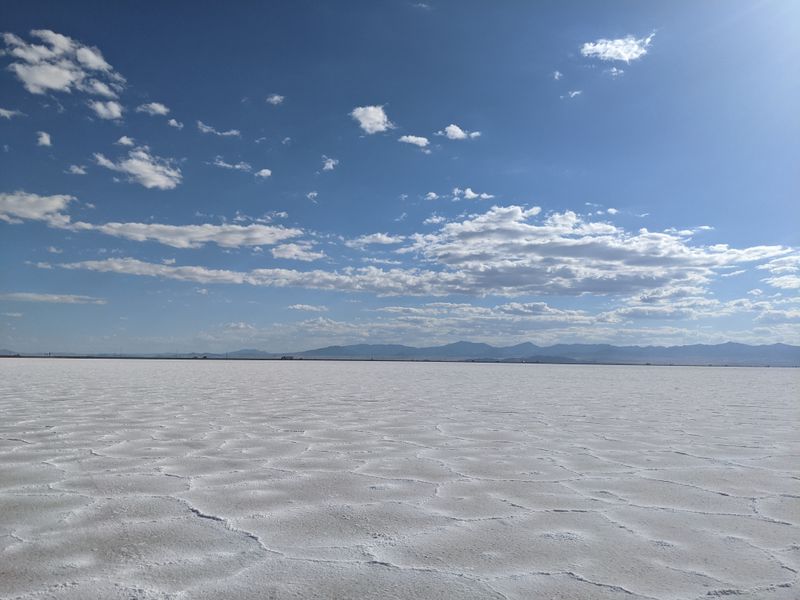
Stretching across 30,000 acres of northwestern Utah, the Bonneville Salt Flats create an otherworldly landscape that once felt like a well-kept secret.
Speed enthusiasts have long known about this location for land speed racing, but general tourists rarely ventured to this remote area.
Local families would drive out for unique photo opportunities, enjoying the surreal white expanse with minimal company.
The flats seemed too far from major attractions and too stark to attract mainstream tourism.
Social media changed everything, as photographers discovered the flats’ potential for stunning perspective-bending images.
The perfectly flat white surface creates optical illusions that make ordinary photos look extraordinary.
Now the area sees constant visitor traffic, especially during sunset when the wet salt reflects the sky like an enormous mirror.
Weekends bring crowds that would have seemed impossible just a few years ago.
The increased foot and vehicle traffic has raised environmental concerns about the fragile salt crust.
Scientists have noted the salt layer is shrinking, partly due to climate factors but also from human impact.
Local residents who appreciated the quiet isolation now find the area crowded with tourists attempting creative photography poses.
The site is located along Interstate 80 near Wendover, Utah 84083.
During winter, the flats become even more photogenic when thin water layers freeze into crystalline patterns.
This has extended the tourism season, giving locals even fewer opportunities to visit without crowds.
The nearby town of Wendover has seen modest economic benefits but also struggles with the infrastructure demands of increased tourism.
Many Utahns now skip the salt flats entirely, feeling that the experience has been diminished by overcrowding.
The transformation illustrates how even remote, seemingly uninteresting landscapes can become tourist magnets in the social media age.
What locals valued for its emptiness and solitude now attracts people specifically because it photographs well.
The flats remain beautiful, but the character of visiting has fundamentally changed from peaceful contemplation to crowded photo opportunity.
5. Antelope Canyon near Page
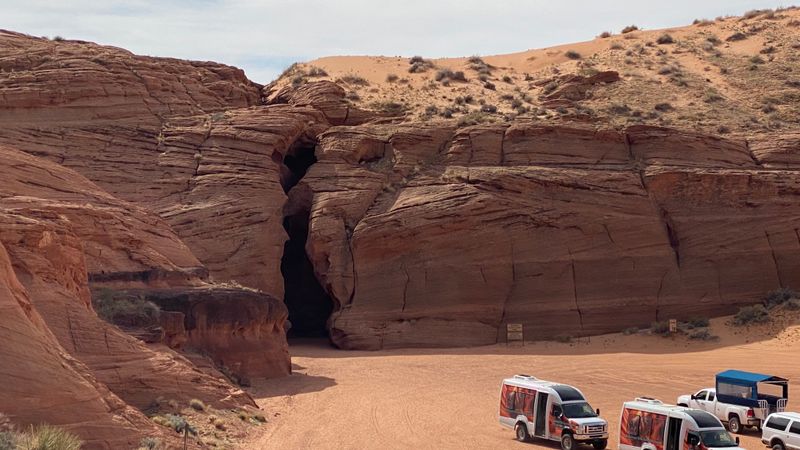
Though technically located in Arizona on Navajo land, Antelope Canyon sits close enough to the Utah border that locals have long considered it part of their regional playground.
This slot canyon’s smooth, flowing sandstone walls and famous light beams once attracted primarily serious photographers willing to pay Navajo guides.
Visitation was limited, tours were small, and you could actually set up a tripod without bumping into other people.
The canyon maintained an air of exclusivity and mystery that made visiting feel like discovering a hidden wonder.
The explosion of popularity has turned Antelope Canyon into a tourist factory that locals barely recognize.
Tour companies now run visitors through on tightly scheduled intervals, with groups following one another in constant succession.
The famous light beams that occur when sun shines directly into the canyon now attract massive crowds during peak months.
Guides rush groups through to maintain the schedule, leaving little time for contemplation or careful photography.
Ticket prices have increased dramatically as demand has outpaced available tour slots.
Many Utah residents who used to visit regularly now avoid the canyon entirely, priced out and turned off by the commercialization.
The nearby Upper Antelope Canyon and Lower Antelope Canyon both suffer from overcrowding, though Lower remains slightly less congested.
Tours depart from locations near Page, Arizona 86040.
The Navajo Nation, which owns and operates access to the canyon, has benefited economically from tourism revenue.
However, the environmental impact of thousands of feet shuffling through the narrow passages has raised preservation concerns.
Sand accumulation patterns have changed, and the canyon requires more maintenance than ever before.
Local photographers lament that capturing the canyon’s beauty now requires either paying premium rates for special photography tours or accepting crowds in every shot.
The transformation of Antelope Canyon represents tourism’s double-edged sword, bringing economic benefits while fundamentally altering the visitor experience.
What was once a spiritual, intimate encounter with nature has become a rushed, commercialized attraction.
Utah residents who remember the earlier days feel a sense of loss, even while acknowledging the Navajo Nation’s right to profit from their land.
6. Angels Landing Trail in Zion
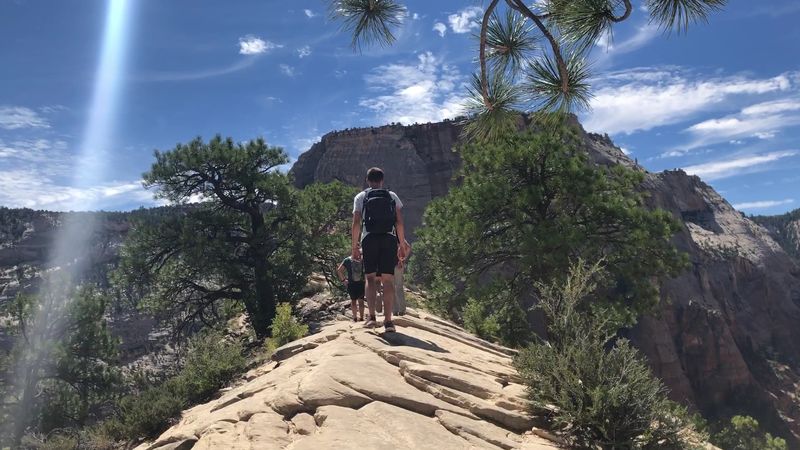
Rising 1,488 feet above the Zion Canyon floor, Angels Landing has earned a reputation as one of America’s most thrilling hikes.
The final half-mile follows a narrow rock spine with thousand-foot drop-offs on both sides, with chains bolted into the rock for support.
Local hikers have challenged themselves on this trail for generations, treating it as a rite of passage and a test of nerve.
Historically, the trail saw moderate use, and hikers could complete the chains section without waiting for others to pass.
Online articles naming Angels Landing among the world’s most dangerous hikes ironically made it more popular rather than less.
Thrill-seekers and bucket-list tourists began arriving in droves, creating dangerous bottlenecks on the narrow sections.
The chains portion became so congested that hikers would wait an hour just to begin the final ascent.
Traffic jams on a cliff face created hazardous conditions, with tired hikers clinging to chains while others tried to pass.
Tragic accidents and near-misses prompted the National Park Service to implement a permit system in 2022.
Now hikers must enter a lottery for permission to complete the final section, with only 300 permits available daily.
While this has reduced dangerous crowding, it has also frustrated locals who once hiked the trail freely whenever they chose.
The trailhead is accessed via shuttle from Zion Canyon Visitor Center in Springdale, Utah 84767.
Many Utah residents support the permit system as necessary but mourn the loss of spontaneous access to a trail they’ve hiked countless times.
The lottery system treats locals and tourists equally, offering no preference to nearby residents.
Some argue this is fair, while others feel displaced from their own backyard by the sheer volume of visitors.
The trail remains spectacular, offering panoramic views of Zion Canyon that justify its popularity.
Angels Landing exemplifies how social media fame can overwhelm even challenging attractions that seem naturally self-limiting.
The combination of stunning views and perceived danger created perfect viral content that drew crowds beyond the trail’s capacity.
Locals have adapted by exploring Zion’s many other excellent hikes that haven’t achieved the same level of fame.
7. Goblin Valley State Park
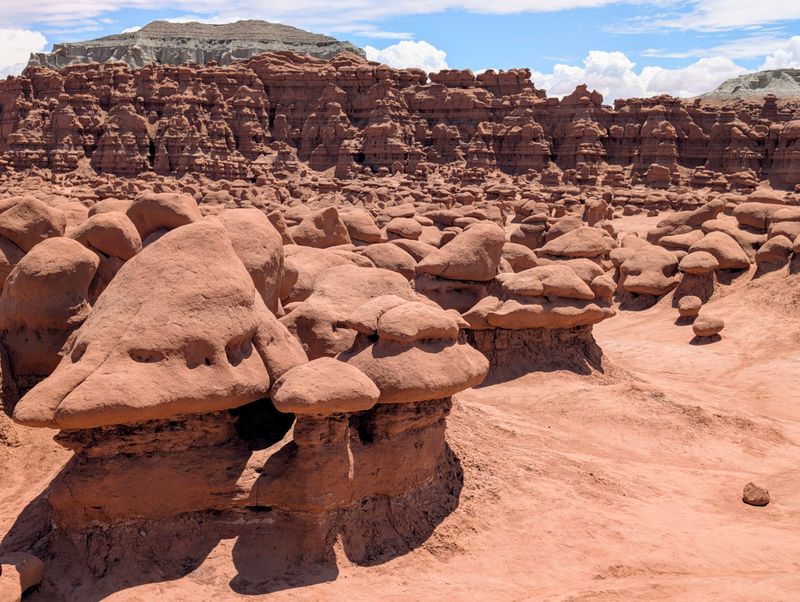
Tucked away in Utah’s remote San Rafael Desert, Goblin Valley State Park features thousands of mushroom-shaped rock formations called hoodoos.
For decades, this quirky park remained relatively unknown, visited primarily by Utah families and geology enthusiasts.
Children loved scrambling over the goblin-like rocks, and the park offered a playful, less-crowded alternative to Utah’s famous national parks.
The otherworldly landscape felt like a secret playground where you could explore freely without encountering many other visitors.
Several factors combined to transform Goblin Valley from hidden gem to tourist destination.
The park’s appearance in the 1999 film “Galaxy Quest” introduced it to science fiction fans who made pilgrimages to the filming location.
More recently, social media posts showcasing the unique formations during golden hour attracted photographers and Instagram influencers.
The park’s relatively easy accessibility compared to more remote Utah locations made it an attractive stop for road-trippers.
Camping reservations at the park now book months in advance, whereas locals once arrived without reservations and easily found spots.
The valley floor, where visitors can wander freely among the hoodoos, now sees crowds that diminish the feeling of exploration and discovery.
Park rangers have had to implement more rules and designated paths to protect the fragile formations from excessive touching and climbing.
Goblin Valley State Park is located at 105 West Goblin Valley Road, Green River, Utah 84525.
Local families who once treated Goblin Valley as their personal adventure spot now visit during off-season or skip it entirely.
The park’s small size means that even moderate crowds feel overwhelming compared to its former quiet character.
Weekday visits in winter offer the best chance of recapturing the park’s original appeal, though temperatures can be quite cold.
Some Utah residents appreciate that tourism revenue has funded improvements to facilities and visitor services.
Nevertheless, many feel the trade-off wasn’t worth losing the intimate, uncrowded experience that made Goblin Valley special.
The park remains a geological wonder worth visiting, but the magic of having the goblins to yourself has largely disappeared.
Dear Reader: This page may contain affiliate links which may earn a commission if you click through and make a purchase. Our independent journalism is not influenced by any advertiser or commercial initiative unless it is clearly marked as sponsored content. As travel products change, please be sure to reconfirm all details and stay up to date with current events to ensure a safe and successful trip.
