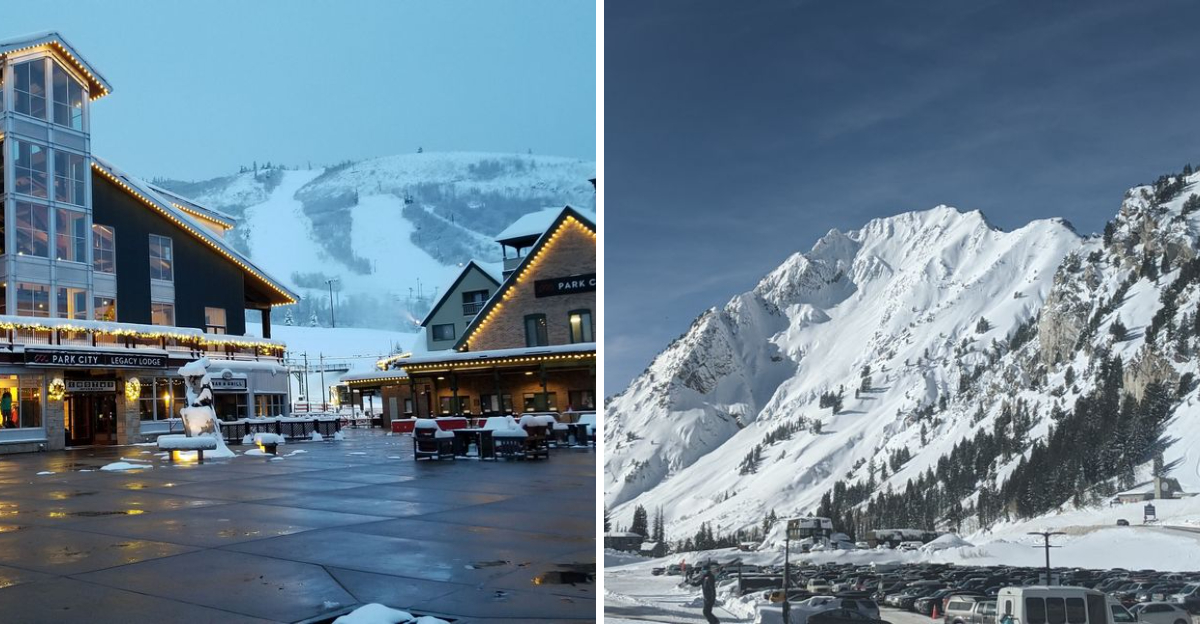
Tourism reshaped Utah’s mountain communities, and the ripple effects are impossible to ignore.
Prices climbed, local rhythms shifted, and the gap between visitor expectations and resident needs widened.
You can still find alpine magic, but it comes with hard tradeoffs for people who live and work here.
Consider this a candid look at beloved places in Utah, through the voices and concerns you hear on the ground.
1. Park City Mountain
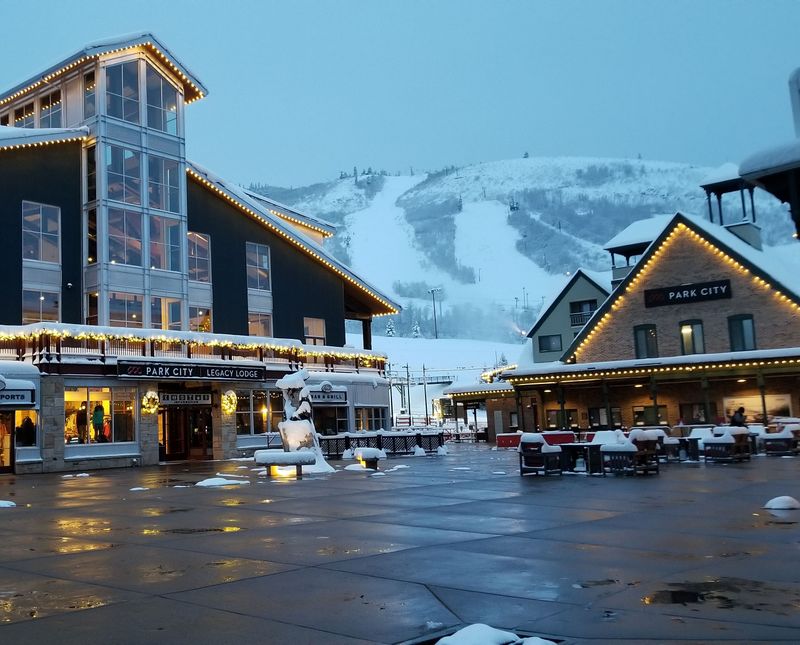
Park City Mountain anchors a postcard scene, yet the streets feel more curated than casual these days.
Walking Main Street, you notice immaculate facades, valet zones, and sleek condo-hotels pressing against the slopes.
The everyday pace that once defined this Utah town feels slower to locals and faster to guests.
Essential workers talk about long commutes from outlying valleys because close-in rentals rarely stick around.
Seasonal demand tightens the market, and lease terms often cater to peak visitor calendars.
Even modest apartments shift into short-term listings when snow starts to fly.
Quiet pockets still exist near neighborhood trails, but they sit beside luxury builds with heated driveways and private shuttles.
Community events persist, though the audience now blends destination travelers and second-home owners.
Schools and services carry the load while traffic surges at morning lift openings.
Workers grab early buses, hoping to beat the crush along Kearns Boulevard and Park Avenue.
The resort core shines with plazas, gear shops, and tidy pathways to the lifts.
It is polished, convenient, and relentlessly active from first chair to evening stroll.
Longtime residents describe a tax landscape that rewards ownership and complicates renting.
They cite rising assessments and limited starter options inside town boundaries.
Newcomers love the access, but those roots take effort to plant.
You feel that tug in every conversation at trailheads and transit stops.
The address centers around the resort base near 1345 Lowell Avenue, Park City, Utah.
From there, the mountain towers over homes that tell a changing story of place.
2. Alta Ski Area
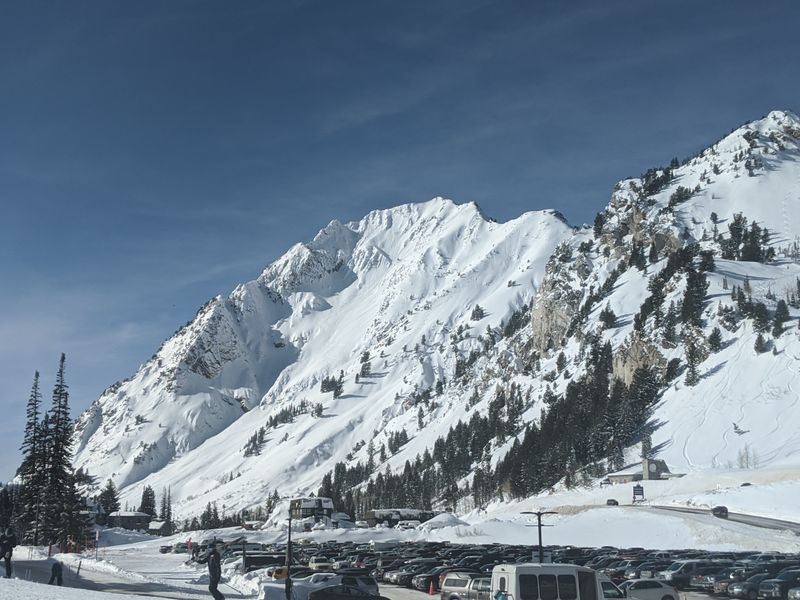
Alta lives high in Little Cottonwood Canyon, where the terrain and snowfall set a serious tone.
The base feels compact, practical, and focused on skiing above all else.
That purity draws loyal visitors, and it shapes housing pressure down the canyon.
Employees and year round staff often look to Sandy or Cottonwood Heights for workable leases.
Winter road closures, avalanche control, and canyon traffic add another layer to daily life.
Timing a commute becomes as crucial as finding an available room.
Lodges cluster near 10010 Little Cottonwood Canyon Road, Alta, Utah, and they pulse with early starts.
Parking fills quickly, and shuttles become their own moving neighborhood.
In shoulder seasons, quiet returns, but inventory rarely loosens much for locals.
Many units link to the resort economy, which favors travelers who plan months ahead.
Hikers and skiers cherish the no nonsense vibe, yet permanence feels elusive here.
Residents describe a thin slice of long term options in a narrow canyon.
Civic discussions circle around transit, access, and balancing safety with reliability.
The answers rarely come easy when weather sets the rules.
Still, the granite walls and high bowls cast a powerful pull.
You sense why people fight to stay near this Utah legend.
The cost conversation lands on scarcity before anything else.
Alta remains a dream for visitors, and a calculation for those who serve them.
3. Deer Valley Resort

Deer Valley projects a quiet polish, with manicured plazas and stonework that frame the slopes.
The arrival experience feels seamless, from drop off loops to well signed walkways.
Every detail signals comfort, and that reputation drives strong second home interest.
Neighborhoods around the resort echo that tone with gated streets and curated landscaping.
Service teams commute in daily, keeping restaurants, lifts, and lodging humming.
Finding a nearby lease that lasts beyond peak months can be tricky.
The main hub sits near 2250 Deer Valley Drive South, Park City, Utah.
From there, the surrounding hills hold estates that look toward Jordanelle and town.
Homes feel more retreat than residence, and that distinction shapes community life.
Local families often scout farther out in Wasatch County for stability.
Visitors admire quiet lift lines, heated walkways, and a calm base village.
Workers measure days by shuttle timetables and predictable schedules.
That balance creates a polished stage and a complex backstage.
Volunteer groups try to keep ties strong with school events and trail work days.
Still, pricing signals favor those who arrive with long planning horizons.
You notice it in how listings appear and vanish before a weekend.
Deer Valley remains a pinnacle of Utah skiing and mountain living.
For locals, the question is where to make a permanent home nearby.
4. Snyderville
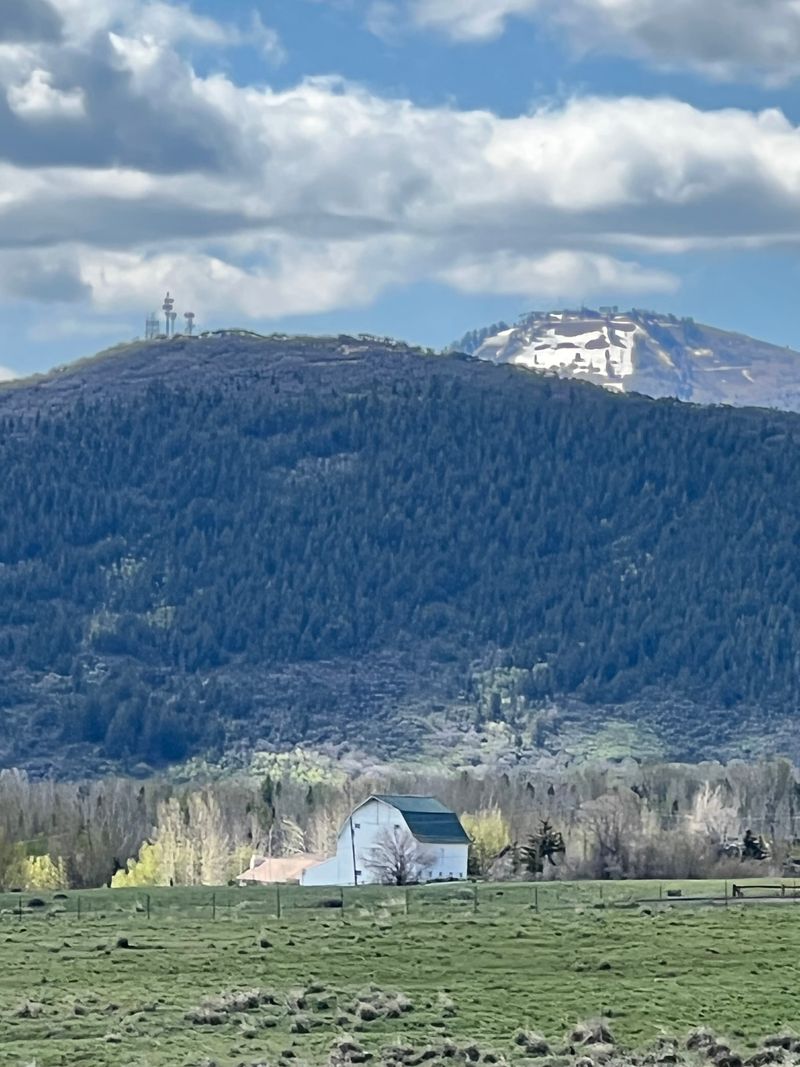
Snyderville stretches out with trailheads, schools, and subdivisions threaded between open spaces.
The views take in Park City’s ridgelines while everyday errands feel close at hand.
That convenience transformed this valley into a sought after place to land.
New builds introduced sleek designs, garages, and community amenities that resonate with newcomers.
Longtime residents mention steady assessment climbs and shifting rental mixes.
Seasonal demand and proximity to resorts shape the rhythm of the market.
Commercial centers hover near Highland Drive and Kilby Road, creating a practical core.
Transit links carry workers toward Deer Valley and Park City Mountain each morning.
Sidewalks fill with bikers and dog walkers when the snow melts.
In winter, plows move early and bus stops glow before sunrise.
The mailing address often maps around Snyderville Basin, Park City, Utah.
Neighborhood entrances reveal pocket parks, shared paths, and tidy clubhouse spaces.
Inventory shifts quickly when school sessions change or festival calendars spike.
Affordability hinges on timing, roommates, and luck with longer leases.
Families eye townhomes while single renters chase basement suites.
You hear the same refrain from clerks, lifties, and teachers on break.
Everyone loves the access, and everyone feels the squeeze.
That contrast defines this Utah valley more each season.
5. Heber City
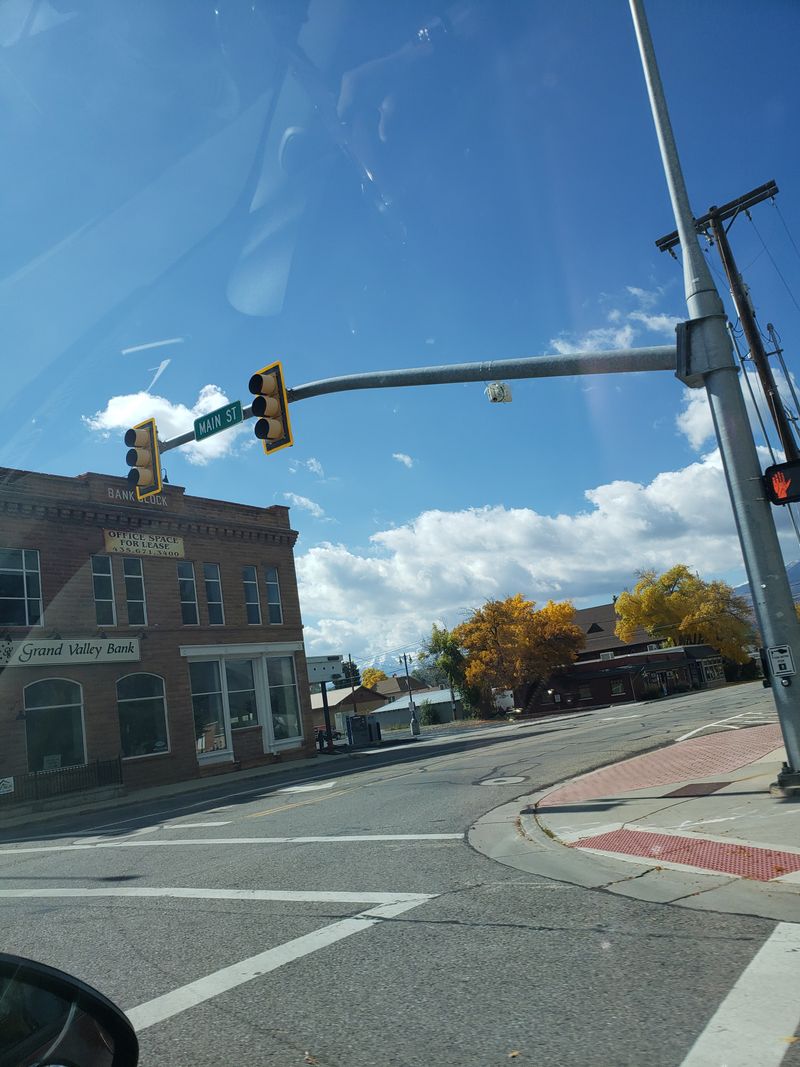
Heber City sits in a broad valley where mountain views meet a working main street.
The pace feels balanced, with schools, parks, and groceries close enough for quick errands.
Proximity to Park City and Jordanelle turned it into a landing spot for commuters.
New subdivisions fill in fields on the edges, reshaping what used to be long open drives.
Locals point to rising valuations and thinner options for first time renters.
Second home interest also trails in from nearby ski areas.
Downtown centers on 75 North Main Street, Heber City, Utah.
Cafes, barbers, and outfitters hold steady as weekend traffic surges.
At twilight, sidewalks glow and the mountains stack blue on the horizon.
During winter, trucks dusted in snow idle outside hardware stores before dawn.
Teachers, nurses, and service staff often split housing across shared homes.
Others look toward Midway or Daniels for margin.
Festivals and events lift spirits while straining parking on side streets.
Transit routes help, though many still drive the pass to shifts.
The town keeps its identity, even as Utah headlines focus on growth.
You can feel a community working to hold space for its own.
The push and pull of tourism is clear, but the roots run deep.
Heber remains a real hometown with mountain access at the edge of town.
6. Midway
Midway greets you with chalet trim, tidy lawns, and a gentle village pace.
The look is distinct, and it frames daily life under the Wasatch.
Visitors arrive for hot springs, trails, and calm streets close to ski runs.
That charm keeps demand steady for cottages and modern builds alike.
Local workers describe a musical chairs routine between seasonal and year round rentals.
Each shoulder season brings a reshuffle, not always in their favor.
Town life orbits around 75 North 100 West, Midway, Utah.
From there, tree lined blocks lead toward parks and quiet corners.
Evenings are calm, with porch lights flicking on before the sky fades.
Weekends run busier as day trippers sweep through from nearby resorts.
Price pressure rolls in waves from Park City and Heber.
It nudges listings upward and tightens the window for new leases.
Residents push for accessory dwelling options and smarter infill.
They hope to keep teachers and service staff within a short drive.
The result is a community doing careful math around identity and growth.
Midway retains a friendly grin even when parking gets tough.
You feel the welcome, and you notice the strain underneath it.
Utah mountain living rarely looks prettier, or more contested, than this.
7. Brighton Resort

Brighton feels like a locals mountain, tight knit and familiar, wrapped in tall spruce.
The base area looks simple, with classic lodges and open benches near the lifts.
Demand for nearby places to sleep, however, tells a different story.
Workers often live down canyon and time the drive with storm cycles.
Road closures and powder mornings can turn commutes into coin flips.
Housing close to the hill is scarce and rarely long term.
The address centers near 8302 South Brighton Loop Road, Brighton, Utah.
Buildings huddle close to the snowline, giving the place a camp feel.
Families carry gear across plowed paths while buses idle for the next run.
Evenings settle quickly as light fades behind the ridge.
Weekends bring quick turnover in lots and lodges.
Employees grab short breaks on benches before the next wave arrives.
Affordability becomes a canyon wide conversation rather than a single zip code issue.
People spread across Salt Lake Valley and share rides to make it work.
Brighton keeps its charm while wrestling real constraints.
It is pure Utah snow culture, compressed into a small footprint.
The experience stays memorable, and the logistics stay hard.
That tension defines daily life in this narrow bowl.
8. Peoa

Peoa opens wide with hay fields, long fences, and patient roads.
The skyline is mostly barns, grain sheds, and a handful of new homes.
Buyers come for space, dark nights, and a short drive to bigger hubs.
That recipe pulls prices upward even as the town keeps a rural stride.
Neighbors wave from trucks and talk about snowpack before school sports.
Weekends bring trailers loaded for trail riding or fishing.
The community centers near 1227 West State Road 32, Peoa, Utah.
From there, county routes fan out to quiet lanes and pastures.
Inventory remains thin, and land listings draw quick attention.
People who work in Park City split the distance to carve out calm.
As more driveways appear, the feel stays open but less solitary.
Schools and services sit a few towns away, shaping daily routines.
Shared rides and flexible shifts help households manage the drive.
Residents protect water rights and winter access with steady focus.
They value the sound of wind in grass more than busy sidewalks.
Utah’s growth finds Peoa eventually, just at a slower beat.
The value of quiet proves expensive when many want the same view.
That is the paradox of a place built on room to breathe.
9. Wallsburg
Wallsburg hides in a green pocket where the mountains press close.
The roads are narrow, the fields wide, and the mood unhurried.
It appeals to people who value solitude within reach of larger towns.
As interest grows, parcels trade hands and new gates appear along fences.
Locals note that options for long term rentals are scarce to begin with.
Homes tend to stay in families or move quickly to cash buyers.
The heart of town sits near 70 East Main Canyon Road, Wallsburg, Utah.
From there, a few civic buildings and a park anchor daily life.
Nights are dark, and stars show up without much effort.
Mornings carry the smell of hay and fresh water off the canyon.
Commuters often aim toward Heber or Orem for work.
The drive is pretty, but it adds weight to a week.
People cherish the quiet and guard it with zoning debates.
The conversation centers on scale rather than outright change.
Utah growth patterns eventually test even the quietest valley.
Wallsburg absorbs it carefully, one fence line at a time.
The cost of privacy rises as more people chase the same peace.
That is the story of a hidden place that is not so hidden anymore.
10. Park City Old Town

Old Town climbs steeply from Main Street, with porches stacked above narrow lanes.
Restored cottages sit beside tall new builds that squeeze into tight lots.
Walkability is the prize, and buyers chase it relentlessly.
Parking battles play out between snowbanks and staircases.
Short term listings pulse with festival calendars and powder forecasts.
Year round leases become prized finds passed among friends.
The neighborhood centers around Park Avenue and Main Street, Park City, Utah.
Stairs cut between blocks, linking homes to shops and the town lift.
On storm days, plows carve trenches that reveal bright facades.
Summer brings bikes, porch chats, and quiet morning light.
Service workers often bunk up down valley and ride in on buses.
Families weigh space against the joy of being steps from everything.
Zoning and preservation boards juggle character with modern needs.
Attics turn into offices, and tiny garages store more gear than cars.
Old Town feels cinematic, and it costs like a set piece.
The rhythm is beautiful and demanding at the same time.
Utah visitors fall hard for it at first walk.
Locals measure love in shovel width and stair count all winter.
Dear Reader: This page may contain affiliate links which may earn a commission if you click through and make a purchase. Our independent journalism is not influenced by any advertiser or commercial initiative unless it is clearly marked as sponsored content. As travel products change, please be sure to reconfirm all details and stay up to date with current events to ensure a safe and successful trip.
