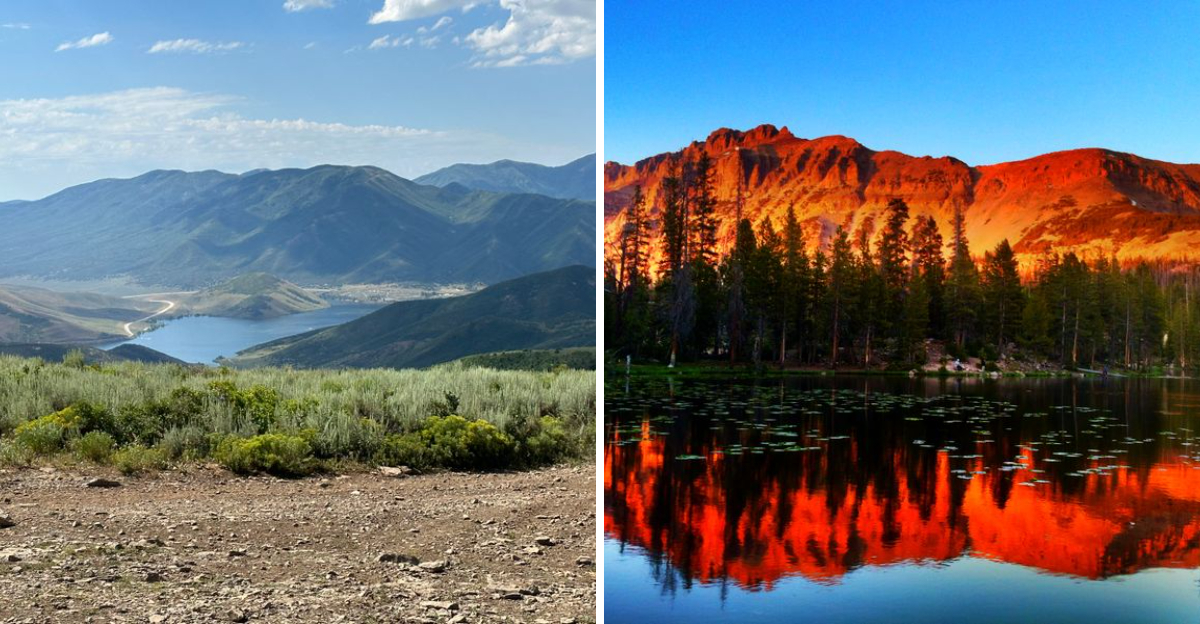
Utah stands apart from most American states because of its incredible abundance of public land.
Mile after mile of untouched desert, towering plateaus, and rugged canyons stretch across the horizon, creating landscapes that feel almost otherworldly.
This openness isn’t just beautiful to look at.
It fundamentally changes how people travel, explore, and connect with nature.
Instead of crowded tourist spots, visitors find themselves surrounded by silence and solitude.
The experience becomes about self-reliance, discovery, and witnessing geological wonders that took millions of years to form.
From salt flats so white they hurt your eyes to alpine meadows dotted with wildflowers, Utah offers a variety of open spaces unlike anywhere else.
Each region has its own personality shaped by elevation, geology, and climate.
Whether you’re drawn to the red rock country of the south or the high mountain ranges of the north, the sheer scale of undeveloped land will leave a lasting impression.
These ten regions showcase the best of what Utah’s open spaces have to offer.
1. Canyonlands
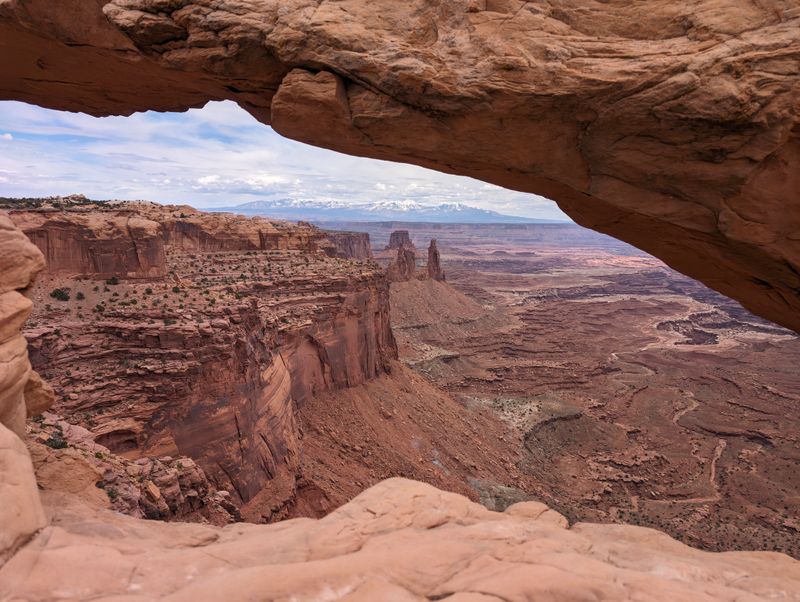
Carved by rivers over millennia, this region showcases erosion on a scale that defies easy comprehension.
The Green and Colorado Rivers slice through the Colorado Plateau, creating three distinct districts that each offer their own adventure.
Island in the Sky sits atop a massive mesa, providing sweeping overlooks that stretch for dozens of miles.
The Needles district features colorful spires and technical backcountry routes perfect for experienced hikers.
The Maze lives up to its name as one of the most remote and challenging areas in the continental United States.
Getting anywhere here requires careful preparation and plenty of time.
Cell service disappears quickly, and the nearest gas station might be hours away.
But that isolation is precisely what draws people to Canyonlands.
You can stand on a cliff edge and see nothing but layered rock formations stretching to the horizon.
No buildings, no power lines, just raw geological history.
Camping under the stars here feels like stepping back in time.
The silence is so complete you can hear your own heartbeat.
Rangers at the visitor center can help plan routes and provide essential safety information.
Address: 2282 SW Resource Blvd, Moab, UT 84532.
This landscape demands respect and rewards those who come prepared.
2. Dixie
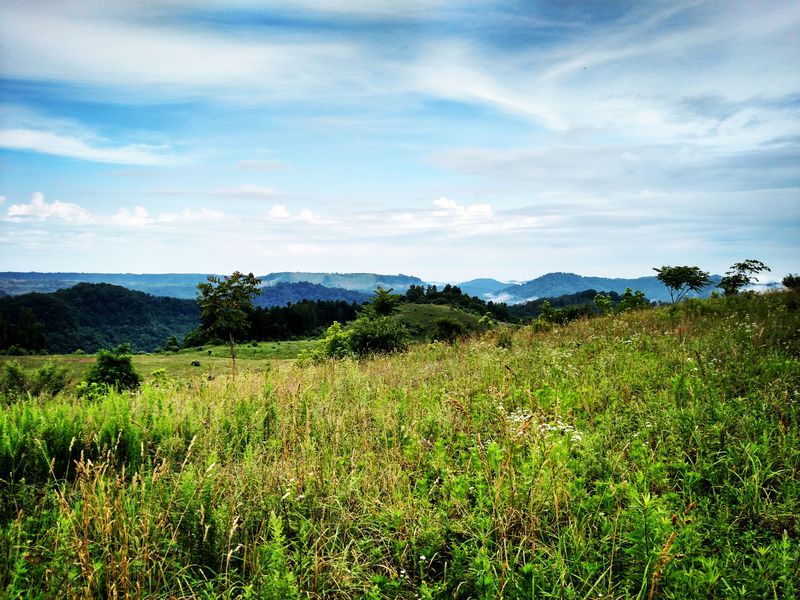
Southwestern Utah transitions from high desert terrain into the famous red rock canyon country that defines much of the state’s identity.
Bureau of Land Management holdings dominate the landscape, offering endless opportunities for exploration beyond the boundaries of national parks.
Zion National Park serves as the crown jewel, but the surrounding BLM lands provide equally stunning scenery without the crowds.
Dirt roads wind through sagebrush flats and climb into juniper-covered hills.
Off-roading enthusiasts find paradise here, with trails ranging from easy two-track paths to challenging rock crawling routes.
The geology shifts constantly as you travel, revealing layers of sandstone in shades of pink, orange, and deep crimson.
Small towns dot the region, each serving as a gateway to different recreational areas.
St. George acts as the main hub, providing supplies and services before heading into the backcountry.
Temperature extremes define the seasons, with scorching summers and mild winters.
Spring brings wildflowers that transform the desert into a carpet of color.
Fall offers perfect hiking weather and fewer visitors.
The open space here feels accessible yet still wild.
You can camp almost anywhere on BLM land, setting up beneath cottonwood trees or on canyon rims.
Address for Zion National Park: 1 Zion Park Blvd, Springdale, UT 84767.
This region perfectly balances convenience and adventure.
3. Uinta Basin
Northeastern Utah holds a massive structural basin that feels worlds away from the tourist-heavy regions to the south.
Sagebrush dominates the landscape, stretching in all directions like a gray-green ocean.
This area has long been associated with energy extraction, but that doesn’t diminish its wild character.
The remoteness here is genuine and profound.
Towns are few and far between, connected by long highways that seem to go on forever.
To the north, the Uinta Mountains rise dramatically, providing a stunning backdrop to the basin floor.
Wildlife thrives in this open country.
Pronghorn antelope sprint across the flats, and golden eagles soar overhead.
The night sky reveals countless stars undiminished by light pollution.
Visitors who venture here discover a quieter side of Utah, one that doesn’t appear on most postcards.
The landscape rewards slow travel and patient observation.
Dirt roads branch off the main highways, leading to hidden canyons and seasonal streams.
Small communities maintain a frontier spirit, with locals who genuinely appreciate visitors who respect the land.
Vernal serves as the primary access point, offering museums and supplies.
Address for Vernal Field Office: 170 S 500 E, Vernal, UT 84078.
The Uinta Basin teaches patience and rewards curiosity.
4. Great Salt Lake Desert

Few places on Earth feel as otherworldly as the salt flats west of the Great Salt Lake.
White crust extends to the horizon in every direction, creating an optical illusion where sky and ground seem to merge.
The Bonneville Salt Flats are the most famous section, known worldwide for land speed racing.
When conditions are right, a thin layer of water covers the surface, creating a perfect mirror that reflects clouds and mountains.
When dry, the hardened salt provides a surface smooth enough to drive on at incredible speeds.
Standing in the middle of the flats creates a sensation of being on another planet.
Sound carries strangely across the flat expanse.
The silence feels almost physical.
Summer heat makes the air shimmer and dance.
Winter brings cold winds that sting exposed skin.
This minimalist landscape strips away everything unnecessary, leaving only space and light.
Photographers love the stark beauty and unusual compositions possible here.
The experience is meditative, forcing you to slow down and simply exist in the moment.
Small rest areas provide the only shade for miles.
Address for Bonneville Salt Flats: I-80, Wendover, UT 84083.
Bring plenty of water and fuel, as services are scarce.
This region redefines what open space can mean.
5. Bear Lake Region
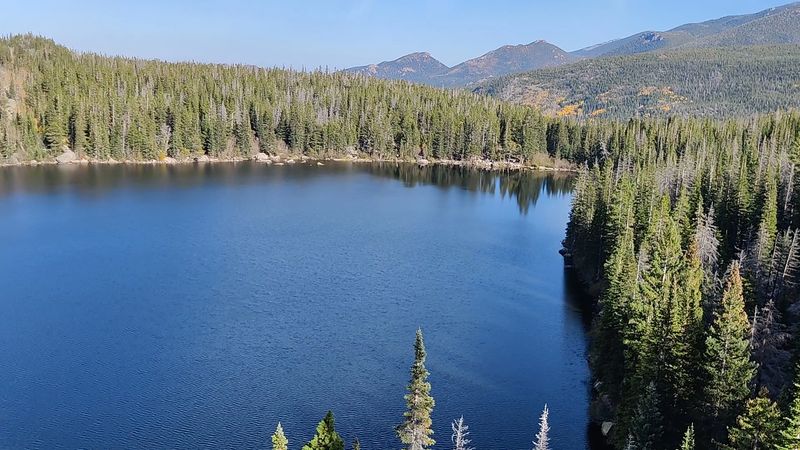
Straddling the Utah-Idaho border, this area offers a completely different flavor of open space.
High mountain valleys cradle the stunning turquoise waters of Bear Lake, often called the Caribbean of the Rockies.
The comparison isn’t far off, as the water’s unique mineral content creates an almost tropical color.
Agricultural land spreads across the valley floor, with hay fields and pastures creating a patchwork of greens and golds.
Open meadows climb into forested hillsides, offering gradual transitions between ecosystems.
Recreation here focuses on the lake itself and the surrounding public lands.
Boating, camping, and fishing draw summer crowds, but the region never feels overcrowded.
Winter transforms the area into a snowy wonderland perfect for snowmobiling and cross-country skiing.
Small towns like Garden City maintain a relaxed, vacation-friendly atmosphere.
Local restaurants serve regional specialties, and shops cater to outdoor enthusiasts.
The open mountain environment creates a sense of freedom different from the desert regions.
Cool breezes replace scorching heat.
Pine forests provide shade and shelter.
Wildlife includes moose, elk, and black bears.
Address for Bear Lake State Park: 2190 S Bear Lake Blvd, Garden City, UT 84028.
This region proves Utah’s diversity extends beyond red rock and desert.
6. San Rafael Swell
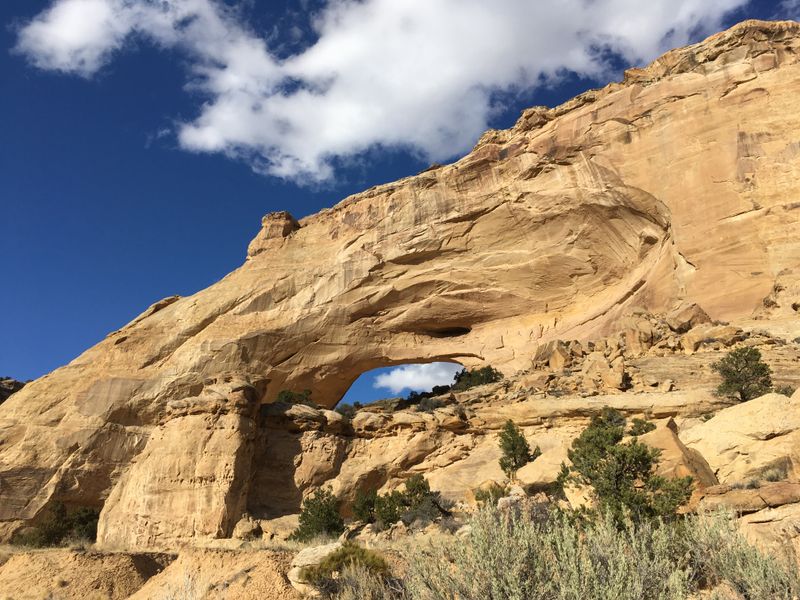
Rising from the surrounding desert like a massive dome, this geologic uplift covers hundreds of square miles of rugged terrain.
Nearly all of it belongs to the public, managed by the BLM and accessible to anyone willing to explore.
Slot canyons cut through the sandstone, creating narrow passages where sunlight filters down in golden beams.
Technical hiking challenges experienced adventurers, while easier trails welcome families and casual visitors.
The landscape constantly surprises, revealing hidden arches, ancient pictographs, and stunning overlooks.
Primitive camping is allowed throughout the Swell, meaning you can set up camp almost anywhere.
No designated campgrounds or facilities exist in most areas, adding to the wild character.
Visitors must practice Leave No Trace principles and come prepared for self-sufficiency.
Dirt roads crisscross the region, ranging from well-maintained gravel to rough four-wheel-drive tracks.
Navigation requires good maps and attention to detail.
Cell service is nonexistent in most of the Swell.
The isolation attracts those seeking genuine wilderness experiences.
Small towns like Green River provide the closest services and supplies.
Address for BLM Price Field Office: 125 S 600 W, Price, UT 84501.
Spring and fall offer the best weather for exploration.
The San Rafael Swell rewards adventurous spirits with unforgettable experiences.
7. The Wasatch Back
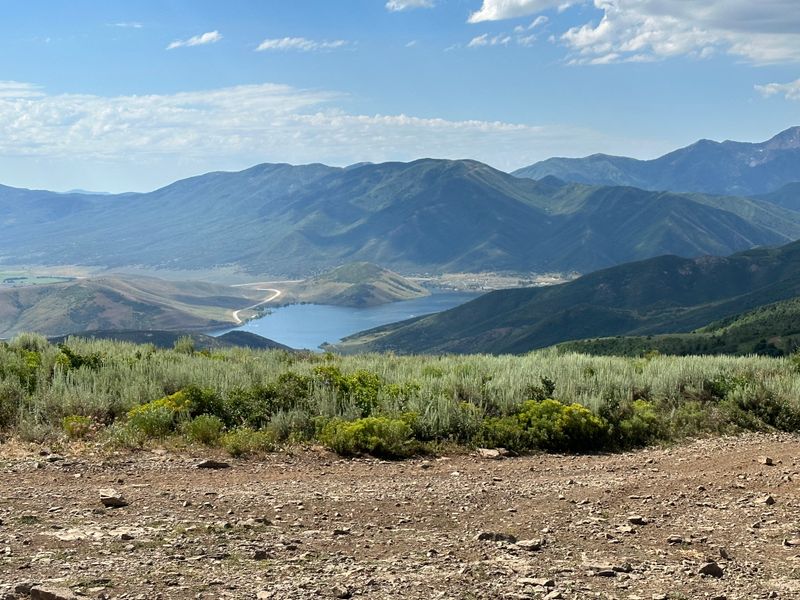
East of Salt Lake City and the Wasatch Front, the landscape opens into mountain valleys and high country.
Park City serves as the most recognizable destination, famous for skiing and mountain culture.
But beyond the resort areas, vast national forests and rangeland stretch for miles.
Heber Valley spreads out below the peaks, offering a mix of development and open space.
Grazing cattle dot the hillsides during summer months.
Aspen groves turn brilliant gold in autumn, creating some of Utah’s most photographed scenery.
The transition from developed recreation areas to wilderness happens quickly here.
One moment you’re passing shops and restaurants, the next you’re on a forest service road with nothing but trees and mountains.
This accessibility makes the Wasatch Back popular with locals and visitors alike.
Hiking trails range from easy nature walks to challenging summit climbs.
Mountain biking has exploded in popularity, with trails carved through forests and across meadows.
Winter brings world-class skiing and snowboarding to multiple resorts.
The open mountain environment provides room to breathe despite the nearby urban areas.
Address for Park City Visitor Information: 1794 Olympic Pkwy, Park City, UT 84098.
This region demonstrates how development and open space can coexist when carefully managed.
8. Grand Staircase-Escalante
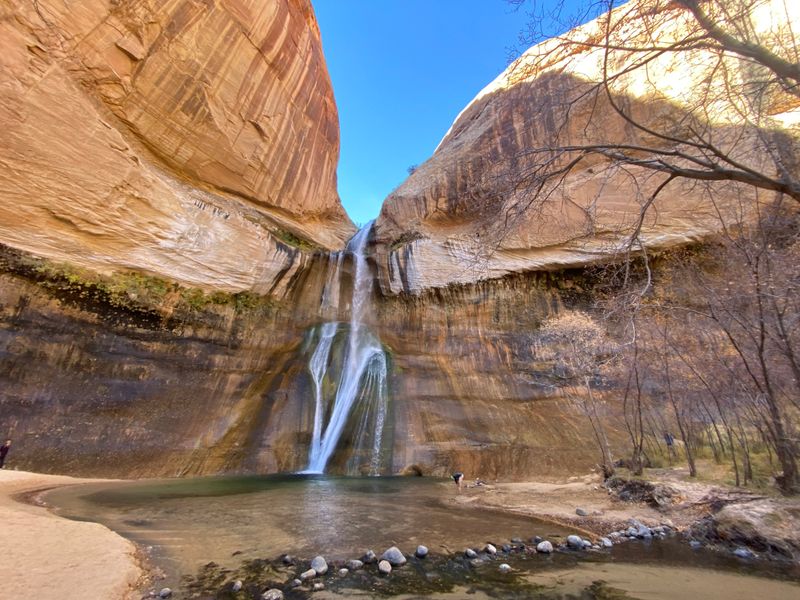
Encompassing a massive National Monument, this region represents some of the most remote and undeveloped terrain in the entire state.
Rugged canyon systems cut through the landscape in every direction.
Long dirt roads connect small towns, often requiring hours of driving to reach trailheads.
The scale here is intimidating even by Utah standards.
Slot canyons like Zebra and Spooky require technical skills to navigate safely.
Wider canyons like Coyote Gulch offer easier hiking but still demand endurance and preparation.
Water sources are scarce and unreliable.
Summer temperatures can be dangerously hot.
Flash floods pose a real threat during monsoon season.
Despite these challenges, or perhaps because of them, Grand Staircase-Escalante attracts serious adventurers.
The rewards are extraordinary: pristine arches, natural bridges, and geological formations found nowhere else.
Solitude is virtually guaranteed once you leave the main roads.
You might hike all day without seeing another person.
Small communities like Escalante and Boulder provide essential services and local knowledge.
Address for Escalante Interagency Visitor Center: 755 W Main St, Escalante, UT 84726.
This region demands careful planning but offers unmatched wilderness experiences in return.
9. The West Desert
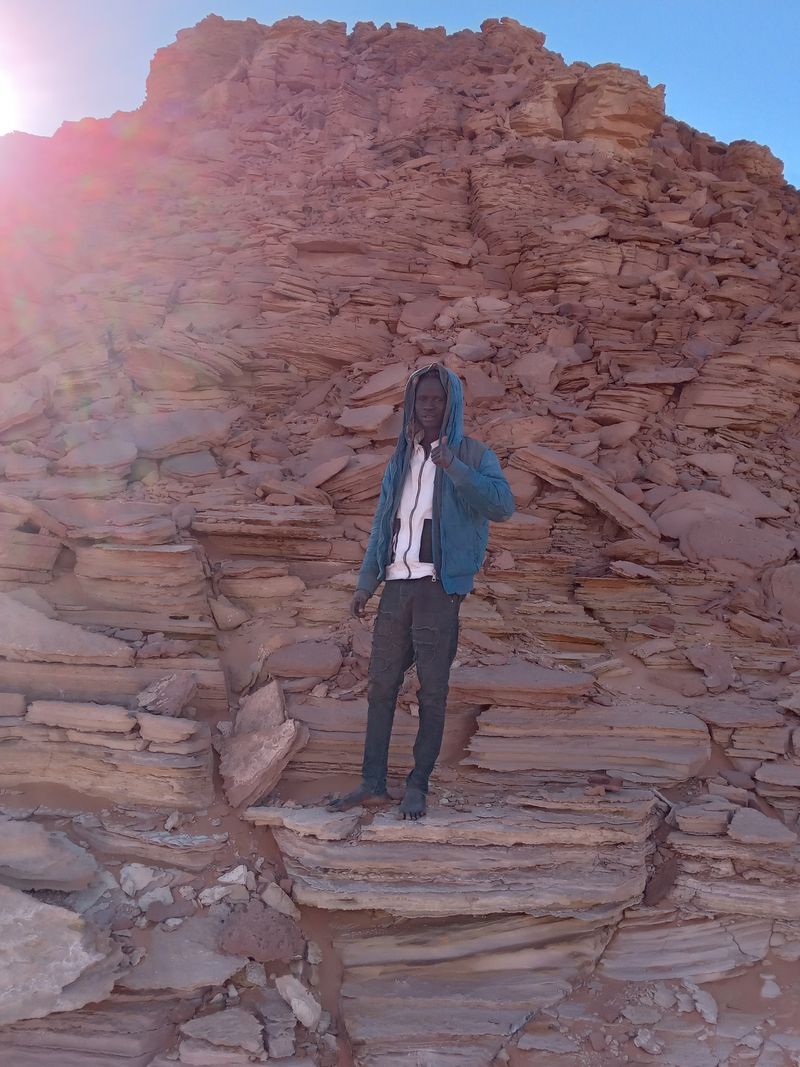
Covering the majority of western Utah, this sparse region defines emptiness.
Flat basins stretch between isolated mountain ranges that rise like islands from the desert floor.
Military testing ranges occupy huge sections, further limiting human presence.
Towns are incredibly rare, sometimes separated by over a hundred miles of nothing.
The experience of driving through the West Desert is unlike anything else in the continental United States.
Highway 50, famously dubbed the Loneliest Road in America, crosses the northern portion.
You can drive for an hour without seeing another vehicle.
Gas stations become events worth celebrating.
The landscape varies from salt flats to sagebrush plains to rocky mountain passes.
Wildlife adapted to extreme conditions thrives here.
Wild horses roam freely in some areas.
Raptors hunt from rocky outcrops.
The night sky reveals the Milky Way in stunning clarity.
This region isn’t for everyone.
It requires self-reliance and an appreciation for subtle beauty.
But for those who connect with stark, empty landscapes, the West Desert offers something profoundly moving.
Address for Delta Field Office: 2300 S Hwy 6, Delta, UT 84624.
This is Utah at its most raw and unfiltered.
10. Uinta Mountains
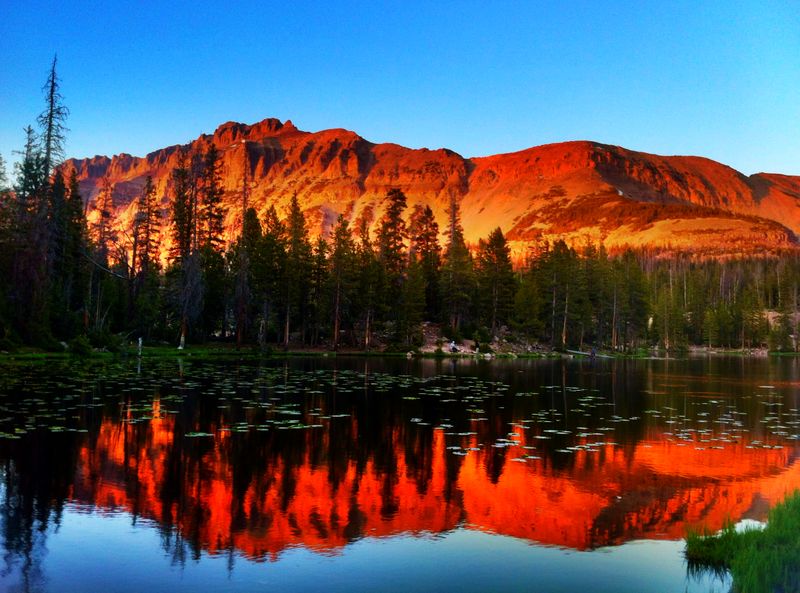
Running east-west rather than the typical north-south orientation of most American ranges, the Uintas form Utah’s highest peaks.
Entirely public land, this mountain range offers experiences centered around alpine lakes, dense forests, and open tundra.
The Mirror Lake Highway provides access to the western portion, climbing through changing ecosystems.
Trailheads along the road lead into the High Uintas Wilderness, where mechanized equipment is prohibited.
Backpackers can spend weeks exploring the hundreds of lakes scattered throughout the range.
Above the tree line, tundra vegetation covers rocky slopes.
The air feels thin and crisp.
Mountain goats navigate impossible-looking cliffs.
Moose wade through willow-choked streams in the valleys.
Fishing for native cutthroat trout draws anglers to remote lakes.
The sense of space here differs from desert openness.
It’s vertical rather than horizontal, with peaks and valleys creating dramatic changes in perspective.
Weather can change rapidly, with afternoon thunderstorms common in summer.
Winter brings deep snow that closes roads and transforms the range into backcountry skiing terrain.
Address for Kamas Ranger District: 50 E Center St, Kamas, UT 84036.
The Uinta Mountains showcase Utah’s alpine wilderness at its finest.
Dear Reader: This page may contain affiliate links which may earn a commission if you click through and make a purchase. Our independent journalism is not influenced by any advertiser or commercial initiative unless it is clearly marked as sponsored content. As travel products change, please be sure to reconfirm all details and stay up to date with current events to ensure a safe and successful trip.
