Utah keeps whispering about small towns that used to feel like secrets, and suddenly the world is listening.
Crowds follow the red rock glow, the alpine air, and the camera-perfect streets, turning quiet corners into nonstop scenes where serenity now needs a strategy.
You can still find magic, but it takes timing, thoughtful choices, and a willingness to step off the obvious path.
This list points you to places that are buzzing right now, with clear ways to savor the energy without losing the reason you came.
1. Moab
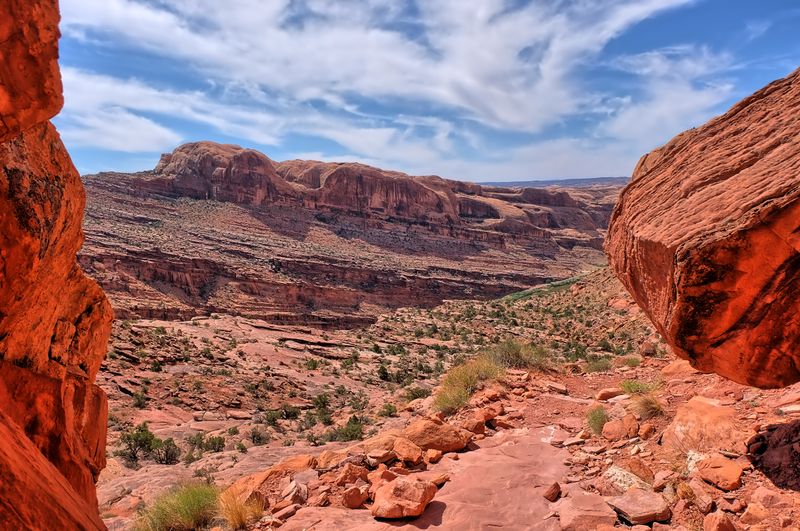
Moab wears its fame like sun-baked sandstone, and the heat draws everyone to the trailheads as early light hits the cliffs.
Arches and Canyonlands sit nearby, so mornings fill with tripods, shuttle queues, and the sound of soft gravel under a hundred boots.
You can still claim quiet if you aim for lesser-known routes on the Navajo Sandstone benches and linger at twilight along the Colorado River corridor.
Main Street pulses with bike racks, jeep rentals, and travelers comparing dust patterns on their socks.
Local outfitters share current trail conditions and remind visitors to avoid cryptobiotic soil, which keeps the desert alive.
That message matters when social media posts tempt shortcuts or crowd a single overlook just for one shot.
Evening chill settles in fast, and the town shifts from revving engines to stargazers pointing out constellations over black rock silhouettes.
It helps to book ahead, travel midweek outside peak holidays, and split big-name hikes with lesser-known river walks.
Spring wind can slam doors and whip sand across the road, so protective eyewear saves a day.
After storms, flash flood warnings close canyons, and rangers post updates at visitor centers to keep plans safe.
You will hear multiple languages at coffee counters and feel the churn of a destination that changed from sleepy to globally known.
Moab is still worth it when you read the landscape’s cues, carry water, and leave the crust untouched for the next hiker.
Some travelers spread their days across state parks west of town where the crowds thin and the sandstone feels newly discovered.
Late afternoons bring a gold haze that settles over the buttes and softens the noise rising from trailhead traffic.
Locals often shift their routines to dawn and dusk hours, creating a rhythm that respects both tourism and terrain.
A short wander through residential blocks reveals the quieter Moab that longtime residents still recognize.
After dark, the desert grants a cooling breath that settles the day and makes every overlook feel more spacious.
2. Springdale
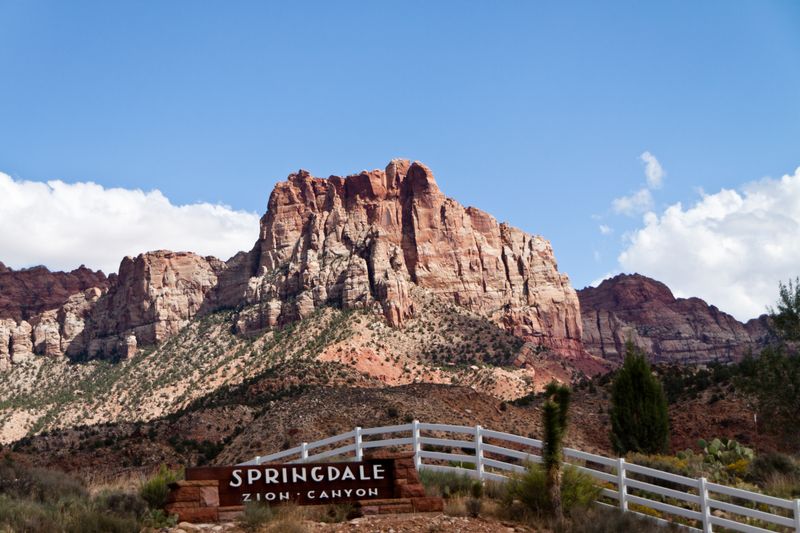
Springdale sits at the mouth of Zion and runs on a rhythm set by shuttle bells and canyon shadows.
Each sunrise sends a slow stream of hikers past galleries and coffee windows toward red walls that look hand painted.
You feel the tempo pick up near Zion Canyon Visitor Center as gear clinks and daypacks swing into the queue.
The Narrows and Angels Landing bring a crush of ambition, but quieter paths upstream trade crowds for cottonwood rustle.
Local businesses post current shuttle times, and park rangers update permit systems that shape the day’s flow.
Afternoons can turn the streets into a parade of dust, sunscreen, and tired smiles under sheer cliffs.
Shoulder seasons bring relief when cottonwoods brighten and river levels settle into a steady murmur.
If storms build, slot canyons close quickly, and staff at information desks steer visitors to safer views.
Evenings glow off the Watchman, and patios fill with hikers trading stories about switchbacks and cold river steps.
To protect fragile canyon zones, stick to established paths and carry out every wrapper without exception.
Springdale thrives on the park’s heartbeat while struggling with traffic that loops the same short strip.
Patience and off-peak starts reward you with soft light on cliffs and a calm stroll back to town.
The river path behind several lodges offers early shade and a moment to watch the canyon’s colors change without interruption.
You may notice how the cliffs hold heat through dusk and release it in a slow wave after the shuttle service winds down.
Storefront lights glow softly under the canyon walls and create a calm frame around the evening foot traffic.
Local artists capture the shifting tones of sandstone, and their work often mirrors the light you saw only minutes before.
Once the crowds thin, Springdale becomes a place where each footstep settles into the quiet rhythm of the river.
3. Kanab
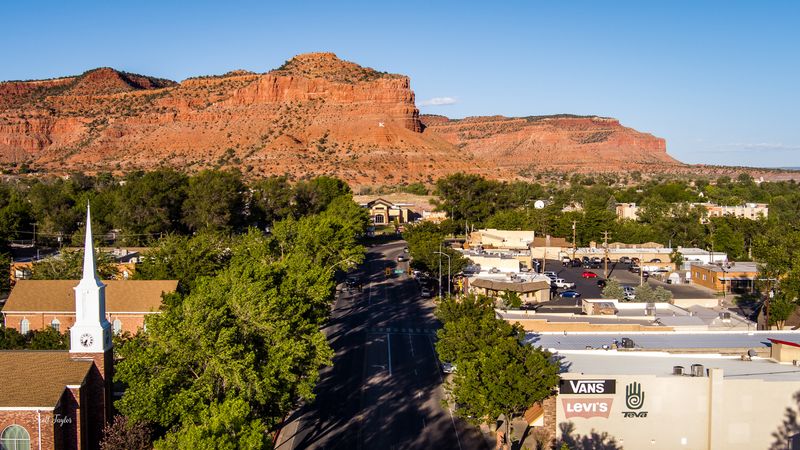
Kanab feels like a crossroads where desert stories meet film history and new travelers chase raffles for rare permits.
People arrive early for the Wave lottery at the visitor center, nerves buzzing over slot odds and sun exposure.
Whether you win or not, the canyon country around town holds quiet rewards on slickrock domes and sandy washes.
The main street carries echoes of old Western sets while galleries and bakeries serve the morning rush.
Local guides share safe routes to petroglyph panels and remind visitors to respect rock art with a wide berth.
Monsoon afternoons can surprise drivers on backroads, so check conditions with rangers before committing to remote trailheads.
Nearby refuges and dunes offer wind-swept scenes where you can watch light crawl over ridgelines in silence.
Crowds thin when you time sunset away from the highway and walk a few quiet minutes off the sand.
Volunteer-run rescues and animal sanctuaries add a gentler layer to a town loaded with high desert grit.
Downtown maps mark film locations that give early evening strolls a playful scavenger hunt feel.
Kanab’s popularity grows each year, yet you can still move at a thoughtful pace by planning around peak times.
Desert etiquette keeps the place intact, from packing extra water to leaving the smallest cryptobiotic ridge untouched.
The quiet backstreets reveal porch conversations and tidy yards that balance the adventurous tone of the region.
Even popular viewpoints regain calm if you wait long enough to hear wind move through juniper branches.
Film plaques around town hint at moments when Kanab doubled as distant worlds and frontier towns.
When the sun drops, lights from scattered houses make the dark feel steady rather than empty.
Every return to Kanab feels slightly different because the desert colors and clouds never choose the same palette twice.
4. Park City

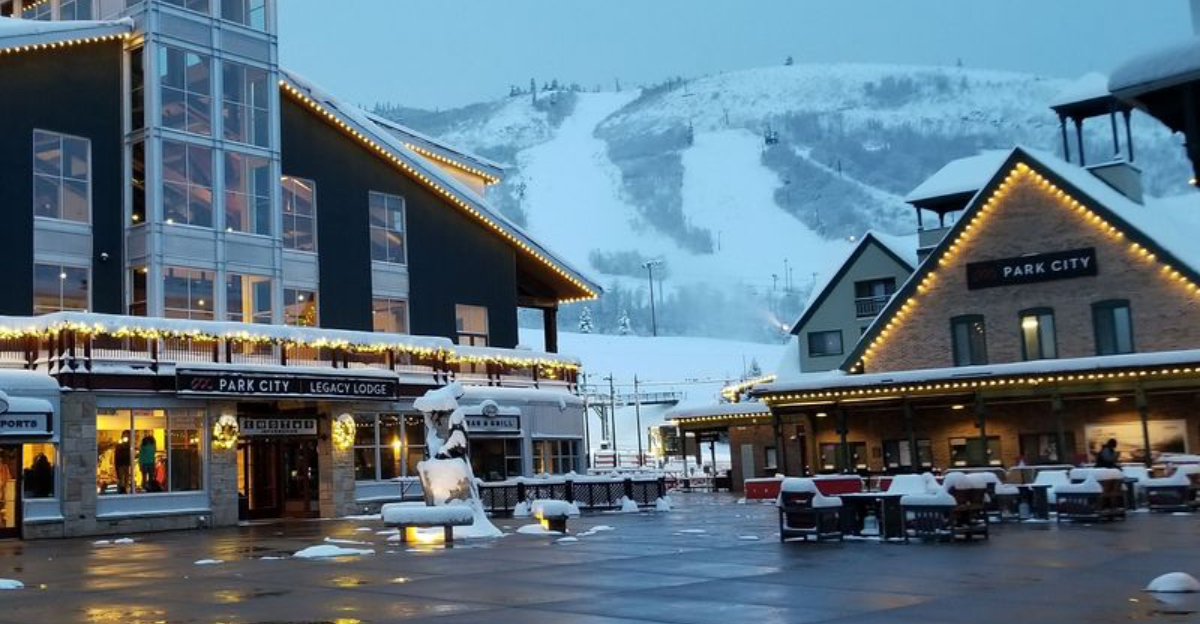
Park City blends silver mining heritage with a festival scene that reshapes winter streets into red-carpet corridors.
Main Street turns electric when theaters fill and lines curl past historic brick facades under snowy roofs.
Ski traffic pulses toward mountain bases while side streets hum with gear dryers and boot heaters.
Summer flips the script with alpine rides, green trails, and a steady stream of rooftop-view seekers.
Art walks, concerts, and bike races keep weekends lively long after the lifts slow down.
Historic buildings house galleries and bistros, and museum exhibits ground the glam in real mountain grit.
If you want calm, step onto rail trails that lead into quiet sage and tall grass.
Locals recommend early arrivals for trailheads and considerate parking to protect narrow neighborhoods.
When storms roll in, visibility drops fast and avalanche advisories become the day’s headline.
Visitor centers provide updated maps so you can reroute without losing time.
Park City’s fame brings bustle, but the ridgeline still draws long shadows that hush a noisy day.
Choose shoulder seasons for space, breathe the pine, and give the town’s historic bones the time they deserve.
The town’s historic core feels grounded when morning light meets the stone foundations that survived early mining winters.
Lift lines may buzz with anticipation, yet a short walk uphill delivers an unexpected pocket of alpine silence.
Local cafes fill with ski chatter, but the back patios offer a softer hum where the mountains feel close enough to touch.
A sudden break in clouds can reveal entire ridges at once and reset the energy of a crowded day.
By nightfall, the town trades motion for glow as windows light up and the valley settles into an easy quiet.
5. Torrey
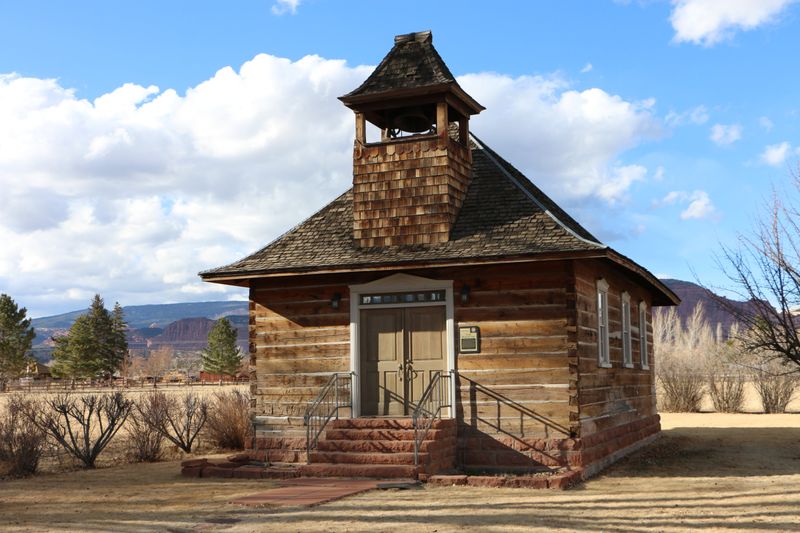
Torrey sits at the hinge of Capitol Reef, where orchards meet reef walls and the highway slows into pure sky.
The town stays small, but the gateway pressure rises when wildflower seasons and fall colors flood the scenic drive.
People stack into the visitor center early to ask about fruit picking rules and slot canyon closures.
Historic orchards inside the park invite quiet walks as deer slip between trees and ladders lean against branches.
If the main scenic drive is jammed, dirt spurs and high benches offer roomy views without elbow-to-elbow overlooks.
Afternoons can turn windy, and sudden squalls make the cliffs look freshly painted.
Local lodging books fast on holiday weekends, so a weekday plan returns the country calm.
Trailheads like Chimney Rock and Cohab Canyon reward sunrise starts with soft shadows that shape every fold.
Rangers post current road statuses, especially after storms that rattle wash crossings.
Respect historic structures and leave orchard gates as you find them so wildlife corridors stay open.
Torrey’s restaurants gather hikers who traded cloud-watching for pie and a quiet seat under cottonwoods.
You come for the reef and stay for the hush that returns once headlights thin along the highway.
The open fields beyond town provide a gentle transition from the bustle of the park to the rhythm of rural Utah.
A slow drive along the backroads shows how light gathers on the cliffs in colors that shift by the minute.
Locals often pause their chores to track cloud shadows drifting across the reef with unhurried attention.
Even when visitors fill the cafés, the surrounding silence returns quickly once you step outside.
Long after sunset, the reef silhouettes hold stillness that makes Torrey feel like a natural extension of the landscape.
6. Hurricane and La Verkin
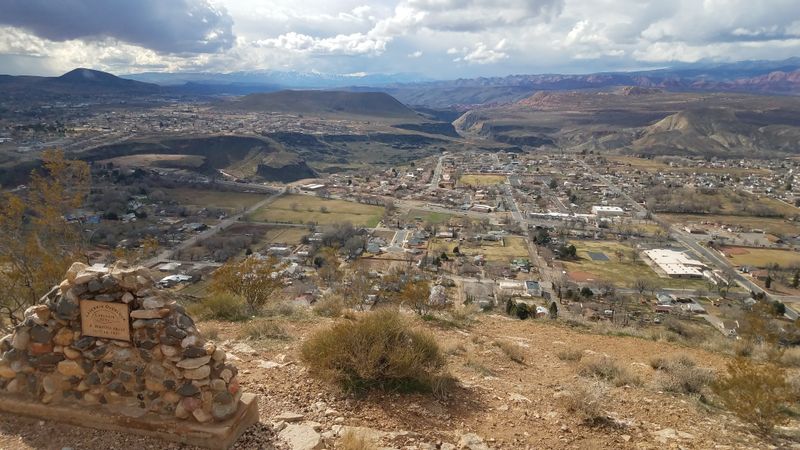
Hurricane and La Verkin feel like a launchpad for Zion, Sand Hollow, and high mesa trails that roll to the horizon.
Weekends now run hot with trucks, kayaks, and mountain bikes packing trailhead pullouts before breakfast.
Water levels and wind forecasts steer a day at the reservoirs, where red sand meets glassy shallows.
You can pivot to quieter mesa routes when the shoreline turns into a gear parade.
Locals point visitors toward signed paths to protect cryptobiotic crust and desert seep zones.
Afternoon heat pushes everyone into shade, so early starts leave room to float through midday crowds.
If storms arrive, road cuts shed water fast and crossings become no-go zones until they drain.
Evenings settle into pink light that runs along basalt edges and distant rim lines.
Both towns carry a steady hum of new construction that mirrors the pace of visitor arrivals.
Planning ahead keeps parking respectful and takes pressure off small residential streets near popular access points.
The mix of reservoirs, dunes, and mesas gives options when one area reaches a tipping point.
Choose patience, stash extra water, and leave the desert cleaner than you found it.
Morning shadows stretch long across the mesas and give the canyons a brief, hushed stillness before the day warms.
Locals often take the earliest trails to watch color rise off the cliffs in slow, steady layers.
Wind patterns shift quickly in the afternoon and draw ripples across the reservoirs that quiet the shoreline bustle.
Evening walks through residential streets reveal a softer rhythm that contrasts the high-energy recreation zones.
As the sky fades, the mesas hold their shape in clean silhouettes that steady the mood after a full day of movement.
7. Heber City and Midway
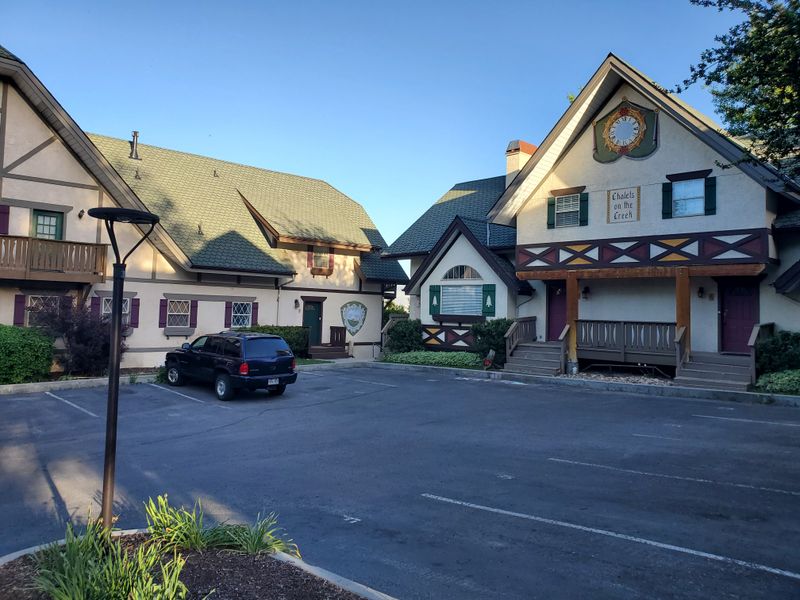
Heber City and Midway cup a valley where peaks circle hot springs, heritage farms, and a rail line that whistles across fields.
Festivals and ice castles pull big winter crowds, and summer brings anglers, paddleboards, and picnic blankets to the reservoir.
Main roads can slow to a crawl as camera-ready barns and Swiss-inspired facades draw weekend wanderers.
Early hours grant calm along riverside paths where cranes lift out of the reeds with easy grace.
Visitor information centers share current trail conditions and simple etiquette for sharing narrow paths.
If parking lots brim, small side valleys hold shady routes that feel miles away.
Steam from geothermal pools lingers on frosty mornings and gives rooftops a soft halo.
Seasonal closures protect wildlife and sensitive meadows, and posted signs deserve full attention.
Historic displays in town squares outline how the valley grew from agriculture to recreation hub.
Evenings fade into pastel ridgelines, and the noise steps back as lights dot the farms.
With steady growth, locals ask visitors to drive slowly and keep trailheads orderly.
Plan flexible days, swap peak hours for sunrise starts, and the valley’s rhythm opens right up.
Small farms at the valley edges catch early light in a way that makes the fields look brushed by silver.
As traffic thins, the sound of the river returns and offers a calm counterpoint to the day’s activity.
Local markets reveal the agricultural roots that continue to anchor these towns beneath their growing popularity.
Even short drives offer broad views that remind you how tightly the valley holds its mix of pasture and peaks.
Twilight settles in lavender tones that sweep across the ridgelines and quiet the last motions of the day.
8. Garden City
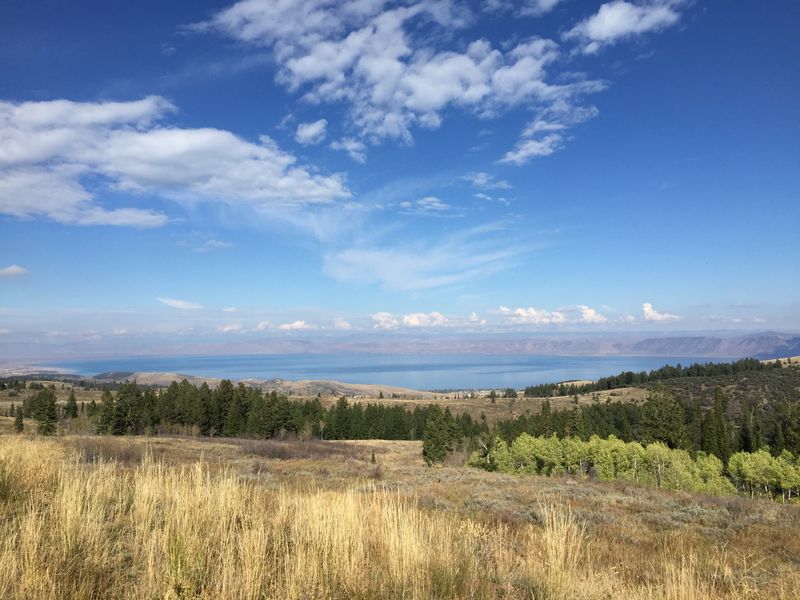
Garden City watches Bear Lake glow a color that cameras struggle to match, and summer turns the shore into a living postcard.
Cars stack up near beach access as cool water and soft sand pull everyone toward the same coves.
Afternoons fill with paddleboards, beach tents, and kids chasing a perfect skipping stone across the turquoise.
You can claim breathing room by walking farther along the shore or timing arrival just after sunrise.
Local shops track wind shifts that whisper across the lake and change the surface in minutes.
When storms build, marinas post advisories and ask boaters to hug the nearest safe dock.
Nearby trails climb above the water and offer a wide view without the shoreline bustle.
Wildlife crosses the backroads at dusk, so slow driving keeps both tires and hooves unharmed.
Peak days create long lines for sweet treats and quick lunches near the main intersection.
Patience returns rewards when the sun tilts and the crowd trickles away from the busiest beaches.
Respect private property and avoid trampling fragile lakeside vegetation that holds the sand together.
Garden City keeps its charm when visitors match the lake’s calm and leave the shore spotless.
Early morning calm turns the lake surface into a sheet of color that feels more painted than real.
Residential lanes behind the main drag give a glimpse of the slower pace that locals still defend.
Cloud banks drifting over the peaks shift the lake’s hue in subtle ways that encourage a longer look.
Evenings bring a soft coolness that settles over the marinas and eases the pulse of a busy beach day.
When the last boats glide in, the lake regains a stillness that makes the shoreline feel newly discovered.
Dear Reader: This page may contain affiliate links which may earn a commission if you click through and make a purchase. Our independent journalism is not influenced by any advertiser or commercial initiative unless it is clearly marked as sponsored content. As travel products change, please be sure to reconfirm all details and stay up to date with current events to ensure a safe and successful trip.
