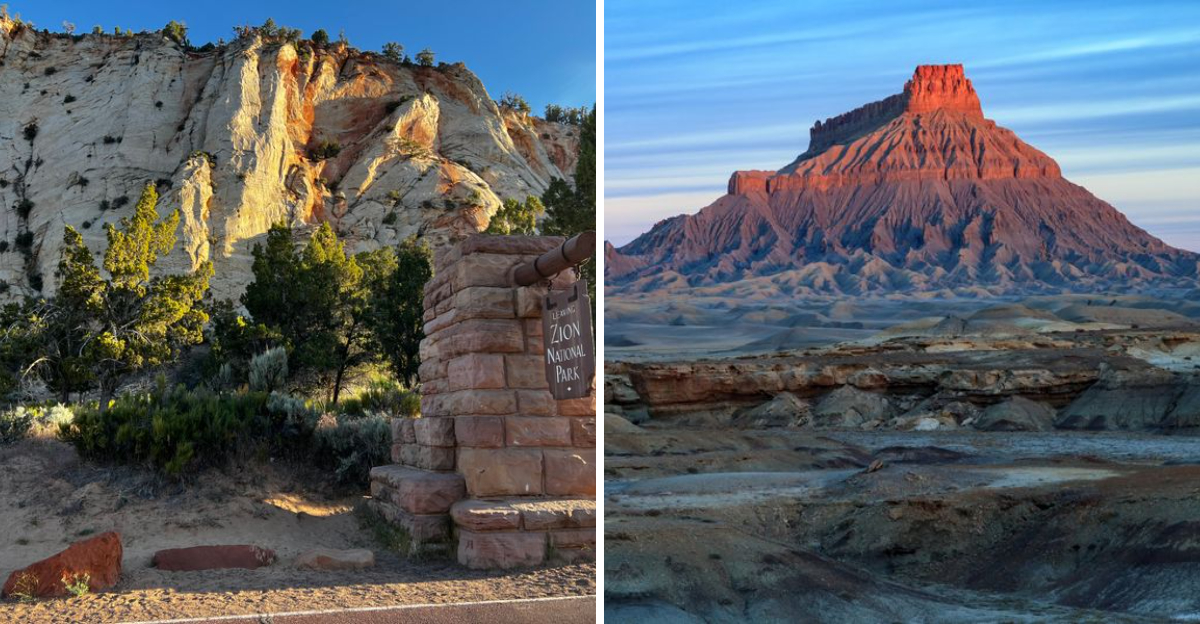
Utah stands as one of the most spectacular states in the American West, home to five legendary national parks known collectively as the Mighty Five.
Each park showcases unique geological wonders, from towering red rock cliffs to mysterious stone arches.
But before you step into these natural cathedrals, you’ll likely pass through one of the charming towns that serve as gateways to these protected landscapes.
These communities offer more than just a place to rest your head after a long day of hiking.
They provide essential services, local character, and a connection to the region’s history and culture.
From bustling adventure hubs to quiet desert outposts, each town has its own personality and advantages.
Some sit literally at park entrances, while others offer a short scenic drive to multiple parks.
Whether you’re planning your first visit to Utah or returning to explore new corners of this remarkable state, knowing which town to use as your base can make all the difference in your adventure.
1. Springdale
Nestled against towering sandstone cliffs, Springdale serves as the primary entrance point to one of Utah’s most visited natural wonders.
The town sits at the south entrance of Zion National Park, making it impossible to miss for anyone heading into the canyon.
A free shuttle system runs through town and connects directly to the park’s visitor center, eliminating parking headaches during peak season.
Visitors can walk from their lodging straight to the shuttle stop, making this one of the most convenient gateway towns in the entire state.
The main street winds along the Virgin River, lined with galleries, outfitters, and eateries that cater to adventurers from around the globe.
Red rock formations dominate every view, creating a dramatic backdrop that reminds you why you came to southern Utah in the first place.
Despite its small size, Springdale buzzes with energy during the busy months, filled with hikers comparing trail notes and photographers chasing the perfect light.
The town has managed to maintain its character while accommodating the millions who pass through annually.
Located at 1212 Zion Park Boulevard, Springdale, UT, the community offers immediate access to world-class hiking trails.
For those seeking a base camp with park views from nearly every corner, this town delivers an unbeatable location and atmosphere.
2. Moab
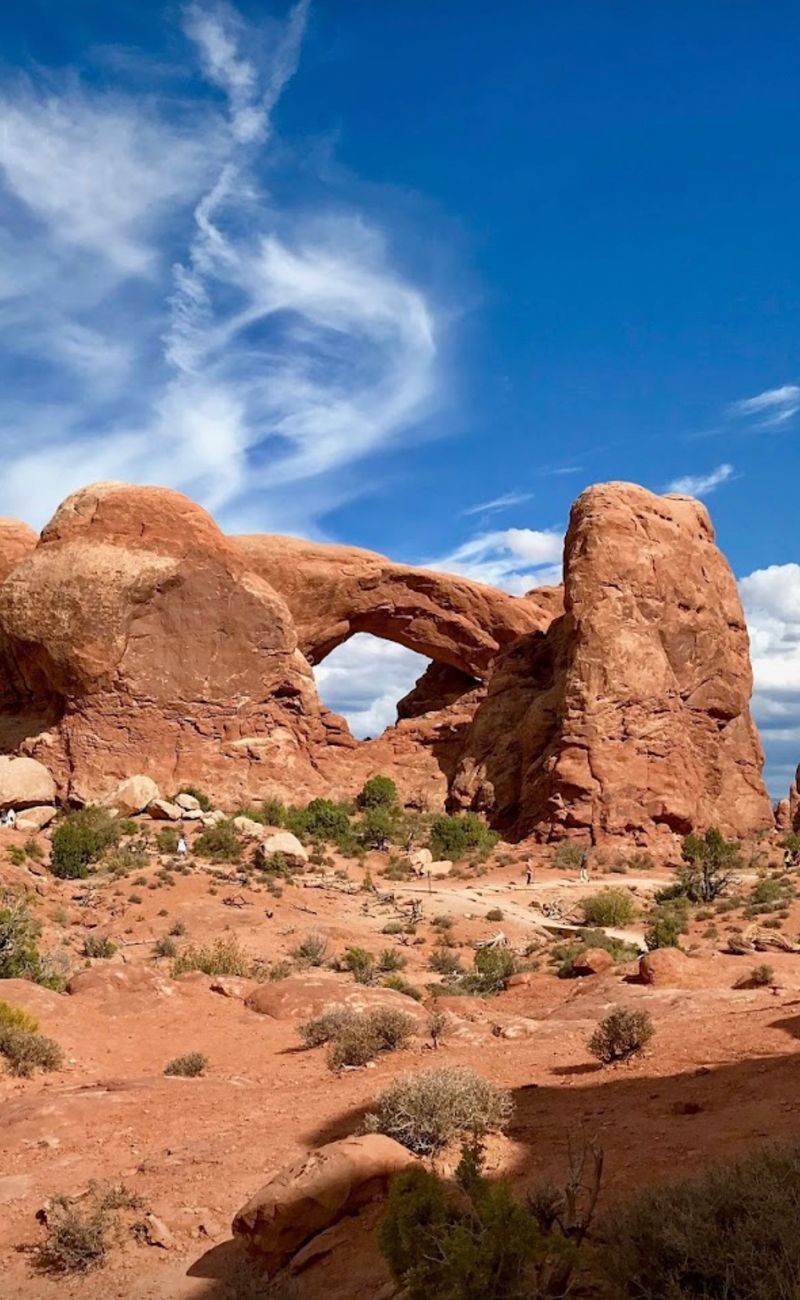
Adventure seekers from every continent recognize this desert town as the ultimate playground for outdoor enthusiasts.
Moab sits within easy reach of two spectacular national parks, making it a rare double gateway.
Arches National Park lies just ten minutes north, while the Island in the Sky district of Canyonlands waits about forty minutes away.
The town pulses with an energy unlike any other community in Utah, drawing mountain bikers, rock climbers, river runners, and hikers year-round.
Main Street stretches through the heart of downtown, packed with gear shops, guide services, and establishments catering to every type of adventurer.
Red rock formations surround the valley on all sides, creating a landscape that looks like it belongs on another planet.
The Colorado River cuts through the area, offering rafting opportunities that range from mellow floats to serious whitewater challenges.
Moab has transformed from a quiet mining town into the adventure capital of the Southwest, yet it retains a welcoming small-town feel.
The address 217 East Center Street, Moab, UT marks the center of this vibrant community.
When you want a basecamp that combines park access with a lively atmosphere and endless recreation options, Moab stands alone as the top choice in eastern Utah.
3. Torrey
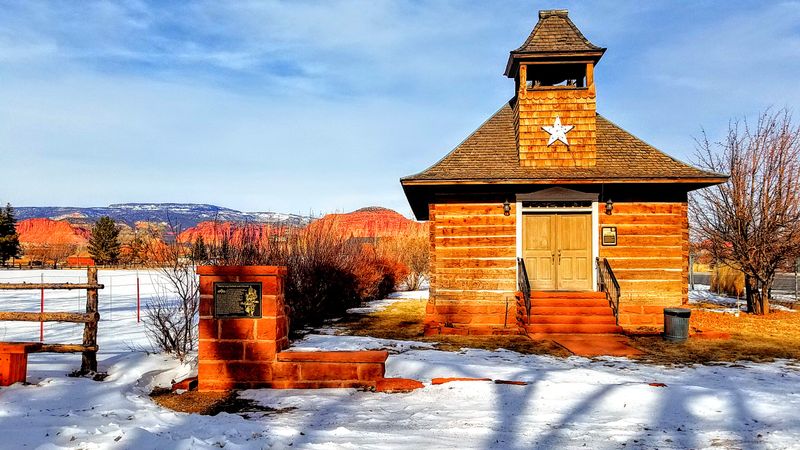
Wide open spaces and big sky views define this small community that guards the entrance to an underrated national treasure.
Torrey functions as the gateway to Capitol Reef National Park, a sprawling preserve filled with colorful cliffs, hidden canyons, and pioneer history.
The town itself maintains a laid-back, unhurried pace that feels worlds away from busier tourist destinations.
Orchards planted by early Mormon settlers still produce fruit in the park, creating a unique blend of natural beauty and human history.
Visitors staying in Torrey often comment on the incredible night skies, where the Milky Way stretches across the darkness in stunning detail.
Highway 24 runs through the center of town, continuing straight into the national park without any complicated turns or navigation.
The surrounding landscape features layers of colorful sedimentary rock that tell millions of years of geological history.
Despite its small size, Torrey offers essential services and a genuine welcome from locals who appreciate visitors discovering their corner of Utah.
Located along State Route 24, Torrey, UT, the town provides an authentic rural experience alongside park access.
For travelers seeking solitude, dark skies, and a less crowded national park experience, Torrey delivers an ideal combination of accessibility and tranquility.
4. Bryce Canyon City
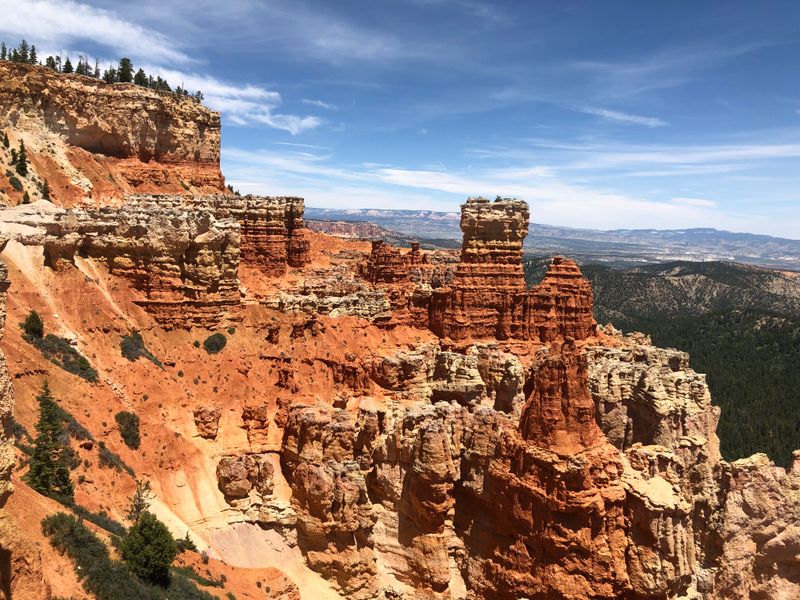
Perched at high elevation where ponderosa pines meet red rock amphitheaters, this tiny community exists primarily to serve park visitors.
Bryce Canyon City sits directly at the entrance to Bryce Canyon National Park, offering the shortest possible distance between lodging and trailheads.
The famous hoodoos, those otherworldly stone pillars that define the park, wait just minutes away from any accommodation in town.
Cool mountain air at this elevation provides relief from the desert heat found in lower parts of Utah, especially during summer months.
The community consists mainly of lodges, a visitor center, and essential services, all oriented toward making park exploration convenient.
Sunrise and sunset at the rim amphitheaters create legendary photo opportunities, and staying this close means you won’t miss the magic light.
Winter brings a different kind of beauty, with snow dusting the hoodoos and creating striking contrasts against the orange and red rock.
The intimate scale of Bryce Canyon City means everything is walkable, though most visitors drive the short distance to park entrances.
Highway 63 at Bryce Canyon City, UT marks the address for this high-altitude gateway.
When proximity to the park trumps all other considerations, no other town can compete with Bryce Canyon City’s location right at the entrance gates.
5. Kanab
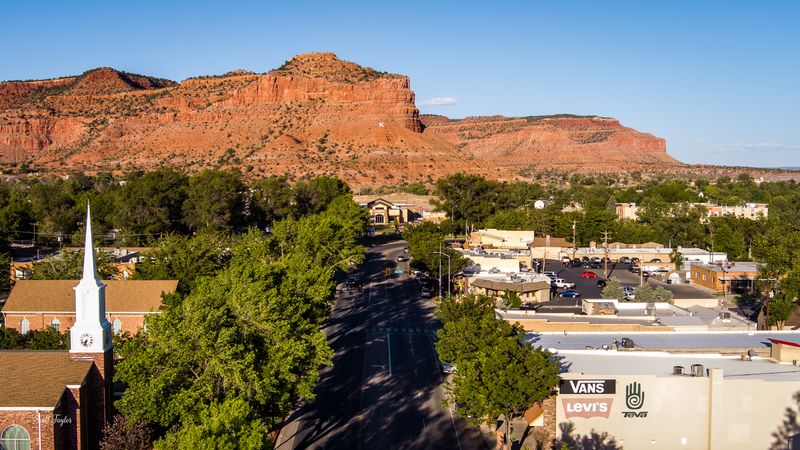
Film crews discovered this photogenic town decades ago, earning it a nickname that still sticks today.
Kanab holds the title of Little Hollywood thanks to the countless Western movies and television shows filmed in the surrounding red rock country.
The town occupies a strategic central location, positioned within driving distance of multiple major parks and monuments.
Zion National Park lies about an hour west, while Bryce Canyon sits roughly an hour and a half to the northeast.
Even the North Rim of the Grand Canyon becomes accessible from Kanab, making this an ideal hub for multi-park road trips.
The downtown area retains its Old West character, with historic buildings housing modern businesses that cater to travelers and outdoor enthusiasts.
Grand Staircase-Escalante National Monument surrounds the region, offering countless opportunities for exploration beyond the famous parks.
Local museums celebrate both the natural history and Hollywood heritage that make Kanab unique among Utah gateway towns.
The address 78 South 100 East, Kanab, UT places you in the heart of this historic community.
For visitors planning to see multiple parks during a single trip, Kanab’s central location and range of services make it a smart choice for establishing a base camp.
6. Tropic
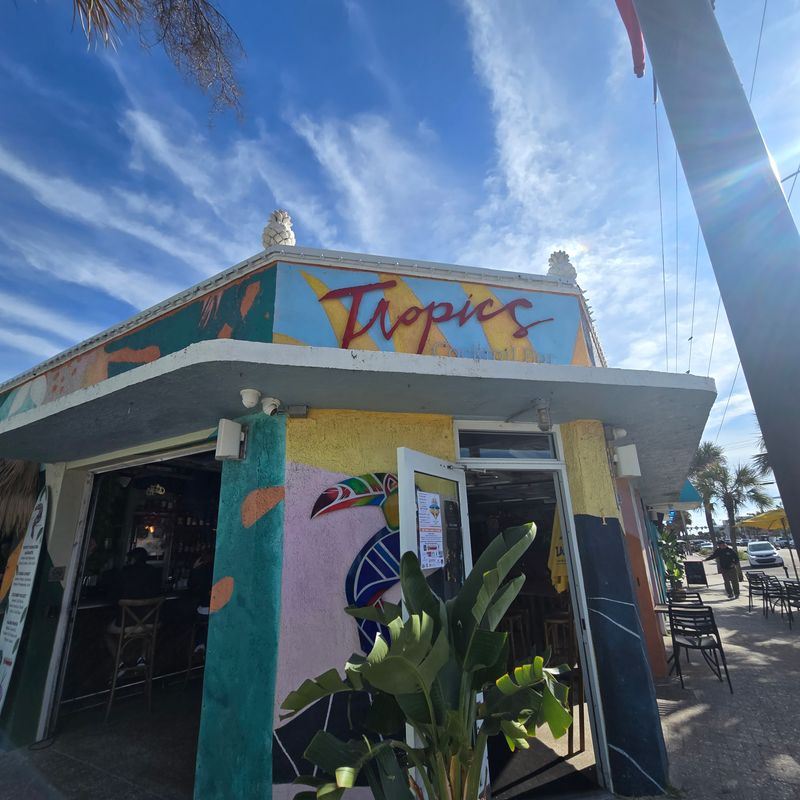
Just a few miles from the crowds, this quiet agricultural community offers an alternative perspective on visiting one of Utah’s most popular parks.
Tropic sits along the incredibly scenic Highway 12, one of the most beautiful drives in America, just east of Bryce Canyon’s main entrance.
The town maintains its working ranching heritage, giving visitors a glimpse of rural life that continues despite the tourist economy next door.
Accommodations here tend to be more affordable than those inside Bryce Canyon City, making it attractive for budget-conscious travelers.
The distance to the park entrance measures only a few miles, meaning you still enjoy convenient access without paying premium prices.
Stunning views of the surrounding plateaus and valleys create a sense of space and openness that feels authentically western.
Night skies rival those at the park itself, since minimal light pollution allows stars to blaze across the darkness.
Local residents take pride in their community’s history and often share stories with visitors who take time to explore beyond the main tourist corridor.
Main Street in Tropic, UT serves as the central address for this peaceful alternative to busier gateway towns.
Travelers who prefer quieter evenings and a more authentic small-town experience while still staying close to park attractions find Tropic perfectly suited to their needs.
7. Hurricane
Growth and affordability characterize this larger community that serves as a practical base for southwestern Utah exploration.
Hurricane sits between St. George and Zion National Park, offering a more economical lodging option compared to pricier Springdale.
The drive to Zion’s west entrance takes roughly thirty minutes, making morning starts to the park entirely feasible.
Beyond national park access, Hurricane provides proximity to state parks like Sand Hollow, where reservoir recreation adds variety to a trip.
The town has expanded considerably in recent years, bringing chain services and familiar amenities that some travelers prefer.
Main Street runs through the historic core, while newer development spreads across the valley floor beneath red rock escarpments.
Families often choose Hurricane for its combination of affordability, services, and reasonable distance to multiple attractions.
The climate stays mild compared to higher elevation towns, making it comfortable even during shoulder seasons when mountains get chilly.
Address 147 North 870 West, Hurricane, UT marks a central point in this expanding community.
When budget considerations matter as much as park access, Hurricane delivers a sensible compromise that keeps costs down while maintaining convenient proximity to Zion and surrounding recreation areas throughout southwestern Utah.
8. Orderville and Mount Carmel Junction
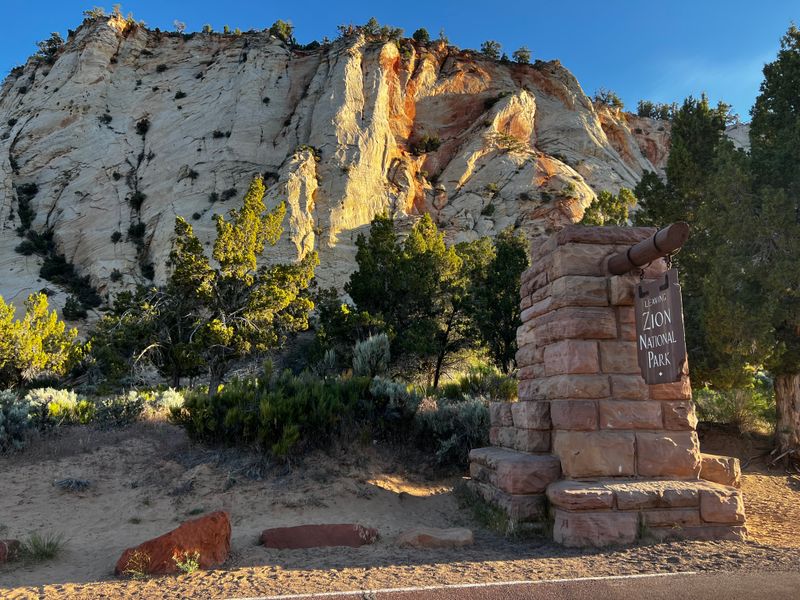
Two tiny communities share space along the highway corridor that connects some of Utah’s most famous landscapes.
Orderville and Mount Carmel Junction sit between Zion and Bryce Canyon national parks, creating a strategic stopping point for multi-park adventures.
The location also provides access to Grand Staircase-Escalante National Monument, expanding exploration possibilities beyond the traditional park circuit.
These communities remain genuinely small, offering basic services without the development pressure seen in larger gateway towns.
The surrounding landscape combines elements of both parks, with colorful cliffs and scattered ponderosa pines creating transitional scenery.
Highway 89 runs through both communities, serving as the main route between southern Utah’s most visited destinations.
Staying here puts you roughly an hour from either Zion or Bryce Canyon, making day trips to both parks possible from a single base.
The intimate scale means fewer dining and lodging choices, but also translates to lower prices and a quieter atmosphere.
Junction of Highway 89 and State Route 9, Mount Carmel Junction, UT identifies this crossroads location.
Travelers who value central positioning over extensive amenities, and who plan to visit multiple parks during their Utah adventure, find these connected communities offer practical advantages and genuine small-town hospitality.
9. Cedar City
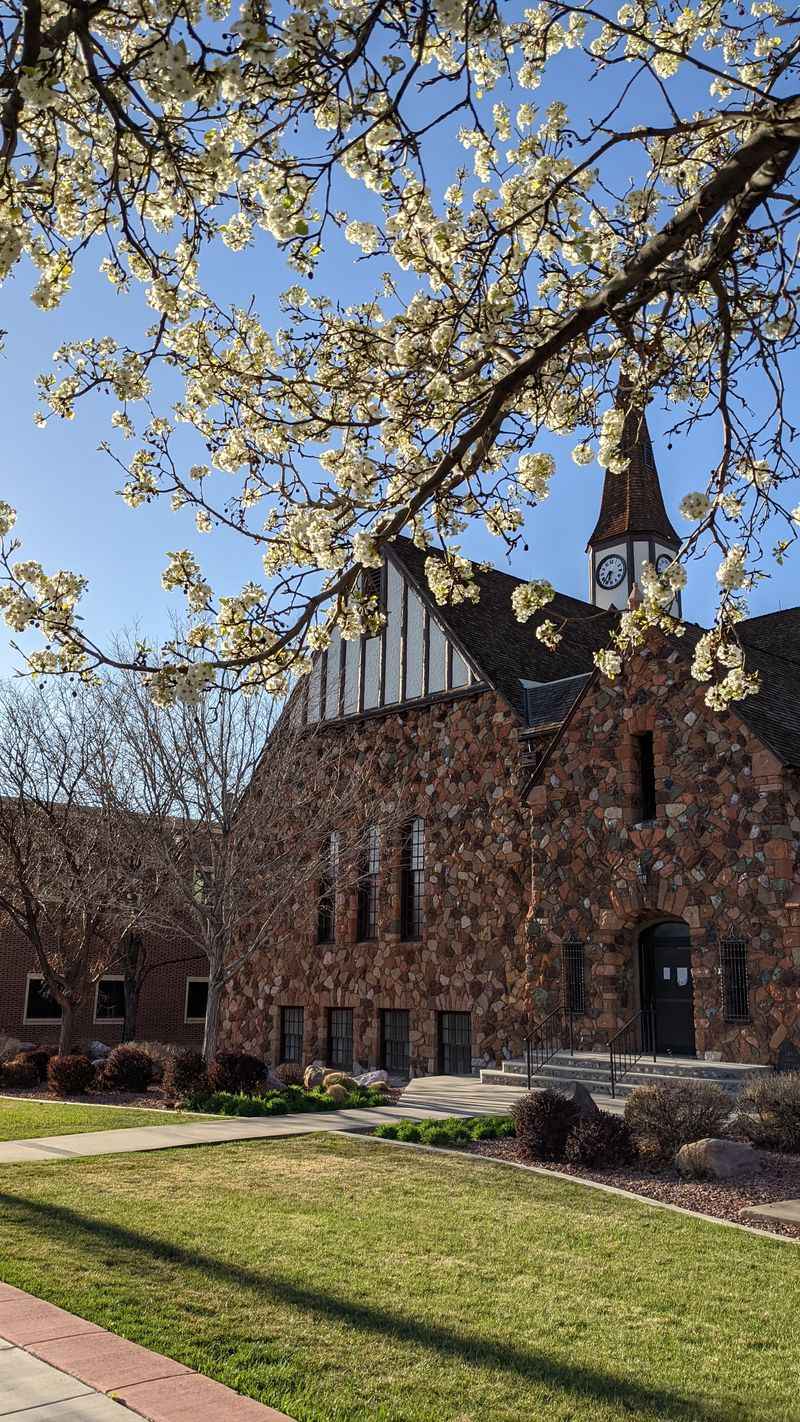
Culture and outdoor recreation merge in this college town that sits north of the more crowded southern Utah destinations.
Cedar City lies about an hour north of Zion National Park, providing access to the less visited Kolob Canyons section.
The town serves as home to a state university, bringing an academic and artistic energy uncommon in Utah’s gateway communities.
Cedar Breaks National Monument waits nearby, offering alpine scenery and colorful amphitheaters without the crowds found at Bryce Canyon.
Summer brings a renowned Shakespeare festival that attracts theater lovers from across the country, adding cultural depth to outdoor adventures.
The downtown historic district features brick buildings, local shops, and a walkable core that encourages exploration on foot.
Higher elevation brings cooler temperatures, making Cedar City comfortable even during the hottest summer months when desert valleys swelter.
The combination of university town amenities and national park access creates a unique atmosphere distinct from purely tourist-oriented communities.
Located at 10 North Main Street, Cedar City, UT, the town center provides a jumping-off point for northern approaches to Zion.
Visitors seeking a base with cultural offerings alongside outdoor access, or those wanting to explore the quieter corners of Zion, discover Cedar City offers unexpected variety and a refreshing change from typical gateway towns.
10. Hanksville
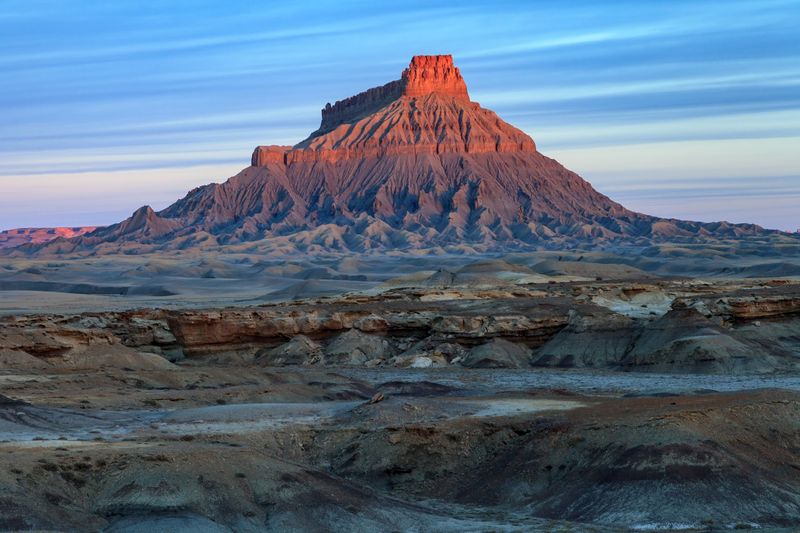
Isolation defines this remote outpost where civilization feels like a fragile foothold in an alien landscape.
Hanksville sits in the middle of nowhere by design, serving adventurers heading into some of Utah’s most rugged and least visited territory.
The town functions as a gateway to the eastern reaches of Canyonlands National Park, far from the more accessible Island in the Sky district.
Goblin Valley State Park lies nearby, featuring bizarre mushroom-shaped rock formations that look like they belong on Mars.
The San Rafael Swell spreads across the landscape to the north, offering endless opportunities for backcountry exploration.
Services in Hanksville are basic but essential, providing fuel, supplies, and lodging for travelers venturing into the surrounding wilderness.
The stark beauty of the high desert surrounds the town, with layers of colorful rock and vast empty spaces creating a sense of profound solitude.
Visitors who make it to Hanksville often seek experiences beyond standard tourist circuits, drawn by remoteness rather than convenience.
Highway 24 at Hanksville, UT marks this isolated junction in the Utah desert.
For those craving genuine wilderness, minimal crowds, and the feeling of discovering places few others see, Hanksville serves as the perfect launching point into Utah’s most remote and spectacular canyon country.
Dear Reader: This page may contain affiliate links which may earn a commission if you click through and make a purchase. Our independent journalism is not influenced by any advertiser or commercial initiative unless it is clearly marked as sponsored content. As travel products change, please be sure to reconfirm all details and stay up to date with current events to ensure a safe and successful trip.
