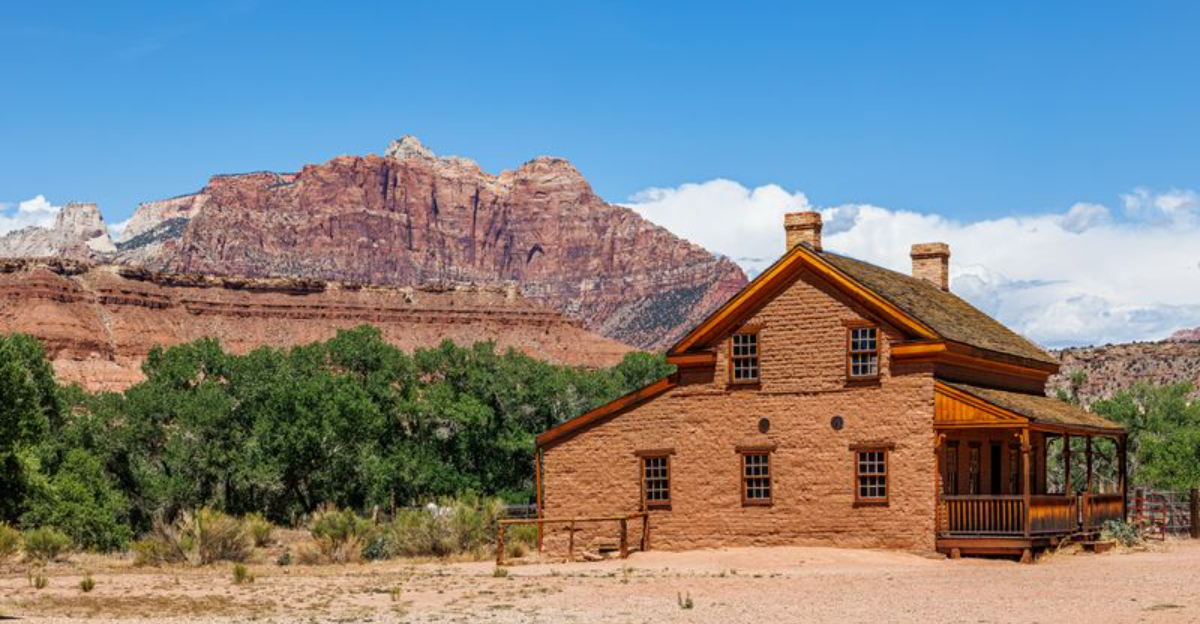
Utah holds a quiet secret along the Virgin River, where cottonwoods whisper around weathered wood and red rock cliffs frame the horizon. Grafton, a ghost town near Zion National Park, pulls you in with stories etched into adobe, timber, and headstones. You can stand in the schoolhouse doorway, hear the wind catch, and feel the frontier close at hand. Keep reading, and you will see how time, floods, and careworn memories still shape this remarkable place.
Founded by Pioneers
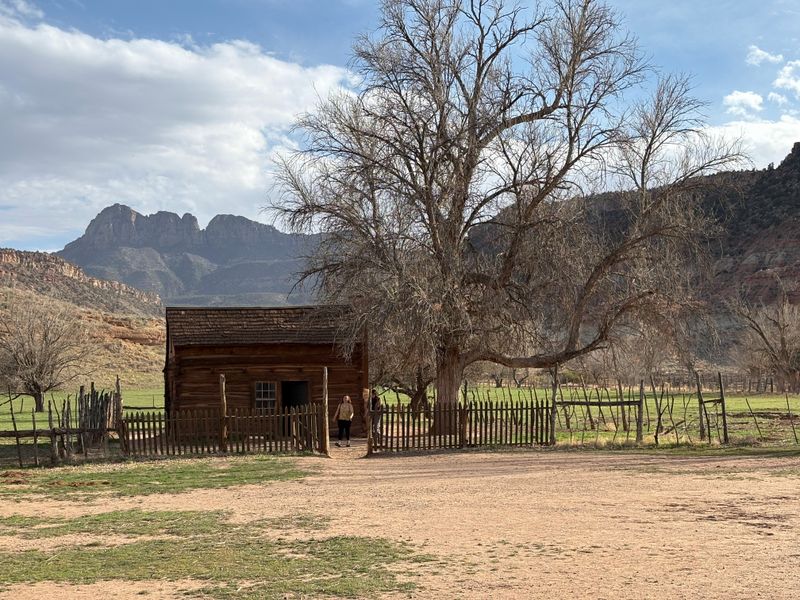
Grafton, Utah began with determined Mormon families who followed the river to a bend where soils looked rich and the light held steady over the cliffs.
They planted cotton and grain, pushing through heat, silt, and swarming insects, learning the rhythm of the desert piece by piece.
Steps still creak in old homes, and you can imagine the first nights when lamps flickered and coyotes called from the dark.
Walking these lanes, you read the landscape the way they did, watching cloud shadows sweep the red stone walls.
Signs tell you who lived where, but the structures themselves carry the deepest record, from finger smoothed mortar to axe cut lintels.
The first gardens grew close to water, and irrigation ditches stitched the settlement together like careful seams.
Utah history often turns on water, and Grafton is a clear chapter in that enduring story of scarcity and hope.
You see how families clustered for safety, yet spread just enough to work the fields and orchards wisely.
Every cabin hints at chores done before sunrise, at quilts shaking on lines, at bread cooling on a wooden shelf.
From Springdale, UT 84767, the dirt road pulls you toward that past, and the quiet grows as pavement falls away.
Fertile ground brought people here, but grit and cooperation kept them through anxious seasons and uncertain harvests.
It is easy to picture children racing between cottonwoods while elders weighed storms, crops, and church meetings.
Stand still, breathe, and the place begins to speak in small textures, in shade patterns, in worn thresholds.
A town rose from careful choices, each one carved by wind, water, and faithful work.
That beginning still lives in the bones of Grafton, a lesson tucked into Utah dust.
Hit by Disaster
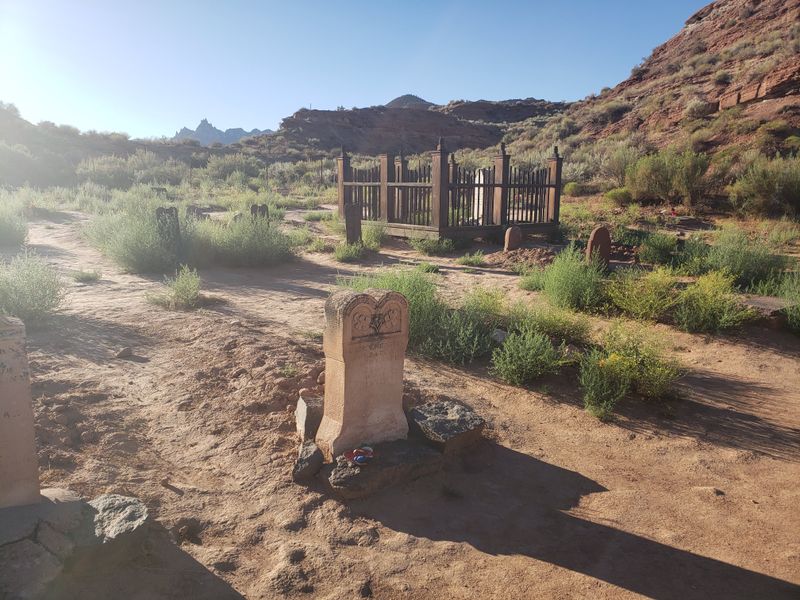
Disaster visited Grafton early and often, and you can trace the damage in earth that has shifted and fences that sagged.
Floodwater charged down the Virgin River, lifting silt, snapping brush, and chewing through fields that once looked dependable.
Settlers rebuilt, then watched the river bend again, a reminder that nature writes the first and last lines out here.
Utah storms move fast, and gullies that seem quiet can roar with churning mud within a single brooding afternoon.
You feel the risk by the riverbank, where tamarisk and willow crowd low ground that swallowed tools and dreams.
During tense years of the Black Hawk War, fear joined flood as families kept watch and tightened their circle.
Defenses were modest, but community resolve was strong, and survival meant paying attention to every sound after dusk.
Today, interpretive signs describe lost plantings, washed out canals, and the improvisation required to keep crops alive.
The schoolhouse looks steady, but nearby soils tell a different tale, one of scraping currents and repeated repairs.
You can almost hear voices deciding whether to move sheds uphill or let the river claim them again.
The cemetery holds dates clustered around harsh seasons, giving weight to stories the wind sometimes softens.
In Utah, water can bless or break, and here it often did both on the same day.
Driving the dirt approach from Springdale, UT 84767, you notice high banks scoured raw by past surges.
Grafton survives in fragments, and those fragments are honest about weather that never learned to behave.
Disaster changed the map, and the town kept changing with it, sometimes late, sometimes just in time.
Nature’s Reclamation
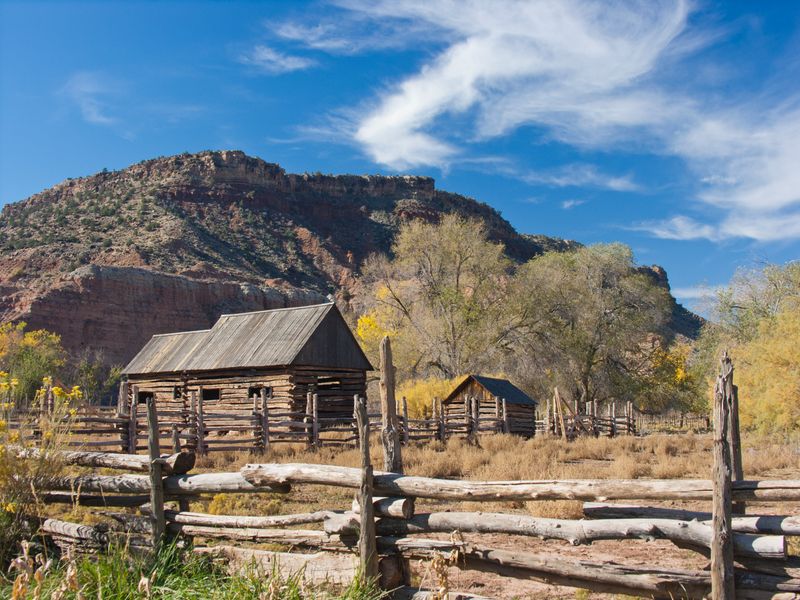
Stand by a fence post and watch grass lean against it, and you will see how Grafton moves back into earth.
Wind tosses seed into doorways, and shade gathers along sill plates where lizards and ants keep unhurried routines.
Roots explore foundation gaps, making tiny wedges that widen year by year until boards breathe and nails loosen.
Nature does not hurry here, but it never stops, polishing wood with dust and wrapping beams in silver light.
Utah sun bleaches shingles, then storms soak them, and the cycle draws fibers apart like careful fingers.
Adobe softens at edges, where rain traces rivulets that meet at corners and go silent under weeds.
Birds nest in eaves, sharing the roofline with spider silk that bobs when the afternoon breeze wakes.
Walk the path to the cemetery and notice cottonwood leaves turning the air into a whispering canopy.
The road in from Springdale, UT 84767, shifts with ruts after rain, reminding you that access is provisional.
Nature holds the eraser and the pencil, sketching shadows on windows that no longer catch a child’s face.
Reclamation here is not a battle, more a steady conversation where time keeps the surest voice.
You learn to read the place by listening, letting insects, grasses, and light arrange the chapters for you.
Photographers love these edges, where order relaxes and textures break clean lines into gentler shapes.
Every season edits the view, trading spring bloom for summer hum, and fall dust for winter hush.
The town endures, not untouched, but patiently absorbed, one plank, one stone, one soft corner at a time.
Hollywood Cameo
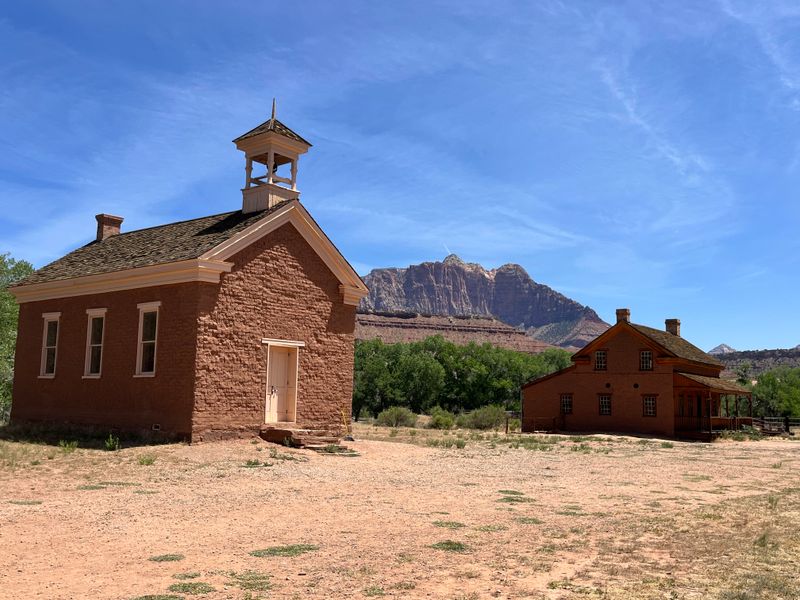
Grafton’s streets feel familiar because film crews once framed these buildings against cliffs that look made for the big screen.
Directors found an honest frontier mood here, a ready set of weathered walls, wide skies, and clean horizons.
You can stand near the schoolhouse and picture camera tracks, sun reflectors, and hurried whispers before the slate clapped.
Scenes for Butch Cassidy and the Sundance Kid borrowed the town’s textures, letting legend soak into logs and dust.
Earlier productions came searching for open air dialogue and honest light that could carry voices beyond a studio.
Utah has long lent its landscapes to storytellers, and Grafton offered character without needing a fresh coat of paint.
Film history here is not a museum, it is a faint echo that visits when the wind drops.
Look through a doorway, frame the red cliffs, and the shot almost composes itself without nudging a thing.
The approach from Springdale, UT 84767, sets the mood, as the dirt road strips away modern clutter.
Photographers still chase the same light, pacing slowly and waiting for clouds to soften the high noon glare.
Signage points out a few connections, but most of the story lives in angles and crisp silhouettes.
Imagine extras resting on porches, then clearing for a take as dust lifts and settles in seconds.
The town becomes a partner to the lens, lending truth to scenes that needed grit more than gloss.
When you visit, the silence between shots remains, and it is gentle, not empty.
Cinema left quietly, and Grafton kept being itself, wearing fame like a light coat.
Slow Abandonment
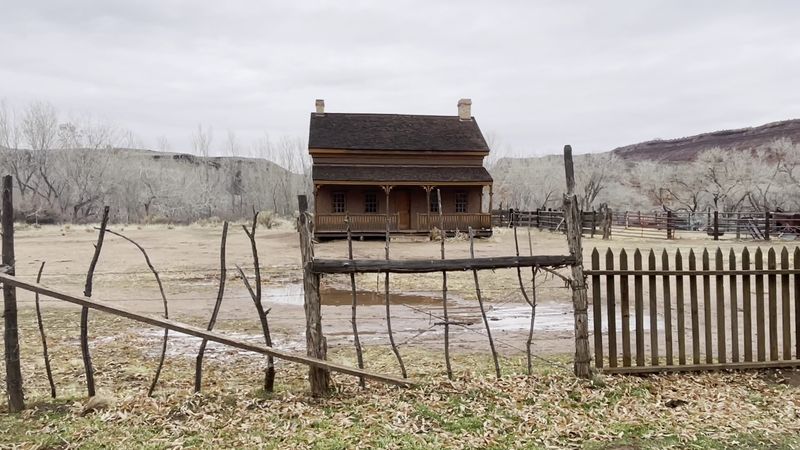
Grafton did not vanish overnight, it thinned, settled, and slowly surrendered to distance, water troubles, and quieter doorways.
As families moved, laughter faded from porches, and the daily clatter of tools dimmed to a soft memory.
Without children, the schoolhouse felt larger, and chalk dust no longer rose in shafts of morning light.
Wells ran uncertain, and the promise of easier living gathered north, beyond the hard curve of the river.
Utah towns often reshaped themselves, and this one learned that endurance sometimes means letting go with care.
Some cabins remained occupied for a while, keeping watch over fields that no longer answered the plow.
When the last residents left, the place did not feel empty, just patient, waiting for footfalls to return.
Visitors now bring that human rhythm back, a quiet exchange that respects what time has chosen.
The route from Springdale, UT 84767, makes the transition tangible as pavement gives way to dust and hush.
You notice curtains gone, hinges lifting, and fences easing open like pages turning themselves.
Abandonment here is not wreckage, it is a graceful easing where weather finishes sentences people began.
Every window holds a pause, and each threshold keeps a faint warmth that does not really fade.
Interpretive panels help, but the air does most of the explaining, brief and honest.
Lean into that quiet, and you will hear the town explain its leaving without complaint.
Grafton remains a home to memory, sturdy enough to share, humble enough to rest.
Preserved Ruins
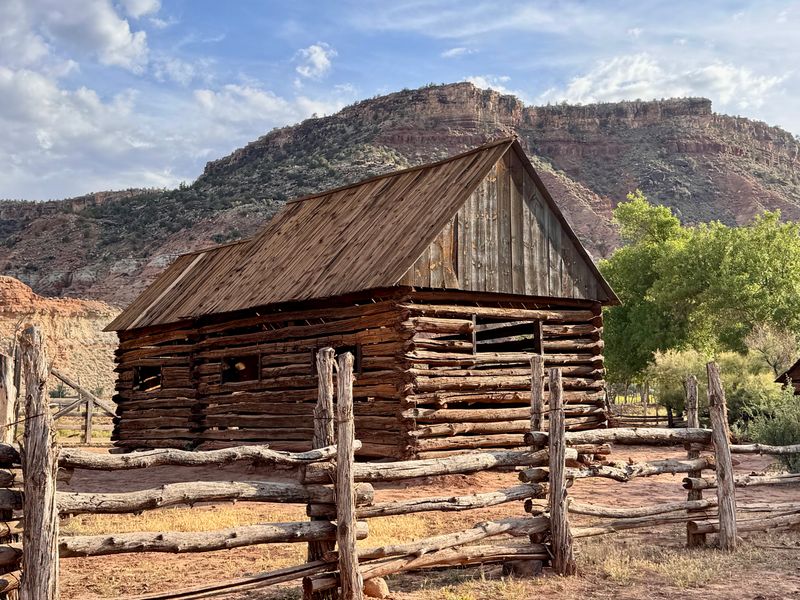
The Grafton Heritage Partnership keeps the town standing just enough for learning, while letting time keep its rightful texture.
Restored walls show careful hands, not gloss, and roofs shed weather without losing the patterns of earlier repairs.
You notice new nails beside old scars, an honest blend that honors survival rather than perfect facades.
Preservation here means maintenance, interpretation, and patience with materials that prefer a slow conversation.
Utah volunteers, partners, and descendants coordinate efforts through the organization’s website and on site donation boxes.
Each project respects what remains, from the schoolhouse paint to the plank floors that still take a careful step.
Fences are steady, paths are clear, and signage arrives where questions naturally land for curious visitors.
No one overpromises, and that restraint builds trust as you move from doorway to doorway.
The posted address is Springdale, UT 84767, and directions suggest a dirt approach that suits the setting.
There are no modern frills, only what is needed to keep weather at bay and stories within reach.
Walking here feels like meeting the past on respectful terms, equal parts restoration and acceptance.
Cabins breathe without collapsing, and windows frame cliffs like open books you can read without turning pages.
When you donate, you join a chain of quiet caretaking that favors craft over spectacle.
That ethos makes every nail and bracket feel like a handshake offered across generations.
Grafton stays legible because people care, and it stays honest because they know when to stop.
Key Surviving Buildings
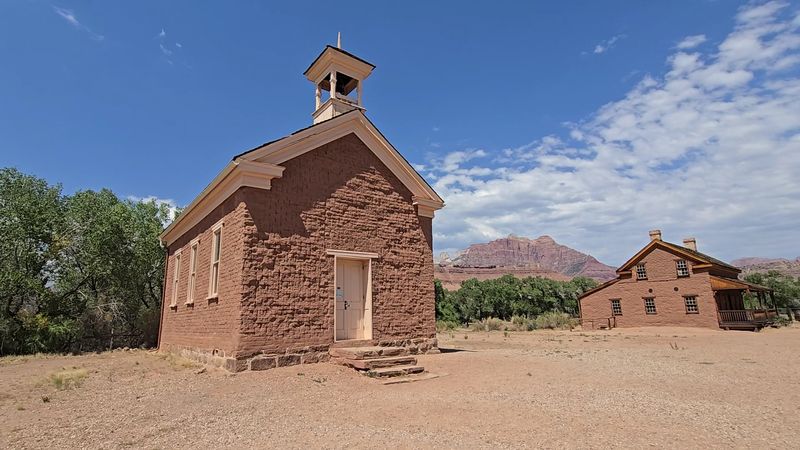
Start at the schoolhouse, where red paint and square windows hold a sturdy profile against wide Utah sky.
Inside, the room feels balanced, and you can sense lessons lingering where benches once lined the floor.
The chapel shares that calm geometry, a place arranged for voices to gather and settle.
Cabins sit nearby with doors that open into shallow yards bordered by cottonwoods and open brush.
Each structure offers details that reward unhurried eyes, from hand carved jambs to uneven plank joins.
Light reaches through small panes and shows the grain of wood that remembers countless mornings.
The cemetery rests a short walk away, marking lives shaped by flood, illness, and grit.
Headstones vary from simple stone to carefully recut markers, each one telling a trimmed but powerful story.
The entry from Springdale, UT 84767, places you near these buildings without confusing the town’s original shape.
Footpaths are intuitive, and the spacing still hints at community ties that held tight through hard seasons.
Some rooms are open, others remain closed for protection, and that balance keeps harm at bay.
Windows and doors frame cliffs and sky, creating views that change minute by minute as clouds pass.
Materials show age openly, and fresh work is plain rather than disguised, which keeps everything believable.
You will leave with mental blueprints of corners, rafters, and lintels that keep their grip through dry years.
These buildings are the anchors of memory, holding Grafton in place while the river and wind roam.
Photographer’s Dream
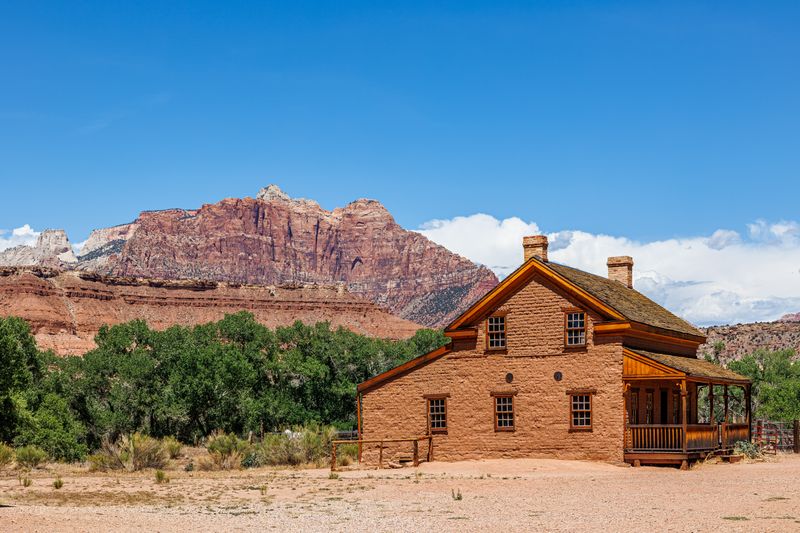
Photographers chase edges, and Grafton holds them everywhere, from rough beams to bright river meadows beyond the fences.
Sunrise pulls warm lines across siding, while cottonwoods flash silver when a new breeze turns the leaves.
Clouds add range and soften glare, and the cliffs throw long bands that shape compositions without much effort.
Tripods find solid ground near the schoolhouse, where angles align and doorways stack shapes like careful notes.
In Utah light, colors stay true, and textures read clearly even when dust lifts over the flats.
Reflections sometimes collect in puddles after rain, giving boards and fences a quiet secondary stage.
The cemetery offers shadows that fall gently, which suits portraits of headstones and the space between them.
Cabins lean just enough to feel alive, and window frames turn sky into a calm blue panel.
Approach through Springdale, UT 84767, and scout the dirt road first for spots where the background opens wide.
Afternoons can be bright, so wait for a cloud bank or hug the shade cut by porches.
Leave no trace, and let the scene set itself, because the best moments arrive unannounced.
Grit underfoot reminds you to watch your footing and keep gear out of the low brush.
Silence here is helpful, letting small sounds cue you to shifts in light and wind.
The frames you carry out will feel unforced, honest, and grounded in place.
Grafton teaches patience, and patience always looks good on film.
Close to Zion
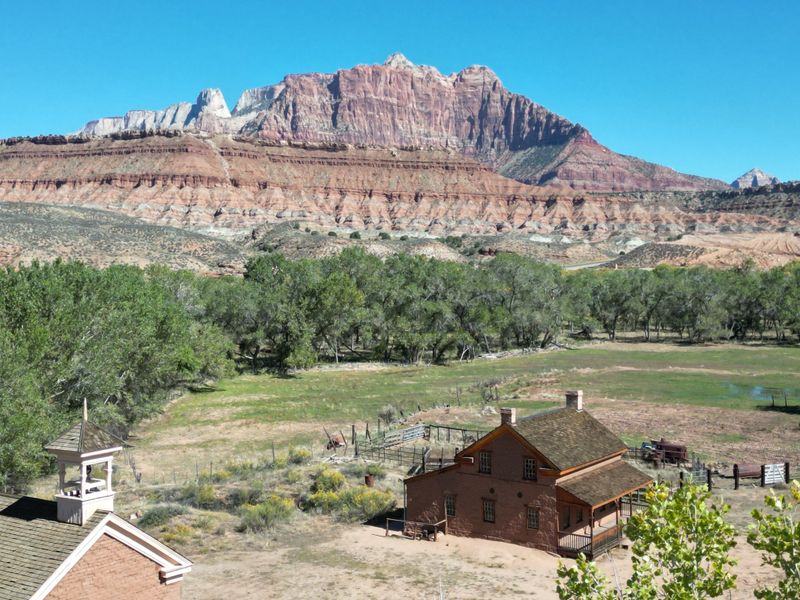
Grafton sits just south of Zion National Park, which means the backdrop stacks cliffs behind rooftops like painted scenery.
The drive from Springdale runs smooth at first, then eases into dirt where the mood changes for the better.
Within minutes, you trade park crowds for quiet lanes that hold the breath of older stories.
Utah’s colors repeat here, from rose hued sandstone to sage and cottonwood green along the river bends.
You can pair a morning in Zion with an afternoon at Grafton, and the contrast feels right.
Trails in the park test legs, while the town encourages slow steps and open listening.
Parking is simple along the approach, but watch for soft spots after recent weather.
Springdale, UT 84767, anchors your route, with clear signs that steer you toward the historic site.
Bring water, sun protection, and shoes that respect dust, splinters, and uneven edges.
The silence here compliments the canyon’s echoing walls, offering a gentler register for reflection.
Photography benefits from the mix, with park light pouring over town textures in the late afternoon.
Maps show the alignment clearly, and you will feel the two places talking across the valley.
Even short visits fit well, since Grafton rewards attention more than mileage.
The shared geology stitches them together, but the human story gives Grafton its distinct cadence.
Leave enough time for both, and the day will balance color, shape, and memory.
Living History
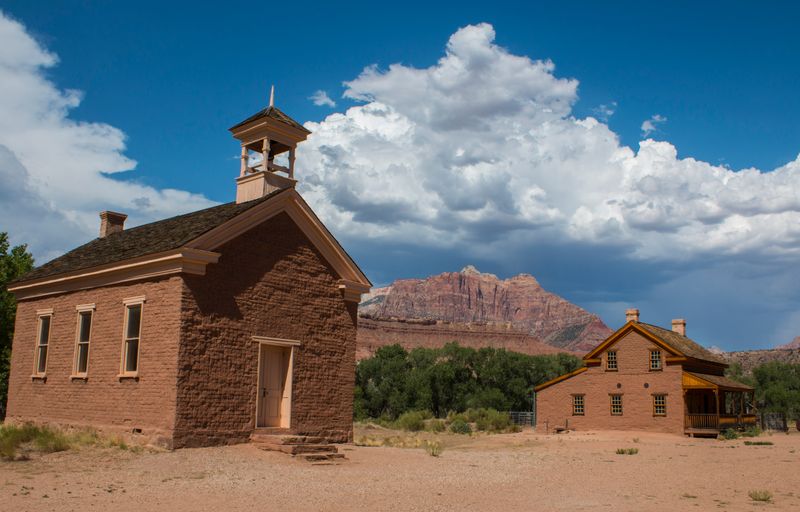
History still breathes here, not in costumed pageants, but in reunions where descendants gather and keep connections alive.
Conversations drift toward family lines, fields once planted, and the trials that shaped choices along the river.
Those ties ensure the town is cared for, guided by memory rather than novelty.
Events remain simple, respectful, and focused on place, which suits the scale of buildings and paths.
Utah families often keep far reaching roots, and Grafton’s network stretches across counties and seasons.
When you visit, you join that flow by listening to posted stories and walking with care.
Nothing here feels staged, only tended, and that restraint gives the site its steady grace.
The cemetery often draws quiet circles of relatives who read names and share brief tales.
The official address routes through Springdale, UT 84767, tying modern travel to very old ground.
You will notice minor repairs that match the past, right down to trim profiles and nail choices.
Every touch aims to preserve meaning, not erase age, and that approach shows wisdom.
Stand by the chapel and let the breeze carry the low rustle of cottonwood leaves.
The space invites reflection, not spectacle, and that is rare and welcome.
You leave with a sense that the town entrusted you with something small but genuine.
Carry it carefully, and the story keeps traveling, steady as a river in a kind season.
Visitor Practicalities
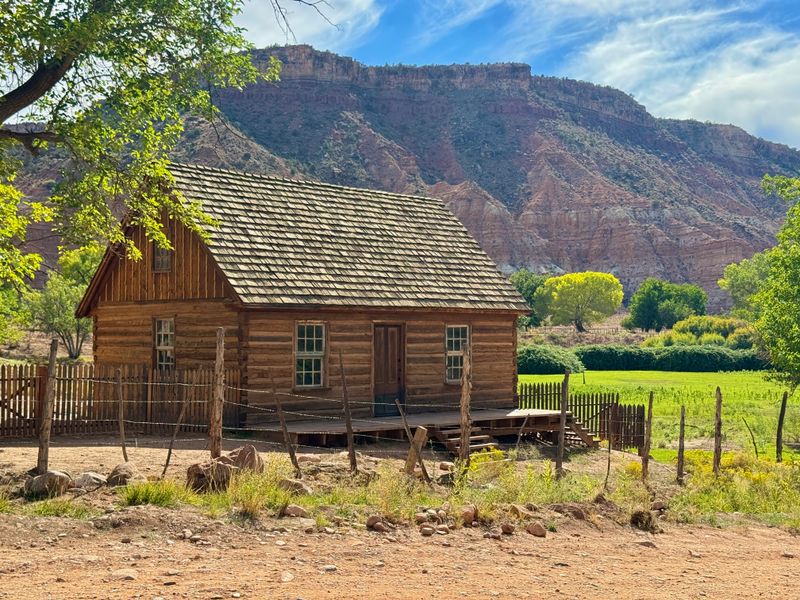
Grafton is reachable by a maintained dirt road that turns off near Springdale, and conditions vary with weather.
Low clearance cars manage most days, but recent rain can carve ruts that ask for slower speeds.
There are no services on site, so bring water and sun protection, and plan for simple needs.
Restrooms are not available, and cell service can wobble along the lower bends by the river.
Utah parks culture favors self reliance, and the same spirit fits this quiet historic place.
Hours are open, but respect closures on individual buildings that protect delicate interiors.
Signs advise where to walk, and fences guide you around sensitive soils and foundations.
Parking pulls off the road edge, leaving clear room for others to pass without trouble.
The Google listing points to Springdale, UT 84767, and coordinates match the gates and main cluster.
Check the official website for updates on access, preservation news, and volunteer opportunities.
Bring a small flashlight for dim interiors, but avoid touching surfaces that shed splinters or dust.
Footwear with grip helps on sloped ground near the cemetery, especially after wind or rain.
You will find enough signage to learn, and enough quiet to think.
Keep pets leashed, pack out trash, and leave the site as you found it or better.
With simple preparation, your visit feels calm, unhurried, and deeply rewarding.
Dear Reader: This page may contain affiliate links which may earn a commission if you click through and make a purchase. Our independent journalism is not influenced by any advertiser or commercial initiative unless it is clearly marked as sponsored content. As travel products change, please be sure to reconfirm all details and stay up to date with current events to ensure a safe and successful trip.
