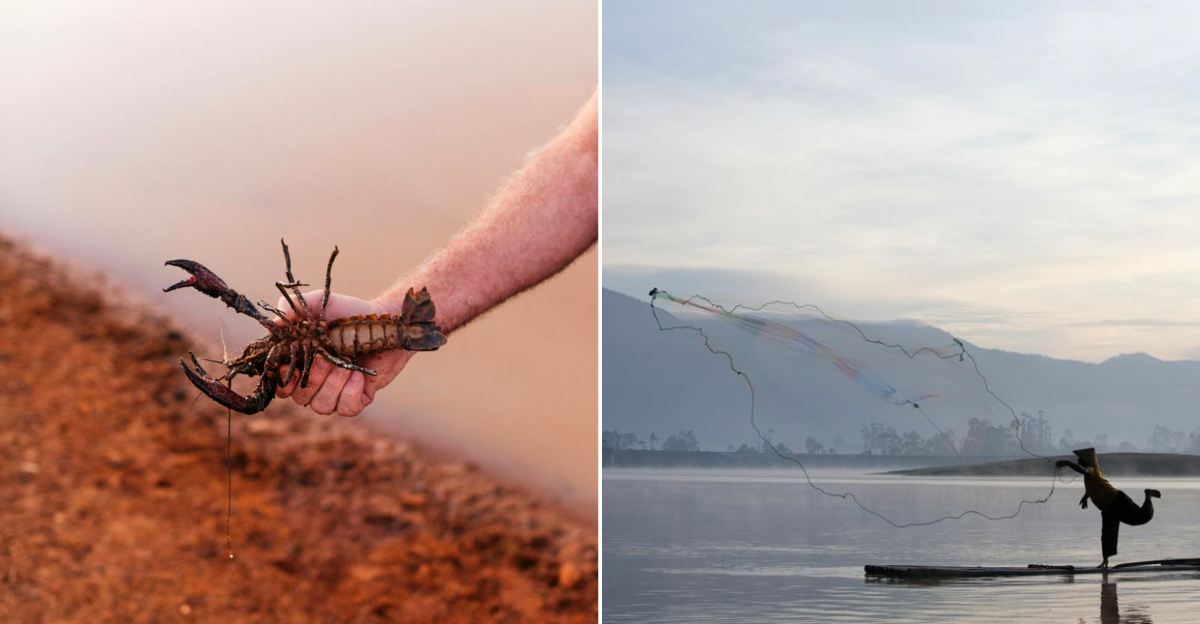
Some laws are broad, and then Utah hits you with a rule that feels like it was written after one very chaotic afternoon. Utah’s crayfish rule is famously specific, the kind of law that makes you picture a lawmaker rubbing their temples while saying, “We are not doing this again.” It is not random for the sake of random, either.
Crayfish can cause real problems when people move them around, because they can spread disease, mess with native species, and throw local waterways out of balance. So the state gets serious about what you can do with live crayfish, where you can use them, and how they can be transported or released.
That specificity is the giveaway that someone tried to bend the rules once. The funniest part is reading it and realizing it is less about punishment and more about preventing a weird chain reaction in the wild.
In other words, Utah is basically saying: enjoy the outdoors, just do not turn a creek into your personal science experiment.
The “Do Not Move Live Crayfish” Rule That Sounds Fake Until You Read It
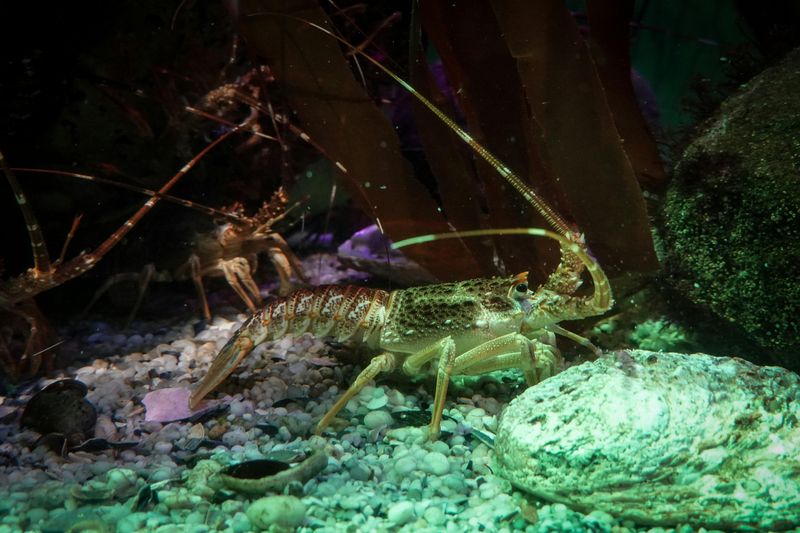
You know how some rules feel like they were written after one epic mistake? This is exactly that kind of rule, and once you read it, it makes surprising sense.
Utah says do not move live crayfish, and they mean anywhere outside the water where you found them. Not to your car, not across the dam, not to the next cove because it looks chill.
The logic lands fast when you think about hitchhikers like tiny mussels, parasites, and eggs that ride on shells. One sloppy transfer can seed a whole new mess.
I get why people push back because hauling a few for later sounds harmless. But the state has watched small leaks turn into big problems on places like Utah Lake and Flaming Gorge.
If you are picturing a ranger lurking behind the reeds, that is not the point. The point is cutting off the easy path for invasives before they get a foothold.
The wording feels blunt because it needs to close every casual loophole. If it swims or pinches and is still alive, it stays where it was caught.
I tell friends it is like keeping muddy boots at the door. You are not being scolded, you are just not tracking trouble around.
The Ultra-Specific Part: You Cannot Transport Them Away From The Water Where Taken

Here is the razor edge part that trips people up. You cannot transport live crayfish away from the exact body of water where you caught them.
Not to the parking lot for a quick photo shoot. Not to a buddy’s bucket on the other side of the marina.
Utah draws a hard circle around the place of capture. Once those little tanks leave that boundary alive, you are in violation.
This matters even if you are staying inside the same watershed. The rule is keyed to the specific water, not a drainage map you saw in a guide.
Think of the shoreline as a checkpoint with no exit for live critters. Cross it alive, and the law stops being fuzzy.
I have watched folks carry a sloshing bucket up a trail without realizing that walk counted as transport. A net on the bank is fine, but a live bucket march is not.
When in doubt, keep them wet in that water or do not keep them at all. That level of simple usually keeps you clean.
Utah set it up to be memorable on purpose. The word transport does the heavy lifting.
Live Bait Catch: Crayfish Are Only Legal As Bait On The Same Water You Caught Them
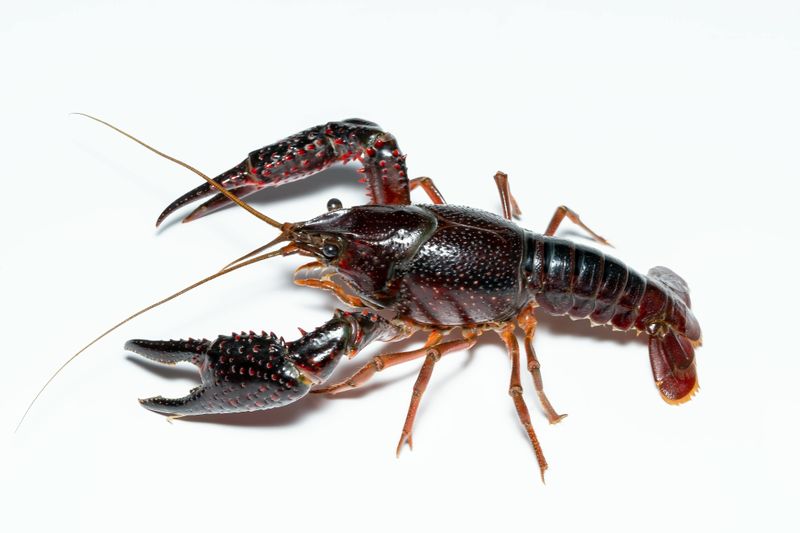
Let us say you want to use crayfish as bait because smallmouth are chasing them like candy. Utah says that is fine, but only on the same water where you caught them.
No hopping from Jordanelle to Deer Creek with a live bait stash. No home aquarium shuttle for later weekend plans.
The state is not being picky just to be picky. Bait is the easiest Trojan horse for unwanted tagalongs you cannot see.
So your best move is tactical and boring. Catch them, use them, and end the story right there on that shoreline.
If you switch lakes, your bait plan resets. Fresh water, fresh rules, same no transport line.
I like to set a tiny rhythm that keeps it simple. Net, hook, cast, and repeat until the light goes soft.
Anything that looks like storage starts looking like transport in a hurry. A livewell on wheels is still a livewell.
Utah wants you fishing, not babysitting buckets on tour. Keep it same water, and the day stays easy.
Why Utah Cares So Much: Invasives And Unwanted Introductions Move Fast
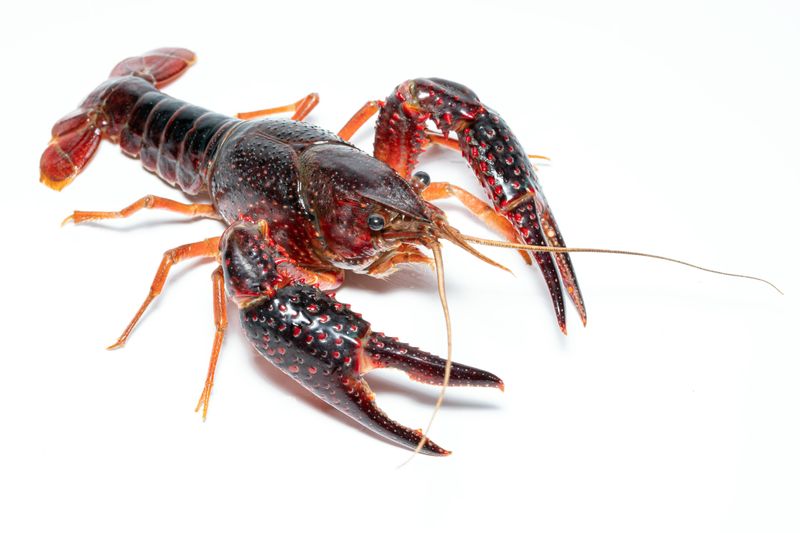
If you have seen what quagga mussels do to a lake, you get the urgency. Utah has watched near misses turn into headaches that chew through budgets and shorelines.
Crayfish are not the villain by nature. But they can play courier for little things that do not care about our plans.
Utah Lake, Powell, and a string of reservoirs all sit on travel routes. Gear, buckets, and boots move faster than common sense when the bite is good.
The state leans preventive because cleanup is a grind that lasts. Stopping movement beats chasing outbreaks every time.
It is also about keeping fisheries feeling like themselves. Introduce the wrong competitor, and the whole food web shifts sideways.
I have listened to biologists describe tiny eggs like glitter you never fully sweep. That image sticks when you are rinsing a net at the truck.
So the rule sounds nitpicky until you think big picture. One drive with a lively cooler can echo across miles of shoreline.
This is Utah trying to protect what draws us out there. The water stays more itself when we stop playing taxi.
The Detail That Turns A Cooler Into A Legal Problem
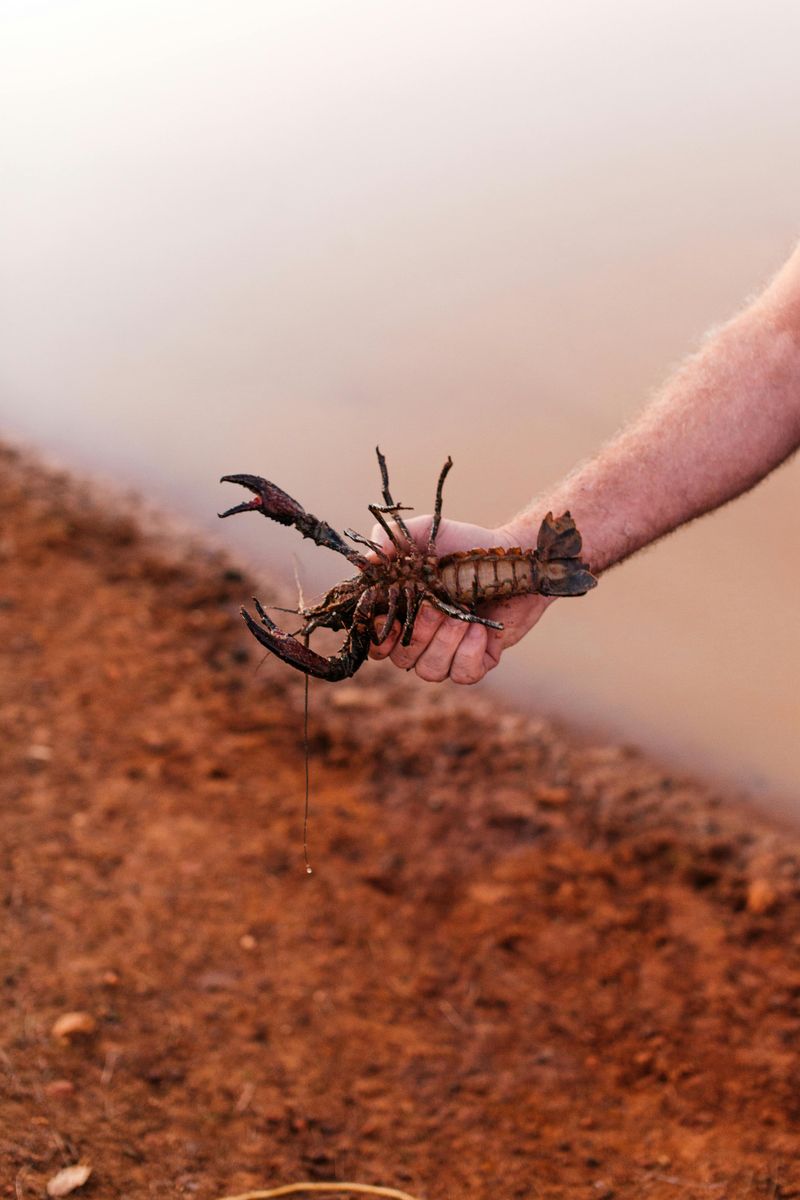
Here is the twist that surprises people. If you want to take crayfish home, they cannot be alive when they leave the water where you caught them.
That cooler you carried from the car? It becomes a legal tripwire if the critters inside are still kicking.
Utah wants the life cycle to end before the shoreline ends. Dead at the water equals transport allowed, alive equals no go.
This is not about being grim. It is about cutting the wire on any chance of a jump to a new spot.
Practical move is quick and respectful. Handle the dispatch in the same place you scooped them, then pack out chilled.
I have seen folks argue intent, like they were just showing kids. The rule does not grade intent, it tracks outcomes.
If it helps, treat the waterline like customs. Clear it only after you are carrying nothing living.
Your cooler becomes boring cargo, which is exactly what the state wants. No surprises riding shotgun back to town.
What You Can Do Instead: Hold Them While Fishing, Then Handle Them Properly
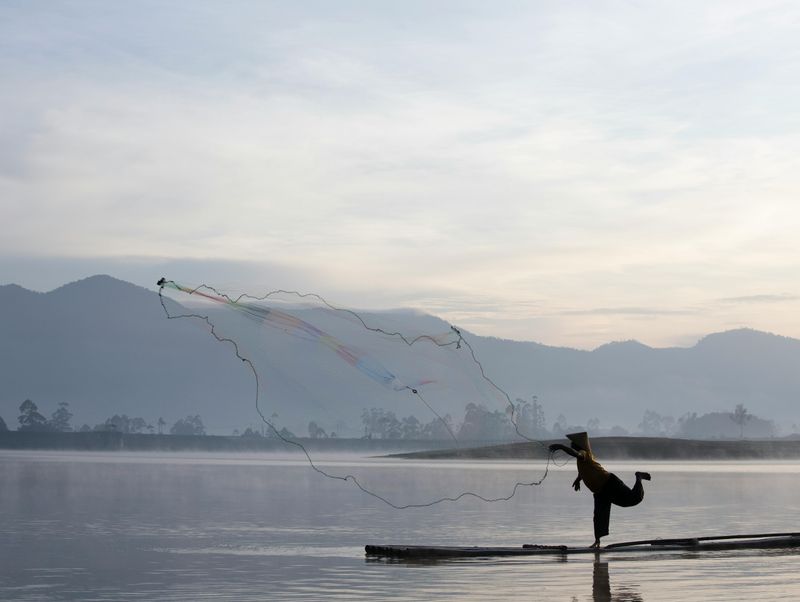
You can absolutely keep crayfish handy while you fish. Just keep them in that same water, and keep them there until you are done.
A submerged mesh basket clipped to a rock works fine. A floating livewell tethered in the shallows keeps it simple and legal.
Think session based rather than travel based. You are using what the lake gives you within the lake’s walls.
When the day ends, make a clean call. Use them, release them right there, or humanely kill them before you step off the shore.
Utah is not trying to kink your rhythm. It is steering you toward habits that do not move risk around.
I like to set up one neat station away from sandy chaos. Net, holder, pliers, and a towel keep the dance smooth.
It feels almost old school and local. You are part of that water for a while, then you leave it as you found it.
That mindset makes the rule feel less like a fence. It starts feeling like a shared promise with the lake.
How The Rule Shows Up In The Actual Regs, Not Just Rumor

If you crack open the Utah fishing guidebook, the crayfish language is not coy. It spells out the no transport rule in plain, direct text.
Look under bait and crayfish sections around the aquatic invasive rules. The phrasing ties location of capture to what you can do next.
Online, the Division of Wildlife Resources posts the same message. The web pages mirror the guide so nothing gets lost between print and screen.
When something changes, they update fast. I always check the digital version before a trip, just to be clean.
Utah keeps the page structure predictable. You can skim headers and hit the exact lines without digging all day.
If you like belt and suspenders, screenshot the section. It is handy evidence if someone in your group wants to argue folklore.
Hearing it from a ranger is useful, but the book is the anchor. The text is what gets cited when questions come up.
The rumor mill loves dramatic spins. The actual wording is compact, firm, and easy to follow.
The Backstory Angle: Utah Wrote This Like A “Do Not Even Think About It” Sign
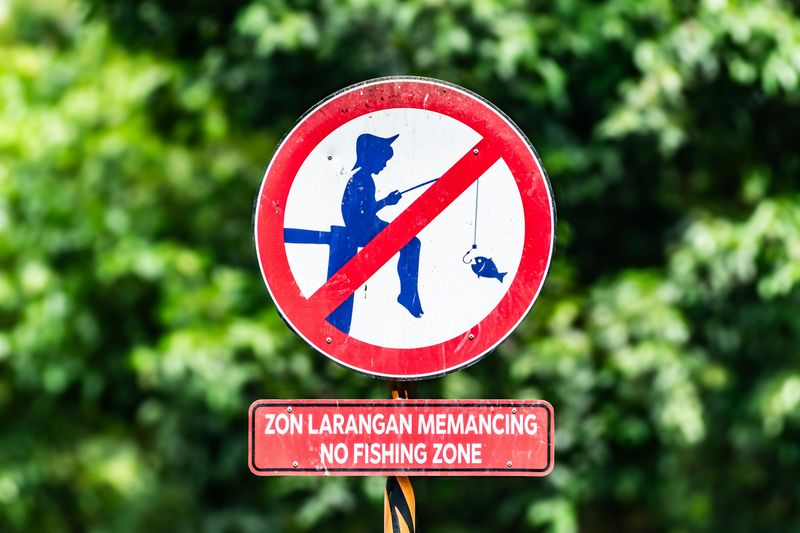
Picture a room where biologists and wardens trade stories. After enough wild buckets and traveling pets, someone finally writes the rule like a doorstop.
Utah’s tone reads like an adult in the room. Not angry, just very clear about what will not fly anymore.
The state has learned that soft phrasing leaves daylight. Daylight becomes excuses, and excuses become miles on the odometer.
So the rule swings shut in a single sentence. Nothing alive leaves its water, end of tour.
There is a kind of kindness in that clarity. You do not have to guess what counts as okay when your hands are wet and the sun is sliding.
I like rules that remove debate while you are cold and tired. Decision trees belong on a desk, not the gravel next to your boots.
Utah writes for the field, not the couch. The language carries fine even with wind on the page.
Call it tough love if you want. I call it a sign that saves you from yourself.
The Simple Cheat Sheet For Staying Legal While Crayfishing In Utah

Here is the quick version you can keep in your head. Same water only, no live transport, dispatch at the shore if you are leaving.
Keep live ones in the lake while you fish. Use a tethered holder, not a walkabout bucket.
Switch lakes, switch plans. Release there or start fresh, but do not carry life between waters.
Photos happen at the water’s edge or after dispatch. The truck does not get a backstage pass for live cargo.
Check the current regs online before you go. Utah updates cleanly, and you can screenshot the lines that matter.
If someone in your group starts a parade, hit pause. Bring the bucket back to the wet side, and reset.
When a ranger asks what you did, the story is short. Caught them, used them here, ended here.
Utah stays healthier when we keep it that tidy. The rule is specific because the stakes are not small.
Dear Reader: This page may contain affiliate links which may earn a commission if you click through and make a purchase. Our independent journalism is not influenced by any advertiser or commercial initiative unless it is clearly marked as sponsored content. As travel products change, please be sure to reconfirm all details and stay up to date with current events to ensure a safe and successful trip.
