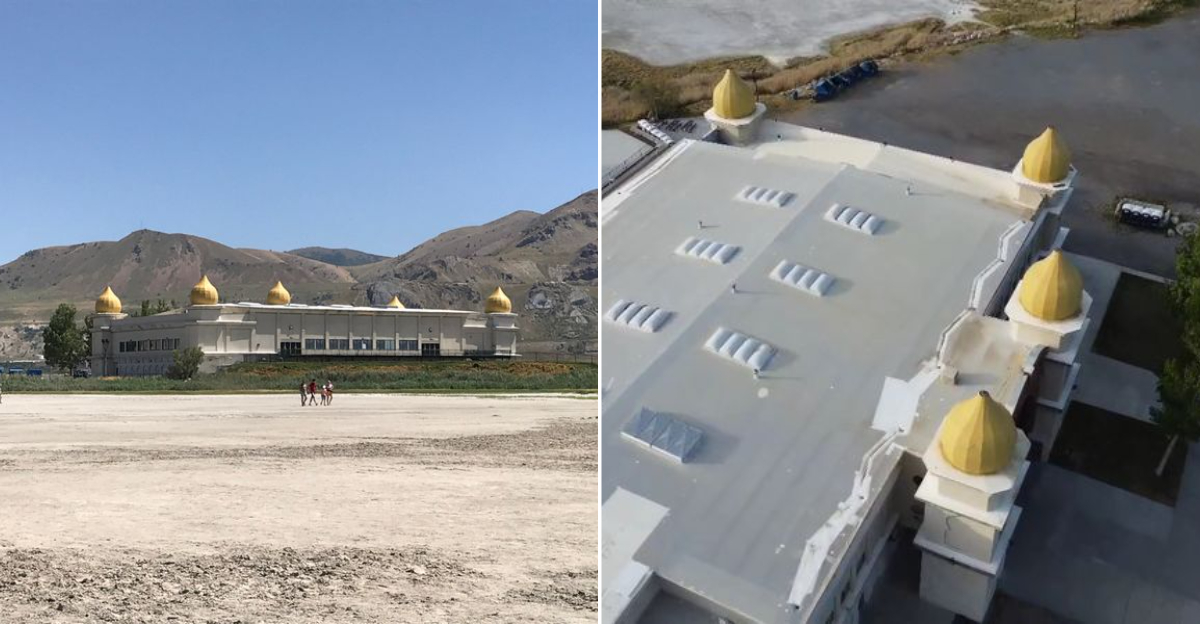
Have you ever stumbled across a place that feels like it was left behind by time? That’s the story of The Saltair, once known as the Great Salt Lake Resort, located at 12408 W Saltair Dr, Magna, UT 84044. Decades ago, this was a destination where visitors came for music, dancing, and lakeside fun.
Today, it’s remembered as a curious landmark, partly buried in sand and shaped by the harsh desert environment. The resort was built with big dreams, offering entertainment and relaxation against the backdrop of the Great Salt Lake.
But fires, floods, and shifting sands slowly erased its glory days, leaving behind a venue that feels more like a ghost of the past than a thriving resort. Tourists who stop by now often marvel at its strange history.
Locals recall stories of when Saltair was alive with crowds. I’ve always thought places like this are fascinating because they show how quickly things can change.
If you’re exploring Utah, The Saltair is a forgotten resort worth seeing up close.
Where Silence, Sand, And Stories Meet
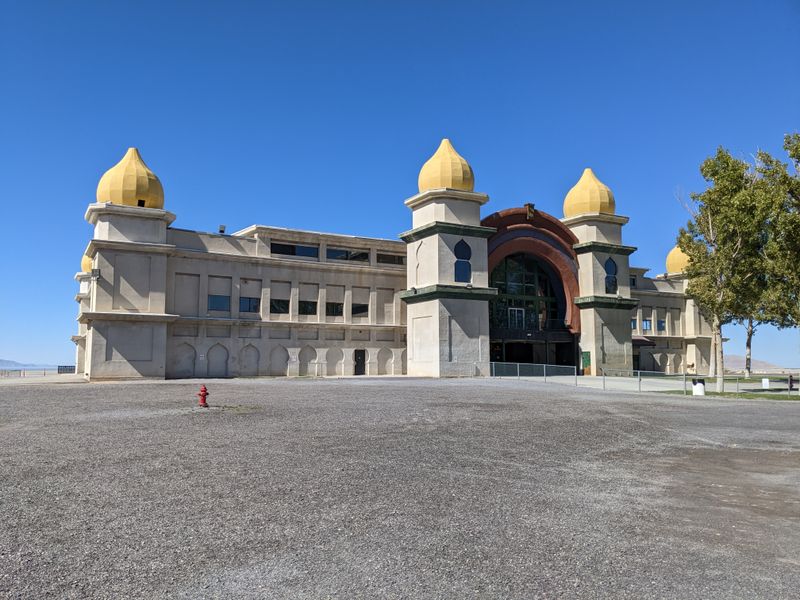
Pulling up to The Saltair at 12408 W Saltair Dr, Magna, UT 84044, you notice the silence first.
The building looks a bit like a movie set that forgot to pack up and leave. It sits with calm confidence while the lake breathes in and out over years.
The drive from Salt Lake City is easy, and then the road just opens.
On one side, the salt flats spread like a bleached canvas. On the other, the venue waits with that clean, industrial shell that feels oddly welcoming.
I like standing near the lot and listening for trains that no longer stop here. You can almost hear music echo off the metal ribs when the wind picks up.
I would describe it as modern, but the past keeps tapping your shoulder.
When people say Utah is about red rock, I think of this pale shoreline instead.
The Saltair shows a different side of the state. It is minimal, reflective, and a little stubborn.
Walking up to the doors, you catch the smell of salt and dust. It makes you slow down without trying.
The whole place says take your time.
Out here the horizon looks close and far at once. I feel like it is a small trick the lake plays.
If you have never been, let the road trip be casual.
Built To Be The “Coney Island Of The West”
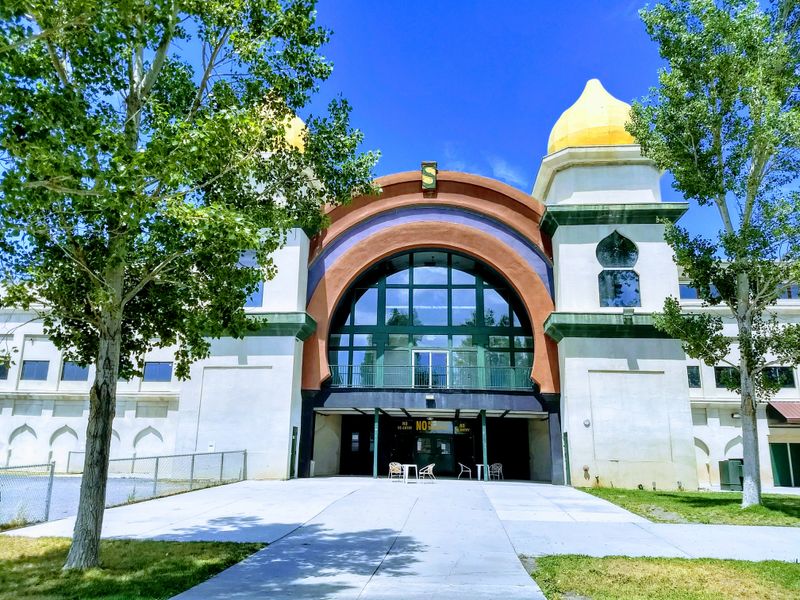
Imagine rolling up and seeing towers, lights, and a boardwalk stretching over the Great Salt Lake.
That was the dream at The Great Salt Lake Resort, built big and bold to pull people out of the city: music, dancing, and wide water views all in one easy day trip.
Back then Utah weekends had a different rhythm. Families came for clean air and space to breathe.
The whole pitch sounded friendly and a little daring. Build fun right on the water and let the lake do the marketing.
Standing here now, it still makes sense. You want to linger and watch the light change on the flats.
Simple pleasures play well in open space.
People arrived for dancing and stayed for sunsets. The place knew how to set a scene without trying too hard.
I think you can feel that confidence even now.
When Utah is mentioned, most think mountains first. Out here the lake says “look this way instead.”
It is its own kind of landmark.
The idea was big, sure, but it felt practical too. Close enough for everyday life, special enough to remember.
That balance really gave it momentum.
A Railroad Was Part Of The Plan
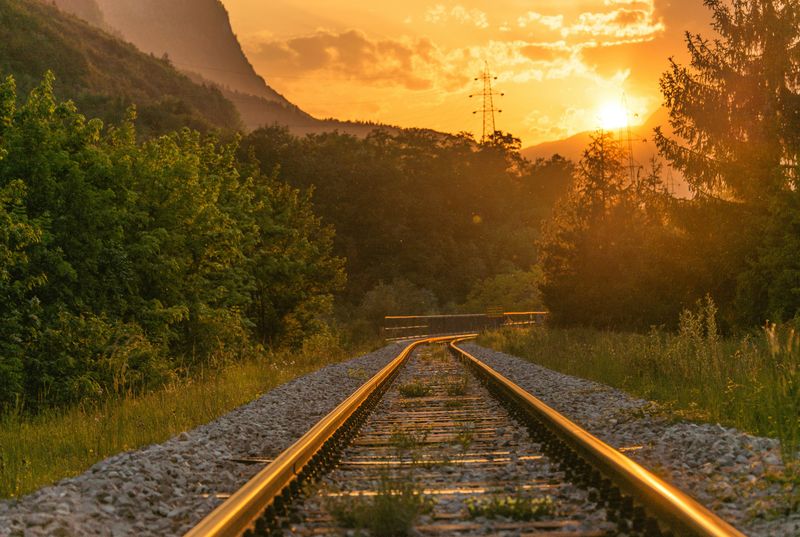
Here is the smart bit. A rail line once ran straight from the city to this shoreline, making day trips effortless.
You could step off the train and hear music before you saw the water.
That kind of planning made the place feel connected, not remote.
A ride, a stroll, then the lake; simple and social, no complicated logistics.
Utah knows long distances, but this was different. The trip itself felt like part of the entertainment.
Windows down, conversations up, anticipation building with every mile.
I like to picture the station bustle. Tickets in hands, hats tilted, friends finding each other in the crowd.
The moment the platform hit shade, summer felt cooler.
Even now the openness reads like a corridor. You can stand by the lot and trace ghost rails in the mind.
The straight line to fun still feels clear to me.
Trains shape memory, and this place has layers of it. People arrived together and left with the same sand on their shoes.
When you drive in, you repeat a version of that route. Different wheels, same goal.
Reach the lake, shake off the week, and lean into the music.
Fire Keeps Rewriting The Story

This place has known flames. More than once the story turned smoky and quiet, then slowly rebuilt.
I think that you can feel that toughness in the current walls.
Standing outside The Saltair, it is easy to sense chapters under the paint. Fires ended big dreams, then new plans tried again.
The landscapes here deal with extremes, and this history matches that mood. Heat, wind, and open space make sparks travel.
Rebuilding becomes a habit more than a headline.
When I walk the perimeter, I think about what survived. Music always seems to come back, and people still gather when the doors open.
The address at 12408 W Saltair Dr, Magna, UT 84044 holds steady while the structures change. That continuity matters on a shoreline that shifts often.
It anchors the memory to a real place.
Fires can make a site feel remote even when it is close. You lose lights, then you lose crowds.
Later, someone hears a rhythm and shows up anyway. In a way, the burn marks became part of the design.
The Lake Literally Left
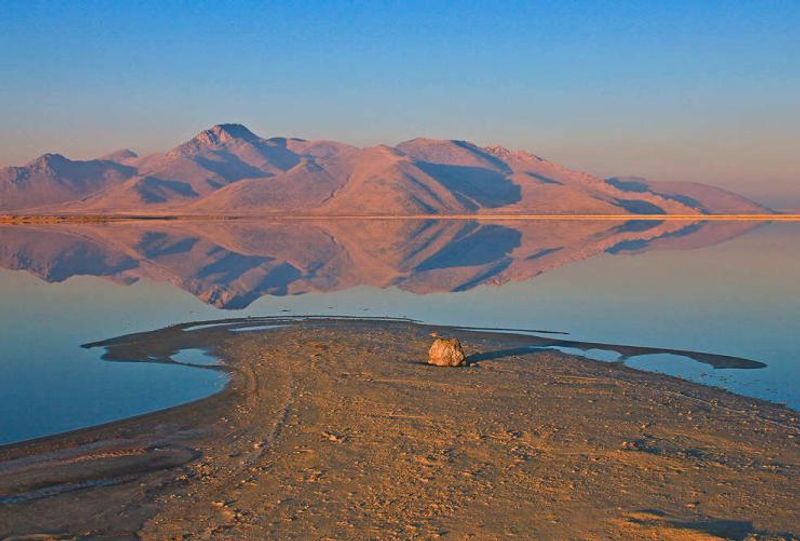
Here is the wild twist: the water pulled back and left docks staring at dry earth. A lake resort with no lake in sight feels like a magic trick.
Out on the flats, heat ripples blur distance. The silence gets loud in a nice way, and you start noticing tiny details like salt crystals catching light.
I feel like the shoreline played its own game here. One season water crept near; another, it retreated and left footprints on powdery ground.
This is the state teaching patience. Nature sets the schedule and humans adjust, plans look smaller when the horizon moves.
I like walking to where the water should be and standing still. You feel both absence and promise.
The lake is never gone, just moody. That recession created the desert resort look people talk about.
Picture sand, flats, and a building waiting on the edge, it is strange and beautiful at the same time to me.
If you bring a camera, wide shots do the most work.
Let the building shrink against the sky, and I’m sure you will get the point instantly.
The Dance Floor Era Was Real
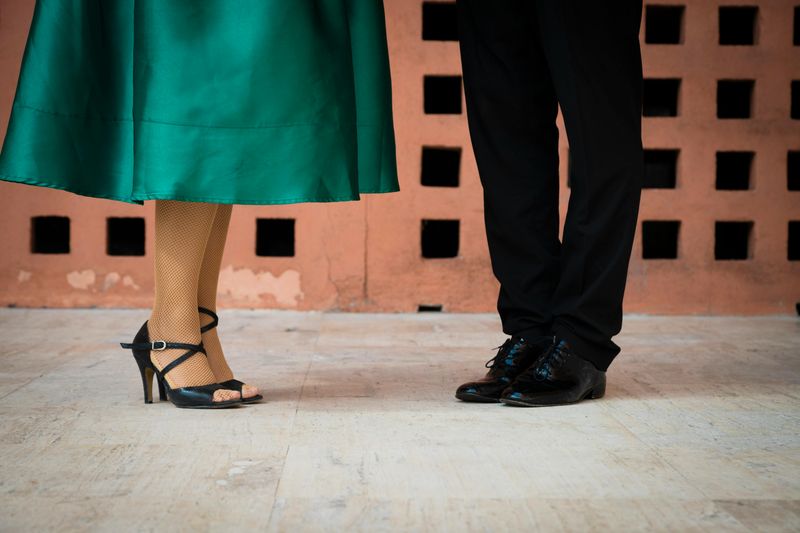
Even when swimming faded, the music stayed. People came for dancing, live acts, and the feeling of a big room shifting with rhythm.
That energy still clings to the structure like a favorite jacket.
Imagine stepping inside after a bright drive. The light drops, the sound grows, and your shoulders relax.
I think it is an easy transition from sun to song.
Utah nights can feel wide open, and a dance floor pulls that space indoors. You get movement and community without any fuss.
I love how a stage changes everything. Add a band and the building wakes up, but even empty, you can sense the echo of steps.
Folks still tell stories about nights that stretched longer than planned. Friends met, plans made, and the ride home felt shorter, that is how the place holds people.
When you go, make sure to stand near the back first, and watch the room breathe. Then wander closer and let the beat pick your path.
It Closed, And People Tried To Revive It Anyway
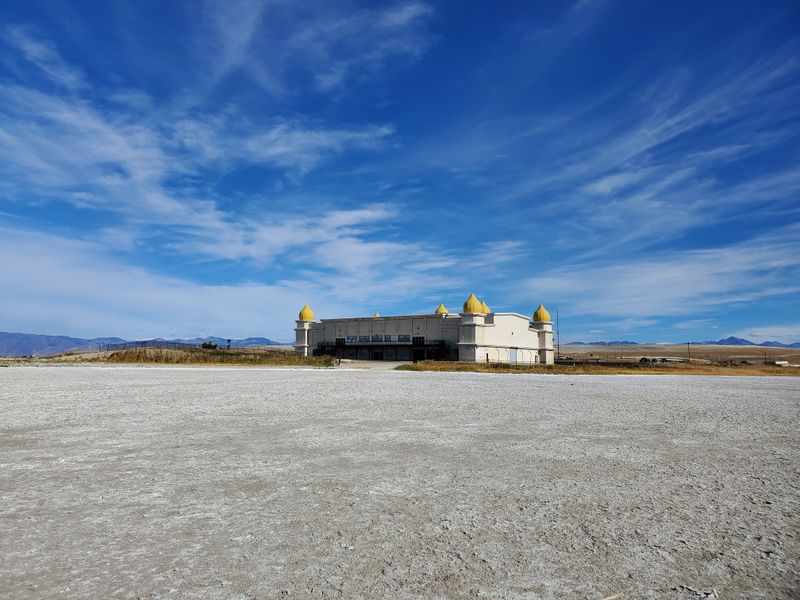
There were quiet years when doors stayed shut and rumors did the talking. Even then, people kept showing up just to look.
I love how the closure did not erase memory. Nostalgia drove long drives and small gatherings by the fence.
You could feel everyone wishing for a light to click on.
Utah communities are persistent, and Saltair pulled that out of folks. Plans surfaced, faded, then resurfaced again, and hope stuck around like salt on boots.
Every time I visit, I think about those pushes to bring life back. The building itself seems to listen, and it waits without hurrying anyone.
Revival attempts taught lessons about weather, water, and materials. You learn the shoreline before you draw the blueprint, and you understand the lake keeps the final say.
When lights finally return, everyone remembers why they cared. Doors open, music carries across flat land, and a new chapter starts talking.
Saltair III Was Built In 1981
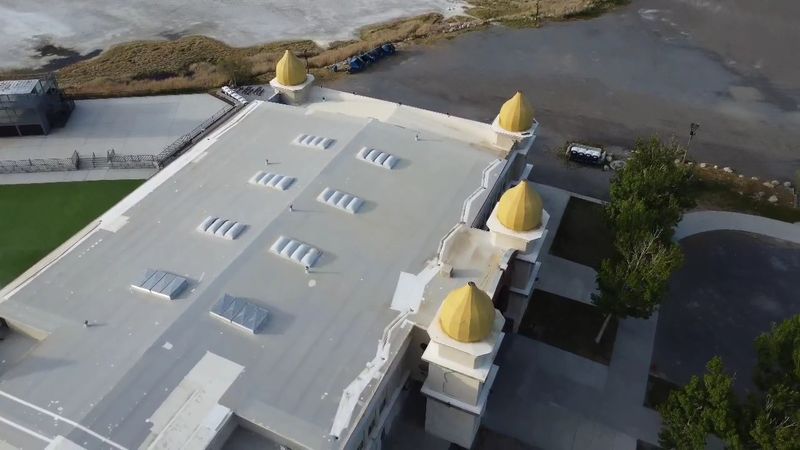
The version you see now comes from practical thinking. Use a sturdy structure, keep the lines clean, and make it work with the landscape.
The result feels tough and simple in a good way.
From the lot, the building sits like a ship close to shore. It has presence without shouting, and the hangar bones make perfect sense out here.
Utah design can be plainspoken, and this fits. Function first, then let the setting add drama, the sky does most of the decorating.
Inside, the shape gives sound room to move. You feel it in your chest when the bass hits.
I like how the space is honest about what it does best.
Being a little west of the original site gives it elbow room. It can breathe when the lake changes mood.
If you like clean geometry, this is definitely your stop.
Park, step out, and look back at the Wasatch. Then face the water line and let the openness reset your pace.
It is a simple ritual that works really well.
Flooding Hit Soon After

Nature likes a plot twist. After the rebuild, the lake rose and reminded everyone who runs the schedule.
Water came close, then later pulled away again.
It is a Utah thing to plan twice and still be surprised. Shorelines redraw themselves, and maps learn humility; the building learned to wait it out.
Standing on the steps, you can picture the water line like a memory ring: today dry, tomorrow glimmering. It keeps you respectful and flexible.
I appreciate how the venue rolls with it. Adjust, maintain, then open the doors when it works; that steady rhythm keeps the story moving.
Guests do not mind the unpredictability much. The changing backdrop is part of the charm, and every visit feels a little new.
When clouds stack over the lake, the light gets dramatic, and reflections appear in puddles like quick mirrors. I like how photographers have a field day without trying.
Out here, patience pays off, so wait a beat, check the sky, and take another look. The landscape never tells the same joke twice.
It Turned Into A Concert Venue
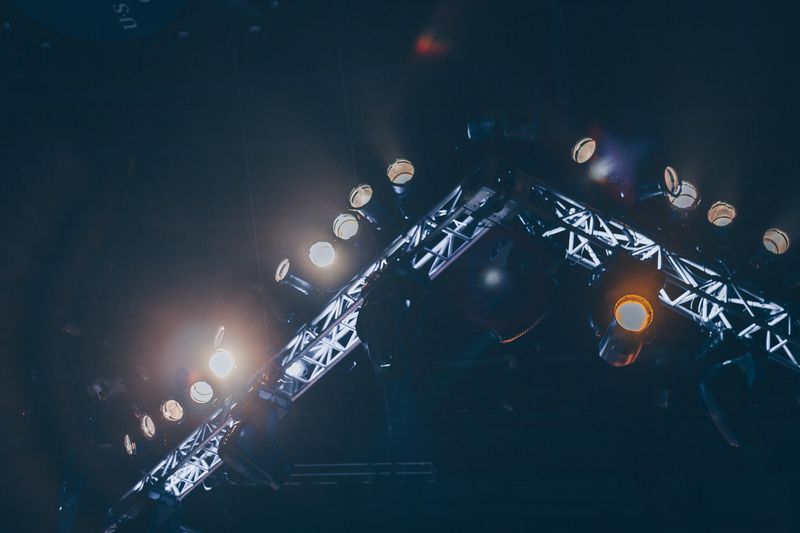
These days the mission is clear. The Saltair is a place to hear music, feel bass in your shoes, and watch lights dance across steel.
It is straightforward and fun.
When you walk in, you know what the night wants to be. Find your spot, check the sound, and get comfortable.
I feel like the setup is built for movement and mood.
Crowds here bring a friendly energy, people make space and share the view. It is social without being pushy.
I like drifting between the back and the side rails. You get different angles on the stage and the room, it keeps the experience fresh.
The lake sits out there like a quiet neighbor. After the show, stepping into the cool air feels great, and the drive back always seems shorter.
Nothing pretends to be a theme park here. It is music first, clean and focused, and that clarity feels good in a world of distractions.
If you have been curious, just go once.
Let the sound test your balance. You might end up planning the next trip before you leave.
The Pilings Still Tell The Story
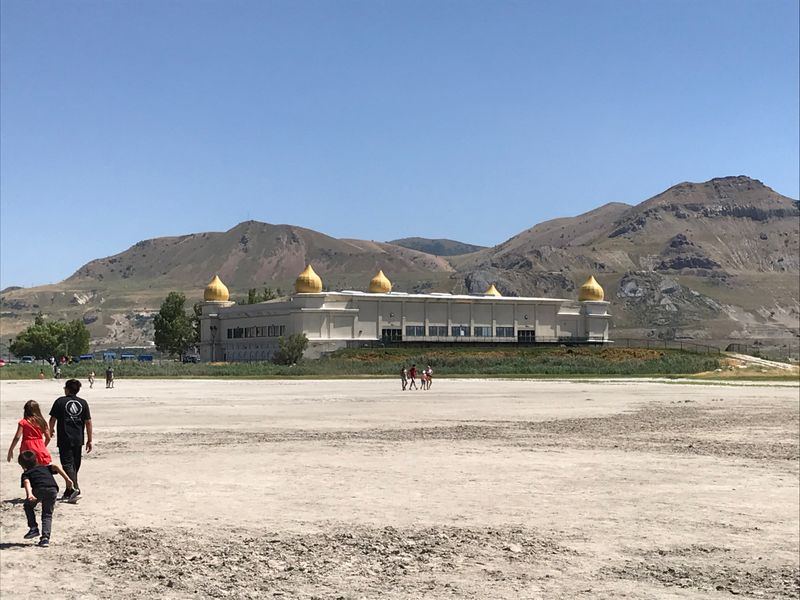
Out beyond the current building, remnants still rise from the flats, and weathered pilings line up like a memory stuck on repeat. They point toward a shoreline that moved off.
I like walking out to them when the ground is firm. Each post feels like a chapter marker you can touch.
Utah light makes everything look graphic. Long shadows wrap the sticks and stretch forever, and photographers love that clean geometry.
When you turn back, The Saltair sits steady against the sky. I feel like the distance helps connect the past and the present.
It is a short hike that says a lot.
Those pilings once held weight and laughter, and now they hold stories about change and staying power.
If you visit with friends, talk quietly and just look. The place asks for that kind of attention.
On the way to the car, the building feels newer again.
I think that landmarks do that when you understand their roots. A simple row of wood can teach plenty.
Movies Locked In The Mood

Film crews found this place and never really left in spirit. The look is that strong, one appearance onscreen sealed a certain feeling in people’s minds.
The angles help: low lines, big sky, and a lonely shoreline make an instant atmosphere. Even a quiet day reads like a scene about to start.
When I visit, I catch myself framing shots with my eyes. Corners of the building, a sliver of lake, tracks across salt; it is simple and striking.
Movie history adds a soft echo during walks. You are not recreating scenes, just noticing why they chose it.
The landscape explains itself without words.
Stand still and listen for a minute. The wind works like a sound designer, and everything feels intentional even when nothing is happening.
Leaving, the parking lot feels like a wrap moment, then you promise to come back with friends.
Dear Reader: This page may contain affiliate links which may earn a commission if you click through and make a purchase. Our independent journalism is not influenced by any advertiser or commercial initiative unless it is clearly marked as sponsored content. As travel products change, please be sure to reconfirm all details and stay up to date with current events to ensure a safe and successful trip.
