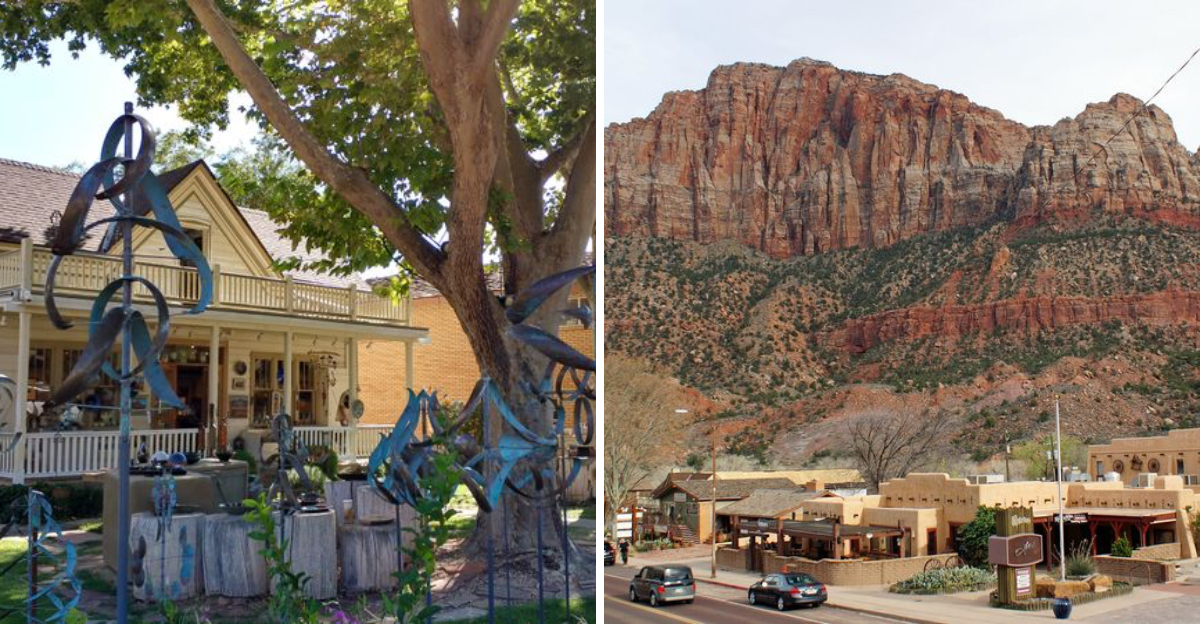
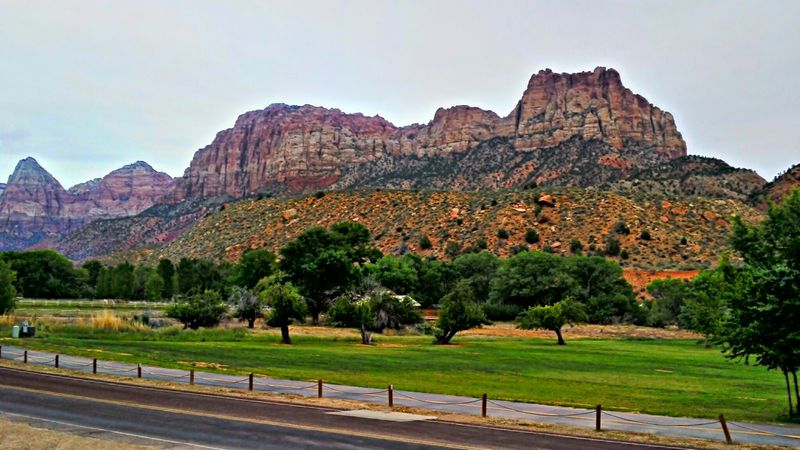
Springdale sits at the edge of one of the most breathtaking landscapes in the American West, tucked between towering red rock cliffs and the Virgin River.
Many visitors stumble upon this small Utah town while making their way to Zion National Park, only to discover a thriving community of artists, galleries, and creative souls who call this remote corner home.
What started as a Mormon farming settlement in the 1860s has transformed into an unexpected cultural haven where painters, sculptors, and artisans find endless inspiration in the dramatic desert scenery surrounding them.
A Town Born from Frontier Determination
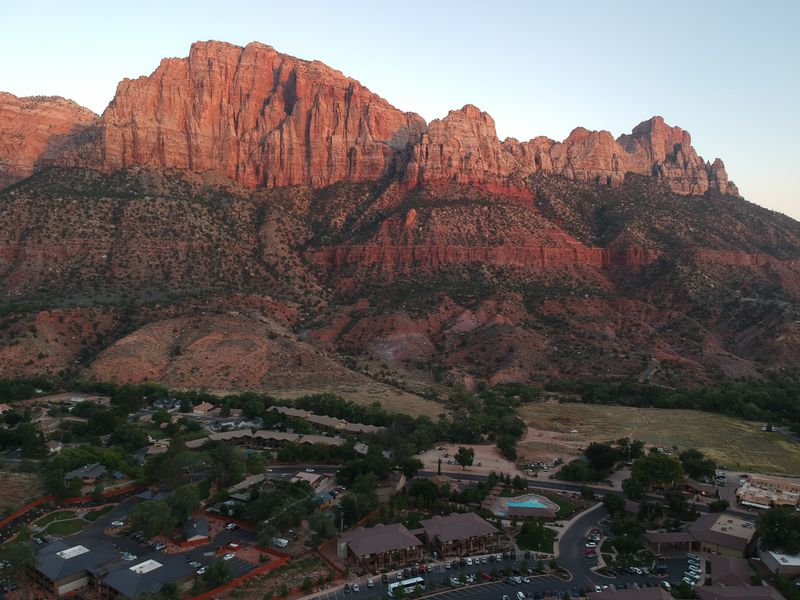
Springdale began in 1862 when Mormon settlers fleeing floodwaters from nearby Northrop sought higher ground along the Virgin River.
These pioneers carved out farms and orchards in the shadow of massive sandstone cliffs, building irrigation systems that still function today.
The town remained isolated for decades, accessible only by rough wagon trails that wound through narrow canyons.
Families raised cattle, grew fruit trees, and built modest homes from local stone and timber.
Life revolved around agriculture and the tight-knit community that gathered in the small church at the town center.
When Zion National Park was established in 1919, Springdale’s role began shifting from farming outpost to gateway community.
The original settlers never imagined their remote homestead would one day attract artists from around the world.
Many of the historic buildings still stand along the main road, their weathered facades telling stories of hardship and perseverance.
The town cemetery holds generations of families who worked this unforgiving land.
Old photographs in local museums show dirt streets and simple structures that contrast sharply with today’s galleries and studios.
Yet the spirit of those early residents lives on in the community’s determination to preserve its character despite growing tourism pressures.
Walking through Springdale today, you can still sense the pioneer grit that built this place.
The landscape that challenged those first settlers now inspires a different kind of creation, one expressed through paint, sculpture, and photography rather than plows and irrigation ditches.
Where Red Rock Meets Creative Vision
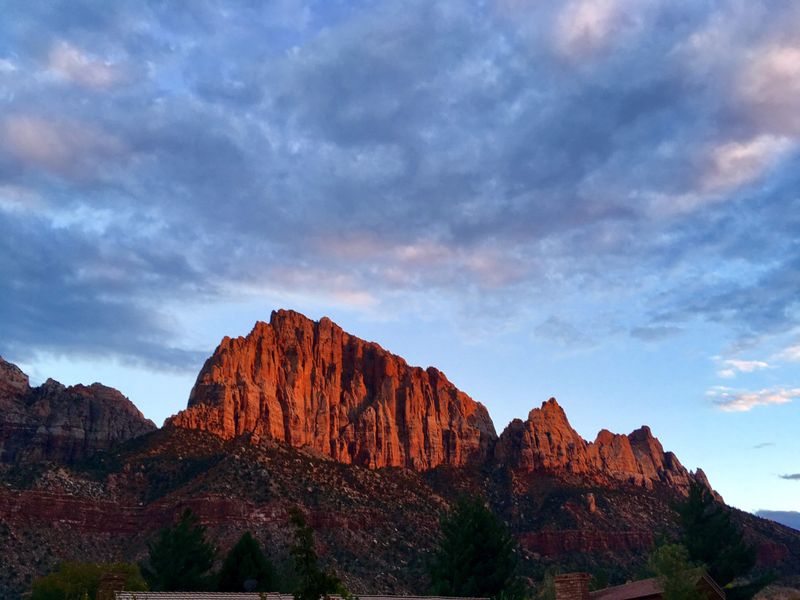
The landscape surrounding Springdale functions as a constant muse for artists who settle here.
Towering cliffs glow in shades of crimson, orange, and cream as sunlight shifts throughout the day.
These dramatic color changes create an ever-evolving palette that painters attempt to capture on canvas.
Sculptors find inspiration in the organic curves and sharp angles of wind-carved stone formations.
Photographers rise before dawn to catch the first light hitting the Watchman, a massive peak that dominates the eastern skyline.
The Virgin River adds movement and sound to the visual feast, its waters reflecting canyon walls and cottonwood trees.
Desert vegetation punctuates the red earth with unexpected bursts of green and seasonal wildflowers.
Some artists focus on grand panoramas while others zoom in on tiny details like lichen patterns on sandstone or the texture of dried mud.
The quality of light in southern Utah differs from anywhere else, crisp and clear with minimal humidity to soften edges.
Shadows fall dramatically across canyon walls, creating natural compositions that change by the hour.
Many galleries in town display landscapes that visitors recognize from their own hikes and explorations.
Yet each artist interprets the scenery through their unique vision, some realistic and others abstract.
The landscape never grows stale because weather, seasons, and time of day constantly transform the view.
Artists who arrive planning a short stay often find themselves extending their visit indefinitely, unable to tear themselves away from the visual richness.
Gallery Row Along the Canyon Corridor
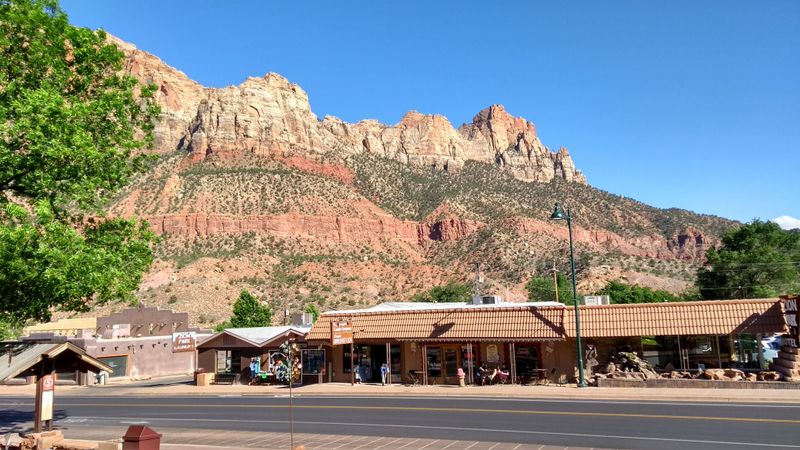
Springdale’s main street functions as an informal gallery district where art spaces occupy storefronts between cafes and outdoor shops.
Unlike urban gallery neighborhoods, these spaces maintain a casual, welcoming atmosphere without pretension.
Visitors can wander in wearing hiking boots and dusty trail clothes without feeling out of place.
Many galleries feature local artists who live and work in the Springdale area.
You’ll find paintings, photography, jewelry, pottery, and mixed media pieces inspired by the surrounding landscape.
Some artists work in traditional Western styles while others take contemporary approaches to desert themes.
Gallery owners often know the artists personally and can share stories about specific pieces and creative processes.
Prices range from affordable prints and small items to serious investment pieces for collectors.
Several spaces host rotating exhibitions that change throughout the year, giving repeat visitors fresh work to discover.
The town’s compact size means you can visit every gallery in a single afternoon stroll.
Window displays change with the seasons, featuring holiday themes or works that reflect current exhibitions inside.
Some galleries occupy historic buildings with original stone walls and wooden beams that add character to the viewing experience.
Artists occasionally staff their own galleries, offering visitors the chance to meet creators and ask questions about techniques and inspiration.
The informal gallery scene feels worlds away from the hushed, intimidating atmosphere of big-city art districts, making art accessible to travelers who might normally skip such stops.
Studios Hidden in Unexpected Places
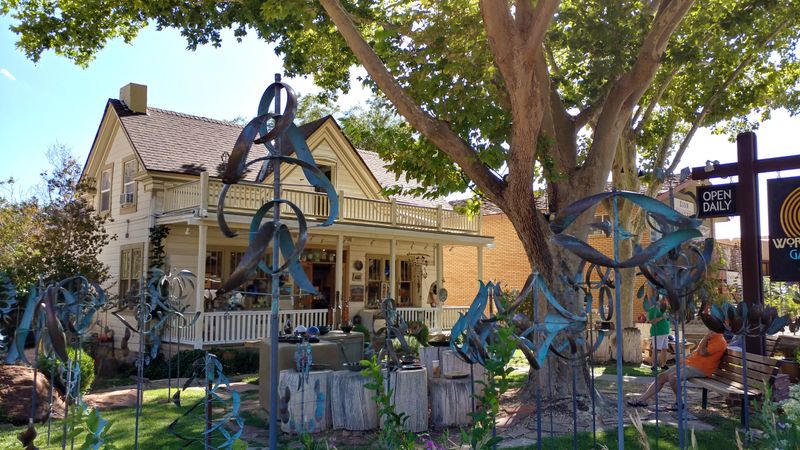
Beyond the visible galleries, artist studios occupy converted barns, garage spaces, and small houses tucked along side streets.
Many artists prefer working in private spaces away from tourist foot traffic.
Some welcome visitors by appointment, offering intimate glimpses into creative processes and works in progress.
These studio visits provide a different experience than gallery browsing, with conversations flowing naturally as artists explain their methods and materials.
You might watch a potter throwing clay or a painter mixing custom colors to match a remembered sunset.
The casual setting encourages questions and deeper engagement with the artwork.
Several artists maintain both private studios and gallery presence, using their workspaces for creation and public spaces for sales.
Studio architecture varies wildly, from purpose-built spaces with north-facing windows to improvised setups in repurposed buildings.
Some artists work outdoors when weather permits, setting up easels in yards or on porches.
The town’s small size means artists form a close community, often collaborating or sharing resources.
You might discover a jewelry maker working next door to a landscape photographer, each pursuing their craft independently yet aware of their neighbors’ projects.
Studio tours during special events offer rare access to these normally private spaces.
The experience of seeing artwork in the space where it was created adds context and meaning that gallery viewing cannot match.
Artists often display experimental pieces or works not ready for public sale, giving visitors a fuller picture of their creative range and development.
The Park Service Connection
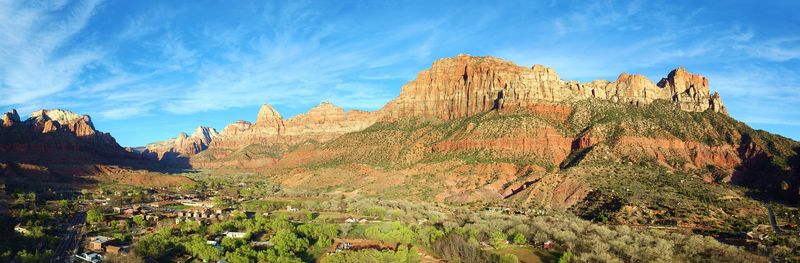
Springdale’s artistic identity connects deeply to its role as gateway to Zion National Park.
Artists who visit the park often find themselves drawn back repeatedly until they eventually relocate to Springdale permanently.
The proximity allows unlimited access to hiking trails and viewpoints that serve as outdoor studios.
Many artists maintain annual park passes and visit specific locations throughout the year to document seasonal changes.
The relationship between art community and park service remains generally positive, with artists respecting regulations while pursuing their work.
Some participate in the National Park Service artist-in-residence programs, spending weeks living and working within park boundaries.
These residencies result in new work that interprets the landscape through fresh perspectives.
Park rangers sometimes recommend local galleries to visitors seeking mementos more meaningful than typical souvenirs.
The artistic community benefits from the steady stream of park visitors passing through town.
Many travelers arrive focused solely on hiking and camping, only to discover the gallery scene by happy accident.
A morning hike might be followed by an afternoon browsing paintings of the very trails just explored.
This creates a unique synergy where the landscape experience and artistic interpretation reinforce each other.
Artists contribute to the park experience by helping visitors see details and beauty they might otherwise overlook.
The park, in turn, provides endless subject matter and attracts the audience that keeps galleries viable in such a remote location.
Desert Light and Shadow Studies
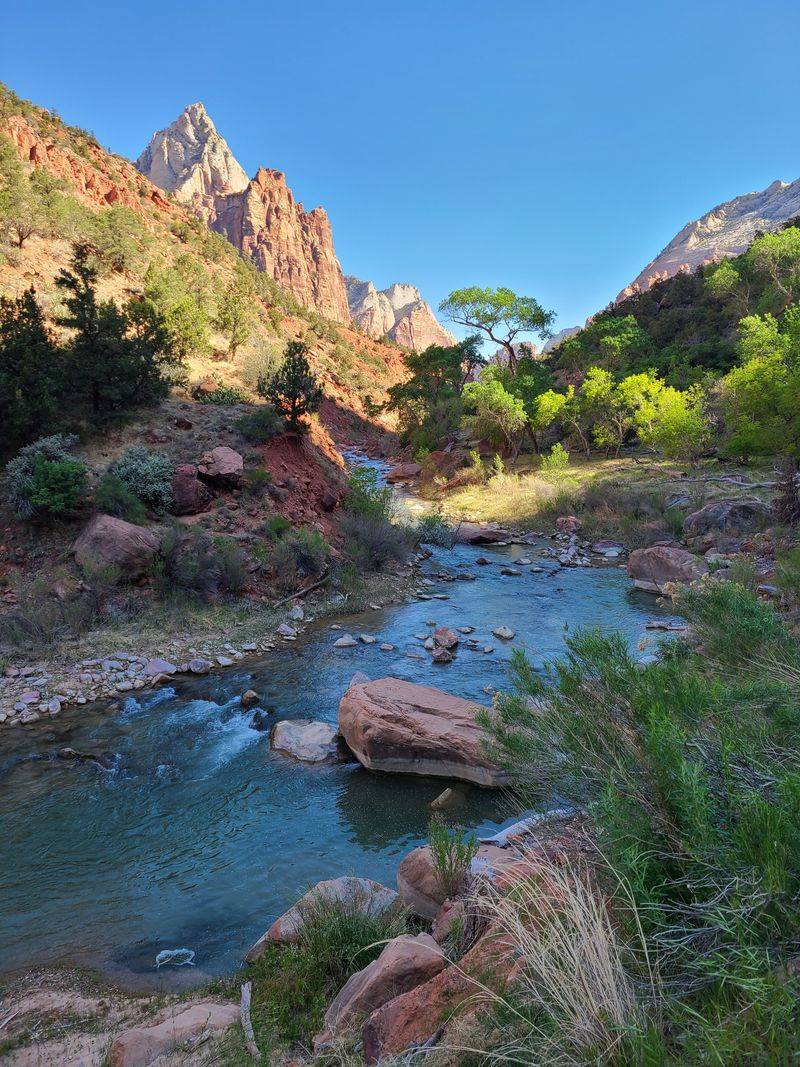
Photographers flock to Springdale specifically for the quality and behavior of light in this high-desert environment.
The elevation and dry air create exceptional clarity that renders distant features with unusual sharpness.
Morning light arrives gradually, first touching the highest peaks before descending into the valley.
This progression offers constantly changing opportunities for capturing the landscape in different moods.
Evening light reverses the process, retreating up canyon walls as shadows fill the valley floor.
The brief periods of golden hour light become almost competitive as photographers jostle for prime positions.
Storm light adds drama when clouds break to allow shafts of sun to spotlight specific formations.
Snow occasionally dusts the high cliffs, creating striking contrasts against red rock that photographers eagerly document.
Many artists focus specifically on shadow patterns, finding abstract beauty in the shapes cast across canyon walls.
The interplay between light and shadow reveals textures and dimensions invisible in flat midday sun.
Some photographers return to the same locations repeatedly, building portfolios that document how light transforms familiar scenes.
Gallery walls display these studies, often grouped to show progression through a single day or across seasons.
Visitors who’ve never considered light as a subject find themselves newly aware of its importance after viewing these collections.
The desert becomes a classroom where nature teaches lessons about observation, patience, and timing that apply far beyond photography.
Community Gatherings and Art Events
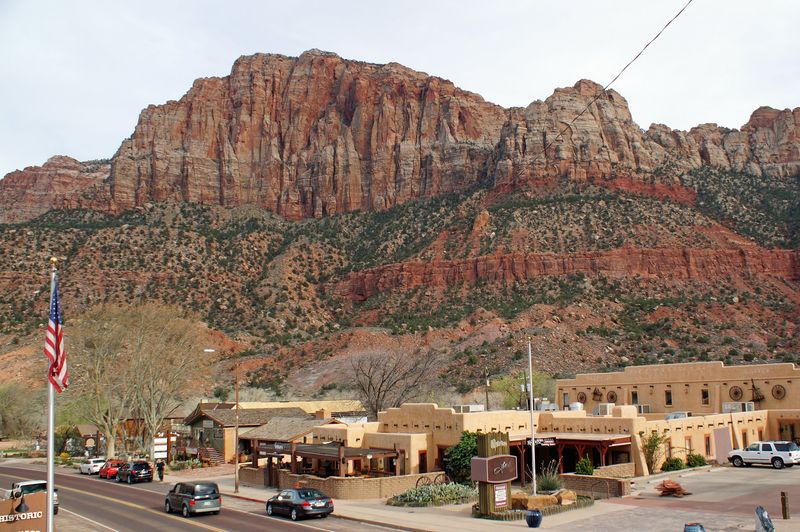
Despite its small population, Springdale maintains an active cultural calendar that brings artists and visitors together.
Gallery walks occur on select evenings when multiple venues stay open late and coordinate new exhibition openings.
These events take on a festive atmosphere with refreshments, live music, and artists present to discuss their work.
The informal gatherings allow locals and travelers to mingle in ways that don’t happen during typical daytime gallery visits.
Seasonal festivals celebrate specific themes or mediums, sometimes featuring demonstrations and hands-on activities.
Plein air painting events challenge artists to create finished works outdoors within time limits.
Spectators can watch multiple artists interpreting the same scene in vastly different styles and techniques.
The town’s compact geography means event attendees can easily move between venues on foot.
Community support for the arts runs deep, with longtime residents attending openings alongside newcomers and tourists.
This mixing of audiences creates an inclusive atmosphere rare in art communities that sometimes feel cliquish or exclusive.
Local restaurants and lodgings often display artwork on consignment, extending the gallery experience throughout town.
Art becomes woven into daily life rather than confined to dedicated viewing spaces.
The events calendar provides structure to the artistic community while offering visitors unexpected cultural experiences in what they might have assumed was purely an outdoor recreation destination.
Many travelers time return visits to coincide with favorite annual events.
Living the Artist Life in a Remote Corner
Artists who choose Springdale as home base make deliberate trade-offs between isolation and inspiration.
The town’s remote location means limited access to art supply stores, requiring careful planning and bulk ordering.
Yet this inconvenience pales against the daily reward of living surrounded by the landscape that fuels their work.
Housing options remain limited, with many artists renting rooms or small cottages rather than owning property.
The cost of living reflects the tourist economy, making year-round residence challenging for those depending solely on art sales.
Some supplement income with seasonal work in hospitality or park-related businesses.
Others teach workshops or offer private lessons to visitors interested in learning photography or painting techniques.
The small community means artists know each other well, creating both support network and occasional creative tension.
Winters bring quieter months when tourist traffic slows and artists can focus intensively on new work.
This seasonal rhythm suits creative types who appreciate periods of solitude between busier selling seasons.
The lack of urban distractions becomes an asset rather than a limitation for those committed to their practice.
Artists develop deep relationships with the landscape through daily exposure and exploration.
They notice subtle changes that casual visitors miss, like the exact week when cottonwoods reach peak autumn color or how monsoon patterns shift from year to year.
This intimate knowledge infuses their work with authenticity that resonates with viewers seeking genuine connection to place.
Dear Reader: This page may contain affiliate links which may earn a commission if you click through and make a purchase. Our independent journalism is not influenced by any advertiser or commercial initiative unless it is clearly marked as sponsored content. As travel products change, please be sure to reconfirm all details and stay up to date with current events to ensure a safe and successful trip.
