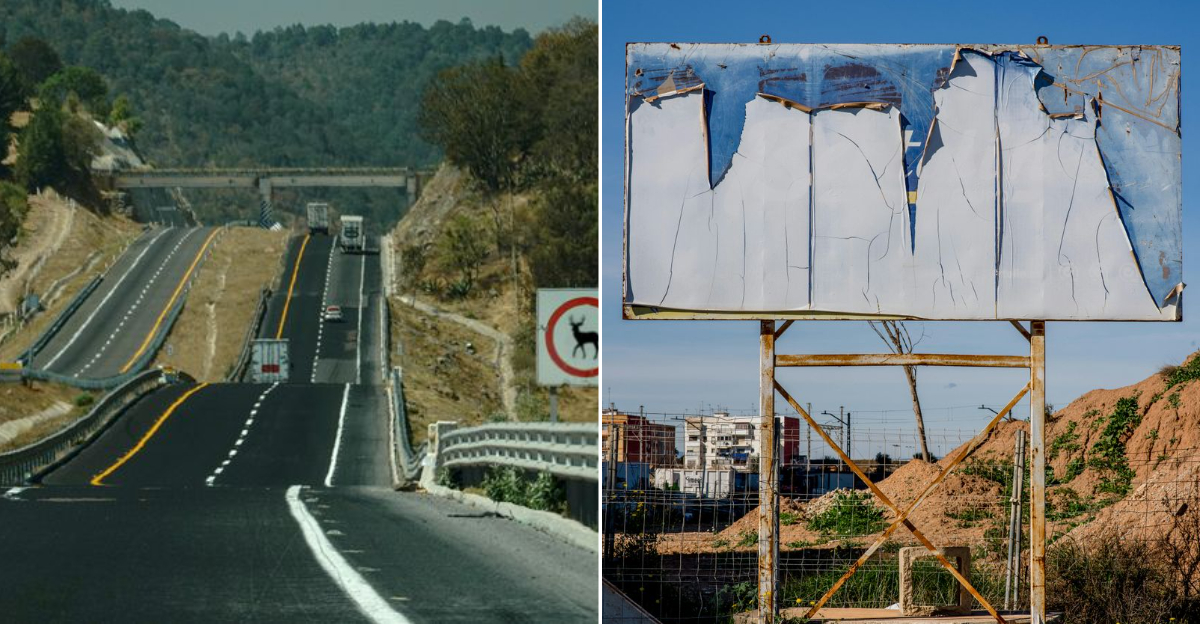
Ever notice how the second you cross into Vermont, the highway suddenly looks calmer? That is not luck, it is policy, because Vermont banned most off-premise outdoor advertising, which is why the roadside stays weirdly clean compared to states that let billboards shout nonstop.
The result is instantly noticeable, with more trees, more open views, and fewer giant ads trying to hijack your attention every ten seconds. The ban dates back to 1968, and Vermont became one of the handful of states that went all-in on billboard prohibition rather than just limiting size and spacing.
It also means towns lean on other ways to guide travelers, like official directional signage, so the scenery stays the headline instead of the marketing. You end up noticing the landscape more, and your drive feels less like a scrolling feed and more like an actual road trip.
By the time you leave the state, the return of billboard clutter can feel almost loud, like your eyes forgot what it was like to be sold to every mile.
The “No Billboards” Rule Is Real, And It’s Written Into Vermont Law
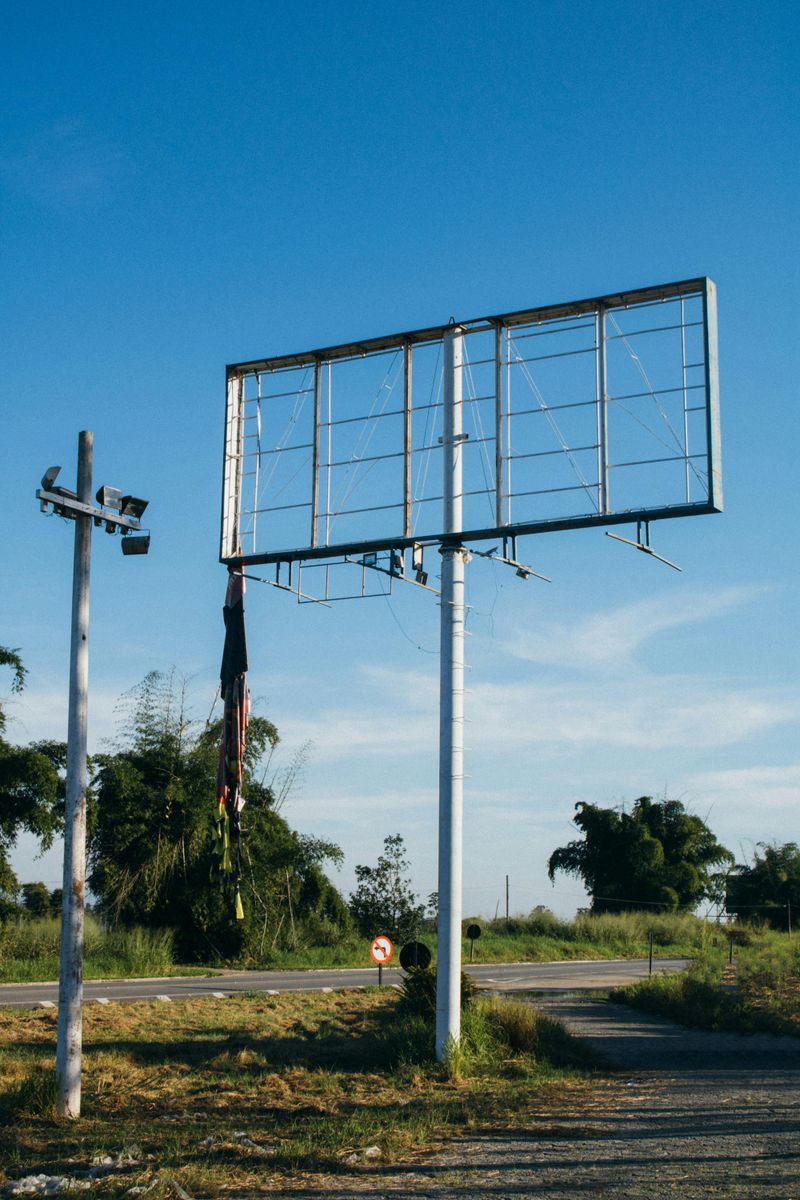
You hear people say Vermont banned billboards, and it sounds like one of those road myths until you start driving and realize the view is wide open. There are no giant ads stacking up over the treeline, and your eyes stop scanning for offers and start noticing mountains.
It feels like someone cleared the noise off a shelf so the good stuff could sit where you can see it.
This is not a handshake agreement or a polite suggestion, because the rule is baked right into state law. The point is simple enough, which is to keep the scenery from getting crowded by signs that compete with the roads and hills.
You end up reading the land instead of reading promotions, and that shift puts the whole trip on a calmer rhythm.
If you are used to other states, your brain keeps waiting for a billboard to pop up around a bend. It never does, and the quiet starts to feel normal in a surprisingly quick way.
By the time you reach another border, you will notice the change the second a big ad reappears.
What The Law Actually Bans: Outdoor Advertising Visible To Travelers
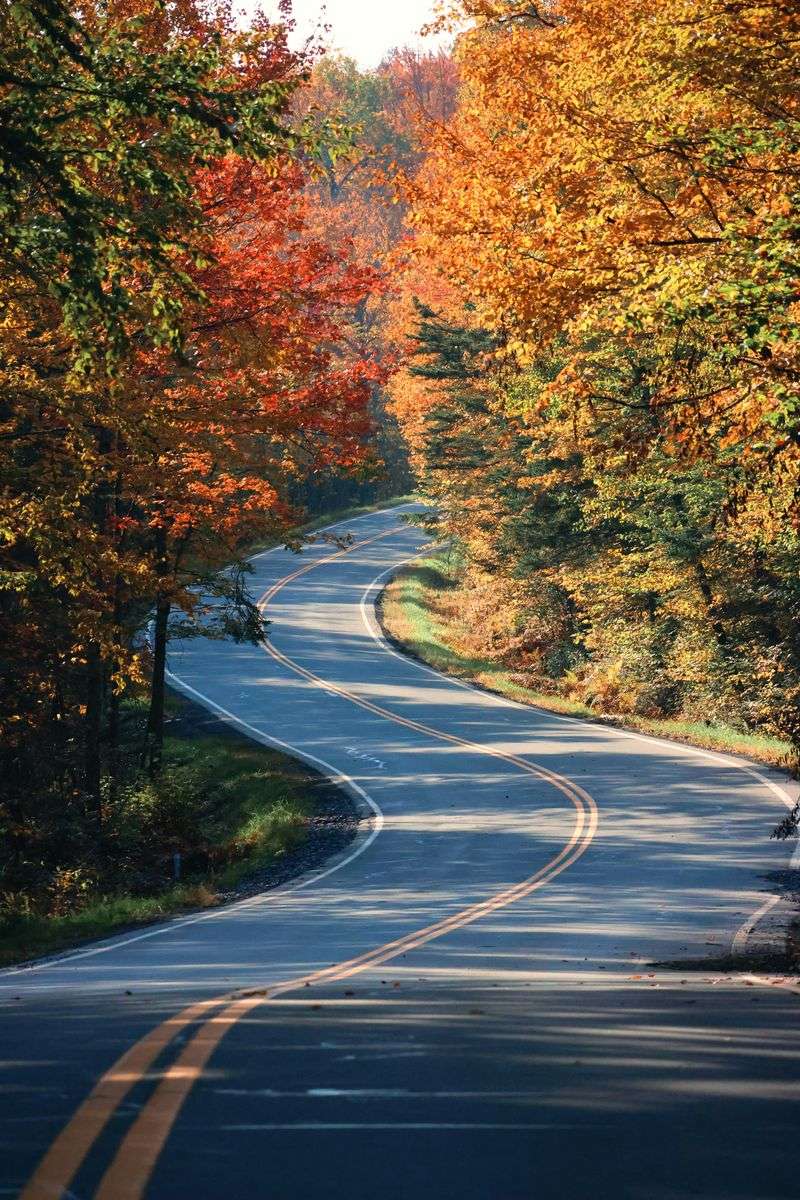
Here is the heart of it, because the law targets outdoor advertising that is meant to catch the eye of people traveling the public right of way. If a sign sits off the property of the business and tries to pull you from the highway, that is where Vermont draws the line.
The goal is to stop big off-premise ads from turning the drive into a rolling sales pitch.
On-premise signs are a different deal, since they belong to a location and identify what is right there. Think a small inn sign or a farmstand marker, which helps you find the place without turning the hills into a billboard farm.
The distinction keeps navigation practical while protecting the broader view that makes the state feel roomy.
You can still get directions, because official systems handle that with uniform markers and limits. What you do not get is a stack of loud panels hovering over the trees just to sell something down the road.
When the law says visible to travelers, it means the stuff you would catch from a car window, which is exactly where clutter grows fast.
Why Vermont Did It In 1968: Keeping Highway Views Uncluttered
The reasoning is pretty down to earth, which is that the landscape is the main attraction and clutter chips away at it one panel at a time. Vermont looked at its roads and decided the view should not be negotiated every mile.
You can feel that choice, because the whole drive reads like a long, steady sentence instead of a crowd of interruptions.
There was also a sense that tourism is stronger when the place looks like itself and not a delivery system for ads. Clean highways make the mountains feel taller, the farms feel older, and the towns feel like they belong to the land.
When the horizon stays simple, it gives your attention room to stretch, and you remember the way the light hits a ridge.
People sometimes ask if the ban makes traveling harder, and the real answer is that it makes traveling calmer. You navigate with your map, your instincts, and the official systems that point to services without shouting.
The quiet is not fancy, but it turns a long drive into something you actually enjoy.
The Big Exception List That Still Allows Certain Sign Types
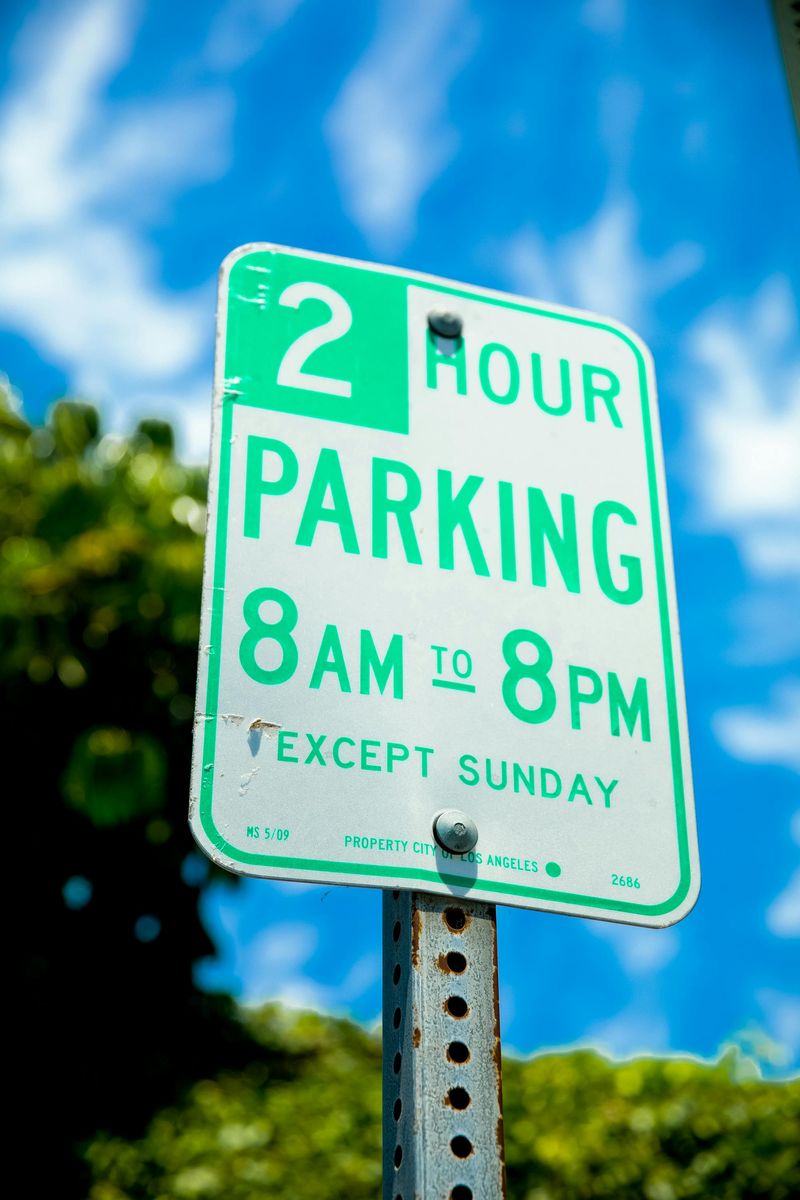
It is not a total blackout on every piece of text along the road, because the law carves out categories that make travel work. On-premise signs can identify a business right where it stands, and there are official markers that guide you without turning the sky into a catalog.
Temporary notices for safety or road work are obviously allowed, which keeps the practical stuff rolling.
Civic and directional signs show up in measured ways, and historical markers do their quiet storytelling on the shoulder. Transit stops may carry basic information, and public service notices have a lane too.
The trick is that these exceptions are bounded by size, placement, and purpose, which keeps the visual volume low even when messages are necessary.
You will notice that anything off-premise and promotional is where the door stays shut. That is the hinge the whole system swings on, because it protects the long view while letting essential messages through.
The result is a network that still communicates what you need to know, yet holds the line on clutter so Vermont keeps that steady, open look.
Official Business Directional Signs: The “Blue Sign” System People Notice
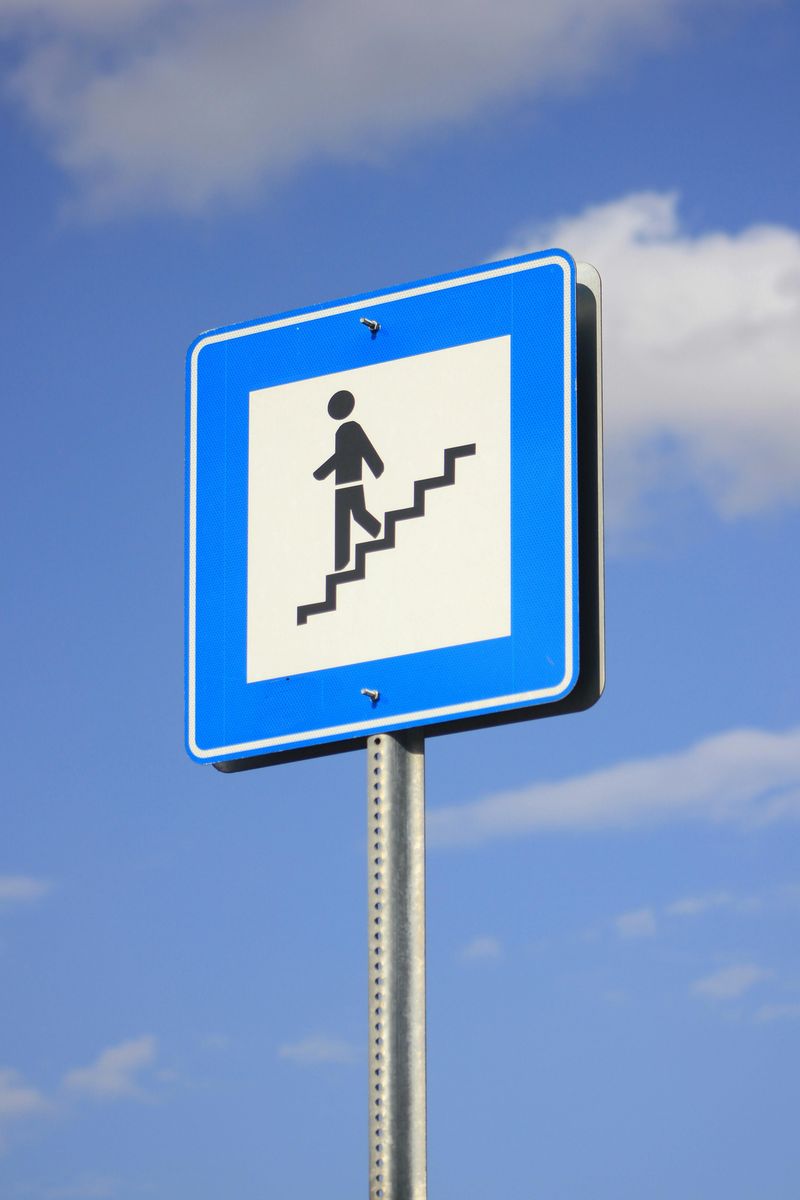
Those neat blue panels you spot near junctions are the state’s way of saying we can help without shouting. They are Official Business Directional Signs, and they put names and arrows in predictable places so you can find lodging, attractions, or services.
The design is consistent, the color is calm, and the whole setup fits the landscape.
Instead of towering sales boards, you get a tidy grid of choices right where a turn actually happens. That timing matters, because it keeps your eyes on the road and gives useful info at the exact moment you need it.
It is a quieter conversation, and it respects the look of Vermont while still moving travelers along.
If you miss a panel, there will be another chance at the next junction, since the system is woven into state and town routes. You start trusting it after a few drives, and the stress level drops because you know the guidance will be there without yelling.
Blue signs are the handshake between scenery and wayfinding, and they hold up their end.
Travel Information Council: The Group That Regulates What You See
Behind the roadside calm, there is a council that treats signs like part of the public view, which is exactly what they are. The Travel Information Council looks at proposals, checks the rules, and keeps the system consistent across highways and towns.
Think of it as a style guide for the horizon, with a very practical mission.
They coordinate with transportation folks and tourism staff so the messages you do see are useful, small, and in the right spot. That involves approvals, maintenance, and the kind of steady oversight you barely notice when it is working well.
The more even the rules, the less the landscape gets chipped away by one-off exceptions.
If you have ever wondered why Vermont looks tidy even at busy junctions, this is a big reason. The council acts like a filter that catches clutter before it reaches the shoulder.
You still find what you need, but the drama is gone, which is the whole point of a long drive in a place that values quiet scenery.
How Interstates And Primary Highways Fit Into The Bigger Sign-Control Story
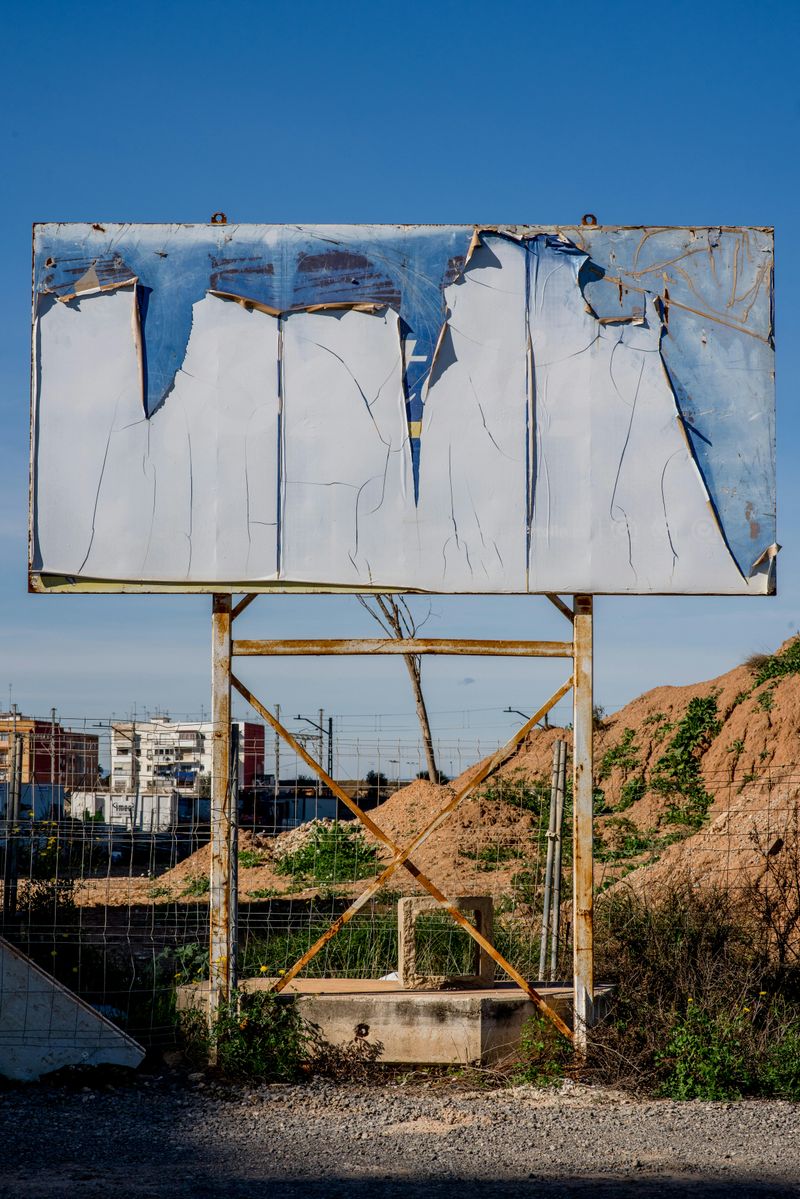
Big roads usually invite big ads, but in Vermont the interstates keep the same clean look you see on back roads. You get the standard green guides, the white shields, and the usual safety messages, yet none of the oversized panels selling something beyond the exit.
That consistency is the trick, because your brain stops adjusting between zones.
Primary highways follow the same playbook, so the view holds steady from ridge to valley. You settle into a rhythm where distance feels honest, and the mountains do not share space with giant prices and smiling mascots.
The difference sneaks up on you, and then it becomes the baseline you wish other drives followed.
Wayfinding still works because the official directional systems live near ramps and junctions where choices happen. You get names, arrows, and reassurance without the extra noise, which keeps traffic calmer and sightlines clean.
Vermont treats the whole network like one long scenic asset, and it shows every mile you cover.
How Businesses Still Get Found Without Billboards, Exits, Town Centers, And Approved Signs

Finding places still works, it just works in a calmer way that leans on exits, town centers, and those approved blue panels. On-premise signs pick up the task once you are close, and downtown streets do the rest with simple hanging markers.
You follow your map, spot the turn, and let the town show you where the action lives.
Locals rely on consistent wayfinding rather than roadside shouting, and that rhythm becomes second nature. You can pull into a village green, park once, and walk a few blocks to see what is around.
The whole thing feels more neighborly, because directions are woven into the layout instead of pasted over the sky.
If you worry about missing something, trust that the official system clusters information where it matters most. Intersections carry the arrows, centers carry the names, and gateways carry the welcome.
Vermont has chosen to be legible without being loud, and the net effect is that businesses still get found while the landscape stays itself.
The Clean-Highway Effect, Why The View Stays The Main Attraction
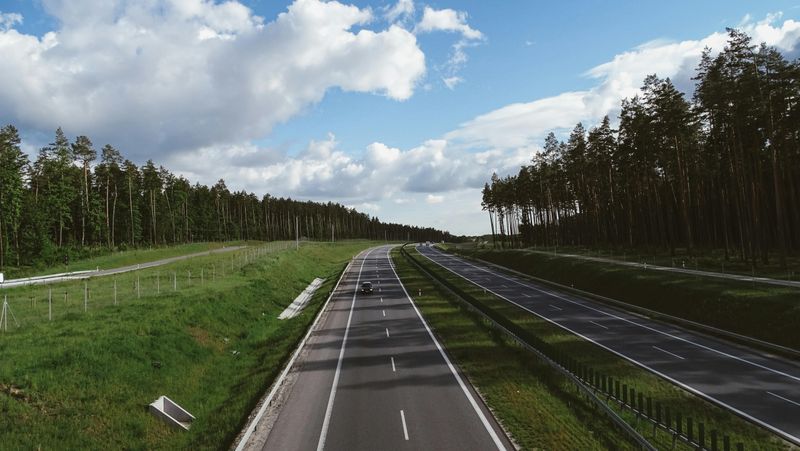
After a few drives, you start noticing how the quiet shoulder changes everything from conversation to how long you stare at a ridge. The highway turns into a slow frame for the scenery, and you begin collecting sights instead of slogans.
That is the clean-highway effect, and it sticks with you when you leave.
The air feels calmer because there is less visual tug on your eyes, which makes the mountains feel like they have more room. Towns slide into view without a wall of ads announcing them, and the first thing you see is usually a steeple or a row of houses.
Vermont shows up as Vermont, not as a backdrop for promotions.
It is not fancy, but it is intentional, and it makes the whole state read as one long parkway. If you want to reset your sense of distance and let your thoughts stretch, a Vermont drive is the nudge you need.
The roads hold the line, the views do the talking, and you arrive feeling like you actually traveled.
Dear Reader: This page may contain affiliate links which may earn a commission if you click through and make a purchase. Our independent journalism is not influenced by any advertiser or commercial initiative unless it is clearly marked as sponsored content. As travel products change, please be sure to reconfirm all details and stay up to date with current events to ensure a safe and successful trip.
