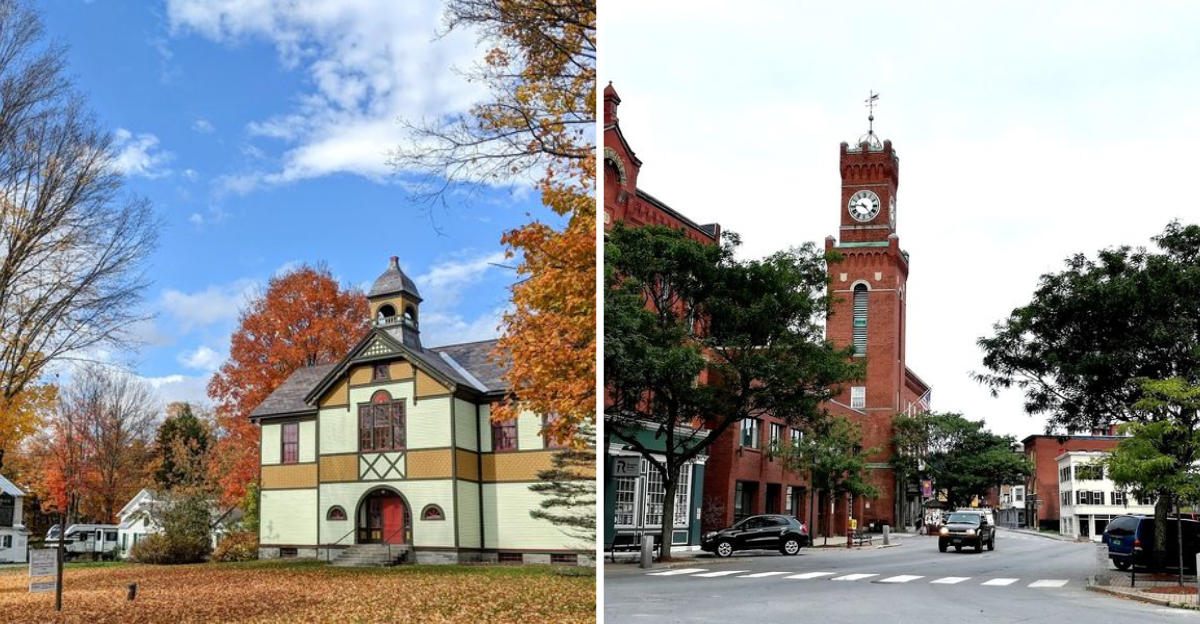
Vermont has a way of making time feel optional. Some corners of this state look so unchanged that you half expect to see a horse drawn cart rolling down the main street.
I have spent time wandering through small villages where the architecture, the pace, and even the quiet have a quality that modern life rarely offers. These eight villages are not museum pieces frozen behind glass. They are lived in, breathable, and completely worth exploring on your own terms.
One has petroglyphs carved by the Abenaki people thousands of years ago. Another was home to a farmer who proved no two snowflakes are alike.
A third sits on local marble that gives its buildings a distinctive look you will not find everywhere. Solo travel here feels less like sightseeing and more like genuinely slipping into a slower, richer world.
1. Vergennes
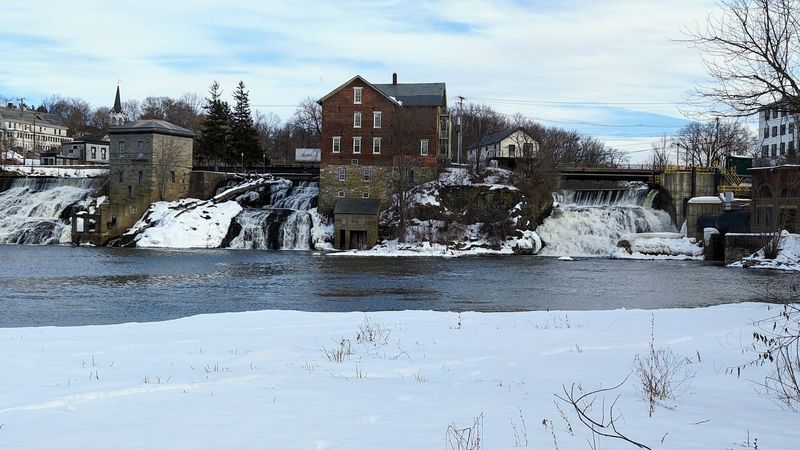
There is something oddly satisfying about discovering that the smallest city in the United States has more character per square foot than most places three times its size. Vergennes holds that title proudly, and the downtown core makes a strong case for why small can be extraordinary.
The brick storefronts along Main Street look like they have not changed their bones in well over a hundred years.
The city sits near Otter Creek and has a genuinely unhurried energy that solo travelers tend to appreciate. You can spend an afternoon just circling the compact downtown, reading plaques, peeking into shop windows, and watching locals go about their day without any tourist performance attached.
The 19th-century architecture is remarkably intact.
What makes Vergennes feel different from other historic spots is how normal it still is. People live and work here.
The past is not packaged for consumption but simply present, layered into the everyday fabric of the place. There is a small waterfall near the center of town that adds an almost cinematic backdrop to an already photogenic streetscape.
Come without a strict itinerary and let the city reveal itself at its own pace.
2. Bellows Falls
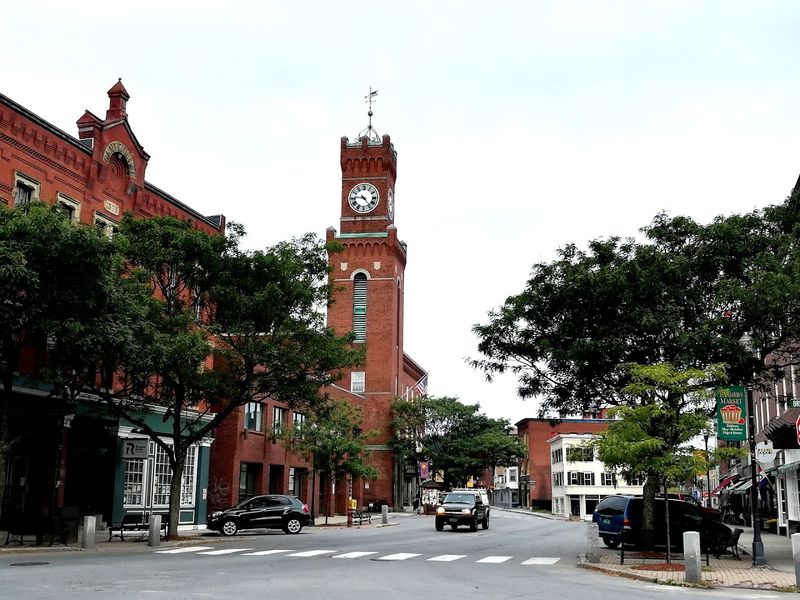
Bellows Falls carries the kind of gritty, lived-in history that feels more honest than polished. The village square has a raw, unvarnished quality that separates it from the more manicured corners of Vermont.
You get the sense that this place has been working hard for a very long time, and that history is visible in every weathered facade and cast-iron detail.
The Connecticut River runs close by, and petroglyphs carved by the Abenaki people thousands of years ago can still be seen near the riverbank. That alone makes Bellows Falls worth a deliberate visit.
Most people rush past without knowing those ancient carvings exist just steps from the road.
The village has seen waves of industrial energy and quieter periods, and both chapters have left marks. Old mill buildings and commercial blocks from the late 1800s line the streets, and the Bellows Falls Opera House still anchors the town square with undeniable presence.
For solo wanderers, this place rewards curiosity. The more you look, the more layers you find.
It is not a postcard village, and that is precisely what makes it memorable. Authentic places rarely need to advertise themselves.
3. Warren
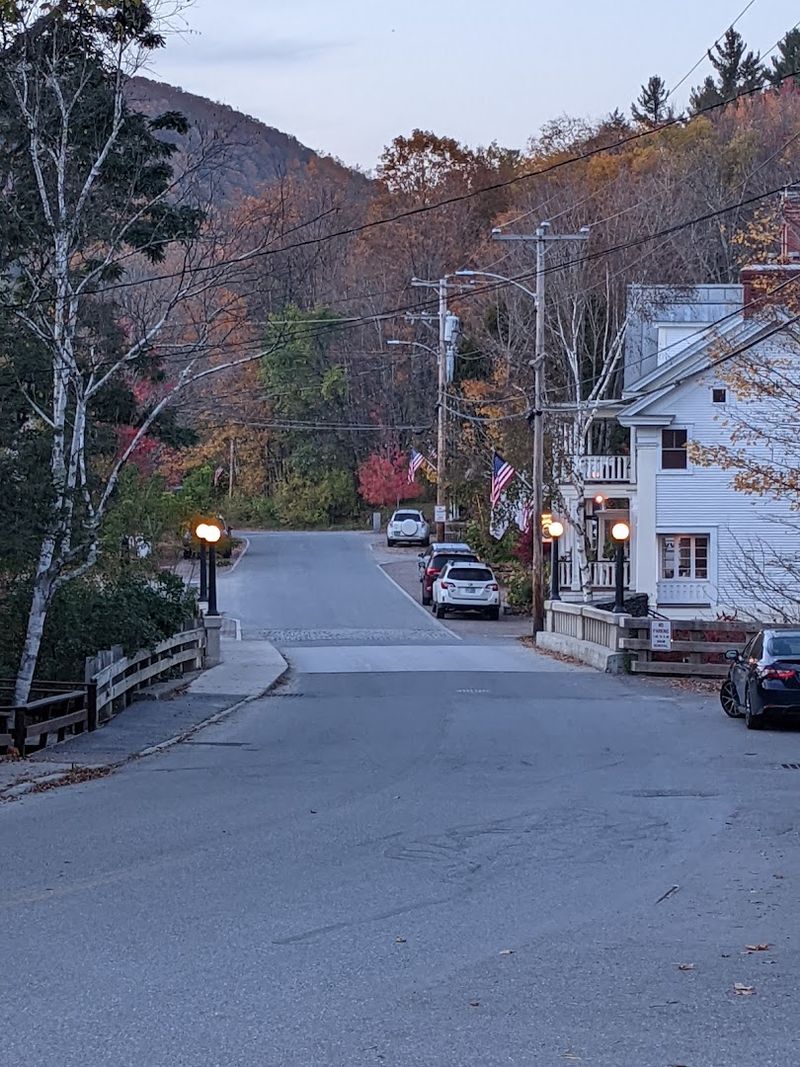
Warren is the kind of place that makes you slow the car down without meaning to. The village center is almost absurdly picturesque, with a covered bridge, a classic general store, and a creek running alongside the road in a way that feels too perfect to be accidental.
It sits tucked into the Mad River Valley, surrounded by hills that turn spectacular colors in autumn.
The Warren Store has been a gathering point for locals for generations, and stepping inside feels like a genuine time shift. The wooden floors creak, the shelves are packed with local goods, and the whole atmosphere suggests that some things are better left exactly as they are.
Solo travelers find this kind of place grounding in the best way.
Warren does not try to be a destination, and that restraint is its greatest charm. The village is small enough to explore on foot in under an hour, but the surrounding landscape invites much longer stays.
Hiking trails, swimming holes, and back roads fan out from the center, making it an ideal base for unhurried solo exploration. There is a quietness here that feels earned rather than manufactured, and that distinction matters more than most people realize.
4. Jericho
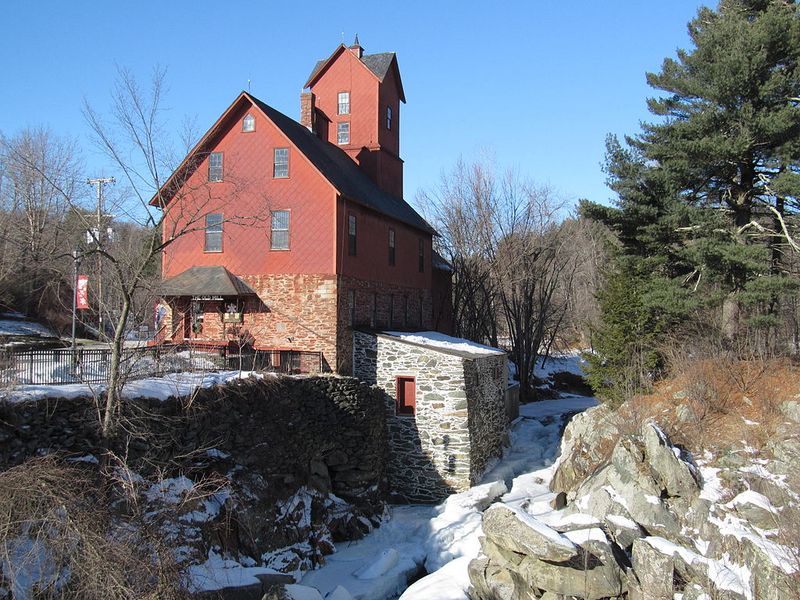
Most people associate Jericho with one remarkable name: Wilson Bentley, the farmer who spent his life photographing individual snowflakes and proved to the world that no two are alike. That legacy alone gives the village an unusual identity, equal parts scientific curiosity and deep Vermont rootedness.
The Old Red Mill where his work is celebrated still stands beside Browns River, and it is genuinely worth the stop.
The mill itself is a beautiful structure, all weathered wood and rushing water, framed by trees that put on an impressive show each fall. Inside, Bentley’s original photographs and equipment are on display, and the intimacy of the exhibit suits solo visitors perfectly.
You can take your time, read everything, and leave feeling like you actually learned something.
Beyond the mill, Jericho has the relaxed character of a small working community that has not been overly commercialized. The surrounding countryside opens up into farmland and forest roads that reward anyone willing to drive without a specific destination.
It is the kind of village that does not announce itself loudly but stays with you long after you leave. Quiet places have a way of doing that, and Jericho does it particularly well.
5. Williston
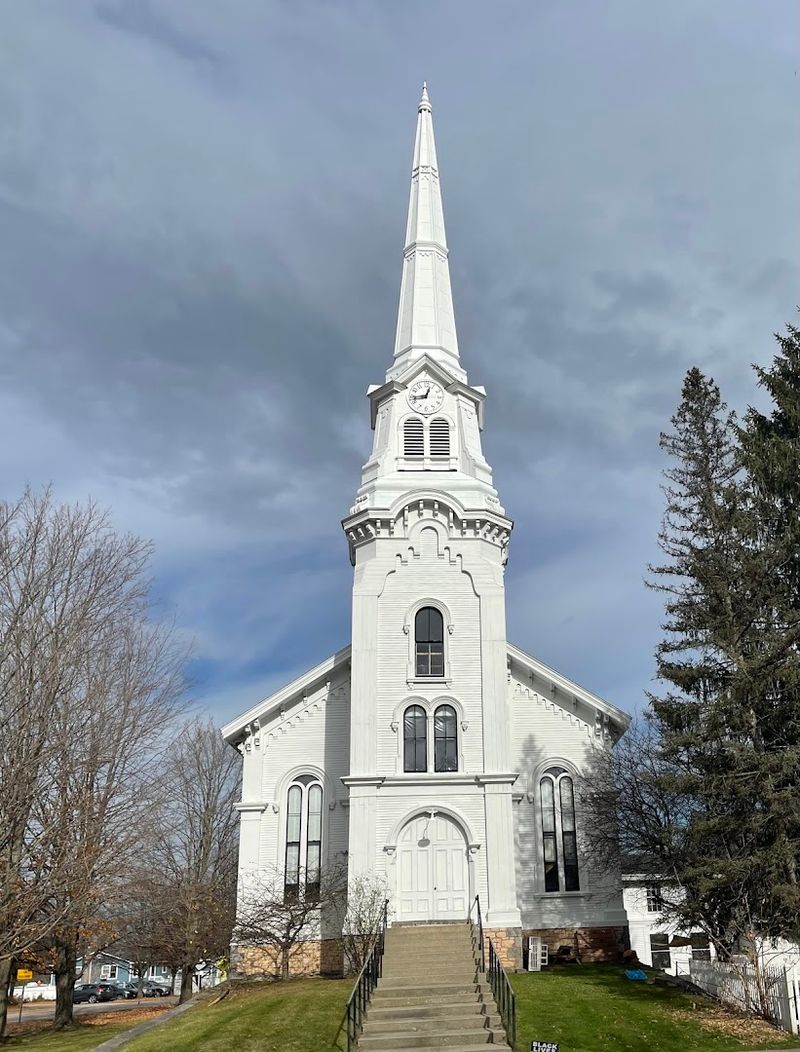
Williston sits close enough to Burlington that it could easily be overlooked as just another suburb, but the historic village center tells a completely different story. The old common, the white-steepled church, and the cluster of historic buildings around it form a scene that looks pulled from a 19th-century painting.
It is the kind of core that reminds you how much Vermont towns valued their gathering spaces long before anyone used the word community as a marketing term.
What I find interesting about Williston is the contrast between its busy commercial strip along Route 2 and the almost meditative calm of the historic village just a short distance away. Those two worlds coexist without much friction, and the older part of town holds its ground confidently.
The Williston Historical Society maintains a presence here, and local preservation efforts have kept the character remarkably intact.
For solo travelers, the village center offers a peaceful hour or two of wandering without crowds or admission fees. The surrounding landscape is gentle and green, and the pastoral views from the historic district feel genuinely restorative.
Sometimes the best travel discoveries are not far-flung or dramatic. Sometimes they are the quiet places hiding just off the highway that most people never think to turn toward.
6. Poultney
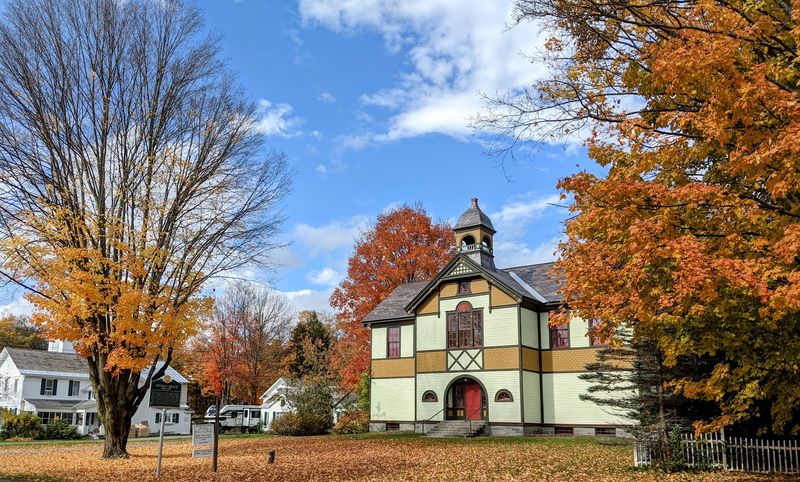
Poultney has a quietly impressive claim to fame: Horace Greeley, the famous newspaper editor who urged Americans to go west, grew up here. That connection to a larger American story gives the village an unexpected depth for something so small and unassuming.
The downtown is compact but full of well-preserved 19th-century architecture that holds up beautifully under close inspection.
Green Mountain College called Poultney home for many years, and that academic presence left behind a certain thoughtful energy that still lingers in the village character. The main street has the bones of a classic Vermont commercial district, and the surrounding countryside is the kind of rolling, slate-rich landscape that feels distinctly southwestern Vermont.
East Poultney, the older section of the village, is especially worth exploring on foot.
The historic district there includes a classic green, an old church, and homes that date back to the late 1700s. It is one of those spots where the phrase stepping back in time actually earns its use.
Solo wanderers will appreciate how unhurried the whole experience feels. Nobody is trying to sell you anything or direct you toward a specific attraction.
You simply walk, look, and absorb a place that has been quietly itself for a very long time.
7. Brandon
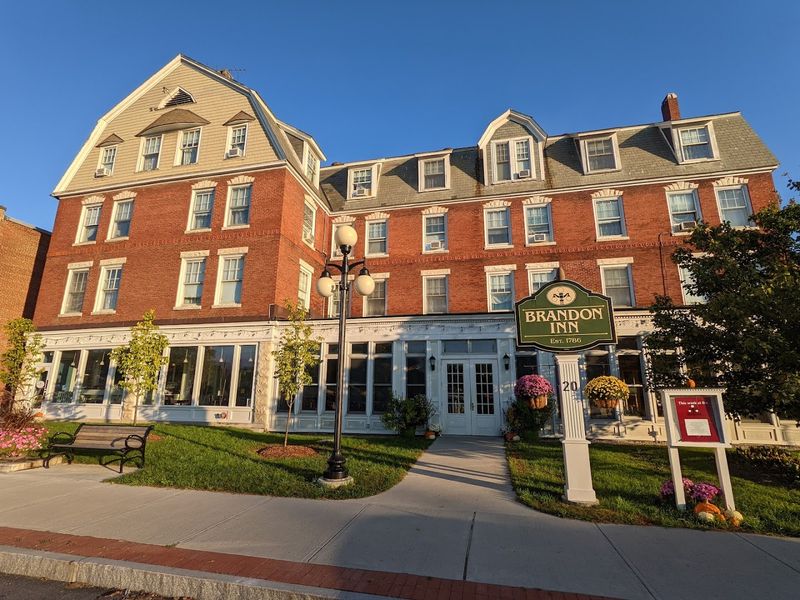
Brandon announces itself gently. The downtown is handsome without being showy, lined with well-maintained historic buildings that reflect a community genuinely proud of what it has preserved.
There is public art scattered through the village in a way that feels organic rather than curated, and that combination of history and creative energy gives Brandon a personality that is easy to like immediately.
The village is also the birthplace of Stephen A. Douglas, Abraham Lincoln’s famous political rival, which adds a layer of American history to an already interesting place.
A marker near the center of town notes this connection, and for history-minded solo travelers it is a small but satisfying discovery. Brandon has that quality of rewarding people who pay attention.
The surrounding area is rich with natural beauty, and the Neshobe River runs through town with enough presence to be noticed. Local shops and eateries occupy historic storefronts, and the whole downtown is genuinely walkable in a way that feels effortless rather than engineered.
I spent a full afternoon here once without running out of things to notice. The light in late afternoon hits the brick facades at an angle that makes the whole street look warm and slightly golden.
That kind of detail is hard to plan for and impossible to forget.
8. Danby
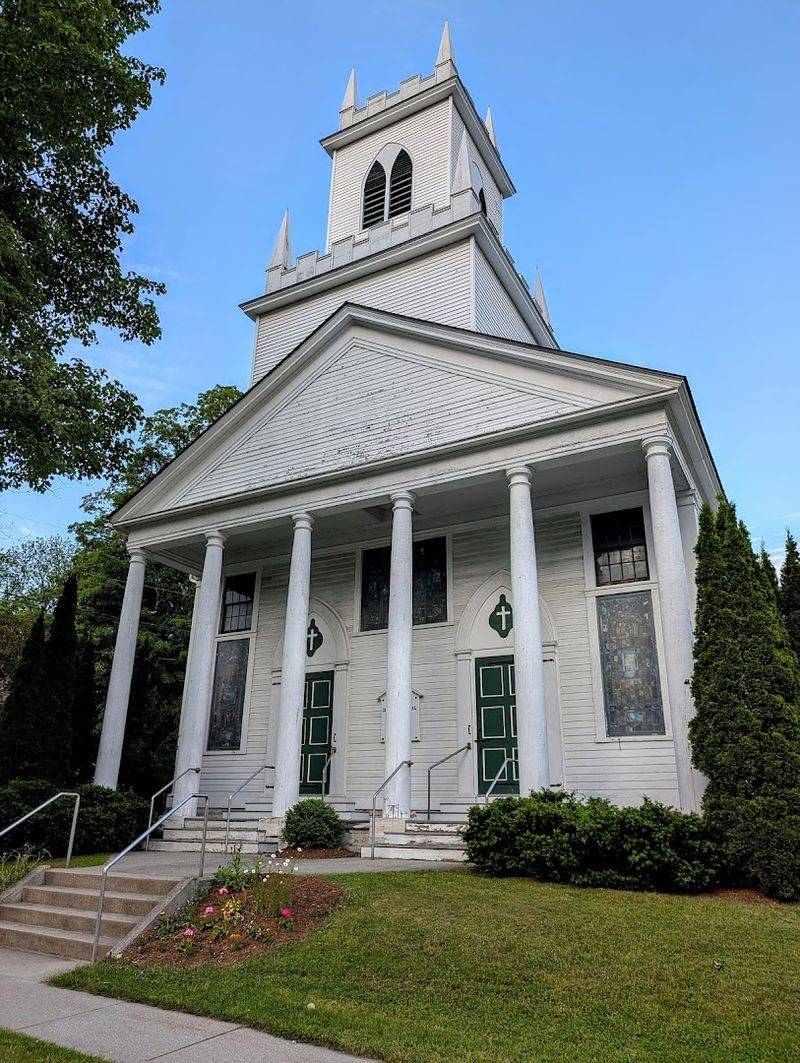
Danby is the kind of village that rewards people who go looking for it deliberately. It sits in Rutland County, tucked between the Green Mountains and the Taconic Range, and the landscape alone justifies the drive.
The village is small, quiet, and built largely from local marble, which gives the architecture a distinctive quality you do not see everywhere in Vermont.
Pearl Buck, the Nobel Prize-winning author, once owned a significant amount of property in Danby and helped draw attention to the village during a period when many rural Vermont communities were struggling. That history adds an interesting cultural footnote to a place that already has plenty of natural charm working in its favor.
The marble quarries in the area have been active since the 1800s, and their presence shapes the visual identity of the surrounding landscape in subtle but unmistakable ways.
For solo travelers, Danby offers a genuine sense of solitude without feeling isolated or unwelcoming. The pace here is about as slow as Vermont gets, and that is saying something.
Main Street is short and easy to cover on foot, with historic homes and a village character that feels entirely unperformed. Sometimes the smallest, least-talked-about places leave the deepest impressions, and Danby has a way of proving that point without even trying.
