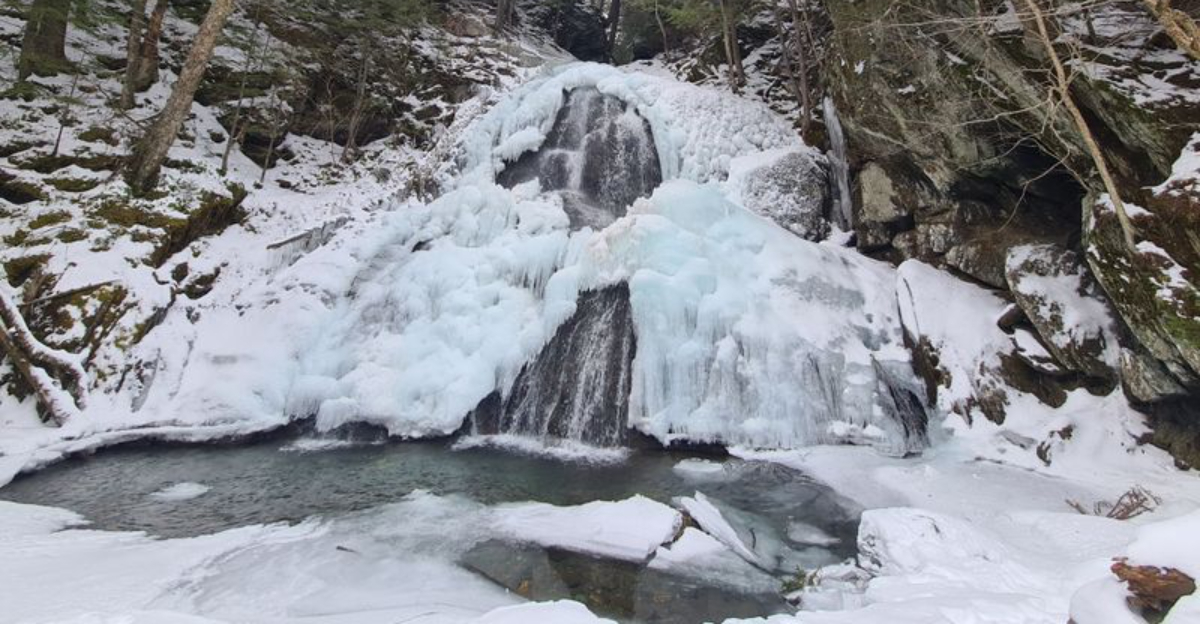
Vermont transforms into a magical wonderland when winter arrives, offering photographers endless opportunities to capture breathtaking scenes.
Snow-covered mountains, frozen waterfalls, and quaint villages create picture-perfect moments that look like they belong on postcards.
Whether you’re a professional photographer or someone who just loves taking beautiful pictures with your phone, Vermont’s winter landscapes provide stunning backdrops that will make your friends and family say wow.
The Green Mountain State becomes a photographer’s paradise during the colder months, with unique locations that showcase nature’s artistic side.
From dramatic ice formations to peaceful snowy forests, each spot offers something special that you won’t find anywhere else.
Getting out into Vermont’s winter scenery not only gives you amazing photos but also connects you with the natural beauty that makes this state so special.
Grab your camera, bundle up in your warmest coat, and get ready to discover some of the most photogenic winter destinations in New England.
These seven incredible locations will inspire you to see winter in a whole new way and fill your memory card with images you’ll treasure forever.
1. Stowe Mountain Resort and Village
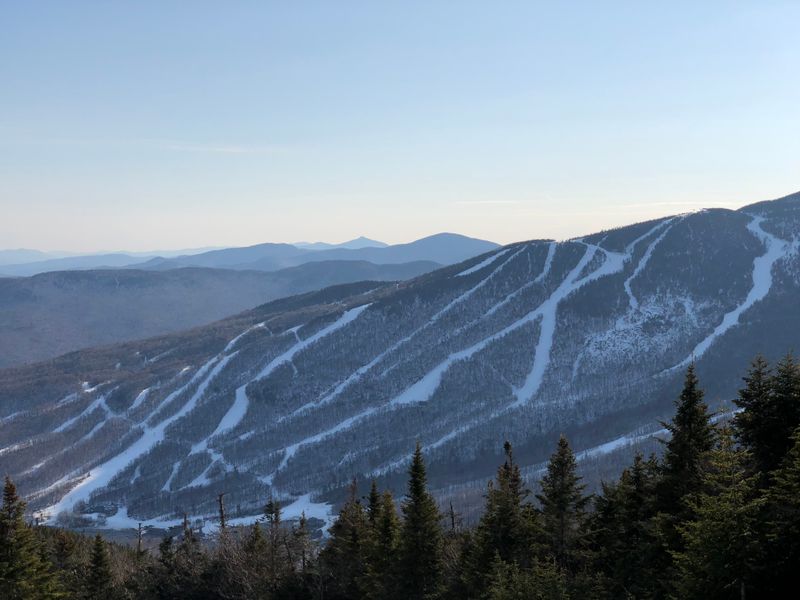
Mount Mansfield towers above the picturesque town of Stowe, creating one of Vermont’s most recognizable winter scenes that photographers absolutely adore.
The combination of the state’s highest peak covered in fresh powder and the charming New England village below offers countless composition possibilities.
You can capture the classic white church steeple against snowy mountains or focus on skiers carving down the slopes with dramatic alpine backgrounds.
Early morning light bathes the mountain in soft pink and golden hues that make your photos look professionally edited even straight from the camera.
The village itself provides wonderful street photography opportunities with its historic buildings, cozy shops, and locals going about their winter routines.
Snow-laden trees line Mountain Road, creating natural frames for your shots of the resort area.
Sunset photography here becomes truly magical when the last rays illuminate the summit while the valley below settles into blue twilight.
You’ll find great vantage points along Route 108, where pulloffs let you safely set up your tripod for long-exposure shots.
The Recreation Path offers another excellent perspective, winding through meadows that give you unobstructed views of the mountain range.
Winter weekends bring additional life to your photos with colorful ski gear, horse-drawn sleigh rides, and twinkling lights that add warmth to the cold landscape.
Visit during a light snowfall for those dreamy, soft-focus images that look like scenes from a snow globe.
Stowe delivers variety that keeps photographers coming back season after season, always discovering new angles and moments to freeze in time.
2. Smugglers’ Notch State Park
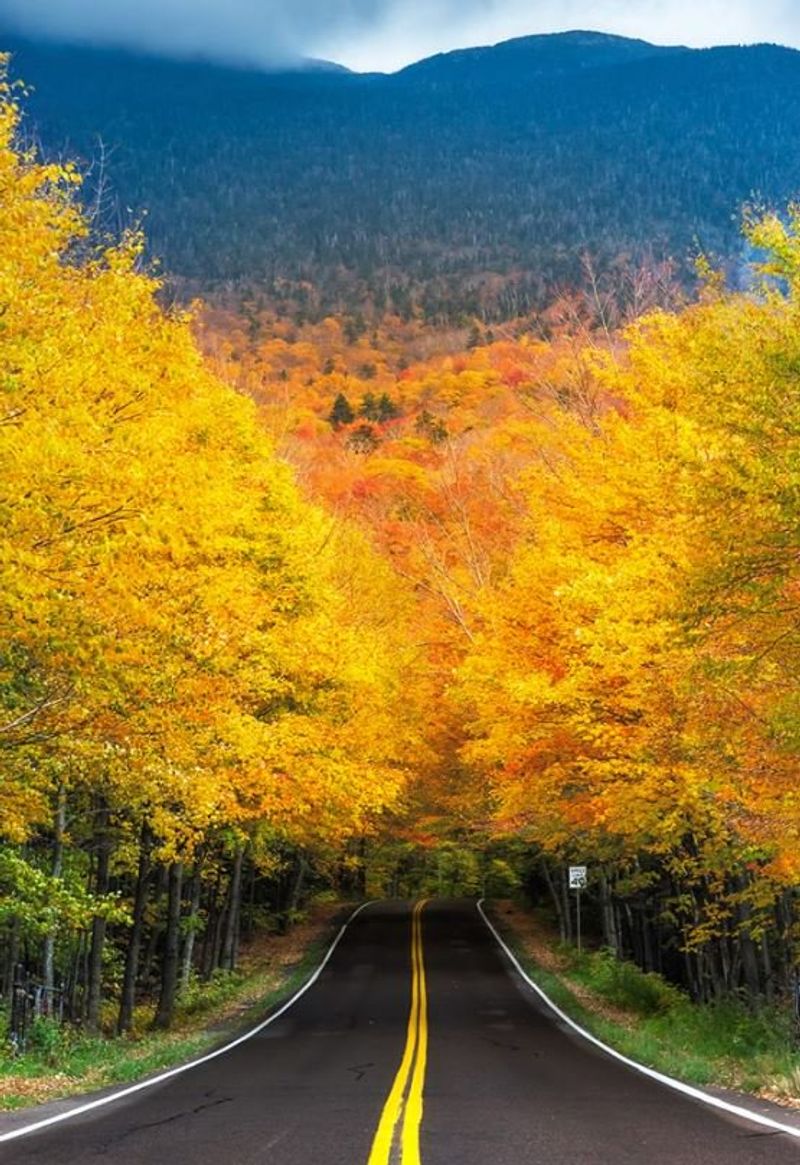
Massive rock formations rise dramatically on both sides of Route 108 as it winds through this narrow mountain pass, creating an otherworldly winter landscape.
Ice transforms the towering cliffs into crystalline sculptures that gleam in the sunlight, with icicles stretching dozens of feet from the rocky overhangs above.
This natural corridor between Mount Mansfield and Spruce Peak becomes a frozen cathedral during winter months that few other locations can match for pure dramatic impact.
The road typically closes to vehicles from late fall through spring, which means you’ll need to hike or snowshoe in to reach the most spectacular photography spots.
This effort rewards you with pristine scenes unmarred by car tracks or crowds, giving your images a wilderness quality that feels remote and untouched.
Bring a wide-angle lens to capture the scale of the cliffs towering above you, making viewers feel small against nature’s grandeur.
Afternoon light works best here, streaming through the narrow gap and illuminating the ice formations with brilliant backlighting that makes them glow.
Look for interesting foreground elements like snow-covered boulders or frozen streams to add depth to your compositions.
The contrast between dark rock faces and bright white ice creates natural drama that needs little editing to look stunning.
Safety matters when photographing in this environment, so watch for falling ice and dress warmly since temperatures stay frigid in the shaded notch.
Your patience will be rewarded with images that showcase Vermont’s rugged mountain character in ways that surprise people unfamiliar with the state’s dramatic terrain.
This spot proves that Vermont offers serious alpine photography opportunities despite being overshadowed by larger mountain ranges elsewhere.
3. Shelburne Farms
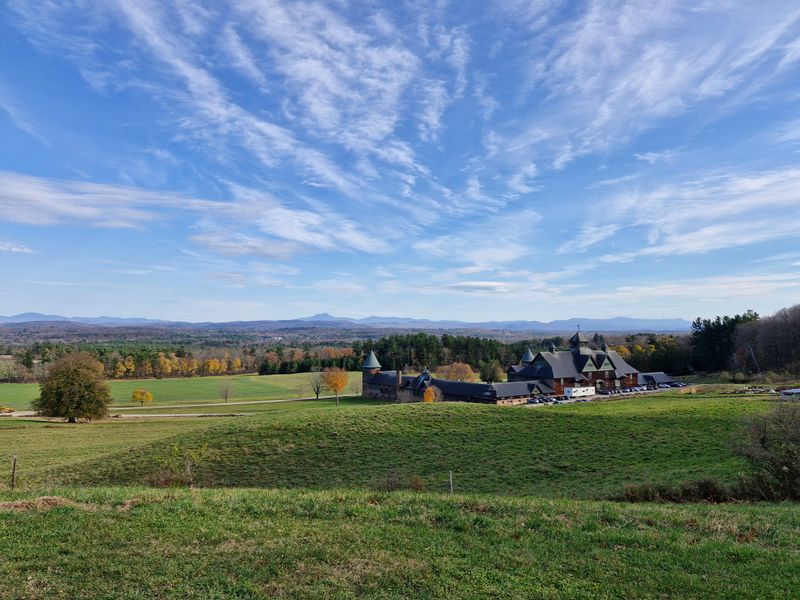
Rolling fields stretch toward Lake Champlain and the Adirondack Mountains beyond, creating layered landscapes that look painted rather than photographed.
This working farm and National Historic Landmark combines agricultural heritage with stunning natural beauty, offering photographers a gentler side of Vermont’s winter character.
Red barns pop against white snow and blue skies, giving you those quintessential New England farm scenes that everyone loves but few places still provide authentically.
The property spans 1,400 acres with miles of trails that wind through various environments, from open pastures to wooded areas along the lake shore.
Cross-country skiers and snowshoers add human interest to your compositions without overwhelming the peaceful rural atmosphere.
Photograph the historic Farm Barn with its distinctive architecture, or capture sheep and other animals going about their winter routines with the lake as a backdrop.
Lake Champlain freezes partially during harsh winters, creating interesting ice formations along the shoreline that contrast with the distant mountains.
Sunset photography becomes spectacular here as the sun drops behind the Adirondacks, painting the sky in vibrant colors reflected in any open water.
The Inn at Shelburne Farms, a grand historic mansion, offers another photogenic element with its Gilded Age elegance surrounded by winter landscapes.
Morning mist sometimes rises from the lake, creating ethereal conditions that add mystery and depth to your images.
This location works wonderfully for photographers who want beautiful winter scenes without extreme hiking or dangerous conditions.
Families will appreciate that Shelburne Farms welcomes visitors year-round, making it easy to combine photography with a pleasant outdoor outing that everyone can enjoy together.
4. Quechee Gorge
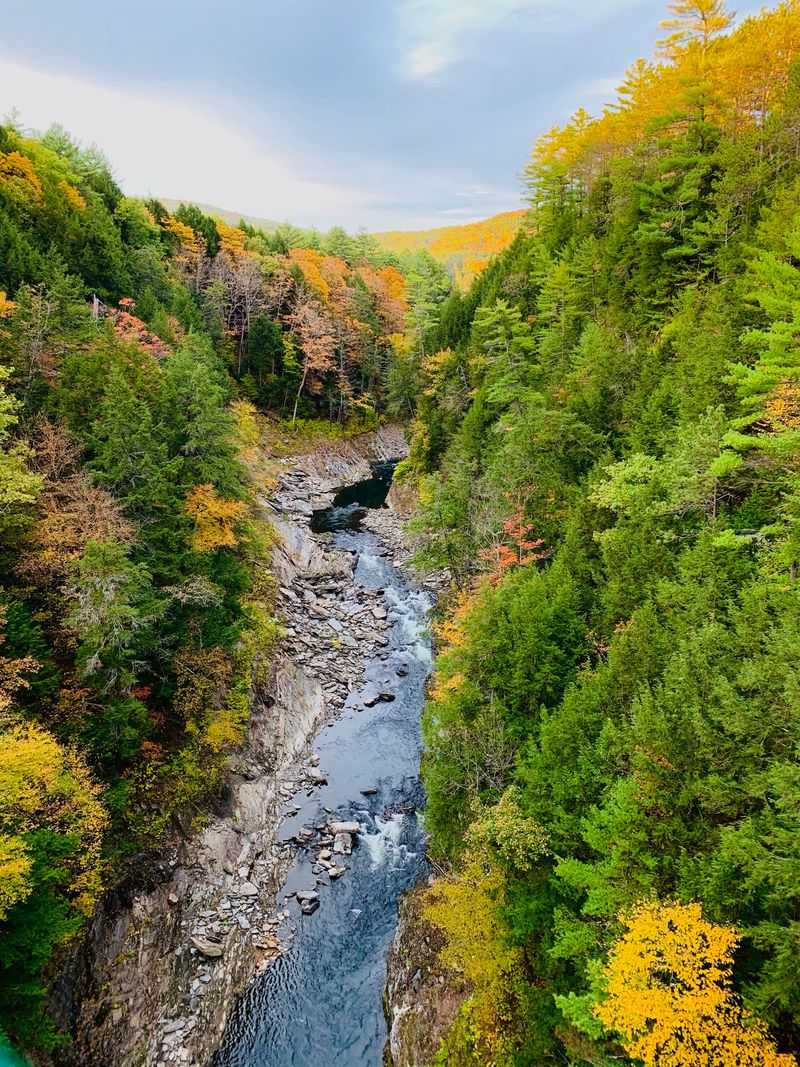
Vermont’s deepest gorge plunges 165 feet to the Ottauquechee River below, earning its nickname as Vermont’s Little Grand Canyon.
Winter transforms this dramatic geological feature into something even more spectacular, with ice coating the rocky walls and the river partially frozen in mesmerizing patterns.
The historic steel arch bridge that spans the gorge provides a perfect vantage point for photography, letting you shoot straight down into the chasm or capture the bridge itself as a structural element against the natural landscape.
Snow clings to evergreen trees along the rim, creating natural frames for your compositions and adding layers of white that contrast beautifully with the dark rock faces.
Hiking trails descend to the gorge bottom when conditions permit, offering completely different perspectives that show the true scale of this natural wonder.
Down below, you can photograph looking up at the bridge and cliffs towering overhead, with ice formations and frozen waterfalls adding winter-specific interest.
Overcast days work surprisingly well here, with soft light eliminating harsh shadows in the deep gorge and bringing out subtle colors in the rock and ice.
Bring a telephoto lens to compress the scene and capture details of ice formations that would be impossible to reach safely.
The parking area sits right beside the bridge on Route 4, making this one of Vermont’s most accessible dramatic photography locations regardless of weather conditions.
Early morning visits often reward you with frost coating everything in sight, adding delicate crystalline details to already beautiful scenes.
Quechee Gorge proves that impressive landscapes don’t always require remote locations or difficult access, delivering powerful images just steps from your car.
5. Lake Willoughby
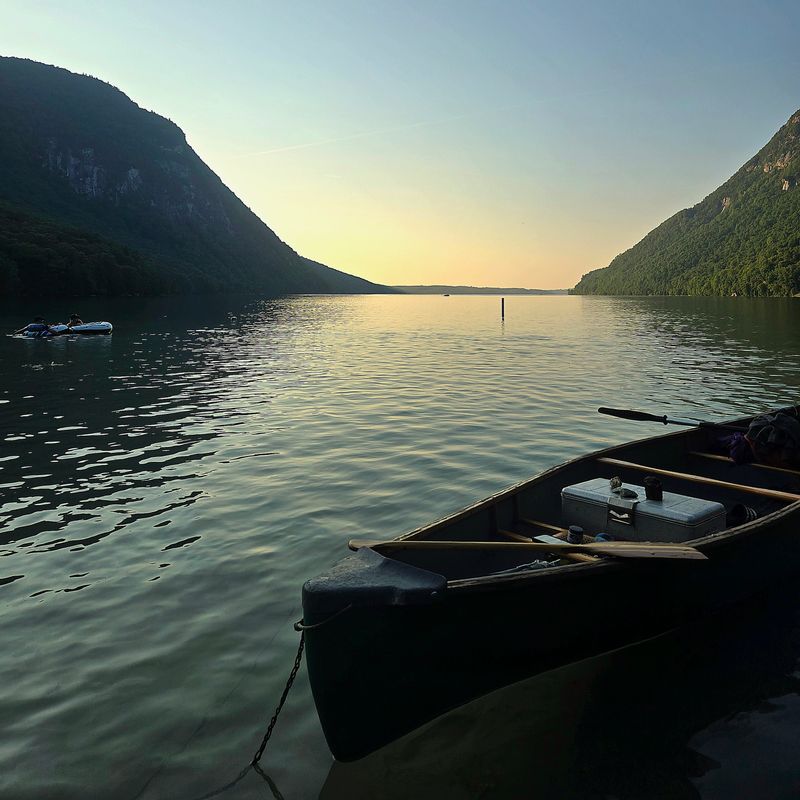
Steep cliffs rise dramatically from the shores of this glacially-carved lake, creating scenery that reminds visitors more of Norwegian fjords than typical Vermont landscapes.
Mount Pisgah and Mount Hor flank the lake’s southern end, their sheer faces dropping nearly straight to the water’s edge in a display of geological drama.
Winter adds another dimension when the lake freezes solid, its surface becoming a vast expanse of blue ice that reflects the surrounding peaks.
Photographers love the unique perspective of standing on the frozen lake and shooting back toward the mountains, a composition impossible during warmer months.
The clarity of Vermont’s cold winter air makes distant details sharp and crisp, letting you capture every tree and rock formation with remarkable definition.
North-facing locations along the shore get beautiful light in the afternoon, when low winter sun illuminates the cliffs and creates long shadows that emphasize their dramatic relief.
Route 5A runs along the lake’s eastern shore, providing numerous pulloffs where you can safely park and access photography spots.
Adventurous visitors who hike the trails up Mount Pisgah gain elevated views looking down the entire length of the lake, a perspective that shows its distinctive shape and setting.
These higher vantage points work especially well after fresh snowfall, when the contrast between dark lake ice and white surrounding landscape becomes striking.
Wildlife photography opportunities exist here too, with bald eagles sometimes hunting along the lake’s edges during winter months.
The combination of alpine-like scenery and easy roadside access makes Lake Willoughby a must-visit destination for photographers seeking Vermont’s most dramatic winter landscapes without requiring mountaineering skills.
6. Moss Glen Falls in Stowe
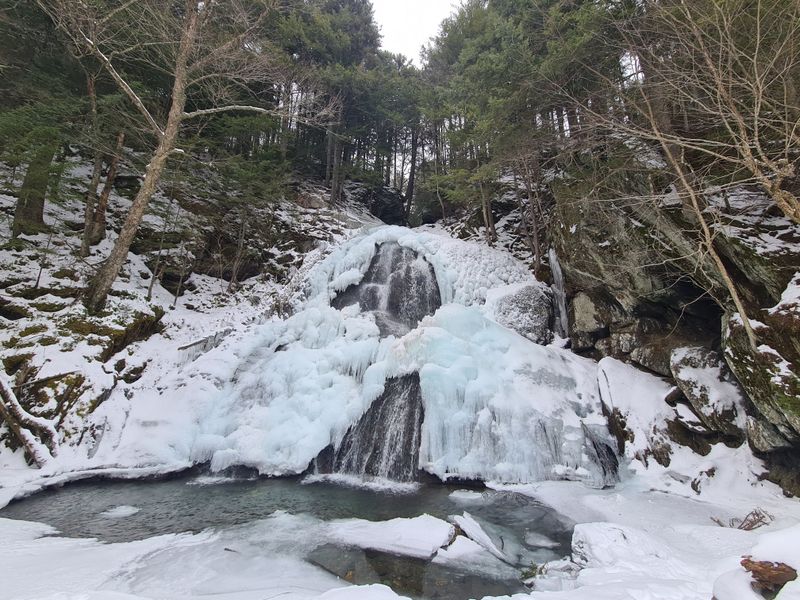
Water tumbles 125 feet down a rocky cliff face before freezing into spectacular ice sculptures that grow throughout the winter season.
This waterfall creates some of Vermont’s most impressive ice formations, with massive frozen columns and delicate icicle curtains that look like nature’s own ice palace.
Photographers who make the short hike to reach these falls discover an ever-changing canvas, since the ice builds differently depending on temperature fluctuations and water flow.
The trail to Moss Glen Falls stays relatively easy even in winter, making this frozen wonderland accessible to most visitors willing to wear appropriate footwear.
Bring micro-spikes or traction devices for your boots, as the trail and viewing area can get icy from mist that freezes on every surface.
Once there, you’ll find numerous angles to photograph the falls, from wide shots showing the entire cascade to close-ups of intricate ice formations that reveal nature’s artistic details.
Midday light works well here, penetrating the forest canopy to illuminate the ice and make it glow with brilliant blue tones.
The surrounding hemlock forest stays green year-round, providing color contrast against the white ice and snow.
Listen for the sound of water still flowing behind and through the ice, a reminder that this frozen sculpture remains dynamic and alive.
Slower shutter speeds capture any moving water while keeping the ice formations sharp, creating images that show both stillness and motion.
Visit multiple times throughout winter to photograph how the ice changes, growing larger during cold snaps and developing new shapes after warm spells.
Moss Glen Falls represents the perfect subject for photographers interested in the intersection of water, ice, and forest environments.
7. Woodstock Village and Surrounding Countryside
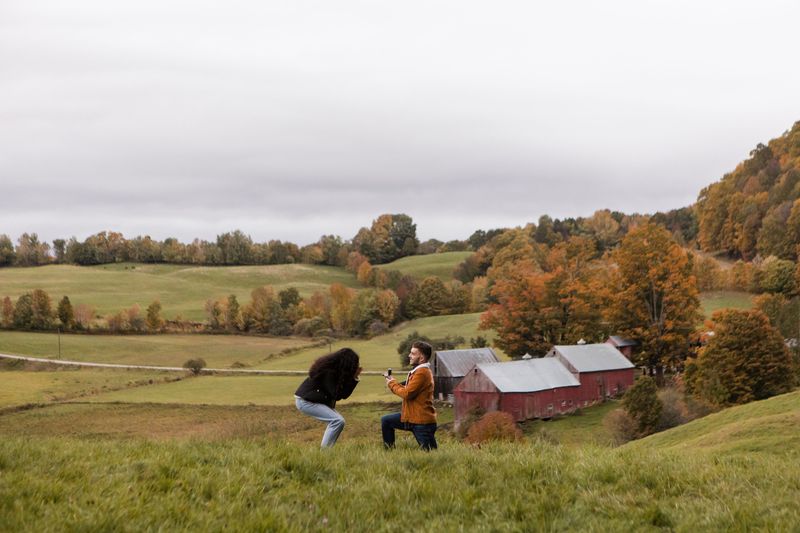
Picture-perfect New England charm defines this quintessential Vermont village, where historic buildings and covered bridges create scenes that look straight from a Christmas card.
Woodstock’s village green becomes a focal point in winter, surrounded by beautifully preserved 18th and 19th-century homes that showcase classic colonial architecture.
The Middle Covered Bridge, one of three in town, spans the Ottauquechee River with its distinctive red exterior contrasting beautifully against snow-covered banks and ice-rimmed water.
Walking through Woodstock with your camera reveals endless details worth capturing, from wrought-iron fences draped with snow to warm lights glowing in shop windows as dusk approaches.
The surrounding countryside offers equally photogenic opportunities, with working farms, stone walls marching across snowy fields, and winding rural roads that epitomize Vermont’s pastoral beauty.
Billings Farm & Museum, located just outside the village center, provides wonderful agricultural photography with heritage breed animals, historic farm buildings, and demonstrations of traditional winter farming activities.
Mount Tom rises above the village’s northern edge, and hiking to its summit rewards photographers with panoramic views of Woodstock nestled in the valley below.
This elevated perspective works especially well after snowstorms, when the village looks like a miniature model town surrounded by white hills and forests.
Golden hour transforms Woodstock into something magical, with low winter sun casting long shadows and bathing everything in warm light that contrasts with cool blue snow shadows.
The village maintains its historic character without feeling like a museum, giving your photos authentic New England atmosphere that comes from real community life rather than staged tourism.
Woodstock combines accessibility, beauty, and variety in ways that make it essential for any photographer documenting Vermont’s winter character and timeless rural charm.
Dear Reader: This page may contain affiliate links which may earn a commission if you click through and make a purchase. Our independent journalism is not influenced by any advertiser or commercial initiative unless it is clearly marked as sponsored content. As travel products change, please be sure to reconfirm all details and stay up to date with current events to ensure a safe and successful trip.
