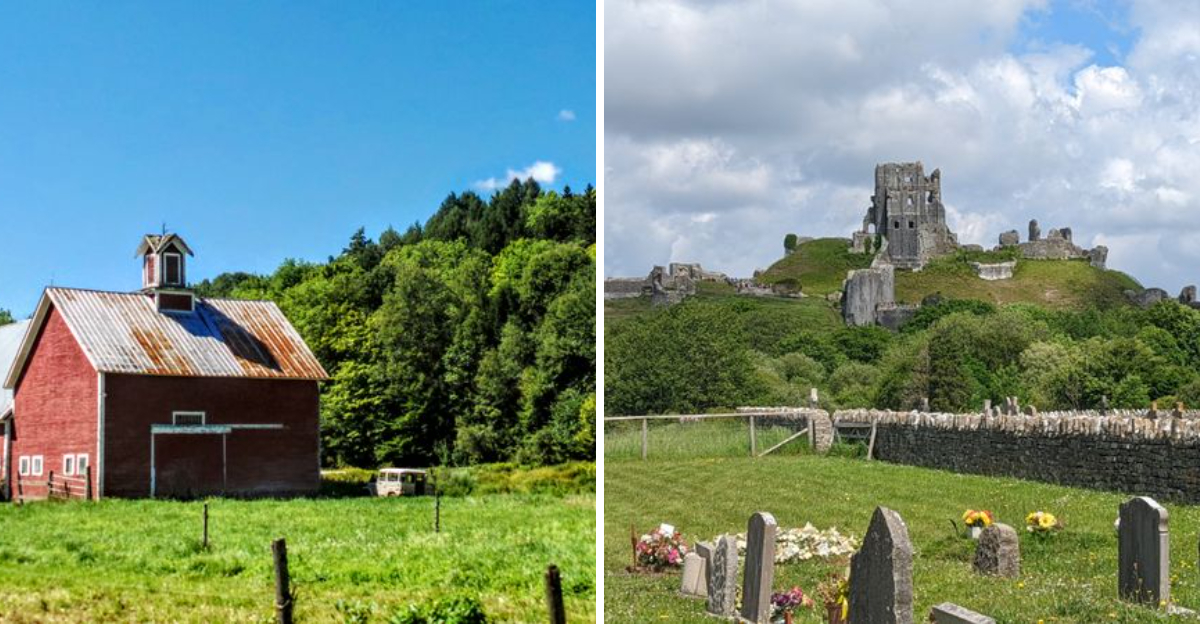
Vermont transforms into a magical wonderland when winter arrives, blanketing its charming villages in pristine snow and creating postcard-perfect scenes at every turn.
The Green Mountain State offers some of the most picturesque small towns in New England, where historic architecture meets stunning natural beauty against a backdrop of snow-covered peaks.
From cozy main streets lined with colonial buildings to frozen waterfalls and mountain vistas, these villages capture the essence of a classic New England winter.
Whether you’re seeking outdoor adventure, cultural experiences, or simply want to soak in the breathtaking scenery, Vermont’s winter villages deliver unforgettable moments.
Each destination offers its own unique character and charm, making them perfect for weekend getaways or extended winter retreats.
The combination of natural beauty, preserved history, and welcoming communities creates an atmosphere that feels both timeless and refreshing.
These seven villages stand out for their exceptional winter scenery, offering visitors a chance to experience Vermont at its most beautiful and serene.
1. Stowe
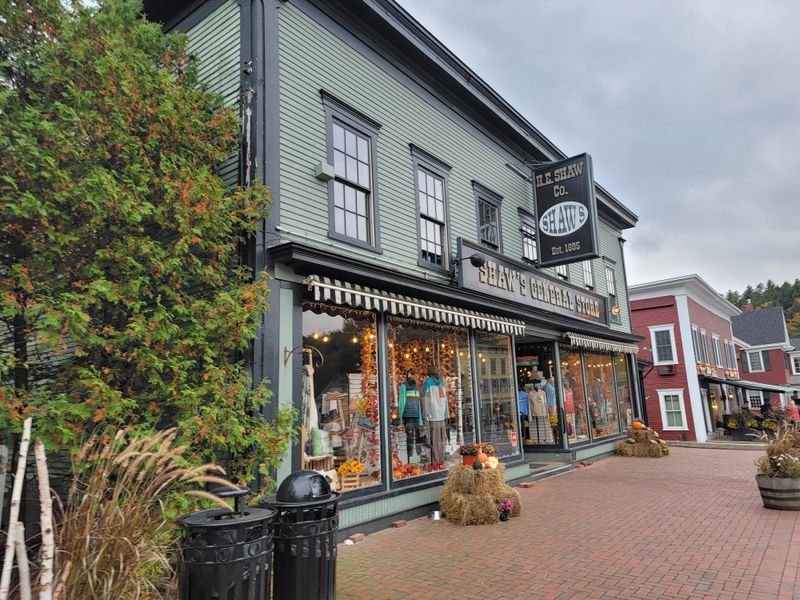
Nestled beneath Mount Mansfield, Vermont’s highest peak, Stowe radiates alpine charm that rivals any European ski village.
The village center features a white-steepled church, historic inns, and boutique shops that create a storybook setting when snow blankets the streets.
Mountain Road stretches from the village toward the ski resort, offering continuous views of snow-draped peaks and frozen streams.
Winter visitors can explore the Stowe Recreation Path, a 5.3-mile paved trail that winds through forests and meadows, perfect for cross-country skiing or snowshoeing.
The path crosses several bridges over the Little River, where ice formations create natural sculptures along the banks.
Local restaurants like The Bench at 492 Mountain Road serve hearty meals with mountain views through large windows.
Downtown Stowe maintains its authentic Vermont character despite its popularity as a winter destination.
Historic buildings house art galleries, specialty food shops, and cozy cafes where locals and visitors gather around fireplaces.
The village green becomes a gathering spot for winter festivals and evening strolls under twinkling lights.
Mount Mansfield provides a dramatic backdrop from nearly every vantage point in town, its distinctive profile resembling a face looking skyward.
On clear winter days, the mountain’s snow-covered ridgeline glows pink and orange during sunrise and sunset.
The combination of accessible village amenities and wilderness scenery makes Stowe feel both civilized and wild, offering the best of both worlds for winter travelers seeking beauty and comfort in equal measure.
2. Woodstock
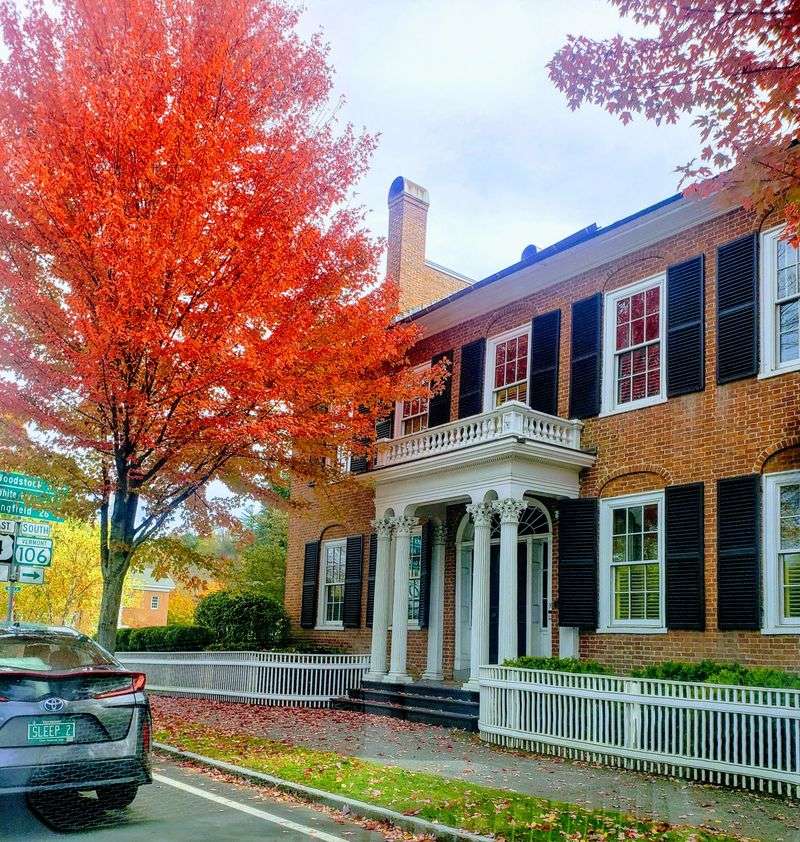
Woodstock exemplifies New England elegance with its perfectly preserved village center surrounding an oval green.
Four historic churches with towering steeples anchor the corners of the green, their white facades contrasting beautifully against winter’s gray skies and white landscape.
The covered bridge on Middle Covered Bridge Road becomes even more photogenic when icicles hang from its entrance and snow piles high on its roof.
The Ottauquechee River flows through town, partially freezing in winter to create stunning ice formations along its banks.
Riverside walking paths offer peaceful strolls with views of historic homes and the rushing water.
Billings Farm & Museum at 69 Old River Road stays open year-round, showcasing Vermont’s agricultural heritage with winter activities and beautiful farmland vistas.
Woodstock’s main street features brick sidewalks lined with specialty shops, galleries, and restaurants housed in meticulously maintained 18th and 19th-century buildings.
The village has strict architectural guidelines that preserve its historic character, making it feel like stepping back in time.
F.H. Gillingham & Sons General Store at 16 Elm Street has operated since 1886, offering Vermont products and old-fashioned charm.
Mount Tom rises just north of the village, accessible via trails that reward winter hikers with panoramic views of the town and surrounding valleys.
The mountain’s forested slopes provide a natural backdrop that enhances the village’s scenic appeal.
Woodstock’s commitment to preservation and its stunning natural setting create a winter destination where every corner offers another beautiful view, making it impossible not to stop constantly for photographs and moments of appreciation.
3. Manchester
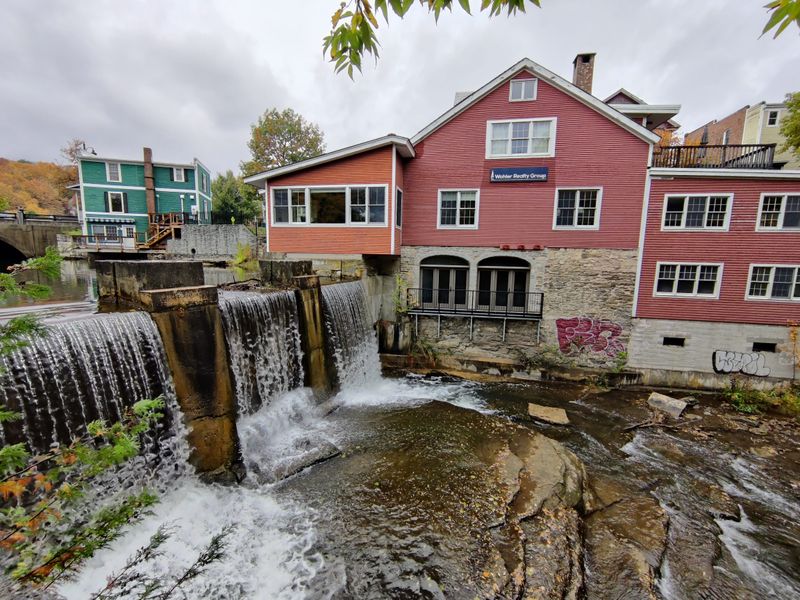
Manchester sits in the Battenkill Valley with the Taconic Mountains rising dramatically to the west and the Green Mountains to the east.
This geography creates spectacular mountain views from almost anywhere in town, with winter snow emphasizing the peaks’ rugged contours.
Historic Route 7A runs through the village center, lined with marble sidewalks and elegant 19th-century mansions that once served as summer retreats for wealthy families.
Hildene, The Lincoln Family Home at 1005 Hildene Road offers winter tours of Robert Todd Lincoln’s estate, with grounds that showcase magnificent mountain vistas.
The formal gardens and walking trails take on a serene beauty when covered in snow.
The village center features upscale shops and restaurants in historic buildings, maintaining an atmosphere of refined Vermont charm.
The Equinox Resort anchors the village with its white columned facade visible from throughout downtown.
Mount Equinox looms above the village, its summit accessible via a toll road that closes in winter, but its presence dominates the western skyline.
The mountain’s steep eastern face catches afternoon light dramatically, creating ever-changing shadow patterns across its snowy slopes.
Battenkill River flows through the valley, renowned for fly fishing but equally beautiful in winter when ice forms along its edges.
Riverside parks and the Battenkill Trail provide access to water views and quiet natural spaces within walking distance of village amenities.
Manchester combines sophistication with outdoor recreation, offering cultural attractions, shopping, and dining alongside breathtaking natural scenery that makes every winter visit feel special and rejuvenating.
4. Grafton
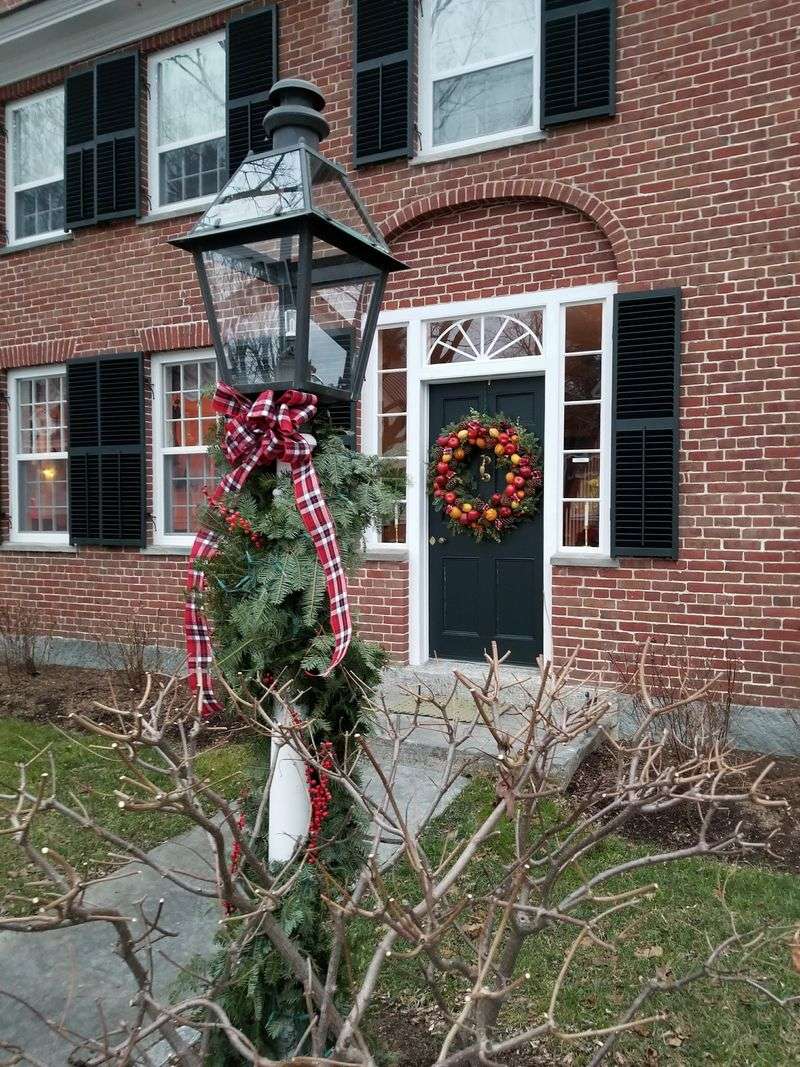
Grafton represents Vermont’s past preserved almost perfectly, with the entire village designated as a historic district.
White clapboard buildings, a covered bridge, and a pristine village green create scenes that photographers dream about, especially when winter snow softens every edge.
The Grafton Village Cheese Company at 533 Townshend Road produces award-winning cheddar in a historic building where visitors can watch the cheese-making process and sample products.
The village maintains an uncommonly quiet atmosphere since it has minimal commercial development and no traffic lights or parking meters.
Historic inns like The Grafton Inn anchor the village center, their welcoming porches and period details transporting visitors to another era.
Stone walls line country roads leading into the village, emerging from snowbanks like ancient boundaries marking the passage of time.
The Saxtons River flows nearby, and numerous hiking trails wind through surrounding forests and hills.
Winter transforms these landscapes into peaceful retreats where the only sounds are crunching snow and distant bird calls.
The village’s commitment to preservation means modern intrusions remain minimal, allowing the natural and architectural beauty to shine.
Grafton’s small size means you can walk the entire village in an hour, but most visitors linger much longer, drawn by the tranquil atmosphere and photogenic views.
Each historic building tells a story of Vermont’s past, from the old tavern to the blacksmith shop to the white-steepled church.
Snow-covered roofs and smoking chimneys complete the picture-perfect winter scenes that make Grafton feel like a living museum where beauty and history blend seamlessly into an unforgettable experience.
5. Waitsfield
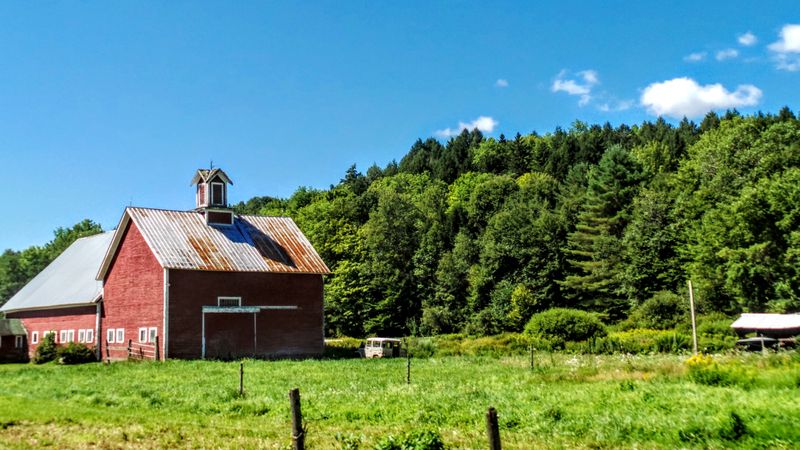
Waitsfield occupies a broad valley along the Mad River with Sugarbush and Mad River Glen ski areas visible on surrounding mountains.
The village maintains a low-key, authentic character that appeals to visitors seeking genuine Vermont experiences rather than resort-style development.
Covered bridges dot the area, including the Great Eddy Covered Bridge just outside the village center, creating classic New England photo opportunities enhanced by winter conditions.
The Mad River flows through the valley, its name derived from its wild spring behavior, but in winter it takes on a calmer character.
Ice forms along the riverbanks and around rocks, creating abstract sculptures that change daily with temperature fluctuations.
Riverside trails and parks provide easy access to these natural winter artworks.
Waitsfield’s compact village center clusters around Bridge Street and Main Street, with local businesses housed in modest buildings that reflect the community’s unpretentious values.
The Waitsfield Farmers Market operates year-round at the Waitsfield Elementary School, showcasing local products and maintaining community connections.
Mountain views dominate the landscape in every direction, with the valley’s agricultural fields creating foreground interest against the dramatic peaks.
The village serves as a base for exploring the Mad River Valley’s outdoor recreation opportunities while offering its own quiet charm.
Historic farmhouses and barns scattered throughout the valley add to the scenic appeal, their weathered boards and metal roofs telling stories of generations working this land.
Waitsfield proves that Vermont’s most beautiful winter villages aren’t always the most famous, sometimes the greatest scenery comes with the most genuine character and the warmest welcome.
6. Newfane
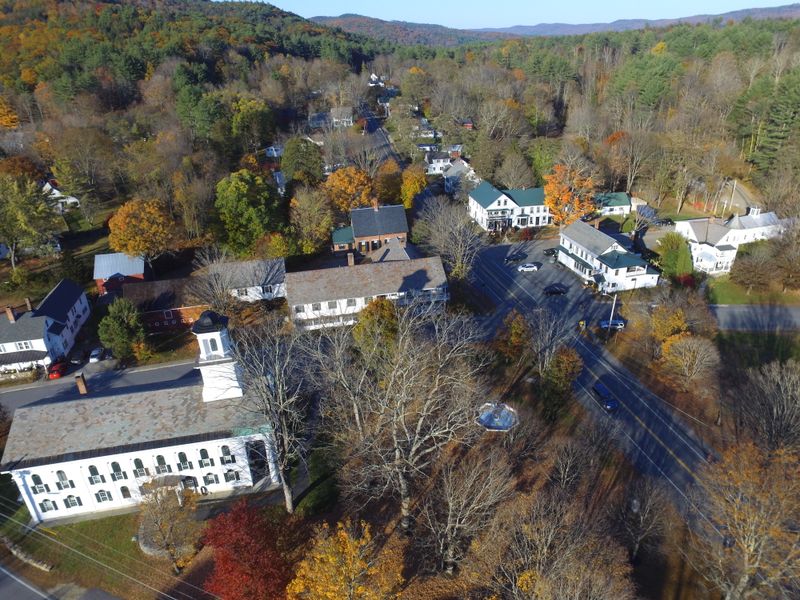
Newfane centers around one of Vermont’s most photographed village greens, surrounded by pristine white buildings that date to the early 1800s.
The Windham County Courthouse, with its Greek Revival architecture and prominent columns, anchors the south side of the green.
The Newfane Inn and other historic structures complete the perfect composition that has attracted photographers and artists for generations.
Winter emphasizes the green’s formal layout, with snow covering the grass and highlighting the symmetry of the surrounding buildings.
The absence of modern commercial development preserves the 19th-century atmosphere, making it easy to imagine life in Vermont two centuries ago.
Historic markers throughout the village tell stories of the community’s past, adding depth to the visual beauty.
The West River flows nearby, and the surrounding hills create a bowl-like setting that focuses attention on the village center.
Country roads radiating from the green lead past historic farmhouses and through covered bridges, each route offering scenic rewards.
The village’s elevation provides views toward distant mountains when trees lose their leaves in winter.
Newfane’s commitment to preservation means strict building codes maintain architectural harmony throughout the village.
No chain stores or modern commercial buildings disrupt the historic character, allowing the natural and architectural beauty to remain the main attraction.
The village common hosts community events throughout winter, from holiday celebrations to farmers markets, maintaining traditions that connect current residents to centuries of history while welcoming visitors who appreciate authentic Vermont character and stunning scenery that never goes out of style.
7. Dorset
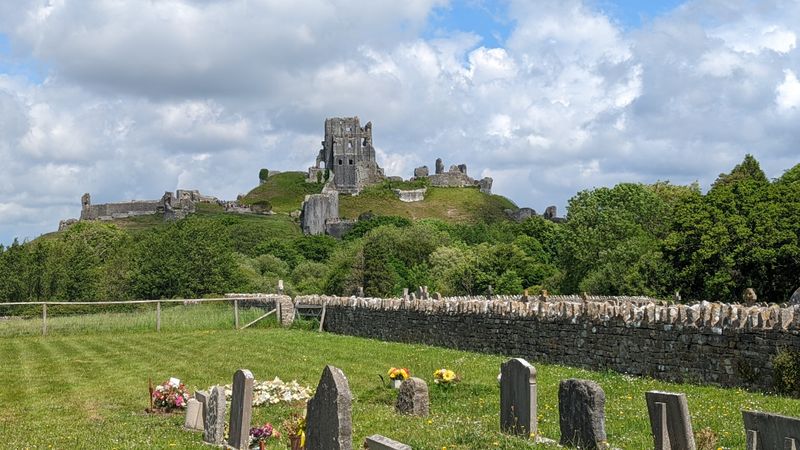
Dorset claims the distinction of being Vermont’s first marble quarrying town, with abandoned quarries now filled with crystal-clear water creating unexpected beauty.
The village green stretches long and narrow through the center of town, lined with historic homes and the distinctive white Dorset Church.
Mountains rise on all sides, with the Taconic Range to the west and Green Mountains to the east creating a valley setting that channels winter light dramatically.
The Dorset Quarry, located on Route 30, offers summer swimming but in winter becomes a frozen landscape where ice formations and snow-covered marble cliffs create otherworldly scenery.
The white marble contrasts sharply with dark evergreens and blue winter skies, making it a unique geological and visual feature.
Historic marble sidewalks in the village center remind visitors of the industry that built the town.
J.K. Adams Kitchen Store at 1430 Route 30 occupies a historic building and showcases Vermont-made woodenware, offering a taste of local craftsmanship.
The Dorset Inn, dating to 1796, claims to be Vermont’s oldest continuously operating inn, its white clapboard facade welcoming travelers for over two centuries.
The village maintains a quiet, refined atmosphere with carefully preserved historic buildings and minimal commercial development.
Country roads leading from the village center pass through quintessential Vermont landscapes of farmland, forests, and mountain views.
The Long Trail, Vermont’s famous footpath along the Green Mountain ridge, passes near Dorset, offering winter hiking opportunities for experienced backcountry travelers.
Dorset combines natural beauty, industrial history, and preserved architecture into a village where every season brings new visual rewards and winter’s snow transforms familiar scenes into fresh masterpieces.
Dear Reader: This page may contain affiliate links which may earn a commission if you click through and make a purchase. Our independent journalism is not influenced by any advertiser or commercial initiative unless it is clearly marked as sponsored content. As travel products change, please be sure to reconfirm all details and stay up to date with current events to ensure a safe and successful trip.
