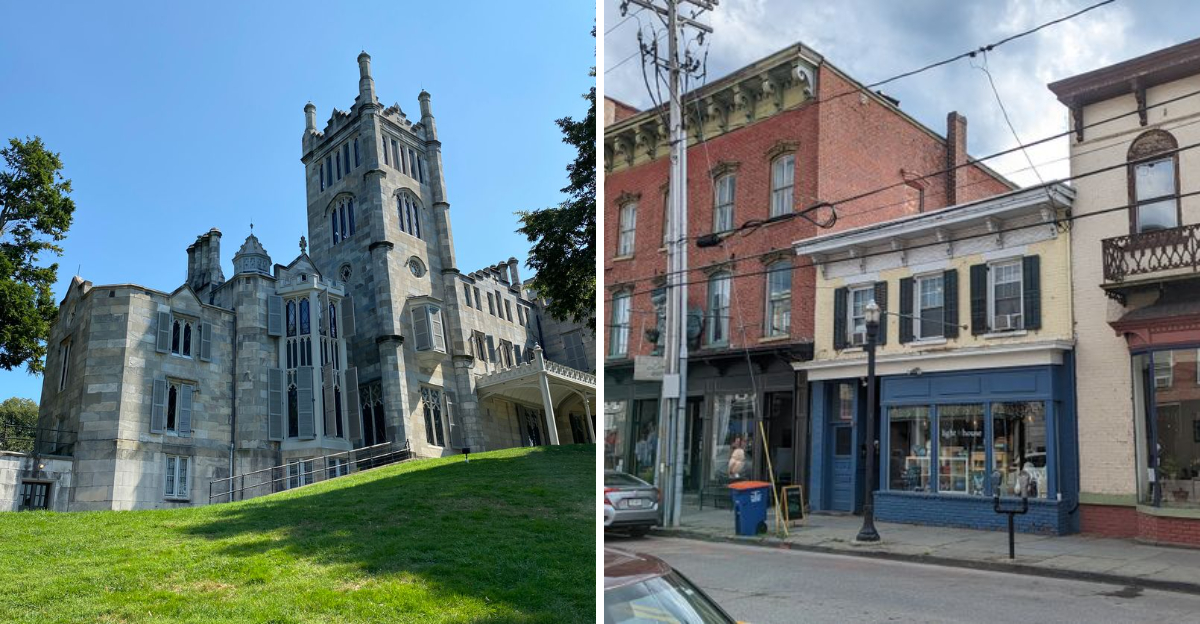
The Hudson River has a way of slowing you down so you can hear the stories tucked into its banks.
Every village along this waterway in New York State feels like a living museum, but without the velvet ropes and hushed tones.
You can walk from a station to a square, step inside a stone church, then end up by the river as the light shifts across the hills.
Follow this route and you will find history at street level, layered into porches, storefronts, and quiet corners that still remember.
1. Sleepy Hollow

Start with a place where folklore and fact walk side by side.
Sleepy Hollow wraps its history around you the moment you hear the bells from the Old Dutch Church, a landmark that anchors local memory.
Gravestones tilt in the historic cemetery nearby, where story and scholarship share the same ground.
Washington Irving’s tales echo through shady lanes, yet the real draw is how carefully the village preserves sites that matter.
Paths are well marked, docents share context clearly, and interpretive signs guide you without crowding the mood.
Even the quiet along the Pocantico River feels curated by time, not by trend.
Walk to the Headless Horseman Bridge area, read the plaques, and you will feel the timeline collapse into the present.
The architecture shifts from colonial stone to later clapboard homes, each telling a different chapter without repeating the last.
Shops along Beekman Avenue keep things neighborly, and sidewalks make lingering easy.
The river sits just to the west, steady and patient, reflecting the same sky Irving once watched.
Tours run seasonally, but you can always craft your own route by linking the church, the burial grounds, and waterfront paths.
Everything is close, so you never lose the thread while exploring.
This is New York State at its most storied, and it invites you to read the place like a book.
Turn pages with your feet, and the village will reward your curiosity.
Address: 100 Continental St, Sleepy Hollow, NY 10591.
2. Tarrytown
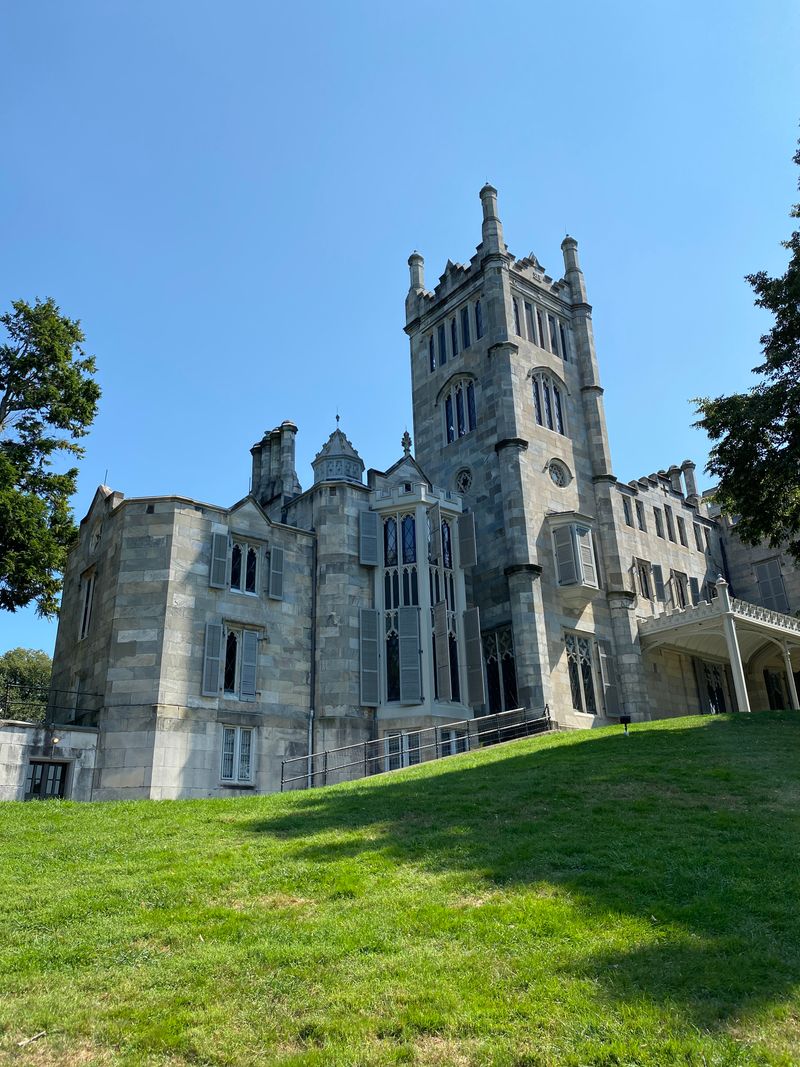
Just downriver, Tarrytown balances river views with a main street that still feels personal.
Washington Irving’s Sunnyside sits within reach, set amid gardens and water, and interpreted with care.
Victorian storefronts along Broadway keep their trim and cornices, a testament to consistent stewardship.
Brick facades line gentle slopes that lead toward the riverfront, where paths open to wide horizons.
Cultural venues host programs that celebrate local heritage without losing sight of daily life.
The Music Hall, a beloved landmark, brings performance into an architectural treasure.
Walkers find pocket parks and benches that invite unhurried stops between historic markers.
Lamps and crosswalks feel thoughtfully placed, which keeps strolling easy and safe.
Interpretive plaques highlight rail history, river commerce, and the region’s literary ties.
Shoreline overlooks turn sunset into an event worth planning around.
Sunnyside tours add depth by connecting landscape design to storytelling.
Docents speak plainly, with solid facts that enrich each scene rather than overtake it.
The result is a village that feels stitched together by art, architecture, and water.
It is a graceful stop on any New York State itinerary that favors walkable history.
Give yourself time to wander side streets, then settle at the esplanade to watch the light change.
Address: Main Street, Tarrytown, NY 10591.
3. Cold Spring
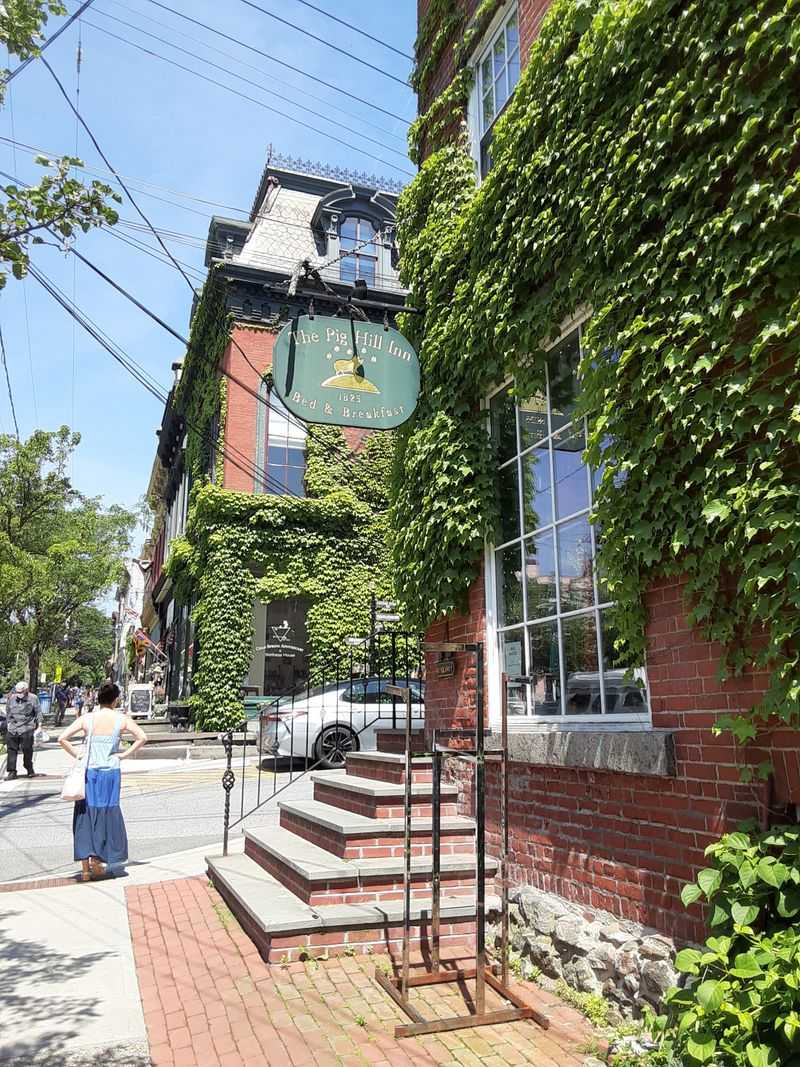
Cold Spring greets you with a depot, a river, and a main street that seems purpose built for walking.
The village’s preserved building fronts carry ironwork, dentils, and stone that survived changing tastes.
National Register listings cluster here, so almost every block tells you why it remains intact.
Antique shops and design studios fill older interiors without stripping away character.
Trailheads rise behind the village, which creates a rare link between mountain and wharf.
West Point views across the water add a quiet sense of scale and history.
Benches along the waterfront frame passing boats and the sweep of the Highlands.
Side streets reveal tidy porches and gardens that hint at long settled routines.
Heritage signs explain industrial eras that made the village hum, then quieted.
Trains arrive within steps of cafes and galleries, which keeps a car optional.
Storefront windows showcase craftsmanship that respects the buildings they occupy.
Everything feels proportioned to people, not traffic.
Late afternoon light bounces off painted cornices and old stone, giving the street a cinematic calm.
Plan a circuit that links the river, the bandstand, and the upper blocks for a full picture.
This is New York State at its most walkable, with history woven into each doorframe.
Address: Main Street, Cold Spring, NY 10516.
4. New Paltz
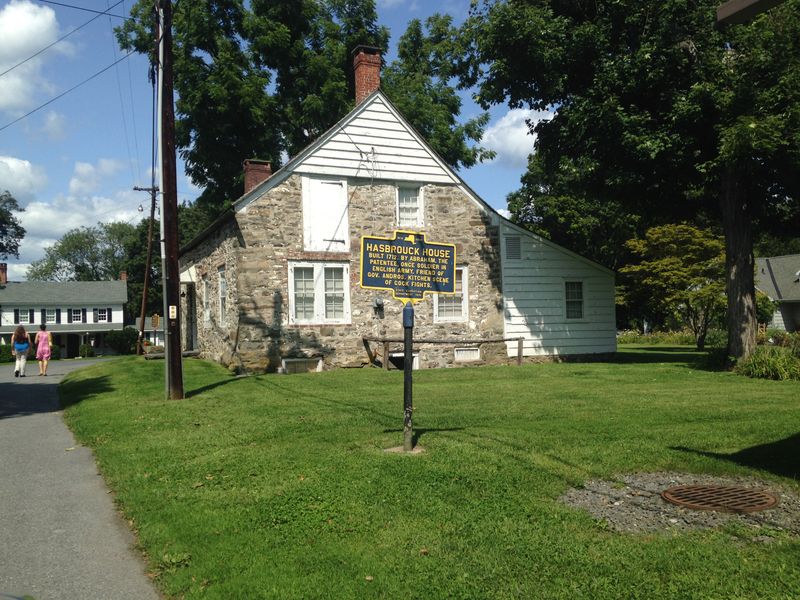
New Paltz centers on Historic Huguenot Street, where stone houses line a quiet stretch with deep roots.
Each dwelling carries interpretive details that map names, trades, and shifting styles across centuries.
Grassy lanes and low fences keep the scale human and the pace reflective.
Museums and preservation groups present research in accessible language so visitors connect quickly.
Walking tours point out artifacts in plain view, like door hardware and limestone patterns.
The Shawangunk Ridge rises nearby, setting a dramatic backdrop for town and campus life.
Side streets host bookshops, studios, and community spaces in older frames.
Bike racks, crosswalks, and signage make it simple to move among sites without rushing.
Seasonal programs activate greens and courtyards with demonstrations and talks.
The setting encourages you to linger, listen, and ask questions at your own pace.
Local archives open windows into migration, faith, and land use.
Docents share context that includes multiple voices and careful sourcing.
It feels rigorous yet inviting, a balance that rewards curious travelers.
Spend time reading plaques, then step back to see how the street fits the wider valley.
In New York State, few places assemble this level of continuity so clearly.
Address: 81 Huguenot St, New Paltz, NY 12561.
5. Kingston
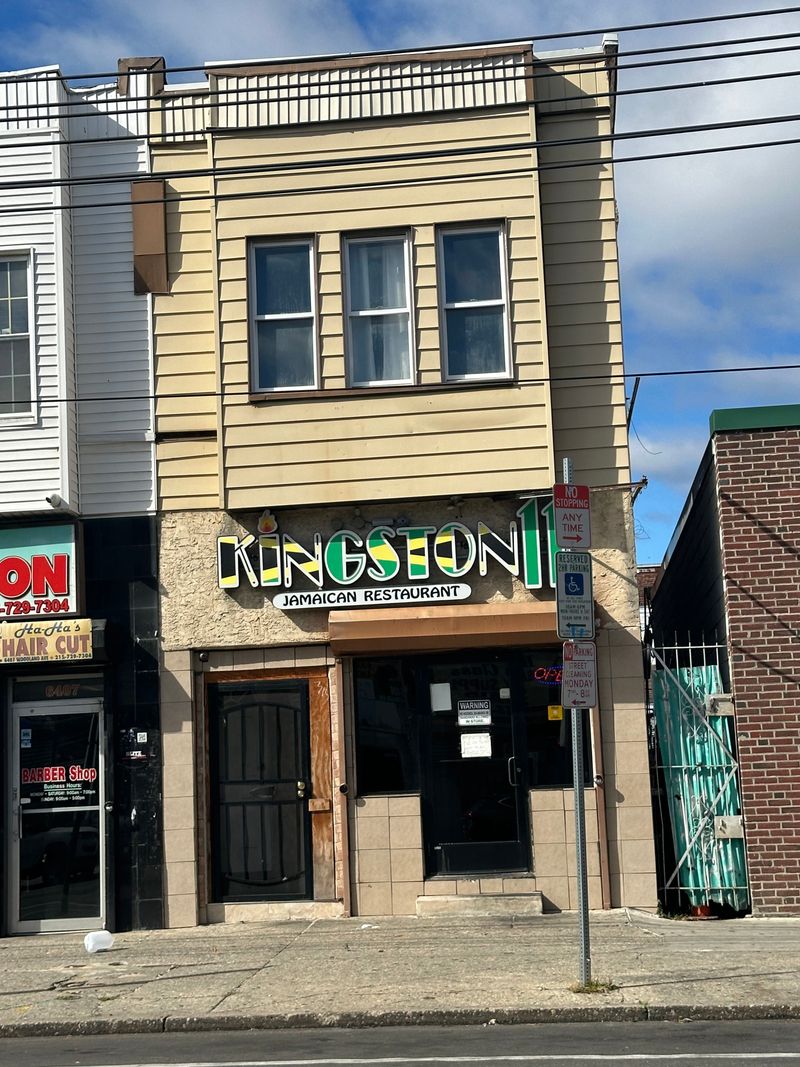
Kingston’s Stockade District preserves a compact grid of stone and brick that tells a state level story.
Street corners hold civic buildings beside homes, which shows how daily life intersected with policy.
Markers describe the city’s role as an early capital and the resilience that followed upheaval.
Walking here feels like stepping through chapters, each block a footnote to the last.
Courtyards and passageways open to small museums with careful exhibits and attentive staff.
Shops maintain original beams and ceilings, which keeps the architecture legible.
Farther down, the Rondout waterfront connects river trade to uphill governance.
Stairs and sidewalks link the harbor to Uptown with views that reward the climb.
Galleries and studios cluster in adapted spaces that show preservation at work.
Public art gives the streets a contemporary voice without drowning the past.
Historic plaques state facts succinctly and point to further resources for deep dives.
Every corner reveals another angle on how people lived, built, and rebuilt.
The layout encourages loops rather than lines, so you discover more than once.
This is New York State showing its foundations in full daylight.
Leave time to cross from the Stockade to the waterfront and back.
Address: Wall Street & Main Street, Kingston, NY 12401.
6. Hudson
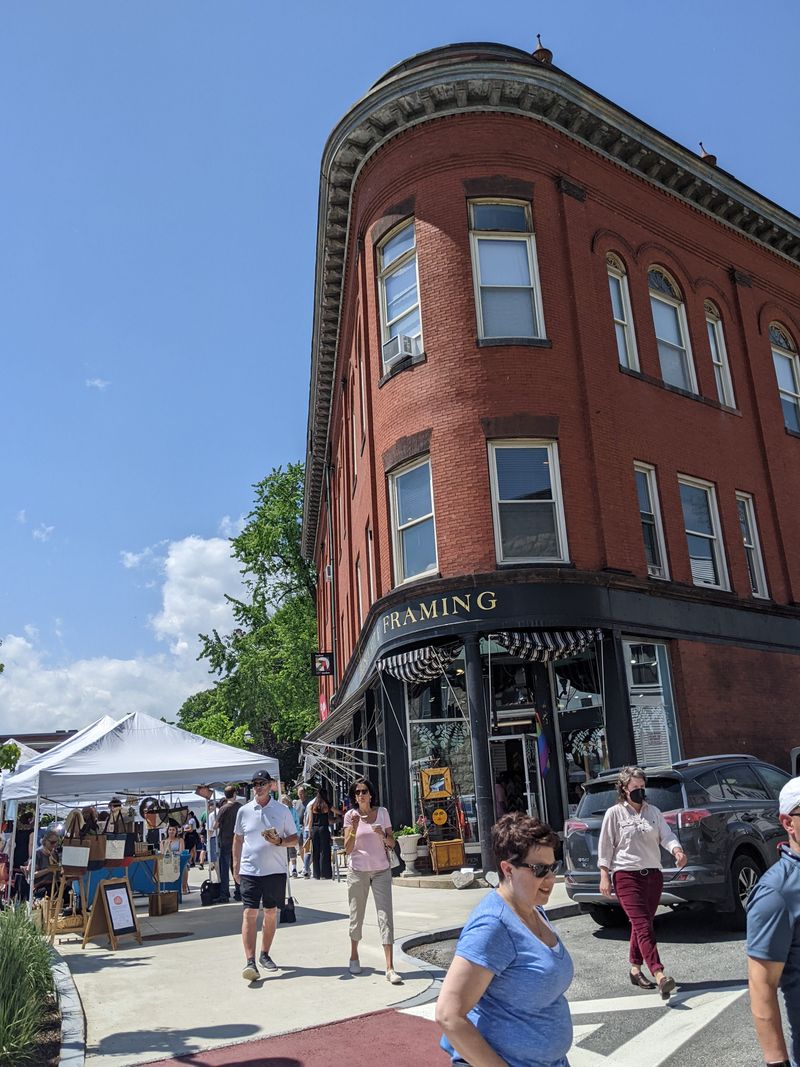
Hudson lines its cultural life along Warren Street, where restored facades hold a mix of galleries and studios.
Wide sidewalks and generous windows make browsing feel effortless and welcoming.
Architectural details range from Federal to later commercial styles, each carefully maintained.
The river sits a short walk away at the waterfront park, which opens long views toward the Catskills.
Adaptive reuse is on full display, with industrial buildings reborn as creative spaces.
Public benches and planters soften the street and nudge you to pause.
Antique dealers curate rooms like time capsules, complete with plaster rosettes and original floors.
Murals and small installations add color without crowding the skyline.
Community calendars are active, so you can align a visit with talks or markets.
Transit connections make day trips simple, especially for those traveling car free.
Historic society exhibits contextualize the port era and later transformations.
Docents and volunteers keep details precise, which helps newcomers grasp the arc.
The result is a downtown that reads like a ledger of the river’s changing economy.
It is lively yet grounded, and it rewards rambling without an agenda.
Plan a slow walk from the station to the upper blocks and back to the water.
Address: 700 Warren St, Hudson, NY 12534.
7. Saugerties
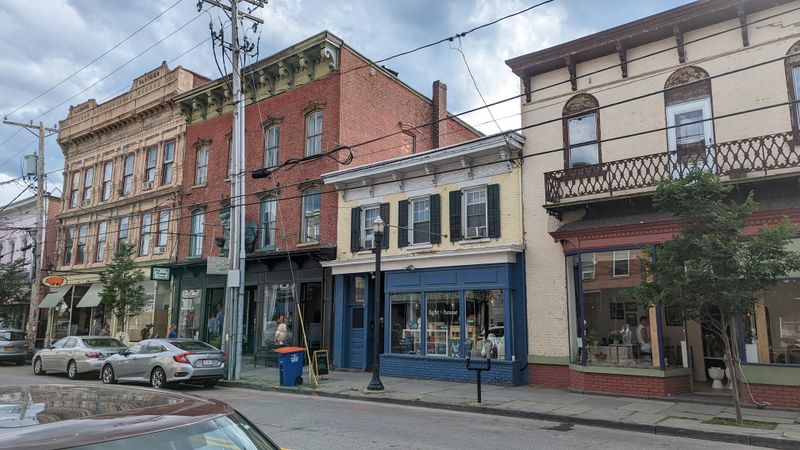
Saugerties gathers its history at the confluence of river, village, and lighthouse.
Main Street carries intact storefronts that shimmer with original glass and metalwork.
Side alleys reveal brick textures and quiet courtyards that feel almost hidden.
The Saugerties Lighthouse sits at the end of a path through tidal wetlands with gentle views.
Interpretive panels explain currents, navigation, and local ecology along the trail.
The lighthouse itself stands as a symbol of careful restoration and steady stewardship.
Back in town, independent shops fit naturally into historic interiors.
Street trees and planters soften the blocks and invite aimless wandering.
Public art pieces appear without fanfare, adding small notes of color to brick and stone.
Waterfront parks provide room to breathe and watch the river go by.
Community groups host gatherings that keep plazas lively without crowding them.
Volunteers help maintain trails and gardens, which shows a hands on pride.
It all adds up to a village with rhythm and warmth that never feels staged.
New York State history feels present here, not preserved under glass.
Give yourself time to walk to the lighthouse and back through town.
Address: 118 E Bridge St, Saugerties, NY 12477.
8. Rhinebeck Village
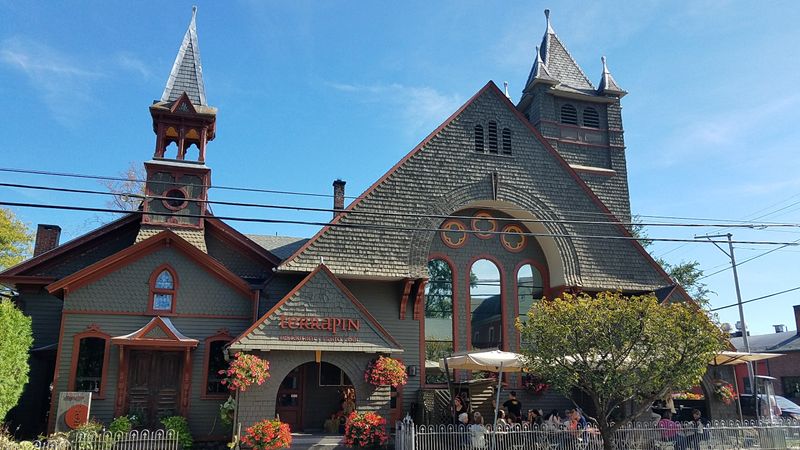
Rhinebeck reads like a handbook on how to keep a village center both historic and active.
Market Street holds tidy facades that honor proportions and details from earlier eras.
Many buildings carry National Register status, and it shows in the care taken with trims and windows.
Shops and inns keep interiors true to their bones while feeling bright and current.
Tree canopies cool the sidewalks and turn intersections into outdoor rooms.
Pocket greens give you places to pause between errands and explorations.
Nearby sites round out the story with estates, trails, and quiet pastoral roads.
Wayfinding signs are clear, so you always know what is around the corner.
Local organizations publish maps that highlight architecture worth noticing.
The result is a center that welcomes both quick visits and long afternoons.
Festivals and markets activate the streets on a regular rhythm.
Even on quieter days, window displays and porch seating add life to the scene.
The tone here is warm, attentive, and rooted in real community.
It feels very much like New York State at its neighborly best.
Take a full loop around the four main blocks, then venture onto side streets.
Address: 23 E Market St, Rhinebeck, NY 12572.
9. Ossining
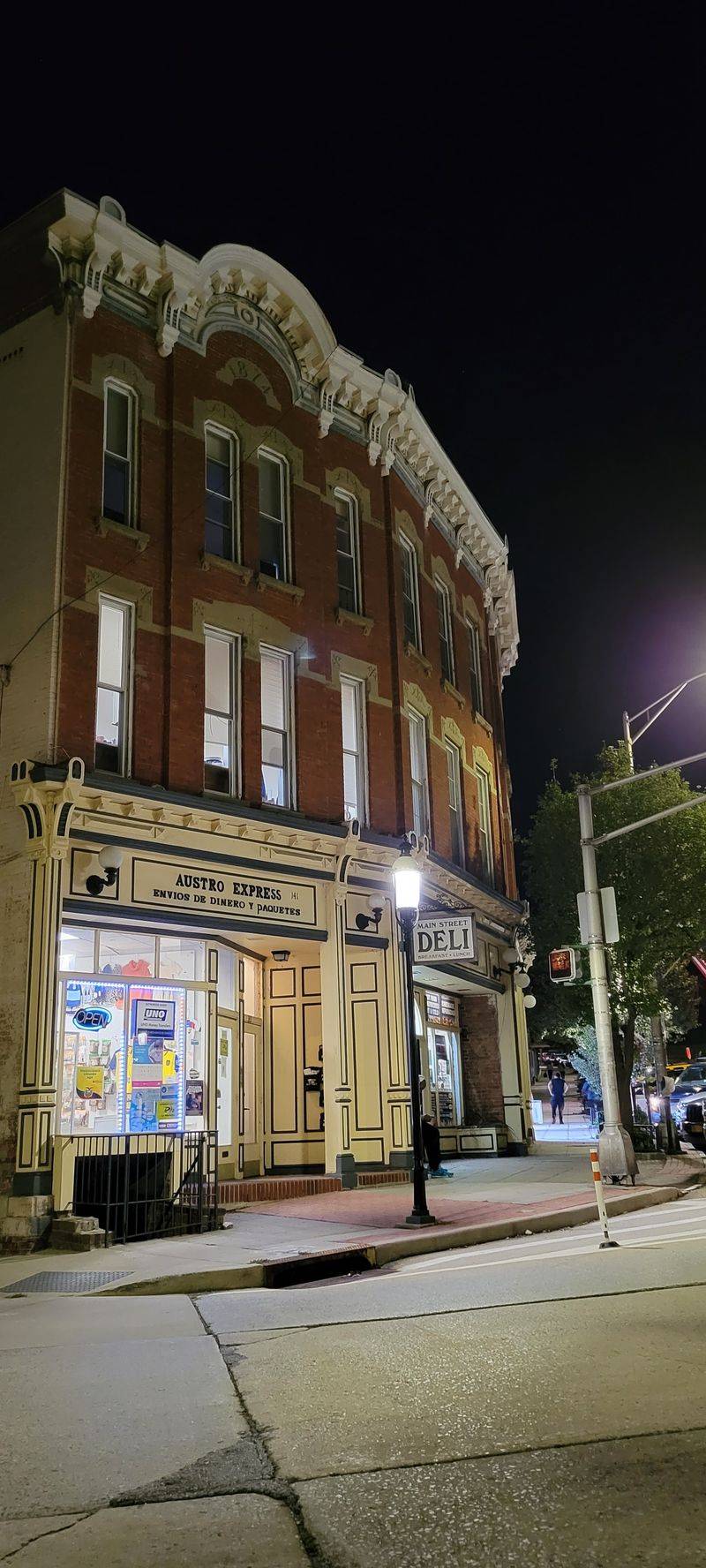
Ossining sits on terraces that step down to the Hudson, and its architecture mirrors that layered terrain.
Main Street holds a crescent of nineteenth century facades that reveal careful restoration.
Street life hums with everyday errands, which gives the historic core a lived in feel.
The Sing Sing Prison Museum adds depth by exploring a complex chapter with nuance and clarity.
Waterfront parks stretch along the shore with long benches and open views.
Trails connect overlooks to marinas and green spaces without complicated detours.
Uplands and side streets present porches, stairways, and masonry worth a second look.
Public buildings anchor blocks with confident proportions and stone details.
Interpretive materials point you to additional resources for deeper understanding.
The town center stays walkable, with crossings that feel safe and well timed.
Murals brighten retaining walls and underpasses, stitching neighborhoods together visually.
Community events make use of plazas that double as outdoor living rooms.
It is a place where history shows its working parts rather than just the gloss.
In New York State, that honesty feels both refreshing and instructive.
Plan a route that links the museum, the riverfront, and the upper avenues.
Address: 16 Croton Ave, Ossining, NY 10562.
10. Irvington
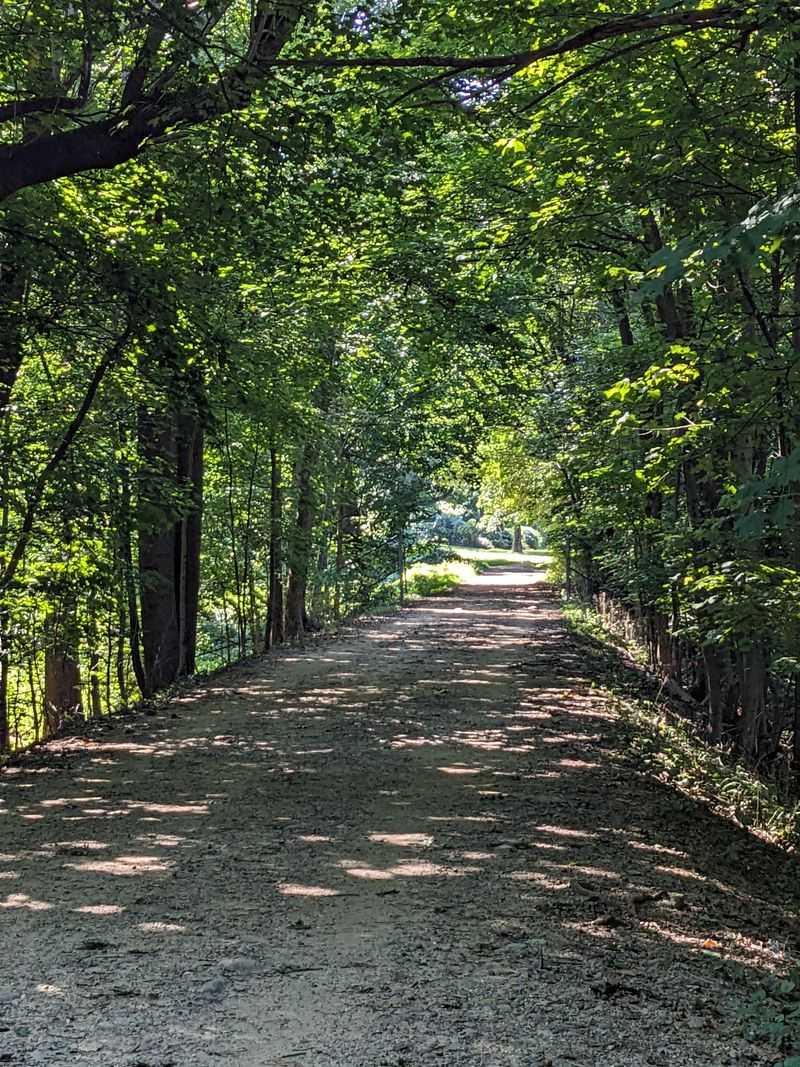
Irvington rests between steep hills and the Hudson, with a main street that holds tight to its historic lines.
The village green, the clock, and a cluster of brick and clapboard storefronts set a calm tone.
The Old Croton Aqueduct trail threads quietly behind, adding a leafy corridor through time.
Riverside parks open to piers and lawns where you can watch passing boats in silence.
Interpretive signs highlight the aqueduct’s engineering and the region’s literary legacy.
Side streets carry porches with spindle work and neat stone steps.
The theater and town hall speak to civic pride housed in well kept architecture.
Walkers can link the aqueduct to the waterfront with short, shaded connectors.
Shops fit within original envelopes, preserving rhythm and scale along the block.
Benches sit where breezes move, which makes lingering part of the plan.
Local organizations offer maps and tours that keep information current and clear.
Seasonal events feel intimate, never overwhelming the small street grid.
History is present in materials, textures, and proportions rather than grand gestures.
It is a quiet stop that still leaves a strong impression within New York State travels.
Take the aqueduct south, then loop back through the center to the river.
Address: 85 Main St, Irvington, NY 10533.
Dear Reader: This page may contain affiliate links which may earn a commission if you click through and make a purchase. Our independent journalism is not influenced by any advertiser or commercial initiative unless it is clearly marked as sponsored content. As travel products change, please be sure to reconfirm all details and stay up to date with current events to ensure a safe and successful trip.
