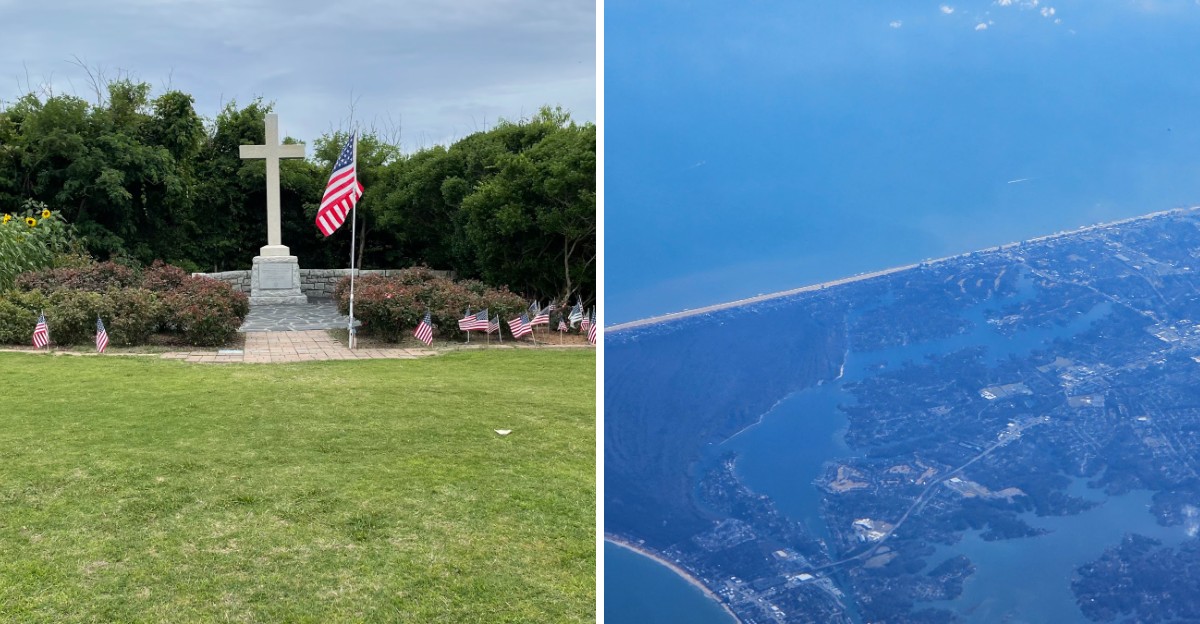
A pile of sand pumped from a dredged inlet ended up in front of the Supreme Court of Virginia. That alone made me stop scrolling.
Beach towels and lawyers rarely share the same sentence.
The trouble started after a fierce nor’easter chewed up a calm stretch of bay shoreline in September 2008. The city wanted to pipe fresh sand onto the beach.
Some waterfront owners pointed to their deeds and said the sand was theirs, right down to the low tide line.
I can’t imagine being told the beach in front of me belongs to someone else. Ten witnesses eventually described decades of fishing, swimming, and strolling there.
Their memories mattered more than anyone expected.
So who owns a beach in Virginia when the tide goes out? The answer took four years, two courts, and one very stubborn shoreline.
A Single Storm Kicked Off A Very Long Argument
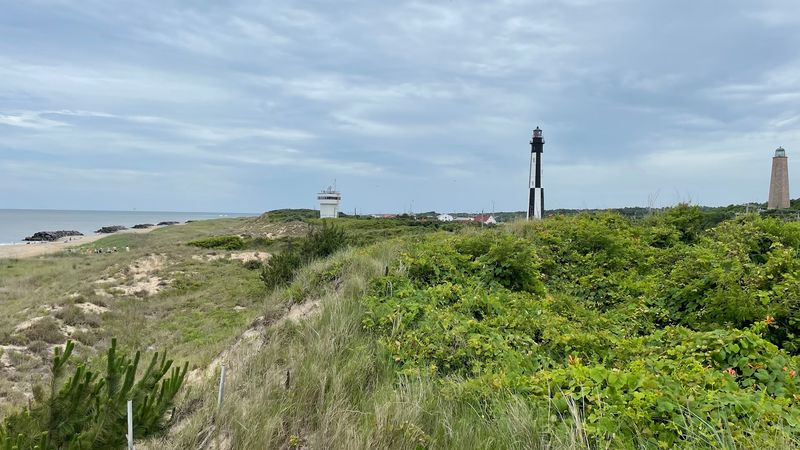
Nobody plans a court case around the weather. Yet that is exactly how the story of Cape Henry Beach began, with a nasty nor’easter in September 2008.
The storm stripped sand from this bay-facing stretch of Virginia Beach. Erosion like that can shrink a beach fast and leave homes closer to the water than anyone likes.
The City of Virginia Beach had a fix ready. The Army Corps of Engineers was already dredging Lynnhaven Inlet nearby, and that dredged sand could be piped onto the shore.
Free sand, an eroded beach, and a willing city sounds like an easy win. Sadly, simple plans rarely stay simple once property lines get involved.
To place sand on private land, the city needed easements from the owners. Some owners agreed, but others flatly refused to sign anything.
That refusal turned a routine restoration job into a legal showdown. In December 2008, the city filed suit to condemn portions of the Cape Henry beaches.
The goal was public recreation easements and permission for future sand nourishment. What followed would test how Virginia treats its shoreline, one grain at a time.
The Fine Print Said The Sand Went All The Way To Low Tide
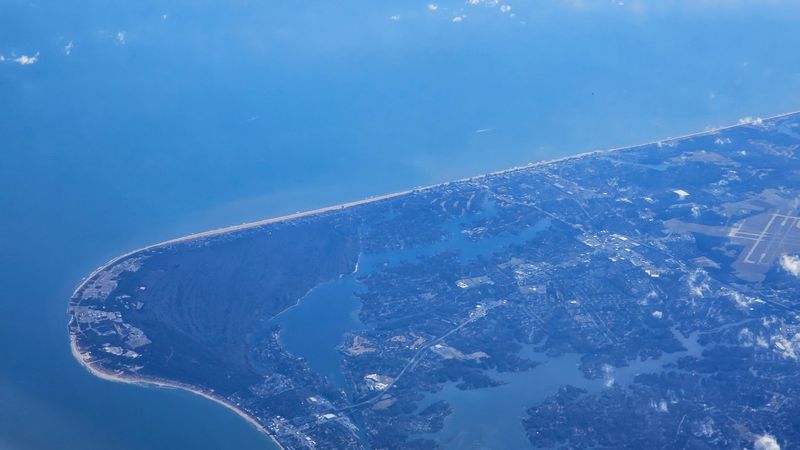
Deeds are usually boring paperwork that sits in a drawer for decades. Along this shoreline, those papers suddenly became the most important documents in town.
Several beachfront owners argued their deeds gave them private ownership of the sand. They claimed that ownership stretched all the way to the mean low water mark.
That claim was not pulled from thin air. Virginia is a mean low water state, so private property lines along the shore can legally reach the low tide line.
In practice, that rule can make strolling along the waterline a bit awkward. Walk far enough, and you might technically be crossing someone’s backyard.
For the owners, the city’s sand project felt like an intrusion on land they paid for. They saw easements as a way of giving away rights they valued.
The city saw something very different on that same strip of sand. Officials believed the public already held a long-standing right to use the beach.
So two groups looked at one beach and saw two completely different things. Somebody was going to have to decide which view held up.
You Can Find The Heart Of The Fight On Page Avenue
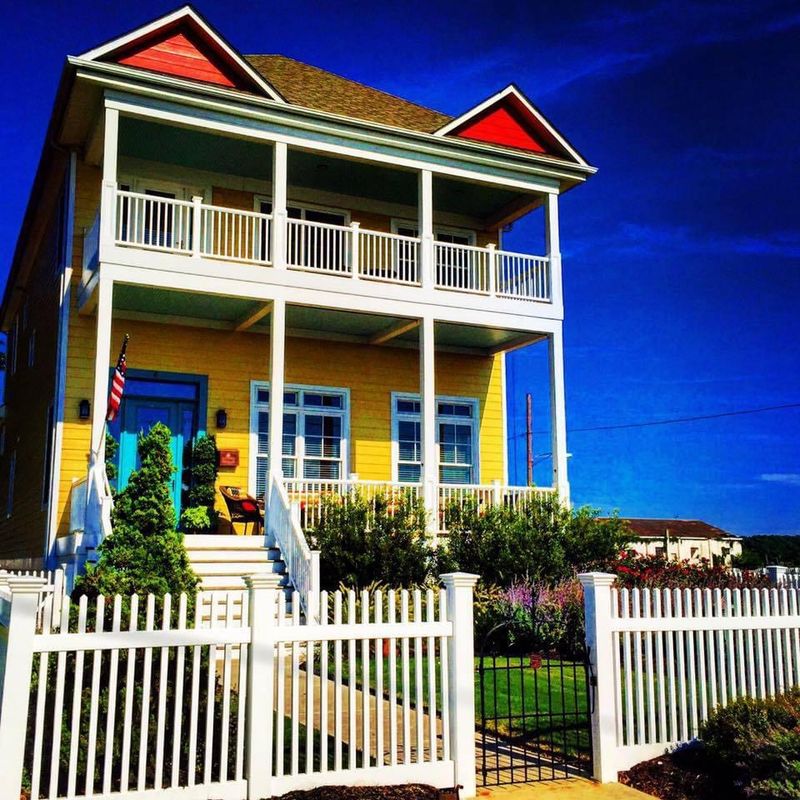
Every big legal story needs a home base. For this one, a good starting point is 3232 Page Avenue, Virginia Beach, VA, home to a beachfront condominium.
The owners at 3232 Page Avenue Condominium were among those who strongly opposed the city’s easement efforts. They viewed the plan as a direct hit to their property rights.
The Lynnhaven Dunes Condominium Association also became a central name in the dispute. Its name later appeared on the case that reached the state’s highest court.
Page Avenue runs close to the bay, so the stakes felt very personal. These owners weren’t arguing about some distant parcel they never saw.
An earlier jury had actually awarded a six-figure sum to a condo association. At that point, the city faced paying for the right to use the sand.
That award did not stand for long, though. The next ruling would flip the money question completely on its head.
Knowing the location helps the story click. Stand near Page Avenue today, and you’re near the exact spot where neighbors and the city squared off.
Ten Witnesses And A 1926 Dedication Changed Everything
Here is a twist worthy of a courtroom drama. In August 2011, Virginia Beach Circuit Court Judge A.
Bonwill Shockley ruled that the public had an absolute right to use Cape Henry Beach.
The judge pointed to history for support. The ruling cited the city’s acceptance of a beach dedication made back in 1926.
A dedication is basically land set aside for public use. According to the ruling, that commitment was dedicated again after 1956.
Paper records only told part of the story, though. Ten witnesses testified about decades of public fishing, bathing, and strolling on the sand.
Even better, those activities happened without objection from nearby property owners. Years of quiet, uninterrupted use carried real legal weight.
I love that everyday beach habits helped win the case. Somebody’s grandpa casting a line probably never guessed he was building legal evidence.
The ruling also wiped out the city’s obligation to pay the earlier jury award. If the public already had the right, the city did not need to buy it.
Owners did not accept that outcome quietly. Their next stop was Richmond.
Virginia’s Highest Court Got The Final Word In 2012
Not many beaches get their name in a state Supreme Court opinion. Cape Henry Beach pulled it off in a case called Lynnhaven Dunes Condominium Association v.
City of Virginia Beach.
The Supreme Court of Virginia decided the case on November 1, 2012. The justices focused on two big questions about rights and money.
First, had the city proven an implied dedication of public easements? Second, did owners deserve payment for losing their riparian rights along the water?
On the first question, the court sided with the city. It agreed the city had proven an implied dedication, which locked in public access.
The second question went a different way. The court partly reversed the lower ruling and said the association might be owed compensation for riparian rights.
Riparian rights cover things like reaching the water from your waterfront land. Losing those can carry value, even when the public keeps its access.
Those compensation details were sent back for further proceedings. Still, the headline stayed the same for beachgoers, because the sand remained open to everyone.
An Unwritten Promise Turned Out To Be Surprisingly Powerful
Implied dedication sounds like legal jargon, and honestly, it is. The idea behind it is pretty relatable once you break it down.
Land can become public through conduct, not just signed papers. When owners allow open public use for years and a city accepts it, that pattern can count.
At Cape Henry Beach, history and long public use worked together. That combination kept this stretch out of the restrictive mean low water trap.
Remember, Virginia law often lets private lines run to low tide. That rule can limit lateral access, meaning walking sideways along the shore.
The ruling made sure that problem did not apply here. People can stroll this bay beach without worrying about crossing invisible fences.
The city’s fight also fit a bigger plan. Virginia Beach has worked to protect beach access at other popular spots, including Sandbridge and the Oceanfront.
I believe that bigger picture matters most. A single case about one beach helped set a tone for keeping shoreline open across the city.
Not bad for an idea nobody ever wrote on a sign.
Bring A Bucket Because The Bay Plays Nice Here
All that legal muscle protected something wonderfully low-key. Cape Henry Beach stretches about two miles along the Chesapeake Bay, so the vibe is calmer than the ocean side.
Bay water tends to be gentler than the Atlantic surf at the Oceanfront. That makes this shoreline a solid pick for families with little ones.
Sandcastle building is basically mandatory here. Pack a bucket, a shovel, and a little patience for the tide.
Sunbathing works nicely too. Spread out a towel and enjoy a quieter kind of beach day.
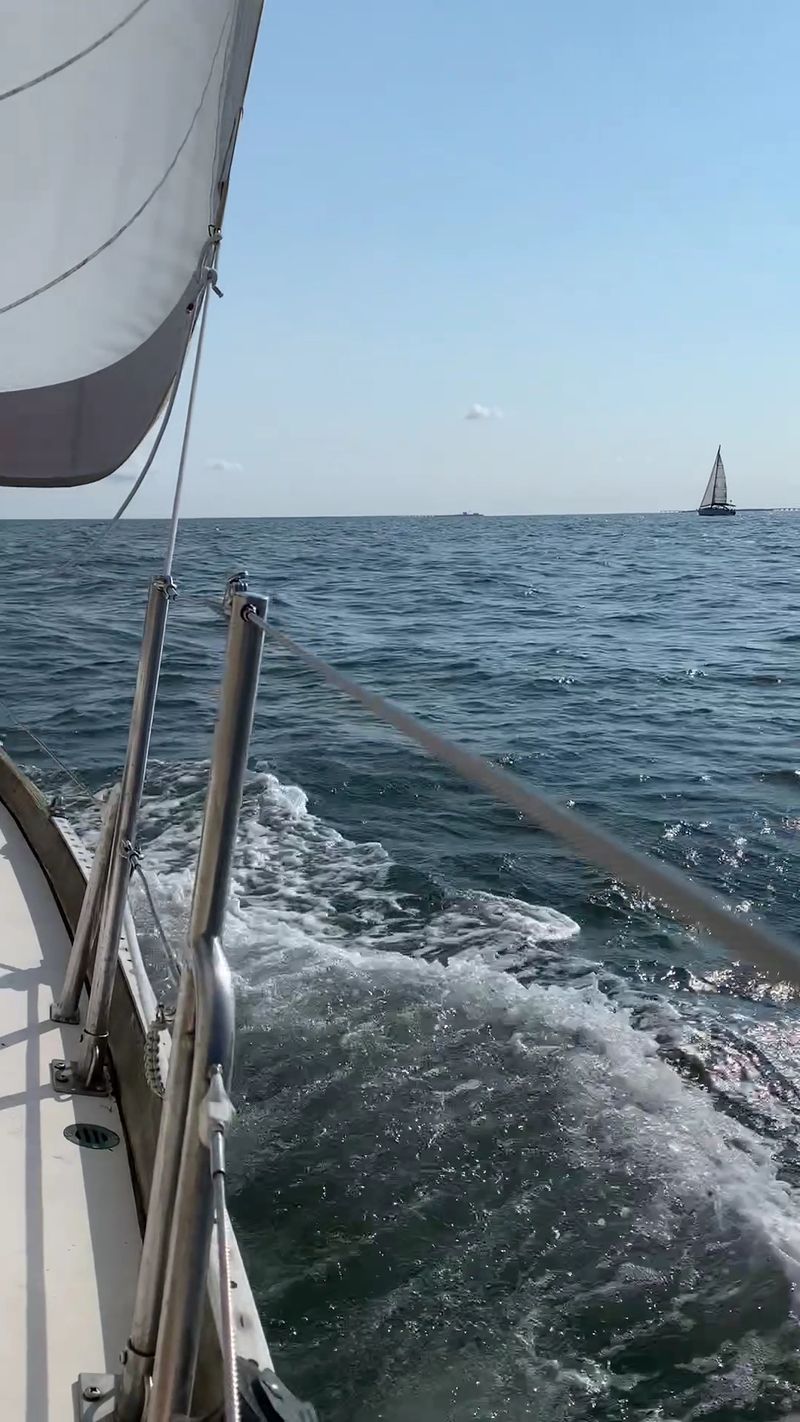
Boat watching is another easy pleasure along the bay. Vessels glide past regularly, giving you free entertainment between snacks.
Public access points make getting onto the sand straightforward. Look for marked paths through the dunes rather than cutting across private yards.
A little etiquette goes a long way here. Stay on walkways, protect the dune plants, and carry out every bit of trash.
Considering how hard people fought for this beach, treating it well feels right. Think of your tidy towel spot as a small thank-you to those ten witnesses.
History Buffs Get A Bonus Right Next Door
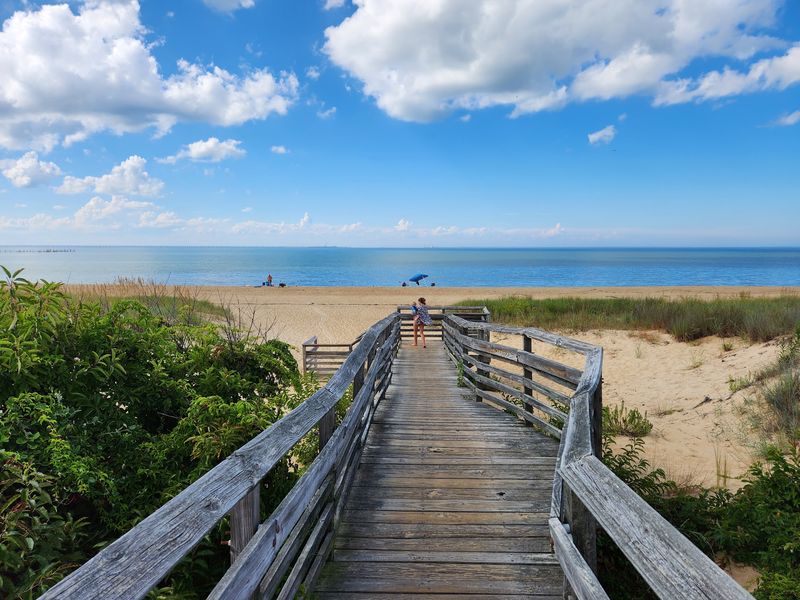
Talk about a famous neighbor. One end of Cape Henry Beach meets First Landing State Park, the most-visited state park in Virginia.
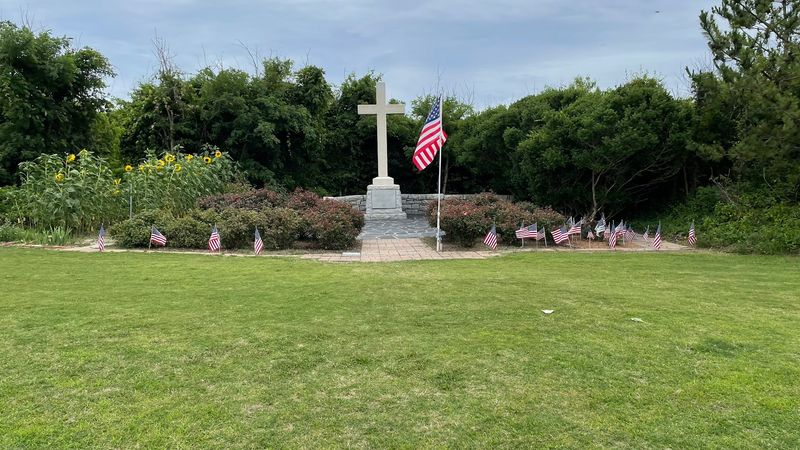
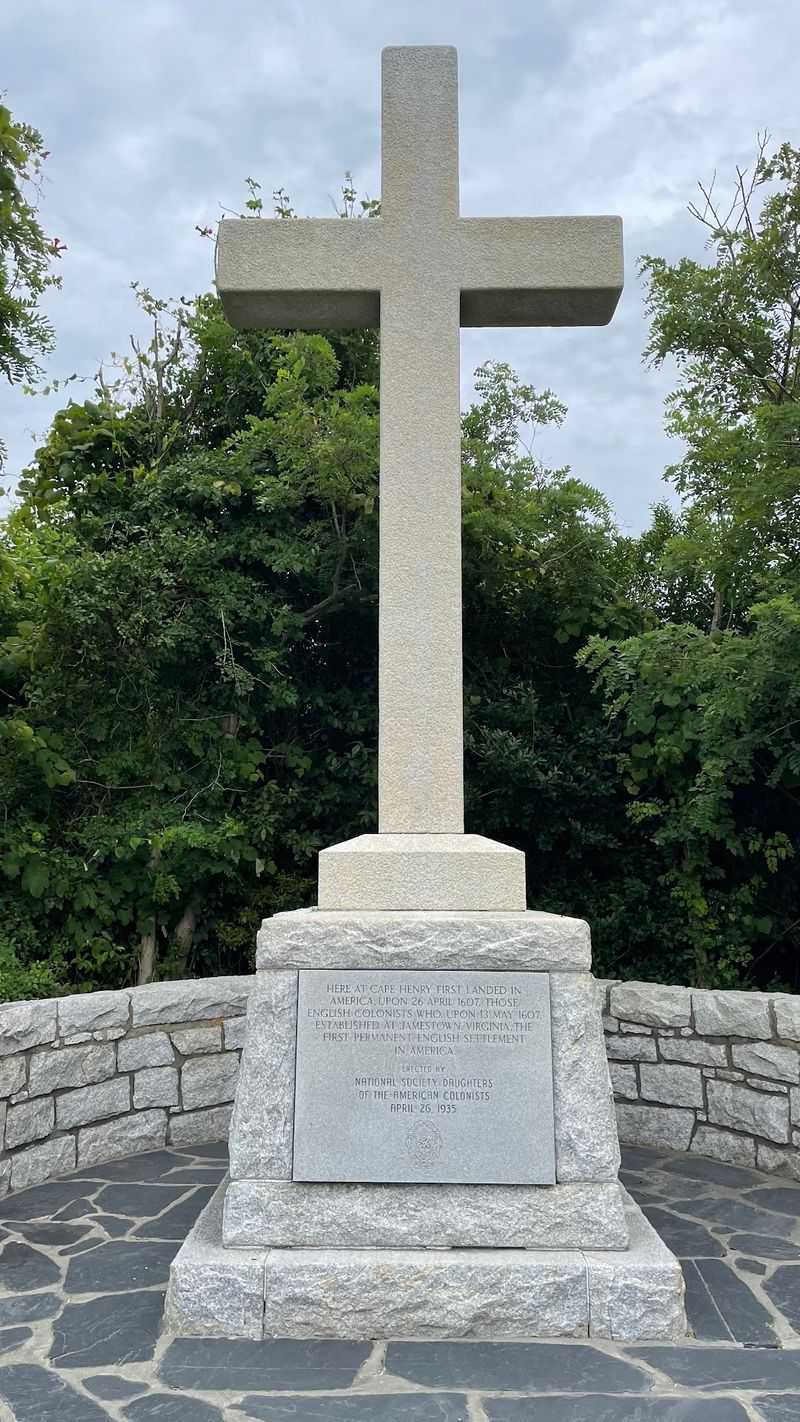
The park’s name comes with serious history attached. English colonists first landed in this area in 1607, before heading on to Jamestown.
So a single outing can cover two big stories. You get a modern court battle at the beach and a colonial landing nearby.
The park offers miles of hiking and biking trails. Those paths wind through a mix of coastal habitats that feel worlds away from the sand.
Trails make a smart move on breezy days. When the bay gets choppy, the forest offers a different kind of outdoor fun.
Families can easily split the day in two. Spend the morning on trails, then cool off on the bay beach in the afternoon.
Bring water, sunscreen, and bug spray for the woods. Comfortable shoes help too, since flip-flops and long trails rarely get along.
Good luck choosing a favorite between the beach and the park. Honestly, you don’t have to.
Bridges, Boardwalks, And A Beach That Belongs To Everyone
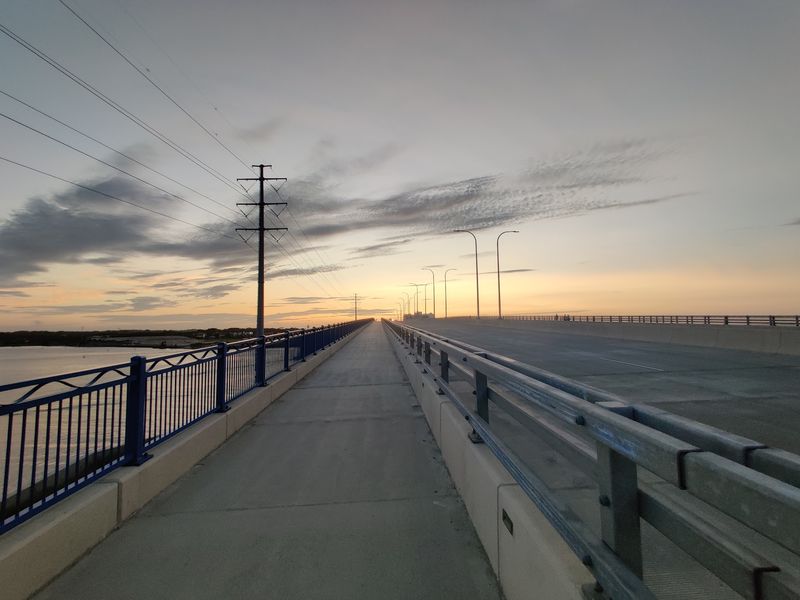
Bookends matter, even for beaches. Cape Henry Beach runs from the Lesner Bridge at Lynnhaven Inlet all the way to First Landing State Park.
The Lesner Bridge area connects the shoreline to the inlet’s busy boat traffic. It also links this story back to the dredging that started everything.
Farther out, the Chesapeake Bay Bridge-Tunnel stretches across the mouth of the bay. It’s an engineering marvel that rewards a drive with big water views.
Want more action after a quiet beach morning? The Virginia Beach Oceanfront sits a short drive away, with its boardwalk, shops, and restaurants.
That mix gives you options. Calm bay sand one hour, lively boardwalk energy the next.
Still, the real souvenir here is the backstory. Knowing that courts weighed in makes every footprint feel a little more earned.
This Virginia shoreline stayed public because history, witnesses, and a stubborn city all lined up. It’s a pretty great reason to grab your towel.
Some things really are best shared. This two-mile stretch of bay sand proves it every single sunny day.
