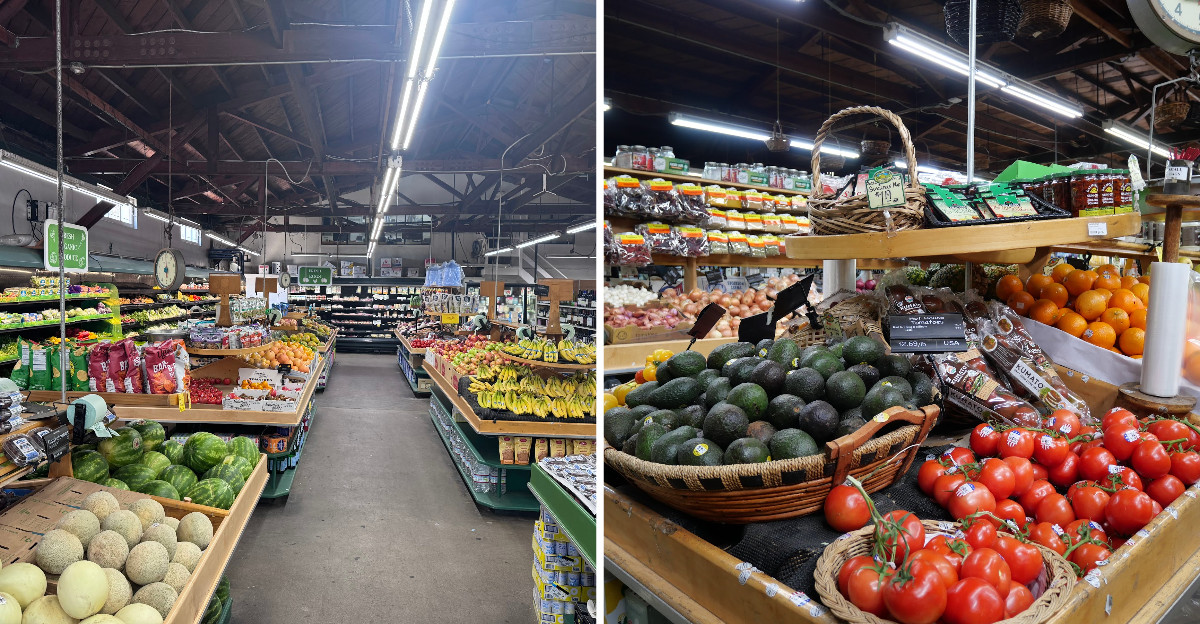
Oranges and neighborhood trust do not usually make headlines, but this California story did. A small market that had served its community for fifty years was about to lock its doors for good.
Regulars knew the owners by name. The shelves held produce that tasted like it came from a farm stand, not a chain.
Then a former tech executive quietly stepped in, and the future of the store changed overnight. No cameras, no press conference, just a decision to keep something alive that mattered.
The building stayed open. The fruit kept arriving.
The neighborhood exhaled. Stories like this are rare, and they remind you that not every ending has to be permanent.
Sometimes the person with the most resources is the one who cares the most. Sometimes a quiet act of generosity speaks louder than any announcement.
The market still stands, its doors open, its shelves full. That is worth remembering.
A Small Market With A Big Comeback Story
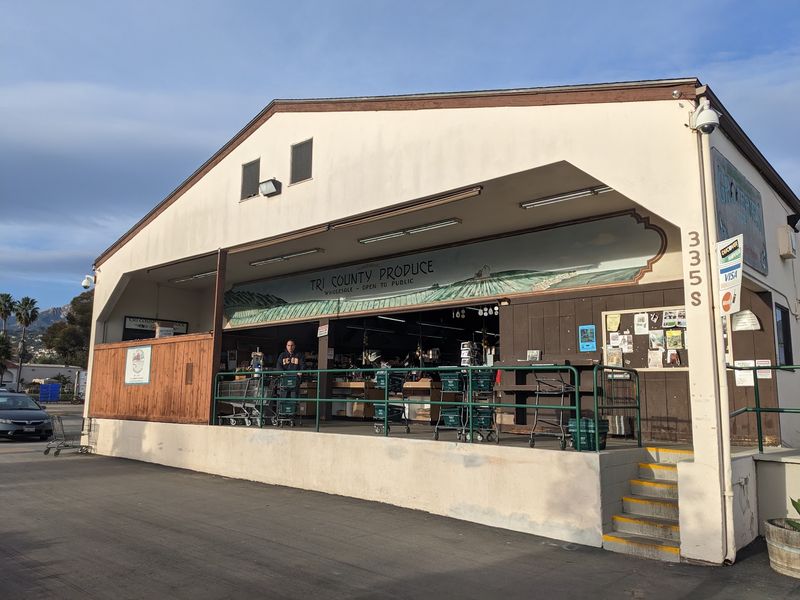
Grocery stores rarely make national headlines, yet this one managed it in 2025. Tri-County Produce is a family-scale grocery store and everyday farmers market.
The shop focuses on fresh, local produce first. It also carries gourmet natural foods, meat, seafood, baked goods, dairy, eggs, and juices.
So why did a modest market become big news? In March 2025, its longtime owner announced plans to retire and close this California store.
That announcement set a deadline for the end of April 2025. Suddenly, a familiar spot on Milpas Street looked like it might vanish.
Then a pair of local residents decided to help. Eric Schmidt, Google’s CEO from 2001 to 2011, and his wife Wendy stepped in as investors.
Their support kept the doors open. Today the store is operating, and the shelves are still stocked with fruit and vegetables.
This story is worth knowing because it shows how much one small business can matter. A neighborhood market can be a daily habit, a meeting place, and a link to local farms.
The sections ahead walk through how the store began and who runs it now. You will also learn what is on its shelves and what changes may come next.
How A 1950 Warehouse Became A Neighborhood Store
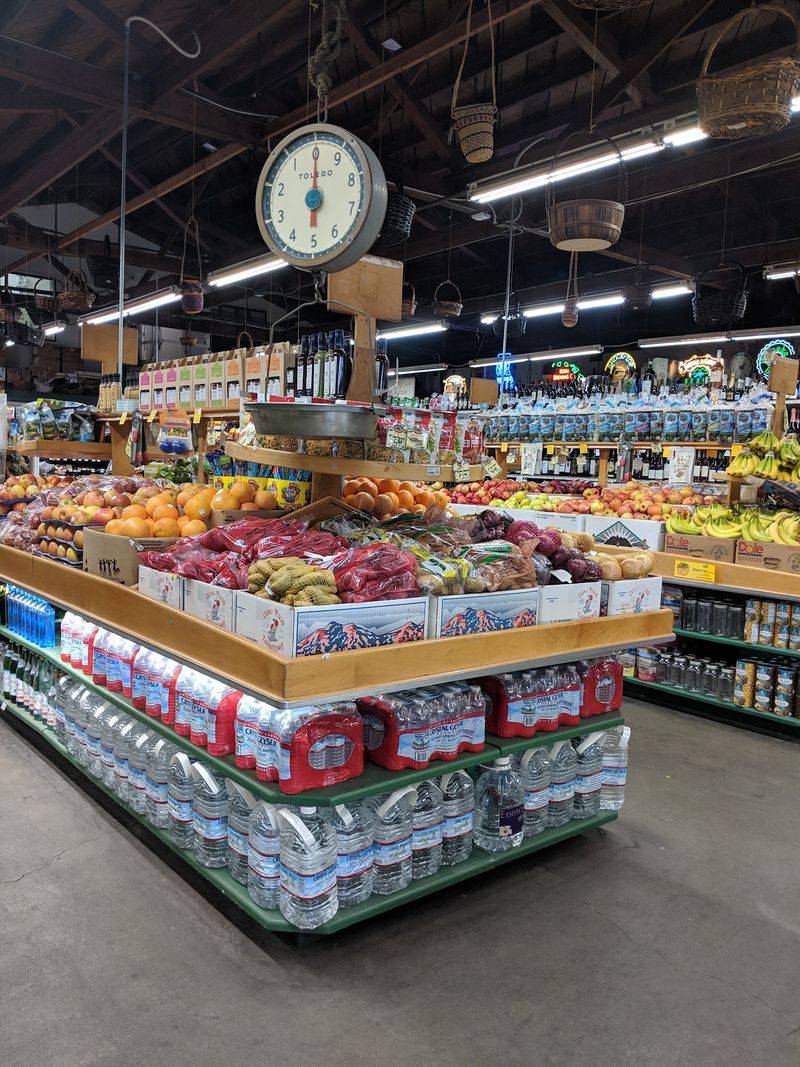
Long before shoppers filled baskets here, the building served a very different purpose. It was constructed in 1950 for a man named Harry Bowman.
Bowman used the space as a wholesale produce distributor. That means crates of fruit and vegetables moved through to other businesses, not straight to home kitchens.
The big shift came in 1976. Virgil and Marie Eliot bought the business from Bowman and opened it to the public.
From that point on, regular folks could walk in and pick out their own produce. A warehouse built for bulk deliveries had become a place for weekly shopping trips.
Here is a fun way to think about it. The building has been handling fresh produce for over 70 years, just for different customers along the way.
That long history explains the headline about 50 years. Counting from its public opening in 1976, the market reached the half-century mark in 2026.
When you visit a store like this, you are seeing layers of local history. The same address has connected farms and eaters in Santa Barbara for decades.
Knowing this backstory may change how you see an ordinary grocery run. A bag of lemons from here comes with a surprisingly long family tree.
It is a reminder that local businesses often grow out of very practical beginnings. Many start small and change shape as a community grows.
Forty Years Of The Dixon Family At The Register
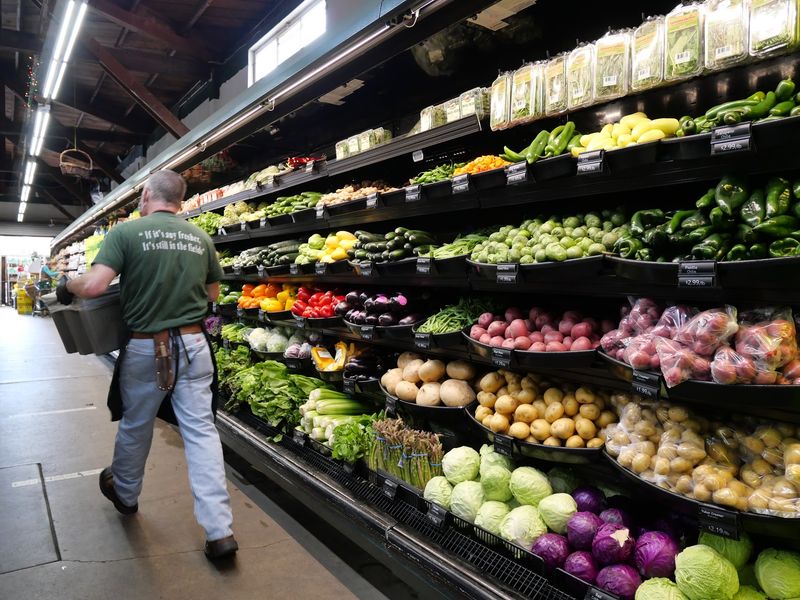
Picture a father and son shaking hands on a deal that would shape the next four decades. In 1985, Jim Dixon and his son John bought the store from the Eliots.
The Dixons kept the focus on fresh produce and natural foods. Year after year, they built a steady relationship with shoppers in the area.
Jim passed away in 2016, and John carried on running the business. In total, the Dixon family owned the market for about 40 years.
That is a long stretch for any small grocery. Big chain stores come and go, and keeping a single shop going that long takes serious commitment.
John even replied to online reviews himself. In one response, he thanked a shopper and mentioned that he and his dad took over 40 years earlier.
Small touches like that show the personal side of a family business. Owners often know their store from the produce bins to the back office.
By 2025, John was ready to retire. Many people dream of retiring after decades of hard work, and few would blame him.
Yet his retirement raised a tough question. Without a buyer, what would happen to a market so many people relied on?
If you shop at family businesses, it helps to remember this. Every owner eventually needs someone ready to carry the store forward.
The Spring Announcement That Worried Shoppers
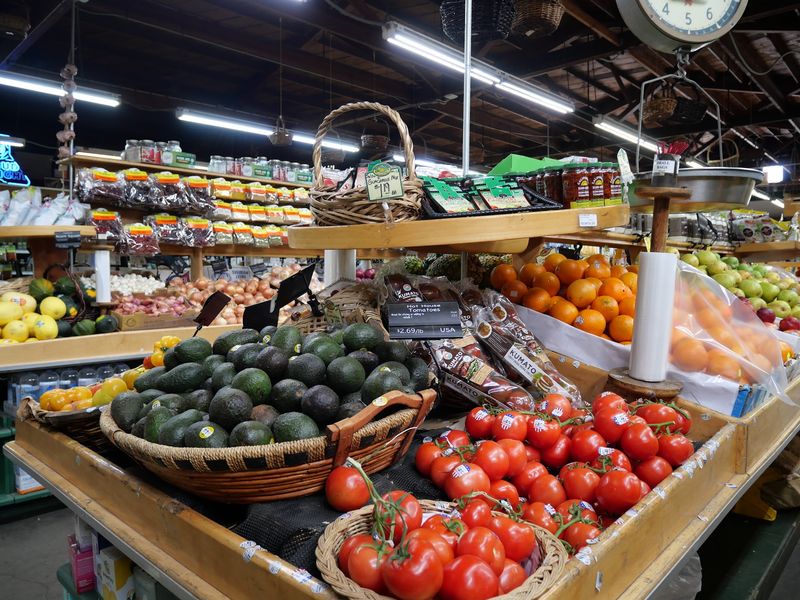
Few things sting quite like learning a favorite shop has an expiration date. That is what happened in March 2025, when John Dixon shared his retirement plans.
The store was expected to close by the end of April 2025. That gave the community only a few weeks to process the news.
For many neighbors, the market was a simple, close-by place to grab groceries. Losing it would mean longer trips and fewer local produce choices.
News outlets picked up the story quickly. Regional and national coverage followed the countdown and the worry it caused.
Why would so many people care about one grocery store? Small markets often support local farmers and growers who may not sell to larger chains.
When a shop like that closes, the ripple spreads. Growers lose a buyer, workers lose jobs, and shoppers lose a familiar routine.
Here is a practical takeaway for your own town. If a local store matters to you, shopping there regularly is one of the best ways to keep it healthy.
Spending even a few dollars each week adds up for small businesses. Steady customers help owners plan and stay confident about the future.
Luckily, the story at this market did not end in April. A surprise plan was already taking shape behind the scenes.
Enter Eric And Wendy Schmidt
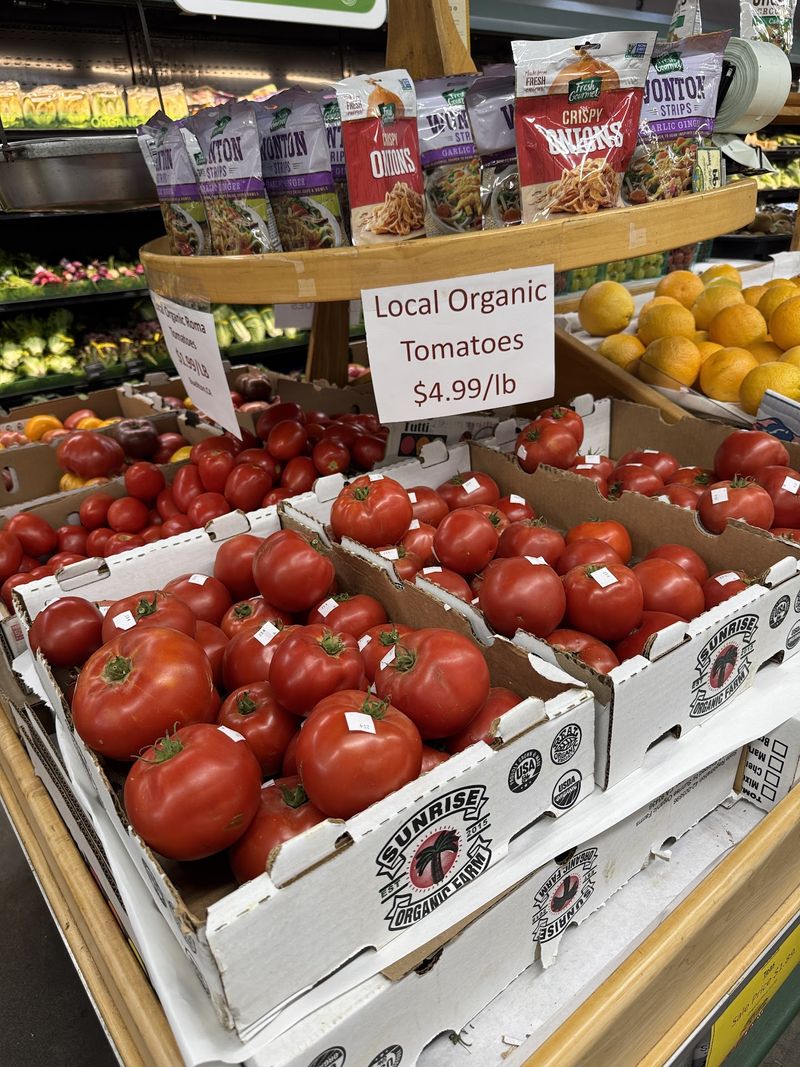
Tech leaders are usually linked with search engines and smartphones, not crates of avocados. Eric Schmidt changed that picture when he and his wife Wendy got involved.
Eric served as Google’s CEO from 2001 to 2011. He and Wendy live in Santa Barbara, so this was a neighborhood matter for them.
The couple stepped in as angel investors. An angel investor provides money to help a business survive or grow, often when it needs support most.
Wendy Schmidt spoke about how important it was to save the beloved market for the community. Her words matched what many local shoppers were feeling.
The Schmidts acquired a controlling interest in the Tri-County Produce site. In simple terms, they gained the main say over the property where the store sits.
That move gave the market a path forward instead of a closing date. It also showed that wealthy residents can choose to invest close to home.
There is a lesson here that works at any scale. You do not need a tech fortune to support local shops you care about.
Sharing a store on social media or bringing friends along can help. Every bit of attention and spending makes a difference for a small business.
Still, the investment was only part of the rescue. The people running the store day to day mattered just as much.
Longtime Employees Take The Wheel
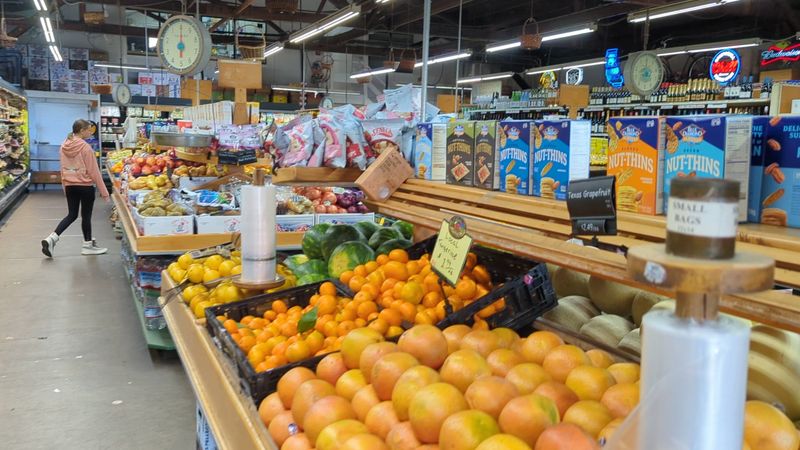
Sometimes the best person to run a store has been stocking its shelves for years. Jaime Desales Sr. started working at the market in 1999.
His son, Jaime Desales Jr., known as Mito, joined him in the new chapter. Together, the father and son officially took over operations.
The plan is for the Desales family to ultimately own the business. The Schmidts’ investment supports that goal and helps them get started.
Notice something sweet about this story? A father-and-son team took over in 1985, and another father-and-son team now leads the store.
Having experienced workers in charge brings real advantages. They already know the suppliers, the products, and the everyday rhythm of the shop.
Employees who become owners often care deeply about keeping things running well. They have seen the store from every angle, from deliveries to the checkout counter.
For shoppers, this kind of handoff can feel reassuring. The faces behind the counter are not strangers arriving from far away.
If you ever chat with staff at a small business, you may learn they have long histories there. Those stories are often part of what keeps a place grounded.
This rescue was not just about money. It was about trusting the people who had already helped the store succeed for more than two decades.
What You Will Find Inside The Aisles
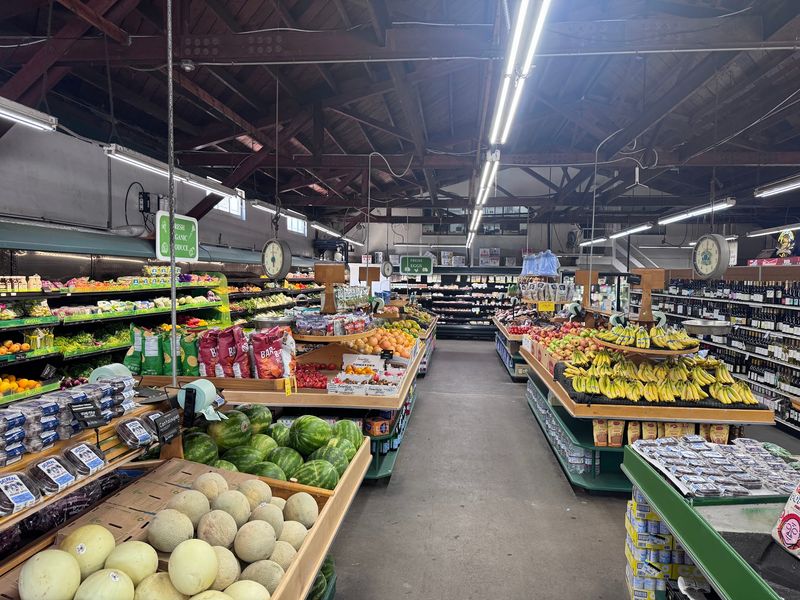
Think of the store as a farmers market that never packs up its tables. The shop calls itself an everyday farmers market, and produce is the star.
Its fruit and vegetables come from regional farmers and artisanal growers. The store describes its produce as hand-selected and high quality.
Beyond the produce section, you can shop for gourmet natural foods and baked items. Dairy, eggs, fresh meat, and fish are also on hand.
One standout is the freshly squeezed juice made in-house. Fresh juices come up often in recent online reviews, with carrot juice getting several mentions.
The store’s motto is simple and easy to remember. It promises good food, fair prices, and friendly faces.
Shoppers who visit often can join the Fresh Points loyalty program. It rewards repeat customers, which is handy if you buy groceries there each week.
A smart tip is to shop with the seasons. Local produce changes throughout the year, so you may find different fruits and vegetables on each visit.
Bringing a short list but staying flexible works well at a market like this. You might spot something new that fits your plans for dinner.
Small stores can also be easier to get through quickly. You can grab what you need without wandering a giant warehouse.
Plans For A Bigger And Busier Future
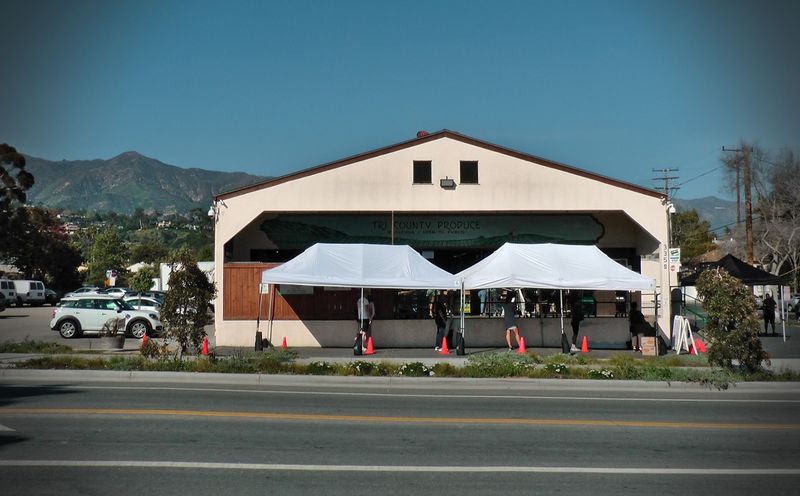
Saving a store is one thing, but helping it grow is a bigger idea. The 2.43-acre property around the market is approved for redevelopment.
Plans include building between 45 and 53 housing units next to the store. New homes could bring more neighbors within walking distance of fresh groceries.
The market itself may also get larger. Plans call for expanding the building from 6,000 to 10,000 square feet.
That would be a big jump in space for shelves and displays. More room could mean a wider selection and easier movement through the aisles.
An outdoor patio and 45 new parking spaces are also possible. These features are part of the plans, so they may change as the project moves forward.
The Schmidts have said they intend to keep the market in place while moving ahead with housing. That approach blends a familiar shop with new growth.
Here is why this matters beyond one city. Many towns face a need for housing and also want to protect local businesses.
This project tries to do both at the same address. If it works, other communities may look to it as an example.
For now, the doors remain open and the produce keeps arriving. A market facing closure has turned into a story about what comes next.
Address: 335 S Milpas Street, Santa Barbara, California 93103
