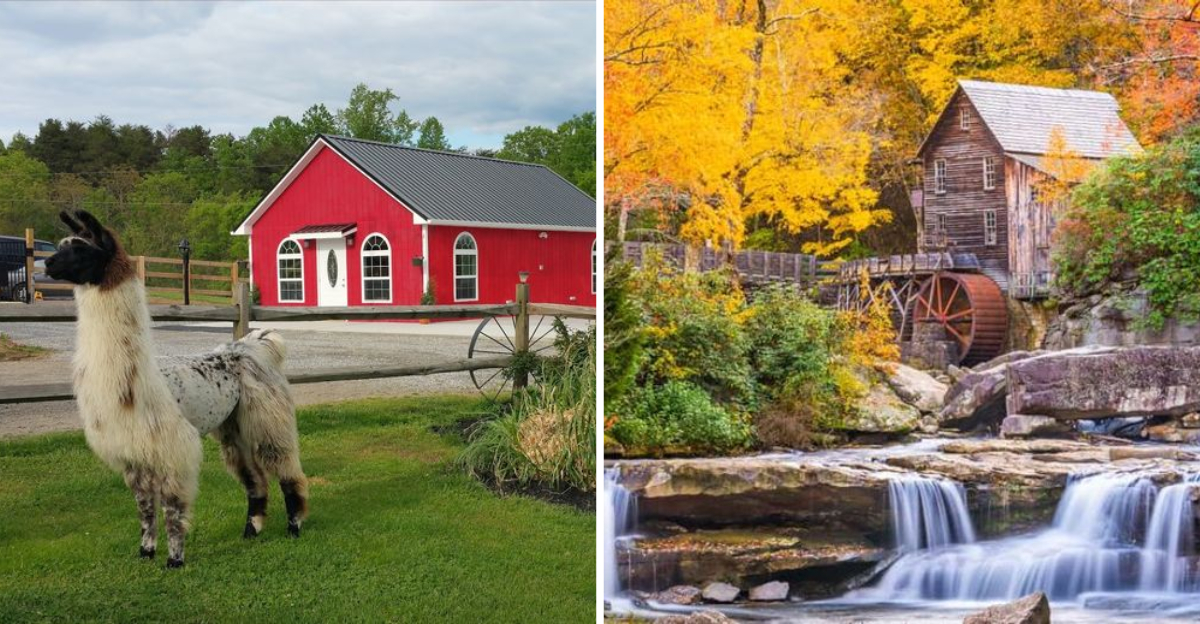
Old-world skills never quite faded in Virginia, and its farms carry that legacy with real pride.
I found myself completely drawn in the moment I started exploring these working properties, each one offering a different window into crafts that once defined everyday life.
Costumed interpreters drive oxen, blacksmith, and prepare meals over open hearths on some properties. Others demonstrate weaving, basketry, and storytelling rooted in the region’s earliest settlers.
Still others offer deeper looks at the lives of the enslaved people whose labor built these agricultural legacies.
The people here are not performing for an audience; they are simply doing what they love, and visitors are welcome to watch, learn, and sometimes join in.
If you are looking for a weekend adventure with real substance, these Virginia farms are absolutely worth the drive.
1. Moses Mill Farm
There is a certain stillness at Moses Mill Farm that hits you before you even reach the front gate.
Established in 1872, this Chatham property carries more than a century of working farm history in its bones, from the weathered barn to the old mill remnants along Cherrystone Creek.
It is the kind of place that makes you slow down without even trying.
The farm is best known for its handmade goat’s milk soaps, body butters, and skin scrubs, all crafted on-site using milk from the resident goats.
Visitors can book hands-on experiences that walk them through the goat milking process, covering husbandry basics, milking techniques, and the tools involved.
I loved how unpretentious the whole experience felt, like learning from a neighbor rather than attending a formal class.
Beyond soap-making, the farm offers classes in canning, cooking, and animal care. Scenic tours of the property let you wander past open meadows and take in the peaceful creek setting.
All visits are by appointment, so the experience stays personal and unhurried.
Address: 1368 Moses Mill Rd, Chatham, VA 24531
2. Funky Fleece Farm
Forty-four acres of Pittsylvania County farmland is home to one of Virginia’s most endearing fiber operations, and the name alone should tell you something about its personality.
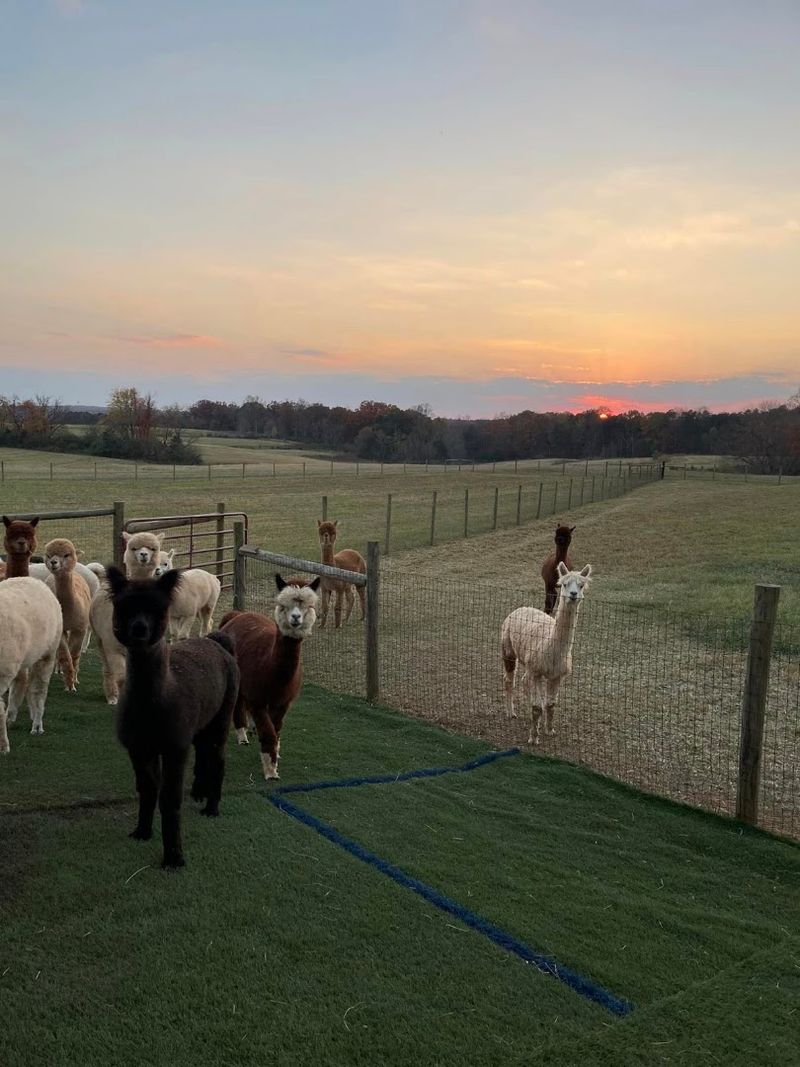
Funky Fleece Farm raises alpacas whose soft, cloud-like fleece becomes yarn, socks, and hand-crafted hats.
The animals are curious and friendly, and meeting them up close is genuinely one of the highlights of any visit.
What makes this farm special is how openly the owners share the full journey from shearing to finished product. Crafting workshops give visitors a real chance to try spinning, weaving, or knitting with alpaca fiber, guided by people who clearly love what they do.
I appreciated that it never felt rushed or scripted.
Farm tours run by appointment and include time to feed and interact with the alpacas directly. The owners are passionate about sustainable farming and are happy to talk through their practices at length.
It is the sort of place where you arrive planning to stay an hour and end up lingering for the whole afternoon.
3. Infinity Acres Ranch
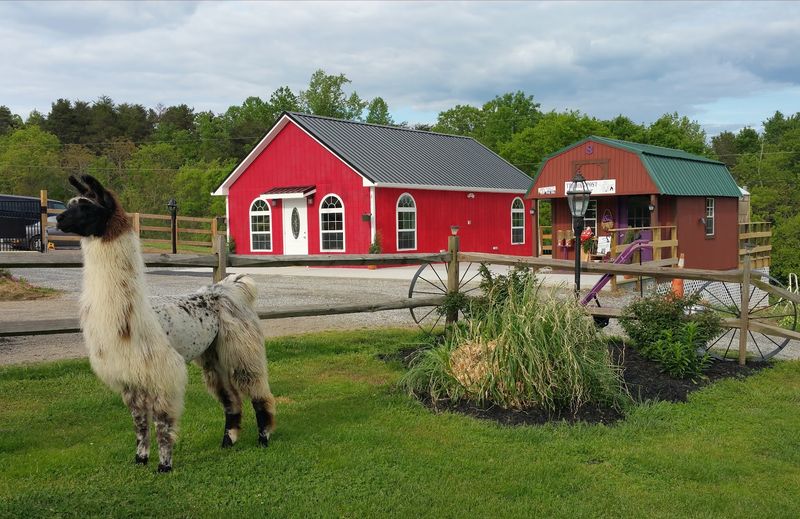
Perched at the base of the Blue Ridge Mountains on 61 acres of parklike land, Infinity Acres Ranch in Ridgeway operates as an animal-assisted learning nonprofit with a genuinely big heart.
The setting alone is worth the trip, with a pond, a creek, and wide open space that feels far removed from everyday life.
Every visit here is structured around education, connection, and a deep respect for animals.
The ranch hosts interactive encounters with an impressive range of animals, from llamas you can walk on a lead to bottle-feeding kangaroos and wallabies.
Their Trading Post carries handmade gifts alongside fiber arts supplies like roving, yarn, and needle-felting kits, pointing to a real appreciation for hands-on craft culture.
It is a small but meaningful detail that ties the ranch to Virginia’s broader fiber arts community.
All visits are by appointment, which keeps things personal and allows the staff to tailor the experience to each group. Programs cover animal husbandry, conservation, and environmental stewardship in ways that feel accessible to all ages.
Kids especially light up here, but honestly, so do adults.
Address: 136 Joppa Rd, Ridgeway, VA 24148
4. Mountain Meadow Farm
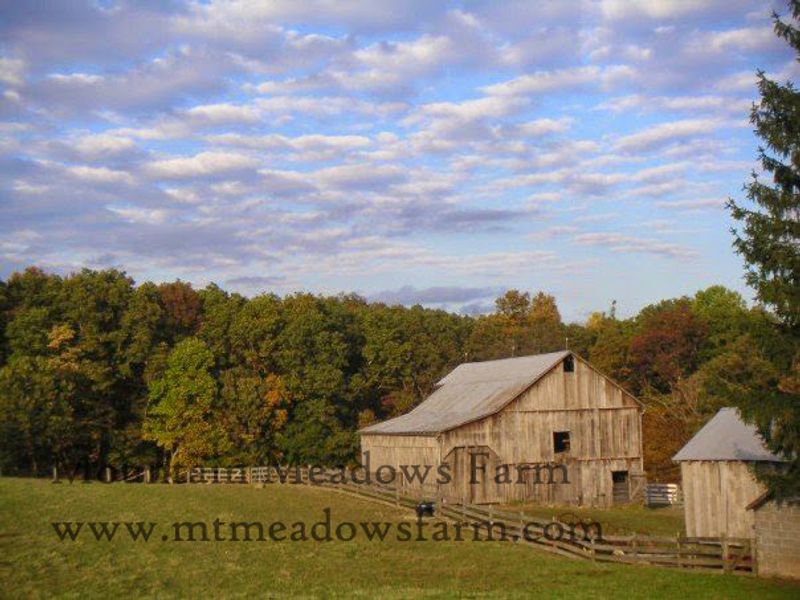
Stepping onto Mountain Meadow Farm feels like entering a different rhythm of life entirely.
Tucked into the rolling hills of Pulaski County, this 50-acre property has been in the same family for decades, and the land itself seems to carry that continuity in its bones.
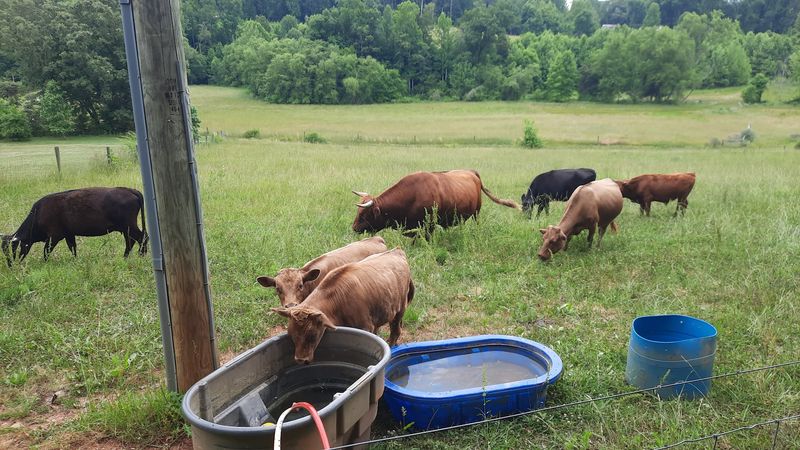
The farm raises a rotating selection of heritage breed livestock, including the critically endangered Pineywoods cattle, and the owners are deeply committed to preserving genetic diversity through intentional, low-stress animal husbandry.
What makes a visit here special is the openness of the experience. The owners genuinely enjoy sharing their knowledge with visitors, from explaining rotational grazing practices to demonstrating how they work with fiber animals like Angora goats and Shetland sheep.
Fiber arts workshops are offered seasonally, giving guests a chance to try their hand at spinning, weaving, or dyeing raw fleece with natural materials gathered from the property itself.
There is no gift shop, no gift shop theatrics, just an honest working farm where traditional skills are passed from one generation to the next without fanfare.
The quiet satisfaction of watching a skilled hand turn raw wool into something useful is exactly the kind of experience that stays with you long after you have driven home.
Address: 7154 Walker Mountain Rd, Hiwassee, VA 24347
5. La Grange Family Farm
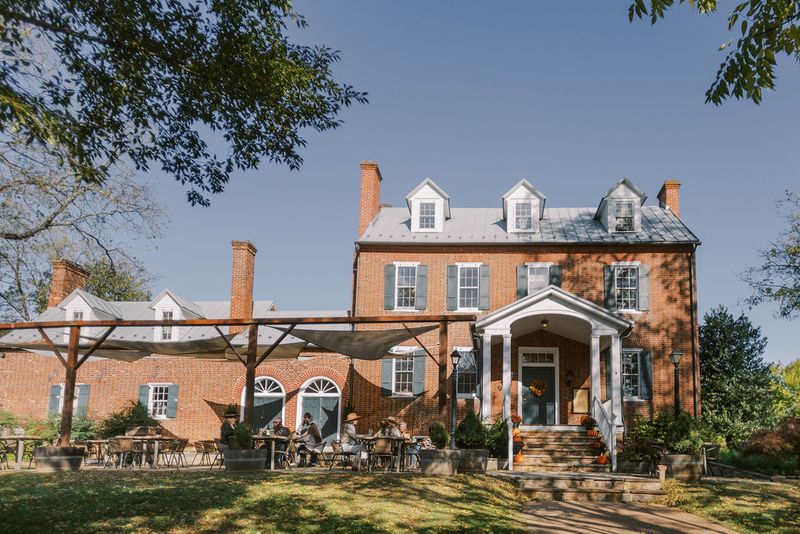
La Grange Family Farm has been part of the Stephens City landscape since 1758, and that kind of history gives the place a grounded, unhurried quality that is hard to manufacture.
The farm’s historic McCleod House and mid-1800s Bank Barn sit against a backdrop of rolling mountains, making it one of the more photogenic properties on this list.
But the real draw here is what happens when people gather.
As the primary host of the Lost Arts Festival, La Grange becomes a full-day celebration of traditional skills, with artisans demonstrating fiber arts, woodworking, basketry, blacksmithing, beekeeping, and animal husbandry side by side.
Watching these crafts come alive in such a storied setting makes the experience feel genuinely meaningful rather than performative.
I found myself lingering at nearly every station.
Beyond festival days, the farm runs a 24/7 self-serve stand stocked with fresh produce, eggs, baked goods, handcrafted soaps, and beeswax candles.
Local crafters also sell their goods through the stand, keeping the spirit of community craft alive year-round.
Petting zoos and scheduled visits to the historic areas round out what this remarkable farm has to offer.
Address: 5498 Valley Pike, Stephens City, VA
6. Earth, Wind and Fleece
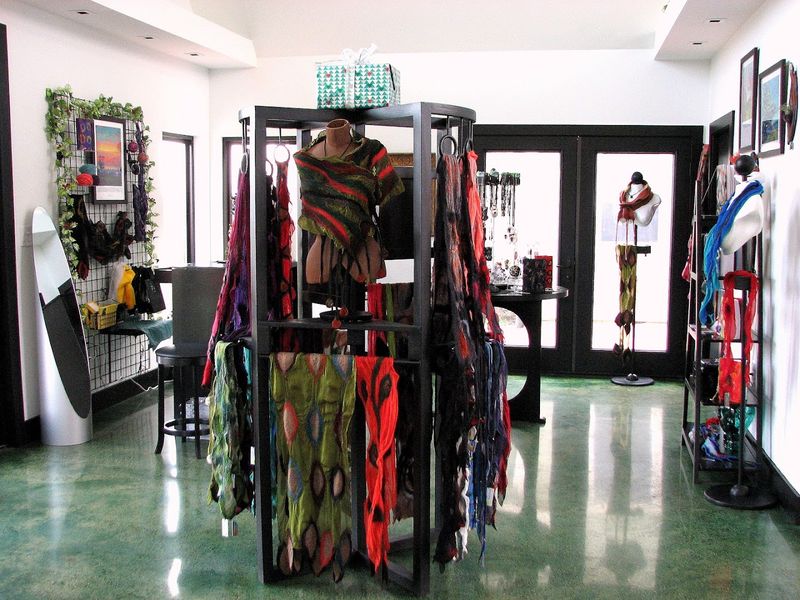
There is a creative calm that settles over Earth, Wind and Fleece the moment you step onto the property near Lovettsville. This small family farm doubles as a fiber art studio, and the two feel completely inseparable here.
Alpacas graze nearby while hand-dyed yarns and felted scarves take shape inside, and the whole operation hums along with a quiet kind of purpose.
Susan Trask, the owner and resident fiber artist, uses wet felting techniques to create wearable art pieces that are as tactile as they are beautiful.
Guests can visit the studio to observe the process firsthand, and private art classes are available for anyone who wants to try their hand at felting.
The studio also carries knitted and crocheted alpaca hats made by local friends, which adds a lovely community dimension to the space.
Visits happen by appointment or during scheduled open hours, keeping the experience relaxed and personal. The farm is wheelchair accessible, which is a thoughtful detail that makes it welcoming to a wider range of visitors.
Between the animals, the art, and the natural surroundings, this stop has a warmth that genuinely lingers.
Address: 13833 Berlin Turnpike, Lovettsville, VA 20180
7. Mt. Airy Farm
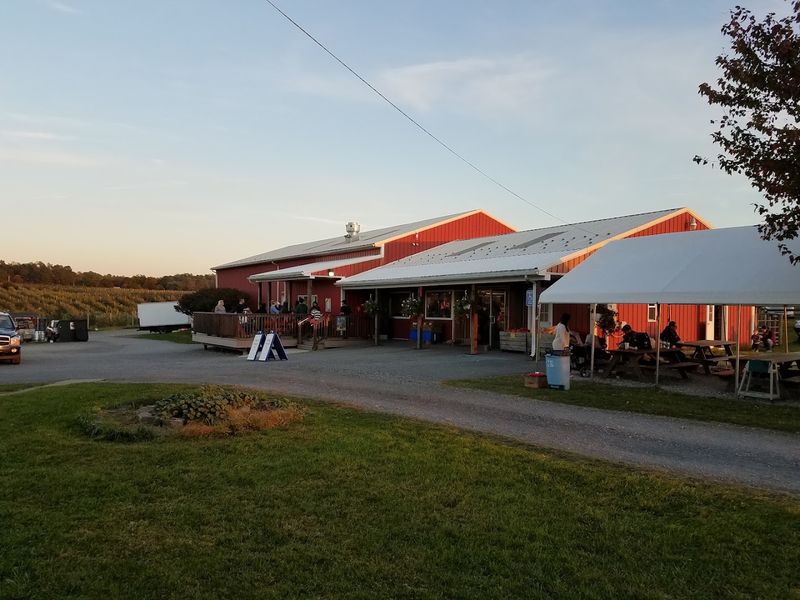
Tucked into the foothills of Virginia’s Blue Ridge Mountains, Mt. Airy Farm in Marshall has a reverence for fiber that runs through everything it does.
The farm raises Cormo and CVM sheep, Angora goats for their mohair, and Angora rabbits, each breed selected specifically for the quality of its fleece.
Several of the barns and outbuildings on the 40-acre property date back to the early 1800s, which gives the whole place a layered, storied feel.
Hand-shearing is practiced here by choice, not just tradition. The farm believes that slower, more deliberate shearing reduces stress on the animals and better preserves the fiber’s quality, and that philosophy carries through to every step of production.
Custom blended yarns, handspun rovings, and hand-knitted scarves and hats are all available, each one a direct result of that careful process.
Visits are welcomed by appointment, giving guests the chance to see the fiber animals up close and learn about the journey from raw fleece to finished craft. It is the kind of farm that rewards curiosity.
The more questions you ask, the more you realize how much skill and patience goes into every skein of yarn.
Address: 7303 Dudie Rd, Marshall, VA 20115
8. Meadow Farm Museum
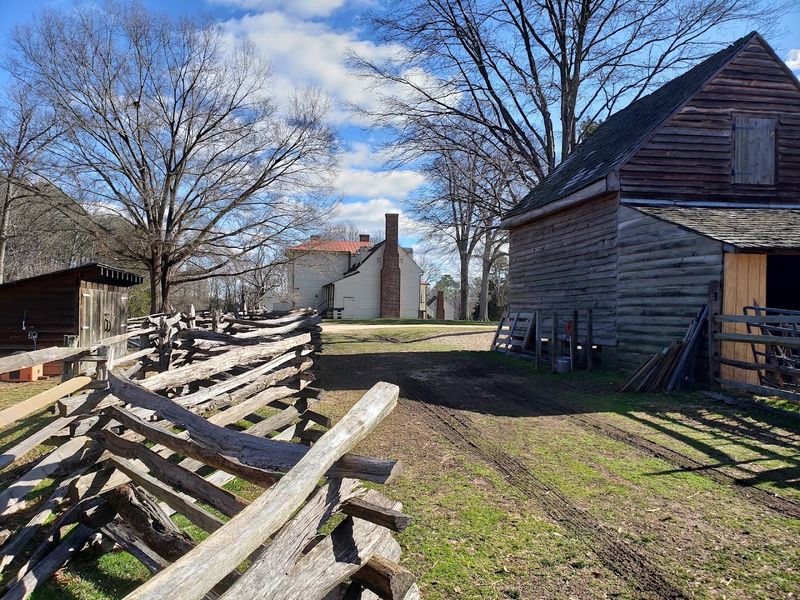
Meadow Farm Museum in Glen Allen is one of those places that makes history feel genuinely alive rather than locked behind glass.
This 1860 living history farm and museum sits on 150 acres within Crump Park, and costumed interpreters spend their days demonstrating the seasonal rhythms of mid-19th-century rural Southern farm life.
The restored blacksmith forge, kitchen, farmhouse, barn, and doctor’s office each tell their own part of the story.
The annual Farm Field Day is a highlight for anyone drawn to traditional trades, bringing together local craftsmen who demonstrate blacksmithing, woodworking, and spinning while also offering their handmade goods for sale.
Watching a blacksmith work a piece of hot iron at the forge is hypnotic in the best possible way.
The event draws a real crowd, and the energy is infectious.
The grounds are open daily from dawn to dusk, and free tours of the farm and farmhouse are available throughout the year. Farm animals, picnic areas, playgrounds, and walking trails make it an ideal spot for families.
It is the kind of place you can visit multiple times and still find something new to notice.
Address: 3400 Mountain Road, Glen Allen, VA 23060
9. Clermont Farm
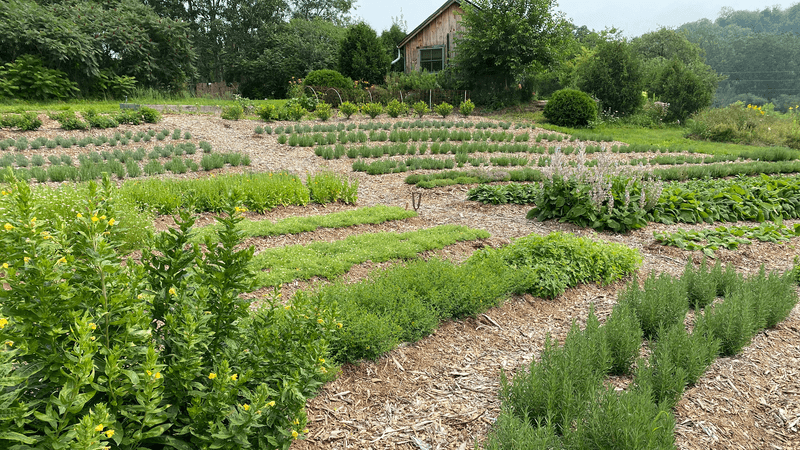
Clermont Farm in Berryville carries the kind of quiet dignity that comes from land that has been well cared for over many generations.
Set in Clarke County’s agricultural heartland, the farm sits within a landscape of open fields and old hardwood trees that feels genuinely unhurried.
It is the sort of countryside that makes you want to park the car and just breathe for a moment.
The farm has long been associated with heritage practices and a commitment to keeping traditional skills visible and valued in the community.
Events held here bring craftspeople together in a setting that feels organic rather than staged, with fiber arts and farm-based demonstrations that reflect the region’s deep agricultural roots.
There is a sincerity to the way things are done at Clermont that is easy to appreciate.
Clarke County as a whole has a rich tradition of supporting working farms and the crafts that go with them, and Clermont fits naturally into that culture. Visiting during a seasonal event gives you the best chance to see traditional skills demonstrated live.
The farm’s location in the northern Shenandoah Valley also makes it an easy addition to a broader road trip through Virginia’s most scenic farming country.
10. Clinch Valley Blanket Mills
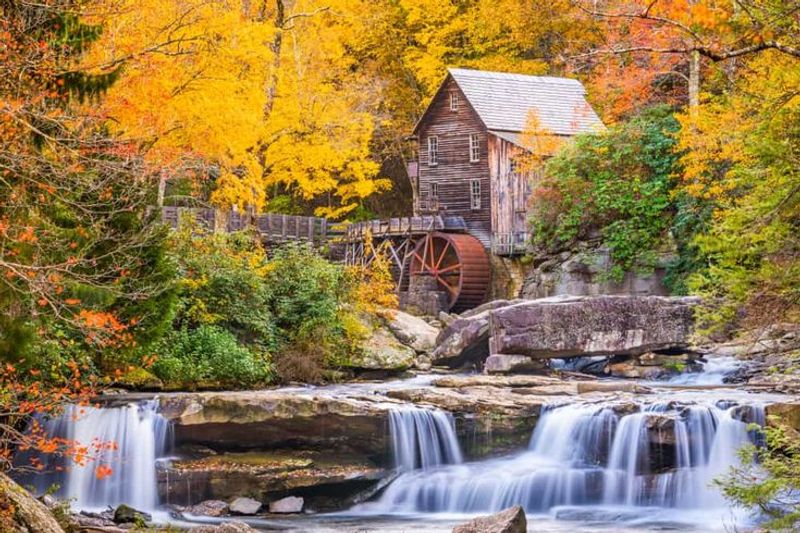
Clinch Valley Blanket Mills in Cedar Bluff is one of those rare places where an old industrial craft has survived not as a museum piece but as a living, working operation.
The mill produces woven wool blankets using traditional methods that connect directly to the region’s Appalachian textile heritage.
Stepping inside feels like crossing into a different era, one where the rhythm of the loom sets the pace of the day.
Southwest Virginia has a long history with wool and weaving, and this mill keeps that tradition tangible in a way that few other places can.
Visitors get to see the full process unfold, from raw fiber moving through the equipment to finished blankets emerging with their distinctive patterns and textures.
The craftsmanship is straightforward and honest, and that is exactly what makes it so compelling.
Cedar Bluff sits in Tazewell County, a part of Virginia that does not always make it onto mainstream travel itineraries. That is honestly part of its appeal.
Getting out here takes a little extra effort, but the reward is a genuine encounter with a working craft tradition that has been quietly thriving in these mountains for well over a century.
