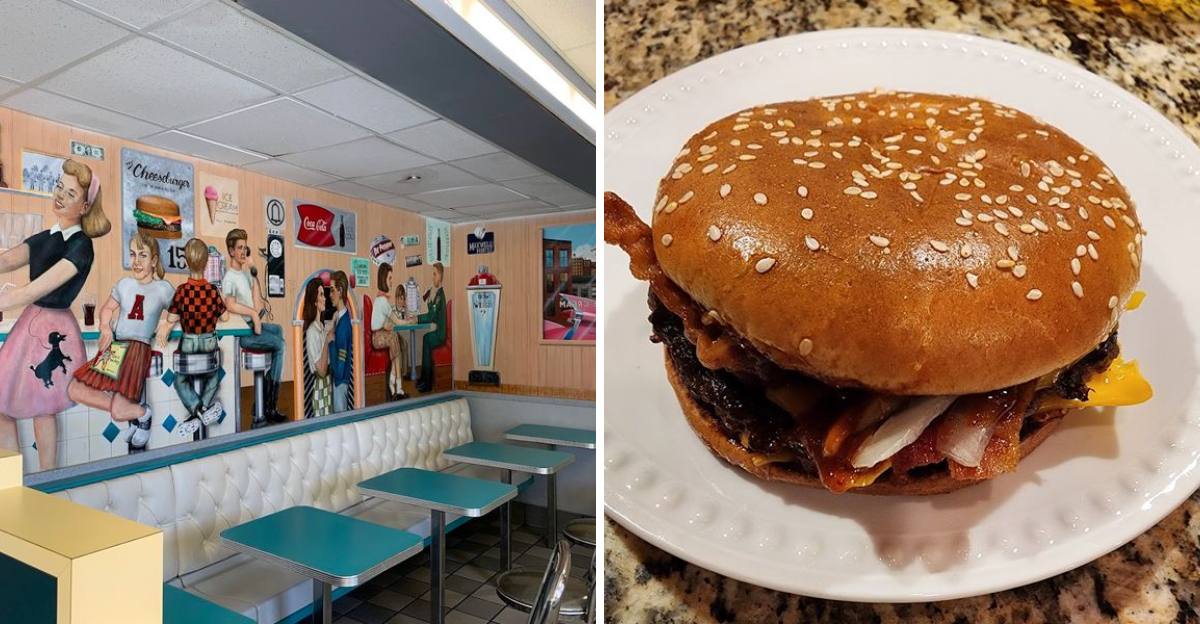
McDonald’s restaurants all look the same. Golden arches, red roof, predictable layout.
But this Virginia location is different. It is retro, a time capsule from an era when fast food felt like a treat, not just a transaction.
The building looks more like an old-fashioned diner, with a counter, booths, and a vibe that makes you want to sit down instead of grabbing and going. I pulled in expecting the usual.
Instead, I found a place that reminded me why McDonald’s became famous in the first place. The food is the same, of course.
But the setting makes it feel special. Virginia has plenty of historic spots.
This one serves fries.
The 1950s Diner Transformation That Turned Heads Across Virginia
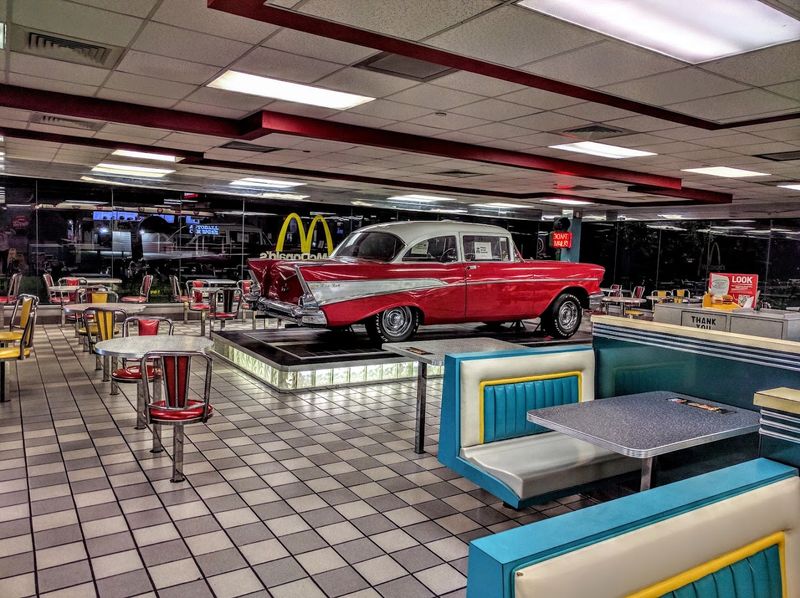
Forget everything you think you know about fast food interiors, because the Williamsburg McDonald’s on 2nd Street once rewrote the rulebook entirely. Walking through those doors felt less like grabbing a quick bite and more like stepping into a time machine set firmly to the 1950s.
The transformation was jaw-dropping. Checkerboard black-and-white floors stretched across the dining area, chrome accents caught every beam of light, and neon signs buzzed with that warm, electric glow that only vintage diners seem to pull off correctly.
Nothing about the atmosphere felt accidental or rushed.
Virginia has plenty of quirky roadside stops, but this one carved out a genuinely special identity. The design team clearly went all-in, layering detail upon detail until the space felt completely authentic.
Every corner told a story, every surface contributed to the illusion.
It was the kind of place where you’d pause before ordering, just to soak it all in. People drove out of their way specifically to experience the atmosphere, not just the menu.
That says everything about how powerfully a well-executed concept can elevate even the most familiar brand into something truly memorable and worth celebrating.
The Legendary Red 1957 Chevy Parked Right Inside the Dining Room
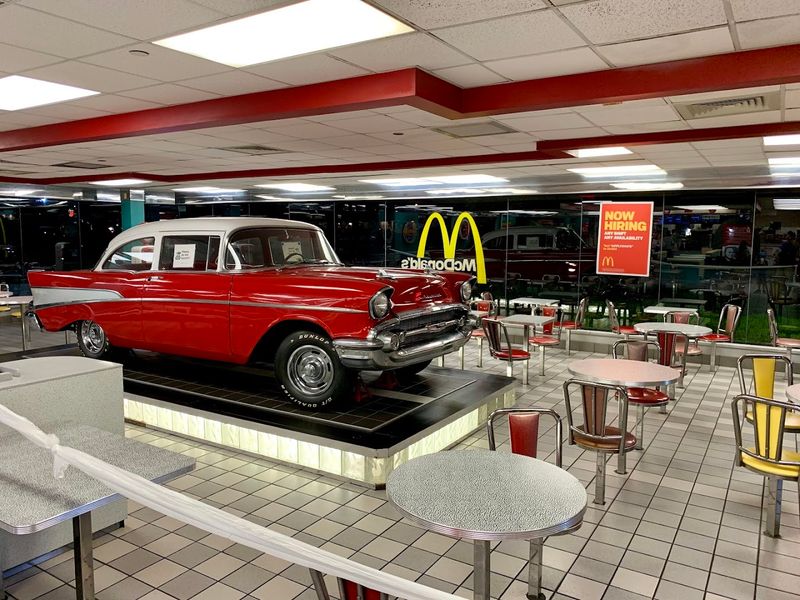
Picture this: you walk into a McDonald’s, grab your tray, and find yourself face-to-face with a gleaming red 1957 Chevrolet parked right in the middle of the dining room. Not outside.
Not in a display case. Right there, sharing the floor with your table.
That was the star attraction at the Williamsburg location on 2nd Street, and it earned every bit of attention it got. The cherry-red Chevy became the undisputed centerpiece of the entire space, drawing gasps from first-time visitors and photo requests from practically everyone who walked through the door.
Classic car enthusiasts made pilgrimages to Virginia just to see it up close. The vehicle was immaculately maintained, polished to a mirror shine, and positioned so that every angle offered a postcard-worthy shot.
It anchored the entire 1950s narrative in a way that no amount of wall decor ever could.
Honestly, seeing a vintage automobile parked indoors at a fast-food chain sounds like something out of a quirky fever dream. But in Williamsburg, it was completely real, completely deliberate, and completely unforgettable for anyone lucky enough to experience it before the remodel changed everything.
Neon Lights and Chrome Details That Brought the Era Alive
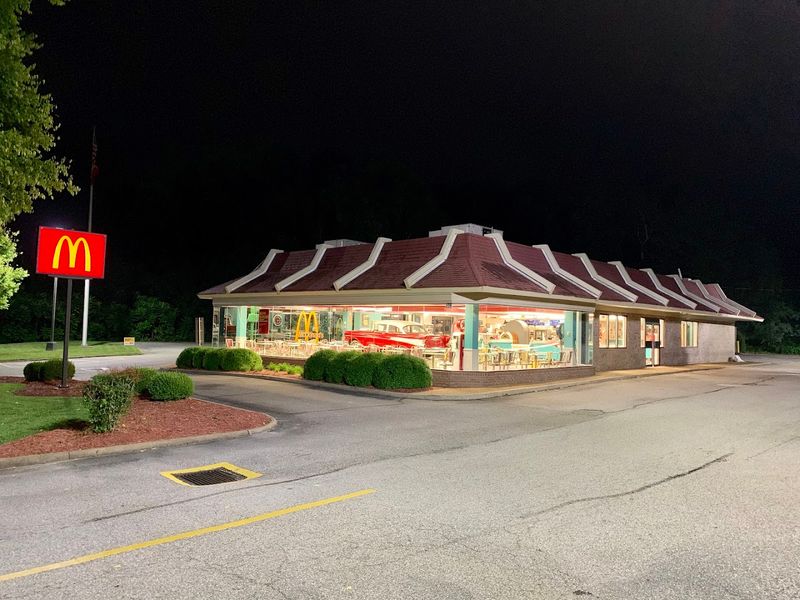
Neon is having a major moment in modern interior design, but at the Williamsburg McDonald’s, neon was never a trend. It was the whole identity.
Tubes of glowing color wrapped around signage, framed the windows, and cast that dreamy, cinematic hue across every surface in the room.
Paired with gleaming chrome trim on counters, chair edges, and display fixtures, the effect was nothing short of theatrical. Chrome and neon together create a visual chemistry that instantly transports you somewhere warmer, slower, and decidedly more glamorous than a typical drive-thru experience.
Virginia’s historic corridor is full of sites that celebrate American heritage, and this McDonald’s quietly joined that conversation through pure aesthetic commitment. The designers understood that lighting and material choice aren’t decorative afterthoughts.
They are the story.
Every reflective surface multiplied the glow, making the dining room feel bigger, brighter, and more alive than its square footage suggested. At night especially, the neon must have been absolutely electric from the street outside.
It was the kind of warm, buzzing ambiance that makes you linger over your meal rather than rush back to your car, which is pretty remarkable for a fast-food setting.
Jukeboxes, Telephone Booths, and Walls Packed With Memorabilia
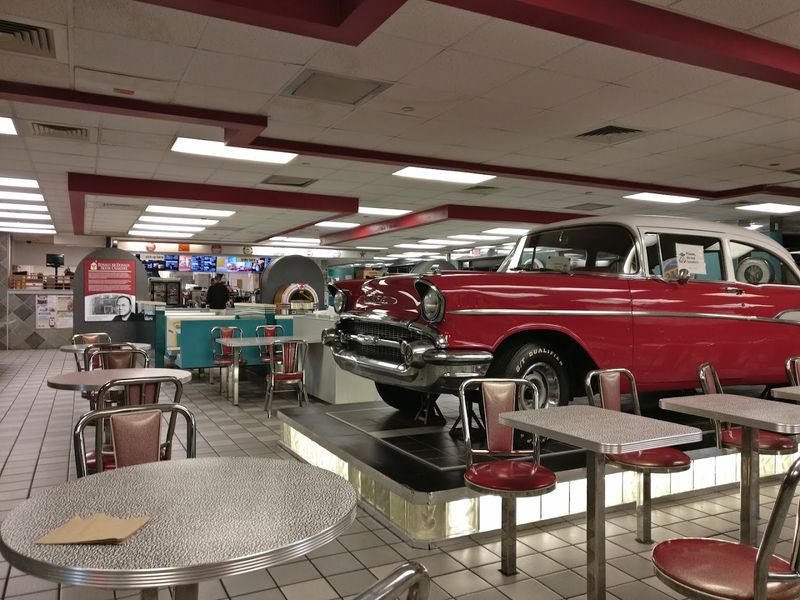
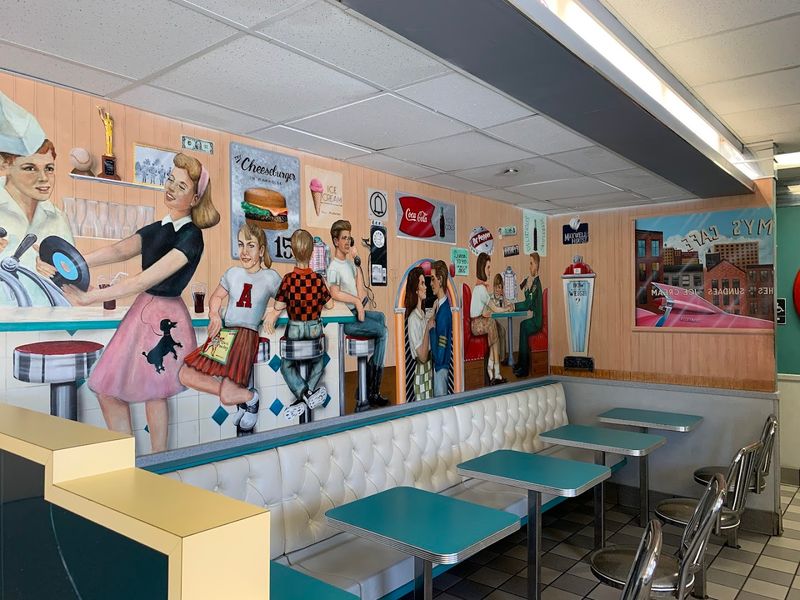
Some restaurants hang a framed print or two and call it decor. The Williamsburg McDonald’s took a dramatically different approach, covering its walls floor-to-ceiling with authentic memorabilia, antiques, and collectibles that would make a serious vintage dealer envious.
Jukeboxes stood at attention in the dining area, oozing that coin-operated nostalgia that no Spotify playlist can replicate. A genuine telephone booth added another layer of period-perfect detail, the kind of prop that made younger visitors curious and older ones deeply sentimental.
Together, these elements created a living, breathing museum of mid-century American pop culture.
Exploring the walls was half the experience. Old advertisements, period photographs, quirky collectibles, and decades-old signage competed for your attention at every turn.
Nothing felt mass-produced or slapped together. The curation had personality and depth.
For families visiting Williamsburg’s historical district in Virginia, this McDonald’s offered an unexpected bonus: a free, casual lesson in American cultural history served alongside your fries. Kids asked questions, grandparents shared memories, and strangers bonded over shared recognition of forgotten icons.
That kind of organic connection is rare, and it made this location genuinely special beyond any novelty factor.
Diner-Style Seating That Made You Want to Stay a While
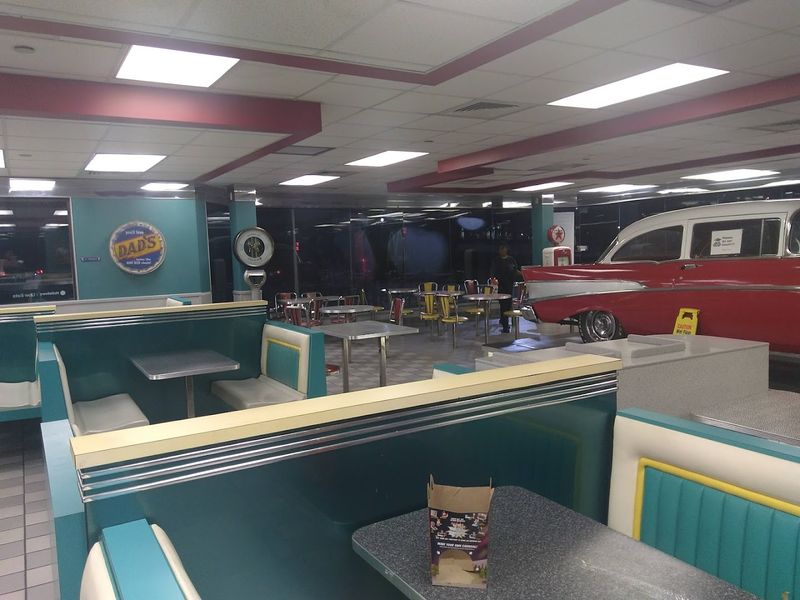
Fast food seating is usually designed with one goal: keep you moving. Hard plastic chairs, cramped tables, and minimal comfort all nudge you toward the exit.
The Williamsburg McDonald’s clearly missed that memo, and everyone was better for it.
Diner-style seating filled the space with a warmth that standard locations never achieve. Chrome-accented stools, cushioned booths, and tabletops that echoed the era’s aesthetic turned the dining room into somewhere you actually wanted to sit.
The seating arrangement encouraged conversation rather than rushed consumption.
There is something deeply satisfying about sitting in a well-designed retro booth. The proportions feel generous, the materials feel considered, and the whole experience slows your pace in the most pleasant way possible.
Virginia’s Williamsburg location understood that atmosphere shapes behavior, and comfortable, beautiful seating keeps people present.
Families spread out, couples lingered, and solo diners people-watched without feeling rushed or out of place. The seating choices reinforced every other design decision in the room, creating a cohesive environment rather than a random collection of vintage props.
It was the kind of thoughtful detail that elevated the entire visit from a quick errand into an actual experience worth remembering and sharing.
Glass-Bottled Coca-Cola and the Old-School Soda Fountain Vibe
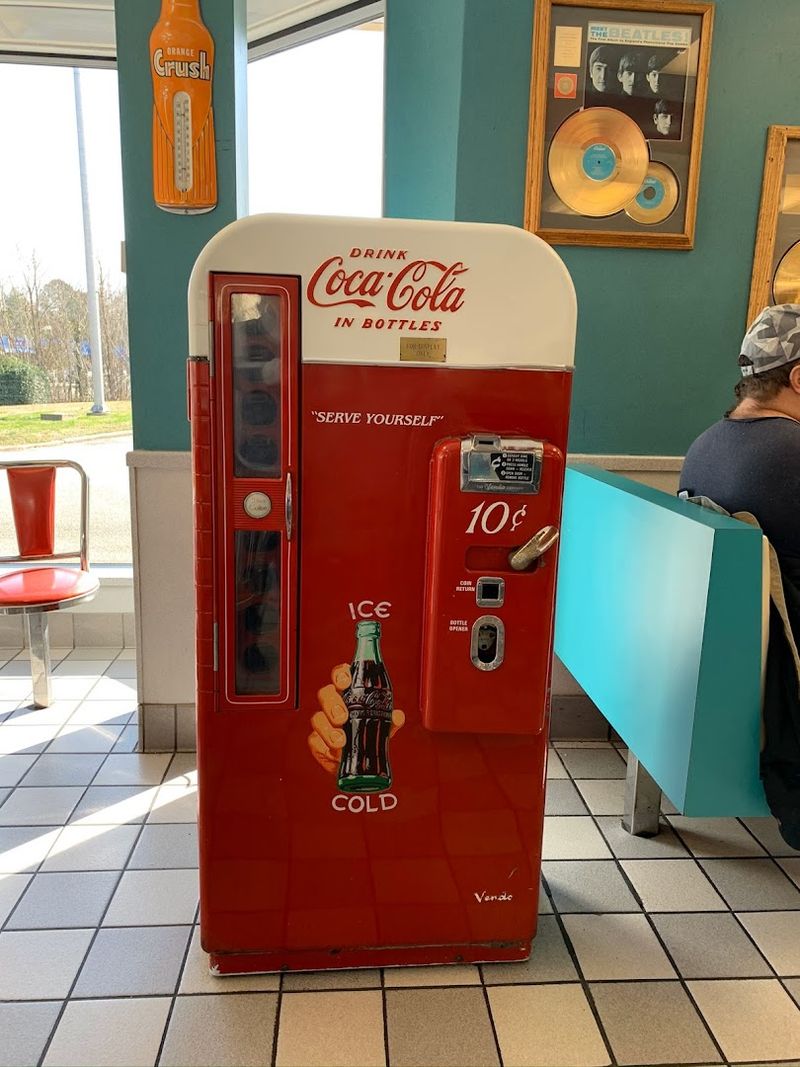
Glass-bottled Coca-Cola is one of those small details that carries enormous nostalgic weight. There is something about holding a cold glass bottle that a paper cup simply cannot replicate, and the Williamsburg McDonald’s knew exactly how to use that to its advantage.
Incorporating glass-bottled Coke into the experience aligned perfectly with the soda fountain culture of the 1950s, when drugstore counters and diners served fizzy drinks with ceremony and style. The choice was deliberate, atmospheric, and genuinely charming rather than gimmicky.
Old-school soda fountain vibes permeated the entire space, from the way the drinks were presented to the overall color palette and energy of the room. Virginia has a deep relationship with American history, and this little corner of Williamsburg honored that heritage in a completely unexpected, commercially accessible way.
Sipping a cold Coke from a glass bottle while sitting beneath neon lights and beside a polished vintage Chevy is the kind of sensory combination that lodges itself permanently in your memory. Long after the food is forgotten, those small, perfectly calibrated details stick around.
That is exactly the kind of experience great design creates, and this location delivered it with effortless confidence.
The Checkerboard Floors That Tied the Whole Look Together
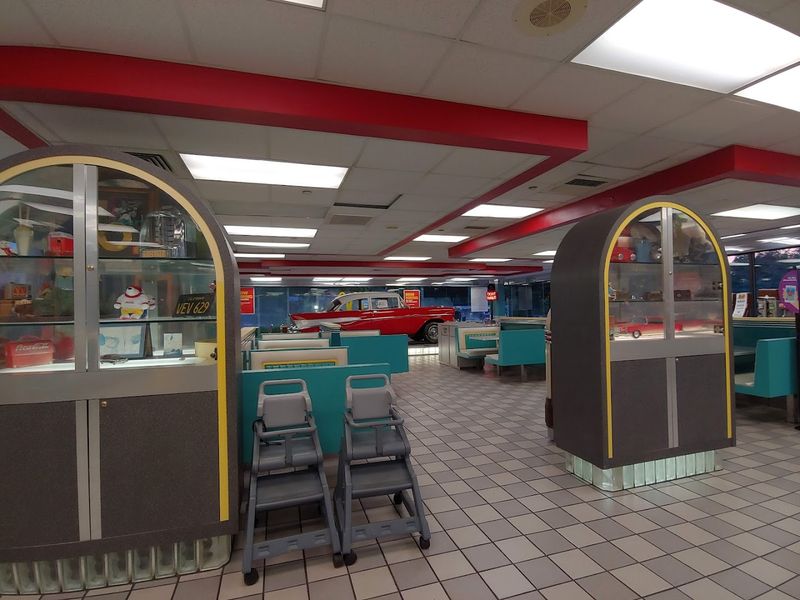
Ask any interior designer what single element most powerfully signals 1950s American diner, and the answer comes back almost universally: checkerboard floors. Black and white tiles arranged in that iconic alternating pattern carry a visual shorthand that needs no explanation or historical footnote.
At the Williamsburg McDonald’s, those checkerboard floors did exactly what great flooring should do. They anchored the entire design concept, connected every other element in the room, and gave the space a graphic boldness that photographed beautifully from every angle.
The floor was not background, it was foreground.
Walking across those tiles in a fast-food restaurant felt genuinely surreal in the best possible way. Virginia is famous for its colonial architecture and Revolutionary-era landmarks, so stumbling onto a 1950s checkerboard floor in a McDonald’s dining room added a wonderfully absurd layer to the state’s already rich tapestry of Americana.
Details like this matter more than people realize. A well-chosen floor pattern sets the rhythm of an entire space, influencing how you move through it and how you feel while you are there.
The Williamsburg location got that completely right, and the checkerboard floors became as iconic to the space as the red Chevy parked just a few feet away.
How the Williamsburg Location Became a Virginia Road Trip Must-Stop
Road trips through Virginia tend to follow a predictable script: Colonial Williamsburg, Jamestown, Yorktown, and maybe a stop at one of the scenic overlooks along the way. Nobody expected a McDonald’s to earn a spot on that itinerary, yet the 2nd Street location somehow managed exactly that.
Word spread organically, the way the best discoveries always do. Someone posted a photo of the red Chevy, someone else shared the neon-lit dining room, and suddenly people were adding a fast-food stop to their Virginia vacation plans without a hint of irony.
That is genuinely remarkable brand storytelling achieved through pure environmental design.
The location benefited enormously from Williamsburg’s status as one of Virginia’s most visited destinations. Families already in the area for historical tourism found a charming, low-stakes detour that appealed to every age group simultaneously.
It required no admission fee, no reservation, and no prior knowledge to appreciate.
For road-trippers specifically, it checked every box: easy to find, quick to visit, visually rewarding, and endlessly shareable on social media. The McDonald’s at 329 2nd St became proof that extraordinary experiences do not require extraordinary budgets, just extraordinary imagination applied consistently and confidently.
The Final Days of the Retro Theme and What the Location Looks Like Now
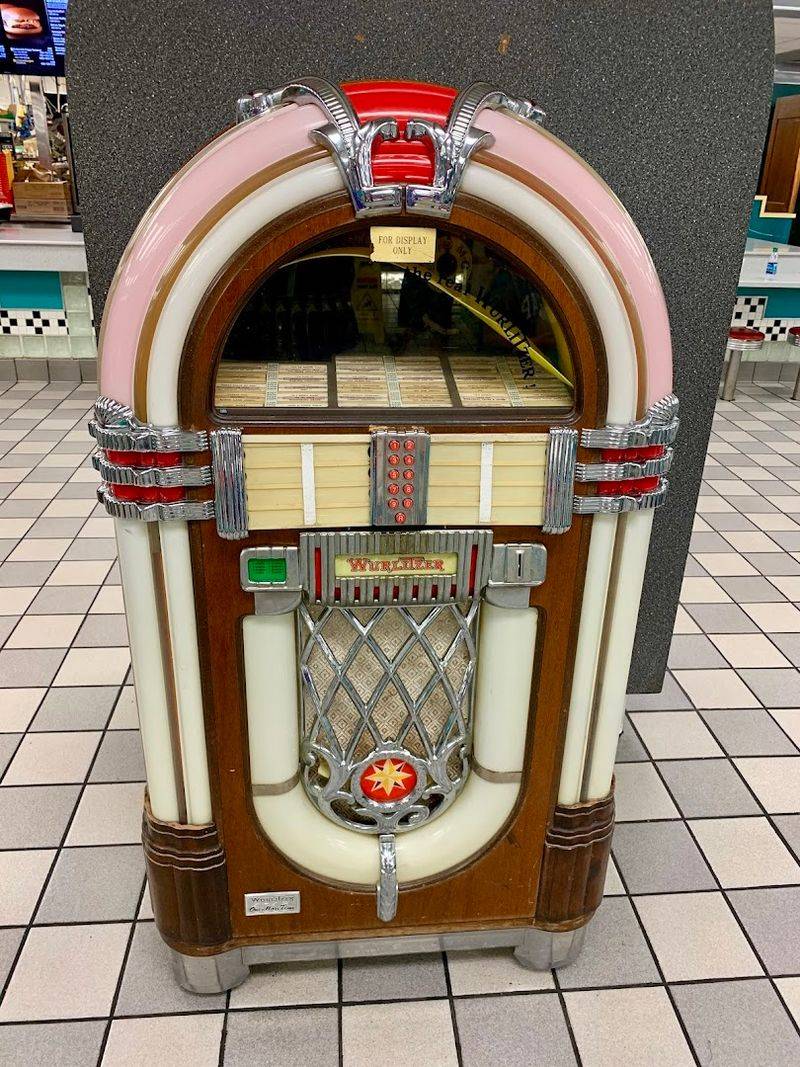
All good things come with an expiration date, and the beloved retro diner theme at the Williamsburg McDonald’s was no exception. By early 2020, the writing was on the wall, quite literally, as the vintage memorabilia began disappearing from those storied walls one piece at a time.
A video captured in March of that year documented what many described as the location’s final days in its iconic 1950s form. Longtime fans of the space shared the footage widely, flooding comment sections with fond memories and more than a little genuine sadness.
The reaction revealed just how deeply the design had connected with people over the years.
Today, the McDonald’s at 329 2nd St operates as a standard modern location. Drive-thru service, mobile ordering, and contemporary interiors have replaced the checkerboard floors and neon glow.
Virginia’s Williamsburg still draws enormous crowds, but this particular stop no longer offers the visual spectacle it once did.
The current location keeps standard fast-food hours, opening early each morning and closing at 11 PM daily. For those chasing the ghost of the retro theme, the memories live on in photos and videos scattered across the internet, a fitting archive for a place that was always more about atmosphere than anything else.
Planning Your Visit to 329 2nd St in Williamsburg Virginia
Williamsburg remains one of Virginia’s most compelling destinations, layering colonial history, living museums, and genuine small-city charm into a package that rewards slow, curious exploration. The 2nd Street corridor sits comfortably within reach of the city’s major attractions, making it a natural pit stop during a full day of sightseeing.
The McDonald’s at 329 2nd St, Williamsburg, VA 23185 operates seven days a week, opening bright and early each morning and staying open until 11 PM. The location offers drive-thru access and mobile ordering for added convenience, and the phone number is listed as 757-220-0630 for anyone needing to call ahead.
Even without the retro theme, the address itself carries a certain nostalgic gravity for anyone who remembers the original design. Driving past or stopping in carries a bittersweet quality, like visiting the site of something that was once genuinely extraordinary and imagining what it looked like in its prime.
Virginia has no shortage of places worth visiting, but Williamsburg holds a particularly magnetic quality that keeps drawing people back season after season. If you find yourself on 2nd Street, take a moment to appreciate the history of the block, both the colonial kind and the unexpectedly delightful fast-food kind that made this spot briefly famous.
