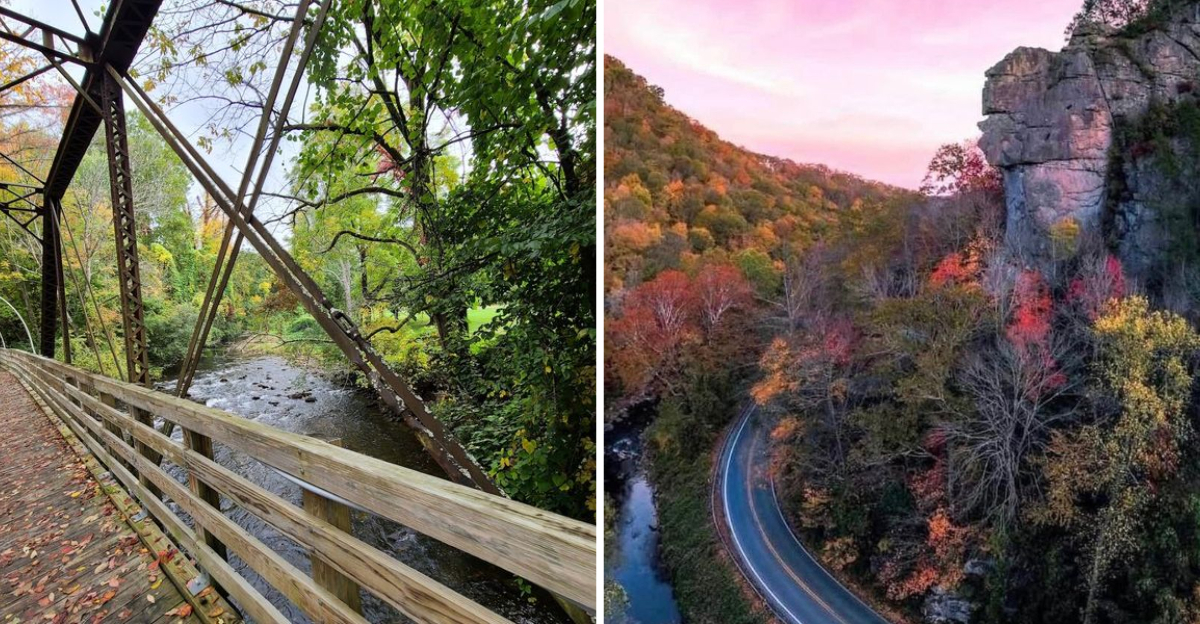
Beyond the well-worn tourist trails and famous landmarks in Virginia, there are places so quietly magical that locals guard them like treasured secrets.
I stumbled onto a few by accident, and each one left me wanting to come back before I even left.
A tiny island in the Chesapeake Bay where people still speak in echoes of old English. Mountain villages where bluegrass music drifts out of open doors on a Friday night.
This state holds more wonder than most people realize. I spent weeks chasing those corners of Virginia, and every single stop surprised me.
These eleven places represent the kind of travel that feels personal and real, the kind that stays with you long after the drive home.
Pack your curiosity and maybe a good pair of hiking boots, because Virginia’s best-kept secrets are finally ready to be found.
1. Tangier Island
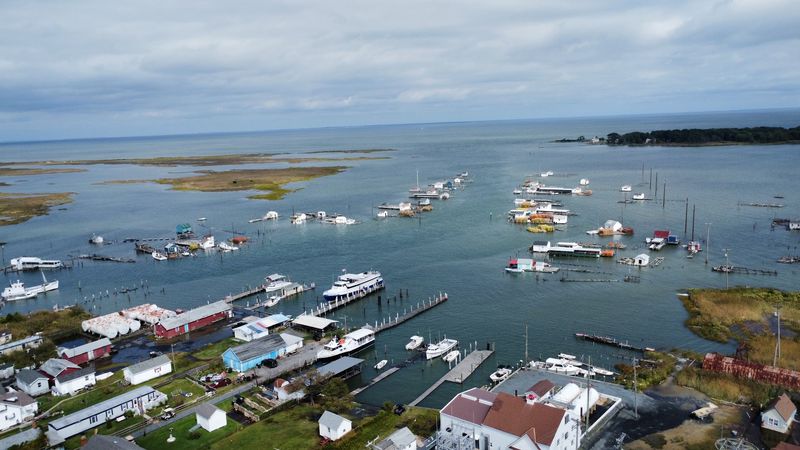
There is nowhere else in Virginia quite like Tangier Island, a small sliver of marshland rising just barely above the Chesapeake Bay.
The community here has lived by the water for generations, pulling soft shell crabs and oysters from the bay in a rhythm that has barely changed over centuries.
Residents speak with a dialect so distinct that some linguists believe it carries traces of 17th-century British English, preserved by the island’s deep isolation.
Captain John Smith passed through these waters in 1608, and the island’s permanent settlement dates back to the 1680s.
During the War of 1812, the British actually occupied Tangier and built Fort Albion here, a fact that adds a dramatic layer to its already layered history.
Getting here requires a ferry from Onancock or Reedville, and that boat ride alone sets the mood perfectly. Once you arrive, rent a bicycle, explore the small museum, and let the slow pace of island life reset your internal clock.
The island faces real erosion challenges today, which makes visiting feel both precious and urgent. It is the kind of place that reminds you some things are genuinely irreplaceable.
2. False Cape State Park
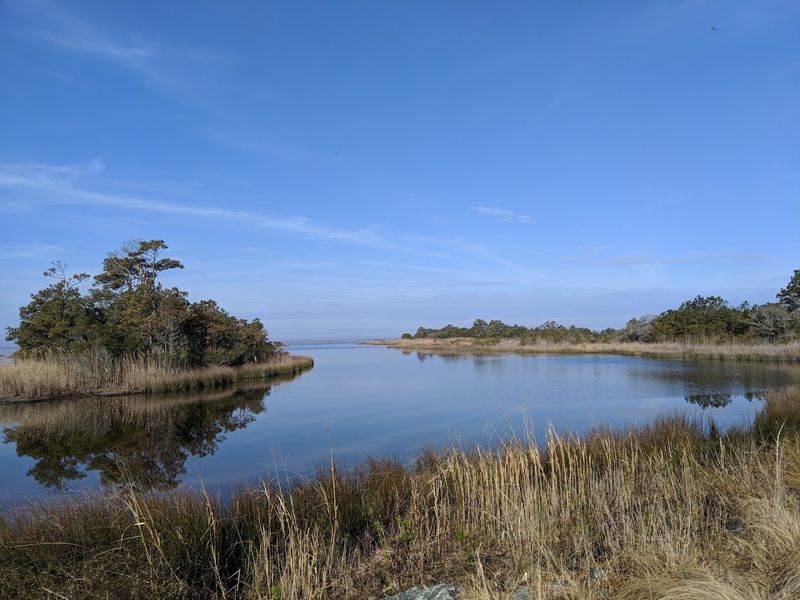
Reaching False Cape State Park requires actual effort, and that is exactly the point. No cars are allowed in.
Visitors arrive by foot, bicycle, boat, or a quirky open-air tram called the Blue Goose, which departs from the Back Bay National Wildlife Refuge. That barrier alone keeps the crowds away and the wilderness intact.
Spread across more than 4,300 acres between the Atlantic Ocean and Back Bay, the park holds six miles of beach that feel genuinely untouched.
Maritime forests, salt marshes, and sand dunes shelter 54 rare and endangered species, along with deer, foxes, otters, osprey, and herons that seem completely unbothered by human visitors.
Inside the park, the ruins of the historic Wash Woods settlement tell a quietly haunting story about 19th-century shipwreck survivors who built a community here from nothing.
Primitive camping is available with reservations, and guided kayak trips offer a water-level view of the park’s stunning marshlands.
I found myself standing on that empty beach thinking the whole coastline had been set aside just for me. It is the kind of solitude that modern travel rarely delivers.
Address: 4005 S. Sandpiper Road, Virginia Beach, VA 23456
3. Sweet Run State Park
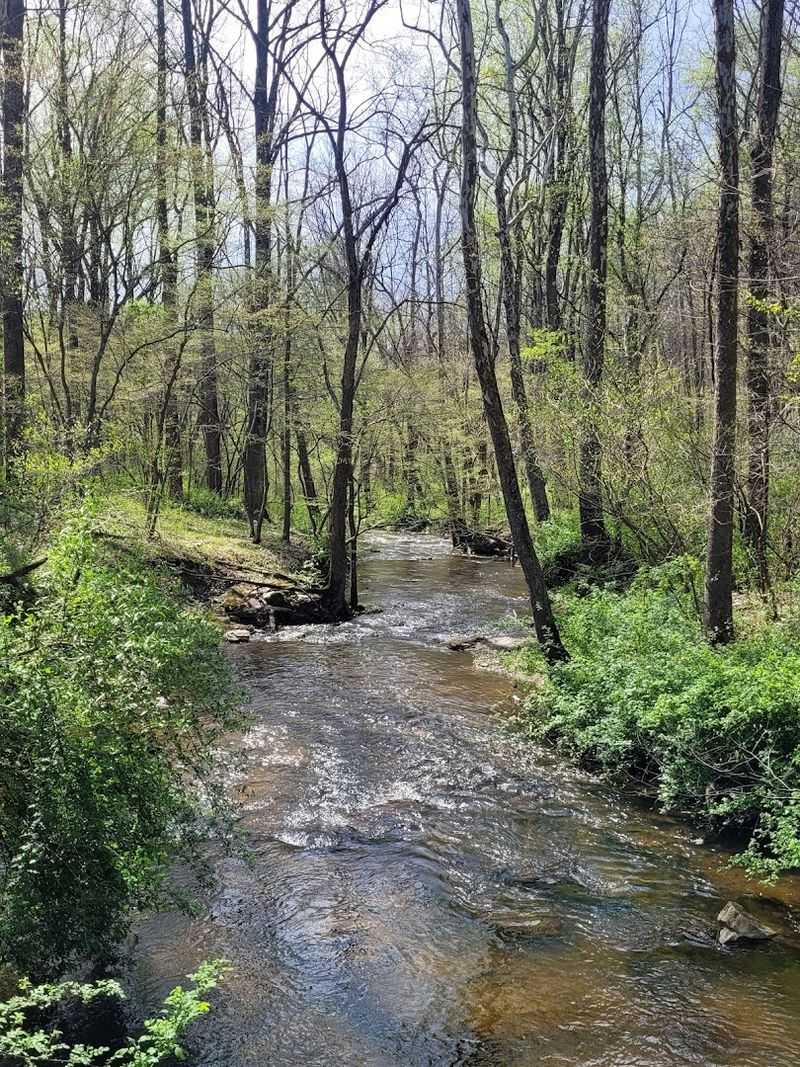
Virginia’s newest state park, established in 2023, Sweet Run feels like a well-kept neighborhood secret that somehow ended up on a map.
Tucked into Loudoun County and spanning 884 acres, it offers sweeping views of the Blue Ridge Mountains alongside the kind of quiet that is surprisingly hard to find this close to Northern Virginia’s suburban sprawl.
Two streams, Sweet Run and Piney Run, cut through the property, creating natural corridors through mature forests and open meadows.
The Farmstead Loop and Mountain View Trail are particular favorites, delivering big mountain vistas without requiring a particularly grueling climb.
Some creek crossings lack bridges, which means wet shoes are a genuine possibility after rain. Pack accordingly.
History lives here too. The ruins of a 19th-century farming community dot the landscape, and a restored 1840s farmhouse still stands on the property.
There are 11 miles of hiking trails, 9 miles for equestrian use, and a peaceful fishing pond called Gordon Pond stocked with sunfish, largemouth bass, and crappie.
A trail connection to the Appalachian National Scenic Trail makes this a meaningful stop for long-distance hikers as well.
Families will appreciate the nature play area and scattered picnic spots that make a full day here feel effortless.
4. Abingdon
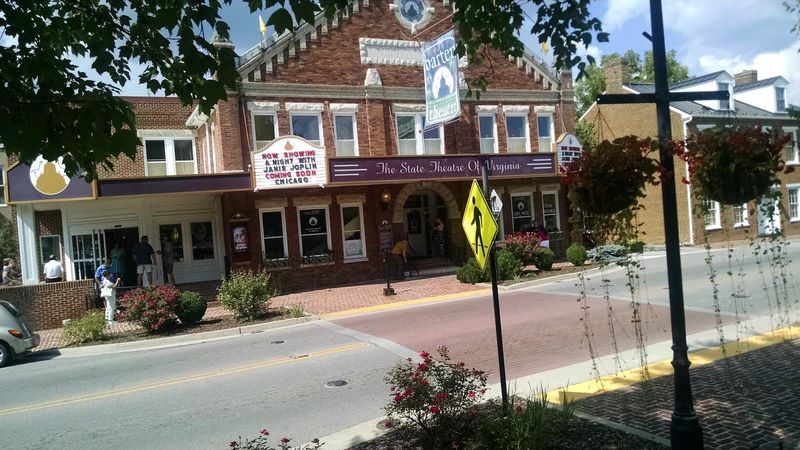
Abingdon carries its history with an easy confidence that most towns can only dream about. The streets are brick-laid and lined with beautifully preserved buildings, and the whole place feels like someone pressed pause on a particularly good era and never quite let go.
Daniel Boone reportedly named this area “Wolf Hills” in 1760 after his dogs tangled with wolves near a cave, which says something about the wild character this town still quietly holds.
The 20-block Historic District is a Virginia Historic Landmark, anchored by The Tavern, Virginia’s oldest operating tavern dating to 1779.
The grand Martha Washington Inn, which once served as both a finishing school and a Civil War hospital.
The Barter Theatre, opened during the Great Depression when patrons literally traded produce for seats, still runs as the official State Theatre of Virginia.
Creative energy flows through Abingdon in a way that feels organic. The Arts Depot and Heartwood showcase local artisans and live music, while the Virginia Creeper Trail offers a scenic route for cyclists and hikers passing through.
The Crooked Road heritage music trail runs right through town, connecting Abingdon to a broader tapestry of Appalachian musical tradition that is absolutely worth following.
5. Floyd
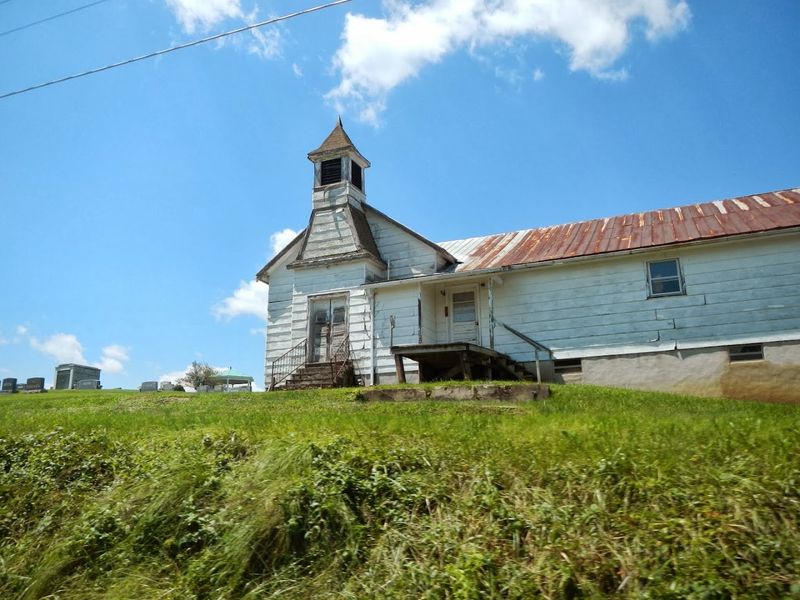
Floyd operates on its own schedule, and locals will tell you without apology that they run on “Floyd time.”
Perched on a high plateau in the Blue Ridge Mountains, this small town has built something genuinely rare: a community where old-time farming roots and free-spirited artisan culture coexist without tension.
The result is a place that feels both rooted and refreshingly open.
The Friday Night Jamboree at the Floyd Country Store is the kind of experience that makes you wish you had discovered it years earlier.
Bluegrass, old-time string bands, gospel, and blues fill the room while people of every age take to the floor.
It is not a performance you watch from a distance. You get pulled in.
Beyond the music, Floyd hosts one of Southwest Virginia’s largest artisan communities, with studios, galleries, and markets scattered throughout.
Buffalo Mountain Natural Area Preserve offers excellent hiking with panoramic views, and the Little River is a solid spot for fishing and paddling.
The Blue Ridge Parkway sits just six miles away, making Floyd a natural anchor for any mountain road trip through Virginia.
The farm-to-table food scene here is quietly impressive too, driven by seasonal local ingredients that keep menus honest and genuinely delicious.
6. Damascus
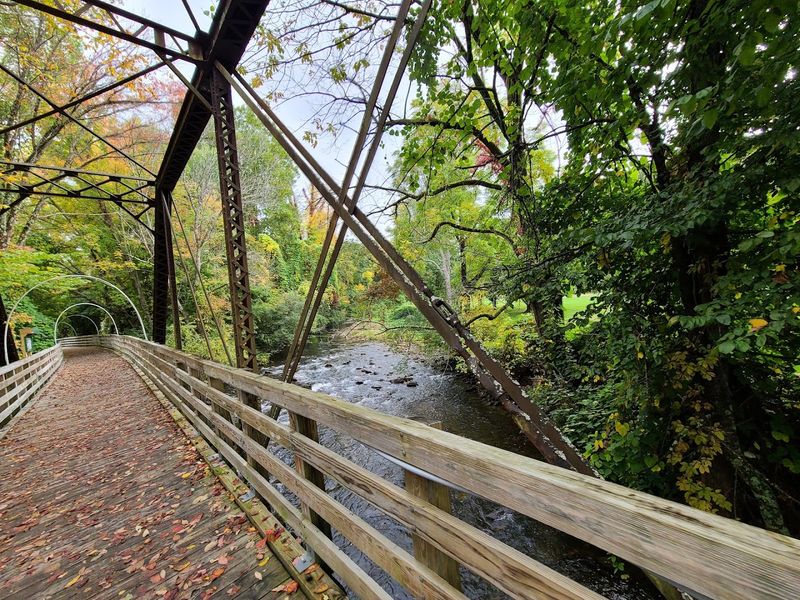
Seven nationally recognized trails converge inside the town limits of Damascus, earning it the title of “Trail Town USA” and the warm nickname “Friendliest Town on the Trail.” That is not a marketing slogan. It is a lived reality.
Thru-hikers on the Appalachian Trail walk directly through the town park and along Main Street, and the businesses, residents, and outfitters here have built their entire identity around welcoming people who arrive on foot and leave a little lighter in spirit.
The Virginia Creeper Trail, the Trans-America National Bicycle Route, the Iron Mountain Trail, and several others all pass through Damascus, making it a crossroads for outdoor adventurers of nearly every kind.
he surrounding landscape rewards that adventurous spirit with cascading trout streams, high meadows, and forested ridges that lead toward Mount Rogers and Whitetop Mountain.
Every May, the Appalachian Trail Days Festival transforms Damascus into a full-on celebration of trail culture, drawing thousands of hikers for music, community, and shared stories from the trail.
Local outfitters like Adventure Damascus offer bike rentals and shuttle services that make exploring the region genuinely accessible.
The town itself is small, walkable, and lined with artisan studios and eateries that give it a warmth well beyond its size.
7. Buchanan
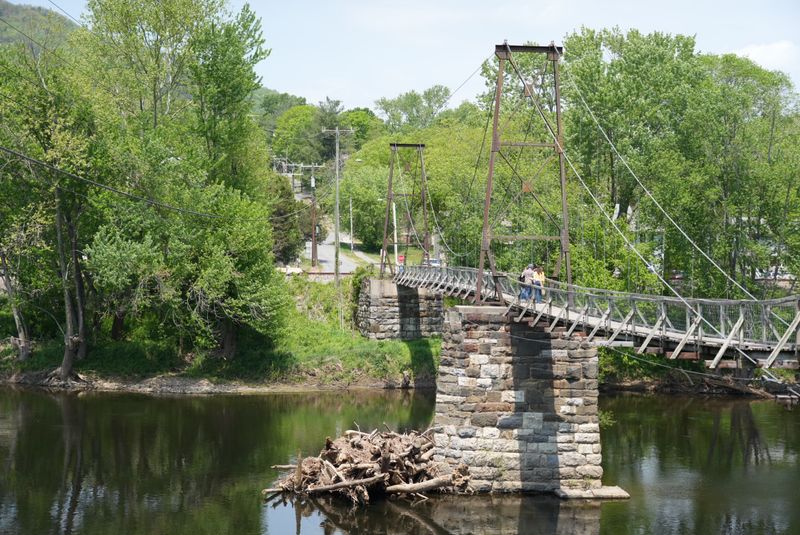
Buchanan sits at a geographic sweet spot where the James River curves against the foot of the Blue Ridge and Alleghany Mountains.
The combination of water and peaks gives the town a storybook quality that its modest population of just over a thousand people wears without any fuss.
Its famous swinging bridge, built on original 1834 stone piers, is the only one of its kind along the entire James River.
Crossing it on a breezy afternoon is one of those small travel moments that somehow sticks with you.
The town has been a stopping point for travelers since the 1700s, when the first ferry across the western James River began operating here in 1742.
Its Main Street still carries the bones of that 18th and 19th-century character, with historic homes, the century-old Buchanan Theatre, antique shops, and a 1940s-style diner tucked inside an old drugstore.
Outdoor access here is exceptional. The Blue Ridge Parkway sits just four miles away, the Appalachian Trail is nearby, and the Upper James River Water Trail is a beloved route for canoeing, kayaking, and tubing.
Twin River Outfitters has been running paddle trips on the James for years, and the Apple Orchard Falls hike nearby is well worth the detour. Buchanan rewards slow, curious travelers who take time to look around.
8. Clifton Forge
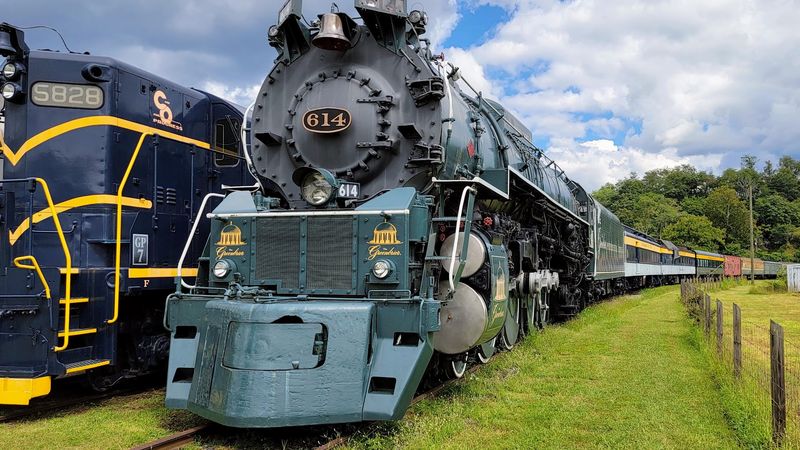
Clifton Forge earned the nickname “Altoona of the South” during the height of the railway era, when nearly 2,000 locals worked for the Chesapeake and Ohio Railway and the town hummed with the energy of a major transportation hub.
That industrial past left behind a remarkable collection of historic structures and a cultural identity that the town has held onto with quiet pride.
The C&O Historical Society and the C&O Railway Heritage Center keep that legacy alive, making Clifton Forge a genuinely interesting destination for anyone curious about American railroad history.
Near the Amtrak depot, a replica of the original 1891 passenger station anchors a cluster of historically inspired structures that give visitors a tangible sense of the town’s former significance.
Amtrak’s Cardinal line still stops here, using a waiting room inside a 1906 C&O office building.
The Alleghany Highlands setting adds natural beauty to the historical texture, with mountains framing the town on all sides and outdoor recreation available in every direction. Clifton Forge has a small-town warmth that makes it easy to spend more time than planned.
It rewards the kind of traveler who appreciates depth over spectacle, and who finds something genuinely compelling about places that carry their history in the walls of their buildings.
Address: 307 East Ridgeway Street, Clifton Forge, VA
9. Big Stone Gap
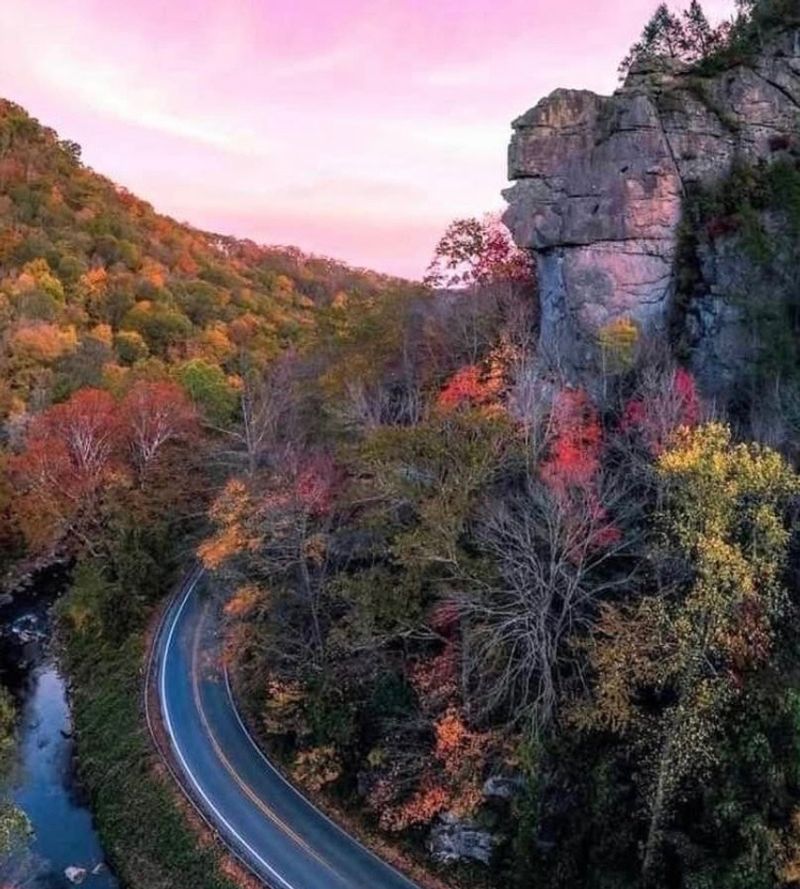
Big Stone Gap calls itself a “Little Town with a Big Story,” and that tagline holds up under scrutiny. Tucked near the Virginia-Kentucky border in Wise County, the town sits inside a dramatic widening of the Powell River Valley, framed by Stone Mountain, Little Stone Mountain, and Wallens Ridge.
Originally called “Mineral City” for its rich coal and iron deposits, it officially became Big Stone Gap in 1888 and grew quickly as a boomtown with an intentional grid layout that still shapes the streets today.
History fills every block. The Southwest Virginia Museum Historical State Park occupies a stunning four-story Queen Anne mansion from the 1880s and chronicles the region’s development with impressive depth.
The John Fox Jr. Museum preserves the home of the author whose novel “Trail of the Lonesome Pine” put this corner of Appalachia on the literary map, and the June Tolliver House is a registered Historic Landmark featuring 19th-century mountain crafts and furnishings.
Outside the town’s cultural core, the mountains deliver.
Hiking at Roaring Branch in the Jefferson National Forest, paddling and fishing at the secluded Big Cherry Lake, and walking the Greenbelt Trail along the Powell River all offer different windows into the region’s extraordinary natural landscape.
The outdoor drama based on “Trail of the Lonesome Pine” runs seasonally and brings the boom-era story to vivid life.
10. Crozet
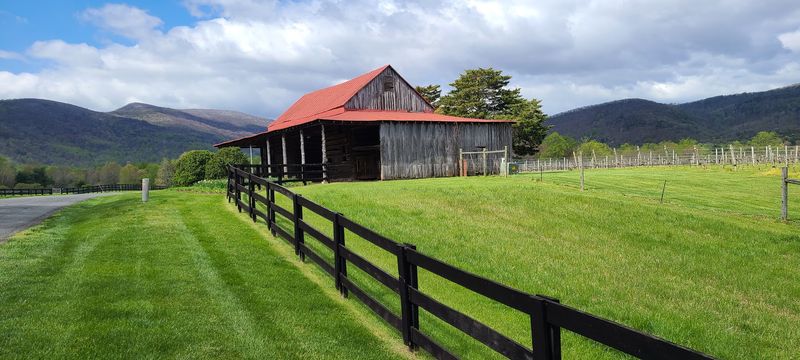
Crozet sits at the foot of the Blue Ridge Mountains with the relaxed confidence of a town that knows exactly what it is and has no interest in being anything else.
Once a quiet railroad stop, it has grown into a community that locals describe as feeling like family, which is one of those claims that usually sounds like an exaggeration until you actually spend an afternoon there.
Downtown Crozet is compact and personal. Local murals brighten the streetscapes, and the Crozet Artisan Depot, housed inside a restored old train station, showcases handmade goods from regional makers.
Crozet Pizza has a loyal following that stretches well beyond the town limits, and for good reason.
The outdoor access here is genuinely outstanding. The restored Blue Ridge Tunnel, a 19th-century engineering feat that cuts straight through the mountain, is one of the most unique hikes in the entire state.
It is cool, dark, and completely unlike anything else on the trail map. Mint Springs Valley Park offers lake swimming and scenic trails, while Sugar Hollow provides a beloved natural swimming spot called the Blue Hole.
Walnut Creek Park adds kayaking and paddleboarding to the mix. For a town this size, Crozet delivers an almost unreasonable variety of ways to spend a day outdoors.
11. Meadows of Dan
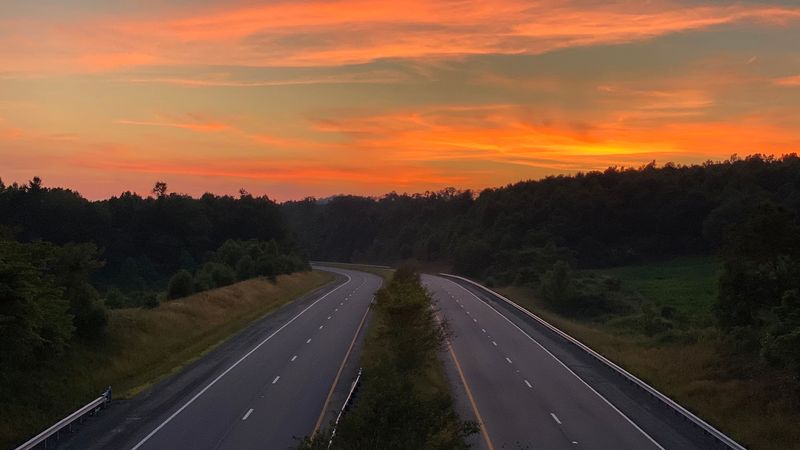
At 2,964 feet above sea level, Meadows of Dan earns its name in the most literal way possible.
The headwaters of the Dan River flow through open meadows here, and on a clear morning the whole scene looks like something painted rather than real.
Locals call it simply “The Mountain,” and the community’s motto, “A simpler place in time,” is not ironic. They mean it completely.
The village sits at Milepost 178 on the Blue Ridge Parkway, making it a natural pause point on one of America’s most celebrated scenic drives.
The town center along Jeb Stuart Highway has a rustic, unhurried quality, with country stores, antique shops, and the long-running Poor Farmers Market offering local produce and handmade goods.
Nancy’s Candy Company is famous for homemade chocolates and fudge that make excellent road trip provisions.
Meadows of Dan is also a stop on The Crooked Road, Virginia’s heritage music trail, which means traditional Appalachian music can surface at any moment in unexpected corners of the community.
The annual Folk Fair, timed to coincide with the Virginia Peach Festival, brings the community’s creative and agricultural roots together in a celebration worth planning around.
Just one mile north at Milepost 179, Mabry Mill is one of the most photographed spots on the entire Parkway, and it is absolutely as beautiful in person as it looks in every picture you have ever seen.
