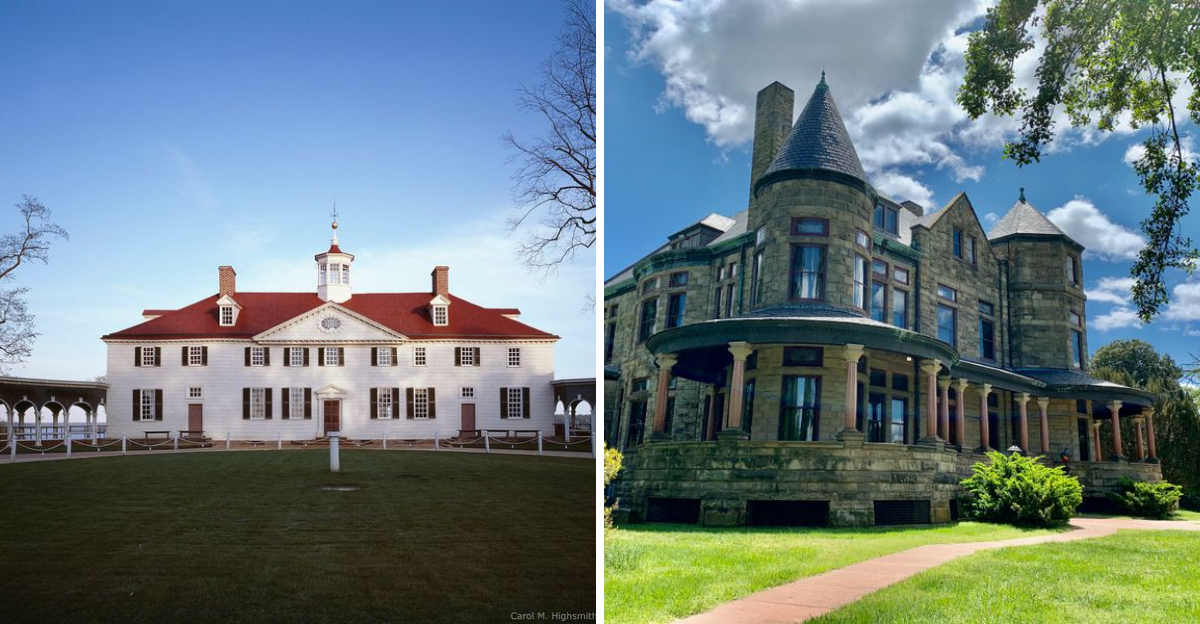
Think Virginia is just about politics and monuments? Think again.
This state holds some of the most jaw-dropping historic homes you’ll ever lay eyes on, from grand presidential estates to sprawling plantations that whisper tales of centuries past. These architectural marvels aren’t just pretty buildings, they’re time capsules that transport you straight into America’s most fascinating chapters.
Picture yourself wandering through rooms where founding fathers once debated, strolling gardens that have bloomed for hundreds of years, and standing in the very spots where history was written. Virginia’s historic homes offer more than guided tours, they deliver full-blown experiences that make textbooks seem downright boring.
Whether you’re a history buff, architecture enthusiast, or just someone who appreciates stunning craftsmanship, these estates will absolutely blow your mind. Ready to explore the most magnificent historic properties the Old Dominion has to offer?
Grab your camera and comfortable shoes because these beauties deserve your full attention.
1. Monticello, Virginia
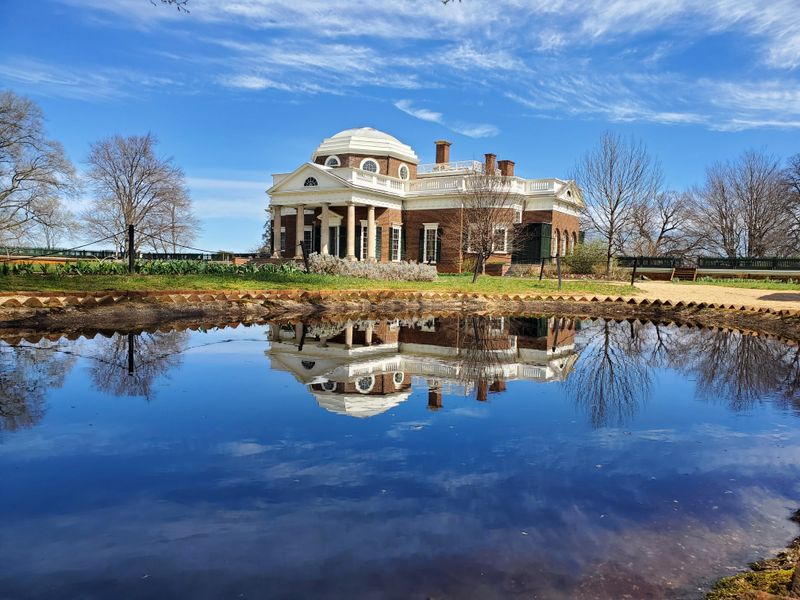
Thomas Jefferson didn’t just design a house, he created an architectural masterpiece that still leaves visitors speechless centuries later. Perched atop a mountain in Charlottesville, this neoclassical wonder showcases the genius of America’s third president in every carefully planned detail.
The iconic dome room steals the show, but honestly, every corner of this estate tells a different story. Jefferson’s personal touches appear everywhere, from the ingenious dumbwaiter system to the alcove beds that maximized space in surprisingly clever ways.
Walking through these halls feels like peeking directly into the mind of a true Renaissance man.
Gardens stretch across the property in geometric perfection, exactly as Jefferson sketched them out. He obsessed over every plant, every pathway, every view.
That attention to detail transforms a simple stroll into an unforgettable journey through botanical history.
The grounds offer spectacular panoramic views that’ll have your Instagram followers seriously jealous. Mountains roll away in every direction, creating a backdrop that’s pure Virginia magic.
Jefferson chose this spot for good reason, and you’ll understand why the moment you take it all in.
Guided tours reveal fascinating insights about daily life at Monticello, including the complex history of enslaved workers who built and maintained this incredible property. Their stories add essential depth to understanding this historic site.
Address: 931 Thomas Jefferson Parkway, Charlottesville, Virginia.
2. Mount Vernon, Virginia
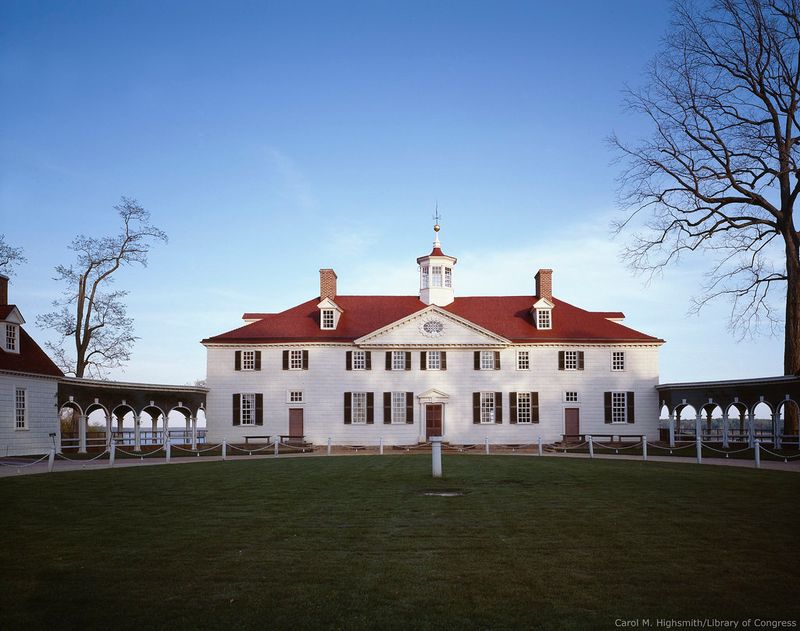
George Washington’s beloved estate sits majestically along the Potomac River, and boy, did our first president have excellent taste in real estate. This sprawling property combines elegant colonial architecture with breathtaking riverside views that make you want to move in immediately.
The mansion itself radiates understated grandeur with its distinctive red roof and bright white exterior. Washington expanded and refined this property throughout his lifetime, pouring his heart into creating a home worthy of his legacy.
Every room reflects his personality, from the formal dining spaces to his surprisingly cozy study.
Strolling the grounds feels like stepping onto a movie set, except everything here is authentically historical. The bowling green stretches out in manicured perfection, while outbuildings dot the landscape, each serving important functions in the estate’s daily operations.
Washington ran this place like a small village, and the scale of his operation becomes crystal clear as you explore.
Don’t miss the pioneer farm area where heritage breed animals roam and period farming techniques come alive. Costumed interpreters demonstrate skills that kept Mount Vernon running smoothly.
These demonstrations add wonderful context to understanding life on an eighteenth-century Virginia plantation.
The view from the piazza takes your breath away every single time. Washington specifically designed this covered porch to capture those stunning Potomac vistas, and smart man that he was, he absolutely nailed it.
Address: 3200 Mount Vernon Memorial Highway, Mount Vernon, Virginia.
3. Maymont, Virginia
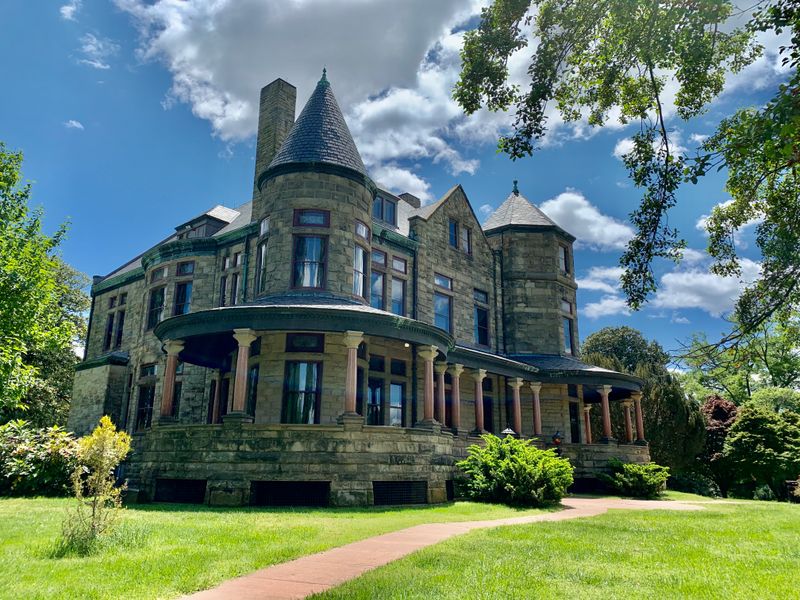
Gilded Age opulence explodes across this Richmond treasure, where millionaire couple James and Sallie Dooley created their dream estate. Maymont represents Victorian excess at its absolute finest, and trust us, these folks knew how to live large.
The mansion interior drips with luxurious details that’ll make your jaw drop. Stained glass windows cast colorful light across elaborately carved woodwork, while each room showcases a different decorating style.
The Dooleys traveled extensively and brought inspiration home from every journey, creating an eclectic mix that somehow works perfectly together.
Outside, the gardens steal the spotlight with distinct areas that transport you across continents. The Italian Garden cascades down terraced levels with classical statuary and formal plantings.
Then the Japanese Garden offers serene ponds and delicate bridges that create an entirely different mood. Both spaces demonstrate landscape design at its most ambitious.
Wildlife exhibits scattered throughout the grounds add unexpected charm to your visit. Native Virginia animals and exotic species share beautifully designed habitats that blend seamlessly into the estate’s natural setting.
Kids absolutely love this feature, though honestly, adults get pretty excited too.
The carriage collection showcases how wealthy Virginians traveled in style before automobiles changed everything. These ornate vehicles represent serious craftsmanship and give fascinating insight into transportation history.
Maymont offers way more than you’d expect from a historic house tour. Address: 1700 Hampton Street, Richmond, Virginia.
4. Shirley Plantation, Virginia
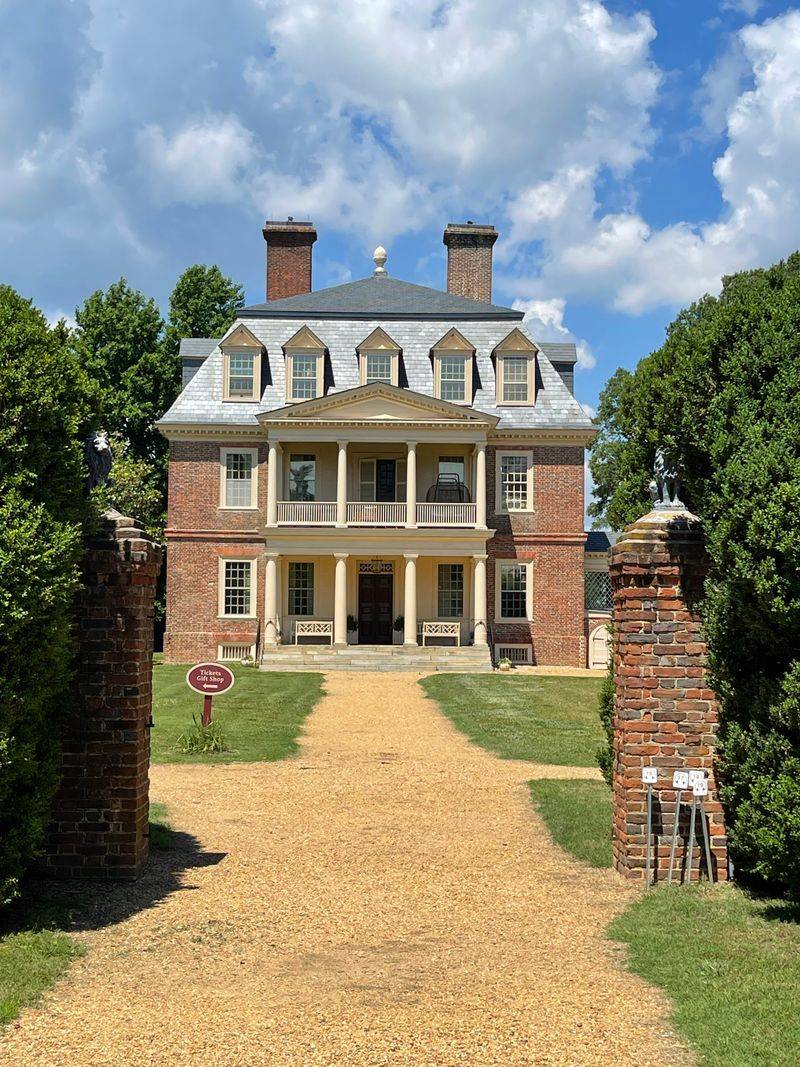
America’s oldest family-owned business still operating calls this stunning property home, and we’re talking eleven generations of continuous ownership here. That’s not just impressive, that’s downright mind-blowing when you consider how much history these walls have witnessed.
The mansion’s architectural features make design enthusiasts weak in the knees, particularly that famous floating staircase. This three-story marvel rises without any visible means of support, defying both gravity and expectations.
Colonial craftsmen built this beauty to last, and clearly they succeeded beyond anyone’s wildest dreams.
Original family portraits line the walls, creating an intimate connection to centuries of Virginia history. These aren’t random historical figures, they’re actual ancestors of the current owners, which adds incredible authenticity to your visit.
Walking these halls feels like attending the world’s most exclusive family reunion.
The grounds extend along the James River in sweeping elegance, with dependencies and outbuildings that illustrate plantation life in meticulous detail. Gardens bloom seasonally, offering different visual treats depending on when you visit.
Spring brings explosions of color that photographers dream about capturing.
Ghost stories swirl around Shirley Plantation, because apparently even spirits appreciate fine architecture. Whether you believe in paranormal activity or not, the atmospheric quality of this ancient estate definitely sparks imagination.
History runs deep here, soaking into every brick and board. Address: 501 Shirley Plantation Road, Charles City, Virginia.
5. Stratford Hall, Virginia
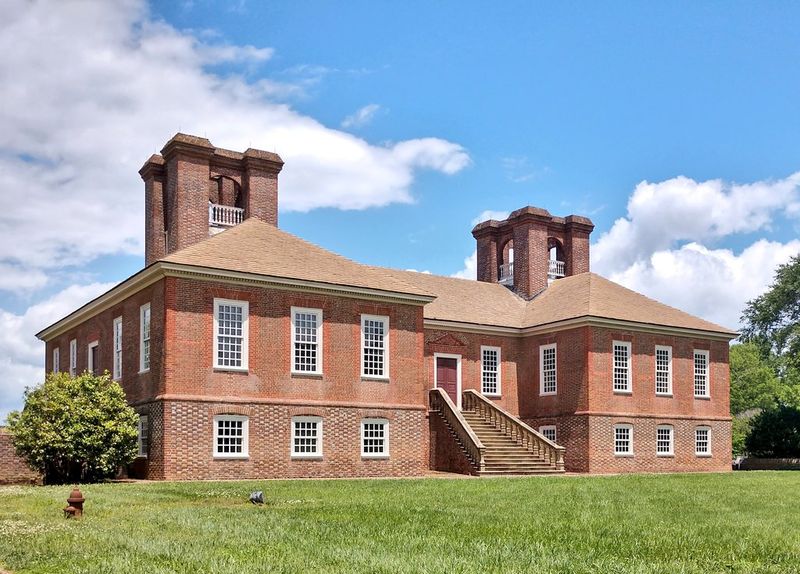
Two signers of the Declaration of Independence called this remarkable estate home, which automatically makes it historically significant. But Stratford Hall’s unique H-shaped design and commanding cliff-top position make it architecturally unforgettable too.
The Great Hall soars upward with dramatic height that colonial builders rarely attempted. This central gathering space served as the heart of plantation social life, hosting dinners and dances that brought Virginia’s elite together.
Imagine the conversations that echoed through this room during America’s founding era.
Four massive chimneys anchor the structure at each corner, creating the distinctive silhouette that makes Stratford instantly recognizable. These aren’t just functional elements, they’re bold architectural statements that announce importance from miles away.
Colonial builders understood the power of impressive design.
Working farms still operate on the property, maintaining agricultural traditions that stretch back centuries. Heritage livestock breeds graze peacefully, while period farming techniques get demonstrated regularly.
This living history approach helps visitors understand how plantations actually functioned as complete economic units.
The bluff overlooks the Potomac River with views that absolutely captivate anyone who stands there. Robert E.
Lee spent his childhood gazing at these same vistas, and it’s impossible not to wonder how this landscape shaped his worldview. Natural beauty surrounds Stratford in every direction, making the setting as memorable as the house itself.
Address: 483 Great House Road, Stratford, Virginia.
6. Berkeley Plantation, Virginia
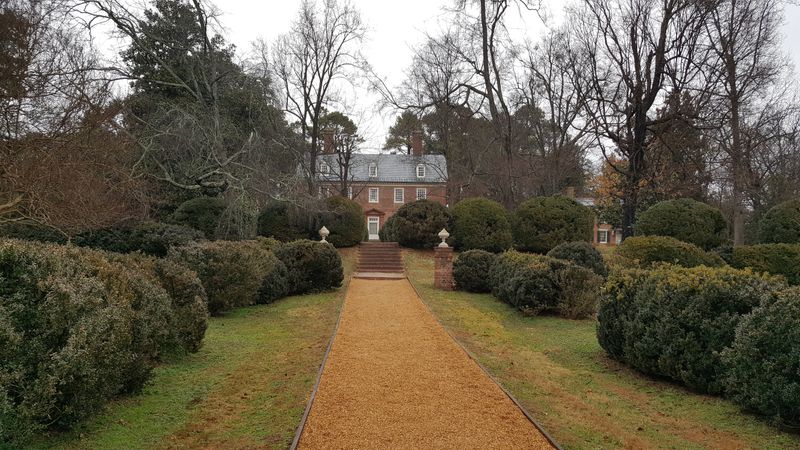
Thanksgiving actually started here, not Massachusetts, and Berkeley Plantation has the historical documentation to prove it. This bold claim represents just one of many fascinating stories attached to this gorgeous James River estate.
The Georgian architecture exemplifies colonial elegance with perfect symmetry and classic proportions. Brick walls glow warmly in afternoon light, while tall windows flood interior spaces with natural illumination.
Everything about this structure whispers refined taste and substantial wealth.
Ten American presidents trace ancestral connections to Berkeley, including both William Henry Harrison who was born here and Benjamin Harrison who grew up on the property. That presidential pedigree adds serious historical weight to an already impressive site.
Political history practically seeps from the floorboards.
Boxwood gardens extend in formal patterns that have been maintained for centuries, creating outdoor rooms of astonishing beauty. These meticulously trimmed hedges frame views toward the river while providing structure to colorful seasonal plantings.
Garden enthusiasts could spend hours just wandering these green spaces.
The first bourbon whiskey in America was distilled right here on Berkeley’s grounds, adding another surprising first to the plantation’s resume. Historical markers throughout the property highlight these unique claims to fame.
Every corner reveals another layer of American history waiting to be discovered.
River views from the lawn stretch across water that has reflected Virginia’s history for four centuries. That timeless quality makes Berkeley feel both ancient and immediate.
Address: 12602 Harrison Landing Road, Charles City, Virginia.
7. Gunston Hall, Virginia
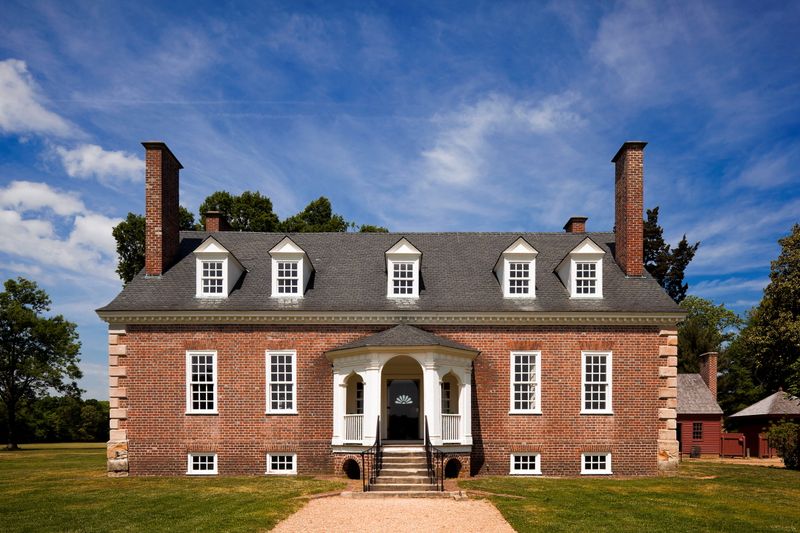
George Mason drafted the Virginia Declaration of Rights here, and that document directly influenced both the Declaration of Independence and the Bill of Rights. So yeah, this unassuming estate punches way above its weight class in terms of historical importance.
The interior woodwork represents some of the finest colonial craftsmanship you’ll ever encounter. Intricate carvings adorn doorways and mantels, showcasing skills that modern artisans struggle to replicate.
William Buckland, a renowned craftsman, created these masterpieces, and his genius shines through every detail.
Formal gardens recreate eighteenth-century landscape design with authentic plant varieties and period-appropriate layouts. Boxwood allées lead to hidden garden rooms, while the deer park extends beyond in pastoral perfection.
Mason designed these outdoor spaces for both beauty and philosophical contemplation.
The Potomac River borders the property, providing water access that proved essential for colonial transportation and trade. Mason’s wharf once bustled with activity as goods arrived and departed.
Today that waterfront offers peaceful walking trails with gorgeous views.
Reconstructed outbuildings demonstrate how large plantations functioned as self-sufficient communities. Skilled workers produced everything from furniture to fabric right here on the grounds.
These dependencies help visitors understand the complex systems that supported plantation life.
Mason’s legacy as a founding father deserves way more recognition than it typically receives. This estate helps restore his rightful place in American history while showcasing Virginia’s colonial heritage.
Address: 10709 Gunston Road, Mason Neck, Virginia.
8. Oatlands Historic House and Gardens, Virginia
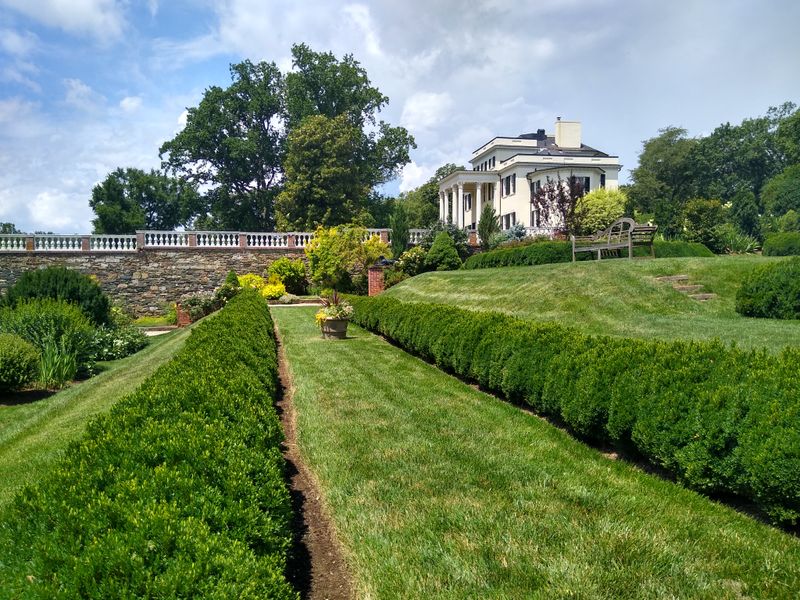
This stunning Federal-style mansion sits on a hilltop in Loudoun County, commanding attention with its classical columns and elegant proportions. Oatlands represents early American architecture at its most refined, blending European influences with distinctly American sensibilities.
The terraced gardens cascade down the hillside in four magnificent levels, creating outdoor spaces that feel both grand and intimate. Ancient boxwood hedges form walls and pathways, while reflecting pools mirror the sky above.
These gardens rank among Virginia’s most photographed, and one visit explains why.
Interior rooms showcase period furnishings that span multiple generations of family ownership. Each piece tells stories about changing tastes and evolving lifestyles.
The attention to historical accuracy in presentation helps visitors truly understand how wealthy Virginians lived across different eras.
Special events throughout the year bring Oatlands to life in unexpected ways. Garden parties, craft fairs, and seasonal celebrations transform the estate into a vibrant community gathering place.
These events add modern relevance to historical preservation.
The property’s size allows for extensive exploration beyond the main house and formal gardens. Woodland trails wind through mature trees, while open meadows invite peaceful contemplation.
Nature and history intertwine beautifully throughout the grounds.
Preservation efforts here demonstrate how historic properties can remain relevant and accessible to contemporary audiences. Oatlands successfully balances educational mission with pure enjoyment, creating experiences that appeal to diverse visitors.
Address: 20850 Oatlands Plantation Lane, Leesburg, Virginia.
9. Montpelier, Virginia
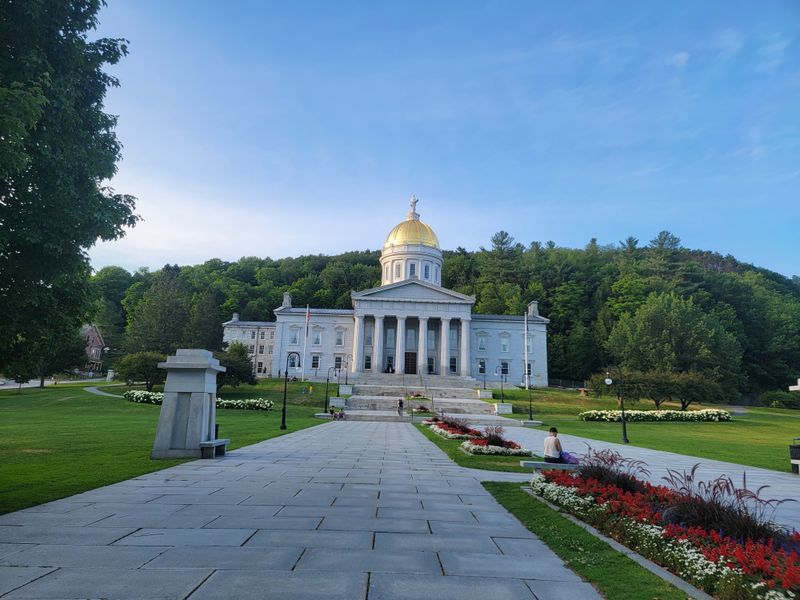
James Madison’s ancestral home underwent massive restoration to return it to its appearance during his lifetime. That painstaking work stripped away later additions and revealed the house exactly as the Father of the Constitution knew it.
The result is breathtakingly authentic.
The property extends across thousands of acres in Virginia’s Piedmont region, encompassing forests, fields, and gardens that showcase the landscape Madison loved. He spent decades here when not serving in government, finding inspiration in the rolling hills and productive farmland.
The setting explains much about his political philosophy.
Archaeological discoveries continue uncovering new information about enslaved communities who lived and worked at Montpelier. Recent excavations revealed extensive slave quarters and work areas, adding crucial perspectives to the estate’s interpretation.
These findings ensure that all of Montpelier’s history gets told, not just the parts focused on famous residents.
The Constitution Gallery offers interactive exhibits that make complex political theory accessible and engaging. Visitors can explore how Madison’s ideas shaped American government through hands-on displays and multimedia presentations.
This modern addition enhances the historic site without overwhelming it.
Formal gardens recreate the landscape design that Madison and his wife Dolley carefully cultivated. Period plant varieties fill beds arranged in geometric patterns, while tree-lined paths invite leisurely strolls.
The gardens demonstrate how wealthy Virginians used outdoor spaces to display both taste and horticultural knowledge.
Conservation efforts at Montpelier set standards for historic preservation nationwide. Address: 11350 Constitution Highway, Montpelier Station, Virginia.
10. Ash Lawn-Highland, Virginia
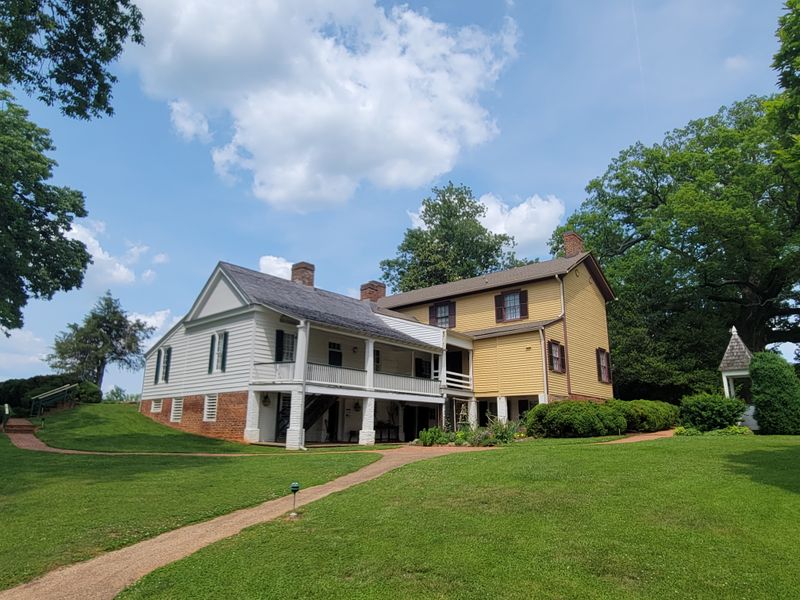
James Monroe built this modest estate near his friend Thomas Jefferson’s Monticello, and the contrast between the two properties speaks volumes. While Jefferson went grand and architectural, Monroe chose simpler elegance that reflected different priorities and a less flamboyant personality.
The house started small and grew organically as Monroe’s family expanded and his political career advanced. That evolution shows in the structure itself, with additions that reveal changing needs and circumstances.
Walking through feels like reading Monroe’s biography in brick and wood.
Period furnishings include actual items owned by the Monroe family, creating tangible connections to Virginia’s fifth president. These aren’t generic antiques filling space, they’re personal possessions that Monroe himself touched and used.
That authenticity elevates the entire experience.
Gardens surround the house in informal abundance, favoring useful plants over purely ornamental varieties. Monroe appreciated practicality, and his landscape choices reflected that sensibility.
Herbs, vegetables, and fruit trees grow alongside flowers, creating productive beauty.
The property offers stunning views across the Virginia countryside, with the Blue Ridge Mountains rising in the distance. Monroe specifically chose this location for those vistas, and they remain as captivating now as they were centuries ago.
Sunset here is absolutely magical.
Summer performances bring opera and theatrical productions to the grounds, adding cultural programming to historical interpretation. These events demonstrate how historic sites can serve contemporary communities while preserving the past.
The combination works wonderfully. Address: 2050 James Monroe Parkway, Charlottesville, Virginia.
Dear Reader: This page may contain affiliate links which may earn a commission if you click through and make a purchase. Our independent journalism is not influenced by any advertiser or commercial initiative unless it is clearly marked as sponsored content. As travel products change, please be sure to reconfirm all details and stay up to date with current events to ensure a safe and successful trip.
