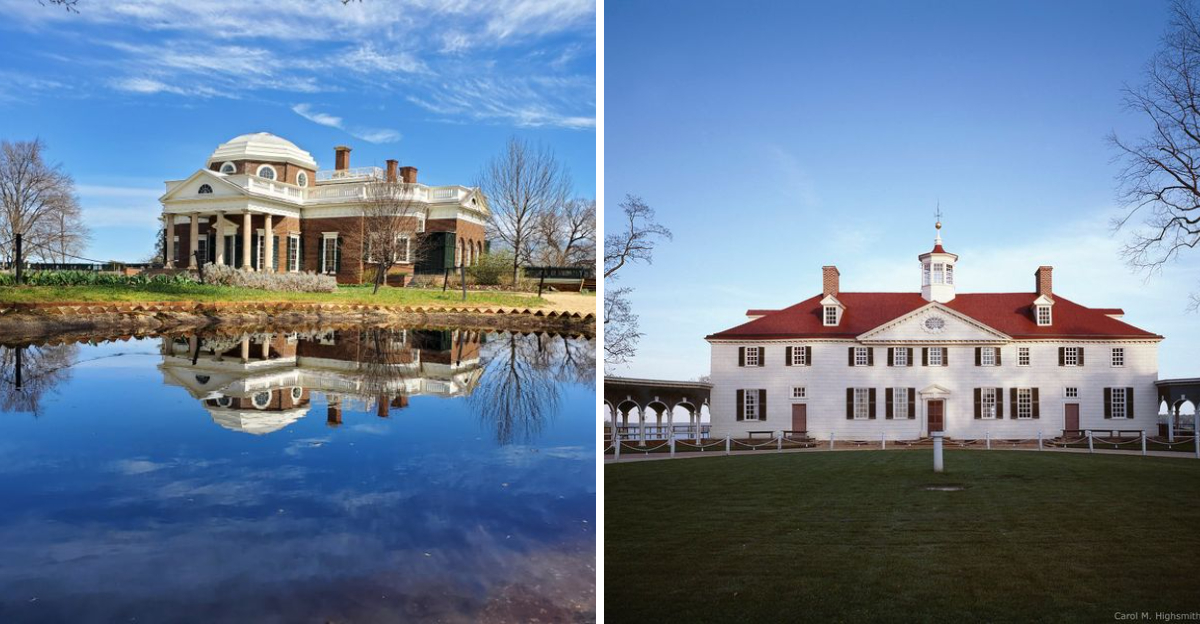
Virginia has a treasure trove of historic homes and mansions that tell stories of bygone eras and architectural brilliance. From stately Georgian estates to grand antebellum plantations, these magnificent structures transport visitors back in time.
Each property offers a unique glimpse into the craftsmanship, elegance, and lifestyle of America’s early days. Get ready to explore some of the Commonwealth’s most stunning historic treasures that continue to captivate architecture lovers and history buffs alike.
1. Monticello: Jefferson’s Architectural Masterpiece
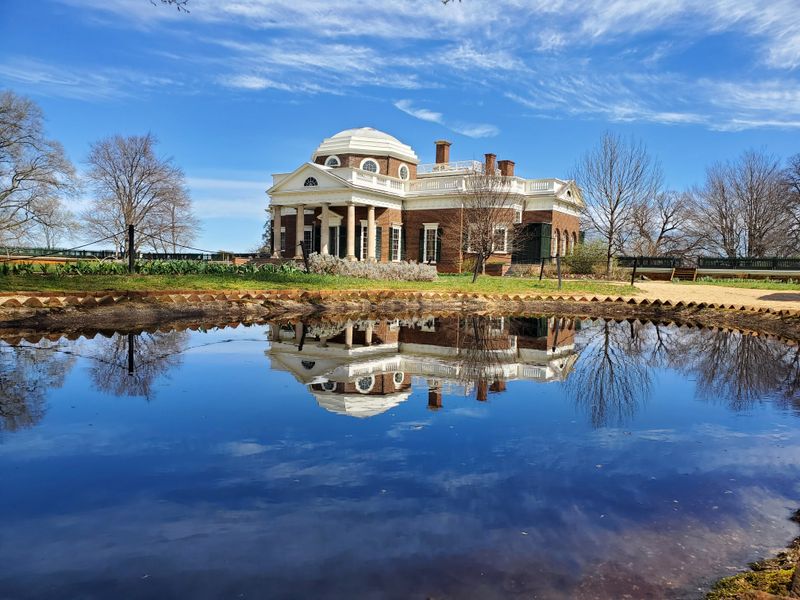
Thomas Jefferson’s beloved mountaintop estate stands as one of America’s most iconic homes. Perched on a hilltop near Charlottesville, this architectural wonder reflects Jefferson’s genius and his passion for design, innovation, and beauty.
Jefferson spent decades perfecting Monticello, incorporating neoclassical elements inspired by his travels through Europe. The home features a distinctive dome, the first of its kind on an American residence, and showcases Jefferson’s inventive spirit through clever gadgets and space-saving designs.
Skylights flood the interior with natural light, while hidden alcove beds maximize room functionality.
Walking through Monticello feels like stepping into Jefferson’s brilliant mind. The entrance hall doubles as a museum filled with natural history specimens and Native American artifacts.
His private quarters reveal a man obsessed with learning, surrounded by books, scientific instruments, and writing tools.
The gardens surrounding the mansion are equally impressive. Jefferson cultivated experimental crops and ornamental plants, creating terraced vegetable gardens that still thrive today.
Visitors can stroll the same paths Jefferson walked while contemplating philosophy and politics.
Monticello’s architecture influenced countless American buildings that followed. Its blend of classical proportions with innovative American touches created a uniquely democratic architectural style.
The octagonal rooms, triple-sash windows, and harmonious symmetry demonstrate Jefferson’s belief that beauty and function should coexist.
Beyond its architectural significance, Monticello tells complex stories about American history, including the enslaved community who built and maintained this estate. Their quarters and workspaces are now part of the tour, providing a fuller understanding of plantation life.
Address: 931 Thomas Jefferson Parkway, Charlottesville, VA 22902
2. Mount Vernon: Washington’s Grand Riverside Estate
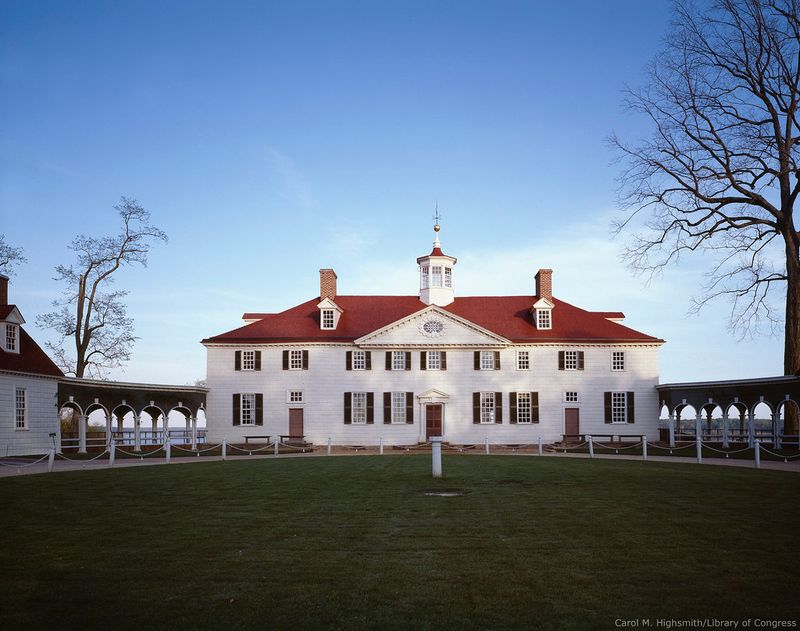
George Washington’s beloved home overlooks the Potomac River with commanding elegance. This sprawling plantation estate served as Washington’s sanctuary between military campaigns and presidential duties, and today it remains one of America’s most visited historic homes.
The mansion’s distinctive green exterior sets it apart from typical colonial architecture. Washington personally oversaw expansions that transformed a modest farmhouse into an impressive Georgian mansion.
Weatherboarding rusticated to resemble stone blocks creates a unique texture that has become Mount Vernon’s signature look.
Inside, visitors discover rooms meticulously restored to their appearance during Washington’s lifetime. The large dining room, where Washington entertained countless guests, features striking Prussian blue walls and elaborate plasterwork.
His study contains original furniture and the very chair where he sat while managing his vast estate.
Mount Vernon’s piazza offers breathtaking river views that Washington cherished. This covered porch provided a cool retreat during Virginia’s humid summers and served as an outdoor living space where the family relaxed.
The design was revolutionary for its time and influenced American architecture for generations.
The grounds extend far beyond the mansion itself. Outbuildings recreate the plantation’s self-sufficient operations, from the kitchen and smokehouse to the blacksmith shop.
Washington’s tomb lies in a peaceful grove, a somber reminder of the great leader who called this place home.
The estate’s gardens reflect Washington’s passion for landscape design and agriculture. He experimented with crop rotation, bred mules, and cultivated ornamental plants.
Walking these gardens connects visitors to Washington’s less-known identity as a dedicated farmer and horticulturist.
Address: 3200 Mount Vernon Memorial Highway, Mount Vernon, VA 22121
3. Shirley Plantation: Virginia’s Oldest Family-Owned Estate
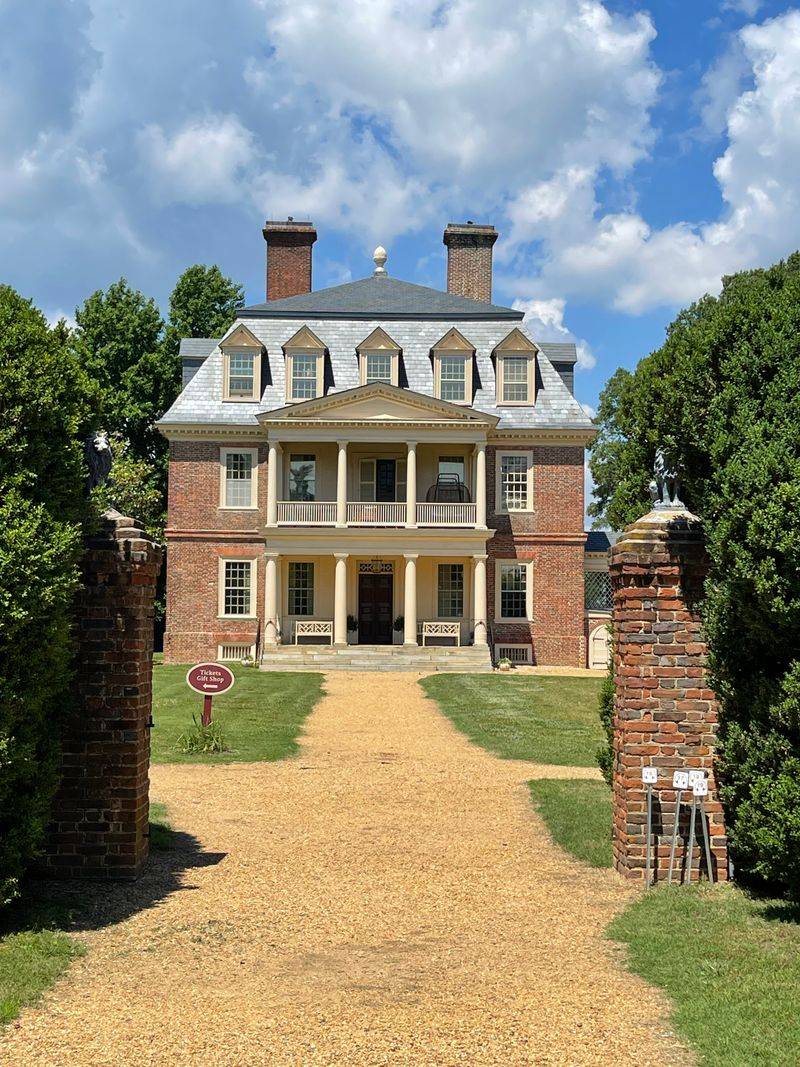
Founded along the James River, Shirley Plantation holds the distinction of being Virginia’s oldest family-owned business. The same family has called this place home for generations, maintaining its stunning Georgian architecture and rich historical legacy.
The mansion’s most famous feature is its magnificent flying staircase. Rising three stories without any visible support, this architectural marvel leaves visitors awestruck.
Carved entirely from walnut, the staircase seems to float effortlessly, showcasing the exceptional craftsmanship of colonial artisans.
Queen Anne architecture dominates the home’s exterior, with a distinctive roofline and symmetrical design. The mansion sits at the center of a forecourt flanked by dependencies, creating a classic Virginia plantation layout.
Red brick walls weathered by centuries tell silent stories of colonial life.
Inside, original family portraits line the walls, creating an intimate connection to the past. Furnishings span multiple generations, from colonial pieces to Victorian additions.
Each room reveals layers of history as the family adapted the home to changing times while preserving its essential character.
The grounds include America’s oldest two-story dependencies, which housed various plantation operations. These buildings demonstrate the self-sufficient nature of early Virginia estates.
From laundry to storage, every function had its designated space within the carefully planned complex.
Shirley Plantation witnessed pivotal moments in American history. Revolutionary and Civil War soldiers marched across these fields.
The estate survived conflicts, economic changes, and centuries of weather while maintaining its dignity and grace.
Today’s guided tours offer insights into both the privileged family life and the enslaved community who labored here. This balanced perspective provides visitors with a comprehensive understanding of plantation culture in Virginia.
Address: 501 Shirley Plantation Road, Charles City, VA 23030
4. Berkeley Plantation: Where Presidents Were Born
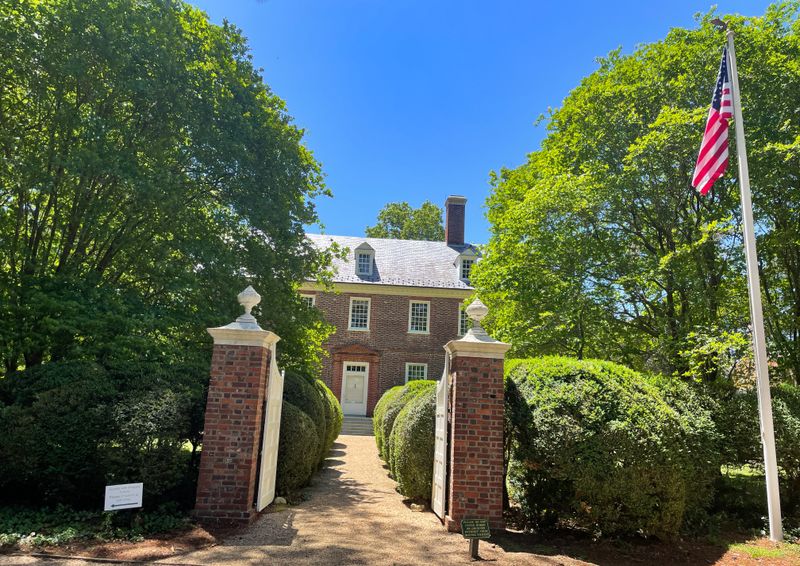
Nestled on a bend of the James River, Berkeley Plantation boasts an impressive claim as the birthplace of a U.S. president and the site of the first official Thanksgiving. This Georgian mansion combines historical significance with architectural beauty in one spectacular package.
The home’s brick facade showcases classic Georgian symmetry with perfectly balanced windows and a central entrance. Built with bricks fired on-site, the mansion exemplifies colonial craftsmanship.
Each architectural detail, from the cornice work to the window pediments, demonstrates the builder’s commitment to proportion and elegance.
Berkeley’s interior features exquisite hand-carved woodwork throughout. The Adam-style mantels and elaborate chair rails showcase the refined taste of its original owners.
Period furnishings recreate the atmosphere of plantation life when this was one of Virginia’s grandest estates.
The Great Rooms serve as the heart of the mansion, where family gatherings and formal entertaining took place. High ceilings and large windows create an airy, gracious space.
Original wide-plank floors, worn smooth by centuries of footsteps, add authentic character to every room.
Outside, terraced gardens descend toward the river in a series of boxwood-lined levels. Ancient trees shade the lawn where generations have gathered.
The landscape design reflects centuries of cultivation, with formal gardens giving way to natural riverside beauty.
Berkeley’s historical connections run deep. Not only was it the birthplace of Benjamin Harrison, but it also served as a military headquarters during the Revolutionary War.
Later, during the Civil War, Union troops camped on the grounds, and the haunting melody of Taps was composed here.
The plantation’s story includes both triumph and tragedy, wealth and hardship. Guided tours explore these contrasts, presenting a nuanced view of Virginia plantation life that acknowledges all who lived and worked here.
Address: 12602 Harrison Landing Road, Charles City, VA 23030
5. Maymont: Richmond’s Gilded Age Jewel
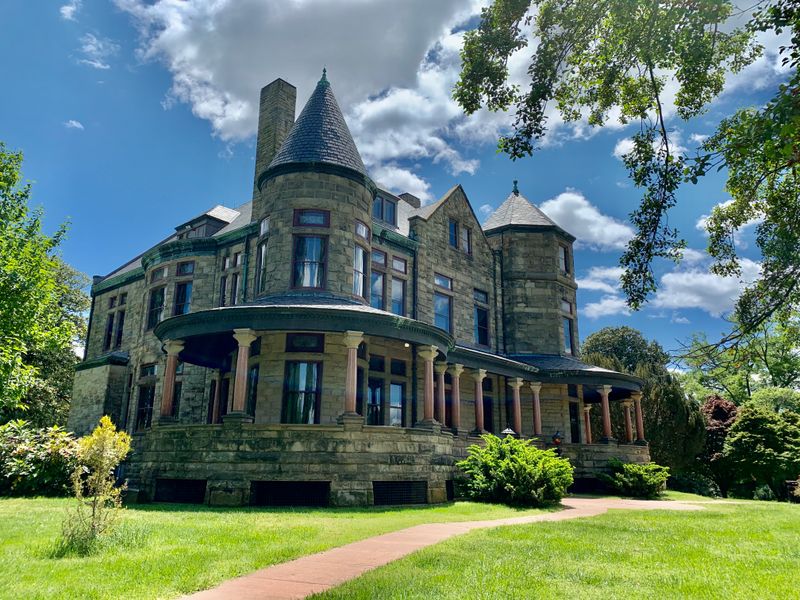
Perched above the James River in Richmond, Maymont represents the pinnacle of Gilded Age elegance and Victorian excess. This spectacular estate combines a lavish mansion with stunning gardens, creating an urban oasis that transports visitors to an era of opulence.
The mansion’s Romanesque Revival architecture features rough-cut stone walls and a distinctive tower. Inside, rooms showcase different decorative styles, from the swan-themed drawing room to the ornate dining room with its embossed leather walls.
Each space demonstrates the wealth and refined taste of its original owners.
Maymont’s interior reads like a textbook of late Victorian design. The Dooleys, who built this estate, spared no expense in decorating their home.
Tiffany glass, hand-carved woodwork, and elaborate plasterwork create an atmosphere of luxurious comfort. Period furnishings remain exactly as the family left them, offering an authentic glimpse into Gilded Age living.
The grand staircase sweeps upward with theatrical flair, its carved details and stained glass window creating a dramatic focal point. Upstairs bedrooms maintain their original character, complete with period wallpapers and vintage fixtures.
Even the servants’ quarters reveal attention to detail and quality construction.
Beyond the mansion, Maymont’s gardens showcase multiple landscape styles. The Italian Garden features classical statuary and formal plantings, while the Japanese Garden offers serene water features and authentic architectural elements.
These outdoor rooms demonstrate the Victorian passion for landscape design and exotic influences.
The estate includes a carriage house filled with antique vehicles and a stone barn that now houses nature exhibits. Every building on the property reflects the same commitment to quality and beauty that characterizes the main house.
Maymont remains a beloved Richmond landmark where locals and tourists alike can experience Victorian grandeur. The estate’s preservation ensures future generations can appreciate this remarkable example of Gilded Age architecture and lifestyle.
Address: 1700 Hampton Street, Richmond, VA 23220
6. Stratford Hall: The Lee Family Ancestral Home
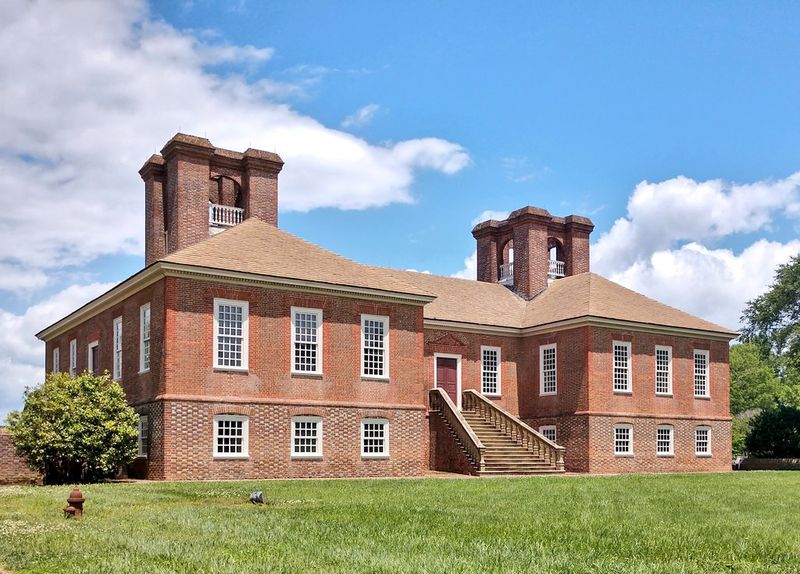
Rising from the Northern Neck countryside, Stratford Hall presents one of Virginia’s most distinctive architectural profiles. This massive brick mansion served as the birthplace of Robert E.
Lee and stands as a monument to colonial architectural ambition.
The H-shaped floor plan sets Stratford apart from typical colonial homes. Four massive chimneys anchor the structure, creating a dramatic roofline visible for miles.
The Great Hall, occupying the entire center of the house, soars to an impressive height with windows on all sides flooding the space with light.
Stratford’s architectural details reveal the wealth and status of the Lee family. Intricate brickwork in Flemish bond creates decorative patterns across the facade.
The exterior stairs leading to the main entrance add grandeur and emphasize the home’s elevated position on the bluff.
Inside, rooms radiate from the central Great Hall, each serving specific functions in the daily life of a prominent colonial family. Original paneling and period furnishings recreate the atmosphere when the Lees entertained Virginia’s elite.
The scale of the rooms reflects both the family’s social position and the era’s architectural conventions.
The dependencies flanking the main house housed essential plantation operations. These brick outbuildings, connected to the mansion by covered walkways, demonstrate the self-sufficient nature of large Virginia estates.
From kitchen to office, each structure played a vital role in daily operations.
Stratford’s setting above the Potomac River provides spectacular views across the water. The Lees chose this prominent site to showcase their mansion and establish their place among Virginia’s first families.
The landscape remains largely unchanged, allowing visitors to experience the estate much as the Lees knew it.
Today, Stratford Hall operates as a museum and educational center. Interpreters share stories of the Lee family while also acknowledging the enslaved community whose labor built and maintained this impressive estate.
Address: 483 Great House Road, Stratford, VA 22558
7. Gunston Hall: Mason’s Colonial Gem
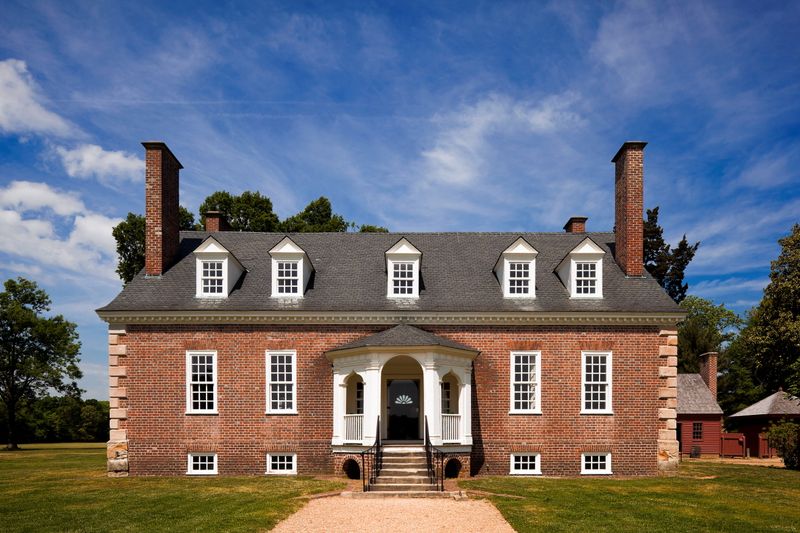
George Mason, author of the Virginia Declaration of Rights, built this refined plantation home along the Potomac River. Gunston Hall combines understated elegance with exceptional interior craftsmanship, creating one of Virginia’s most significant colonial homes.
The exterior appears modest compared to some grander estates, but this simplicity masks extraordinary interior details. Mason hired master craftsman William Buckland, whose carved woodwork transforms ordinary rooms into artistic masterpieces.
The result is a home that prioritizes substance over showy display.
Buckland’s work in the Palladian Room represents some of the finest colonial woodcarving in America. Intricate details cover every surface, from the elaborate chimneypiece to the carved door surrounds.
The Chinese Chippendale Room features equally impressive woodwork in a different style, demonstrating Buckland’s versatility.
Gunston Hall’s floor plan follows typical Georgian conventions with a central passage and symmetrical room arrangement. However, the quality of finishes elevates this home above standard colonial construction.
Original heart pine floors, hand-carved mantels, and detailed cornices showcase the craftsmanship available to Virginia’s wealthy planters.
The gardens extend from the house in a series of terraced levels descending toward the river. Mason designed these outdoor spaces for both beauty and practical use, combining ornamental plantings with productive gardens.
Ancient boxwoods, possibly dating to Mason’s time, line the paths.
Mason’s intellectual legacy permeates Gunston Hall. His ideas about individual rights influenced Thomas Jefferson and shaped American founding documents.
Walking through his home provides insight into the mind that helped define American liberty.
The estate includes reconstructed outbuildings that demonstrate plantation operations. From the schoolhouse to the kitchen, these structures help visitors understand the complex world of an eighteenth-century Virginia plantation.
Interpreters share stories of both the Mason family and the enslaved workers who maintained the estate.
Address: 10709 Gunston Road, Mason Neck, VA 22079
8. Oatlands Historic House: A Gothic Revival Treasure
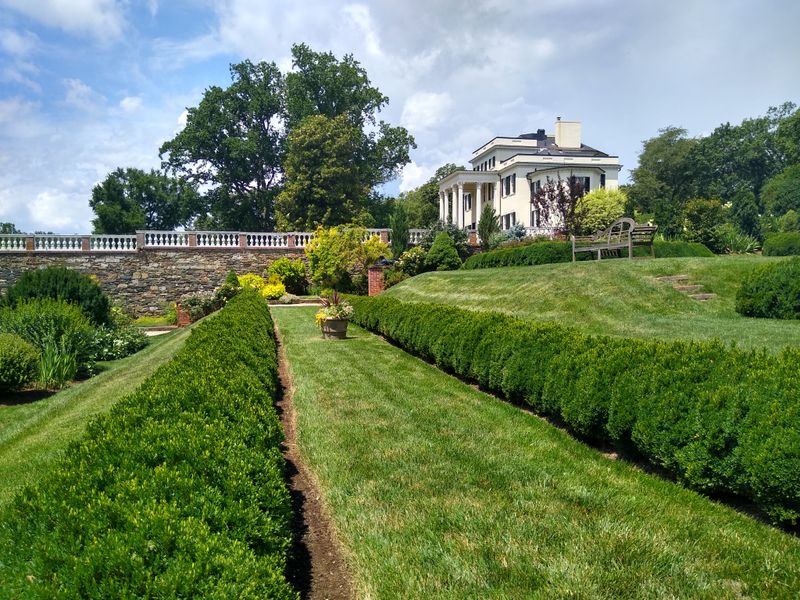
Transforming from a classical plantation house into a romantic Gothic Revival mansion, Oatlands showcases architectural evolution across multiple eras. This National Trust property in Leesburg demonstrates how American taste changed throughout the nineteenth century.
The mansion’s Greek Revival core received Gothic embellishments during later renovations. Pointed arch windows, decorative bargeboards, and romantic turrets create a picturesque silhouette.
This architectural layering tells the story of changing fashions and the owners’ willingness to modernize their ancestral home.
Inside, rooms reflect different periods of decoration and use. Original Federal-period details coexist with Victorian additions, creating an eclectic mix that feels surprisingly harmonious.
Each generation left its mark, from wallpaper choices to furniture styles, building a rich historical narrative.
The octagonal drawing room serves as Oatlands’ architectural centerpiece. This unusual space features soaring ceilings and windows on multiple sides, flooding the room with natural light.
Period furnishings demonstrate how wealthy Virginians entertained during the mansion’s heyday.
Oatlands’ terraced gardens rank among Virginia’s finest historic landscapes. Four acres of formal gardens descend the hillside in a series of stone-walled levels.
Reflecting pools, classical statuary, and mature plantings create outdoor rooms that complement the mansion’s romantic architecture.
The estate’s history includes prosperity and decline, grandeur and near-ruin. Early twentieth-century owners rescued Oatlands from decay, restoring the mansion and creating the gardens visitors enjoy today.
Their preservation efforts saved an irreplaceable piece of Virginia’s architectural heritage.
Peacocks roam the grounds, adding exotic beauty to an already picturesque setting. These colorful birds have become Oatlands’ unofficial mascots, delighting visitors who encounter them during garden strolls.
Oatlands hosts events throughout the year, from garden tours to historical reenactments. These programs bring the estate to life, helping visitors connect with the people who shaped this remarkable property across two centuries.
Address: 20850 Oatlands Plantation Lane, Leesburg, VA 20175
9. Belle Grove Plantation: Shenandoah Valley Elegance
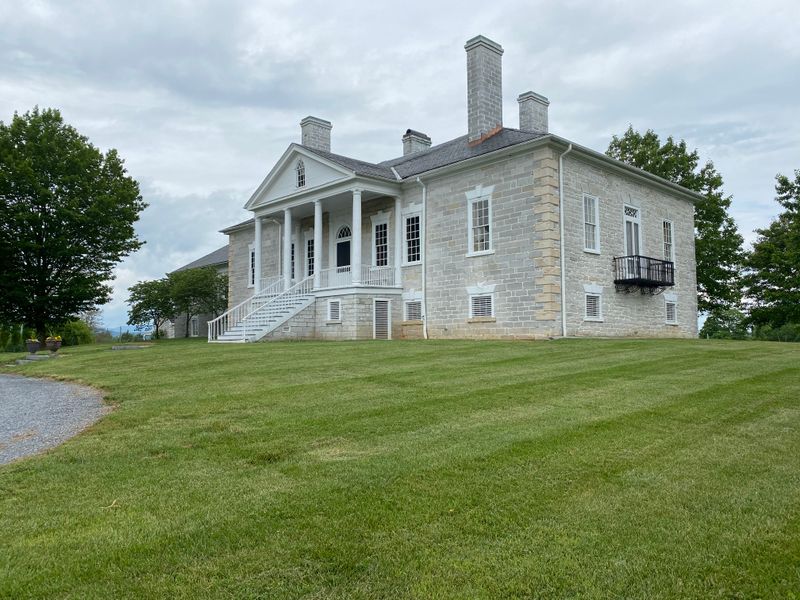
Situated in the scenic Shenandoah Valley, Belle Grove combines refined architecture with a stunning natural setting. This limestone mansion represents the prosperity that agriculture brought to Virginia’s western frontier during the late eighteenth century.
Thomas Jefferson advised on Belle Grove’s design, and his influence appears in the home’s classical proportions and harmonious details. The mansion’s limestone construction sets it apart from the brick common in eastern Virginia.
Local materials gave Belle Grove a distinctive character that reflects its Shenandoah Valley location.
The entrance portico features elegant columns supporting a pediment, creating a temple-like facade. This classical reference demonstrates the educated taste of Belle Grove’s builder and his desire to bring sophisticated architecture to the Virginia frontier.
The balanced window placement and refined proportions show careful attention to design principles.
Inside, rooms maintain their original layout and many period features. The drawing room’s elaborate mantelpiece showcases skilled stonework, while original floors and woodwork create authentic atmosphere.
Furnishings represent the Federal period when Belle Grove served as a center of Shenandoah Valley society.
The mansion sits on land that witnessed significant Civil War action. The Battle of Cedar Creek swirled around Belle Grove, and Union General Philip Sheridan used the house as his headquarters.
Bullet holes and other battle scars remind visitors of the conflict that engulfed this peaceful valley.
Belle Grove’s agricultural setting remains largely intact. Fields surround the mansion much as they did during its working plantation days.
This rural context helps visitors understand how the estate functioned and why its location in the fertile Shenandoah Valley brought prosperity to its owners.
Today, Belle Grove operates as a museum and educational center focusing on Valley history and architecture. Programs explore everything from agricultural practices to the Civil War, providing multiple perspectives on this significant property.
Address: 336 Belle Grove Road, Middletown, VA 22645
10. Kenmore Plantation: Georgian Splendor in Fredericksburg
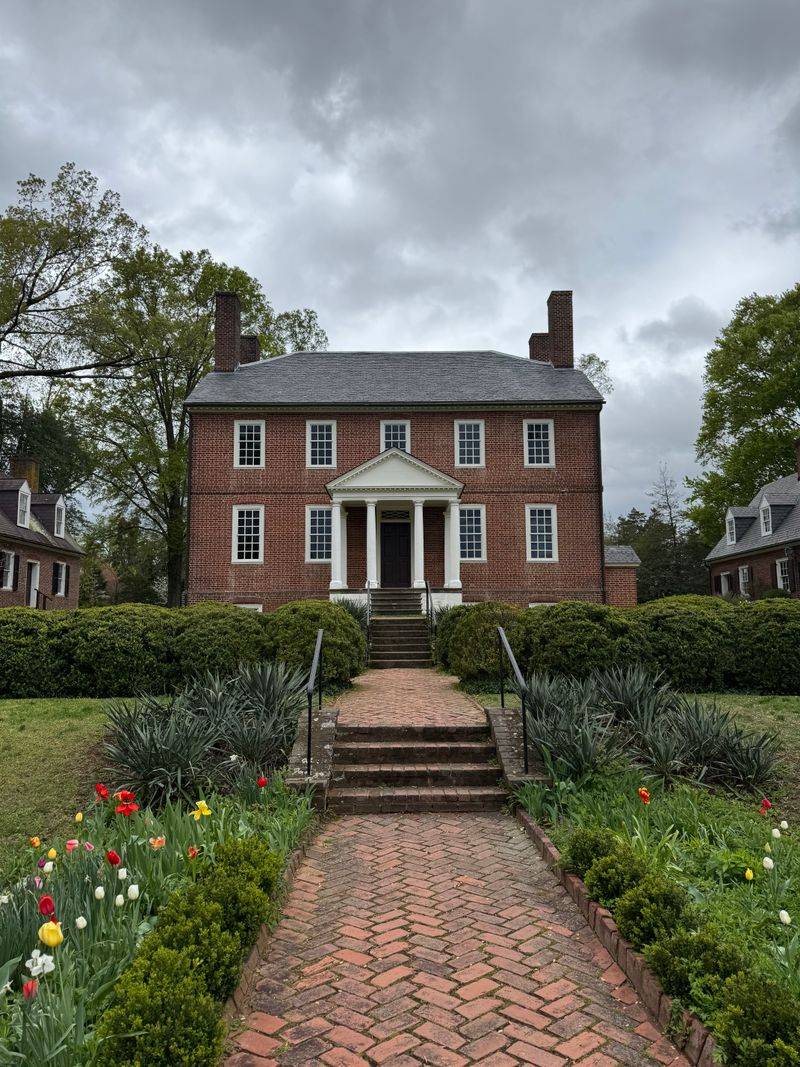
George Washington’s sister made her home at Kenmore, creating one of Virginia’s most beautifully decorated Georgian mansions. This Fredericksburg treasure showcases extraordinary plasterwork that ranks among the finest examples of colonial decorative arts in America.
From the outside, Kenmore presents a dignified brick facade typical of prosperous Virginia planters. The real magic lies inside, where elaborate plaster ceilings transform each room into an artistic masterpiece.
These decorative ceilings feature intricate designs of flowers, fruits, and geometric patterns that demonstrate exceptional craftsmanship.
The Great Room ceiling astonishes visitors with its complexity and beauty. Every inch features detailed plasterwork, from delicate vines to bold central medallions.
Creating such elaborate decoration required specialized skills, and the craftsmen who worked at Kenmore were among the best in colonial America.
Each room received unique ceiling designs, ensuring variety throughout the house. The dining room features different motifs than the parlor, while bedrooms display their own distinctive patterns.
This attention to individual room character shows sophisticated design thinking unusual for the period.
Beyond the famous ceilings, Kenmore boasts fine architectural details throughout. Original woodwork, including paneled walls and carved mantels, complements the plaster decorations.
Period furnishings help recreate the atmosphere when Betty Washington Lewis entertained Fredericksburg society in these elegant rooms.
The grounds include dependencies and gardens that demonstrate plantation life. A restored kitchen shows where enslaved cooks prepared meals for the household.
The landscape design reflects eighteenth-century principles, with formal areas near the house giving way to working spaces.
Kenmore’s connection to the Washington family adds historical significance beyond its architectural merits. Betty Washington Lewis maintained close ties with her famous brother, and George Washington visited Kenmore multiple times.
These family connections link the house to America’s founding narrative.
Guided tours focus on the artistic achievements visible throughout Kenmore while also addressing the full story of everyone who lived and worked on this plantation.
Address: 1201 Washington Avenue, Fredericksburg, VA 22401
Dear Reader: This page may contain affiliate links which may earn a commission if you click through and make a purchase. Our independent journalism is not influenced by any advertiser or commercial initiative unless it is clearly marked as sponsored content. As travel products change, please be sure to reconfirm all details and stay up to date with current events to ensure a safe and successful trip.
