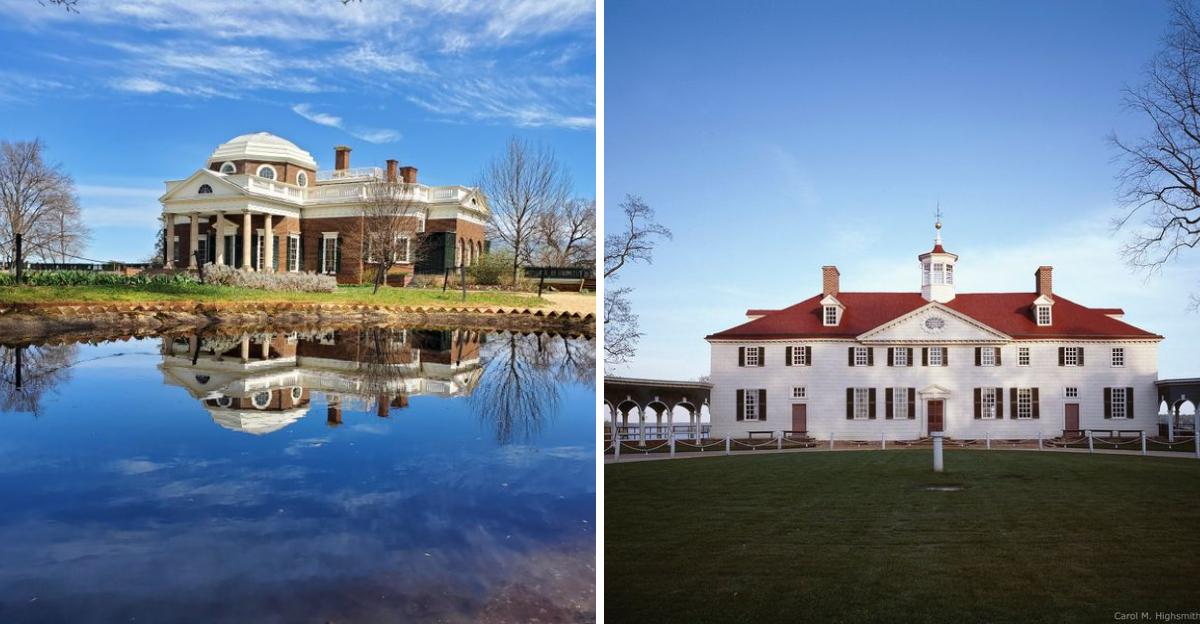
Virginia holds a mirror to America’s most complicated chapters. Walking through its historic sites feels like stepping into living debates about heritage, memory, and what stories deserve to be told.
Some visitors see these places as sacred ground worth preserving exactly as they stand. Others argue they glorify painful pasts that need reframing or removing altogether.
The Old Dominion state wrestles with its legacy more visibly than most, from battlefields to plantations to monuments. Each location sparks fresh conversations about whose perspective matters and how history should be remembered.
These nine spots continue stirring passionate reactions from tourists, locals, historians, and activists alike. Get ready to explore the places where Virginia’s past collides with its present in the most unexpected ways.
1. Monticello Plantation
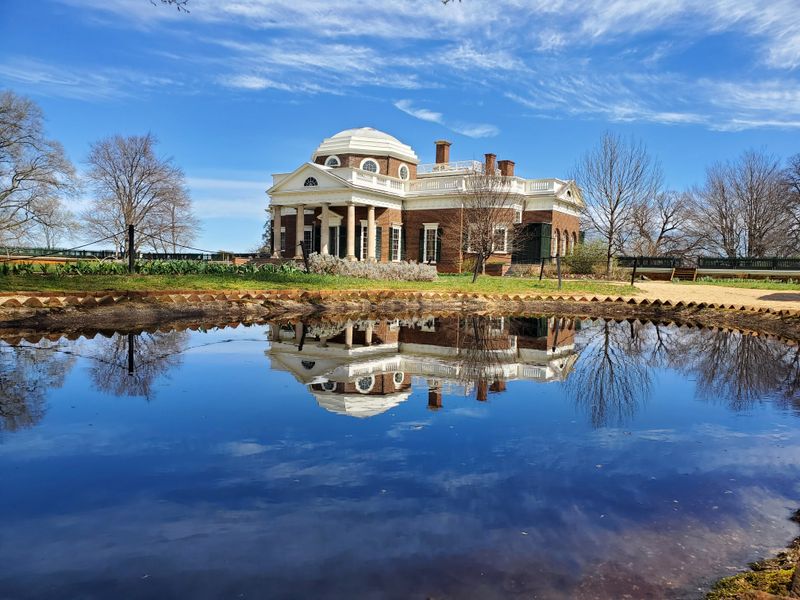
Thomas Jefferson’s mountaintop estate showcases architectural genius while confronting uncomfortable truths about slavery. Tour guides now balance celebrating Jefferson’s brilliance with acknowledging Sally Hemings and the hundreds of enslaved people who built his legacy.
Visitors walk through elegant rooms filled with inventions and curiosities, then step into stark slave quarters that tell a different story. The contrast hits hard.
Some guests praise this honest approach to history, while others feel it diminishes Jefferson’s contributions to democracy.
Recent tours have expanded focus on the Hemings family and enslaved community members. This shift makes some travelers uncomfortable, sparking heated online reviews and dinner table debates.
The restored Mulberry Row slave dwellings now receive equal attention to the main house. Archaeologists continue uncovering artifacts that challenge traditional narratives about plantation life.
School groups often leave with more questions than answers. Teachers appreciate the complexity, though parents sometimes complain about age-appropriate content.
The gift shop itself becomes controversial, selling Jefferson-themed merchandise alongside books about slavery. What feels educational to some strikes others as tone-deaf commercialization.
Monticello’s interpretation has evolved dramatically over decades, reflecting changing American attitudes about founding fathers. The estate tries honoring both Jefferson’s achievements and the people he enslaved, a balancing act that satisfies nobody completely.
Address: 931 Thomas Jefferson Parkway, Charlottesville, Virginia. Whether you see Monticello as a triumph of transparency or an attack on American heroes depends entirely on which story you came hoping to hear.
2. Monument Avenue in Richmond
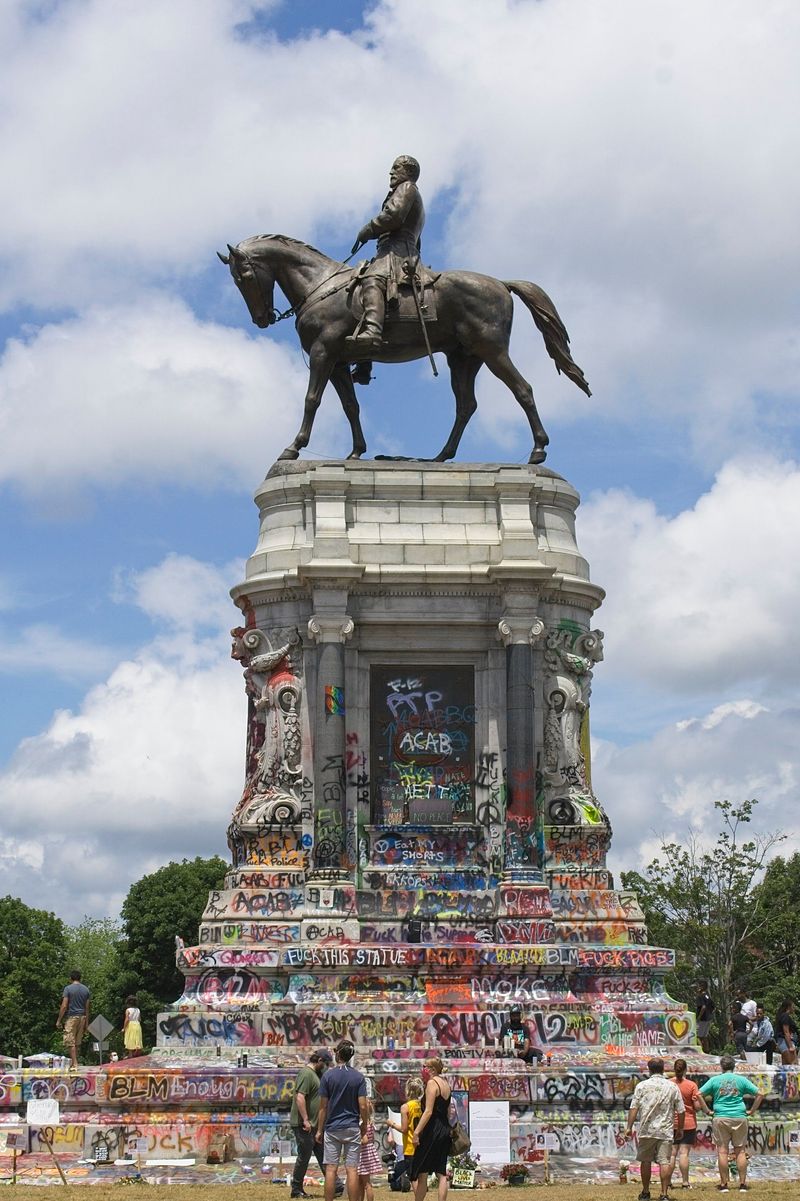
Richmond’s grandest boulevard once celebrated Confederate generals with towering bronze statues. The removal of most monuments sparked celebrations and fury in equal measure across Virginia and beyond.
For over a century, these statues defined the streetscape, turning military leaders into neighborhood landmarks. Residents grew up playing near them, using them as meeting points and photo backdrops.
The Robert E. Lee statue stood tallest, dominating the avenue until protestors covered it with graffiti during racial justice demonstrations.
City officials eventually removed it, leaving an empty pedestal that became its own statement.
Some locals mourned the loss of familiar landmarks, arguing history was being erased. Others danced in the streets, viewing removal as long-overdue justice.
The avenue now features empty spaces where monuments stood, creating an eerie absence that visitors either find liberating or deeply sad. Walking tours discuss both the statues’ history and their controversial removal.
One monument remains, honoring tennis legend Arthur Ashe. Its presence among the removed Confederate statues always sparked debate about whose achievements deserve commemoration.
The neighborhood transformed overnight from Confederate memorial corridor to blank canvas. Artists and activists propose new monuments, though consensus seems impossible.
Address: Monument Avenue, Richmond, Virginia. Tourists photograph empty pedestals as enthusiastically as they once photographed statues, proof that absence can speak as loudly as presence.
The boulevard remains beautiful, lined with historic homes, yet fundamentally changed in ways that divide opinion with every visit.
3. Manassas National Battlefield
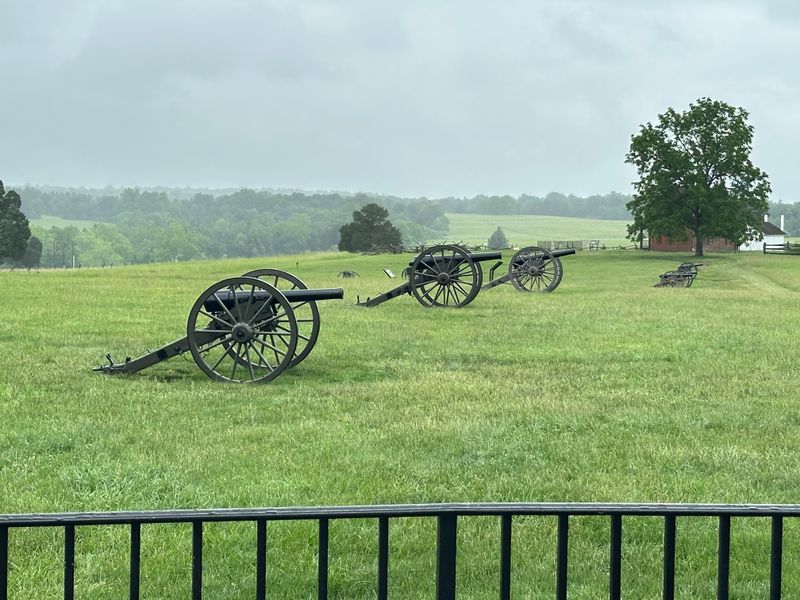
Two major Civil War battles happened here, making Manassas hallowed ground for military history enthusiasts. The site preserves fields where thousands died fighting for opposing visions of America’s future.
Park rangers present battles from tactical perspectives, discussing troop movements and strategic decisions. This approach satisfies history buffs but frustrates visitors wanting deeper discussion about slavery’s role in the conflict.
Confederate and Union perspectives receive roughly equal treatment in exhibits and tours. Some guests appreciate this balanced approach, while others argue it creates false equivalency between causes.
The peaceful rolling hills contrast sharply with descriptions of carnage that occurred there. Families picnic where soldiers fell, a juxtaposition that strikes some as respectful remembrance and others as disturbingly casual.
Reenactments draw crowds and criticism simultaneously. Participants claim they honor ancestors and preserve history, but critics see glorification of a rebellion fought to preserve slavery.
School field trips often visit, though teachers navigate tricky questions about why people fought. The park’s interpretation focuses heavily on military tactics rather than underlying causes.
Visitors leave with vastly different takeaways depending on their background and beliefs. Some see heroism on both sides, others see tragedy, and still others see a shrine to a cause that deserved to lose.
Address: 6511 Sudley Road, Manassas, Virginia. The battlefield remains beautiful and haunting, a place where Virginia’s divided past feels present in every marker and monument.
Whether that division deserves equal commemoration continues sparking passionate debate among tourists and historians alike.
4. Mount Vernon Estate
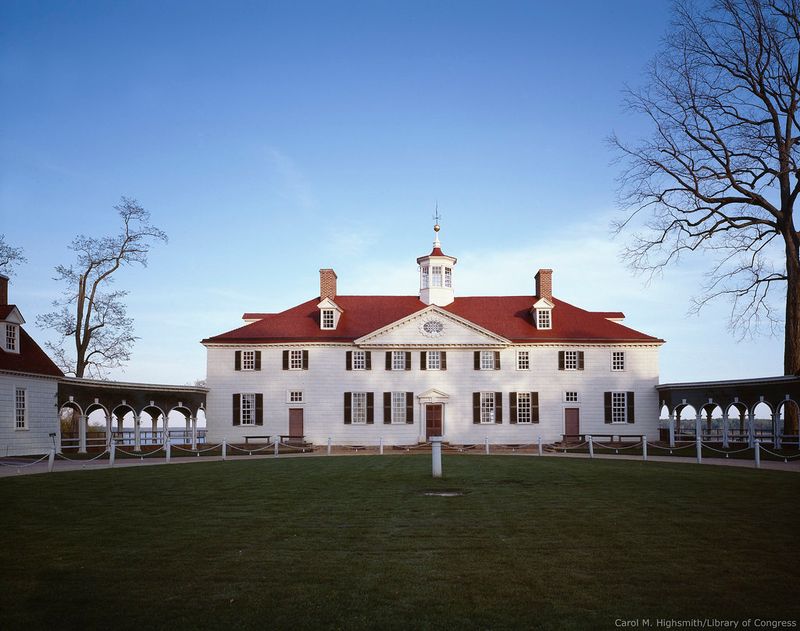
George Washington’s riverside plantation draws massive crowds eager to see where the first president lived. The estate has worked to present a more complete story that includes the enslaved community, though opinions split on whether they’ve gone far enough.
The mansion impresses with original furnishings and meticulous restoration. Guides share Washington’s daily routines, military achievements, and retirement years with obvious reverence.
A separate slavery tour explores the lives of the people Washington owned, including details about individuals and families. This addition pleased some visitors while annoying others who came specifically for Washington-focused content.
The estate reconstructed slave quarters and a memorial to enslaved workers. These additions sparked debates about proportionality, with some feeling they overshadow Washington’s accomplishments.
Washington freed his enslaved workers in his will, a fact some tour guides emphasize as progressive for his era. Others point out he only did so after his death, when it cost him nothing.
The gift shop sells Washington memorabilia alongside books about slavery at Mount Vernon. This commercial aspect troubles visitors who find mixing feel uncomfortable.
School groups receive age-appropriate versions of the full story, though parents occasionally complain about introducing slavery topics to young children. Educators counter that sanitizing history does greater harm.
Address: 3200 Mount Vernon Memorial Highway, Mount Vernon, Virginia. The estate walks a tightrope between honoring Washington and acknowledging the system that enabled his lifestyle.
Every visitor judges that balance differently, ensuring Mount Vernon remains as divisive as it is popular.
5. Appomattox Court House
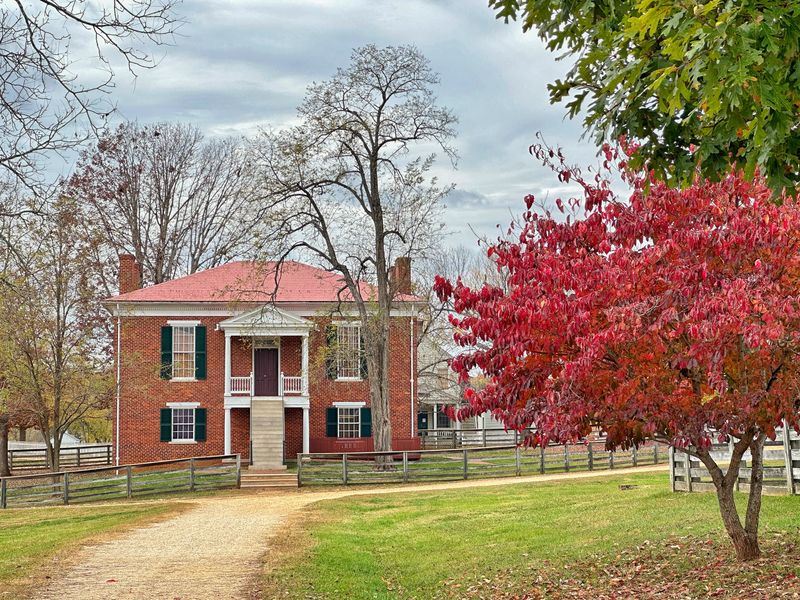
Lee surrendered to Grant here, effectively ending the Civil War and changing America forever. The preserved village represents either tragic defeat or blessed resolution depending on who’s visiting.
Park interpreters focus on the surrender’s details, describing the generals’ meeting and terms offered. This narrow focus satisfies those wanting straightforward history but disappoints visitors seeking broader context about war’s meaning.
Some guests view Appomattox as a place of reconciliation where enemies showed mutual respect. Others see it as where a slaveholding rebellion finally failed, deserving celebration rather than somber reflection.
The reconstructed village feels frozen in time, with period buildings and costumed interpreters. This immersive approach helps some visitors connect emotionally while striking others as theme park treatment of serious history.
Confederate heritage groups hold commemorations here, events that draw protestors and create tense atmospheres. Park officials try maintaining neutrality, satisfying nobody in the process.
The surrender terms were generous, allowing Confederate soldiers to keep horses and return home without prosecution. Some see this as Lincoln’s wise mercy, others as missed opportunity to hold traitors accountable.
School groups learn about the war’s end without much discussion of why it was fought. Teachers supplement with their own context, creating wildly different educational experiences depending on the educator.
Address: 111 National Park Drive, Appomattox, Virginia. Walking these grounds stirs emotions that depend entirely on whose perspective you identify with.
The site preserves a moment everyone agrees mattered while disagreeing completely about what it meant and means today.
6. Colonial Williamsburg
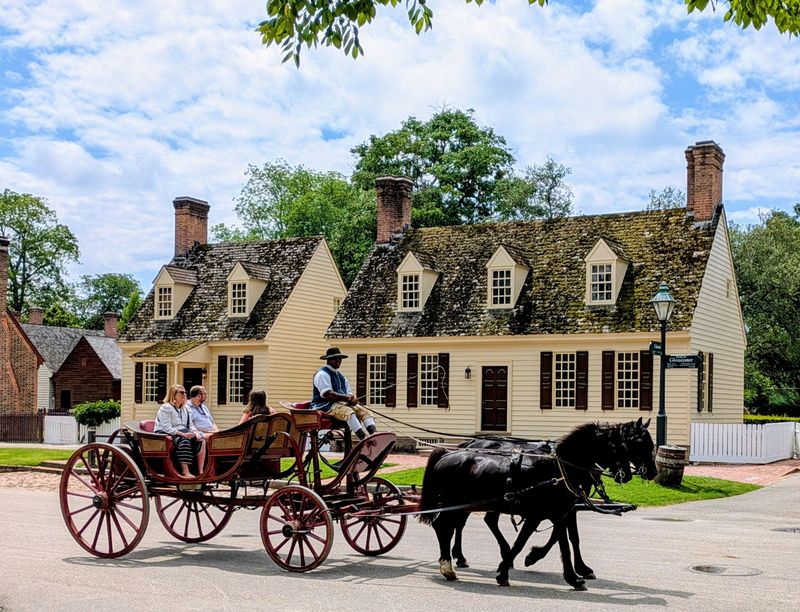
America’s largest living history museum recreates colonial life with impressive detail and uncomfortable omissions. Costumed interpreters demonstrate trades, reenact political debates, and increasingly address slavery’s central role in colonial Virginia.
The restoration began as celebration of American founding ideals, initially downplaying slavery’s prevalence. Recent decades brought expanded interpretation of enslaved people’s experiences, dividing visitors over whether this enhances or politicizes the experience.
Actors portray enslaved individuals alongside colonial elites, creating jarring contrasts between elegant balls and auction block discussions. Some guests praise this honest approach while others complain it ruins the fun.
The idealized colonial village presents a sanitized version of the past, even with improved slavery interpretation. Critics argue no amount of added context can overcome the fundamental fantasy of clean streets and friendly interactions.
Families enjoy carriage rides and tavern meals, experiences that feel either educational or uncomfortably celebratory. The line between learning and entertainment blurs constantly.
Special programs explore difficult topics like slave auctions and religious restrictions. These draw smaller, more engaged crowds than general admission, suggesting many visitors prefer avoiding challenging content.
The sheer scale impresses everyone, with hundreds of restored buildings and thousands of artifacts. Whether that investment glorifies colonial America or preserves important history depends on your perspective.
Address: 101 Visitor Center Drive, Williamsburg, Virginia. Colonial Williamsburg tries being both entertaining destination and serious historical site, an impossible balance that ensures someone always leaves disappointed.
Virginia’s colonial past looks beautiful here, which might be exactly the problem for critics who think it shouldn’t.
7. Arlington House at Arlington National Cemetery
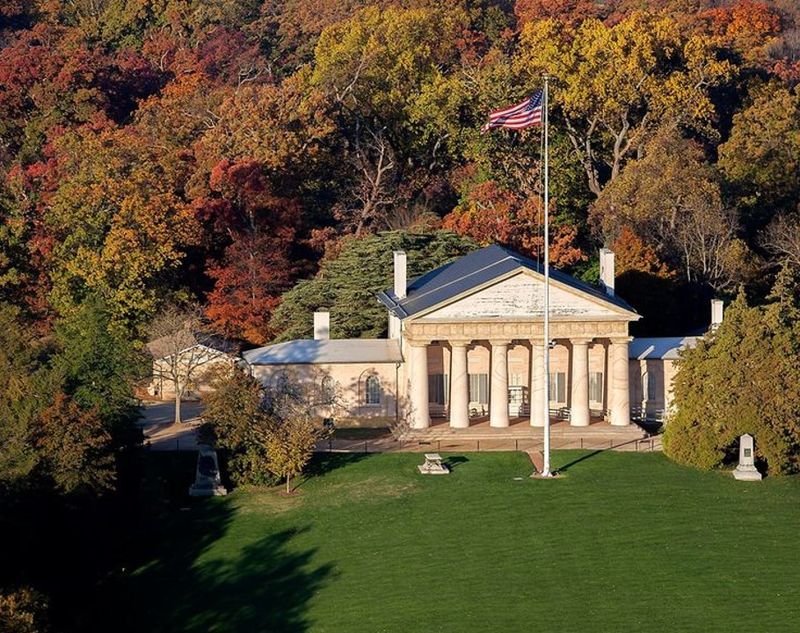
Robert E. Lee’s former home overlooks thousands of Union graves, a deliberate statement by the federal government.
The mansion’s location and interpretation make it one of Virginia’s most symbolically loaded historic sites.
Union forces seized the property during the war, eventually establishing a national cemetery on Lee’s front lawn. This act of retribution or justice, depending on viewpoint, ensured Lee could never return home.
The house interprets Lee’s life before the war, including his decision to resign from the U.S. Army and join the Confederacy.
Guides present this choice as agonizing personal decision or unforgivable betrayal depending on their emphasis.
Enslaved people maintained the estate, a fact now incorporated into tours after decades of omission. Some visitors appreciate this addition while others feel it’s become the dominant narrative.
The view from the portico encompasses the Lincoln Memorial and Washington Monument, creating powerful visual symbolism. Lee’s home literally overlooks the Union he fought against, a irony not lost on visitors.
Debates continue about whether the site honors or condemns Lee. Park interpretation tries threading this needle, satisfying neither those who see him as hero nor those who view him as traitor.
The cemetery itself generates less controversy than the house, with visitors agreeing fallen soldiers deserve honor. But Lee’s presence complicates even this consensus.
Address: 321 Sherman Drive, Fort Myer, Virginia. Standing in Lee’s home while surrounded by graves of men who died fighting his army creates cognitive dissonance that affects everyone differently.
Virginia’s complicated legacy literally surrounds you here, impossible to ignore or interpret simply.
8. Jamestown Settlement and Historic Jamestowne
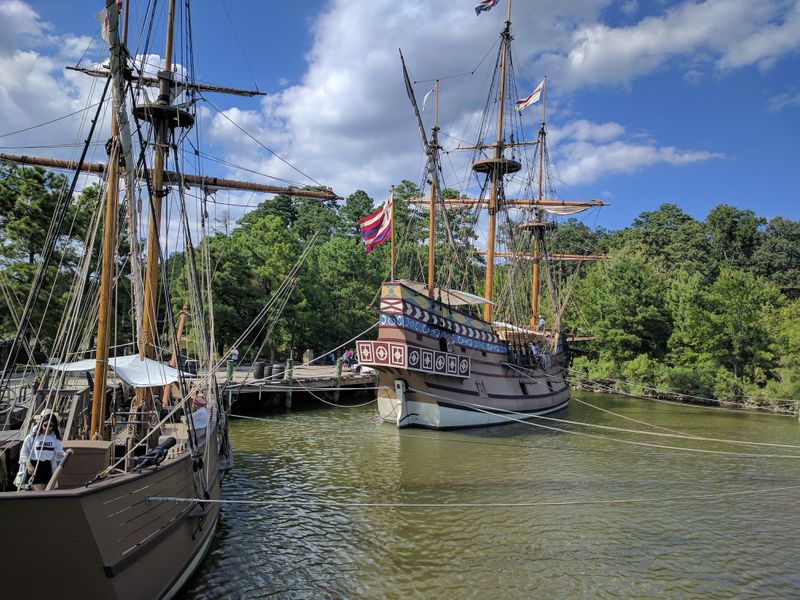
America’s first permanent English settlement represents either the birth of a nation or the beginning of colonization’s destructive impact. Two separate sites interpret this history with different emphases, reflecting ongoing debates about Jamestown’s legacy.
The living history museum recreates the fort, Powhatan village, and ships with impressive detail. Costumed interpreters demonstrate daily life, though some critics argue this sanitizes the violence and disease that characterized early years.
Recent interpretation includes more Native American perspectives, acknowledging the Powhatan Confederacy’s complex relationship with colonists. This addition pleases some visitors while frustrating others who came for English colonial history.
The archaeological site preserves original foundations and ongoing excavations. Artifacts tell stories of struggle, trade, and conflict that complicate simplistic narratives about brave pioneers.
Pocahontas’s story gets retold with more nuance than Disney provided, discussing her capture, forced conversion, and early death. Some guests appreciate this complexity while others prefer the romantic legend.
The site acknowledges the first enslaved Africans arrived here, marking slavery’s beginning in English America. How much emphasis this receives varies by tour and interpreter.
School groups learn about cooperation between cultures, though the story inevitably turns darker. Teachers navigate age-appropriate ways to discuss colonization’s impact on indigenous peoples.
Address: 2110 Jamestown Road, Williamsburg, Virginia. Jamestown forces visitors to confront uncomfortable questions about America’s origins and whose perspective matters when telling that story.
Virginia’s history starts here, along with debates about how that history should be remembered and taught to future generations.
9. Natural Bridge State Park
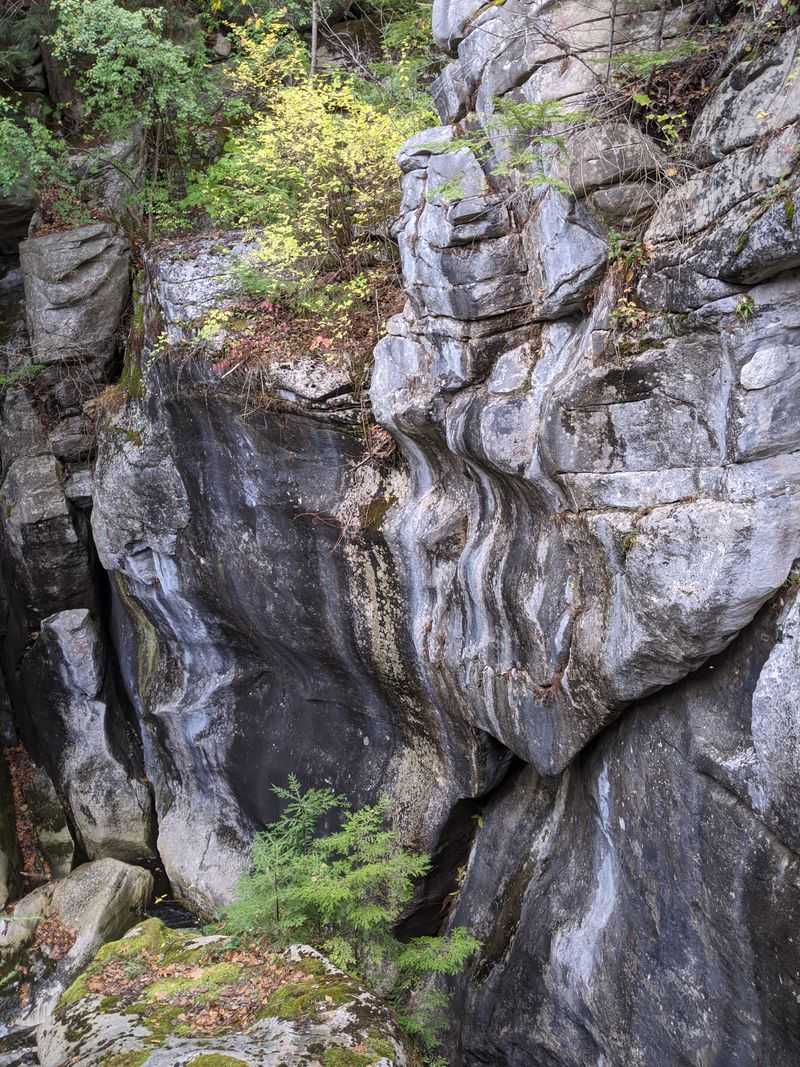
This stunning geological formation once belonged to Thomas Jefferson and features his initials carved into the stone. The bridge itself generates universal awe, but its historical associations and past attractions create division.
Jefferson surveyed and purchased the natural wonder, recognizing its significance. His ownership connects the site to both his scientific curiosity and his slaveholding legacy.
For decades, private owners operated the bridge as tourist attraction with problematic elements. A wax museum featured biblical scenes and historical figures in ways now considered kitschy at best, offensive at worst.
Virginia’s state park system acquired the property, removing controversial attractions and refocusing on natural and geological features. Long-time visitors mourn the loss of quirky roadside Americana, while others celebrate the cleanup.
The bridge hosted a sound and light show with religious themes that some found inspirational and others found inappropriate for a state park. Its discontinuation sparked predictable debates about religious expression in public spaces.
Native Americans considered the bridge sacred long before European arrival, a perspective now incorporated into interpretation. Some visitors appreciate this inclusion while others see it as politically correct revisionism.
The natural beauty remains undebatable, with the limestone arch creating a cathedral-like space. Whether the human history enhances or detracts from that beauty depends on individual perspective.
Address: 6477 South Lee Highway, Natural Bridge, Virginia. The bridge itself stays magnificent regardless of interpretation controversies swirling around it.
Virginia’s landscape and history intertwine here as everywhere, ensuring even a geological wonder can’t escape the state’s complicated legacy and ongoing debates about how that past should be presented.
Dear Reader: This page may contain affiliate links which may earn a commission if you click through and make a purchase. Our independent journalism is not influenced by any advertiser or commercial initiative unless it is clearly marked as sponsored content. As travel products change, please be sure to reconfirm all details and stay up to date with current events to ensure a safe and successful trip.
