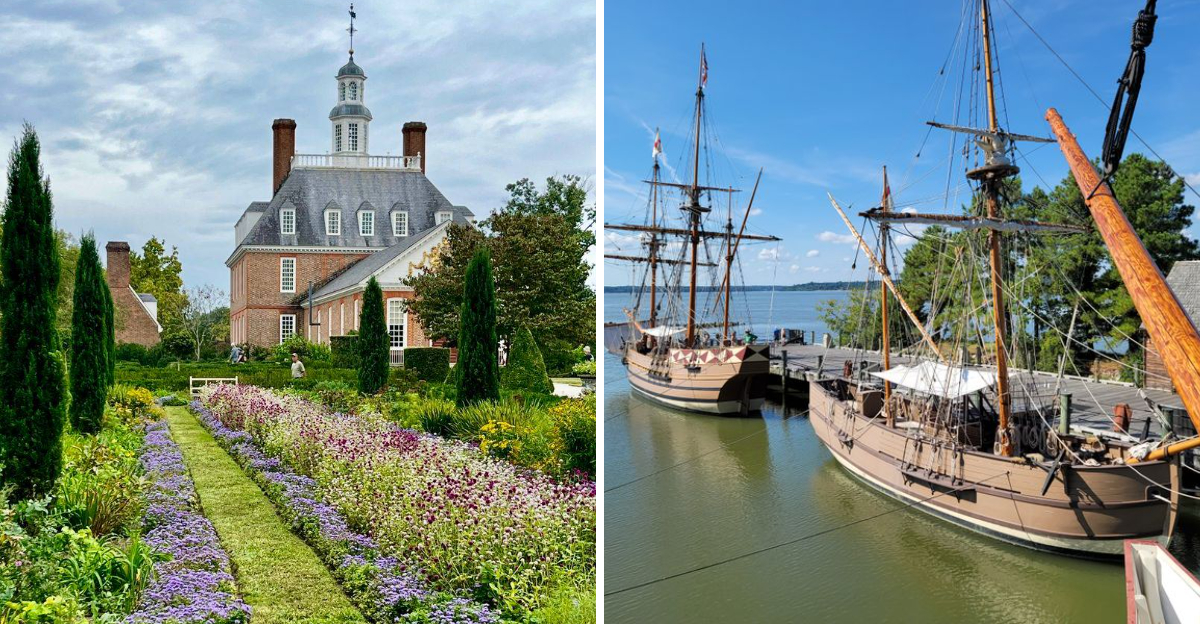
Think about walking the same ground where America’s founding fathers debated freedom, or standing in rooms where Civil War generals planned their strategies. Virginia holds more American history per square mile than almost anywhere else in the country.
From colonial settlements to Revolutionary War battlefields, this state offers history lovers a chance to step back in time and experience the moments that shaped our nation. Get ready to explore twelve incredible sites that bring textbooks to life and make history feel real again.
1. Colonial Williamsburg
Picture stepping into a time machine that drops you right into the heart of colonial America. That’s exactly what happens when you arrive at this living history museum where every building, costume, and conversation recreates life before the Revolution.
Actors dressed in authentic period clothing go about daily tasks just as colonists did centuries ago, making you feel like you’ve truly traveled back in time.
Spanning over three hundred acres, this restored area features dozens of original and reconstructed buildings from the colonial era. Blacksmiths hammer hot iron, bakers pull fresh bread from brick ovens, and craftspeople demonstrate skills that kept colonial towns running.
You can watch wigmakers create elaborate hairstyles or visit the print shop where revolutionary ideas once spread through pamphlets and newspapers.
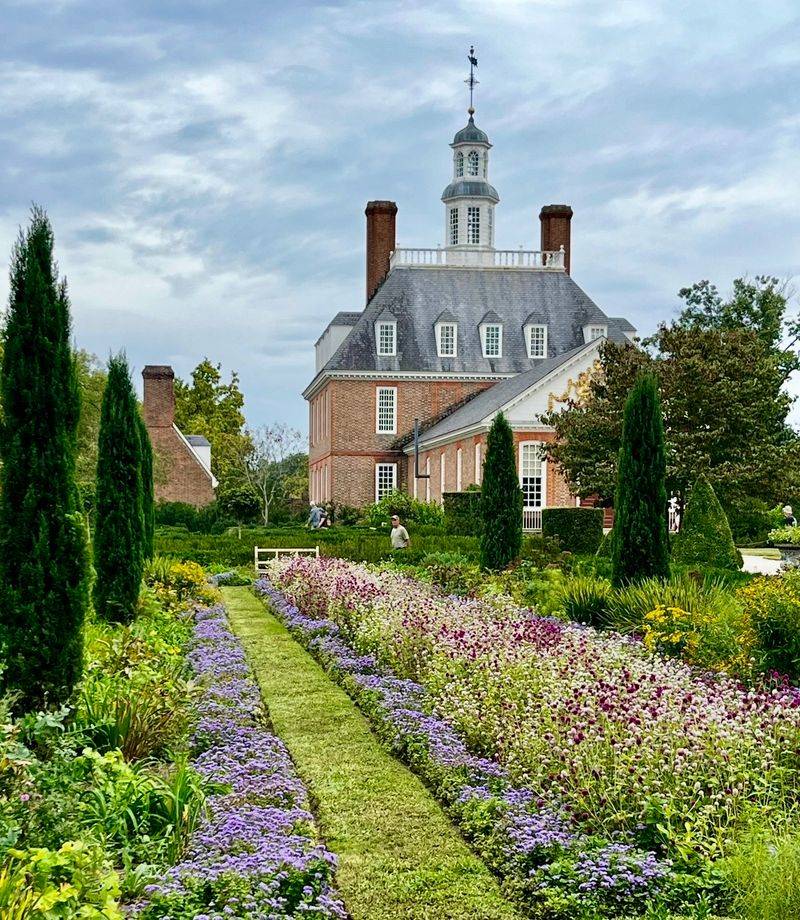
The Governor’s Palace stands as a stunning example of colonial wealth and power, while the Capitol building showcases where Virginia’s leaders debated independence. Walking these streets gives you a visceral understanding of what daily life meant for everyone from wealthy landowners to enslaved workers.
Interactive programs let visitors try colonial games, sample period foods, and even participate in mock trials.
Located at 101 Visitor Center Drive in Williamsburg, this destination offers something educational for every age group. Kids love the hands-on activities while adults appreciate the historical accuracy and attention to detail.
Plan to spend at least a full day exploring because there’s simply too much to see in just a few hours.
2. Monticello
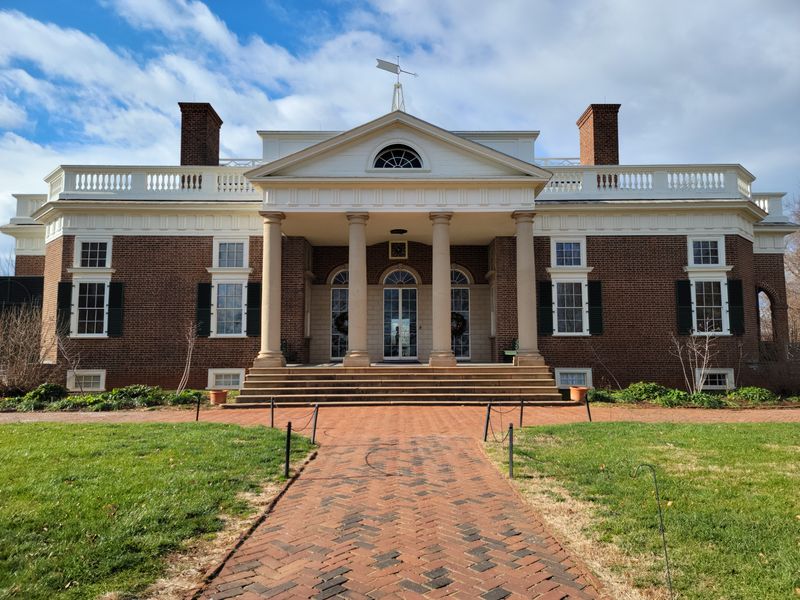
Thomas Jefferson designed every detail of this architectural masterpiece himself, creating a home that reflected his brilliant mind and complex legacy. Perched atop a mountain with sweeping views of the Virginia countryside, this estate showcases Jefferson’s innovations in architecture, agriculture, and daily living.
The building itself tells stories about American ingenuity and the contradictions of our founding era.
Jefferson filled his home with clever inventions like a seven-day clock, a copying machine for letters, and hidden storage spaces built into walls. The entrance hall doubles as a personal museum where he displayed fossils, maps, and Native American artifacts collected during the Lewis and Clark expedition.
Each room reveals something new about this founding father’s interests, from science and philosophy to wine and gardening.
Tours guide visitors through both the elegant main house and the dependencies where enslaved workers lived and labored. This honest presentation helps visitors understand the full story of Monticello, including the painful truth about slavery that supported Jefferson’s lifestyle.
The Hemings family story, particularly Sally Hemings’ relationship with Jefferson, receives appropriate attention in modern interpretations.
Gardens surrounding the estate demonstrate Jefferson’s passion for botany and experimental farming. He tested hundreds of plant varieties and kept detailed records of what grew best in Virginia soil.
You’ll find the property at 931 Thomas Jefferson Parkway in Charlottesville, where knowledgeable guides share both inspiring achievements and uncomfortable truths about our third president’s life.
3. Mount Vernon
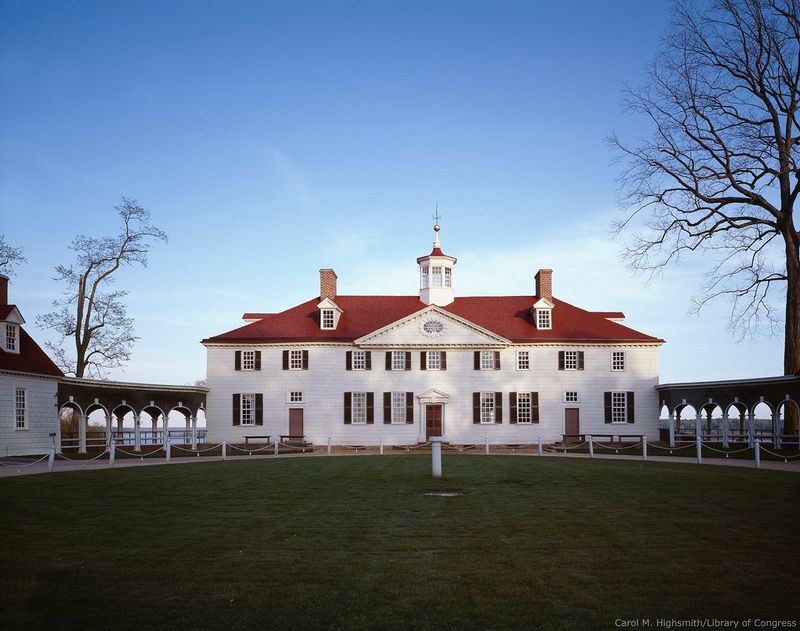
George Washington called this stunning plantation home for over forty years, and walking its grounds helps you understand the man behind the legend. Overlooking the Potomac River, the estate offers breathtaking views that haven’t changed much since Washington himself enjoyed them.
The mansion’s iconic green exterior and distinctive cupola make it one of America’s most recognizable historic homes.
Inside, you’ll find rooms preserved to look exactly as they did during Washington’s lifetime, complete with original furnishings and personal belongings. The large dining room where Washington entertained guests still feels grand, while his study shows the workspace of a meticulous planner and farmer.
Martha Washington’s presence also comes through strongly in the carefully maintained household spaces.
The estate includes reconstructed slave quarters that provide crucial context about the hundreds of enslaved people who made Mount Vernon function. Educational programs don’t shy away from difficult conversations about slavery and Washington’s evolving views on the institution.
A memorial and burial ground honor the enslaved community who lived and died here.
Outside the main house, explore the working farm complete with heritage breed animals, heirloom gardens, and a functioning distillery recreated from Washington’s original plans. The pioneer farmer demonstration area shows agricultural techniques from the colonial period.
Find this essential Virginia destination at 3200 Mount Vernon Memorial Highway in Mount Vernon, where history comes alive through careful preservation and honest storytelling about both accomplishments and moral failings.
4. Jamestown Settlement
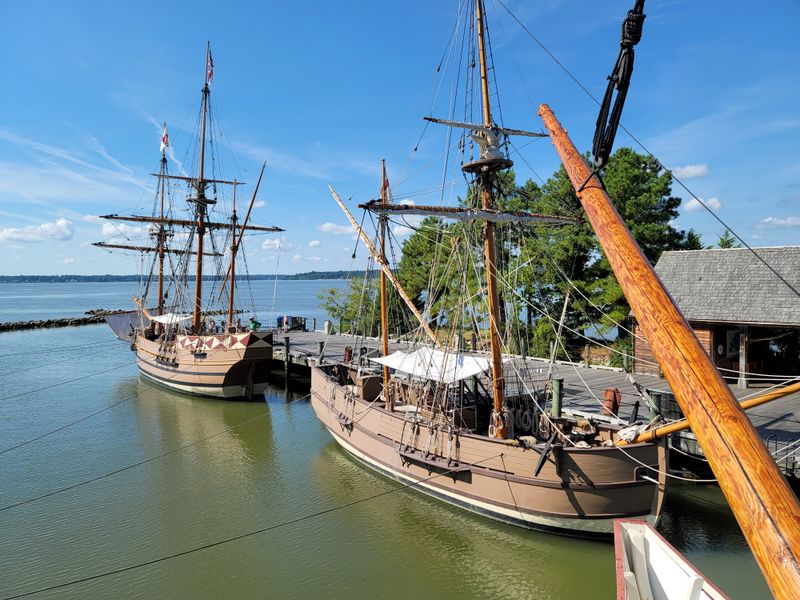
America’s story truly begins at this site where English colonists established the first permanent settlement back when survival meant everything. Unlike polished colonial towns built later, Jamestown shows the raw struggle of people carving out existence in an unfamiliar land.
Replicas of the original fort, Powhatan village, and three ships that brought settlers across the Atlantic make history tangible in ways books never could.
Costumed interpreters demonstrate skills essential for survival, from building wattle-and-daub houses to preparing food over open fires. The recreated fort shows just how small and vulnerable that first settlement was, surrounded by wooden walls that offered limited protection.
You can board full-scale replicas of the Susan Constant, Godspeed, and Discovery to experience the cramped conditions colonists endured during their ocean voyage.
The Powhatan village recreation provides perspective on the sophisticated indigenous culture that existed long before Europeans arrived. Native interpreters share information about traditional housing, farming methods, and daily life in the Chesapeake region.
This balanced presentation helps visitors understand that colonization meant devastating change for people who already called this land home.
Archaeological exhibits display actual artifacts excavated from the original settlement site, including pottery, tools, weapons, and personal items. These genuine objects create powerful connections to real people who lived through extraordinary hardship.
Located at 2110 Jamestown Road in Williamsburg, this living history museum offers outdoor exploration that works perfectly for active kids who need space to roam while learning.
5. Appomattox Court House
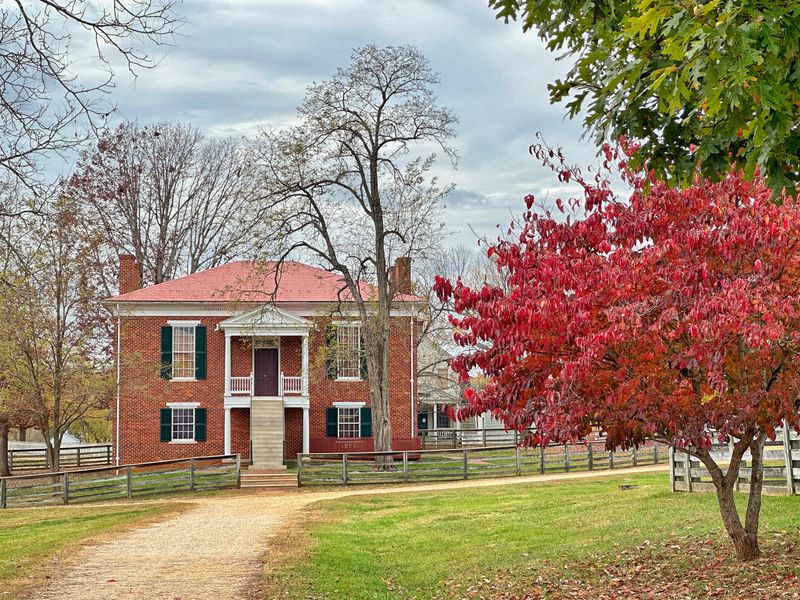
Stand in the room where America’s bloodiest war finally ended when Lee surrendered to Grant. This quiet village became the stage for one of history’s most significant moments, transforming from an ordinary county seat into a symbol of reconciliation.
The McLean House, where the surrender took place, has been carefully reconstructed to look exactly as it did on that fateful April day.
Walking through the village feels like entering a time capsule of rural Virginia during the Civil War era. Original and reconstructed buildings line the dusty roads, including the courthouse, tavern, general store, and several homes.
Park rangers in period clothing share stories about the final days of the war and what that surrender meant for soldiers on both sides who were exhausted by years of fighting.
The surrender room itself holds powerful emotional weight even though it contains reproduction furniture. Imagining Grant and Lee sitting across from each other, ending four years of devastating conflict, gives visitors chills.
Exhibits explain the generous terms Grant offered, allowing Confederate soldiers to return home with their horses for spring planting rather than facing imprisonment.
Beyond the village center, trails lead to Confederate and Union positions from the final battles before surrender. Interpretive signs help you understand troop movements and the military situation that made continued fighting pointless.
You’ll find this moving historic site at 111 National Park Drive in Appomattox, where the Civil War’s conclusion still resonates through quiet streets and carefully preserved buildings.
6. Yorktown Battlefield
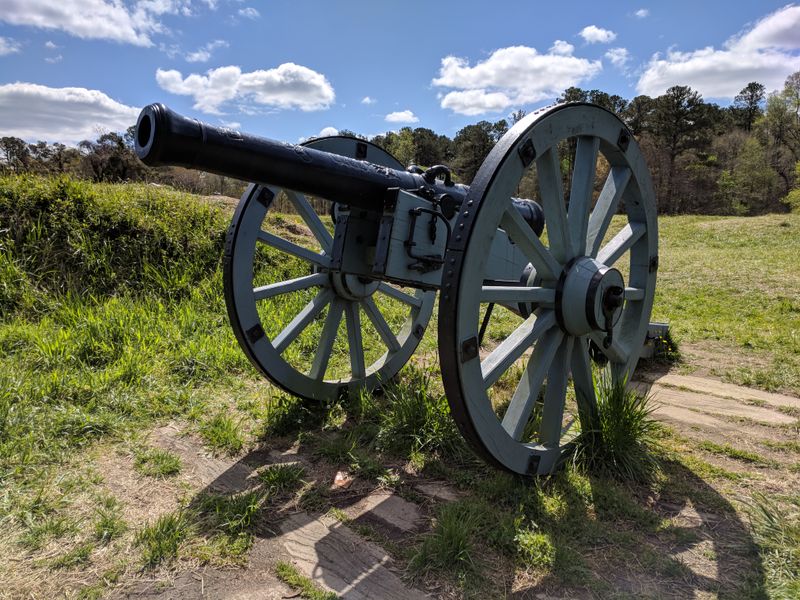
American independence became reality on these fields where Washington’s Continental Army, with crucial French support, trapped British forces and won the decisive battle. Walking the battlefield helps you grasp the brilliant military strategy that forced Cornwallis to surrender his entire army.
Preserved earthworks, restored fortifications, and period artillery pieces mark where history turned in America’s favor.
Start at the visitor center where films and exhibits explain the complex campaign that led to this climactic siege. Detailed maps show how American and French forces coordinated their movements to surround the British position.
You’ll learn about the French fleet’s crucial role in blocking escape by sea, making Cornwallis’s situation hopeless.
Self-guided driving tours and walking paths take you to key locations including redoubts stormed by American and French troops during the final assault. Standing at these fortifications, you can almost hear the thunder of cannons and imagine the courage required to charge enemy positions.
The surrender field marks where thousands of British soldiers laid down their weapons while their band reportedly played a tune about a world turned upside down.
The battlefield connects to historic Yorktown village where colonial buildings survived the siege. Combined, these sites tell the complete story of how a ragtag colonial army defeated the world’s most powerful military.
Find this Revolutionary War treasure at 1000 Colonial Parkway in Yorktown, where America’s fight for independence reached its triumphant conclusion and changed world history forever.
7. Arlington House at Arlington National Cemetery
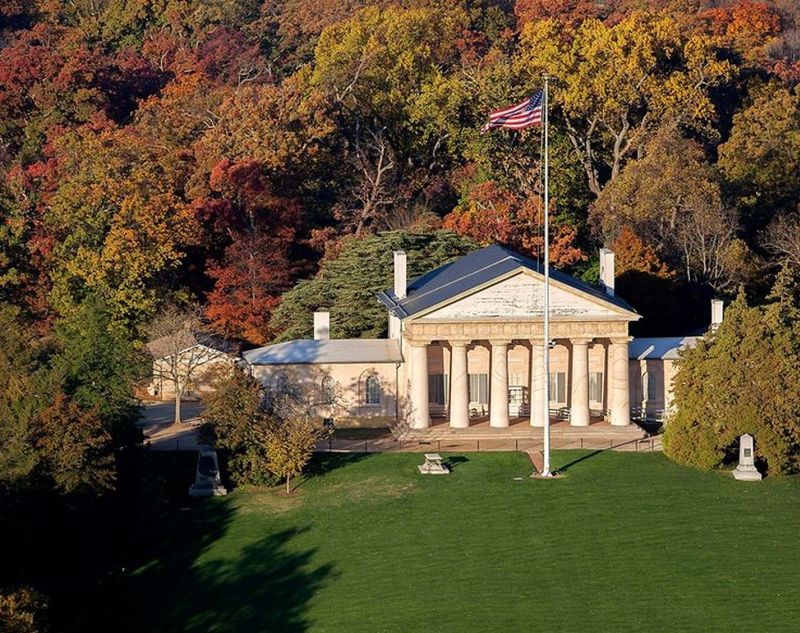
Robert E. Lee’s former home now overlooks thousands of white headstones honoring those who served America in uniform.
The irony runs deep since Lee’s decision to fight for the Confederacy directly led to the property becoming a national cemetery. This Greek Revival mansion tells complicated stories about loyalty, war, family, and how we remember controversial historical figures.
Before the Civil War, this estate belonged to Lee’s wife Mary Custis, great-granddaughter of Martha Washington. The house contained Washington family heirlooms and represented Lee’s connection to America’s founding generation.
When Lee chose Virginia over the Union, federal forces seized the property and began burying war dead on the grounds, ensuring the family could never return to their former life.
Restored rooms show how the Lee family lived before war tore the nation apart. Period furnishings recreate the comfortable existence of wealthy plantation owners whose lifestyle depended on enslaved labor.
Park rangers discuss both Lee’s military accomplishments and his role as a slaveholder, presenting a balanced view of this complex figure.
The hilltop location provides stunning views across the Potomac River to Washington’s monuments and memorials. This visual connection between Lee’s home and the capital he ultimately fought against adds another layer of meaning.
Slave quarters on the property tell stories of the people who actually maintained the estate through their forced labor. Visit at 321 Sherman Drive in Arlington, where personal history intersects with national memory in thought-provoking ways.
8. Manassas National Battlefield
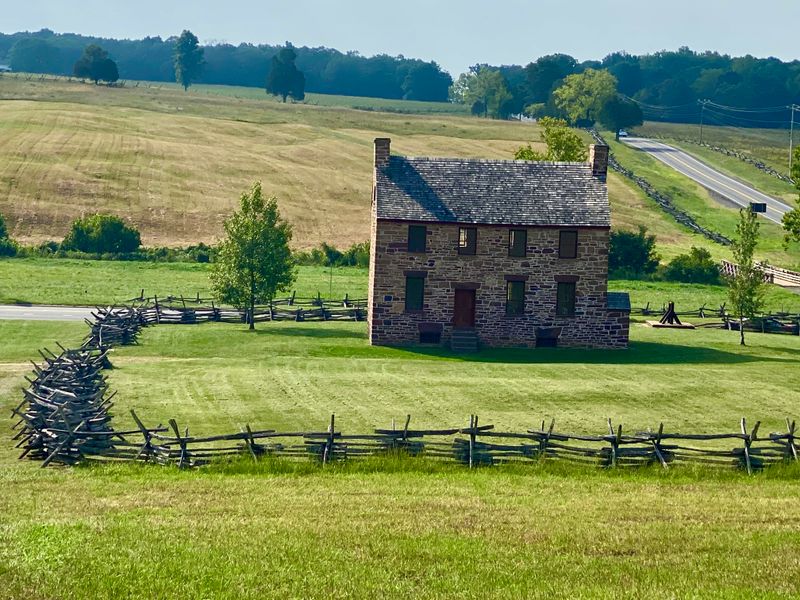
Two major Civil War battles raged across these peaceful fields, shattering any illusions that the war would end quickly. The First Battle of Manassas shocked the nation when Confederate forces routed Union troops who expected an easy victory.
Visitors today walk the same ground where soldiers fought desperately in America’s first major land battle of the conflict.
The Stone House, which served as a field hospital during both battles, still stands as a stark reminder of the war’s human cost. Imagine the building filled with wounded soldiers while surgeons worked frantically to save lives with primitive medical tools.
Walking trails lead to key battle positions including Henry Hill, where Confederate General Thomas Jackson earned his nickname “Stonewall” by holding his position against repeated Union attacks.
Audio tours available through the park’s app help visitors understand troop movements and battle progression as you explore the landscape. Monuments mark where regiments fought and fell, personalizing the enormous scale of these engagements.
The battlefield looks much as it did during the war, with open fields, woodlots, and gentle hills that offered little protection from enemy fire.
The Second Battle of Manassas proved even larger and more devastating, with Lee outmaneuvering Union forces and winning another Confederate victory. Separate trails cover this later engagement, showing how commanders learned from earlier mistakes and developed more sophisticated tactics.
Located at 12521 Lee Highway in Manassas, this site helps visitors understand how the Civil War evolved from amateur enthusiasm into professional military operations.
9. Montpelier
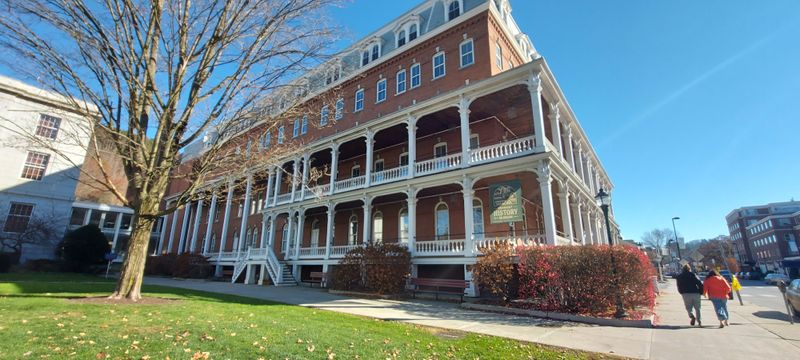
James Madison, the brilliant mind behind the Constitution, created his ideal home at this sprawling estate in Virginia’s Piedmont region. Recent restoration removed later additions to reveal the house as Madison knew it, including the room where he worked on founding documents that still govern America today.
The estate tells Madison’s story while also honoring the enslaved community whose labor made his intellectual pursuits possible.
Madison’s study contains replicas of his extensive library, showing the books and ideas that influenced his political philosophy. He hosted fellow founders here for discussions that shaped American government, making this estate a birthplace of constitutional democracy.
The dining room where these conversations happened has been restored to its original appearance based on archaeological evidence and historical records.
The property includes reconstructed slave quarters and an exhibition that tells the stories of the people Madison enslaved throughout his life. This honest interpretation doesn’t shy away from the contradiction of a man who championed liberty while denying freedom to others.
Archaeological work continues to uncover more information about the enslaved community’s daily lives, work, and resistance.
Expansive grounds feature Madison’s original forest, which he preserved for timber and hunting, along with formal gardens recreated from period descriptions. The landscape itself reflects Madison’s interests in agriculture and scientific farming methods.
Old-growth trees that Madison himself would have known still shade the property. Find this essential piece of American history at 13384 Constitution Highway in Montpelier Station, where constitutional principles took shape through one man’s vision and many people’s labor.
10. Fredericksburg and Spotsylvania National Military Park
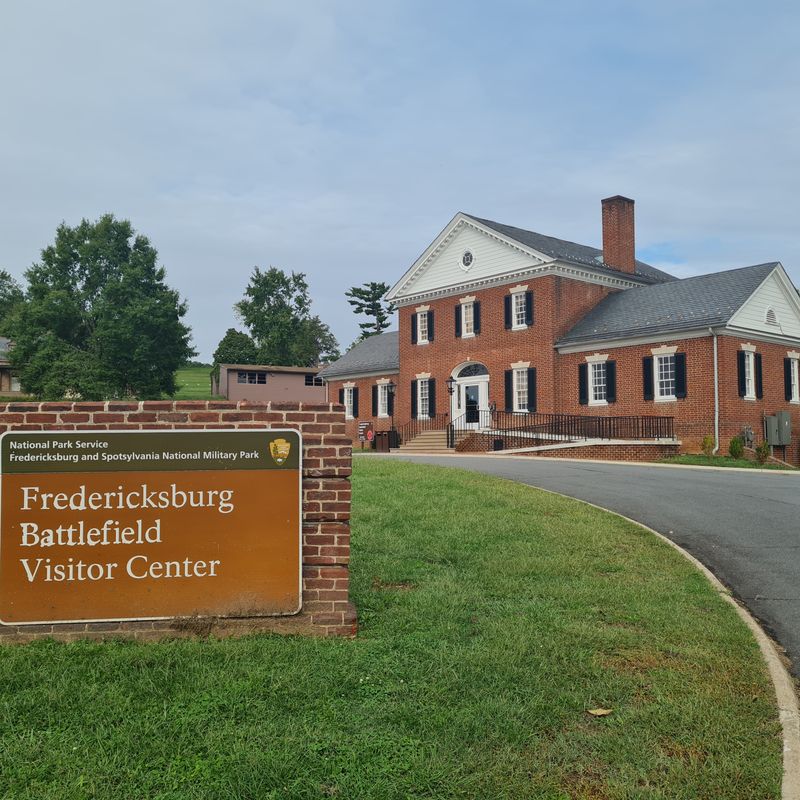
Four major Civil War battles scarred this region, making it one of the war’s bloodiest landscapes. The park preserves multiple battlefield sites where Union and Confederate forces clashed repeatedly as armies struggled for control of the route between Washington and Richmond.
Each battlefield tells its own tragic story of courage, strategy, and devastating loss of life.
Fredericksburg’s famous stone wall, where Confederate forces mowed down wave after wave of attacking Union soldiers, still stands as a monument to military folly. The Sunken Road behind that wall gave defenders perfect protection while Union troops advanced across open ground with nowhere to hide.
Walking that field today, you can’t help but imagine the horror soldiers faced charging into certain death.
Chancellorsville battlefield preserves the site of Lee’s most brilliant victory, where he divided his smaller army and defeated a much larger Union force. This same battle also saw Stonewall Jackson accidentally shot by his own troops, changing the war’s trajectory.
The Wilderness battlefield shows how dense forest turned combat into confused, terrifying close-quarters fighting where soldiers often couldn’t see their enemies.
Spotsylvania’s Bloody Angle marks where some of the war’s most intense hand-to-hand combat occurred during nearly twenty-four hours of continuous fighting. Trees were literally cut down by bullets during this savage engagement.
Find these sobering sites at various locations around Fredericksburg, with the main visitor center at 1013 Lafayette Boulevard, where you’ll gain deep appreciation for the Civil War’s terrible human cost.
11. The Virginia State Capitol
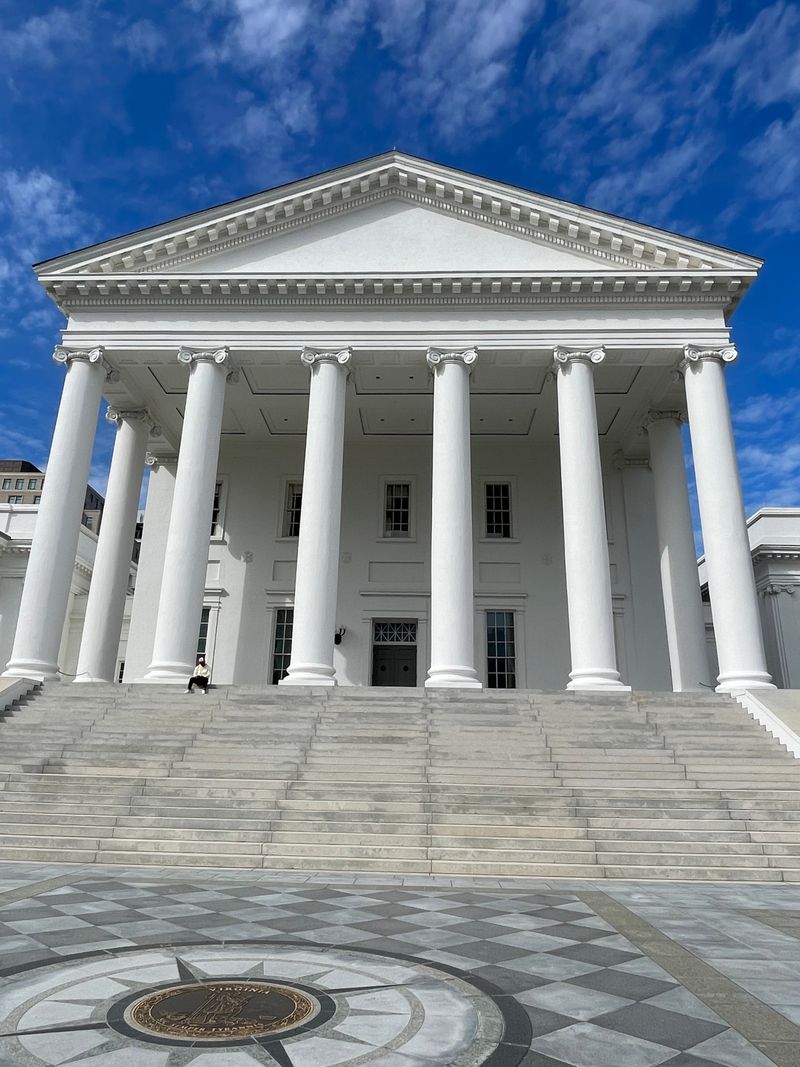
Thomas Jefferson designed this stunning building based on an ancient Roman temple, creating America’s first neoclassical government structure. The Capitol has witnessed Virginia’s entire history as a state, from colonial legislature meetings to Civil War Confederate government sessions to modern lawmaking.
Standing in the rotunda beneath the soaring dome, you feel the weight of centuries of political decisions that shaped both Virginia and America.
The building houses the only marble statue of George Washington carved from life, created by the renowned sculptor Houdon. This priceless artwork captures Washington’s likeness with accuracy impossible from paintings or descriptions alone.
The Old Hall of the House of Delegates, preserved exactly as it looked during the Civil War era, shows where Virginia’s secession was debated and ultimately approved.
Guided tours reveal hidden architectural details and share stories about the famous figures who walked these halls. You’ll learn about Patrick Henry’s fiery speeches, debates over religious freedom, and the difficult decisions leaders faced during America’s founding era.
The building’s classical design influenced government architecture across the country, making it historically significant beyond Virginia’s borders.
Recent renovations carefully preserved historical integrity while updating the building for modern government functions. The contrast between original spaces and contemporary working areas shows how historic buildings can serve present needs while honoring the past.
Located at 1000 Bank Street in Richmond, Virginia’s capital city, this active seat of government welcomes visitors who want to see where state laws are still made today in a building Jefferson himself designed.
12. Stratford Hall
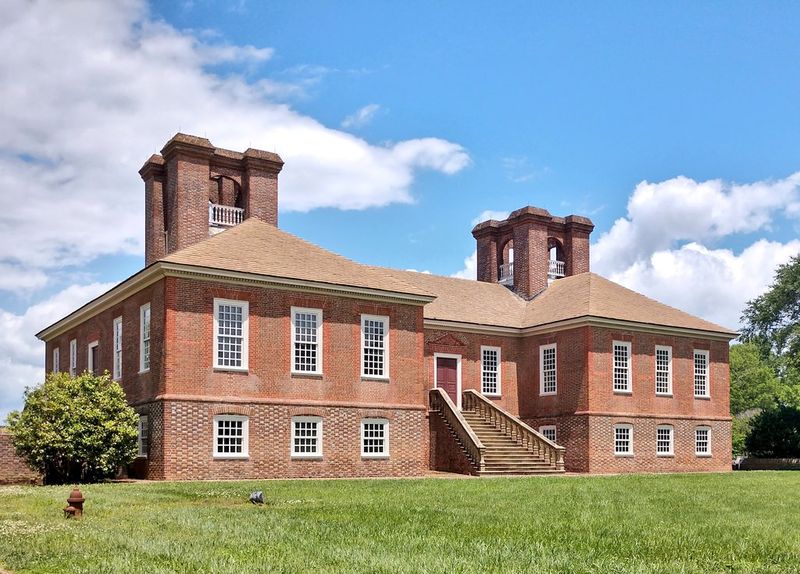
Two signers of the Declaration of Independence and Robert E. Lee all called this distinctive plantation home at different times.
The unusual H-shaped mansion sits on a bluff overlooking the Potomac River, commanding views that made it one of colonial Virginia’s most impressive estates. Walking through rooms where the Lee family lived for generations connects you to multiple chapters of American history.
The Great Hall, one of colonial America’s most impressive rooms, features soaring ceilings and elaborate woodwork that demonstrated the Lee family’s wealth and status. Period furnishings recreate how the house looked during its colonial heyday when it served as a center of Virginia society.
The house’s architectural uniqueness makes it instantly recognizable and unlike any other colonial mansion.
Tours discuss the Lee family’s complex legacy, including their role in founding America and later fighting against it. Robert E.
Lee spent only his early childhood here before his family moved due to financial troubles, but his birth at Stratford connects this estate to Civil War history. The contrast between the Lee family’s early prominence and later decline mirrors broader changes in Virginia society.
Working farms on the property demonstrate colonial agricultural practices using heritage breeds and heirloom crops. The estate includes reconstructed slave quarters and exhibits about the enslaved workers who maintained this grand plantation.
Educational programs help visitors understand how slavery supported wealthy families’ lifestyles. You’ll find Stratford Hall at 485 Great House Road in Stratford, where American history’s contradictions and complexities come into sharp focus through one family’s multi-generational story.
Dear Reader: This page may contain affiliate links which may earn a commission if you click through and make a purchase. Our independent journalism is not influenced by any advertiser or commercial initiative unless it is clearly marked as sponsored content. As travel products change, please be sure to reconfirm all details and stay up to date with current events to ensure a safe and successful trip.
