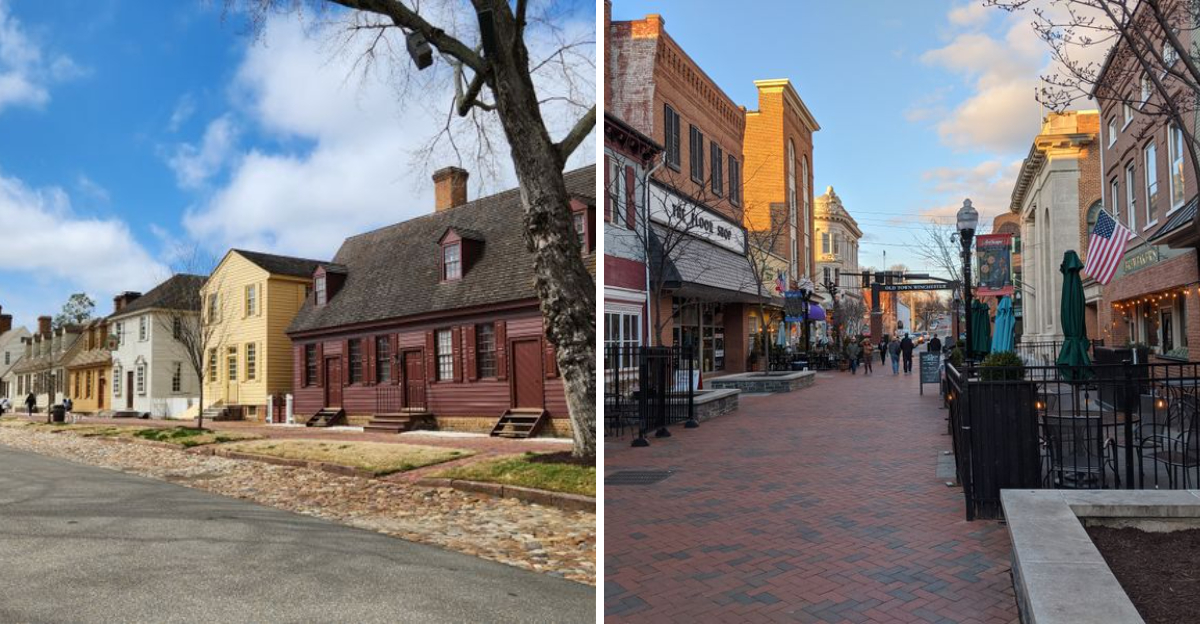
Walking down a historic street feels like stepping back in time.
Virginia holds some of the most remarkable streets in America, each one preserving stories from centuries past.
From colonial days to the Civil War, these thoroughfares witnessed pivotal moments that shaped our nation.
Cobblestones, brick sidewalks, and centuries-old buildings line these avenues, offering glimpses into lives lived long ago.
Some streets echo with the footsteps of founding fathers, while others bear the scars of war.
Whether you’re a history enthusiast or simply curious about the past, Virginia’s historic streets provide unforgettable experiences.
Each location reveals unique tales through its architecture, layout, and the events that unfolded there.
Exploring these streets means connecting with the people who walked them generations before us.
Ready to discover the stories hidden in plain sight?
Let’s explore ten Virginia streets where history comes alive with every step.
1. Duke of Gloucester Street (Williamsburg)
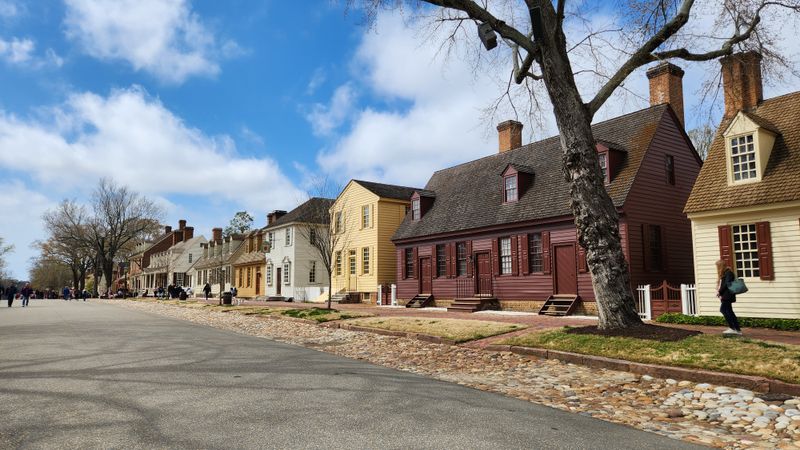
Many historians call this mile-long avenue the most historic in America.
Duke of Gloucester Street forms the backbone of Colonial Williamsburg, connecting the Capitol building to the College of William & Mary.
George Washington and Thomas Jefferson once walked these very paths during their formative years.
The street stretches through the heart of the restored colonial capital, preserved to reflect life in the 1700s.
Costumed interpreters bring the past to life, demonstrating colonial trades and reenacting historical moments.
Eighteenth-century buildings line both sides, their brick facades and wooden shutters meticulously maintained.
Shops, taverns, and public buildings stand exactly where they did centuries ago.
Horse-drawn carriages still roll along the street, their wheels echoing on the packed earth.
Visitors can explore the Governor’s Palace, Raleigh Tavern, and countless other structures that witnessed America’s birth.
The street becomes especially magical during evening programs, when lanterns flicker in windows.
Revolutionary ideas once sparked in these buildings, leading to the creation of a new nation.
Today, Duke of Gloucester Street remains a living museum, transporting visitors to colonial Virginia.
Address: Duke of Gloucester Street, Williamsburg, VA 23185
2. Beverley Street (Staunton)
Staunton’s downtown heart beats along Beverley Street, where Victorian architecture tells tales of prosperity.
This thoroughfare showcases an incredible collection of buildings from the late 1800s.
Ornate facades, detailed ironwork, and colorful storefronts create a visual feast for architecture lovers.
The town earned recognition for preserving five distinct historic districts, with Beverley Street at the center.
President Woodrow Wilson was born here, adding presidential history to the street’s legacy.
Walking along the sidewalks reveals layer upon layer of architectural details often missed at first glance.
Decorative cornices, arched windows, and brick patterns demonstrate the craftsmanship of bygone eras.
Local businesses occupy these historic structures, blending modern commerce with historical preservation.
The street maintains its original layout, with buildings sitting close to the sidewalk as they did generations ago.
Staunton avoided the urban renewal projects that destroyed many historic downtowns across America.
This preservation effort means Beverley Street remains authentically Victorian in character.
Visitors can spend hours admiring architectural treasures while exploring shops and galleries.
The street represents how Virginia communities valued their heritage long before historic preservation became popular.
Address: Beverley Street, Staunton, VA 24401
3. Caroline Street (Fredericksburg)
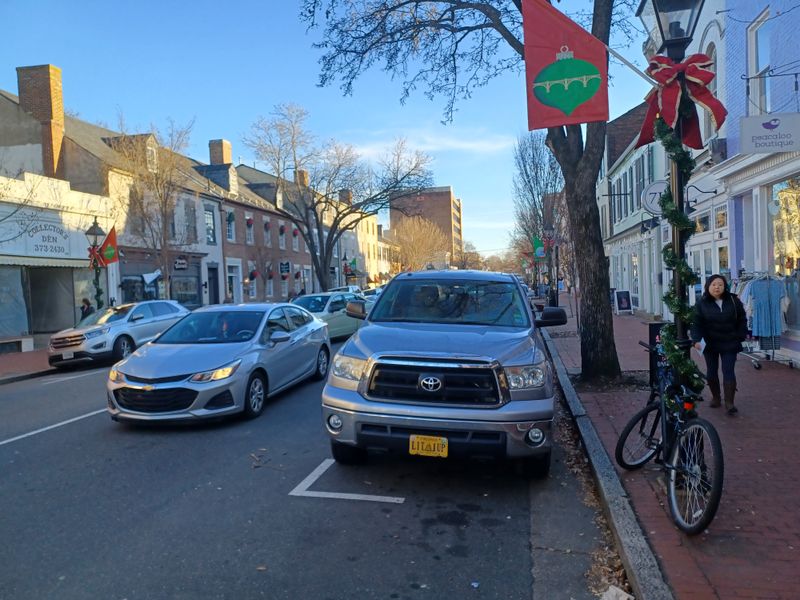
Founded in the early 1700s, Caroline Street witnessed both colonial prosperity and Civil War tragedy.
Fredericksburg established itself as a major colonial port, with Caroline Street serving as a commercial hub.
Ships once docked nearby, bringing goods from across the Atlantic to merchants along this thoroughfare.
The street’s buildings survived multiple Civil War battles that raged through the town.
Bullet holes and cannon damage still mark some structures, silent witnesses to violent conflicts.
Four major battles occurred in and around Fredericksburg, making it one of the war’s most contested locations.
Caroline Street’s historic district preserves buildings spanning nearly three centuries.
Colonial-era homes stand alongside structures built during the Federal and Victorian periods.
Museums and historic sites line the street, offering insights into both peaceful and turbulent times.
Walking tours reveal stories of soldiers, civilians, and the families who endured occupation and battle.
The street’s layout remains virtually unchanged since colonial times, maintaining its historical authenticity.
Preservation efforts ensure that future generations can experience this remarkable timeline of American history.
Caroline Street represents resilience, having survived war, fire, and the passage of centuries.
Address: Caroline Street, Fredericksburg, VA 22401
4. King Street (Alexandria)
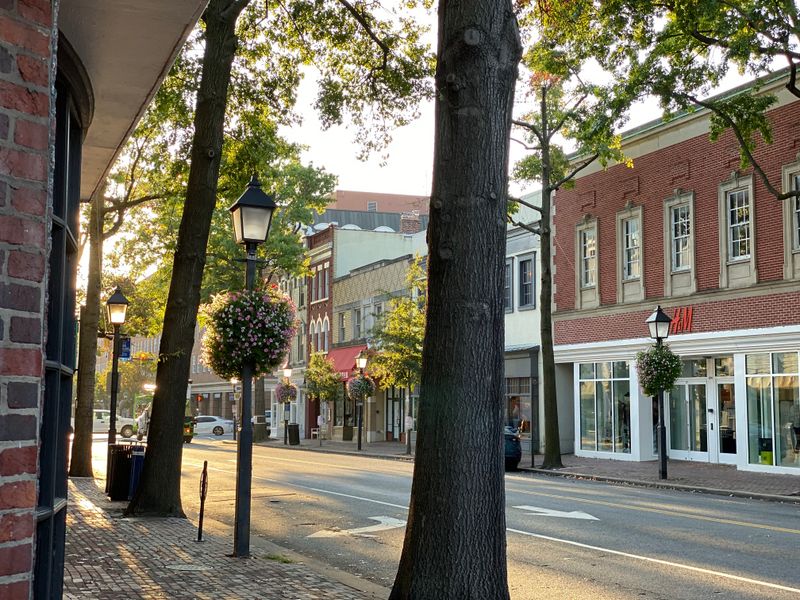
Stretching from the Potomac River waterfront uphill through Old Town, King Street captures colonial Virginia’s essence.
Brick sidewalks guide visitors past buildings that witnessed the nation’s founding.
The street falls within Alexandria’s roughly one-square-mile historic district, one of the best-preserved in America.
Colonial taverns where Washington dined still welcome guests today, their interiors carefully maintained.
Historic homes display the architectural styles favored by wealthy merchants and ship captains.
The waterfront end of King Street once bustled with maritime trade and shipbuilding activity.
Tall ships docked here, loading tobacco and other goods bound for European markets.
Today, the street balances historical preservation with vibrant modern life.
Gas-style street lamps illuminate the brick sidewalks, creating an atmospheric evening ambiance.
Small museums, historic sites, and interpretive markers help visitors understand the street’s significance.
The Torpedo Factory Art Center occupies a former munitions plant at the waterfront terminus.
King Street demonstrates how historic preservation and contemporary use can coexist successfully.
Generations of Alexandrians have walked these sidewalks, creating an unbroken connection to the past.
Address: King Street, Alexandria, VA 22314
5. Loudoun Street Mall (Winchester)

Winchester’s Old Town centers on this pedestrian mall, where over two centuries of history unfold.
The area changed hands dozens of times during the Civil War, making it strategically vital.
Soldiers from both armies marched along these stones, and battles erupted in surrounding streets.
Historical markers throughout the mall explain significant events and point out notable buildings.
The pedestrian-only design allows visitors to explore without traffic, creating a leisurely atmosphere.
Architecture ranges from colonial to Victorian, representing different periods of Winchester’s development.
Local businesses occupy historic structures, maintaining the street’s commercial character.
The mall serves as a gathering place for community events, continuing its role as a town center.
Trees provide shade along the walkway, making it pleasant to explore even during warm weather.
Civil War enthusiasts find numerous sites related to Stonewall Jackson and other prominent figures.
The street’s transformation into a pedestrian mall helped preserve buildings that might otherwise have been demolished.
Winchester’s location in the Shenandoah Valley made it a constant target during wartime.
Today, Loudoun Street Mall represents both survival and adaptation through changing times.
Address: Loudoun Street Mall, Winchester, VA 22601
6. Main Street (Culpeper)
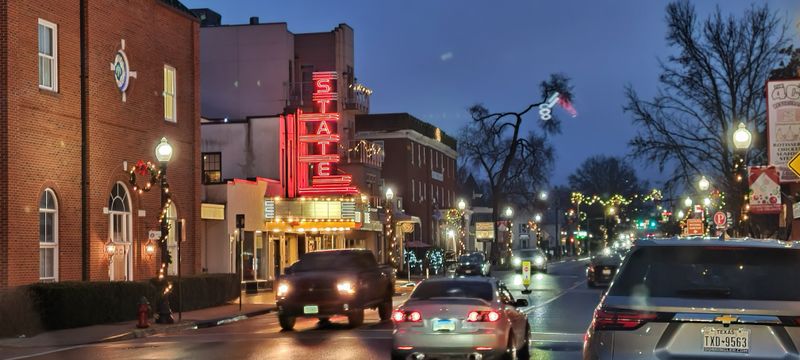
Culpeper’s Main Street cuts through a historic district rich with stories spanning centuries.
The Museum of Culpeper History sits along this thoroughfare, chronicling the region’s past.
Exhibits cover everything from prehistoric times through the Civil War and beyond.
The Burgandine House stands as one of Virginia’s oldest surviving structures, its walls dating back to the mid-1700s.
This building alone witnessed the transformation from colonial outpost to modern town.
Main Street served as a main route for armies moving through central Virginia during wartime.
Both Union and Confederate forces occupied the town at different points, leaving their marks.
Historic buildings display varied architectural styles, reflecting different prosperity periods.
The street maintains its small-town character despite being located relatively close to major cities.
Local historians have worked to identify and preserve structures with significant historical value.
Walking Main Street means passing buildings where crucial decisions were made during turbulent times.
The town’s strategic location made it a crossroads for travelers and armies alike.
Today, Main Street balances honoring the past while serving current community needs.
Culpeper represents countless Virginia towns that preserve their heritage through active use of historic buildings.
Address: Main Street, Culpeper, VA 22701
7. Washington Street (Middleburg)
Middleburg’s Washington Street embodies Virginia Hunt Country’s elegant traditions and artistic spirit.
This charming thoroughfare reflects the equestrian lifestyle that has defined the region for generations.
Fine art galleries occupy historic buildings, showcasing works by local and regional artists.
Antique shops offer treasures collected from estates throughout the surrounding countryside.
The street maintains an intimate small-town scale, with buildings close together creating a cohesive streetscape.
Middleburg’s location in Loudoun County places it at the heart of horse country.
The town’s character reflects the refined tastes of the families who established estates nearby.
Washington Street serves as the social and commercial center for this close-knit community.
Historic structures house modern businesses, demonstrating successful adaptive reuse.
The street’s architecture reflects the prosperity brought by agriculture and equestrian pursuits.
Visitors experience a slower pace here, reminiscent of earlier times when life moved more deliberately.
Art galleries host regular exhibitions, making Washington Street a cultural destination.
The combination of history, art, and equestrian heritage creates a unique atmosphere.
Middleburg proves that small Virginia towns can preserve their character while embracing contemporary culture.
Address: Washington Street, Middleburg, VA 20117
8. Main Street (Abingdon)
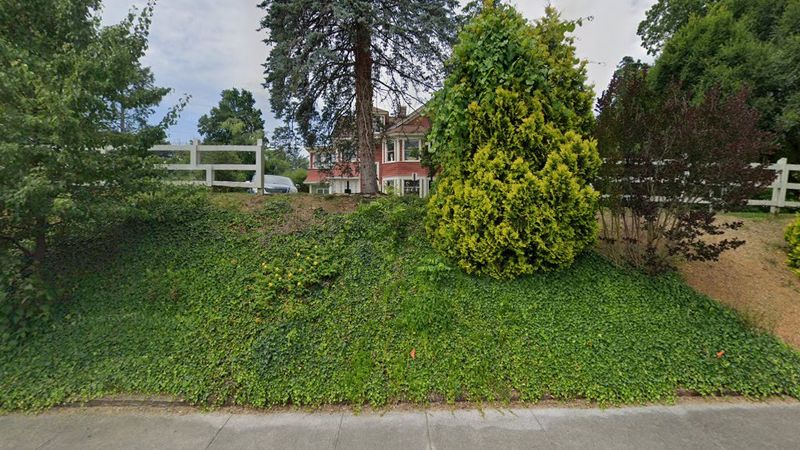
Recognition as one of America’s coolest small-town streets came naturally to Abingdon’s Main Street.
The town cultivated a thriving artisan culture that attracts visitors from across the region.
Historic buildings provide perfect spaces for craftspeople, artists, and specialty retailers.
Main Street winds through town rather than running straight, adding visual interest and charm.
This curving layout creates unexpected views and encourages leisurely exploration.
Abingdon’s commitment to the arts shows in galleries, theaters, and public art installations.
The Barter Theatre, one of America’s longest-running professional theaters, anchors the cultural scene.
Historic structures along Main Street represent various periods of the town’s development.
Preservation efforts ensured these buildings remained viable for contemporary use.
The artisan community breathed new life into spaces that might otherwise have deteriorated.
Visitors find handmade goods, original artwork, and unique items unavailable elsewhere.
Main Street represents how historic preservation and creative economies can reinforce each other.
The town’s success demonstrates that small Virginia communities can thrive by honoring their heritage.
Abingdon’s Main Street proves that authenticity and creativity attract people seeking meaningful experiences.
Address: Main Street, Abingdon, VA 24210
9. Three Chopt Road (Richmond area)
Before modern roads existed, travelers followed trails marked by distinctive notches cut into trees.
Three Chopt Road earned its name from the pattern of three cuts that guided colonial travelers.
English settlers also knew it as the King’s Highway or Three Notched Road.
This route represents one of Virginia’s oldest marked transportation corridors.
The trail connected settlements and allowed commerce to flow between communities.
Native Americans likely used similar paths long before European colonization.
Colonial authorities formalized the route, making it an official road for wagons and horses.
The distinctive three-notch marking system helped travelers avoid getting lost in dense forests.
Today, portions of the historic route survive as modern roads bearing the same name.
Historical markers along the way explain the road’s significance to early Virginia development.
Three Chopt Road demonstrates how transportation routes shaped settlement patterns.
Communities grew where the road intersected with other trails or near river crossings.
The route witnessed centuries of Virginia history, from colonial expansion through modern suburbanization.
Following Three Chopt Road today means tracing paths walked by countless generations before us.
Address: Three Chopt Road, Richmond, VA 23233
10. Cary Street (Richmond)
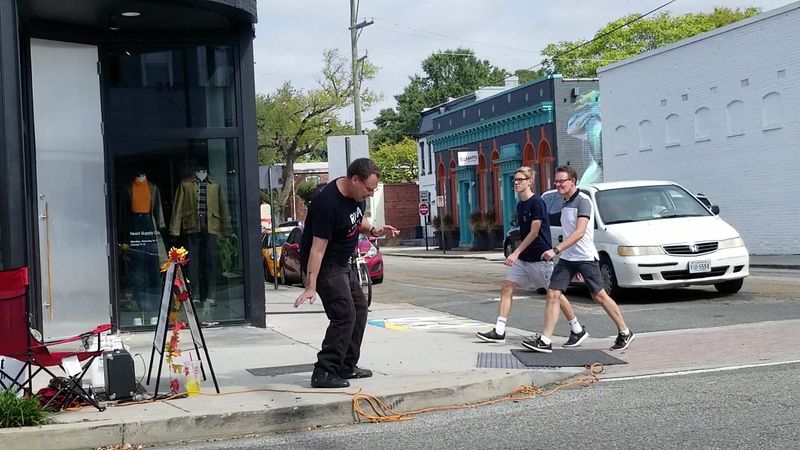
Originally designated as D Street, then Dover Plan Road, this avenue eventually honored Colonel Archibald Cary.
Colonel Cary served Virginia’s House of Burgesses during the crucial years leading to independence.
His legislative work helped shape policies during the colonial period’s final decades.
The street’s multiple name changes reflect Richmond’s growth and evolving identity.
Today, Cary Street gained fame for the Carytown district, known for eclectic independent shops.
The neighborhood maintains a bohemian character that sets it apart from corporate retail areas.
Historic buildings house boutiques, vintage stores, and specialty retailers.
The street’s commercial vitality demonstrates successful historic district revitalization.
Carytown attracts residents and visitors seeking unique goods and local character.
The district preserved its historic architecture while allowing creative contemporary uses.
Walking Cary Street means experiencing Richmond’s evolution from colonial capital to modern city.
The street connects different eras, with buildings representing various periods of growth.
Colonel Cary would likely appreciate how his namesake street continues serving the community.
Cary Street proves that historic thoroughfares can remain relevant by adapting to changing times.
Address: Cary Street, Richmond, VA 23220
Dear Reader: This page may contain affiliate links which may earn a commission if you click through and make a purchase. Our independent journalism is not influenced by any advertiser or commercial initiative unless it is clearly marked as sponsored content. As travel products change, please be sure to reconfirm all details and stay up to date with current events to ensure a safe and successful trip.
