Virginia holds countless secrets tucked between its mountains, valleys, and coastline. While many travelers flock to popular destinations, some remarkable places remain wonderfully quiet and peaceful.
These hidden gems offer authentic experiences without the usual tourist crowds, letting you explore Virginia’s natural beauty and rich history at your own pace.
From secluded mountain towns to tranquil waterfront villages, these locations provide the perfect escape from busy everyday life. Each spot has its own character and charm waiting to be discovered.
Whether you’re seeking outdoor adventures, historic sites, or simply a quiet retreat, Virginia’s lesser-known destinations deliver unforgettable memories without the hassle of overcrowded attractions.
1. Cape Charles
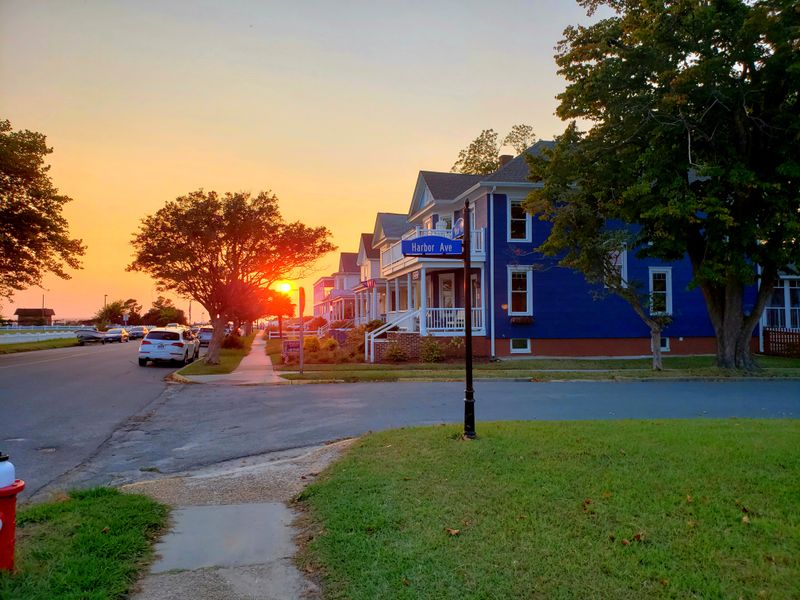
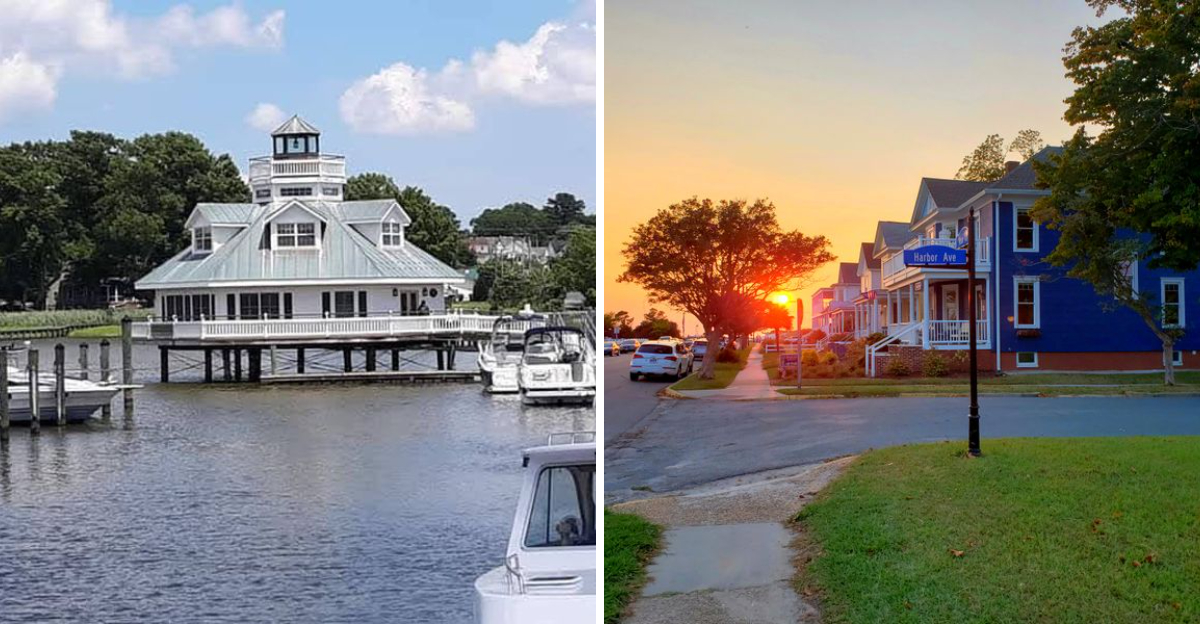
Nestled on Virginia’s Eastern Shore, this charming coastal town offers something truly special for those willing to venture off the beaten path. Cape Charles combines historic architecture with pristine beaches, creating an atmosphere that feels frozen in time.
Walking down the tree-lined streets, you’ll encounter beautifully preserved Victorian homes and friendly locals who genuinely enjoy sharing their town’s stories.
The public beach stretches for miles with soft sand and calm waters, perfect for families seeking a relaxing day by the Chesapeake Bay. Unlike crowded beach destinations, you can actually find your own quiet spot here.
The historic downtown area features unique shops, galleries, and welcoming restaurants housed in renovated buildings that maintain their original character.
Outdoor enthusiasts appreciate the nearby Kiptopeke State Park, which provides excellent opportunities for bird watching, hiking, and kayaking through peaceful marshlands. The park’s location along the Atlantic Flyway makes it a prime spot for observing migratory birds during spring and fall seasons.
Cape Charles also hosts a vibrant farmers market where local vendors sell fresh produce, handmade crafts, and regional specialties. The community atmosphere here feels genuine and unhurried, a refreshing change from typical tourist destinations.
Located at 2 Plum Street, Cape Charles, VA 23310, this waterfront gem continues to maintain its small-town appeal while offering modern amenities. Sunset views over the bay create picture-perfect moments that capture Virginia’s coastal beauty at its finest.
2. Abingdon
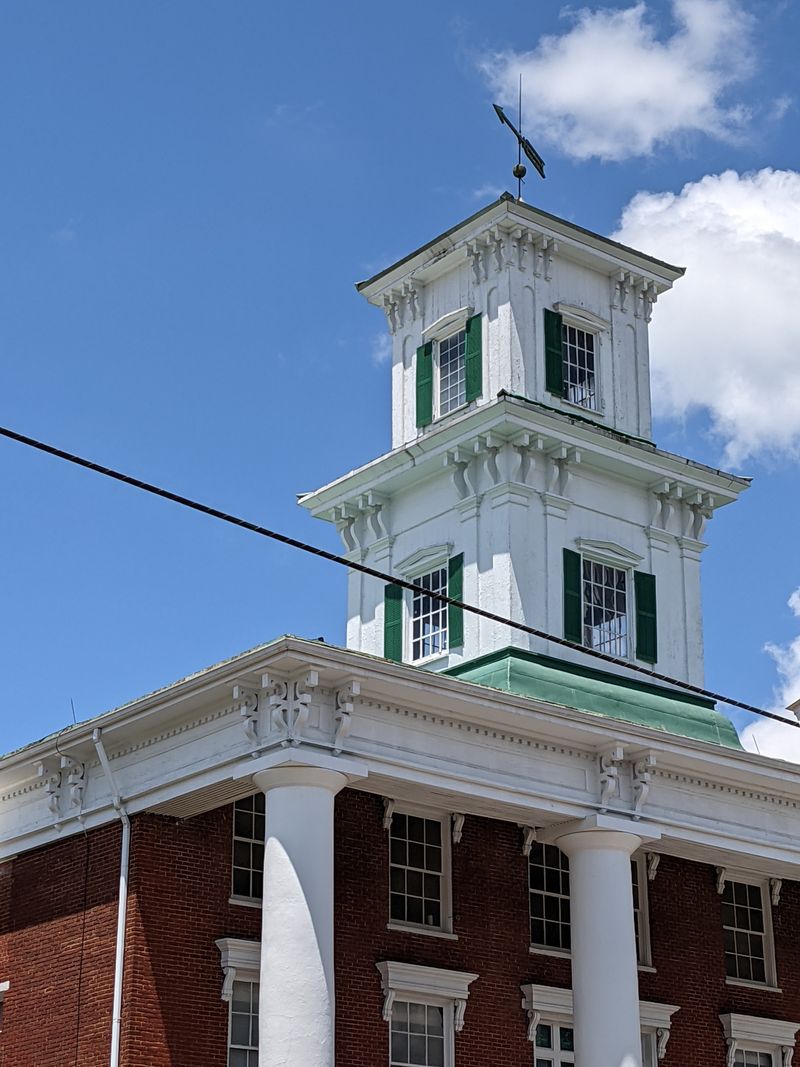
Tucked away in Virginia’s southwestern corner, Abingdon radiates authentic Appalachian charm without the tourist congestion found in other mountain towns. Historic buildings line the main street, housing artisan shops, cozy cafes, and cultural venues that celebrate the region’s heritage.
The town’s artistic spirit shines through numerous galleries showcasing local talent and traditional crafts passed down through generations.
The Barter Theatre stands as America’s longest-running professional theater, offering world-class performances in an intimate setting. Attending a show here feels like discovering a well-kept secret that locals have cherished for decades.
The venue’s history adds depth to every performance, creating memorable evenings filled with exceptional entertainment.
Virginia Creeper Trail begins just outside town, providing over thirty miles of scenic cycling and hiking through forests, farmlands, and alongside babbling creeks. This converted railroad bed offers gentle grades suitable for all skill levels, making outdoor adventure accessible to everyone.
The trail’s natural beauty changes with each season, offering fresh perspectives throughout the year.
Downtown Abingdon maintains its historic character while supporting a thriving arts community. Monthly events bring residents and visitors together, fostering connections that make this place feel welcoming and genuine.
Walking tours reveal fascinating stories about the town’s role in regional history and development.
Visit the town center at 335 Cummings Street, Abingdon, VA 24210, where friendly faces and mountain hospitality create lasting impressions. This southwestern Virginia treasure proves that authentic experiences still exist for those willing to explore beyond typical tourist routes.
3. Tangier Island
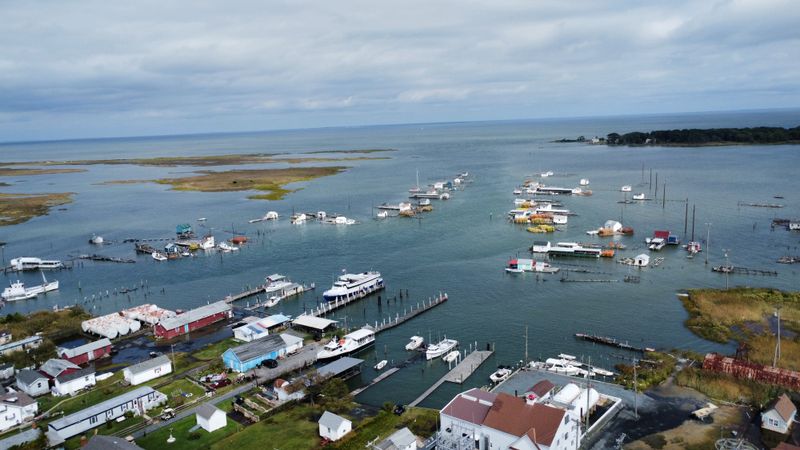
Accessible only by boat or small plane, Tangier Island exists in a world apart from mainland Virginia. This remote Chesapeake Bay community maintains traditions and a distinct dialect that trace back centuries to its earliest settlers.
Life moves at a different pace here, where golf carts replace cars and neighbors know everyone by name.
Watermen still harvest crabs and oysters using methods passed down through generations, keeping the island’s maritime heritage alive. Observing their daily routines provides insight into a vanishing way of life that few places still preserve.
The island’s isolation has protected its unique culture from the homogenization affecting many coastal communities.
Narrow lanes wind between weathered homes and historic churches, inviting leisurely exploration on foot or bicycle. The absence of typical tourist infrastructure creates an authentic experience that feels like stepping back in time.
Local guides share captivating stories about island history, customs, and the challenges of living surrounded by water.
Nature lovers appreciate the abundant wildlife, especially during migration seasons when countless birds rest on their journeys. The surrounding marshes and waters teem with marine life, offering glimpses into the Chesapeake Bay’s ecological importance.
Climate change threatens this fragile community as rising waters gradually claim the shoreline, adding urgency to visiting while the island remains inhabited. The island’s main area centers around 16060 Tangier Island, VA 23440, where visitors discover a living museum of Chesapeake Bay culture.
Ferries from mainland Virginia provide the primary connection to this remarkable floating community.
4. Monterey
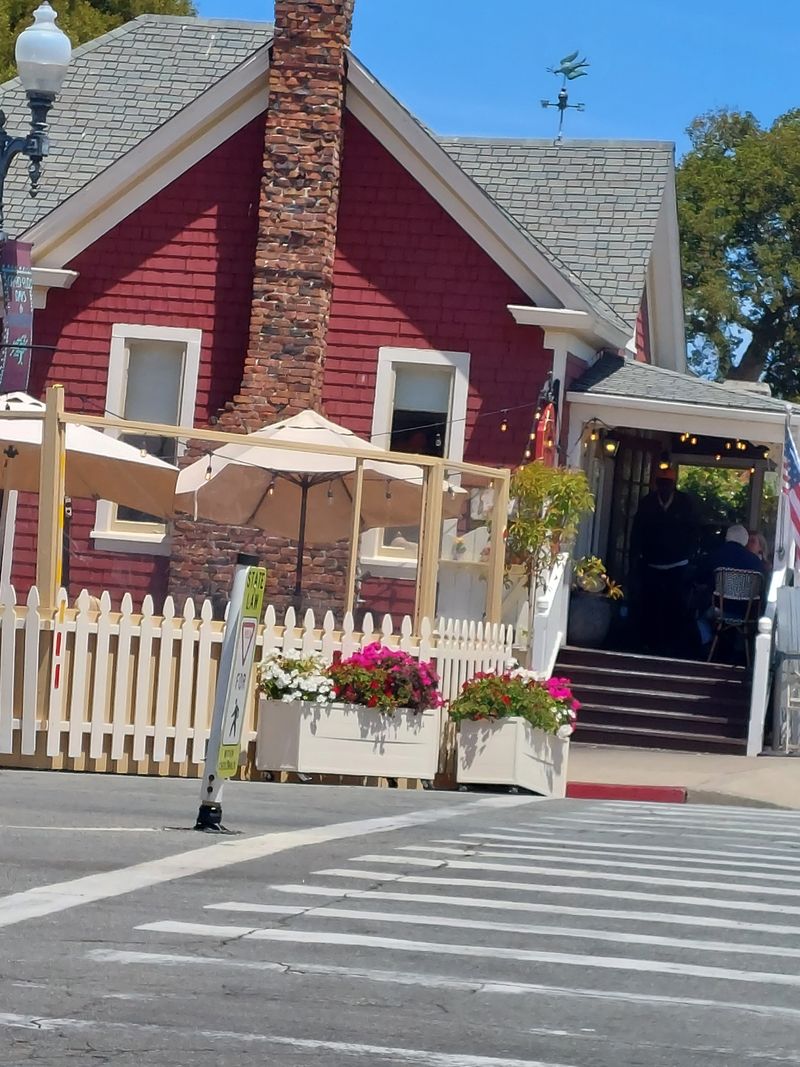
High in the Allegheny Mountains, Monterey serves as Highland County’s seat and gateway to some of Virginia’s most stunning highland scenery. This mountain village radiates rural charm and simplicity, offering respite from modern life’s constant demands.
The surrounding landscape features rolling pastures, dense forests, and elevations that create cooler temperatures even during summer months.
Highland County claims the title of Virginia’s least populated county, ensuring that crowds remain nonexistent throughout the year. This sparse population density allows nature to dominate the landscape, creating pristine conditions for outdoor exploration.
Hiking trails wind through national forest lands, leading to waterfalls, mountain vistas, and secluded valleys rarely visited by outsiders.
Spring brings the famous Highland Maple Festival, celebrating the region’s maple syrup production with tours of sugar camps and demonstrations of traditional tapping methods. This authentic celebration connects visitors with agricultural traditions that continue to sustain local families.
The festival atmosphere feels genuine and community-focused rather than commercialized.
Trout fishing in mountain streams provides peaceful hours surrounded by natural beauty and the soothing sounds of rushing water. Local outfitters offer guidance for those new to fly fishing while respecting the solitude that experienced anglers seek.
The town center at 307 West Main Street, Monterey, VA 24465, maintains its historic courthouse and surrounding buildings that serve the tight-knit community. Virginia’s highland region remains one of the state’s best-kept secrets, rewarding adventurous travelers with unspoiled mountain landscapes and genuine hospitality.
5. Onancock
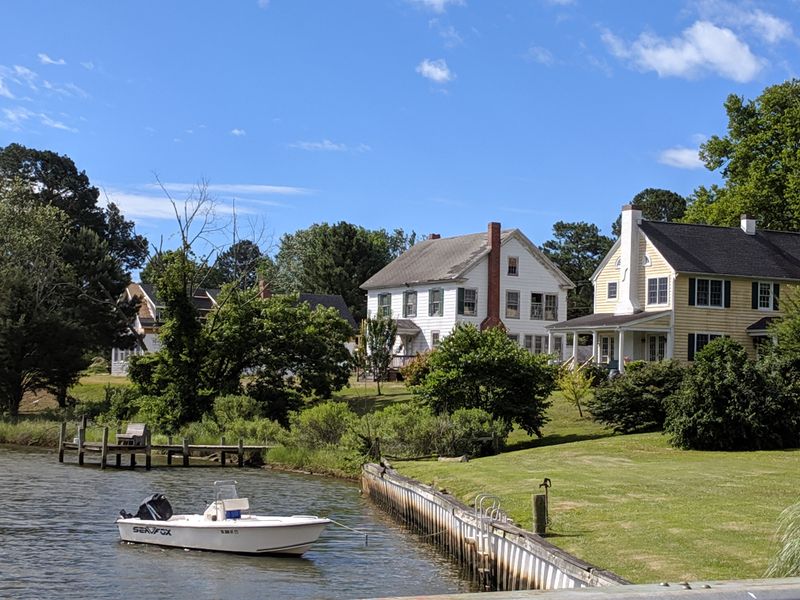
Situated along Onancock Creek on Virginia’s Eastern Shore, this waterfront town offers maritime charm without pretension. Historic homes dating back centuries line quiet streets where residents still gather on front porches to watch the world go by.
The town’s working waterfront maintains its authentic character, with fishing boats and pleasure craft sharing the harbor peacefully.
Art galleries and antique shops occupy restored buildings, showcasing regional artists and treasures collected from generations of Eastern Shore families. Browsing these establishments feels like treasure hunting, with unique finds waiting around every corner.
The proprietors often share fascinating stories about the items and their connections to local history.
Onancock’s wharf serves as the departure point for ferries to Tangier Island, making it a practical base for exploring the Chesapeake Bay region. The wharf area buzzes with activity during departure times, then returns to peaceful calm as boats disappear across the water.
Watching workboats come and go provides a window into the waterman’s life that sustains many Eastern Shore families.
Kayaking through nearby creeks and marshes reveals hidden coves and abundant wildlife thriving in protected waters. The gentle currents make paddling accessible for beginners while offering enough exploration opportunities to satisfy experienced kayakers.
Sunrise and sunset paddles create particularly magical experiences as light transforms the water and marsh grasses.
The historic district centers around 2 Market Street, Onancock, VA 23417, where the town hall anchors the community. This Eastern Shore gem maintains its authentic maritime identity while welcoming visitors who appreciate genuine coastal culture over manufactured tourist experiences.
6. Smithfield
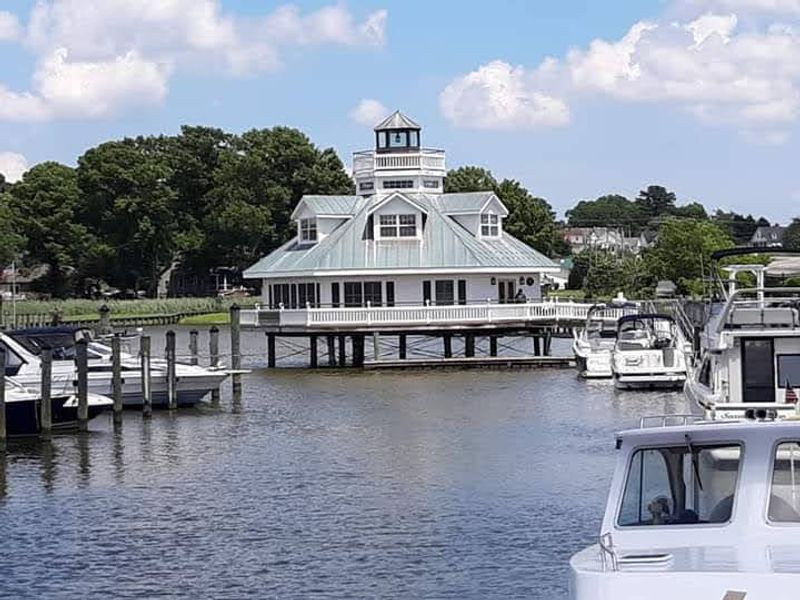
Along the Pagan River in Isle of Wight County, Smithfield preserves colonial history while maintaining a relaxed, unhurried atmosphere. The historic district features homes and buildings spanning three centuries, creating an outdoor museum of architectural evolution.
Walking these streets transports visitors through different eras of American history, each structure telling its own story.
St. Luke’s Church, built in the mid-seventeenth century, stands as the nation’s oldest existing church of English foundation. Its Gothic architecture and original features provide rare glimpses into early colonial religious life.
The church grounds offer peaceful reflection spaces surrounded by ancient trees and historic gravesones.
The riverfront has been thoughtfully developed with a boardwalk that encourages leisurely strolls while preserving the natural beauty of the waterway. Benches positioned along the path invite visitors to pause and watch boats glide past or observe waterfowl feeding in the shallows.
This balance between development and preservation creates an inviting public space without overwhelming the natural setting.
Local shops and eateries occupy historic buildings, maintaining the town’s character while serving modern needs. The business community takes pride in supporting local products and maintaining the town’s reputation for quality and authenticity.
Shopping here feels personal, with proprietors who remember regular customers and welcome newcomers warmly.
The visitor center at 335 Main Street, Smithfield, VA 23430, provides excellent resources for exploring this historic river town. Virginia’s smaller historic communities like Smithfield offer depth and authenticity that larger destinations sometimes sacrifice for mass tourism appeal.
7. Floyd
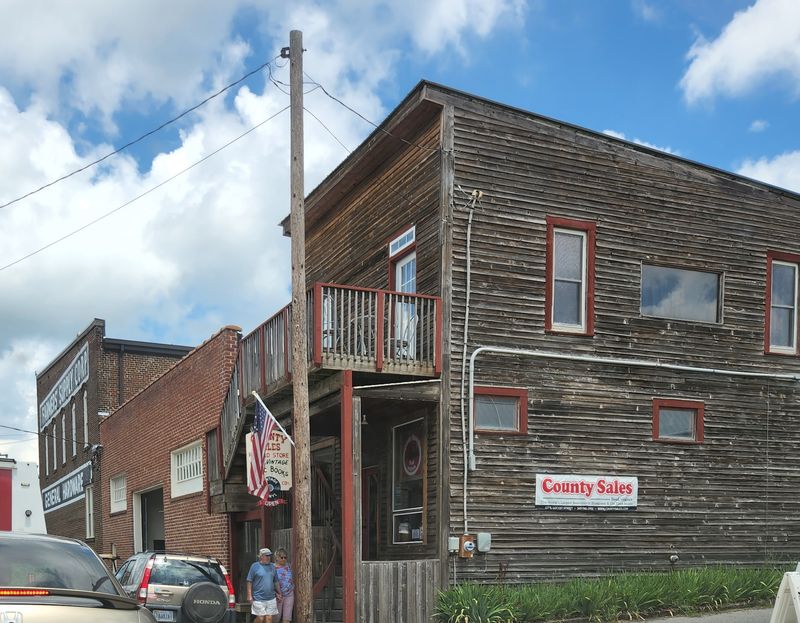
Music fills the mountain air in Floyd, a small community where traditional Appalachian culture thrives alongside artistic expression. Weekly gatherings bring musicians together for spontaneous jam sessions that welcome participants and listeners alike.
The genuine love for music creates an inclusive atmosphere where strangers quickly become friends through shared melodies and rhythms.
The town sits along the Blue Ridge Parkway, providing easy access to spectacular mountain scenery and hiking opportunities. This location attracts outdoor enthusiasts who appreciate the combination of natural beauty and cultural richness.
Trails range from easy walks to challenging climbs, all rewarding hikers with stunning views across the Blue Ridge Mountains.
Local farms practice sustainable agriculture, supplying fresh produce to the community and visitors seeking farm-to-table experiences. Visiting these farms connects people with the land and the dedicated individuals who steward it.
Many farms welcome guests for tours, workshops, and seasonal events that celebrate the harvest and rural traditions.
The downtown area maintains its small-town character with locally-owned businesses that reflect the community’s values and creativity. Artisan crafts, handmade goods, and regional products fill shop shelves, offering alternatives to mass-produced merchandise.
Supporting these businesses directly benefits families who have chosen to build their lives in this mountain community.
Floyd’s main intersection at 120 Wilson Street, Floyd, VA 24091, serves as the social and commercial heart of this unique town. Virginia’s mountain communities preserve cultural traditions that connect present generations with their heritage while welcoming those who seek authentic experiences and genuine connections.
8. Urbanna
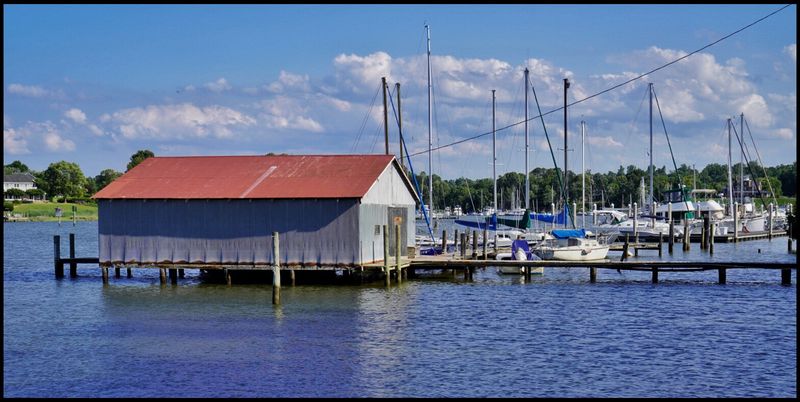
Where Urbanna Creek meets the Rappahannock River, this waterfront village captures the essence of Virginia’s Tidewater region. Established in the late seventeenth century as a tobacco port, the town has evolved while maintaining its historic waterfront character.
Ancient trees shade residential streets lined with homes that span architectural styles from colonial to Victorian eras.
The marina accommodates visiting boaters who discover this peaceful stop along their Chesapeake Bay explorations. Watching sailboats and powerboats navigate the creek provides endless entertainment for those who appreciate maritime life.
The waterfront park offers prime viewing spots along with picnic areas perfect for enjoying the river breeze.
Annual events celebrate the town’s maritime heritage and oyster industry, bringing the community together in authentic celebrations that welcome visitors as honored guests. These gatherings showcase regional traditions, local seafood, and the warm hospitality that defines small-town Virginia.
Participating feels like joining a family reunion rather than attending a commercial tourist event.
Antique shops and galleries occupy historic buildings, offering carefully curated selections that reflect the region’s history and artistic sensibilities. Serious collectors and casual browsers alike find treasures worth discovering.
The relaxed pace allows for unhurried exploration and conversations with knowledgeable shop owners.
The historic district centers around 57 Cross Street, Urbanna, VA 23175, where the town maintains its municipal offices. This Tidewater gem remains largely unknown to travelers rushing between major destinations, preserving its peaceful character for those who take time to explore Virginia’s back roads and waterways.
9. Clifton
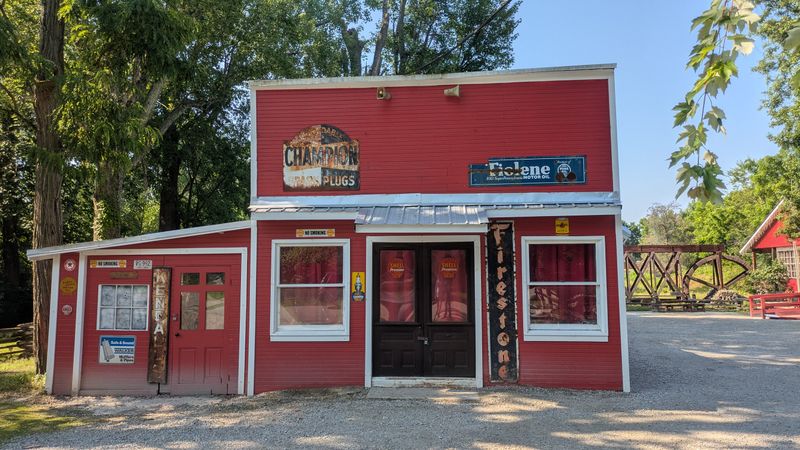
Just beyond the suburban sprawl, Clifton exists as a remarkably preserved village that refuses to surrender its nineteenth-century character. The entire town appears frozen in time, with wooden sidewalks, historic storefronts, and strict preservation standards that maintain architectural integrity.
Residents take fierce pride in protecting their community’s unique identity against development pressures.
Originally a railroad town, Clifton served as a vital transportation hub before highways redirected commerce and travel patterns. The old train station still stands as a reminder of busier days, now serving as a community gathering space.
This railroad heritage influences the town’s layout and the linear arrangement of businesses along the main street.
Small shops, cafes, and galleries occupy buildings that have served the community for over a century. These establishments maintain the personal service and attention to quality that characterized earlier eras.
Shopping here supports local entrepreneurs who chose Clifton specifically for its character and community values.
The town’s compact size makes walking the preferred mode of transportation, encouraging casual encounters and conversations among residents and visitors. This pedestrian-friendly environment creates a social atmosphere increasingly rare in modern communities.
Children still play freely in streets where traffic moves slowly and neighbors watch out for each other.
Located at 12641 Chapel Road, Clifton, VA 20124, the town center serves fewer than three hundred residents who actively preserve their community’s heritage. Virginia contains surprising pockets of history and character that survive despite surrounding development, offering glimpses into simpler times when communities centered around personal connections rather than commercial transactions.
10. Chincoteague
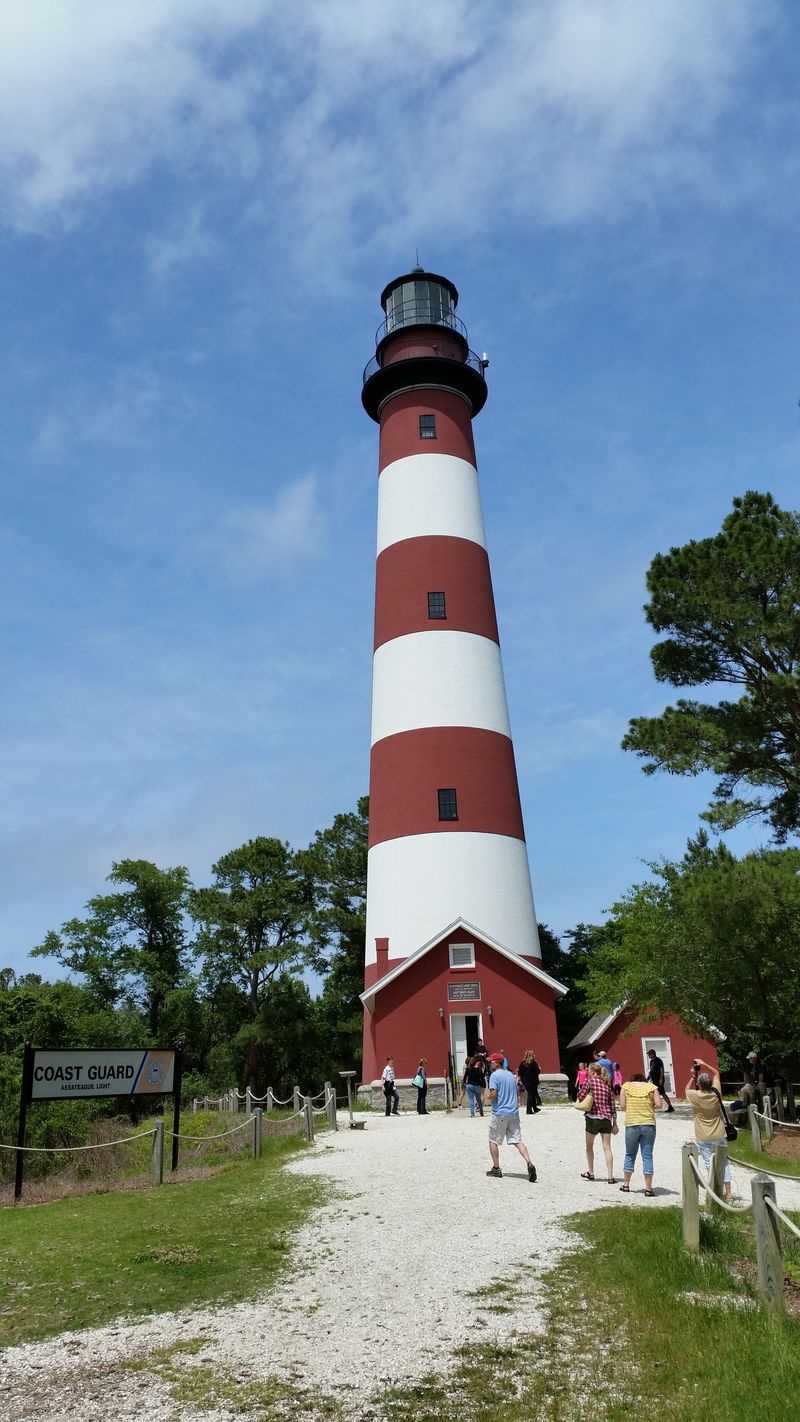
Famous for wild ponies but still remarkably uncrowded, Chincoteague Island offers authentic barrier island experiences without overwhelming development. The island balances tourism with preservation, maintaining the natural beauty and wildlife habitat that make it special.
Local families who have lived here for generations continue to shape the community’s character and values.
The Chincoteague National Wildlife Refuge protects thousands of acres of beach, marsh, and maritime forest teeming with birds, deer, and the famous wild ponies. Exploring the refuge reveals constantly changing landscapes as tides, seasons, and wildlife movements create new scenes daily.
Early morning visits often yield the best wildlife viewing opportunities when animals are most active.
The town itself retains its fishing village character despite seasonal visitor influxes. Working watermen still harvest clams and oysters from surrounding waters, continuing traditions that predate tourism.
Observing their work provides authentic connections to the island’s maritime heritage and the challenges of making a living from the sea.
Beaches on nearby Assateague Island stretch for miles with soft sand and rolling waves perfect for swimming, shell collecting, and beachcombing. The relative isolation keeps crowds manageable even during peak summer months.
Watching wild ponies roam the beach creates unforgettable moments that capture the island’s unique character.
The main commercial area along 6733 Maddox Boulevard, Chincoteague, VA 23336, provides visitor services while maintaining local flavor. This barrier island demonstrates that popular destinations can preserve their authenticity when communities prioritize conservation and controlled development over maximum commercial exploitation.
11. Warm Springs
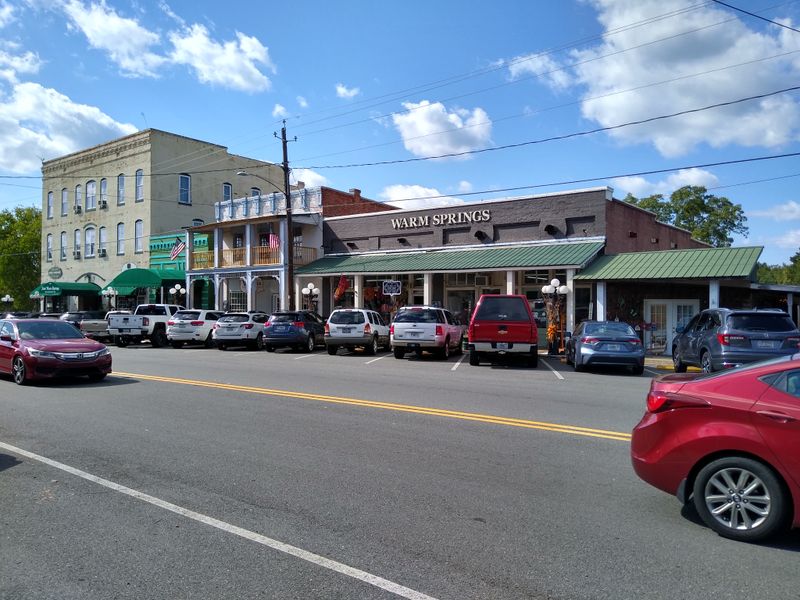
Natural warm springs bubble from the earth in this mountain valley, creating a spa destination that has attracted visitors seeking healing waters for centuries. The historic bathhouses preserve traditional soaking experiences in simple, unchanged facilities that emphasize the waters’ natural properties over modern luxury amenities.
Soaking in these mineral-rich waters connects bathers with countless previous generations who sought the same therapeutic benefits.
The surrounding Bath County landscape features mountain peaks, pristine streams, and vast stretches of George Washington National Forest. This protected wilderness provides endless opportunities for hiking, fishing, and wildlife observation in remarkably undisturbed natural settings.
The combination of mountain scenery and therapeutic waters creates ideal conditions for genuine rest and restoration.
Historic resorts in the area maintain elegant accommodations that blend period architecture with modern comforts. These establishments honor their heritage while serving contemporary guests who appreciate quality and tradition.
The relaxed pace and natural setting encourage digital detox and genuine relaxation away from daily pressures.
Small communities scattered throughout the valley maintain rural character and agricultural traditions that have sustained families for generations. Driving the scenic backroads reveals pastoral scenes of farms, churches, and country stores that seem untouched by time.
These authentic rural landscapes showcase Virginia’s agricultural heritage and the resilience of traditional ways of life.
The bathhouses at 3 Courthouse Hill Road, Warm Springs, VA 24484, continue operating much as they have for over two centuries. This mountain valley represents Virginia at its most peaceful and restorative, offering natural healing and scenic beauty to those seeking refuge from hectic modern life.
